
Procurement Planning Mistakes That Increase Cost and Delay Delivery


Why do small Procurement Planning mistakes become expensive so quickly?
Procurement Planning looks routine on paper, but it shapes cost, timing, compliance, and supplier behavior long before a purchase order is issued.
That is especially true in complex sectors tied to industrial lasers, additive manufacturing, optical inspection, advanced materials, and vacuum engineering.
A weak early plan often causes rushed sourcing, unclear specifications, duplicated approvals, and avoidable logistics premiums.
Delivery delays usually start earlier than expected.
In many cases, the real issue is not supplier failure.
It is incomplete Procurement Planning that ignored lead times, certification requirements, export controls, installation readiness, or testing dependencies.
For projects involving high-performance equipment and technical materials, a planning error can travel through the entire supply chain.
One missing parameter may trigger redesign, re-quotation, requalification, or customs review.
This is why disciplined Procurement Planning matters more than transaction efficiency.
It protects the operating model behind the transaction.
Which Procurement Planning mistakes show up most often in industrial projects?
The most common mistakes are rarely dramatic at the beginning.
They usually appear as small assumptions that were never tested.
In practice, five patterns appear repeatedly across industries.
- Demand is defined too broadly, with no measurable technical acceptance criteria.
- Supplier selection starts before lifecycle cost, risk, and compatibility are compared.
- Lead time estimates exclude qualification tests, shipping bottlenecks, or site preparation.
- Compliance review happens late, after sourcing momentum has already built.
- Internal stakeholders align on budget, but not on performance thresholds.
A laser system, for example, is not just a unit price decision.
Cooling requirements, optical stability, software integration, maintenance support, and safety standards all influence total project value.
The same logic applies to metal 3D printers, AI-based inspection tools, graphene inputs, or UHV components.
When Procurement Planning treats these as ordinary catalog items, cost inflation is usually delayed rather than avoided.
A quick reference for early warning signs
The table below helps separate a healthy planning process from one already drifting toward delay and extra expense.
Is the biggest problem poor pricing, or poor requirement definition?
Poor requirement definition is usually the deeper problem.
Pricing issues often follow from vague scope.
If the required tolerance, throughput, substrate compatibility, vacuum level, or inspection resolution is not clear, every quote is unstable.
Suppliers then price uncertainty into the offer, or they underquote and recover margin later through changes.
This is where Procurement Planning should act as a technical filter, not only a budget gate.
A sound plan translates business intent into procurement-ready detail.
For advanced industrial categories, that usually means confirming:
- Performance limits under actual operating conditions
- Interface needs with existing systems and software
- Required standards, traceability, and documentation
- Maintenance model, spare parts path, and training needs
- Consequences of underperformance on output and compliance
When those points are defined early, commercial discussions become sharper and faster.
That is also where benchmark-driven sources such as G-AIT become useful.
Independent comparison across technologies and standards reduces reliance on marketing language during Procurement Planning.
How does weak Procurement Planning create delivery delays even when suppliers are capable?
A capable supplier can still deliver late when the buying process ignores sequencing.
Industrial delivery is not one event.
It is a chain of approvals, engineering checks, export reviews, packaging decisions, transport booking, site readiness, and acceptance testing.
Weak Procurement Planning compresses this chain into a single lead-time estimate.
That estimate is almost always optimistic.
More common delay triggers include specification changes after award, missing end-user documentation, delayed deposit approvals, and unplanned certification requests.
Cross-border projects add another layer.
Advanced lasers, optical systems, nanomaterials, and vacuum assemblies may require export classification review or destination-specific compliance checks.
If those issues are discovered after commercial commitment, delivery dates begin to slip.
A more reliable approach is to map the full delivery path before final sourcing approval.
This should include factory acceptance testing, logistics milestones, installation prerequisites, and final validation criteria.
What should be checked before comparing suppliers or locking the budget?
This is where Procurement Planning either prevents waste or institutionalizes it.
Before comparing suppliers, the comparison logic itself has to be credible.
A budget decision made without that discipline often rewards the lowest visible cost, not the lowest total risk.
Useful pre-checks usually include the following:
- Confirm whether the requirement is performance-based or design-specific.
- Separate mandatory standards from preferred features.
- Model total landed cost, including commissioning and downtime exposure.
- Check supplier maturity through reference applications, not brochure claims.
- Review patent, tender, and export-control signals that may affect continuity.
- Test whether internal users agree on what counts as successful delivery.
In sectors covered by G-AIT, technical benchmarking is especially valuable because similar-looking systems can differ sharply in reliability, throughput stability, and standards alignment.
That difference rarely appears in a simplified quote table.
What does better Procurement Planning look like in practice?
It does not have to be bureaucratic.
Better Procurement Planning is usually more precise, not more complicated.
A practical model starts with a short technical brief, a risk-based timeline, and a decision matrix built around measurable criteria.
Then it adds market intelligence before supplier engagement becomes too advanced.
For high-tech categories, that means validating claims against standards, benchmark data, and evidence from comparable applications.
The strongest plans also assign ownership clearly.
Who signs off on specification changes?
Who confirms installation readiness?
Who tracks export or compliance exposure?
Without those answers, Procurement Planning remains incomplete even if the sourcing calendar looks organized.
A useful next step is to review one active or recent purchase and identify where assumptions replaced evidence.
That exercise usually reveals where cost growth and delays actually begin.
From there, refine the requirement set, rebuild the timeline around real dependencies, and compare suppliers using technical and commercial proof together.
That is the point where Procurement Planning starts reducing risk instead of documenting it after the fact.
Related News
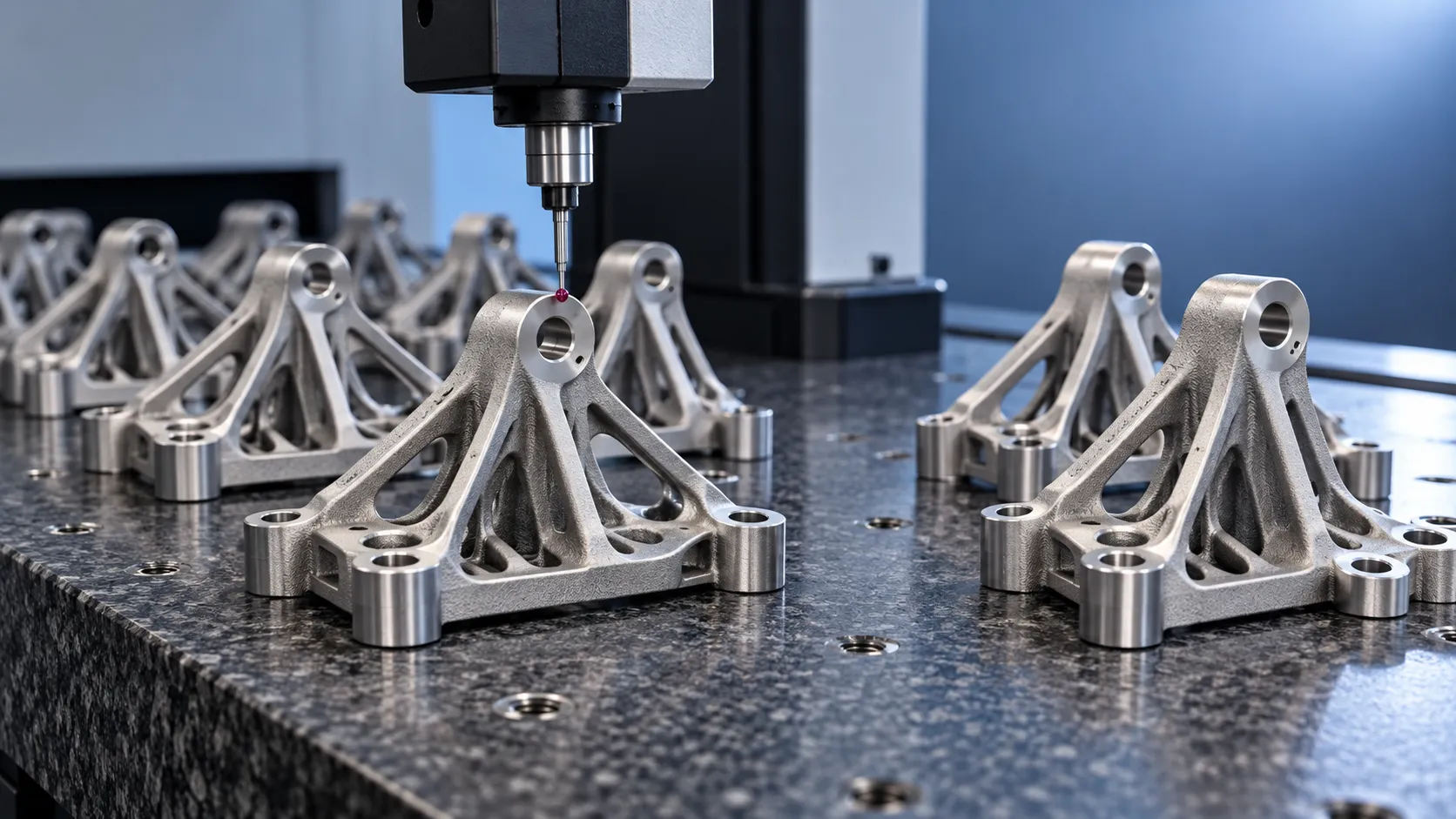
How to verify part consistency before choosing a 3D printing OEM
Choosing a 3D printing OEM? Learn how to verify part consistency with repeat-build trials, validated inspections, and traceability checks before committing to production.
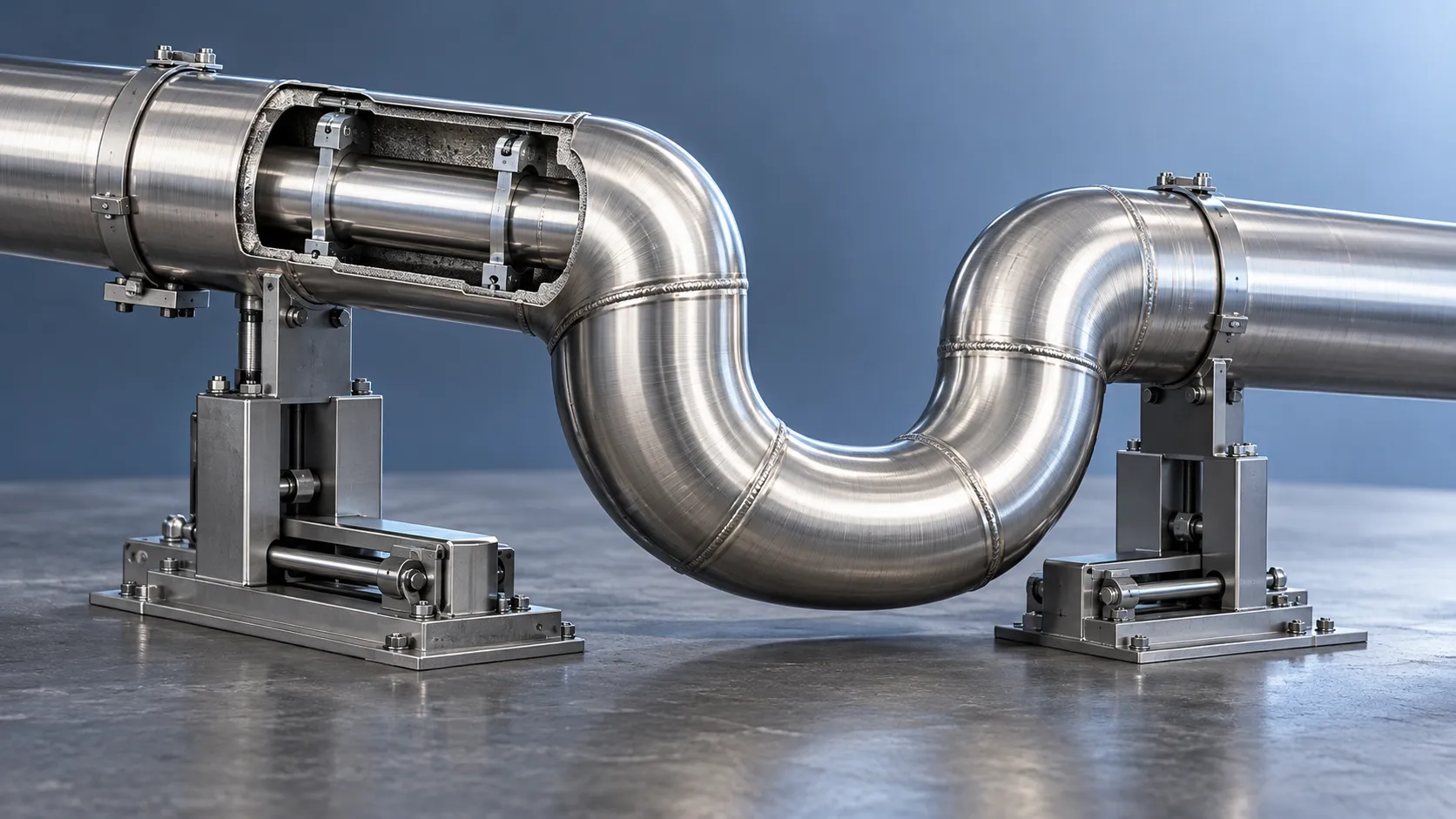
How does a rigid cryogenic transfer line handle thermal contraction?
Learn how a rigid cryogenic transfer line manages thermal contraction with bends, bellows, and guided supports. Discover key design checks for safe, reliable cryogenic performance.

How much does edge vision deployment cost beyond the hardware?
Understand edge vision deployment cost beyond hardware, from data and integration to security and support. Uncover hidden expenses and build a smarter lifecycle budget before you scale.

How does the purity of sputtering targets affect thin-film quality?
Discover how sputtering targets affect thin-film quality. Learn to assess purity, identify harmful impurities, and choose specifications that improve coating performance.

How high power laser cladding systems control substrate dilution
Discover how high power laser cladding systems control substrate dilution through beam shaping, material feed, and thermal management to deliver reliable bonds and coating performance.
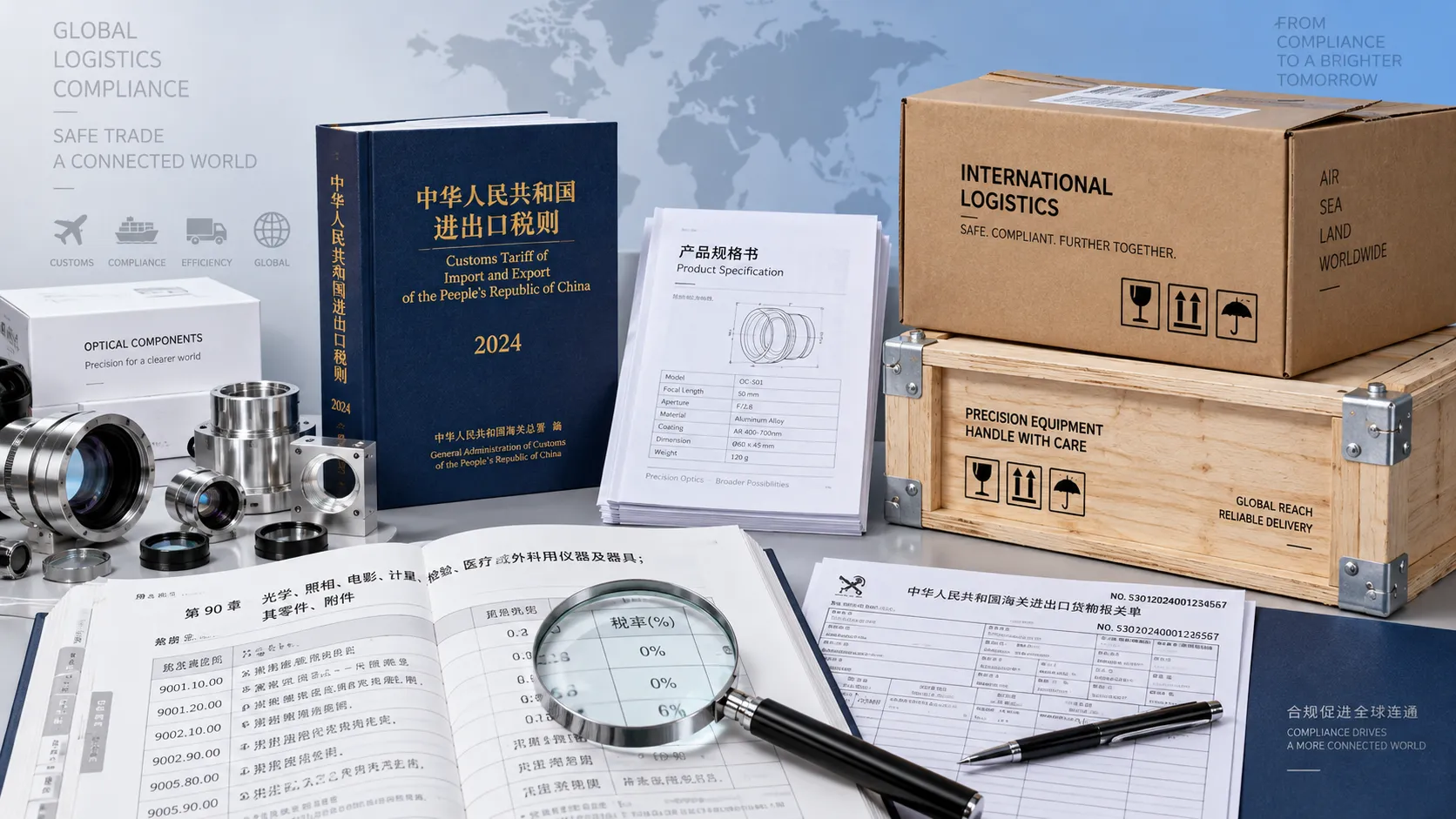
How to check HS codes for customs compliance in international logistics
Strengthen international logistics customs compliance: learn how to verify HS codes, check official tariffs, and document classifications to reduce costly shipment delays.
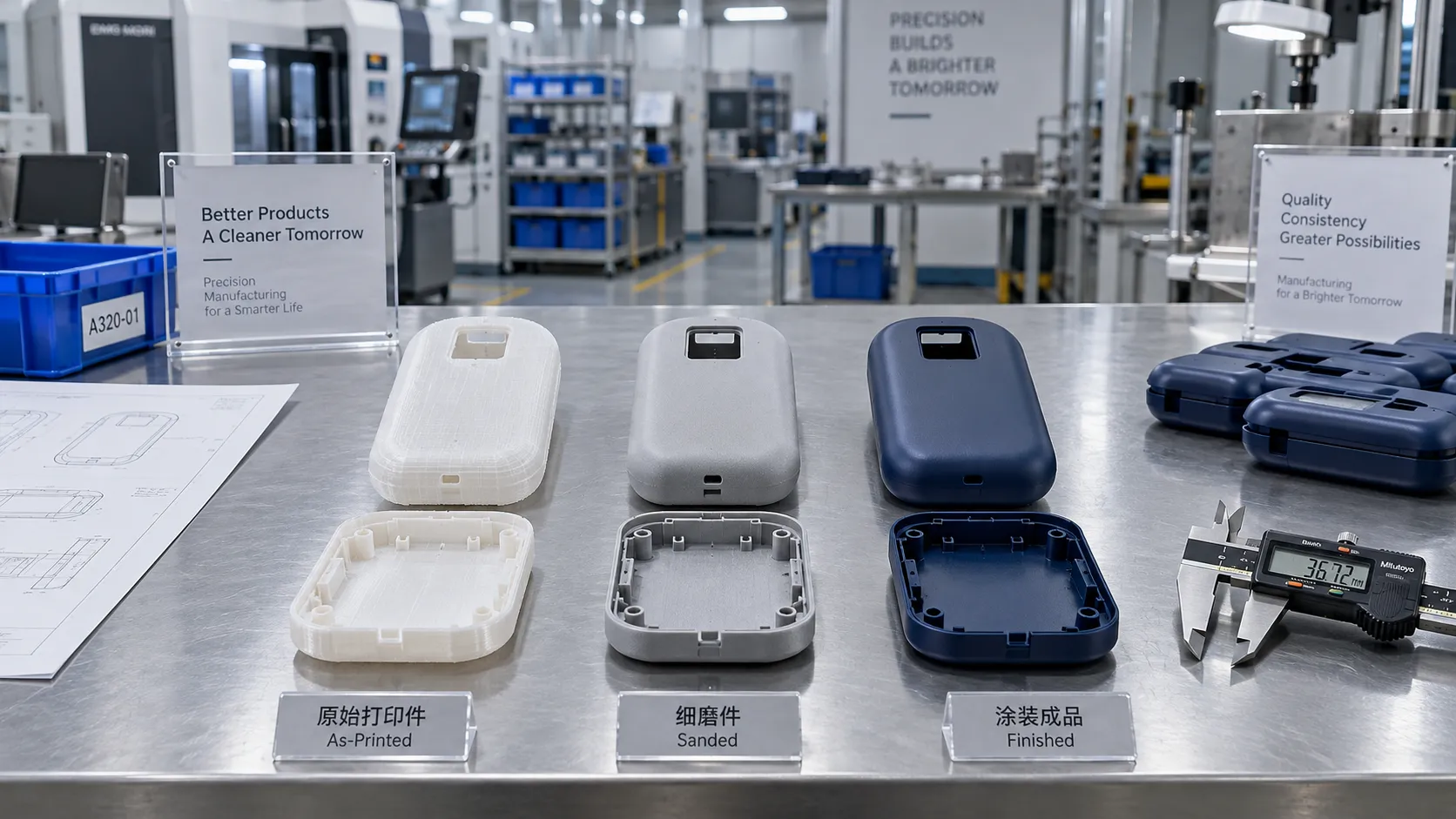
Choosing a 3D Printing Service for Consumer Products: Finish, Fit, and Cost
Compare 3d printing consumer good services by finish, fit, materials, and total cost. Learn how to choose a reliable supplier and avoid costly defects before ordering.

Which Consumer Goods Can Be 3D Printed, and What Are the Practical Limits?
Explore 3d printing consumer goods, from custom eyewear to replacement parts. Discover practical limits on materials, safety, and costs to make smarter production decisions.

From Prototype to Small Batch: Applying 3D Printing to Consumer Goods
Explore 3d printing in consumer goods: learn how to move from prototype to small-batch production with practical guidance on materials, quality validation, and cost control.
Related News
- 00
0000-00
How to verify part consistency before choosing a 3D printing OEM - 00
0000-00
How does a rigid cryogenic transfer line handle thermal contraction? - 00
0000-00
How much does edge vision deployment cost beyond the hardware? - 00
0000-00
How does the purity of sputtering targets affect thin-film quality? - 00
0000-00
How high power laser cladding systems control substrate dilution
Dr. Hideo Tanaka
Weekly Insights
Stay ahead with our curated technology reports delivered every Monday.