
Innovations in High-Speed 3D Printing That Matter

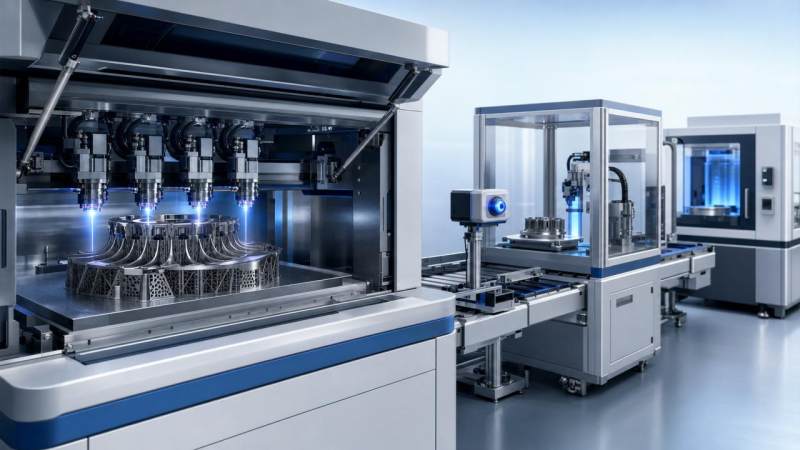
For project managers and engineering leads, innovations in high-speed 3d printing now influence far more than cycle time. They affect qualification strategy, unit economics, throughput stability, traceability, and inventory risk.
Across the broader industrial landscape, the most valuable innovations in high-speed 3d printing are those that convert laboratory speed claims into repeatable production performance under recognized standards and controlled process windows.
This matters because speed alone can create hidden defects, thermal distortion, inconsistent density, or post-processing bottlenecks. The real question is which advances improve both output and reliability at scale.
Definition and Core Scope of High-Speed 3D Printing
High-speed additive manufacturing refers to processes that significantly shorten build time while maintaining acceptable geometry, surface quality, and material properties for end-use or near-end-use parts.
In practice, innovations in high-speed 3d printing span hardware, software, materials, sensing, and post-processing integration. The field is not limited to one machine category or one material family.
Common technology paths include:
- multi-laser powder bed fusion for metals
- high-throughput binder jetting
- continuous photopolymerization systems
- rapid extrusion with larger nozzles and smart motion control
- hybrid systems combining deposition, machining, and inspection
The strongest innovations in high-speed 3d printing usually improve three metrics together: deposition rate, process consistency, and qualification confidence. Any solution missing one of these often struggles in industrial deployment.
Current Industry Signals and Technical Focus Areas
Industrial interest is shifting from demonstration parts to validated production cells. That shift changes how innovations in high-speed 3d printing are evaluated across sectors such as energy, electronics, tooling, mobility, and aerospace.
Another strong signal is standard alignment. Systems are increasingly measured against ISO, ASTM, SEMI, and internal validation protocols, especially where regulated or mission-critical applications are involved.
This is why innovations in high-speed 3d printing should be reviewed as part of a full process chain, not as isolated machine specifications or marketing speed benchmarks.
Which Innovations in High-Speed 3D Printing Matter Most
1. Parallel energy delivery and smarter scan strategies
Multi-laser and coordinated beam systems are central innovations in high-speed 3d printing. They increase productivity, but only when thermal interaction zones are controlled and calibration remains stable across the full bed.
Advanced scan path algorithms also matter. They reduce residual stress, improve heat distribution, and support more predictable mechanical properties on large or complex components.
2. Real-time sensing and closed-loop control
Faster production increases the cost of unnoticed errors. Real-time cameras, pyrometers, acoustic sensors, and layerwise analytics allow earlier intervention before defects spread across the build.
Closed-loop control is one of the most practical innovations in high-speed 3d printing because it ties speed to quality assurance. That strengthens repeatability and reduces scrap in serial production.
3. Material systems designed for speed
Powders with tighter particle distribution, resins with faster curing behavior, and filaments optimized for flow stability all enable higher throughput without sacrificing part consistency.
Material innovation also affects post-processing. Faster sintering, easier depowdering, and lower shrink uncertainty can deliver more usable production gains than headline build speed alone.
4. End-to-end automation
Automated powder handling, build removal, support removal, cleaning, and inspection are now essential innovations in high-speed 3d printing. Without them, labor bottlenecks erase machine-level productivity gains.
Automation also improves safety, traceability, and operator consistency, especially in metal additive manufacturing environments with strict contamination control requirements.
Business Value Across the Industrial Chain
The practical value of innovations in high-speed 3d printing appears when they improve operational decisions. Faster printing is useful only if it changes cost, flexibility, quality, or supply resilience in measurable ways.
- Shorter lead times for prototypes, jigs, spares, and bridge production
- Lower inventory exposure through localized or on-demand manufacturing
- Faster design iteration for thermal, lightweight, or customized geometries
- Better capacity planning when digital workflows support scheduling visibility
- Reduced waste in applications where subtractive machining is material intensive
In a comprehensive industrial context, these benefits support electronics fixtures, industrial tooling, maintenance spares, fluid handling components, medical devices, and selected structural parts.
For advanced technology ecosystems, innovations in high-speed 3d printing also complement adjacent pillars such as machine vision inspection, laser processing, and high-performance materials engineering.
Typical Application Scenarios and Technology Fit
The best-fit technology depends on part geometry, tolerance, compliance burden, volume profile, and total process cost. This is where neutral benchmarking becomes more valuable than isolated vendor claims.
Implementation Considerations and Risk Controls
Before adopting innovations in high-speed 3d printing, organizations should define measurable acceptance criteria. Throughput, density, surface finish, mechanical performance, and inspection yield should all be tracked together.
Key checkpoints
- Verify material pedigree, lot consistency, and storage controls
- Request process capability data across repeated builds
- Evaluate post-processing time as part of total lead time
- Check software compatibility with MES, ERP, and inspection systems
- Confirm alignment with ISO, ASTM, and internal qualification standards
One common mistake is adopting faster hardware without redesigning workflow governance. Another is scaling before defect detection, powder recycling policy, and digital traceability are mature.
Successful adoption of innovations in high-speed 3d printing usually starts with benchmark parts, controlled pilots, and clearly defined pass-fail metrics tied to actual operating conditions.
Operational Next Steps for Better Technology Decisions
A practical next step is to compare candidate systems using a structured matrix. Include machine speed, material qualification status, monitoring depth, post-processing burden, software openness, and service support.
For organizations tracking innovations in high-speed 3d printing, the strongest investment cases usually come from applications where complexity, responsiveness, and material efficiency outweigh pure volume economics.
G-AIT’s multidisciplinary benchmarking approach is built for this evaluation path. By connecting additive manufacturing data with standards, inspection logic, and adjacent industrial technologies, it supports more reliable selection and scale-up decisions.
If the goal is durable ROI, focus on innovations in high-speed 3d printing that improve validated throughput, not just advertised speed. That distinction is where long-term industrial value is created.
Related News
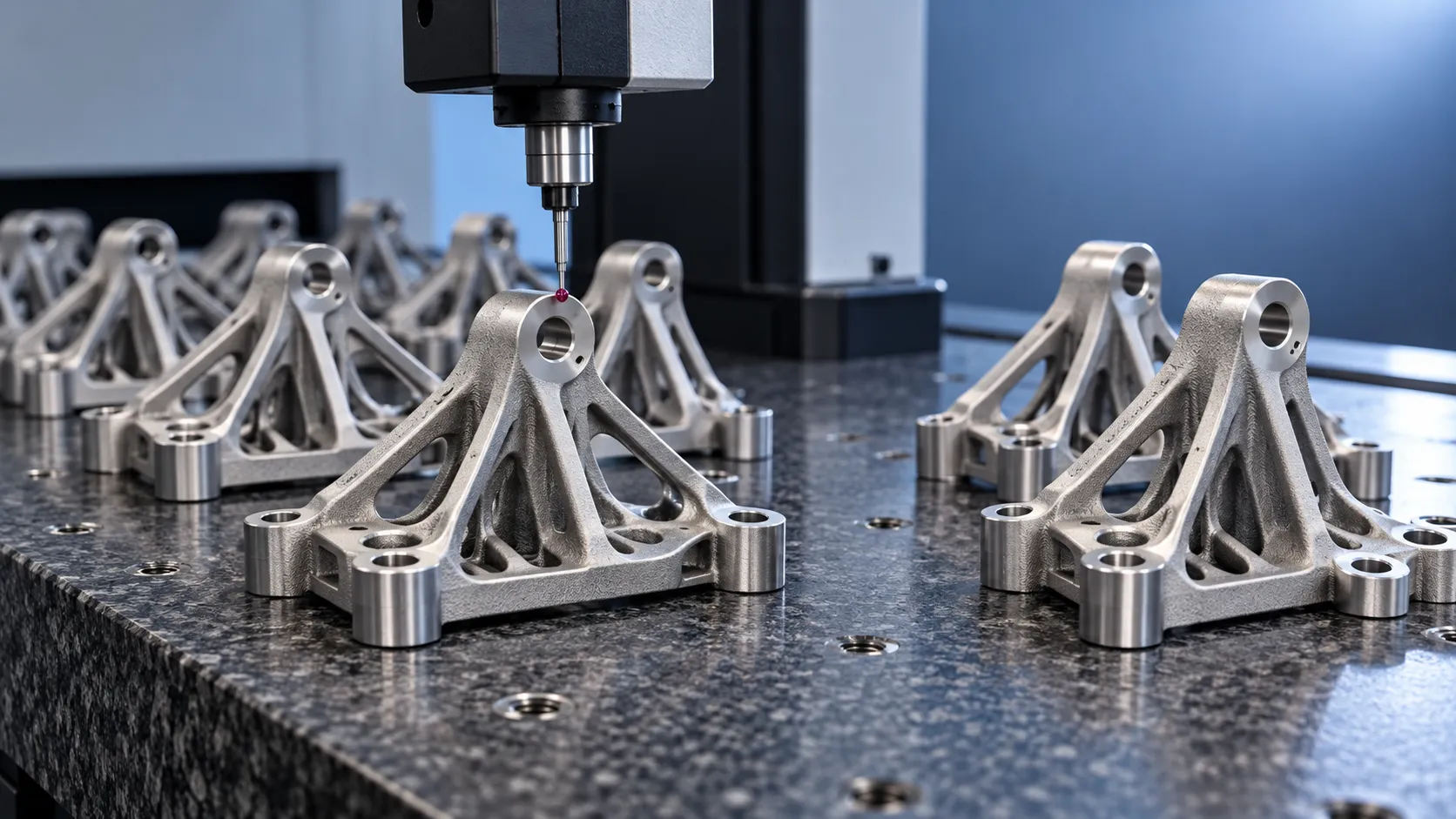
How to verify part consistency before choosing a 3D printing OEM
Choosing a 3D printing OEM? Learn how to verify part consistency with repeat-build trials, validated inspections, and traceability checks before committing to production.
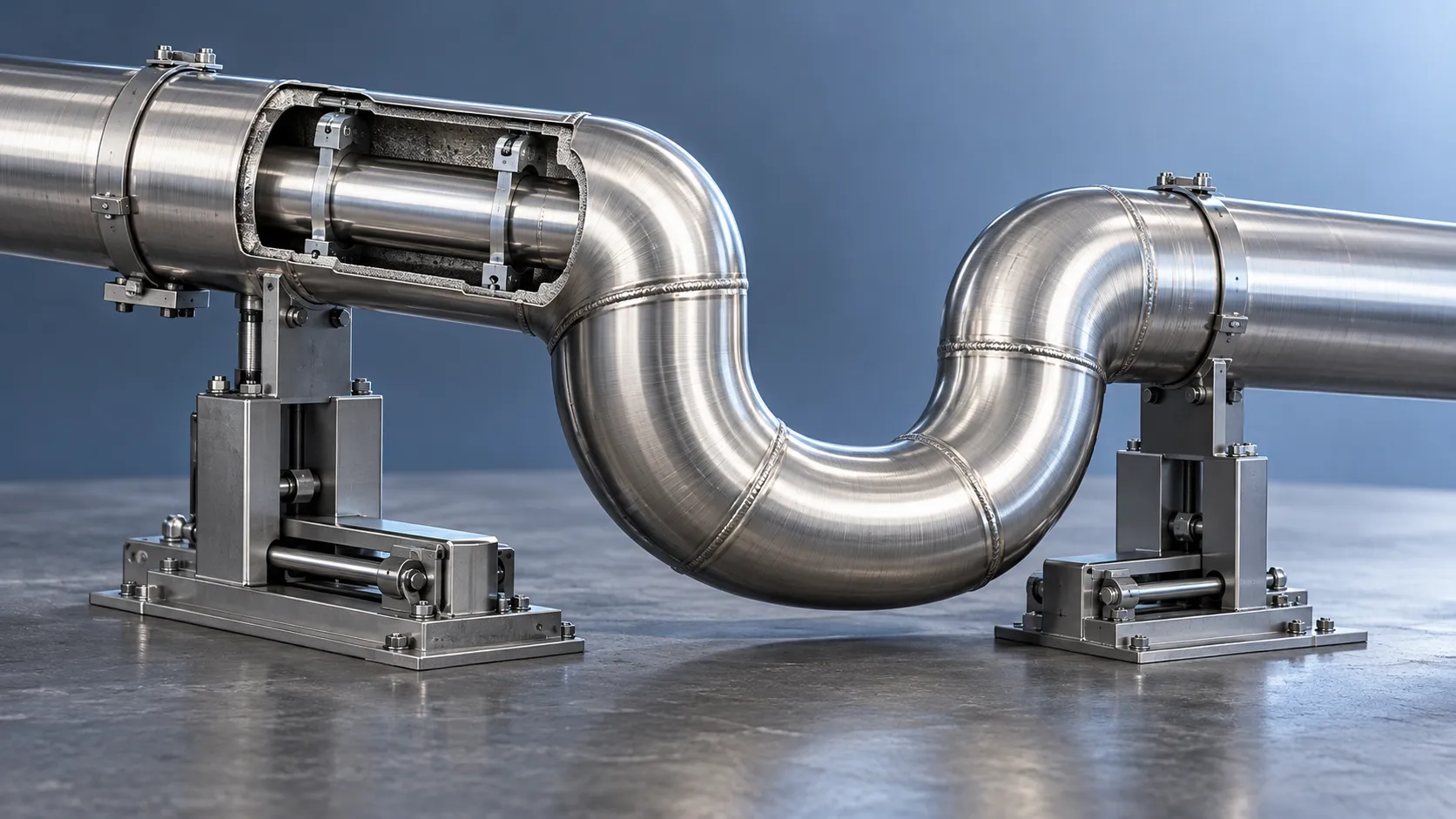
How does a rigid cryogenic transfer line handle thermal contraction?
Learn how a rigid cryogenic transfer line manages thermal contraction with bends, bellows, and guided supports. Discover key design checks for safe, reliable cryogenic performance.
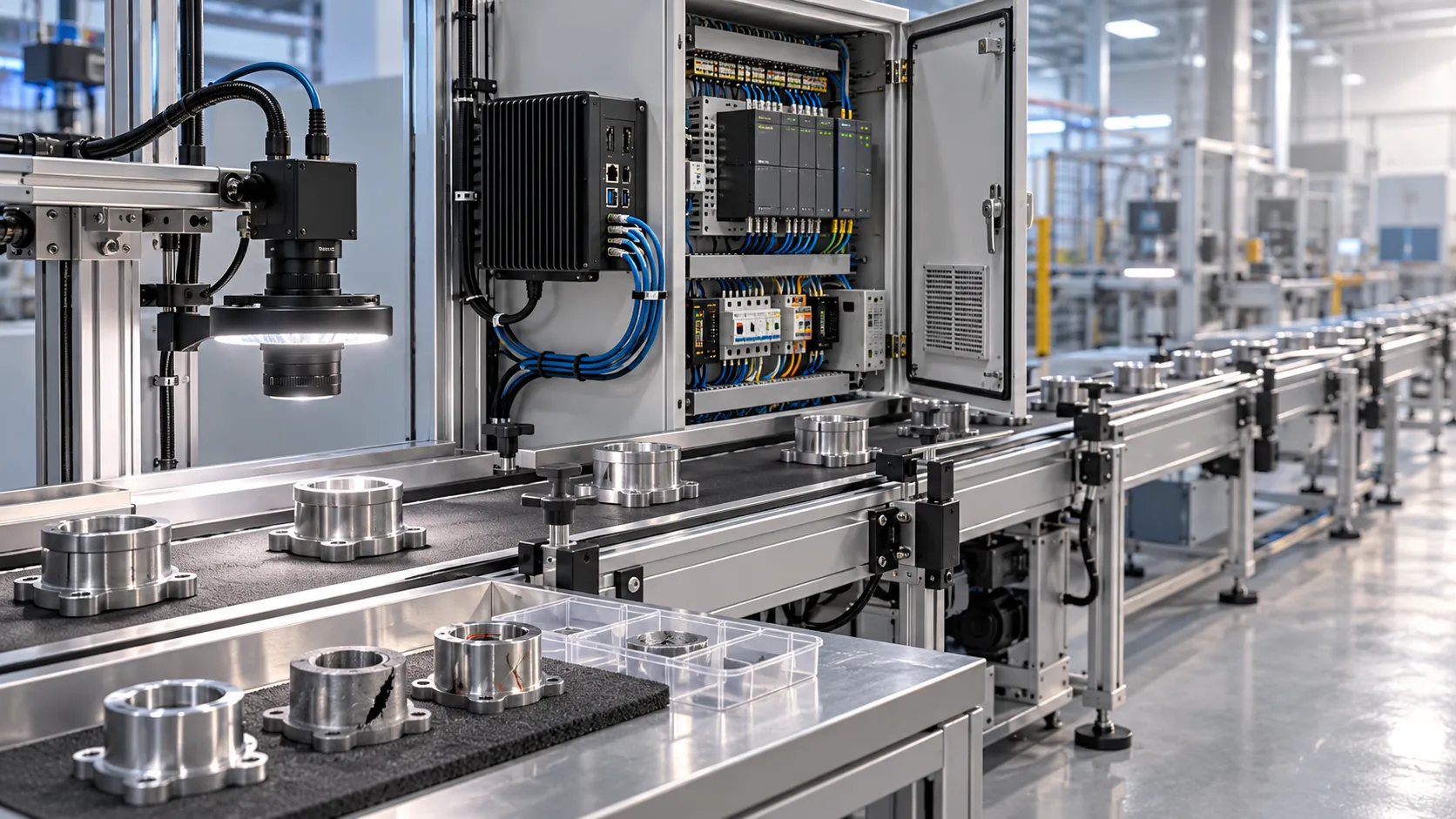
How much does edge vision deployment cost beyond the hardware?
Understand edge vision deployment cost beyond hardware, from data and integration to security and support. Uncover hidden expenses and build a smarter lifecycle budget before you scale.
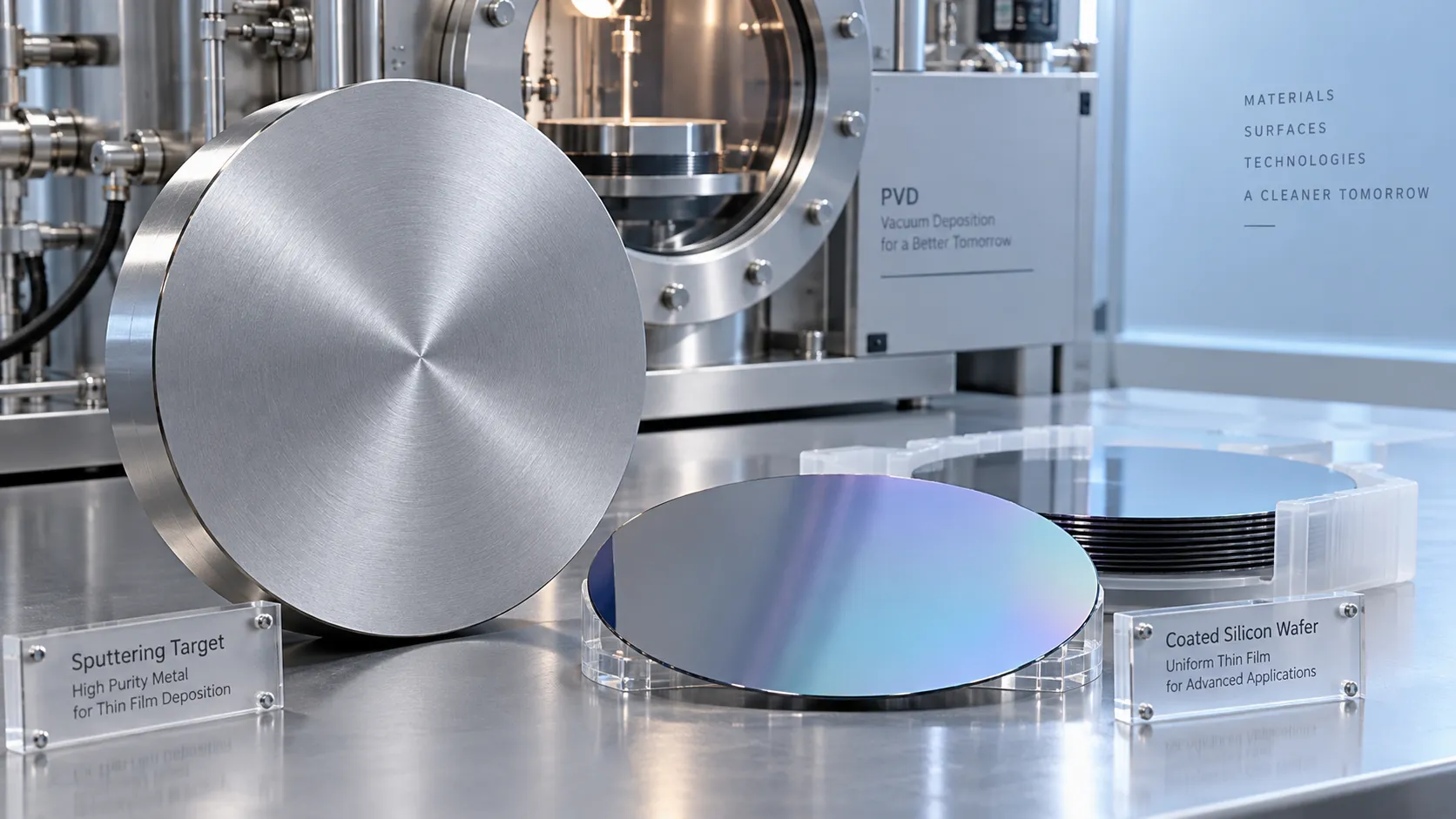
How does the purity of sputtering targets affect thin-film quality?
Discover how sputtering targets affect thin-film quality. Learn to assess purity, identify harmful impurities, and choose specifications that improve coating performance.
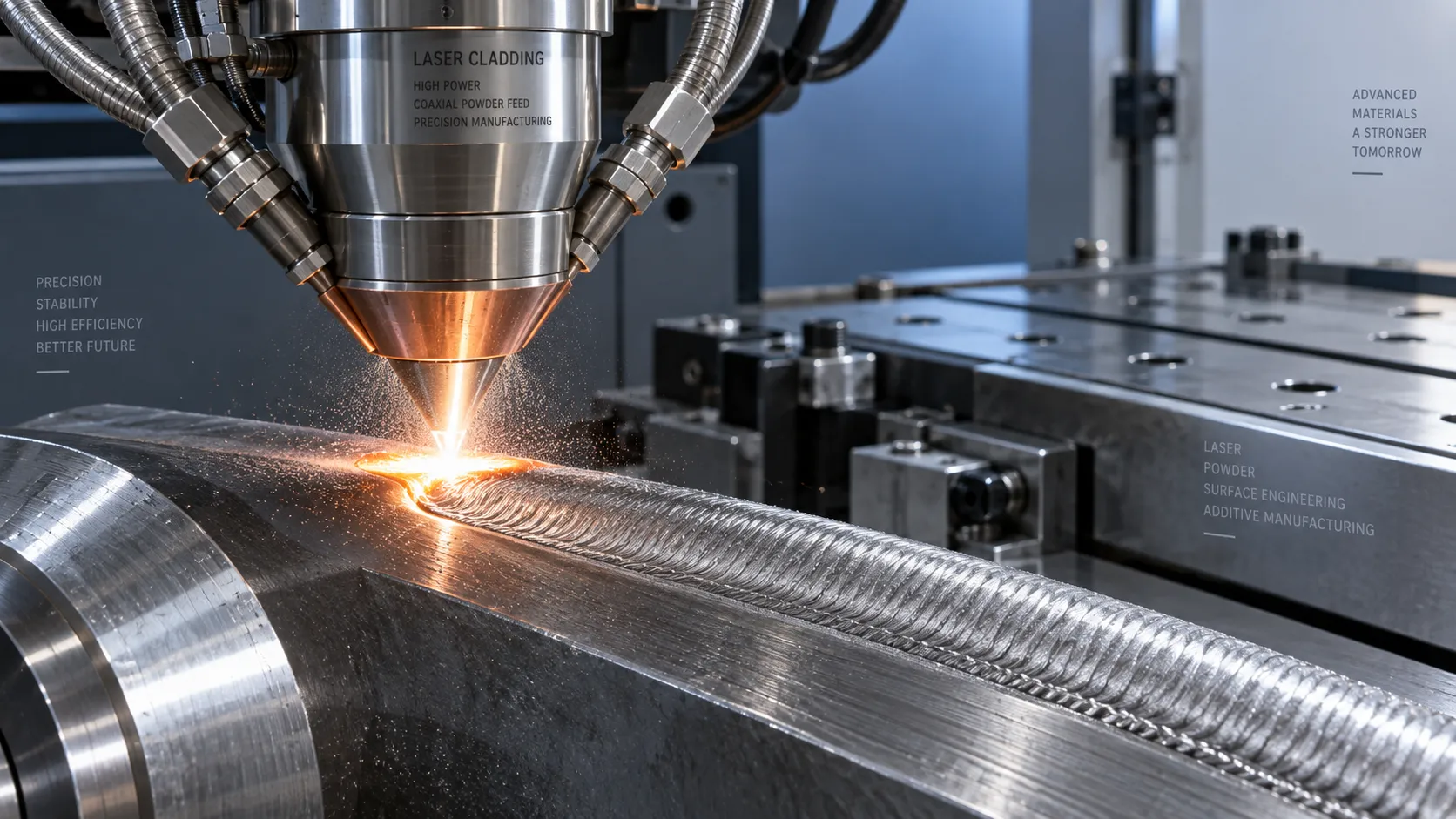
How high power laser cladding systems control substrate dilution
Discover how high power laser cladding systems control substrate dilution through beam shaping, material feed, and thermal management to deliver reliable bonds and coating performance.

How to check HS codes for customs compliance in international logistics
Strengthen international logistics customs compliance: learn how to verify HS codes, check official tariffs, and document classifications to reduce costly shipment delays.
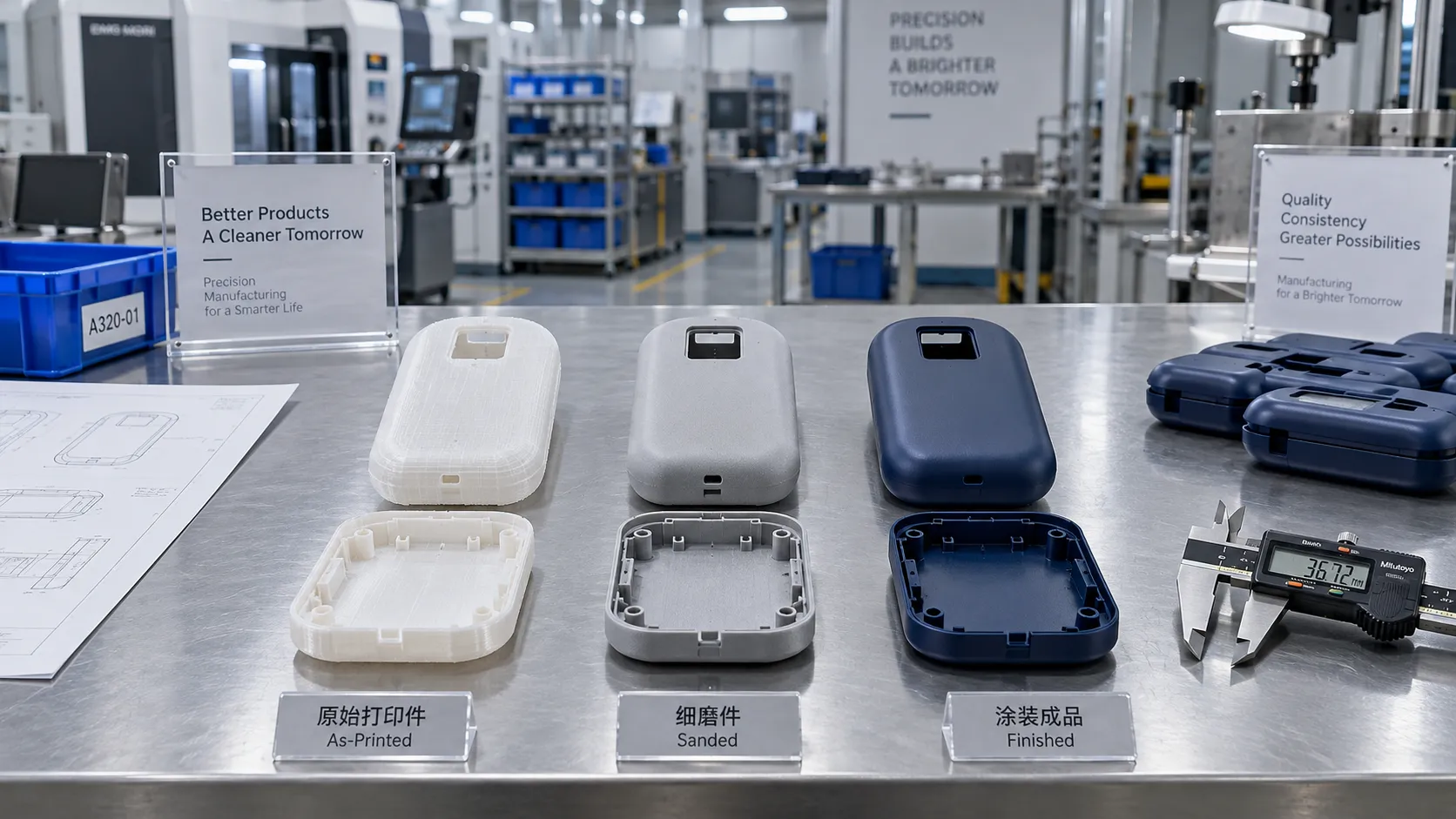
Choosing a 3D Printing Service for Consumer Products: Finish, Fit, and Cost
Compare 3d printing consumer good services by finish, fit, materials, and total cost. Learn how to choose a reliable supplier and avoid costly defects before ordering.
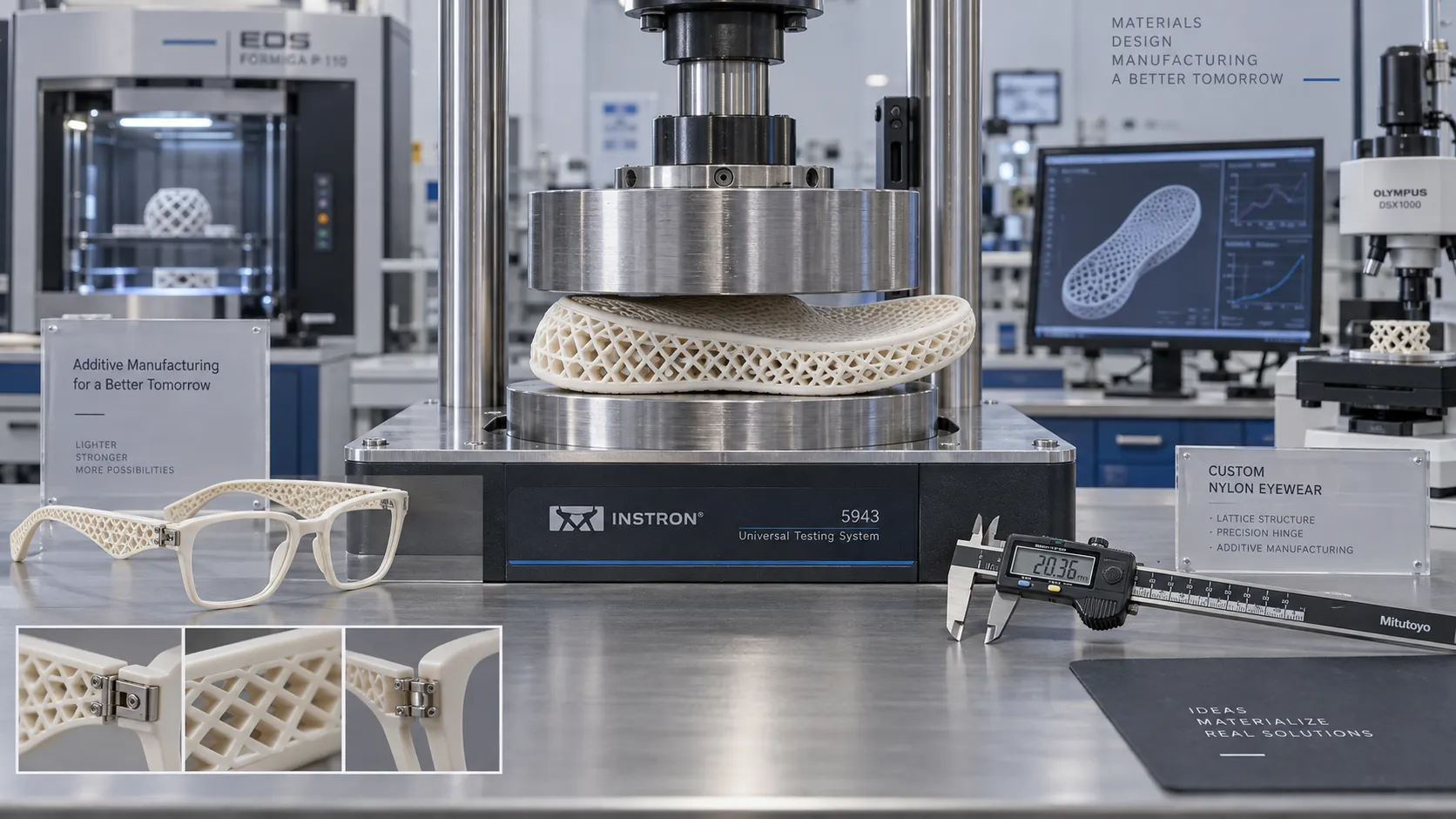
Which Consumer Goods Can Be 3D Printed, and What Are the Practical Limits?
Explore 3d printing consumer goods, from custom eyewear to replacement parts. Discover practical limits on materials, safety, and costs to make smarter production decisions.
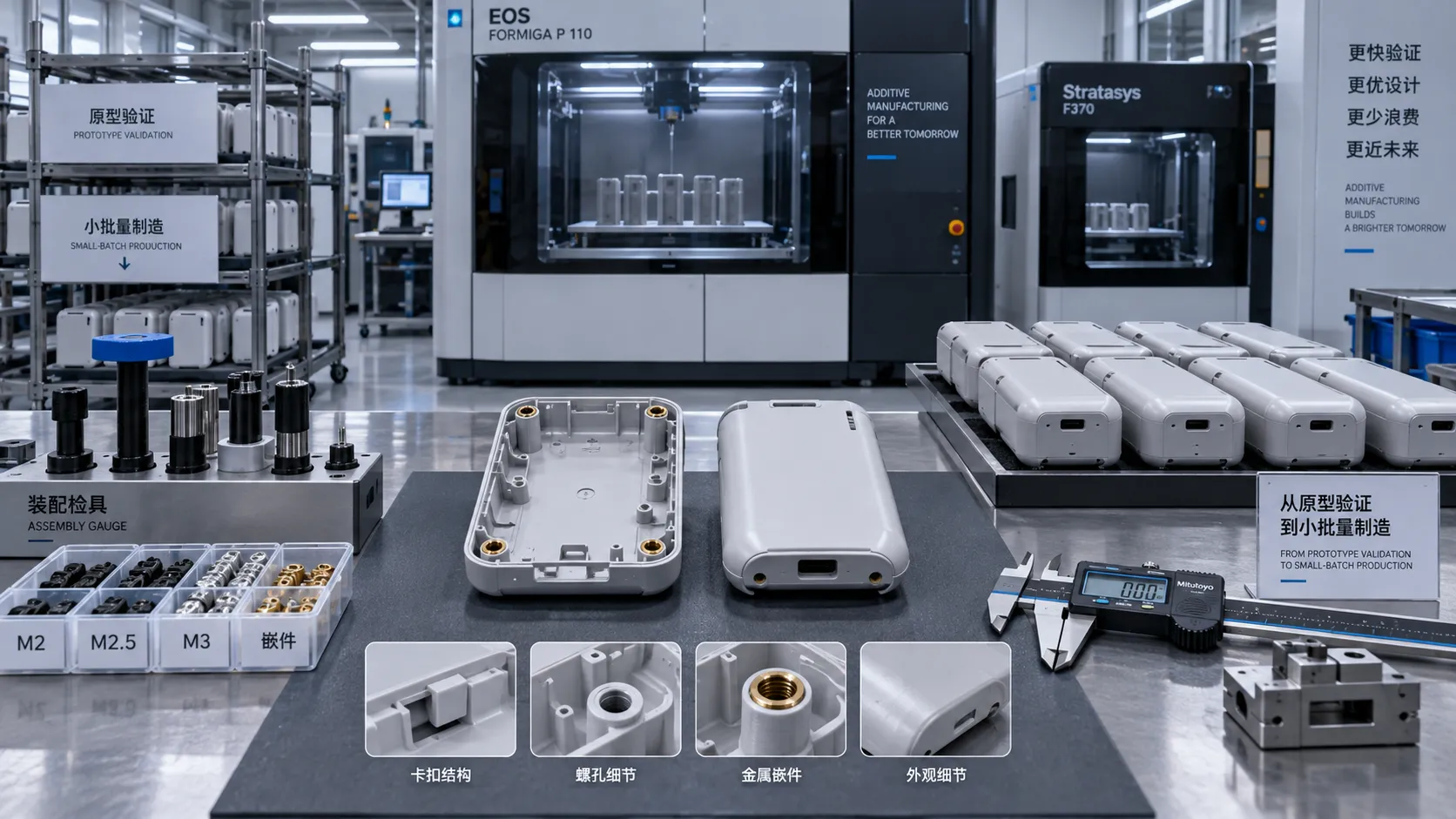
From Prototype to Small Batch: Applying 3D Printing to Consumer Goods
Explore 3d printing in consumer goods: learn how to move from prototype to small-batch production with practical guidance on materials, quality validation, and cost control.
Related News
- 00
0000-00
How to verify part consistency before choosing a 3D printing OEM - 00
0000-00
How does a rigid cryogenic transfer line handle thermal contraction? - 00
0000-00
How much does edge vision deployment cost beyond the hardware? - 00
0000-00
How does the purity of sputtering targets affect thin-film quality? - 00
0000-00
How high power laser cladding systems control substrate dilution
Marcus Print
Weekly Insights
Stay ahead with our curated technology reports delivered every Monday.