
Customized 3D Printing Market Growth: Cost Signals


For financial decision-makers, customized 3d printing market growth is no longer just a technology trend—it is a cost signal with direct impact on margins, capital planning, and supply chain resilience. As customization scales across industrial sectors, understanding where unit economics improve, where hidden costs emerge, and how procurement strategies should adapt is essential for smarter investment and long-term competitiveness.
Customized 3D Printing Market Growth Is Shifting from Hype to Measurable Cost Logic
The latest phase of customized 3d printing market growth is defined by economics, not novelty.
Earlier adoption focused on design freedom and rapid prototyping.
Now the market is evaluating labor intensity, machine utilization, material efficiency, and inventory compression.
This matters across the comprehensive industrial landscape.
Automotive, aerospace, healthcare devices, electronics, tooling, and energy systems are all testing customized production economics.
The signal is clear: customization becomes scalable when cost variability declines.
That decline is coming from better software, qualified materials, larger build platforms, and tighter post-processing workflows.
At the same time, hidden costs remain stubborn.
Support removal, quality validation, rework, powder handling, and certification can erase expected savings.
As a result, customized 3d printing market growth should be read as a pricing and operations indicator.
It reveals where supply chains can absorb complexity without inflating total landed cost.
The Strongest Trend Signals Are Appearing in Unit Economics and Lead Time Compression
One major signal in customized 3d printing market growth is faster convergence between low-volume personalization and acceptable per-part cost.
This is especially visible where conventional tooling creates long payback periods.
Another signal is lead time compression.
Digital files move faster than physical tooling, reducing engineering delay and supplier dependency.
A third signal is inventory redesign.
Some spare parts and specialized components no longer require bulk stocking.
Instead, digital warehousing can shift cost from storage to controlled on-demand production.
Why Customized 3D Printing Market Growth Is Accelerating Across Industries
The drivers behind customized 3d printing market growth are technical, commercial, and structural.
- Mass personalization is becoming a revenue model, not a marketing experiment.
- Material portfolios are expanding, including metals, polymers, ceramics, and composite-ready feeds.
- Software now improves nesting, simulation, traceability, and production planning.
- Machine productivity is rising through larger chambers, better lasers, and smarter thermal control.
- Supply chain volatility increases the value of distributed, digital-first production methods.
- Regulatory and quality frameworks are improving confidence in repeatable output.
These factors make customized 3d printing market growth more durable than previous adoption waves.
The shift is not universal, however.
The strongest gains appear where part complexity is high and annual volume is moderate.
Markets with heavy certification burdens still move more cautiously.
Where the economics are improving fastest
- Short-run tooling alternatives
- Patient-specific and geometry-sensitive components
- Lightweight parts with functional integration
- Legacy spare parts with uncertain demand
- Bridge production before full-scale tooling investment
Hidden Costs Still Determine Whether Customized 3D Printing Market Growth Converts into Margin Gains
A common mistake is treating print speed as the main cost variable.
In reality, total economics depend on the full chain from file preparation to inspection.
Customized 3d printing market growth can improve margins only when these cost layers are visible.
When these controls mature, customized 3d printing market growth becomes financially credible.
When they do not, customization may increase complexity without lowering real cost.
The Impact Reaches Procurement, Inventory, Quality, and Capital Allocation
The consequences of customized 3d printing market growth extend well beyond fabrication teams.
Procurement models change because qualification matters more than simple unit price comparison.
Supplier selection increasingly depends on process stability, documentation, and material traceability.
Inventory logic also changes.
Organizations can shift selected SKUs from physical stock to digital stock.
That frees working capital but increases dependence on validated files and secure production access.
Quality functions face new responsibilities.
Inspection must verify not only dimensions, but also process consistency and material behavior.
Capital allocation decisions become more nuanced as well.
The question is no longer only whether to buy printers.
It is whether to invest in an ecosystem that includes software, testing, finishing, and standards compliance.
Key areas that require close attention
- True total cost of ownership, including post-processing and downtime
- Part families best suited for customization economics
- Qualification pathways aligned with ISO, ASTM, SEMI, or sector rules
- Cybersecurity for design files and digital inventory assets
- Export controls and cross-border manufacturing restrictions
- Capacity balancing between internal production and external service bureaus
What Should Guide the Next Decision Cycle
A disciplined response to customized 3d printing market growth starts with segmentation.
Not every part deserves additive customization.
The right candidates usually combine complexity, demand uncertainty, and time sensitivity.
- Map product lines by geometry complexity, annual volume, and service-level risk.
- Compare tooling cost, inventory burden, and lead time against additive alternatives.
- Pilot with parts that offer measurable savings beyond simple print cost.
- Build traceability and validation early, especially for regulated environments.
- Review outsourcing versus internal capacity using utilization-based financial models.
- Track customized 3d printing market growth through cost-per-qualified-part, not machine excitement.
This approach reduces the risk of scattered pilots and weak returns.
It also turns customized 3d printing market growth into a structured operational advantage.
A Practical Next Step for More Reliable Cost Insight
The smartest next move is to build a part-level decision framework.
Use benchmark data covering machine productivity, material yield, finishing effort, and compliance requirements.
That is where institutions such as G-AIT create value for the broader industrial market.
By connecting engineering verification, standards benchmarking, and commercial intelligence, cost decisions become less speculative.
Customized 3d printing market growth should be monitored as a strategic cost indicator.
The organizations that win will not simply print more.
They will identify where customization lowers risk, protects margin, and strengthens industrial resilience at scale.
Related News
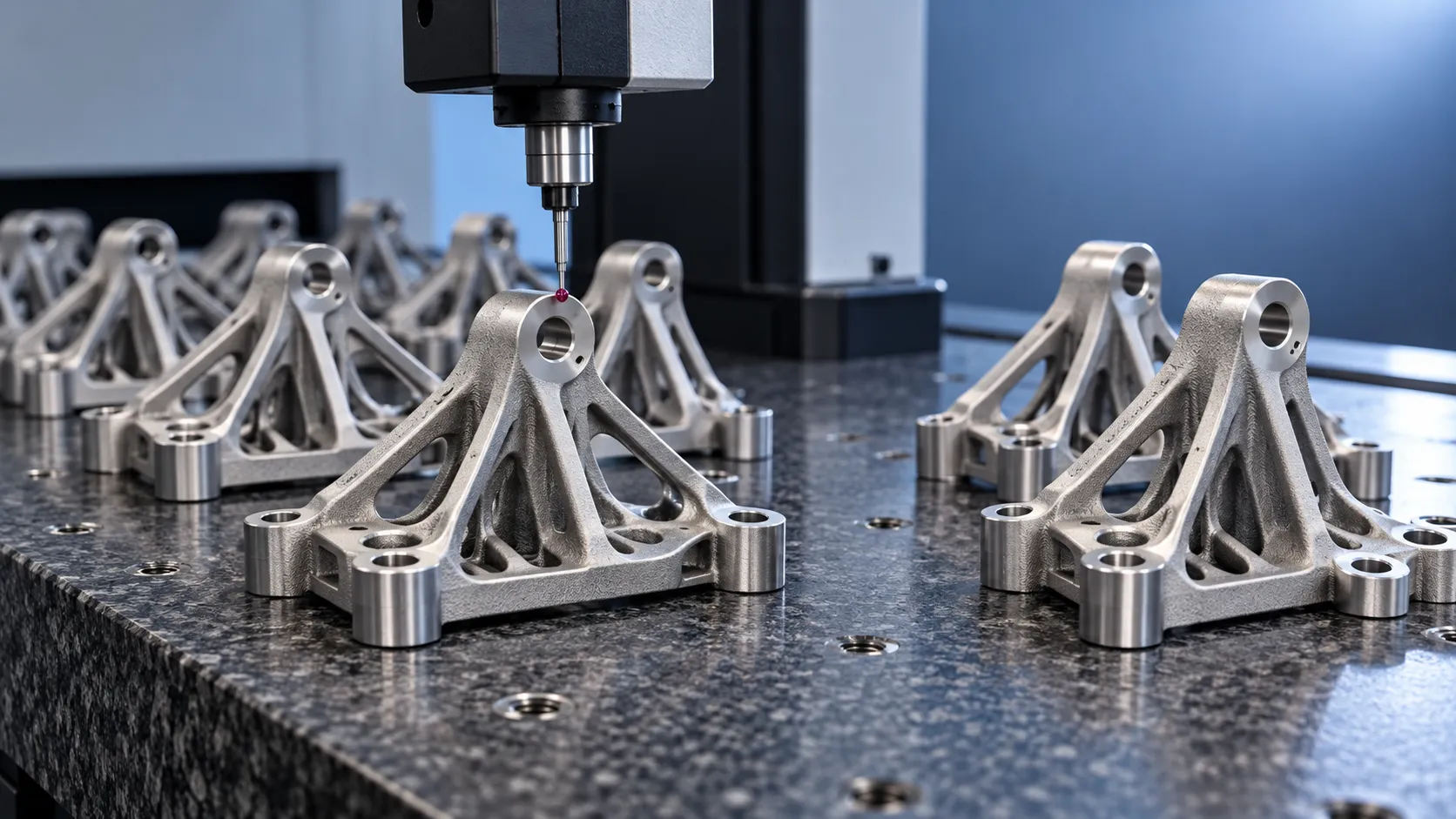
How to verify part consistency before choosing a 3D printing OEM
Choosing a 3D printing OEM? Learn how to verify part consistency with repeat-build trials, validated inspections, and traceability checks before committing to production.
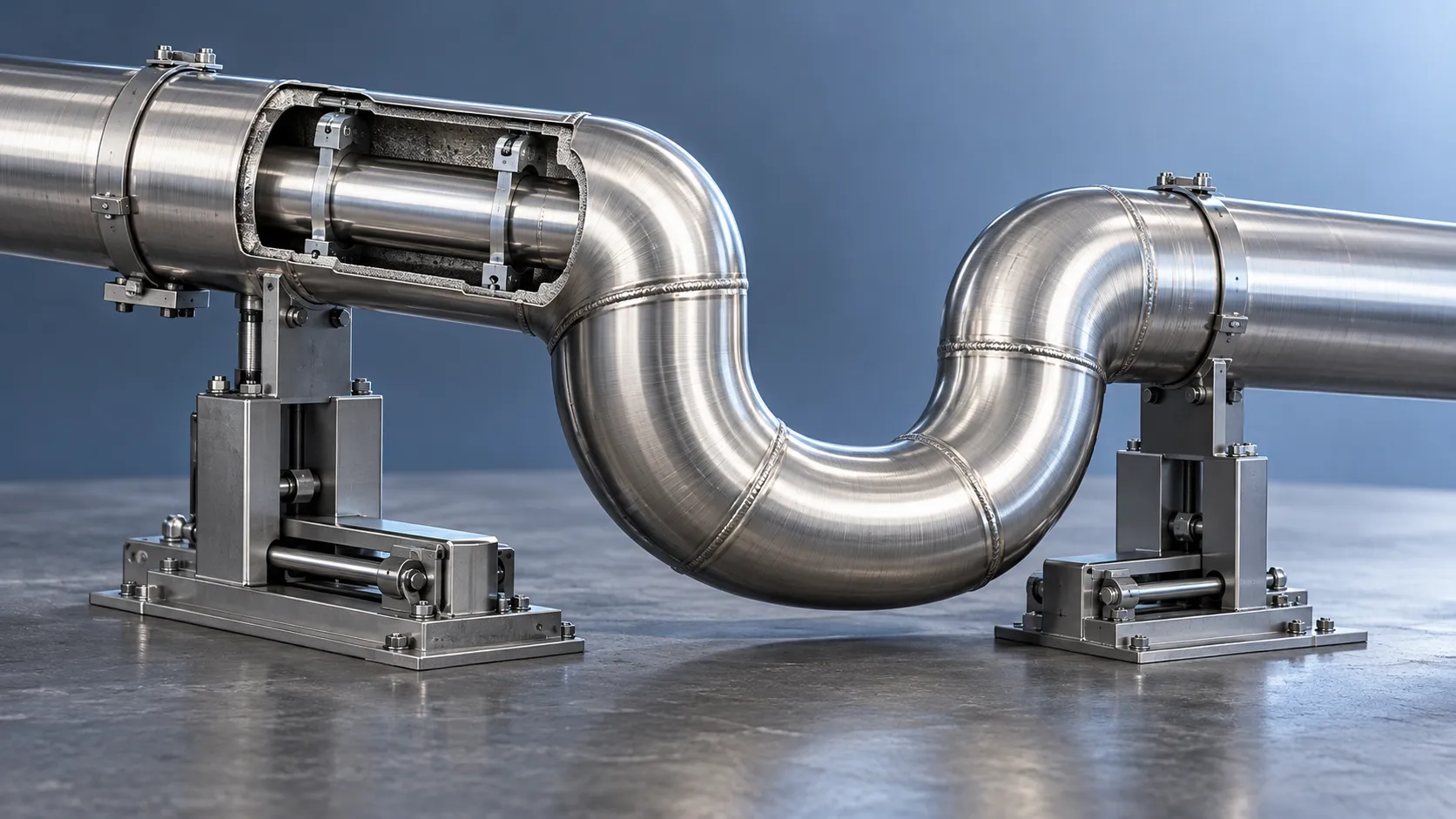
How does a rigid cryogenic transfer line handle thermal contraction?
Learn how a rigid cryogenic transfer line manages thermal contraction with bends, bellows, and guided supports. Discover key design checks for safe, reliable cryogenic performance.
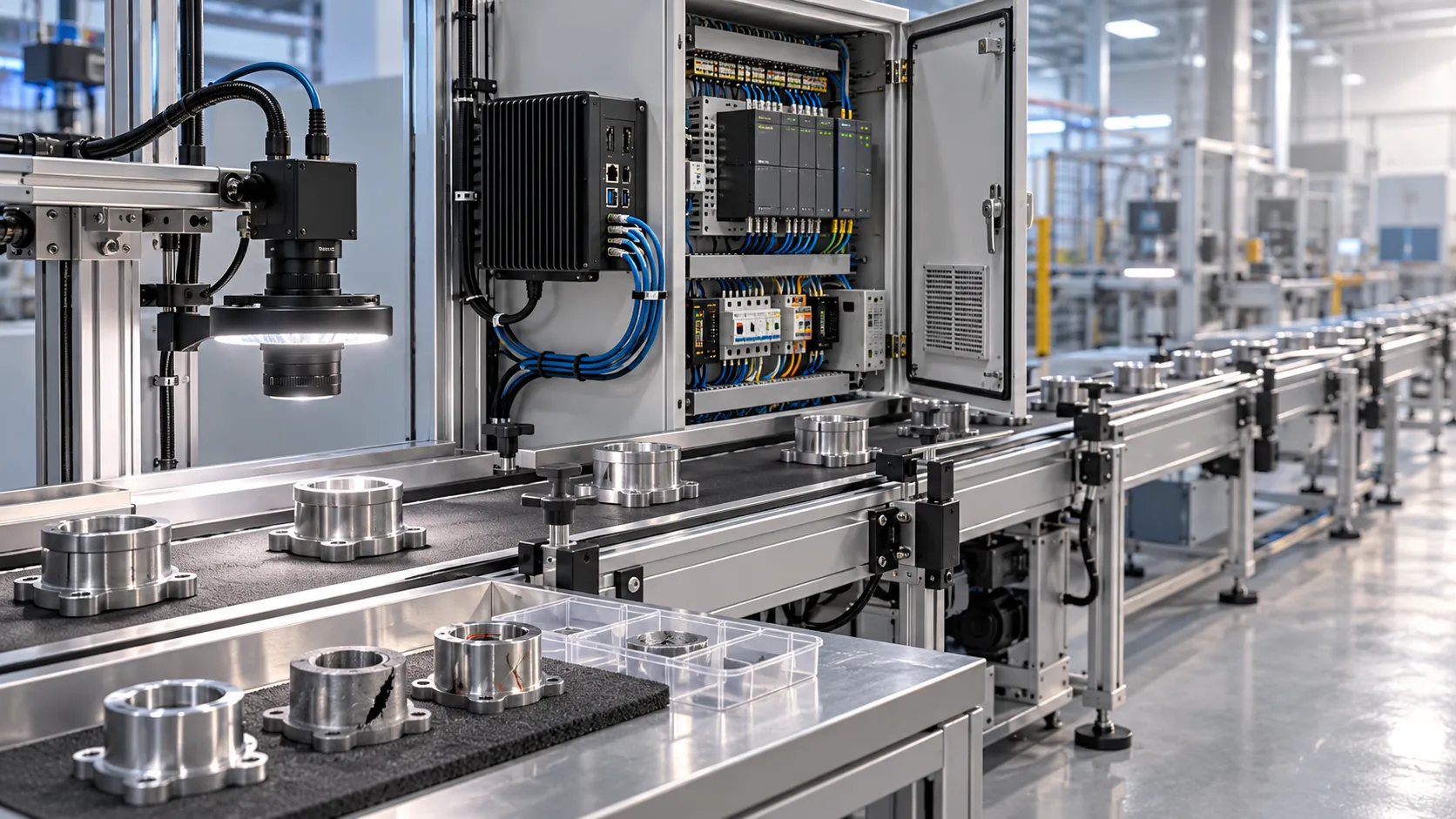
How much does edge vision deployment cost beyond the hardware?
Understand edge vision deployment cost beyond hardware, from data and integration to security and support. Uncover hidden expenses and build a smarter lifecycle budget before you scale.

How does the purity of sputtering targets affect thin-film quality?
Discover how sputtering targets affect thin-film quality. Learn to assess purity, identify harmful impurities, and choose specifications that improve coating performance.
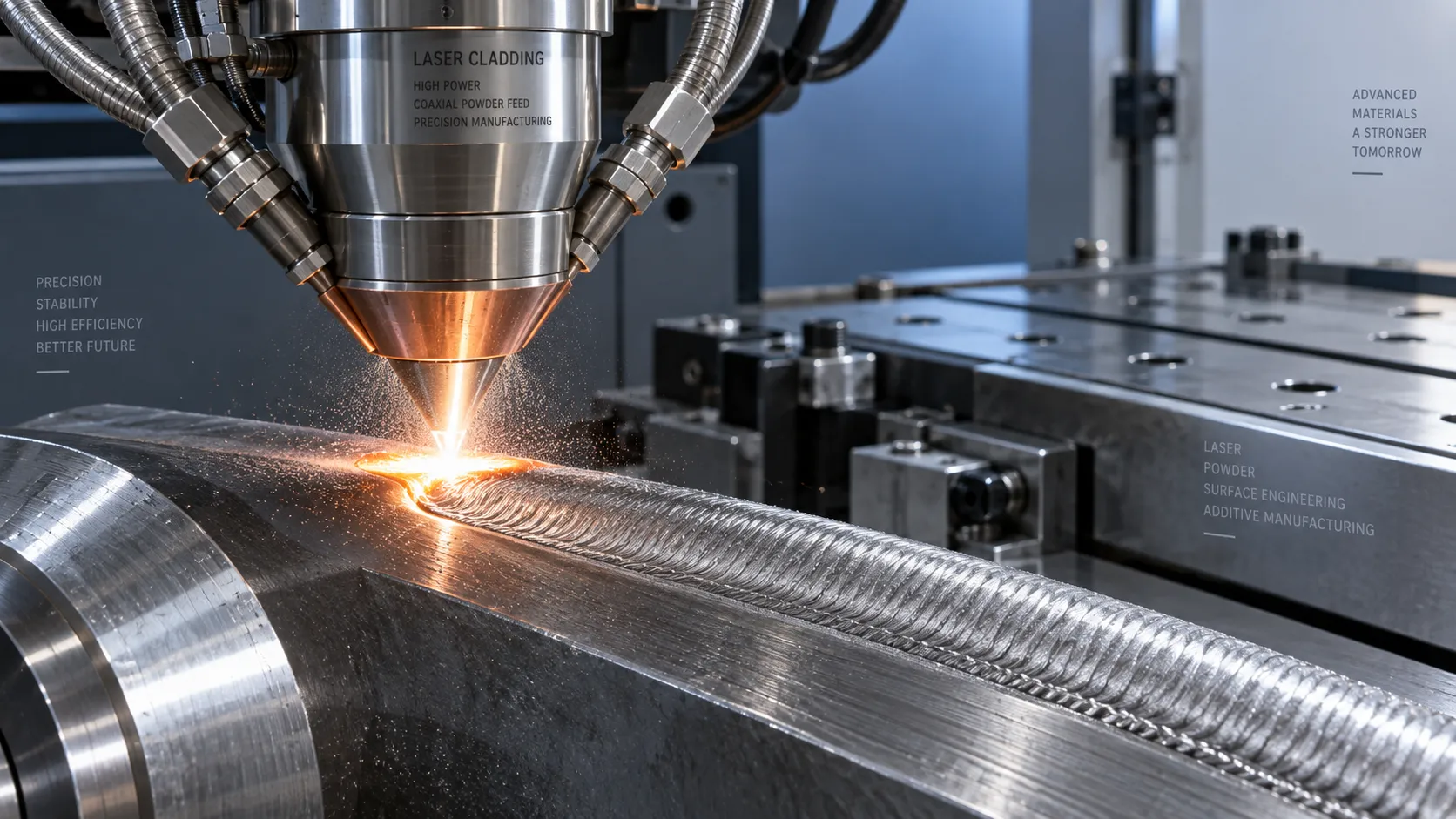
How high power laser cladding systems control substrate dilution
Discover how high power laser cladding systems control substrate dilution through beam shaping, material feed, and thermal management to deliver reliable bonds and coating performance.

How to check HS codes for customs compliance in international logistics
Strengthen international logistics customs compliance: learn how to verify HS codes, check official tariffs, and document classifications to reduce costly shipment delays.
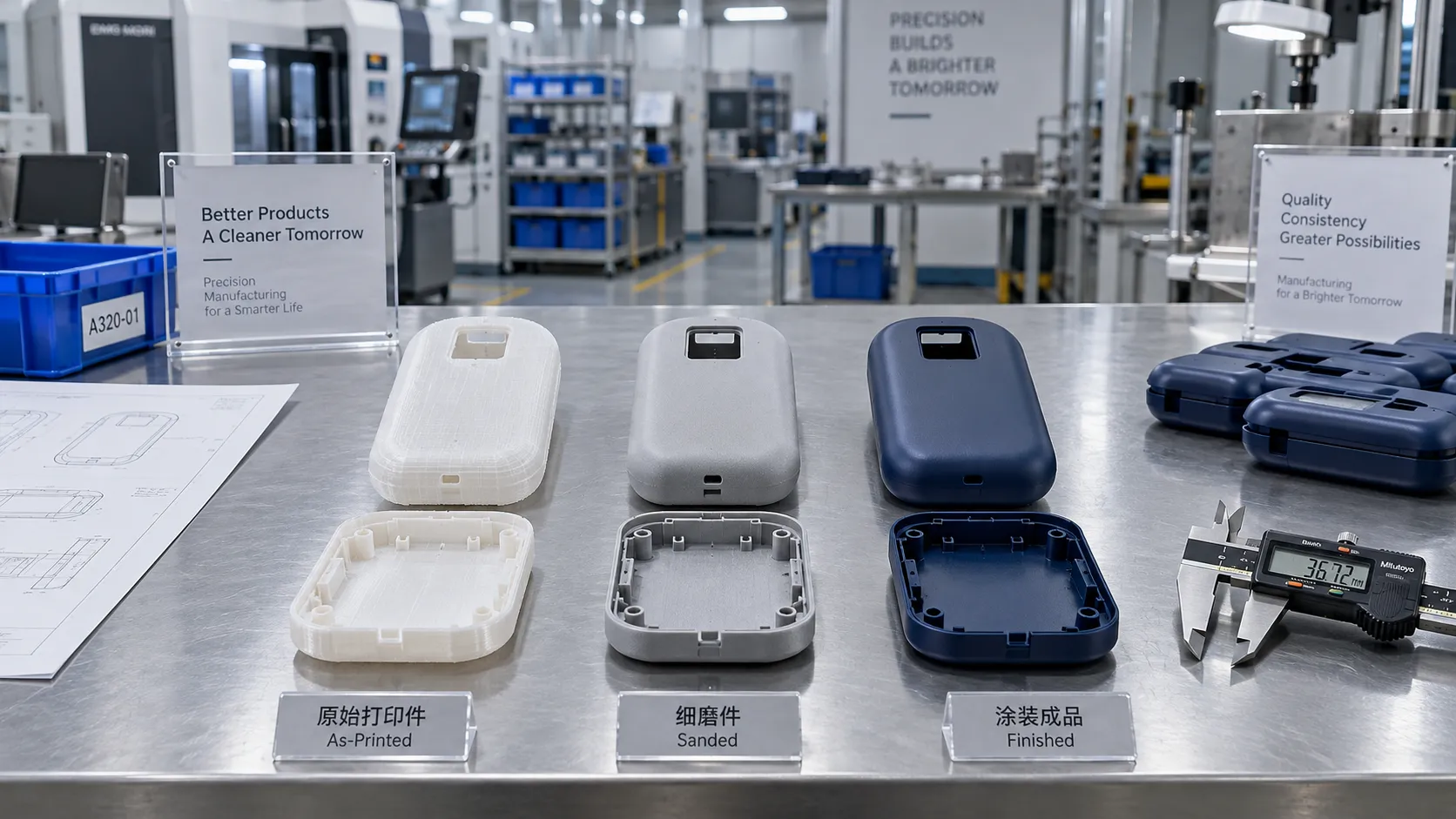
Choosing a 3D Printing Service for Consumer Products: Finish, Fit, and Cost
Compare 3d printing consumer good services by finish, fit, materials, and total cost. Learn how to choose a reliable supplier and avoid costly defects before ordering.
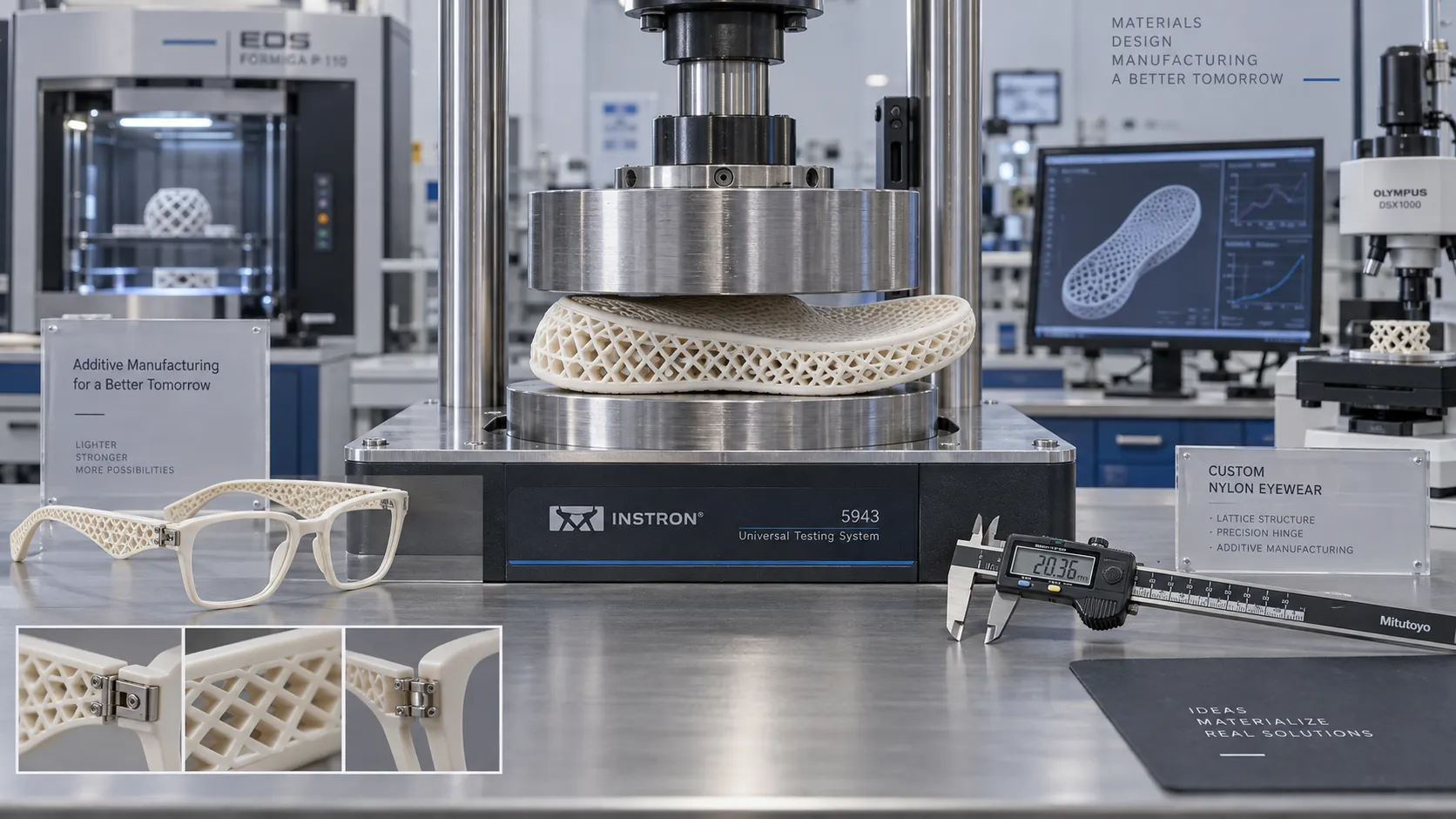
Which Consumer Goods Can Be 3D Printed, and What Are the Practical Limits?
Explore 3d printing consumer goods, from custom eyewear to replacement parts. Discover practical limits on materials, safety, and costs to make smarter production decisions.

From Prototype to Small Batch: Applying 3D Printing to Consumer Goods
Explore 3d printing in consumer goods: learn how to move from prototype to small-batch production with practical guidance on materials, quality validation, and cost control.
Related News
- 00
0000-00
How to verify part consistency before choosing a 3D printing OEM - 00
0000-00
How does a rigid cryogenic transfer line handle thermal contraction? - 00
0000-00
How much does edge vision deployment cost beyond the hardware? - 00
0000-00
How does the purity of sputtering targets affect thin-film quality? - 00
0000-00
How high power laser cladding systems control substrate dilution
Marcus Print
Weekly Insights
Stay ahead with our curated technology reports delivered every Monday.