
Next-Gen Polymer 3D Printing Tech: What Improved

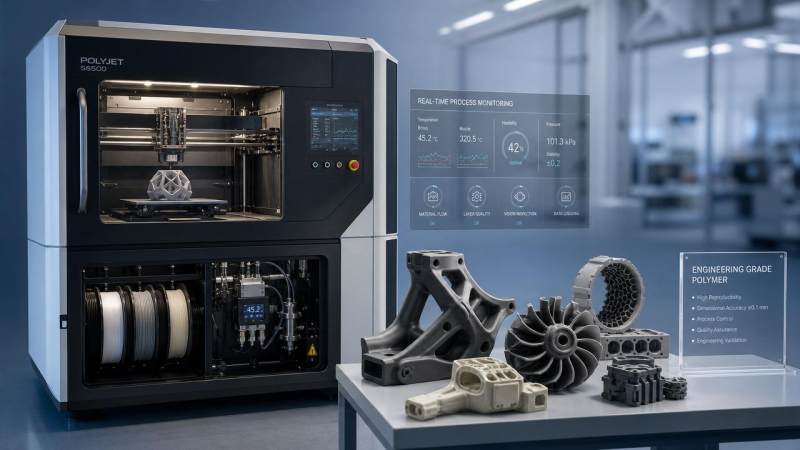
For technical evaluators, next-gen polymer 3d printing tech is no longer defined by speed alone, but by measurable gains in material performance, repeatability, process control, and compliance readiness.
This article examines what has truly improved across hardware, software, and engineering validation, helping industrial decision-makers distinguish market hype from scalable manufacturing value.
What does next-gen polymer 3d printing tech actually mean today?
Next-gen polymer 3d printing tech refers to upgraded additive systems, materials, and workflows that move polymer printing closer to industrial production.
Earlier systems often excelled at prototyping but struggled with consistency, certification, and predictable mechanical behavior.
Today, improvements are more concrete. They include better thermal stability, tighter dimensional accuracy, closed-loop control, and stronger digital traceability.
The term also covers several processes, not one platform. Material extrusion, powder bed fusion, vat photopolymerization, and material jetting all evolved.
In practical terms, next-gen polymer 3d printing tech is judged by validated output, not marketing claims about print speed.
- Can the system hold repeatable tolerances across builds?
- Do printed parts show stable anisotropy and environmental resistance?
- Are process records sufficient for audits and regulated programs?
- Can the workflow scale without excessive operator dependence?
Those questions define whether next-gen polymer 3d printing tech creates production value in aerospace, medical, electronics, tooling, or energy applications.
What improved most in hardware and process control?
Hardware advances are among the clearest signs of next-gen polymer 3d printing tech maturity.
Temperature management improved significantly. Heated chambers, smarter airflow design, and more stable optics reduce warping and layer inconsistency.
Motion systems also became more precise. Better kinematics, encoder feedback, and vibration control support tighter geometry and cleaner surface quality.
In powder-based systems, energy distribution and powder refresh control now improve fusion uniformity across larger build areas.
In extrusion systems, dual-zone heating, filament dryness monitoring, and nozzle condition tracking limit common causes of part failure.
Another key step forward is in-situ monitoring. Cameras, thermal sensors, and machine telemetry detect drift before scrap rates rise.
Why is closed-loop control such a major upgrade?
Open-loop printing assumes the machine performs as programmed. Closed-loop systems verify whether the process is actually staying within limits.
That matters because polymer behavior changes with humidity, thermal load, powder age, resin condition, and machine wear.
Next-gen polymer 3d printing tech increasingly uses feedback to adjust energy input, layer conditions, or build parameters in real time.
The result is not only fewer failed jobs. It also supports process capability studies and stronger evidence for qualification programs.
How have polymer materials become more industrially credible?
Material quality is a major reason next-gen polymer 3d printing tech now attracts serious production interest.
The portfolio expanded beyond general-purpose plastics. High-performance polymers, flame-retardant grades, ESD-safe compounds, and reinforced blends are now common.
Examples include PA12, PA11, PEKK, PEEK, ULTEM-class materials, TPU, filled photopolymers, and carbon-fiber-reinforced thermoplastics.
What improved is not only availability. Suppliers now provide more complete data on tensile performance, thermal aging, chemical resistance, and processing windows.
That supports engineering comparison against molded or machined alternatives.
Which material improvements matter most?
- Lower variability between material lots
- Better recyclability control for reused powders
- Improved interlayer bonding and reduced porosity
- Higher heat deflection and chemical stability
- More reliable biocompatibility and flame testing data
These gains make next-gen polymer 3d printing tech more useful for ducts, enclosures, jigs, fixtures, orthotics, connectors, and lightweight structural parts.
How did software and validation workflows improve?
Software is now central to next-gen polymer 3d printing tech because digital control determines consistency as much as mechanics do.
Build preparation tools better predict shrinkage, orientation risk, support requirements, and thermal distortion before printing starts.
Simulation is not perfect, but it is improving yield and reducing trial-and-error development cycles.
Manufacturing execution integration is another important upgrade. Modern platforms capture machine logs, material identity, operator actions, and post-processing status.
That creates a digital thread from CAD file to inspected part.
Next-gen polymer 3d printing tech also benefits from stronger inspection workflows. CT scanning, optical metrology, and statistical process validation are more common.
This matters especially where standards alignment is required, including ASTM-based material characterization and ISO-oriented quality systems.
Which applications benefit most from next-gen polymer 3d printing tech?
The biggest gains appear where geometry complexity, weight reduction, customization, or low-volume agility justify the process.
Aerospace benefits from lightweight ducting, clips, housings, and interior components with traceable performance data.
Healthcare uses patient-specific models, guides, and selected end-use devices where material validation is well defined.
Electronics and industrial automation use next-gen polymer 3d printing tech for fixtures, sensor mounts, cable routing, and antistatic enclosures.
Energy and laboratory sectors use chemically resistant parts, flow components, thermal insulation structures, and custom maintenance tools.
Consumer and mobility programs benefit when short lead times and frequent design updates outweigh tooling investment.
Where is it still less suitable?
It is less competitive for very high-volume, simple geometries where injection molding offers lower unit cost after tooling.
It can also struggle when surface finish, isotropy, or long-term weathering requirements exceed validated process capability.
What risks and misconceptions should be checked before adoption?
A common mistake is assuming next-gen polymer 3d printing tech automatically delivers production readiness.
Improved machines do not remove the need for qualification, operator discipline, environmental controls, or post-processing validation.
Another misconception is that faster printing always lowers cost. Failed builds, powder waste, labor, inspection, and rework can erase theoretical gains.
Material claims also require careful reading. A polymer may show excellent strength in one orientation and much weaker behavior in another.
Compliance should never be inferred from marketing language alone. Test methods, revision dates, and production conditions must be verified.
How should next-gen polymer 3d printing tech be evaluated for implementation?
Start with the application, not the machine brochure.
Define mechanical loads, temperature exposure, regulatory limits, annual volume, inspection needs, and acceptable variation.
Then evaluate whether next-gen polymer 3d printing tech can meet those conditions with documented evidence.
- Request material data tied to recognized standards and actual print conditions.
- Review machine monitoring, calibration routines, and parameter control methods.
- Assess post-processing steps as part of the qualified workflow.
- Confirm dimensional inspection and mechanical testing plans.
- Run pilot builds across multiple lots, operators, and time intervals.
This approach reveals whether next-gen polymer 3d printing tech is ready for sustained industrial use or only selective deployment.
What improved is real: stronger materials, smarter machines, better software, and clearer validation pathways.
The strategic advantage comes from separating visible innovation from proven process capability.
For organizations evaluating additive manufacturing within broader industrial technology roadmaps, the next step is structured benchmarking.
Compare data quality, repeatability evidence, standards alignment, and lifecycle cost before scaling next-gen polymer 3d printing tech into critical applications.
Related News
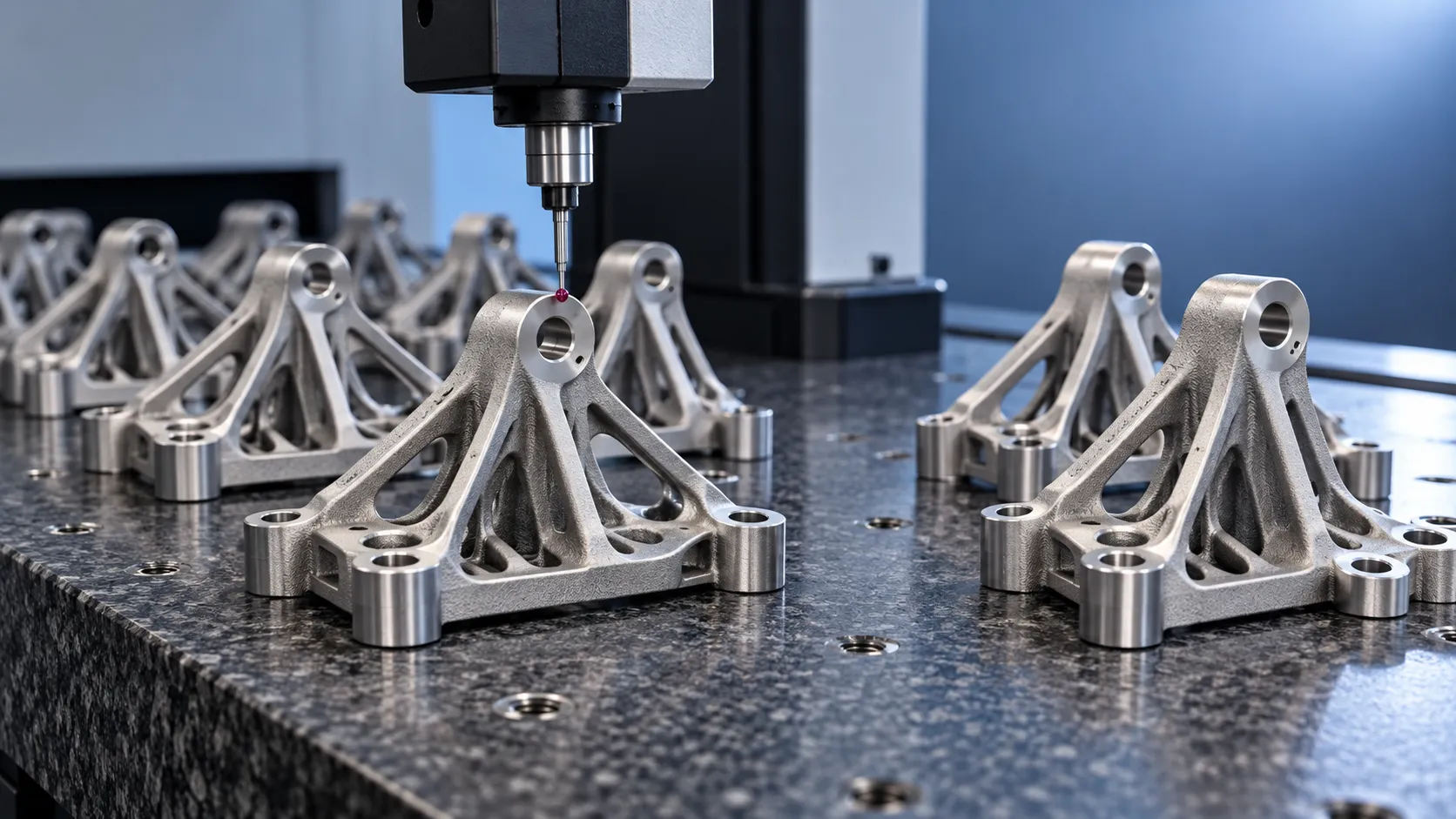
How to verify part consistency before choosing a 3D printing OEM
Choosing a 3D printing OEM? Learn how to verify part consistency with repeat-build trials, validated inspections, and traceability checks before committing to production.
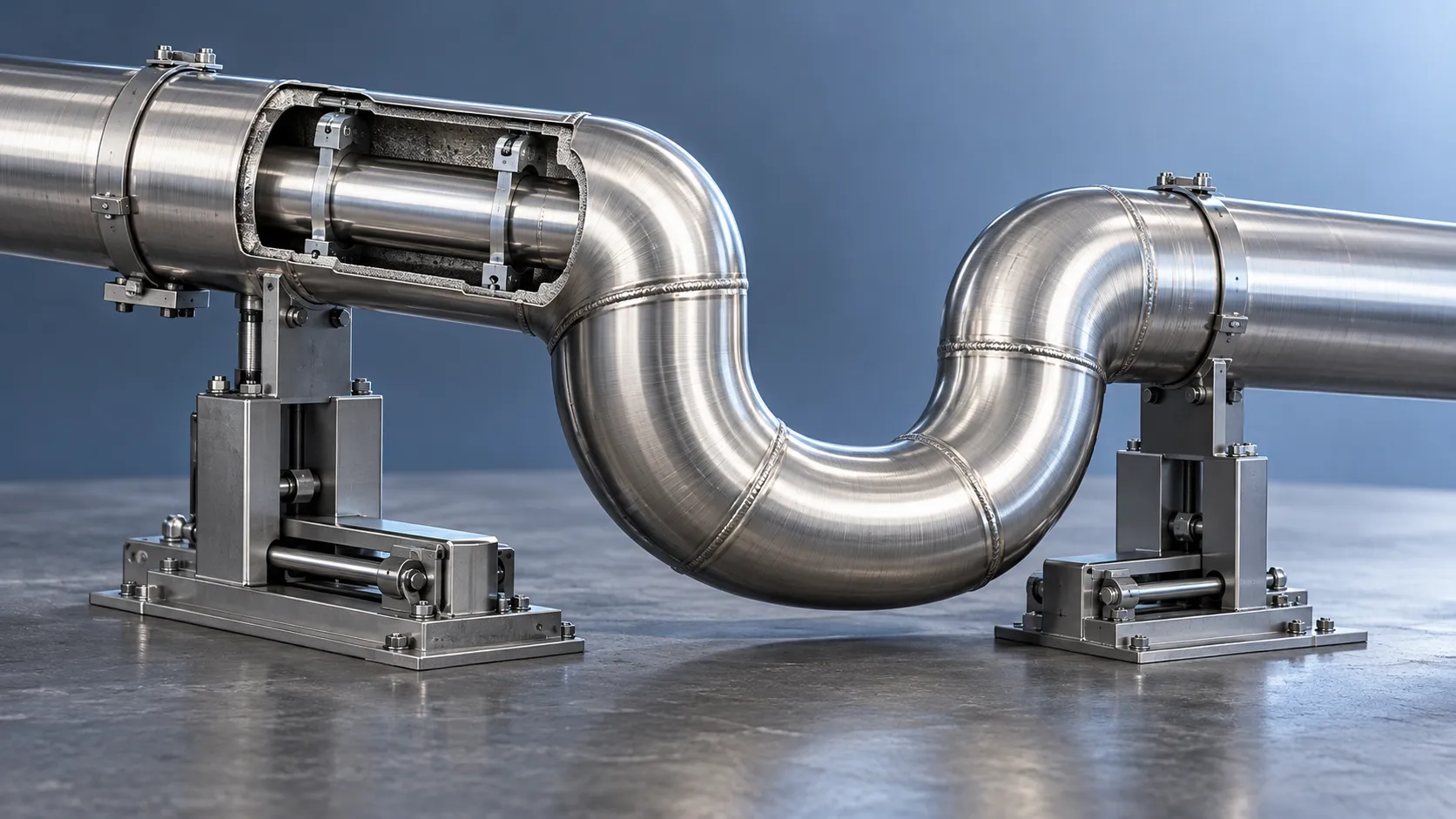
How does a rigid cryogenic transfer line handle thermal contraction?
Learn how a rigid cryogenic transfer line manages thermal contraction with bends, bellows, and guided supports. Discover key design checks for safe, reliable cryogenic performance.
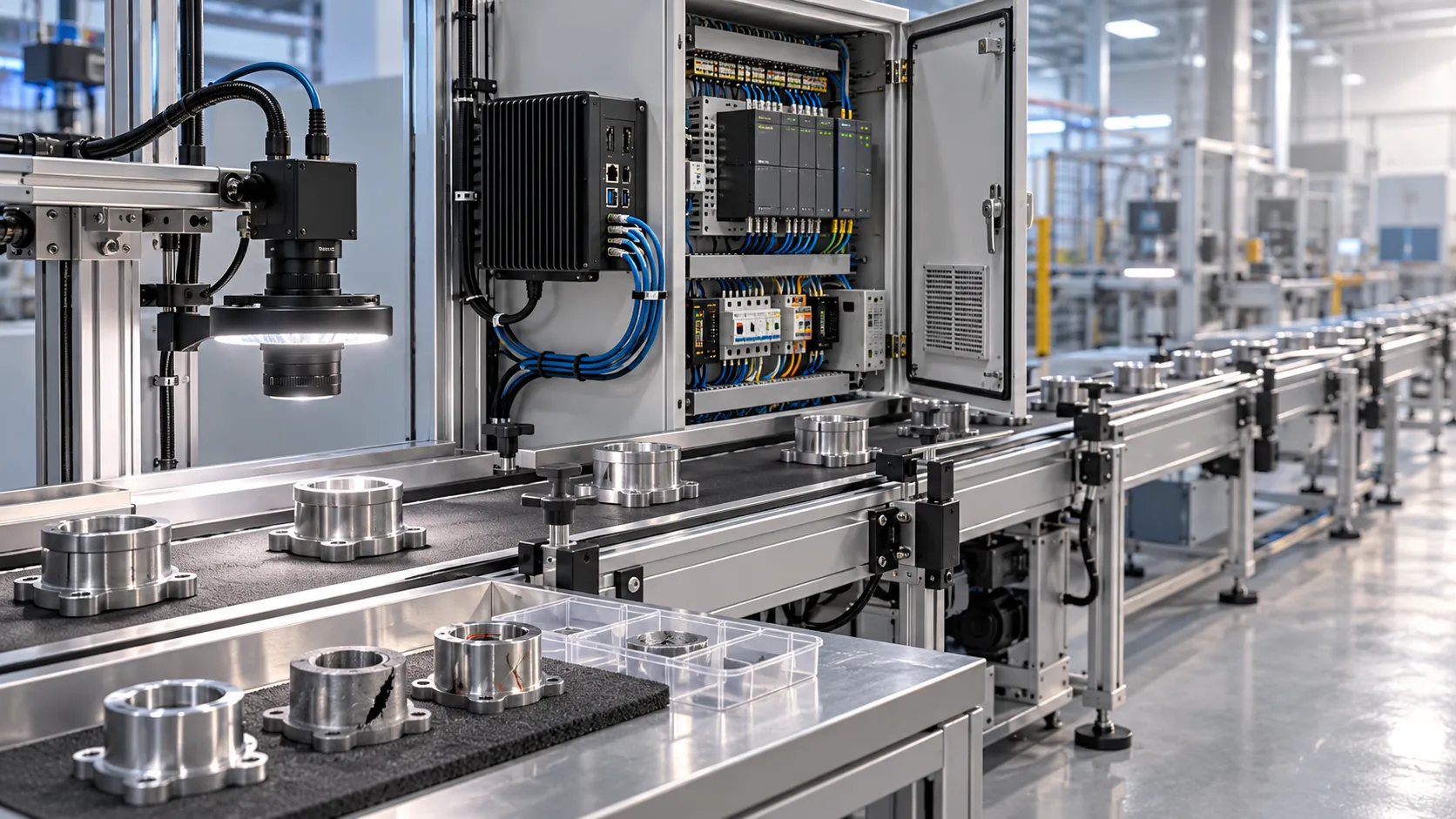
How much does edge vision deployment cost beyond the hardware?
Understand edge vision deployment cost beyond hardware, from data and integration to security and support. Uncover hidden expenses and build a smarter lifecycle budget before you scale.
How does the purity of sputtering targets affect thin-film quality?
Discover how sputtering targets affect thin-film quality. Learn to assess purity, identify harmful impurities, and choose specifications that improve coating performance.
How high power laser cladding systems control substrate dilution
Discover how high power laser cladding systems control substrate dilution through beam shaping, material feed, and thermal management to deliver reliable bonds and coating performance.
How to check HS codes for customs compliance in international logistics
Strengthen international logistics customs compliance: learn how to verify HS codes, check official tariffs, and document classifications to reduce costly shipment delays.
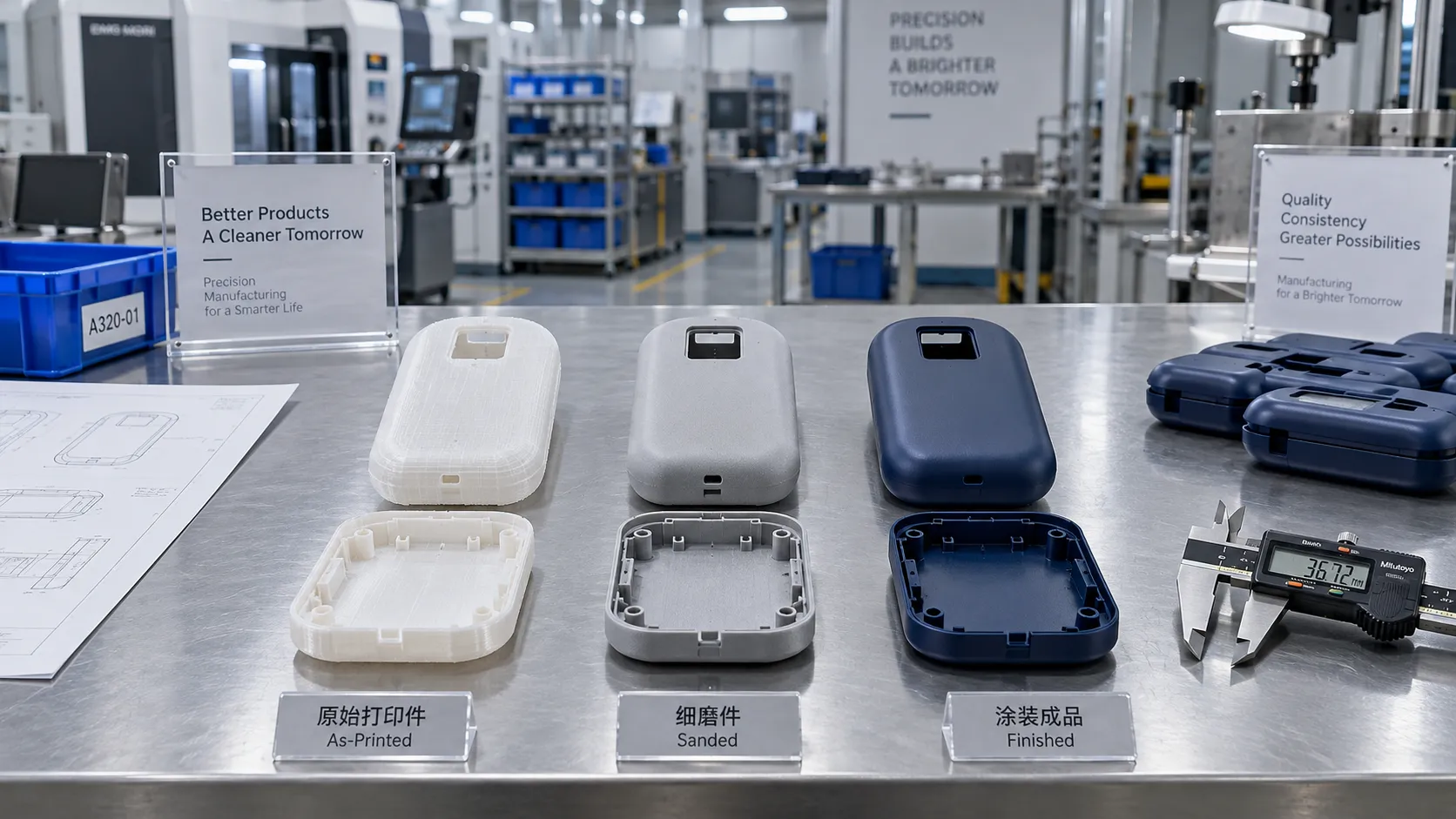
Choosing a 3D Printing Service for Consumer Products: Finish, Fit, and Cost
Compare 3d printing consumer good services by finish, fit, materials, and total cost. Learn how to choose a reliable supplier and avoid costly defects before ordering.
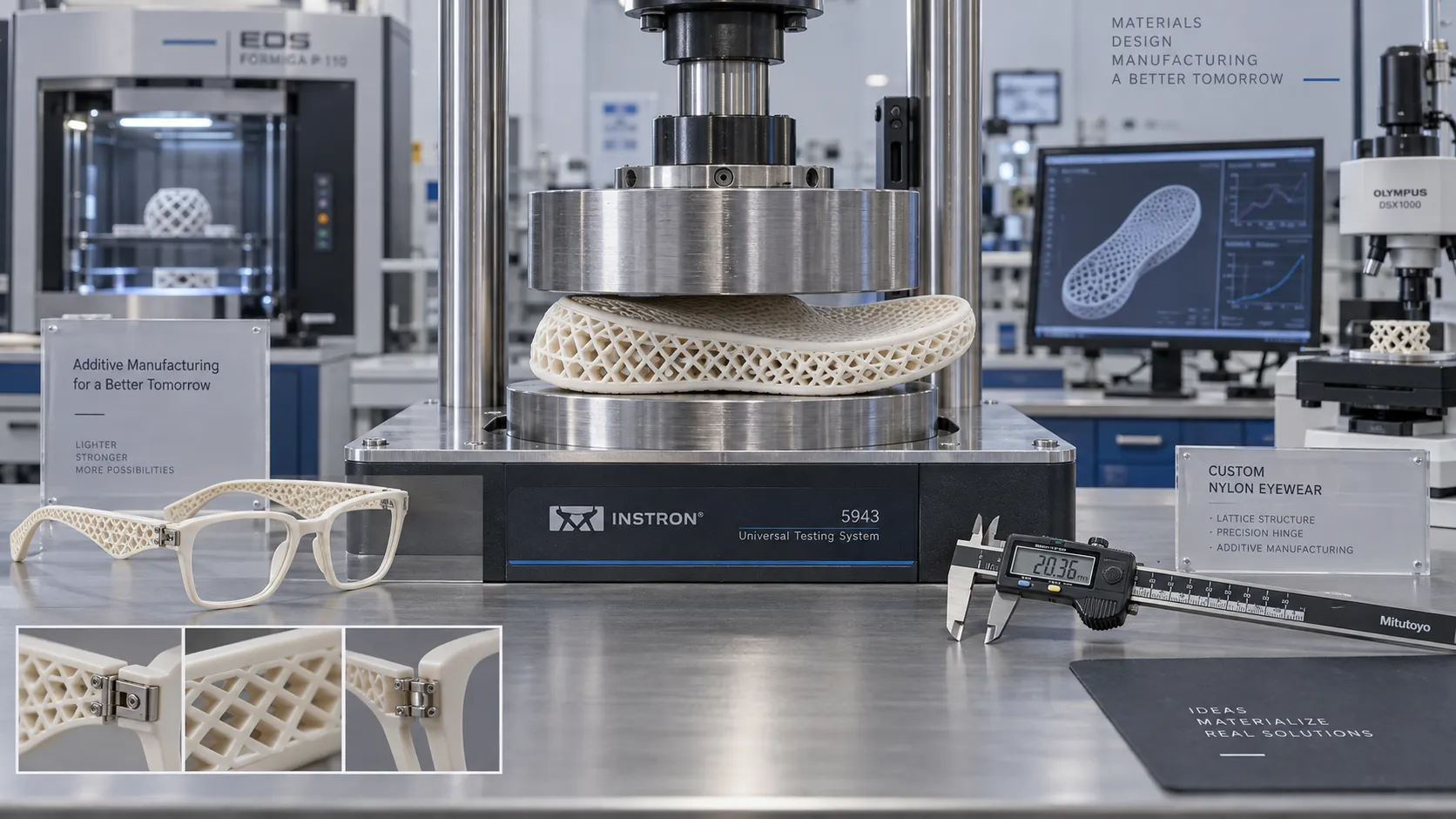
Which Consumer Goods Can Be 3D Printed, and What Are the Practical Limits?
Explore 3d printing consumer goods, from custom eyewear to replacement parts. Discover practical limits on materials, safety, and costs to make smarter production decisions.
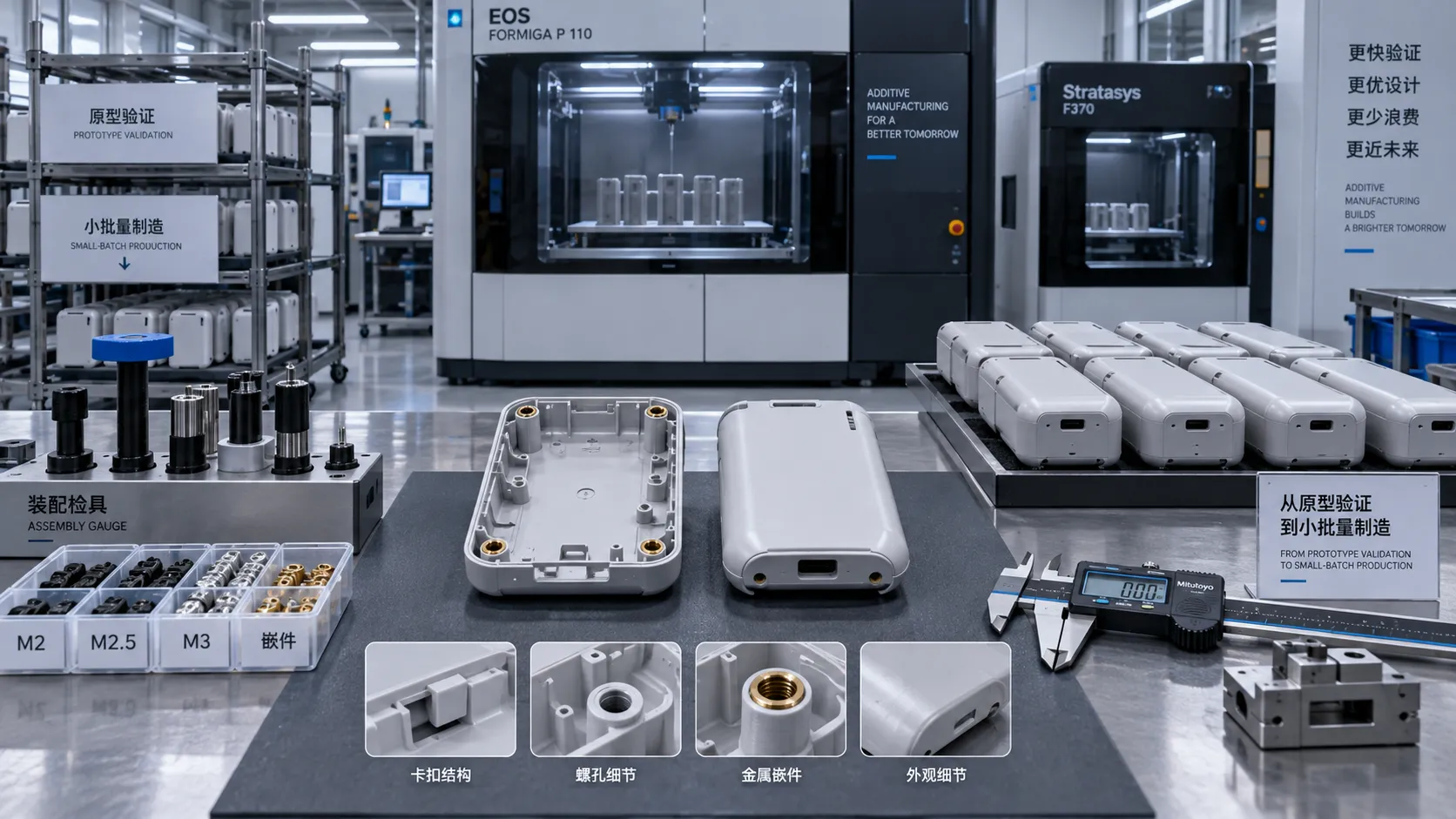
From Prototype to Small Batch: Applying 3D Printing to Consumer Goods
Explore 3d printing in consumer goods: learn how to move from prototype to small-batch production with practical guidance on materials, quality validation, and cost control.
Related News
- 00
0000-00
How to verify part consistency before choosing a 3D printing OEM - 00
0000-00
How does a rigid cryogenic transfer line handle thermal contraction? - 00
0000-00
How much does edge vision deployment cost beyond the hardware? - 00
0000-00
How does the purity of sputtering targets affect thin-film quality? - 00
0000-00
How high power laser cladding systems control substrate dilution
Marcus Print
Weekly Insights
Stay ahead with our curated technology reports delivered every Monday.