
Sustainable Materials in 3D Printing: Best Options

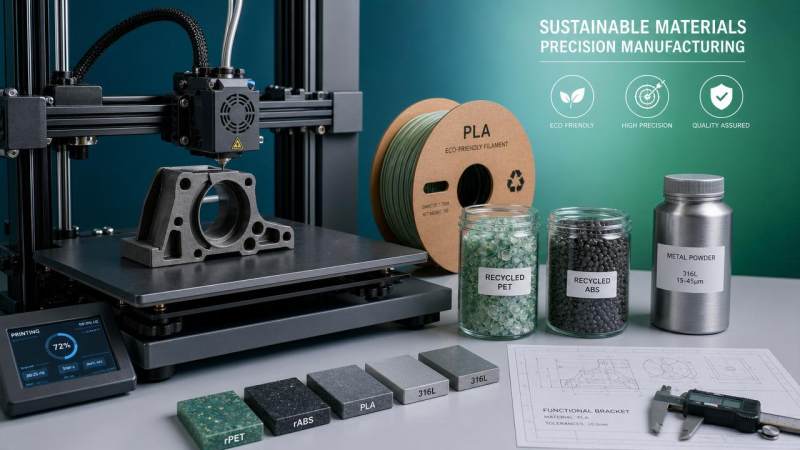
Sustainable materials in 3D printing are moving from niche interest to industrial benchmark
As sustainability becomes a strategic priority across advanced manufacturing, sustainable materials in 3D printing are gaining attention across engineering, sourcing, compliance, and innovation functions.
Material choice now shapes more than prototype quality. It influences emissions, waste recovery, certification readiness, cost predictability, and long-term supply chain resilience.
The best sustainable materials in 3D printing balance technical performance with lower environmental impact. That balance is now becoming a competitive requirement, not a branding exercise.
This shift matters across industries, from consumer products and healthcare to aerospace, automotive, electronics, tooling, and industrial equipment production.
Market signals show a clear upgrade in how material sustainability is evaluated
A few years ago, many teams judged 3D printing materials mainly by printability and mechanical strength. Today, that evaluation framework is much broader.
Life cycle impact, recycled content, bio-based origin, end-of-life handling, and process scrap reduction are becoming standard review points.
In practical terms, sustainable materials in 3D printing are being assessed alongside data traceability, regulatory compatibility, and consistency across production batches.
This evolution reflects a larger industrial pattern. Additive manufacturing is maturing from experimental use toward validated production environments with tighter accountability.
What is changing in material selection criteria
- Material sustainability claims increasingly require verifiable technical and sourcing data.
- Low-waste performance is valued alongside tensile strength, durability, and thermal behavior.
- Recyclability and reuse are becoming important for powder, filament, and resin workflows.
- Material decisions are being linked to ESG reporting and customer qualification requirements.
- Stable supply and repeatability matter as much as green positioning.
Why sustainable materials in 3D printing are gaining strategic weight
Several forces are driving this transition. Some come from regulation, while others are tied to cost control, product differentiation, and operational risk.
The best options depend on performance class, process type, and end-use requirements
There is no single best answer. The strongest options for sustainable materials in 3D printing vary by process, durability needs, finishing demands, and certification expectations.
1. PLA and advanced bio-based blends
PLA remains one of the most recognized sustainable materials in 3D printing. It is bio-based, easy to print, and suited to concept models, fixtures, and low-stress applications.
Its main limits are heat resistance and impact performance. However, improved blends can expand usability for semi-functional parts.
2. Recycled PETG and recycled ABS
Recycled PETG offers a practical path for applications needing better toughness than PLA. Recycled ABS can also perform well where rigidity and machinability are important.
These materials support circularity goals, but quality consistency depends heavily on feedstock purification and compounding control.
3. Reprocessed nylon powders
In powder bed fusion, nylon remains important for functional parts. Reprocessed or refresh-optimized nylon powders can reduce virgin material demand and lower waste.
The critical issue is refresh rate management. Mechanical properties and dimensional accuracy must remain within validated production windows.
4. Bio-based polyamides and engineering polymers
Bio-based polyamides are gaining attention where higher strength and thermal performance are needed. They help narrow the gap between sustainability and engineering functionality.
These options are promising for industrial components, housings, tooling aids, and selected end-use parts that cannot rely on standard PLA.
5. Recycled or lower-waste metal powders
For metal additive manufacturing, sustainability is less about bio-based origin and more about powder reuse, yield efficiency, and energy-aware processing.
Titanium, aluminum, and stainless steel workflows can improve sustainability through controlled powder recycling and optimized build nesting.
6. Emerging recyclable and safer photopolymer resins
Resin printing has traditionally faced sustainability challenges. Newer recyclable, lower-toxicity, or partially bio-based resins are improving the landscape.
Adoption should remain cautious. Cure stability, post-processing chemistry, and waste handling still require careful validation.
The impact extends beyond materials and into design, operations, and compliance
The rise of sustainable materials in 3D printing changes how products are designed and how production systems are managed.
Design teams increasingly need to account for disassembly, lighter structures, and reduced support usage. Those choices directly affect material efficiency.
Operations teams face new requirements around storage conditions, reuse protocols, scrap segregation, and process documentation. Sustainability is becoming procedural, not only material-based.
Compliance functions also gain a larger role. Material declarations, chemical safety information, and regional policy updates can influence qualification timelines.
Where the business effects appear first
- Prototype programs seeking lower material waste and faster iteration.
- Short-run production where scrap cost is visible and measurable.
- Regulated sectors needing stronger data on feedstock origin and safety.
- Customer-facing products where sustainability influences specification decisions.
What deserves closer attention before selecting sustainable materials in 3D printing
Not every material marketed as green delivers reliable industrial value. Strong evaluation depends on technical detail and process realism.
- Check whether sustainability claims are backed by test data or third-party declarations.
- Compare total waste, not only recycled content or bio-based percentage.
- Review print failure rates, support removal demands, and post-processing burden.
- Validate performance after reuse cycles for powders, pellets, or filament regrind.
- Assess fit with ISO, ASTM, SEMI, or sector-specific requirements where relevant.
- Examine supplier transparency on origin, additives, and batch-to-batch consistency.
A practical decision framework helps separate promising options from risky substitutions
The next phase will reward verified performance, not broad sustainability claims
The future of sustainable materials in 3D printing will be defined by measurable trade-offs. Lower-impact materials must prove repeatability, qualification readiness, and business value.
That means the strongest options will likely be materials with transparent data, stable processing behavior, and realistic pathways into industrial production.
It also means sustainability will increasingly be evaluated at system level. Material, machine, energy profile, geometry efficiency, and reuse protocol all matter together.
Next steps should focus on testing, traceability, and cross-functional validation
Start by mapping current additive workflows by waste intensity, material cost, and qualification sensitivity. Then shortlist sustainable materials in 3D printing that fit actual application priorities.
Run controlled trials with clear acceptance thresholds for print reliability, part performance, and sustainability value. Document every result in a comparable format.
For deeper benchmarking, technical validation, and industrial intelligence across additive manufacturing, G-AIT provides the evidence framework needed to compare advanced materials with confidence.
In a market where sustainable materials in 3D printing increasingly shape both innovation and compliance, informed selection is becoming a decisive operational advantage.
Related News
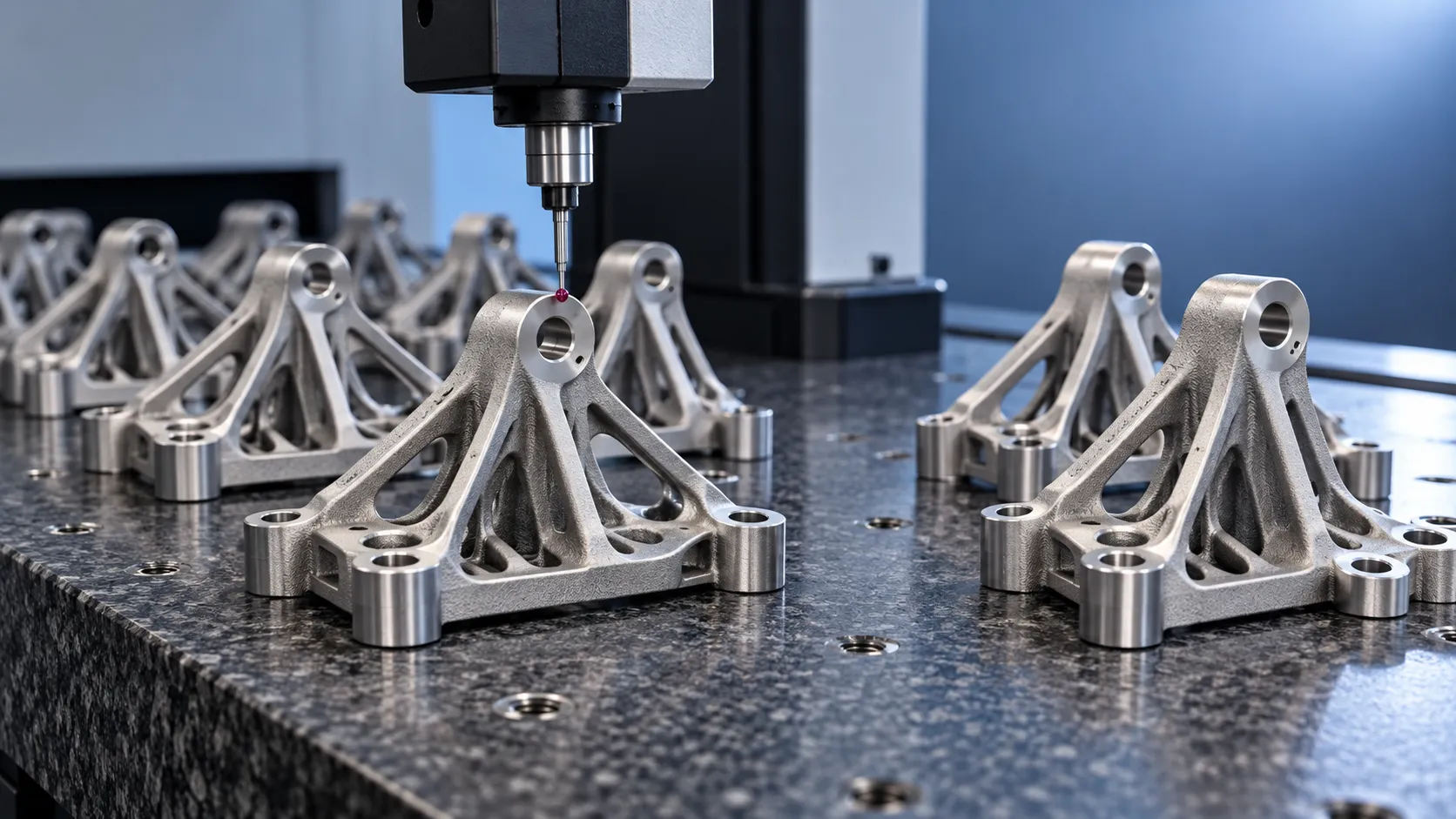
How to verify part consistency before choosing a 3D printing OEM
Choosing a 3D printing OEM? Learn how to verify part consistency with repeat-build trials, validated inspections, and traceability checks before committing to production.
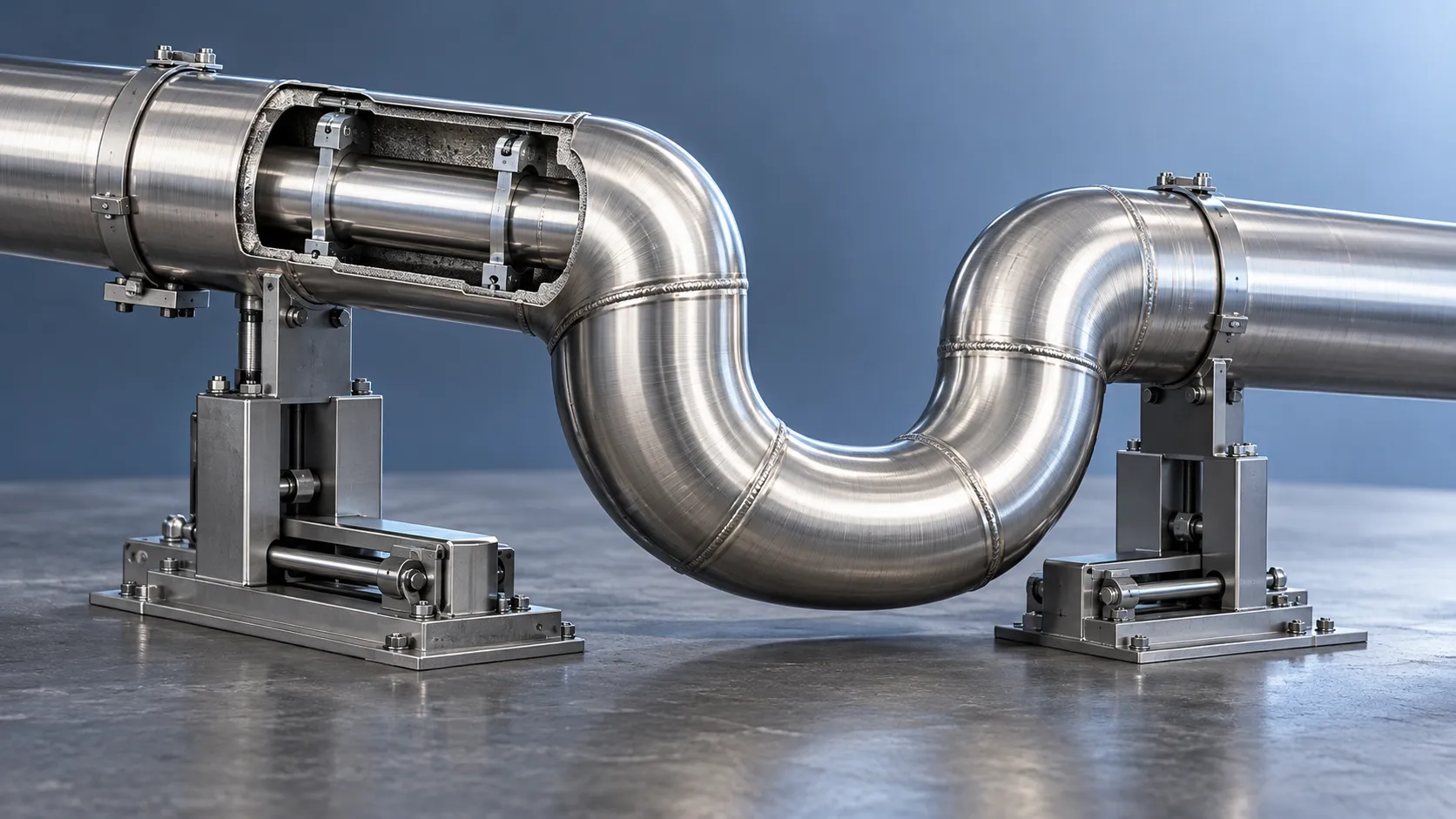
How does a rigid cryogenic transfer line handle thermal contraction?
Learn how a rigid cryogenic transfer line manages thermal contraction with bends, bellows, and guided supports. Discover key design checks for safe, reliable cryogenic performance.

How much does edge vision deployment cost beyond the hardware?
Understand edge vision deployment cost beyond hardware, from data and integration to security and support. Uncover hidden expenses and build a smarter lifecycle budget before you scale.

How does the purity of sputtering targets affect thin-film quality?
Discover how sputtering targets affect thin-film quality. Learn to assess purity, identify harmful impurities, and choose specifications that improve coating performance.
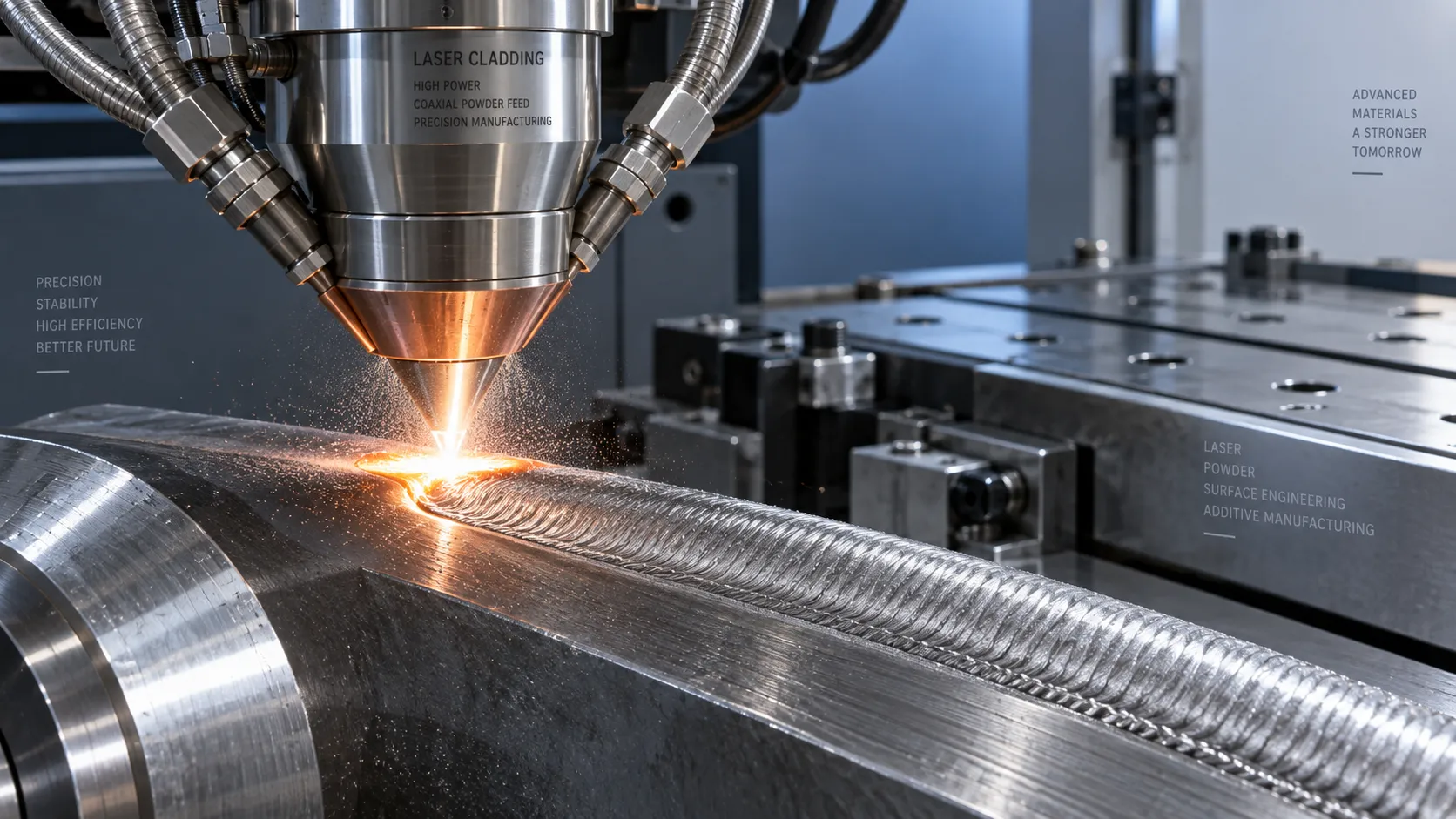
How high power laser cladding systems control substrate dilution
Discover how high power laser cladding systems control substrate dilution through beam shaping, material feed, and thermal management to deliver reliable bonds and coating performance.

How to check HS codes for customs compliance in international logistics
Strengthen international logistics customs compliance: learn how to verify HS codes, check official tariffs, and document classifications to reduce costly shipment delays.

Choosing a 3D Printing Service for Consumer Products: Finish, Fit, and Cost
Compare 3d printing consumer good services by finish, fit, materials, and total cost. Learn how to choose a reliable supplier and avoid costly defects before ordering.
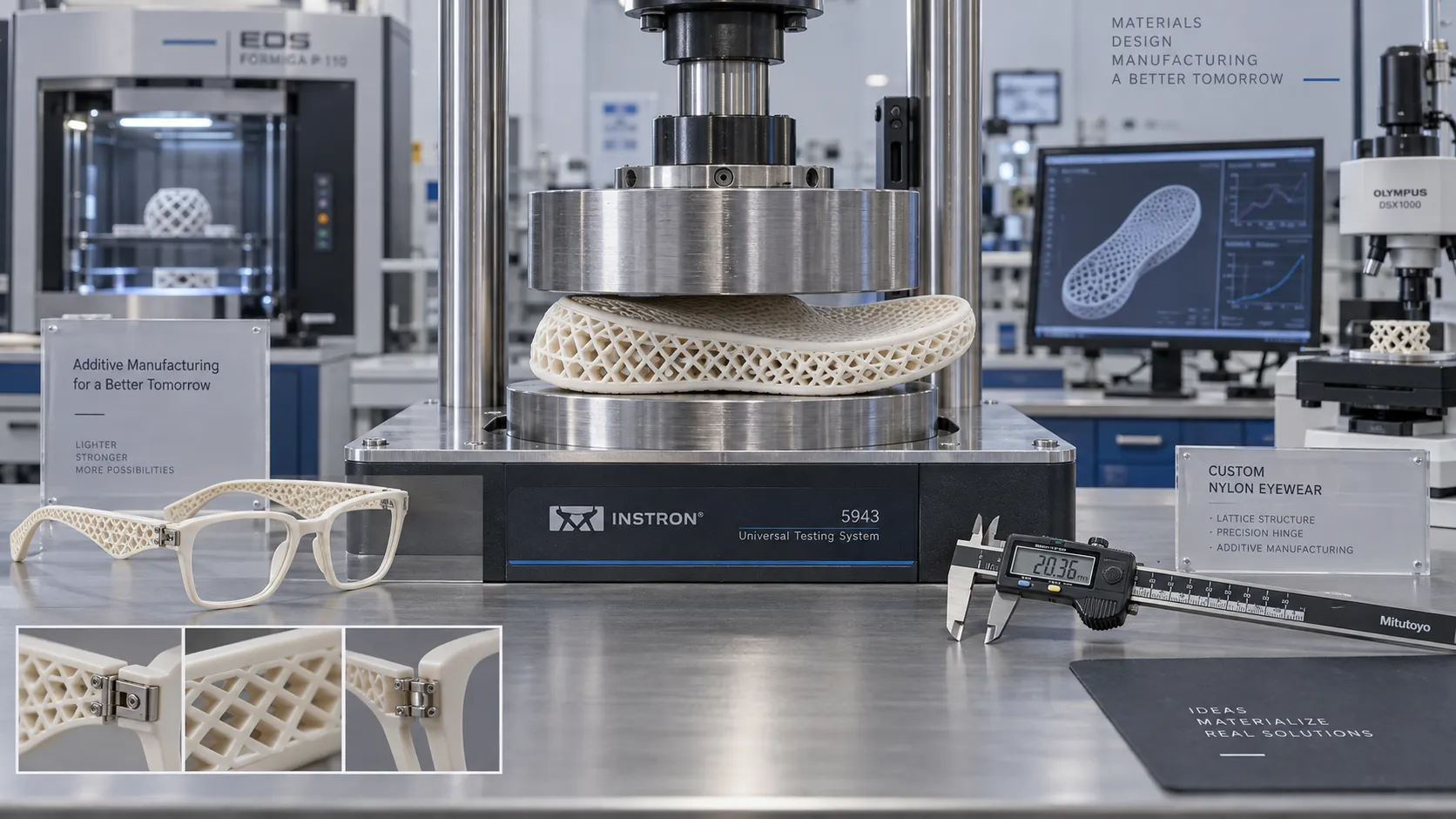
Which Consumer Goods Can Be 3D Printed, and What Are the Practical Limits?
Explore 3d printing consumer goods, from custom eyewear to replacement parts. Discover practical limits on materials, safety, and costs to make smarter production decisions.

From Prototype to Small Batch: Applying 3D Printing to Consumer Goods
Explore 3d printing in consumer goods: learn how to move from prototype to small-batch production with practical guidance on materials, quality validation, and cost control.
Related News
- 00
0000-00
How to verify part consistency before choosing a 3D printing OEM - 00
0000-00
How does a rigid cryogenic transfer line handle thermal contraction? - 00
0000-00
How much does edge vision deployment cost beyond the hardware? - 00
0000-00
How does the purity of sputtering targets affect thin-film quality? - 00
0000-00
How high power laser cladding systems control substrate dilution
Marcus Print
Weekly Insights
Stay ahead with our curated technology reports delivered every Monday.