
PEEK bonding often fails when crystallization is ignored

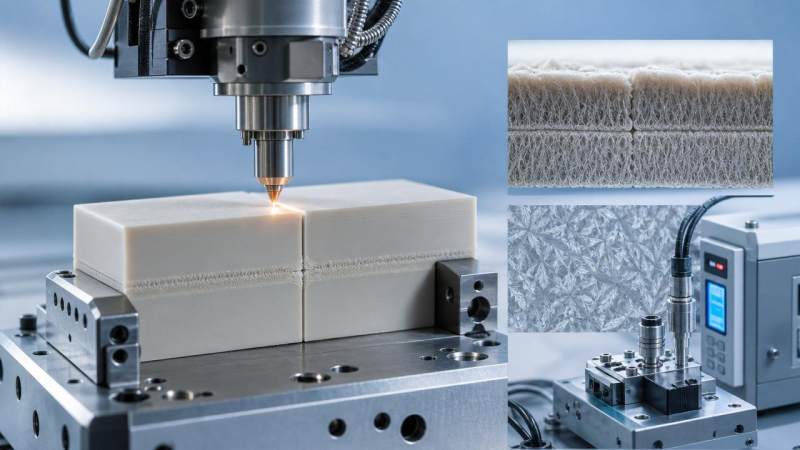
Crystallization control is becoming the hidden variable in PEEK joining quality
Many PEEK joining failures are traced not to adhesive selection alone, but to overlooked thermal history.
In advanced production, peek crystallization and interlayer bonding now shape reliability as much as chemistry, pressure, or fixture design.
This shift matters because PEEK is rarely processed under simple, stable conditions.
Laser heating, additive manufacturing, overmolding, welding, and repair each create different cooling paths and crystalline structures.
When those structures are inconsistent, bond lines become unpredictable, even when surface preparation looks acceptable.
For high-value industrial assemblies, this means hidden rework, qualification delays, and elevated lifetime risk.
A stronger understanding of peek crystallization and interlayer bonding helps reduce failure analysis cycles and stabilize process windows.
The industry signal is clear: thermal history is moving from secondary detail to primary control point
Across industrial sectors, PEEK is moving into harsher, more regulated, and more customized service conditions.
That expansion exposes weak assumptions about bonding performance, especially when crystallinity is treated as a background material property.
Recent qualification practices increasingly ask not only whether a joint passes initial testing, but why it remains stable after thermal cycling.
The answer often leads back to peek crystallization and interlayer bonding behavior during manufacturing.
Highly crystalline zones can improve stiffness and chemical resistance, yet reduce molecular diffusion at the interface.
Low crystallinity may support better wetting or fusion at first, but later shrinkage or post-crystallization can weaken the bond.
This is why identical materials can show different lap shear, peel, or fatigue outcomes across sites.
The variable is often not material grade alone, but the thermal path embedded into each part before joining.
Where the trend appears most strongly
- Additive manufacturing, where layer cooling strongly affects peek crystallization and interlayer bonding.
- Laser and induction joining, where localized heat creates steep crystallinity gradients.
- Composite and hybrid assemblies, where substrate stiffness alters cooling and residual stress.
- Repair and refurbishment, where previous thermal exposure changes remelt behavior.
Why peek crystallization and interlayer bonding are tightly linked
PEEK does not bond as a passive solid.
Its chains must move, wet, diffuse, and then lock into a final structure during cooling.
That means interlayer strength depends on both the joining event and the crystallization event that follows.
If cooling is too fast, the interface may freeze before enough chain entanglement forms.
If cooling is too slow or uneven, differential shrinkage can concentrate stress along the bond line.
In semi-crystalline polymers, this balance is more sensitive than many teams expect.
The main failure pattern is not one defect, but a chain of process mismatches
Bond failure often begins earlier than the joining station.
A printed preform, molded insert, or annealed component already carries a crystallization profile before final assembly.
When process planning ignores that profile, interlayer bonding performance becomes path dependent.
This explains why troubleshooting focused only on primers, plasma treatment, or clamp pressure often stalls.
Those inputs matter, but they cannot fully compensate for incompatible crystalline morphology.
Common mismatch scenarios
- A highly crystalline substrate receives low-energy joining and never develops enough interfacial diffusion.
- A low-crystallinity part bonds well initially, then post-crystallizes during service and loses toughness.
- Layered printed parts show strong bulk strength, but poor z-direction integrity because local reheating was inconsistent.
- Annealing improves dimensional stability, yet reduces later weldability if the new process window is not updated.
In each case, peek crystallization and interlayer bonding must be considered together, not as separate quality topics.
The operational impact reaches quality, cost, validation, and field reliability
The business effect is broader than a single scrap event.
When thermal history is uncontrolled, process capability narrows and qualification data become harder to defend.
Lot-to-lot variation increases because small differences in cooling, storage, or reheating produce measurable structural changes.
For long-life assemblies, hidden variation may only appear after humidity exposure, sterilization, pressure cycling, or elevated temperature service.
Impacts across business functions
- Process engineering faces unstable joining windows and repeated parameter optimization.
- Quality teams face failure modes that standard incoming inspection cannot easily detect.
- Program validation takes longer because bond durability data show unexplained spread.
- Service performance risk rises when residual stress and crystallinity continue evolving in use.
This is why peek crystallization and interlayer bonding are becoming strategic process indicators rather than laboratory-only concerns.
What deserves closer monitoring as applications become more demanding
The most effective response is not simply adding more tests at the end.
It is building a clearer map between thermal exposure, crystalline state, and final bond performance.
Key focus areas
- Define acceptable crystallinity ranges for each part state before joining.
- Track time-temperature history from forming through final assembly.
- Correlate DSC, microscopy, or mechanical data with actual bond outcomes.
- Separate bulk strength from interface strength during validation.
- Evaluate post-crystallization after secondary heat exposure or service simulation.
- Requalify joining windows after annealing, storage changes, or equipment upgrades.
In advanced programs, peek crystallization and interlayer bonding should be tied to control plans, not treated as optional development notes.
A practical decision framework can reduce uncertainty faster than isolated trials
A structured approach improves predictability without slowing innovation.
The goal is to identify whether bond weakness comes from chemistry, contact, or crystallization pathway.
This framework keeps peek crystallization and interlayer bonding visible during root-cause analysis, where they are often overlooked.
The next competitive advantage lies in controlling structure, not only selecting material
PEEK will continue expanding into applications where joining integrity must survive tougher thermal, chemical, and mechanical demands.
In that environment, successful programs will manage the part’s structural evolution, not just its nominal grade or adhesive system.
Teams that quantify peek crystallization and interlayer bonding earlier can shorten validation cycles and improve transferability between development and production.
They are also better positioned to align process data with ISO, ASTM, and internal reliability expectations.
A practical next step is to review every PEEK joining route against its real thermal history, then compare that map with current failure modes.
That single exercise often reveals why acceptable-looking joints still fail, and where the process window can be rebuilt with confidence.
Related News
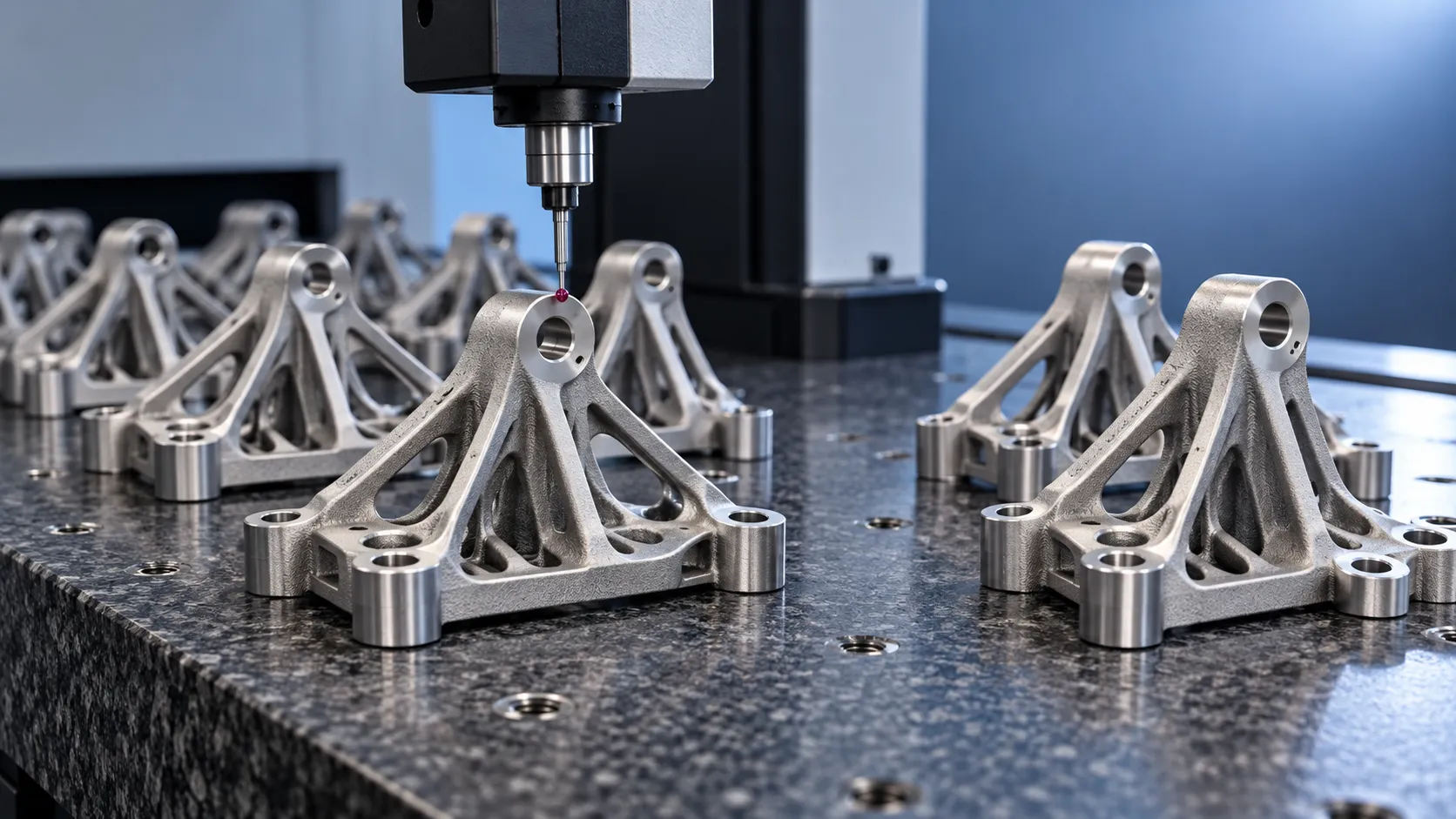
How to verify part consistency before choosing a 3D printing OEM
Choosing a 3D printing OEM? Learn how to verify part consistency with repeat-build trials, validated inspections, and traceability checks before committing to production.

How does a rigid cryogenic transfer line handle thermal contraction?
Learn how a rigid cryogenic transfer line manages thermal contraction with bends, bellows, and guided supports. Discover key design checks for safe, reliable cryogenic performance.

How much does edge vision deployment cost beyond the hardware?
Understand edge vision deployment cost beyond hardware, from data and integration to security and support. Uncover hidden expenses and build a smarter lifecycle budget before you scale.
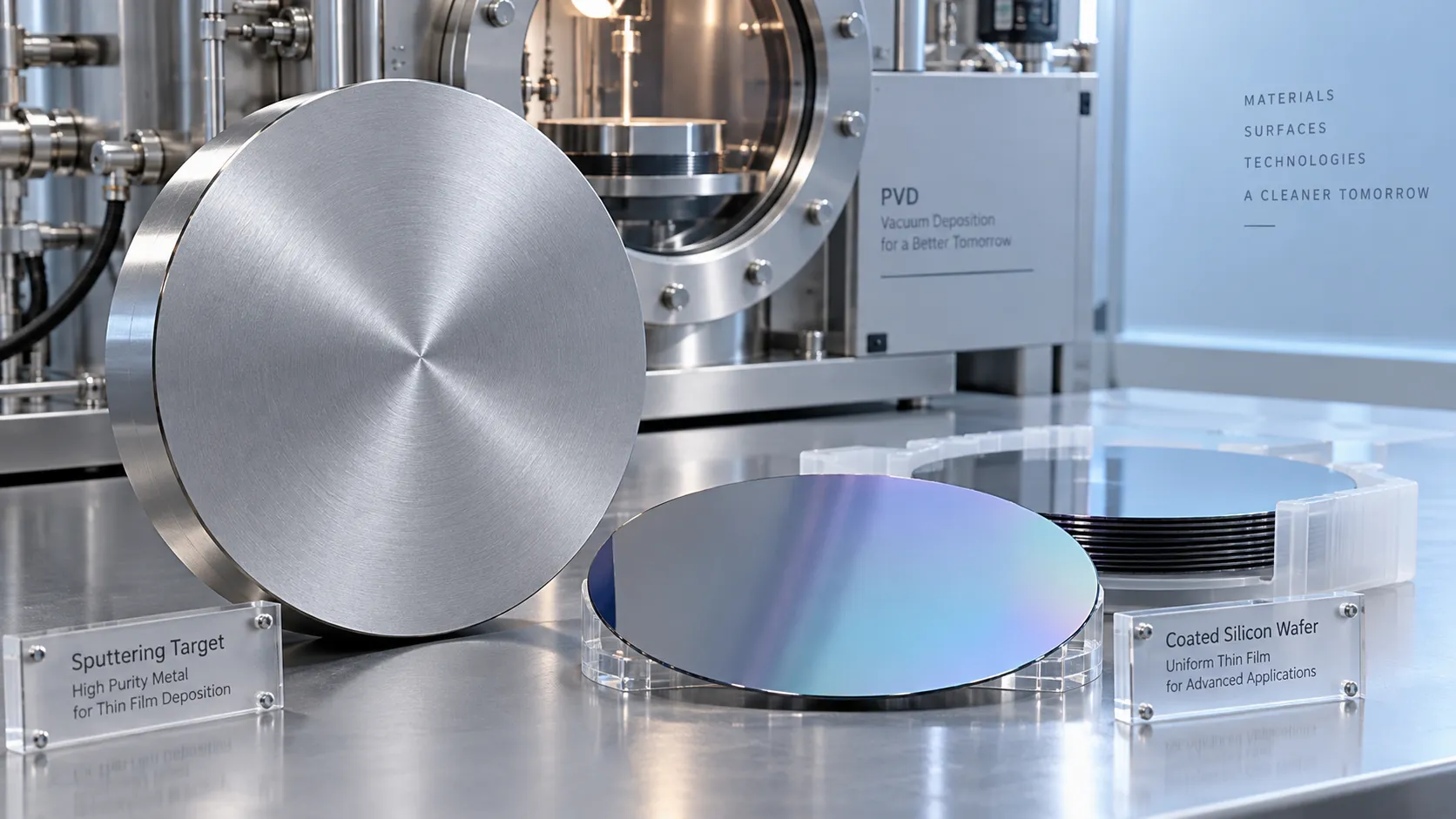
How does the purity of sputtering targets affect thin-film quality?
Discover how sputtering targets affect thin-film quality. Learn to assess purity, identify harmful impurities, and choose specifications that improve coating performance.
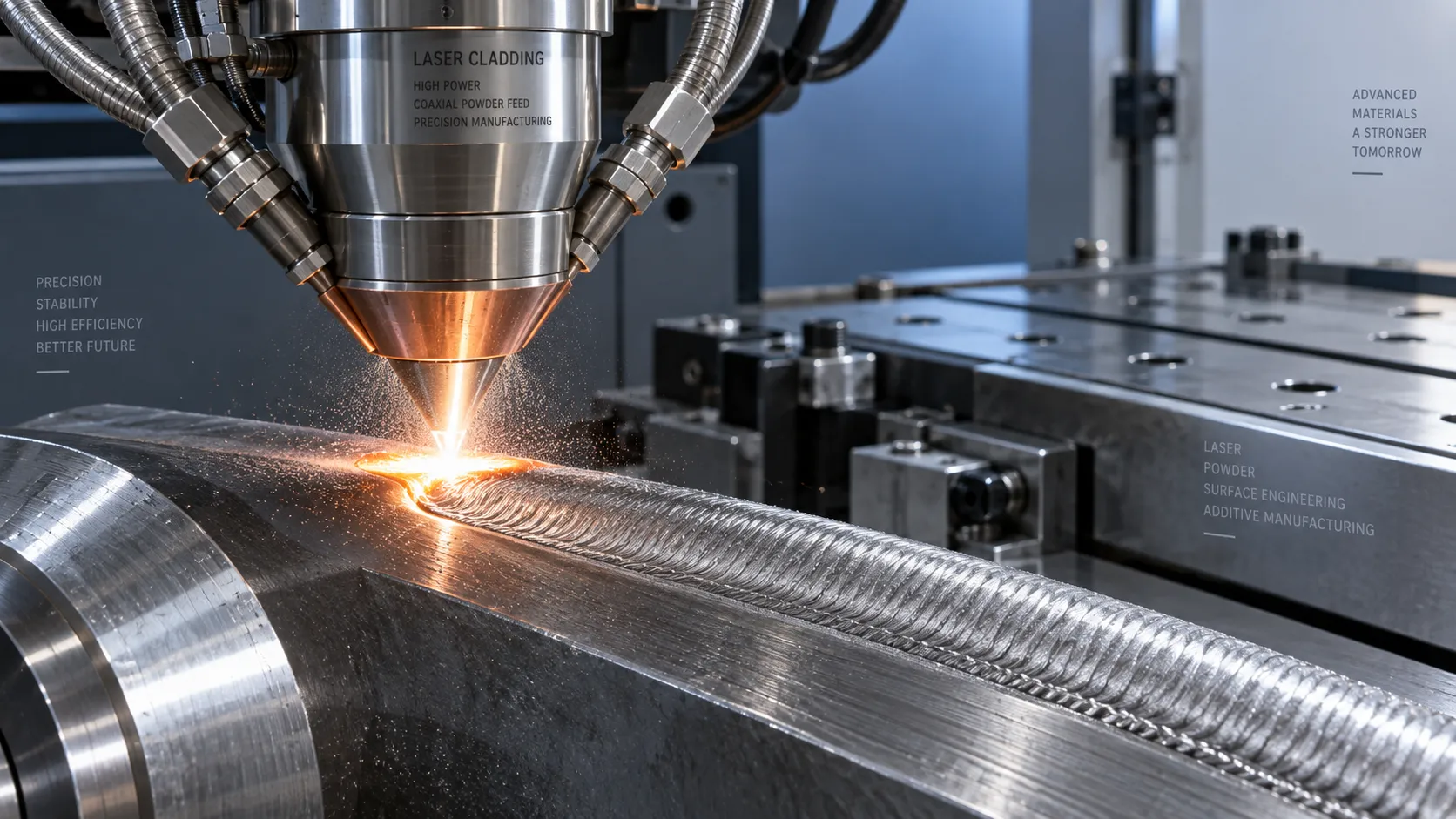
How high power laser cladding systems control substrate dilution
Discover how high power laser cladding systems control substrate dilution through beam shaping, material feed, and thermal management to deliver reliable bonds and coating performance.

How to check HS codes for customs compliance in international logistics
Strengthen international logistics customs compliance: learn how to verify HS codes, check official tariffs, and document classifications to reduce costly shipment delays.
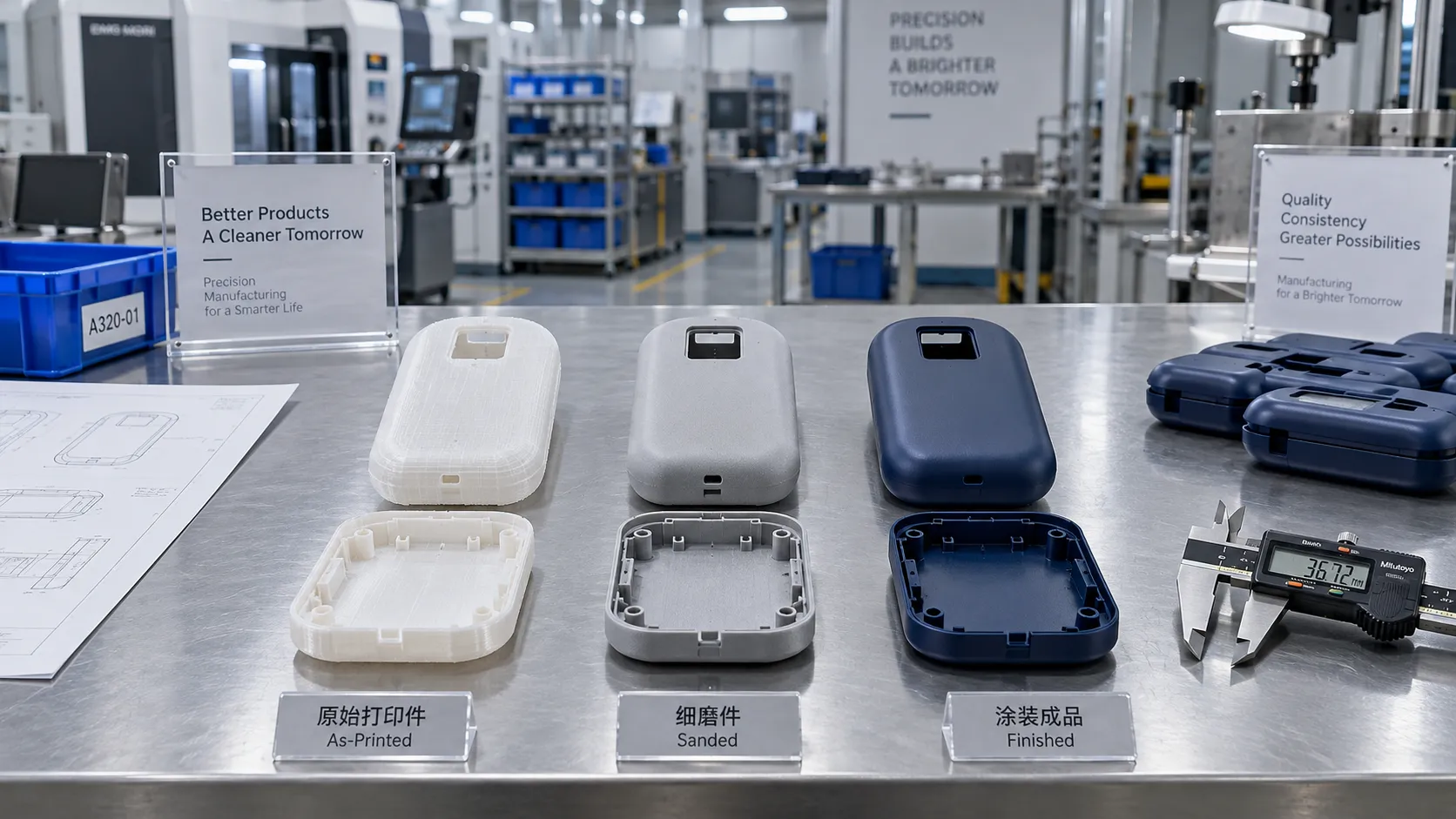
Choosing a 3D Printing Service for Consumer Products: Finish, Fit, and Cost
Compare 3d printing consumer good services by finish, fit, materials, and total cost. Learn how to choose a reliable supplier and avoid costly defects before ordering.
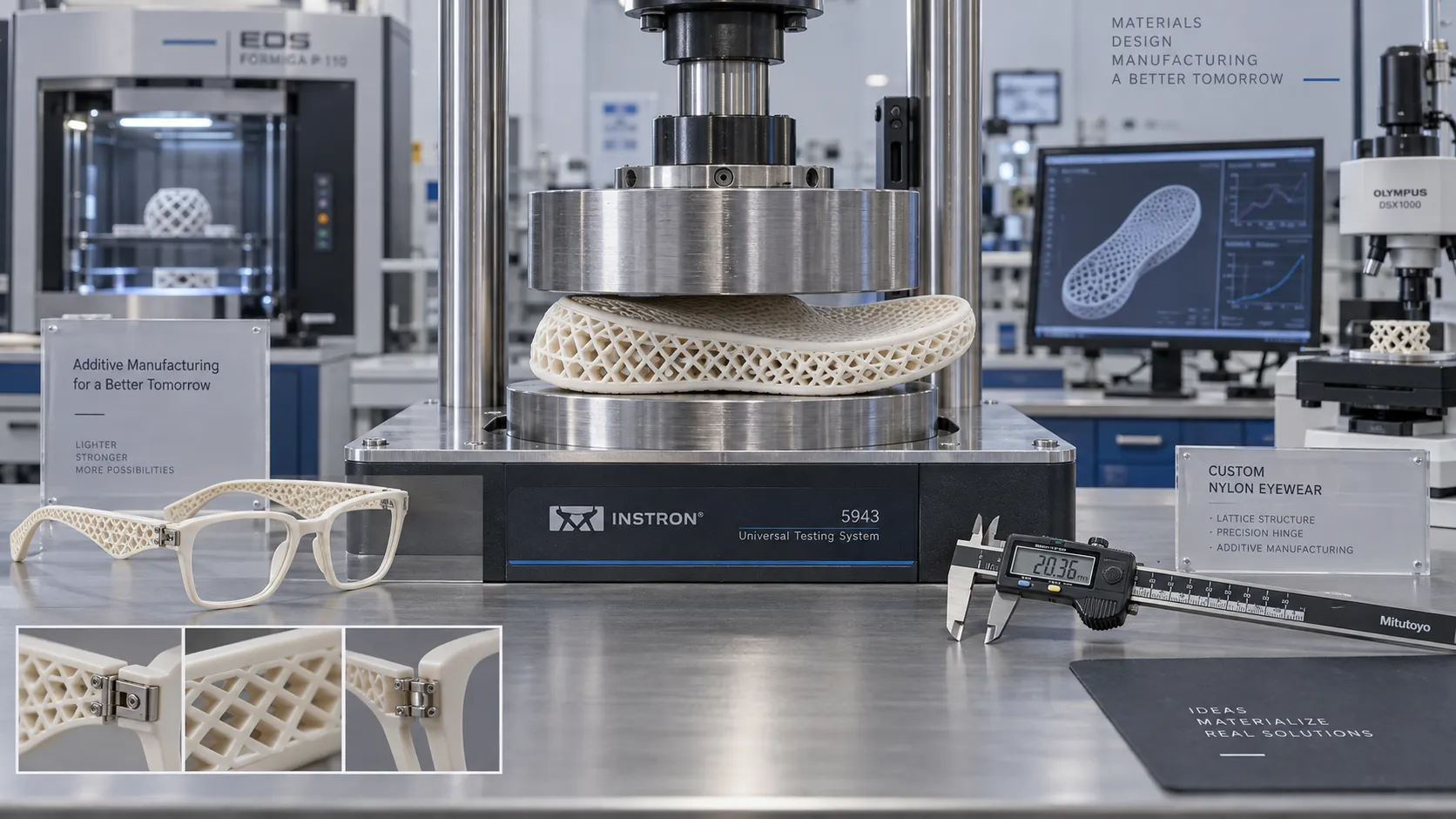
Which Consumer Goods Can Be 3D Printed, and What Are the Practical Limits?
Explore 3d printing consumer goods, from custom eyewear to replacement parts. Discover practical limits on materials, safety, and costs to make smarter production decisions.
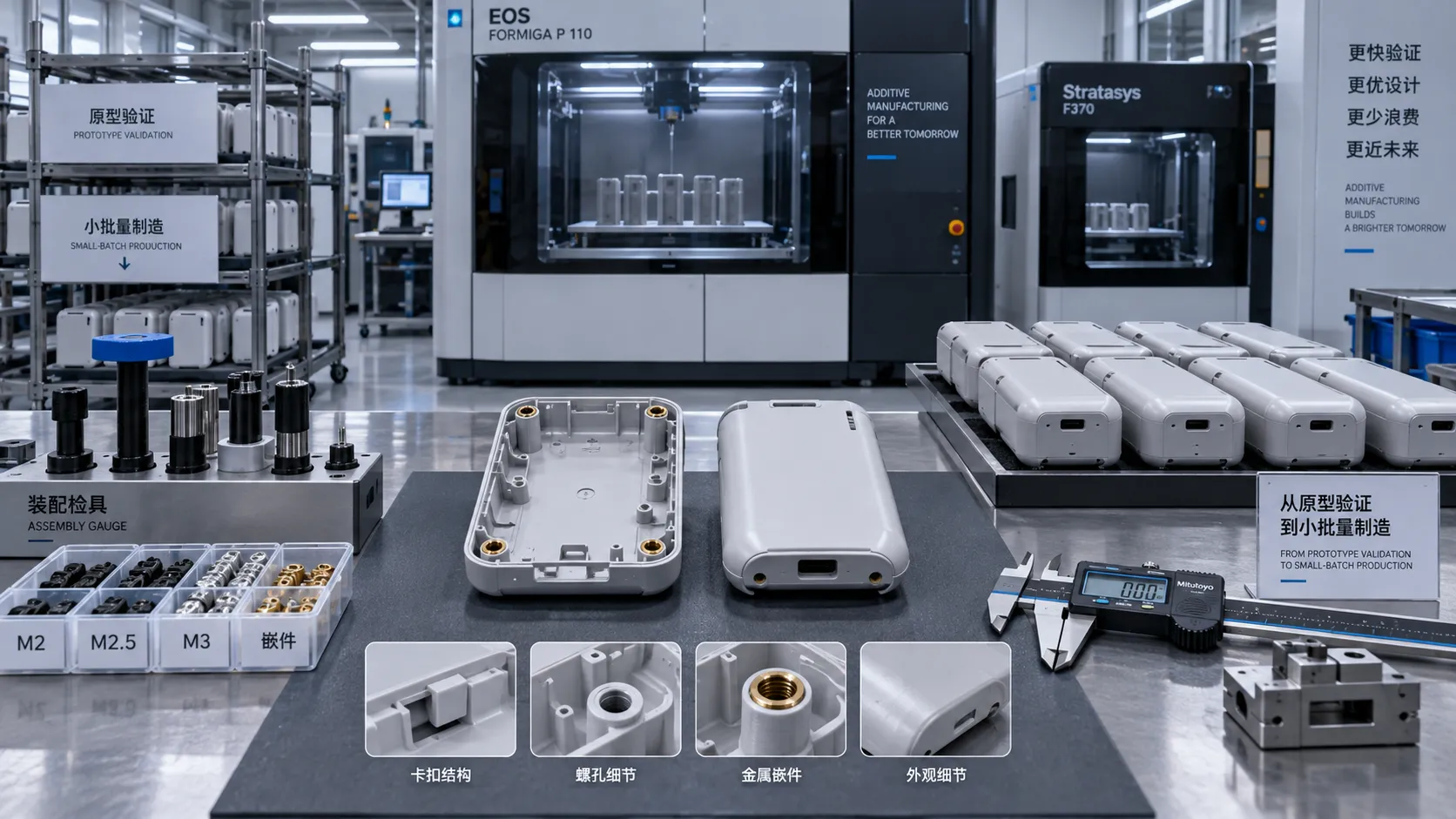
From Prototype to Small Batch: Applying 3D Printing to Consumer Goods
Explore 3d printing in consumer goods: learn how to move from prototype to small-batch production with practical guidance on materials, quality validation, and cost control.
Related News
- 00
0000-00
How to verify part consistency before choosing a 3D printing OEM - 00
0000-00
How does a rigid cryogenic transfer line handle thermal contraction? - 00
0000-00
How much does edge vision deployment cost beyond the hardware? - 00
0000-00
How does the purity of sputtering targets affect thin-film quality? - 00
0000-00
How high power laser cladding systems control substrate dilution
Marcus Print
Weekly Insights
Stay ahead with our curated technology reports delivered every Monday.