
3D Printing Lightweight Components: Cost vs Strength


For business evaluators, 3D printing lightweight components is no longer a niche engineering experiment—it is a strategic cost, performance, and supply-chain decision. As aerospace, automotive, robotics, and industrial equipment manufacturers pursue lighter structures without compromising strength, additive manufacturing offers new design freedom through lattice geometries, topology optimization, and advanced alloys. Yet the real question is not simply whether a part can be printed, but whether the strength-to-cost ratio justifies adoption at scale. This article examines the commercial and technical trade-offs that determine when lightweight 3D printed components deliver measurable value.
In B2B procurement, the evaluation must connect engineering evidence with financial exposure. A lighter bracket, manifold, robotic arm, or heat exchanger may reduce operating load by 15%–60%, but printing cost, qualification time, and post-processing can change the business case.
For organizations comparing suppliers, G-AIT’s benchmarking mindset is useful: verify material data, process repeatability, regulatory alignment, and total lifecycle value before committing to serial additive manufacturing programs.
Why Lightweight Additive Manufacturing Changes the Cost-Strength Equation
Traditional machining often removes material from a solid billet, while casting requires tooling and geometry compromises. 3D printing lightweight components changes this logic by placing material only where load paths require it.
The result is not automatically cheaper. It can be commercially stronger when part consolidation, reduced assembly labor, lower fuel use, or faster design iteration offsets a higher unit manufacturing cost.
The Three Value Drivers Buyers Should Quantify
A practical business case normally depends on 3 measurable drivers: weight reduction, functional improvement, and supply-chain simplification. Each driver should be expressed in financial terms before supplier selection.
- Weight reduction: commonly targeted at 20%–50% for brackets, housings, and load-bearing support structures.
- Part consolidation: 3–20 machined or welded elements may become 1 printed component, reducing assembly steps.
- Lead-time compression: prototype cycles can often move from 6–10 weeks to 1–3 weeks, depending on material and inspection scope.
For business evaluators, these numbers matter because purchase price alone can misrepresent value. A printed titanium component may cost more per piece but improve uptime, reduce inventory, or enable a higher-performance system.
Cost Is Not Only the Printing Hour
A realistic cost model for 3D printing lightweight components includes design engineering, build preparation, machine time, powder or filament loss, heat treatment, surface finishing, inspection, and documentation.
In metal additive manufacturing, post-processing can represent 20%–50% of total part cost. For polymer parts, finishing may be lower, but environmental aging and fire performance may require additional qualification.
When Higher Unit Cost Is Acceptable
A higher printed-part price may be justified when the component improves payload, reduces cycle energy, removes 2 or more suppliers from the bill of materials, or avoids expensive tooling.
This is especially relevant in aerospace, robotics, semiconductor equipment, medical devices, defense systems, and low-volume industrial machinery where annual demand may be 50–5,000 units rather than millions.
Material and Process Choices That Determine Strength
The phrase 3D printing lightweight components covers multiple technologies. A polymer lattice, aluminum heat sink, titanium aerospace fitting, and stainless steel fluid manifold have different mechanical limits and quality controls.
Business evaluators should avoid treating “3D printed” as a single capability. Strength depends on feedstock, machine architecture, orientation, layer bonding, thermal history, porosity, and verification method.
The table below summarizes common process-material combinations and the commercial implications that should be discussed during supplier qualification.
The key lesson is that strength is process-specific. A supplier should provide tensile data, fatigue assumptions, density checks, and orientation rules instead of only showing a successful sample print.
Design Freedom Must Be Matched by Verification
Topology optimization and lattice structures can remove unnecessary mass, but they also create inspection challenges. Thin struts, internal channels, and enclosed cavities may require CT scanning or validated flow testing.
For critical parts, buyers should ask whether suppliers can control density variation, surface roughness, residual stress, and dimensional accuracy within agreed tolerances such as ±0.1 mm to ±0.3 mm.
Standards and Documentation to Request
Relevant references may include ASTM additive manufacturing standards, ISO quality management systems, material certificates, machine calibration records, and process parameter change logs.
In regulated supply chains, documentation is not administrative overhead. It protects purchasing teams when a design moves from 5 prototypes to 500 qualified production parts.
Building a Commercial Evaluation Model for Printed Lightweight Parts
A disciplined sourcing model for 3D printing lightweight components should compare total cost of ownership rather than invoice price. This approach reduces the risk of choosing an attractive sample that fails at scale.
The assessment should cover at least 6 dimensions: functional value, material risk, process maturity, inspection cost, supplier capacity, and compliance exposure.
A Practical Cost-versus-Strength Scorecard
The following scorecard can help procurement, engineering, and finance teams align their decision criteria before issuing an RFQ or approving a pilot build.
A scorecard forces trade-offs into the open. If a design saves 40% weight but requires expensive CT inspection on every unit, the best use case may be mission-critical equipment, not general hardware.
Pilot Projects Should Use Stage Gates
A low-risk adoption path uses 4 stage gates: feasibility design, prototype validation, pre-production qualification, and controlled release. Each gate should have pass-fail criteria.
- Feasibility: compare printed geometry against machined, cast, or composite alternatives.
- Prototype: build 3–10 samples and test dimensional stability, assembly fit, and basic load behavior.
- Qualification: validate fatigue, environmental exposure, surface condition, and documentation control.
- Release: define inspection frequency, batch traceability, and supplier change-management rules.
This staged model prevents premature scaling. It also gives finance teams a clearer view of when engineering cost becomes operational savings.
Application Scenarios Where Lightweight Printing Makes Business Sense
The strongest business cases for 3D printing lightweight components usually appear where performance value is high, volumes are moderate, and conventional manufacturing imposes geometry limits.
Not every part is a candidate. Flat plates, simple shafts, and commodity fasteners rarely benefit unless inventory, customization, or extreme lead-time pressure changes the economics.
High-Value Industrial Use Cases
- Aerospace hardware: brackets, ducting, seat structures, and satellite components where each kilogram affects payload economics.
- Automotive and mobility: cooling channels, motorsport parts, battery thermal structures, and low-volume performance components.
- Robotics and automation: end-of-arm tooling, grippers, and moving assemblies where lower inertia improves acceleration.
- Industrial equipment: manifolds, impellers, tooling inserts, and compact assemblies with internal passages.
In these scenarios, the cost-strength question extends beyond material. A lighter robotic gripper may reduce motor size, improve cycle rate by 5%–15%, and lower wear on linear guides.
When Conventional Manufacturing Still Wins
Machining, casting, stamping, or composite layup may remain superior when annual volume exceeds tooling break-even, geometry is simple, or surface finish must meet tight cosmetic requirements.
If the target weight saving is below 10% and no functional integration is achieved, additive manufacturing may be difficult to justify except for spare parts or rapid replacement needs.
Procurement Warning Signs
Be cautious when a supplier cannot explain build orientation, powder reuse policy, batch inspection, or failure modes. Strong proposals should define process windows, not just show attractive renderings.
For business evaluators, unclear quality control is a cost risk. Reprinting a failed part may be manageable, but production downtime, field failure, or regulatory rework can be far more expensive.
Risk Control, Supplier Benchmarking, and Governance
Successful adoption of 3D printing lightweight components requires governance across engineering, procurement, quality, and legal teams. The technical advantage must survive purchasing audits and operational use.
A supplier should be evaluated on repeatability, not only creativity. Machine calibration, operator training, environmental control, and material traceability all influence the real strength-to-cost result.
Six Checks Before Supplier Approval
- Confirm the supplier’s process capability for the selected alloy, polymer, or composite material.
- Review at least 2 previous categories of comparable parts, without requiring confidential customer data.
- Request inspection methods for density, dimensions, roughness, and internal defects.
- Define change controls for powder lots, machine parameters, and heat-treatment cycles.
- Validate lead-time assumptions for prototype, pilot, and repeat production orders.
- Check export control, data security, and documentation requirements for cross-border programs.
These checks help buyers separate capable additive manufacturing partners from prototype-only vendors. The difference becomes critical when parts enter safety-related or revenue-generating systems.
How G-AIT Supports Better Evaluation
G-AIT’s role as a multidisciplinary B2B intelligence hub is especially relevant when additive manufacturing decisions intersect with laser processing, machine vision inspection, advanced materials, or vacuum engineering.
Benchmarking against ISO, ASTM, SEMI, IEEE, and application-specific practices can reduce ambiguity. Procurement teams gain a clearer framework for comparing technical claims, qualification pathways, and supplier readiness.
Data That Should Inform the Final Decision
The final purchase decision should combine at least 3 evidence streams: engineering test results, lifecycle cost modeling, and supply-chain risk analysis. None should be treated as optional.
Where components are safety-critical, additional review may include non-destructive testing, material lot traceability, accelerated fatigue testing, and periodic supplier audits every 6–12 months.
Conclusion: Choosing the Right Balance of Cost and Strength
The business case for 3D printing lightweight components is strongest when lighter geometry creates measurable system value, not merely when a part can be printed successfully.
Cost and strength must be evaluated together through material selection, process control, inspection strategy, post-processing, and production scalability. A 30% lighter component is only valuable if it remains reliable and auditable.
For business evaluators, the right path is disciplined: identify high-value applications, quantify total lifecycle impact, qualify suppliers with evidence, and scale only after controlled validation.
To compare additive manufacturing options, benchmark suppliers, or assess whether lightweight printed parts fit your next industrial program, contact G-AIT to obtain a tailored evaluation framework and explore more solutions.
Related News
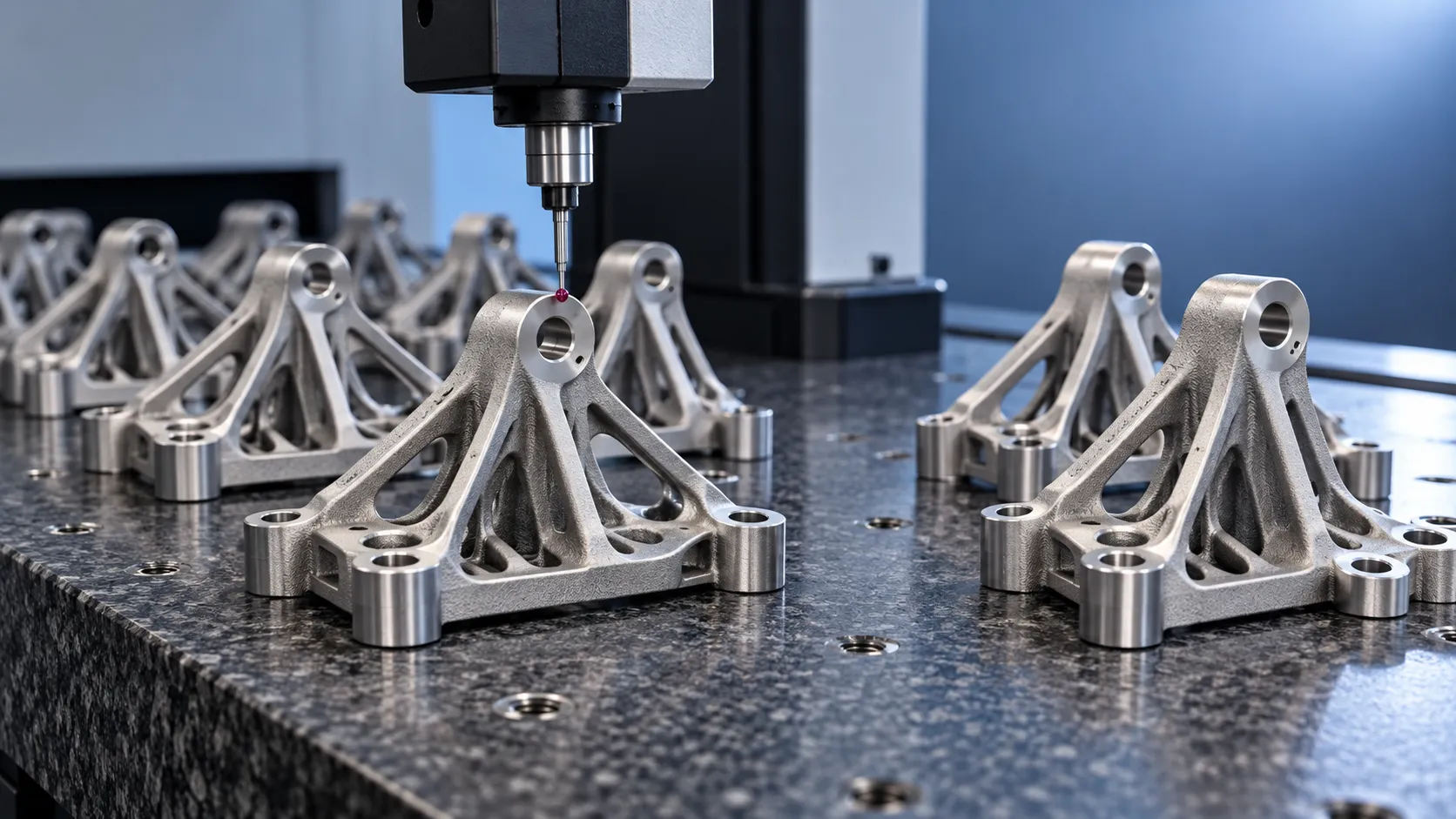
How to verify part consistency before choosing a 3D printing OEM
Choosing a 3D printing OEM? Learn how to verify part consistency with repeat-build trials, validated inspections, and traceability checks before committing to production.
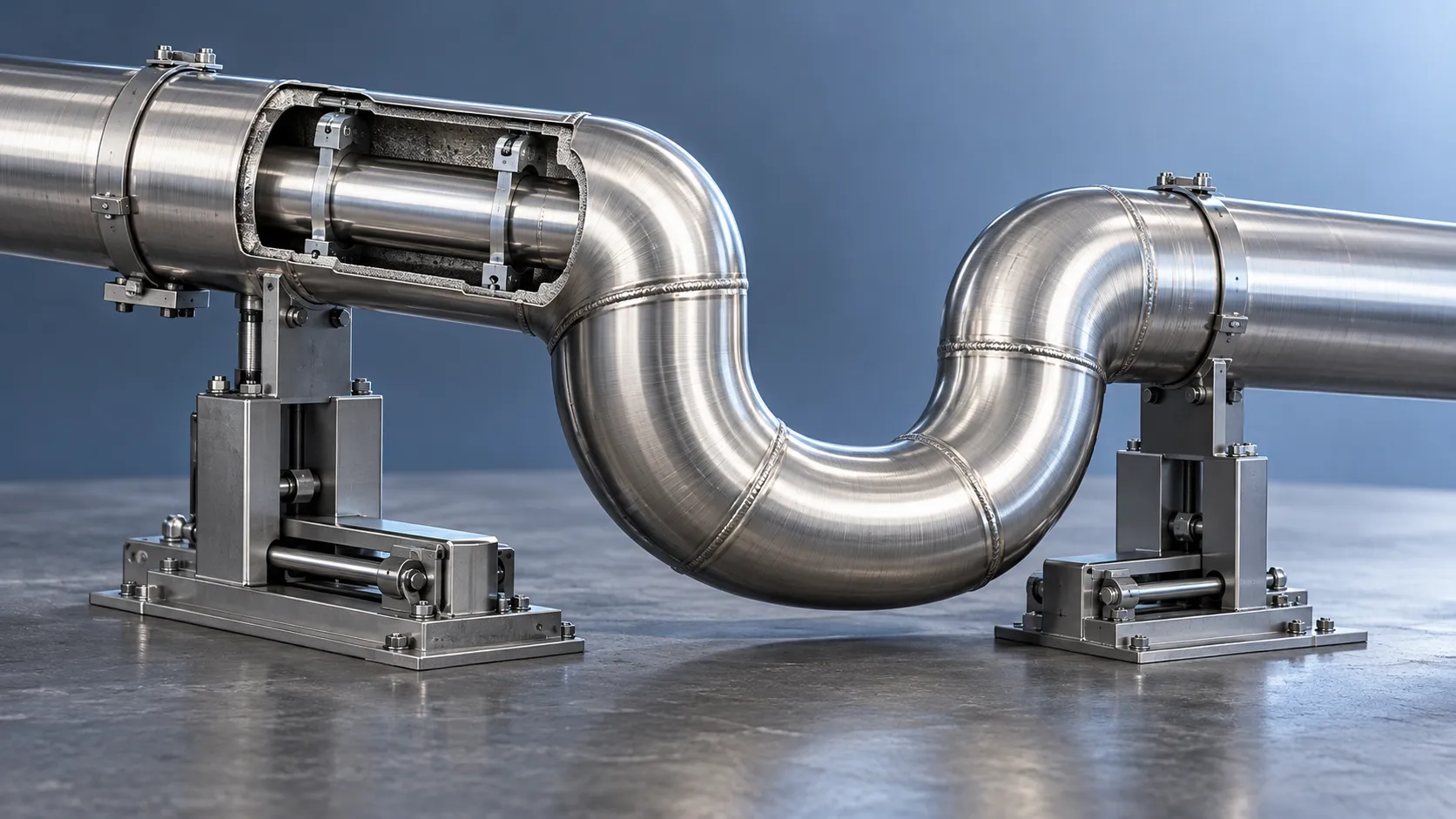
How does a rigid cryogenic transfer line handle thermal contraction?
Learn how a rigid cryogenic transfer line manages thermal contraction with bends, bellows, and guided supports. Discover key design checks for safe, reliable cryogenic performance.

How much does edge vision deployment cost beyond the hardware?
Understand edge vision deployment cost beyond hardware, from data and integration to security and support. Uncover hidden expenses and build a smarter lifecycle budget before you scale.

How does the purity of sputtering targets affect thin-film quality?
Discover how sputtering targets affect thin-film quality. Learn to assess purity, identify harmful impurities, and choose specifications that improve coating performance.
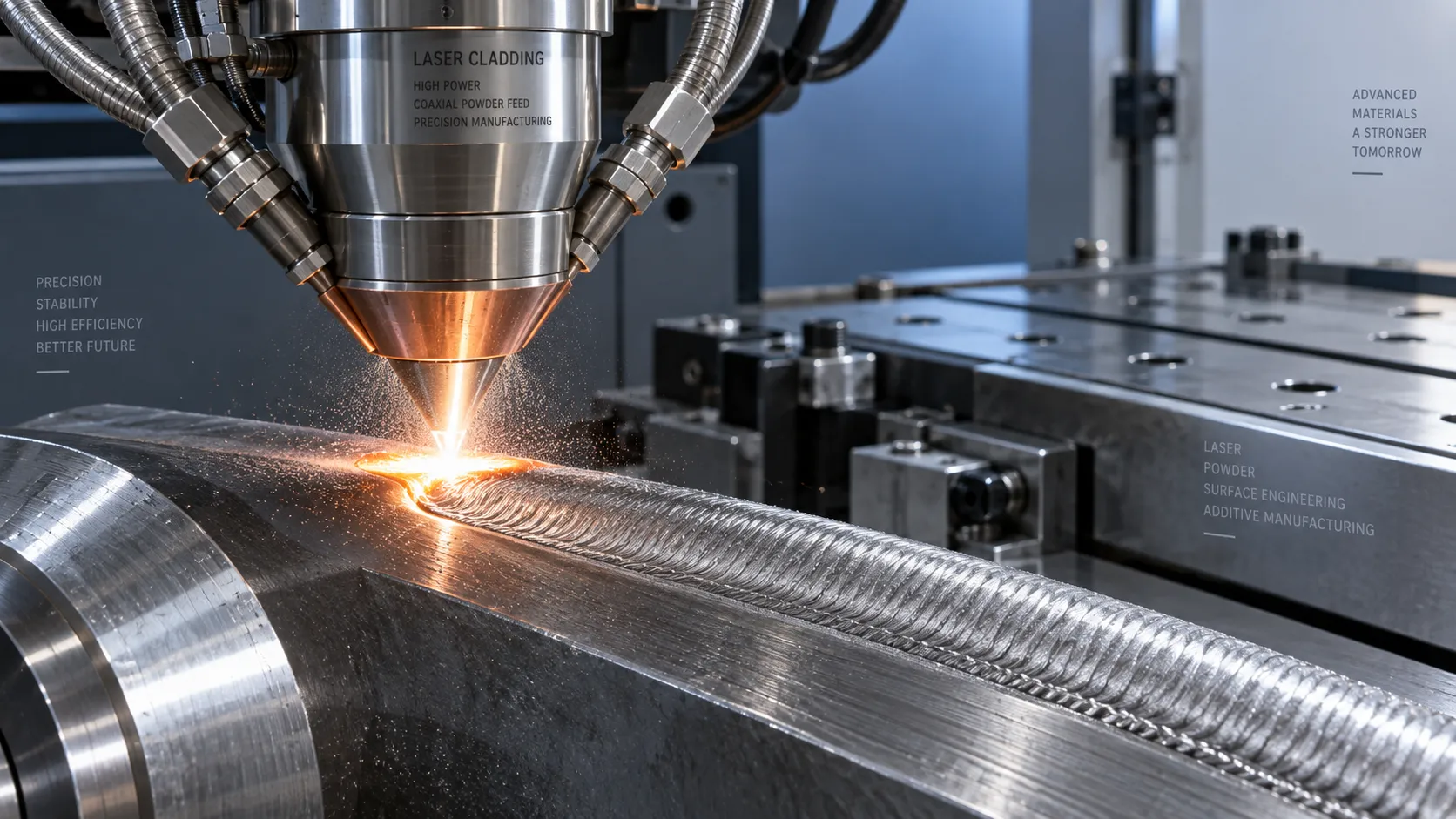
How high power laser cladding systems control substrate dilution
Discover how high power laser cladding systems control substrate dilution through beam shaping, material feed, and thermal management to deliver reliable bonds and coating performance.
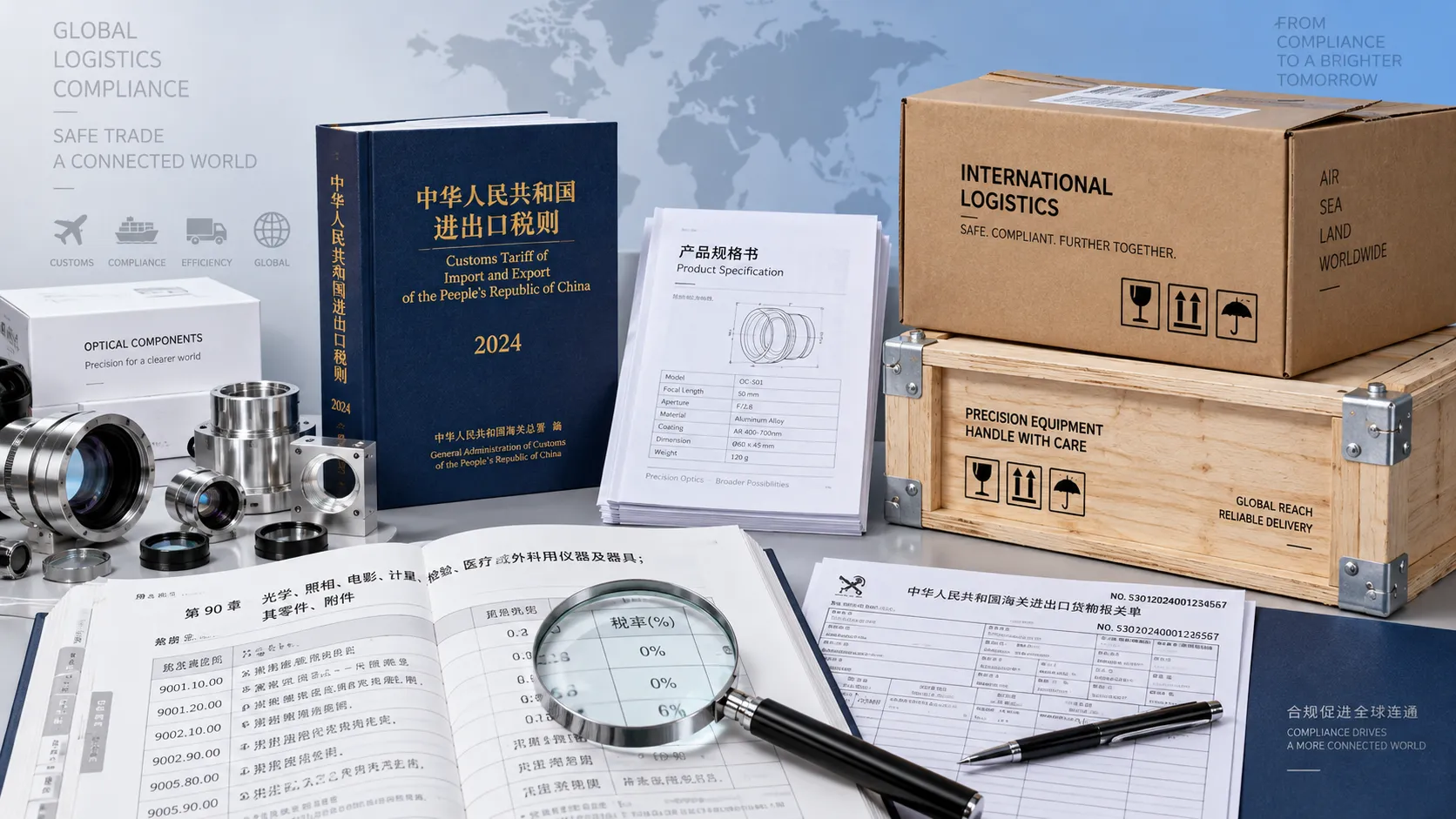
How to check HS codes for customs compliance in international logistics
Strengthen international logistics customs compliance: learn how to verify HS codes, check official tariffs, and document classifications to reduce costly shipment delays.
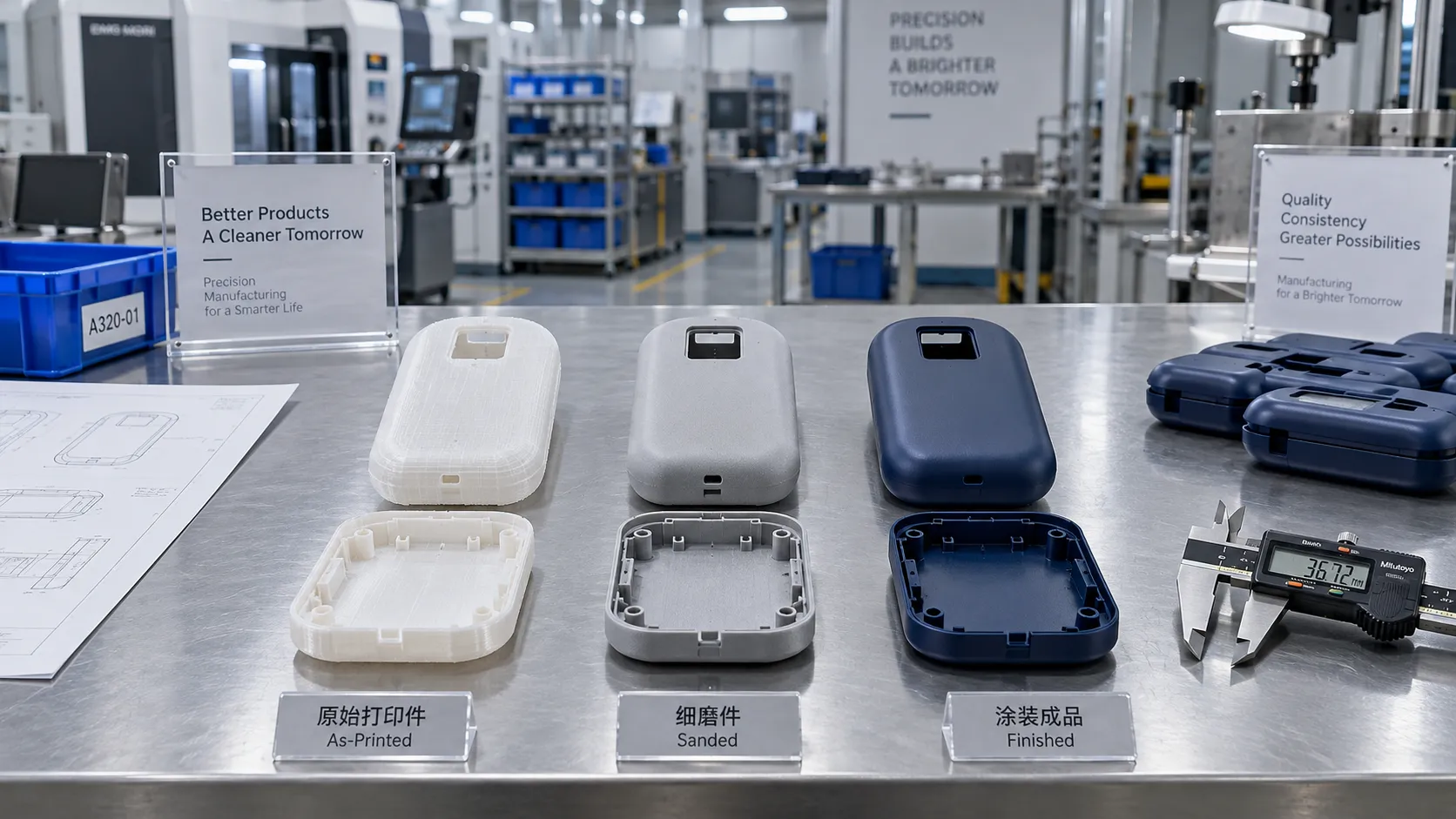
Choosing a 3D Printing Service for Consumer Products: Finish, Fit, and Cost
Compare 3d printing consumer good services by finish, fit, materials, and total cost. Learn how to choose a reliable supplier and avoid costly defects before ordering.
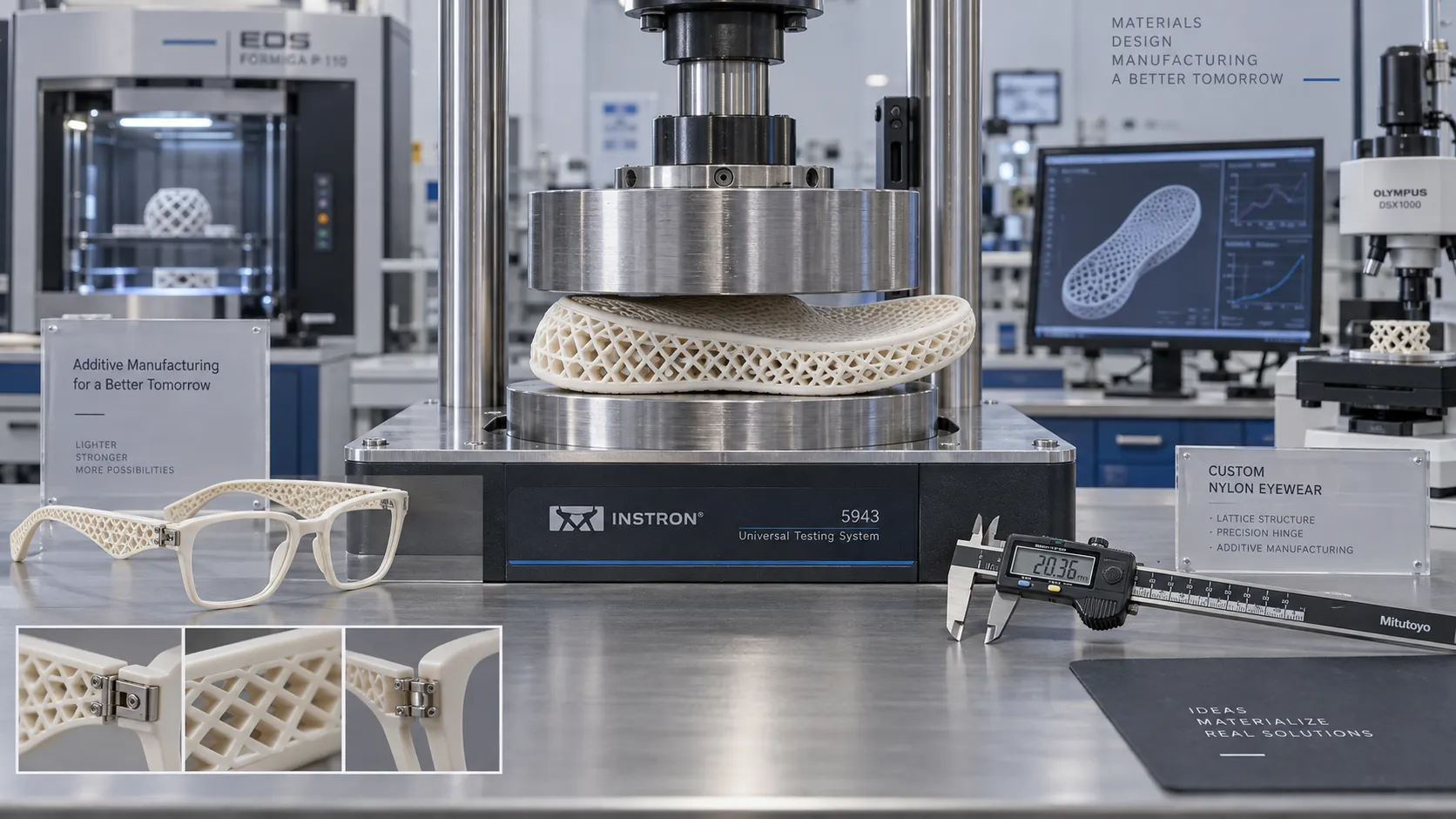
Which Consumer Goods Can Be 3D Printed, and What Are the Practical Limits?
Explore 3d printing consumer goods, from custom eyewear to replacement parts. Discover practical limits on materials, safety, and costs to make smarter production decisions.

From Prototype to Small Batch: Applying 3D Printing to Consumer Goods
Explore 3d printing in consumer goods: learn how to move from prototype to small-batch production with practical guidance on materials, quality validation, and cost control.
Related News
- 00
0000-00
How to verify part consistency before choosing a 3D printing OEM - 00
0000-00
How does a rigid cryogenic transfer line handle thermal contraction? - 00
0000-00
How much does edge vision deployment cost beyond the hardware? - 00
0000-00
How does the purity of sputtering targets affect thin-film quality? - 00
0000-00
How high power laser cladding systems control substrate dilution
Marcus Print
Weekly Insights
Stay ahead with our curated technology reports delivered every Monday.