
Metal 3D Printers: SLM vs DED in 2026


Choosing between Metal 3D Printers based on SLM or DED is no longer a narrow process debate in 2026. It affects timelines, quality control, repair strategy, qualified supply chains, and total project risk.
For complex industrial programs, the better question is not which technology sounds more advanced. It is which one fits the part, the plant, the audit trail, and the business case.
This article breaks down the practical differences between SLM and DED, with a focus on decision points that matter in real execution. The goal is simple: make Metal 3D Printers selection easier and less risky.
SLM vs DED: the fastest way to frame the decision
SLM, often called powder bed fusion for metals, builds parts layer by layer inside a powder bed. It is known for tight tolerances, strong surface detail, and good repeatability on smaller geometries.
DED feeds powder or wire directly into a melt pool created by a laser, electron beam, or arc. It is usually chosen for large parts, repairs, feature addition, and faster deposition rates.
When teams compare Metal 3D Printers in 2026, they usually find that SLM wins on precision, while DED wins on scale and repair flexibility. That sounds simple, but the trade-offs go deeper.
What usually points to SLM
- Choose SLM when geometry is complex, tolerances are tight, and internal channels matter. It is often the safer route for certified, repeatable metal parts with fine detail.
- Use SLM when post-processing windows are limited. Better surface finish and dimensional consistency can reduce machining hours, inspection rework, and qualification delays across programs.
- SLM fits low-to-medium part sizes better. If the build must stay highly controlled in an inert chamber, this process usually gives more predictable thermal behavior.
What usually points to DED
- Choose DED when the part is large, expensive, or already partially manufactured. It is especially useful for adding features, restoring worn sections, or near-net shaping.
- Use DED when deposition speed matters more than cosmetic finish. For large metal volumes, DED can lower lead time and material waste versus subtractive alternatives.
- DED makes sense when repair capability is strategic. It can extend component life, reduce spare inventory pressure, and support field or regional service operations.
Where Metal 3D Printers differ in real project execution
The gap between SLM and DED becomes clearer when the discussion moves from brochures to production reality. Build quality is only one part of the picture.
One common mistake is comparing machine price only. With Metal 3D Printers, operating cost often shifts more through powder handling, shielding gas, labor, machining, validation, and scrap risk.
Another overlooked point is data discipline. G-AIT’s benchmarking approach matters here because performance claims should be checked against ASTM, ISO, and production-level evidence, not only sample coupons.
Six decision checks worth doing early
- Start with the part function, not the machine class. If internal cooling, lattice weight reduction, or thin walls are essential, SLM usually deserves first evaluation.
- Check final machining stock before buying. DED often needs more finish machining, so a fast build can still become a slow project downstream.
- Review material form availability. Powder and wire supply chains differ in cost, recycling practice, storage rules, and export control exposure across regions.
- Confirm qualification scope early. A process that works in development may stall in production if traceability, repeatability, and documentation are not already mapped.
- Measure repair economics separately from new-build economics. DED can look average for fresh parts but excellent for extending the life of costly assets.
- Ask how inspection will be done. CT, optical metrology, and destructive validation plans should match the process risk profile from the beginning.
Typical use cases in 2026
For aerospace brackets, heat exchangers, fuel system parts, and dense precision components, SLM remains the stronger option. It supports finer geometry control and cleaner digital repeatability across production cells.
The key check here is not just print success. It is whether the full route, including support removal, heat treatment, HIP if needed, and inspection, still beats conventional sourcing.
For turbine restoration, mold repair, shipbuilding features, oil and gas components, and oversized structural builds, DED often carries the better business case. It is practical where material must go exactly where needed.
The main check is process stability over large areas. Distortion control, bead consistency, substrate quality, and toolpath strategy can decide whether the part finishes on schedule or slips into rework.
What to watch in hybrid manufacturing
Hybrid cells that combine DED and CNC machining are becoming more attractive in 2026. They reduce setup transfers and help recover tolerance after deposition.
Still, hybrid does not automatically mean easier qualification. Software integration, datum management, and thermal history tracking need more attention than many teams expect.
The risks most teams underestimate
The first risk is assuming a printed part equals a finished part. Many Metal 3D Printers projects fail not in deposition, but in post-processing capacity and inspection bottlenecks.
The second risk is ignoring powder and wire governance. Storage, contamination, reuse limits, lot traceability, and safety procedures directly affect quality and compliance.
The third risk is overtrusting headline specs. Build envelope, laser power, and deposition rate look impressive, but they do not guarantee stable metallurgy or repeatable production outcomes.
- Do not approve a platform before seeing evidence at part level. Coupon data alone rarely captures support strategy, thermal distortion, or real inspection difficulty.
- Avoid mixing pilot success with production readiness. A process can print one good sample and still lack the controls needed for scaled manufacturing.
- Treat software workflow as a risk item. Build preparation, monitoring logs, and quality records must stay audit-ready across the complete digital thread.
A practical way to compare Metal 3D Printers
A useful evaluation path starts with three questions. What is the critical geometry? What is the acceptable post-processing load? What level of traceability is required?
Then compare candidate Metal 3D Printers across machine performance, material ecosystem, software maturity, inspection compatibility, and regional service support. That last factor often becomes decisive during ramp-up.
This is where G-AIT adds practical value. Benchmarking across laser systems, additive platforms, inspection workflows, and standards alignment helps turn vendor claims into comparable technical evidence.
A short final filter before approval
- If precision, dense detail, and qualification repeatability drive the program, SLM is usually the better fit among today’s industrial Metal 3D Printers.
- If large builds, repair value, or deposition speed matter most, DED often creates the stronger project case, especially in asset-intensive sectors.
- If the decision still feels close, run one benchmark part through the entire workflow, including finishing, inspection, documentation, and costed lead time.
In 2026, the smartest choice between SLM and DED is rarely the one with the loudest specification sheet. It is the one that fits the complete industrial system around the part.
Use that lens, and Metal 3D Printers become easier to evaluate: not as isolated machines, but as production tools shaped by standards, supply chains, and execution discipline.
Related News
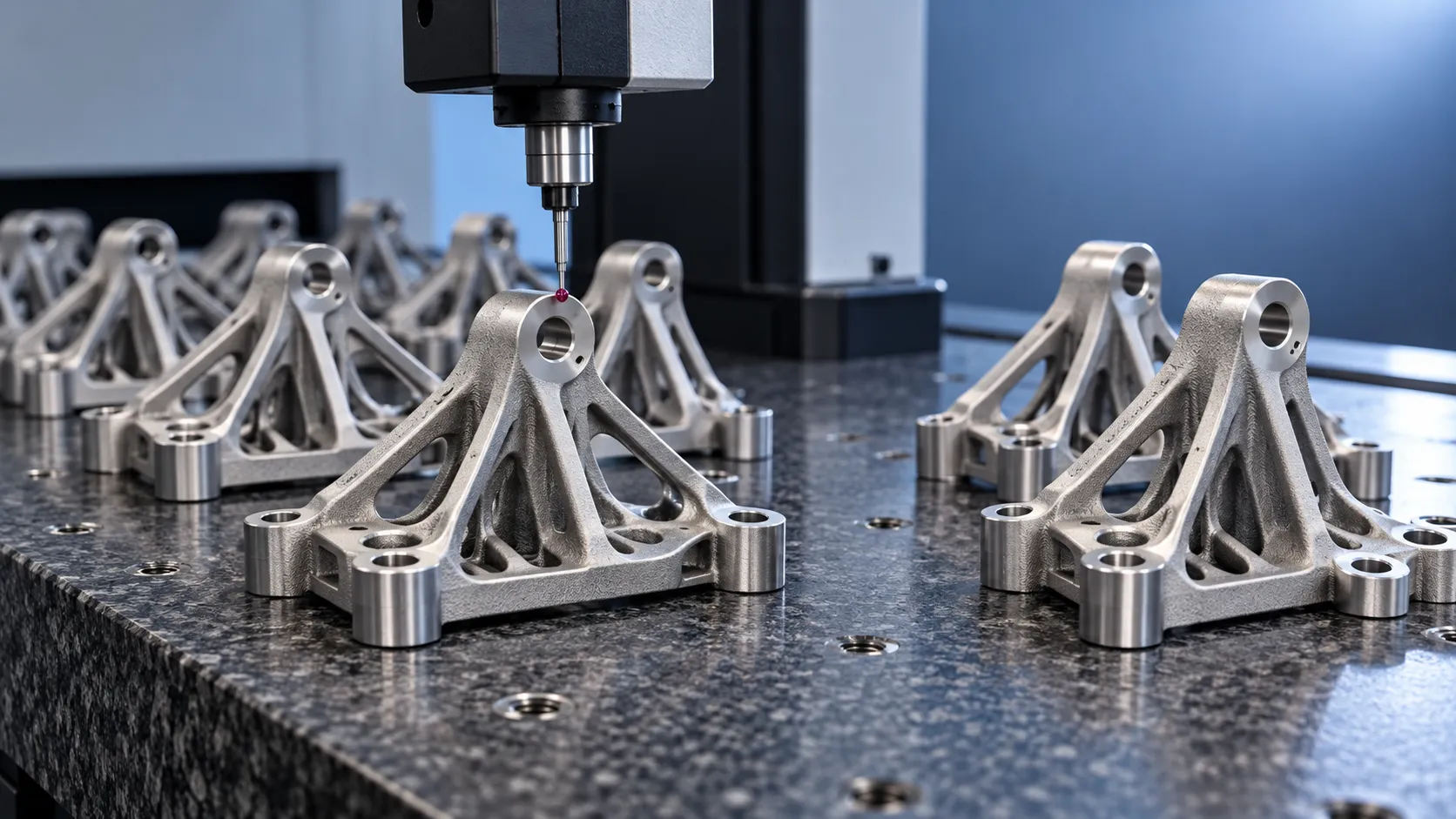
How to verify part consistency before choosing a 3D printing OEM
Choosing a 3D printing OEM? Learn how to verify part consistency with repeat-build trials, validated inspections, and traceability checks before committing to production.
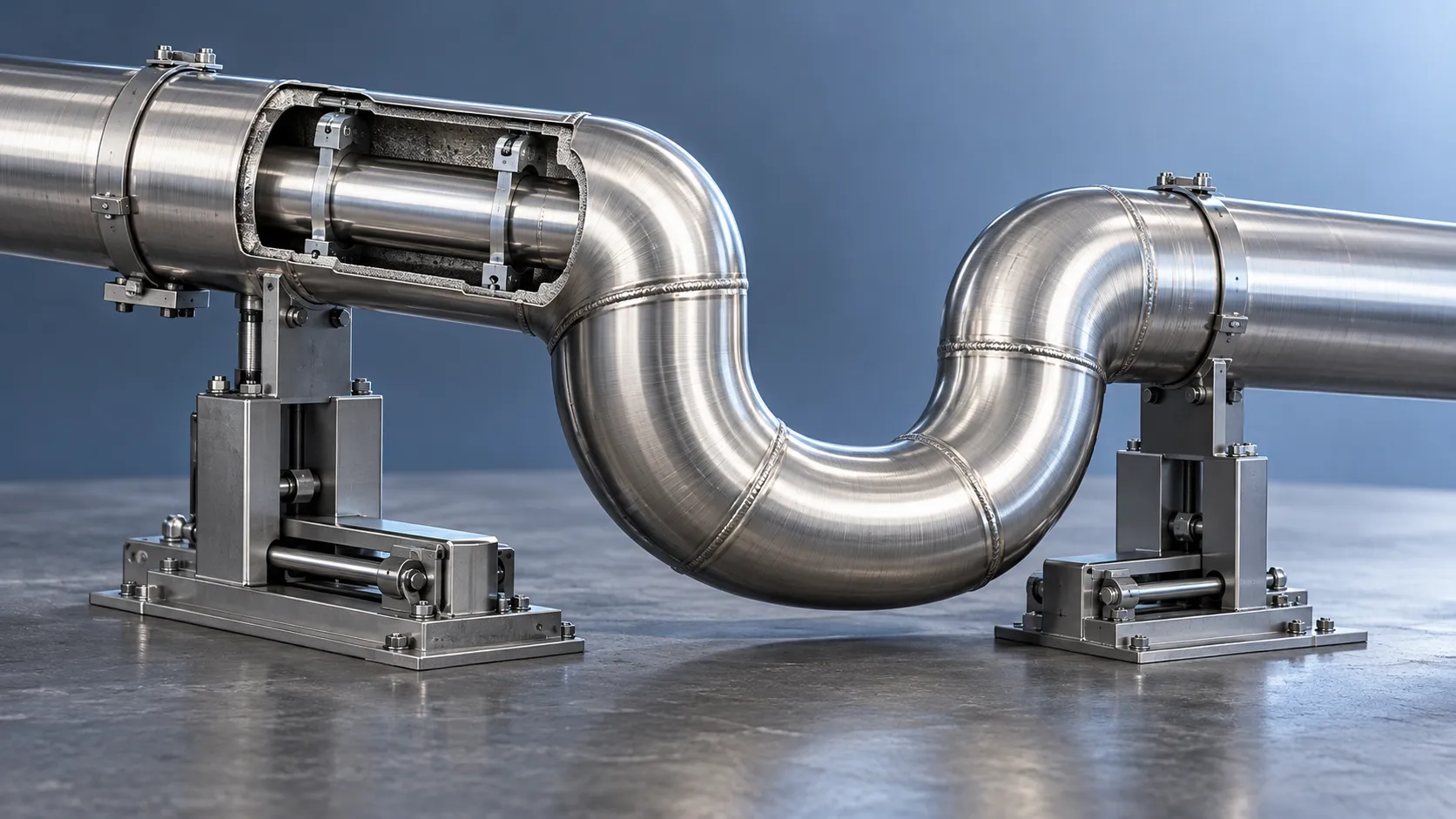
How does a rigid cryogenic transfer line handle thermal contraction?
Learn how a rigid cryogenic transfer line manages thermal contraction with bends, bellows, and guided supports. Discover key design checks for safe, reliable cryogenic performance.
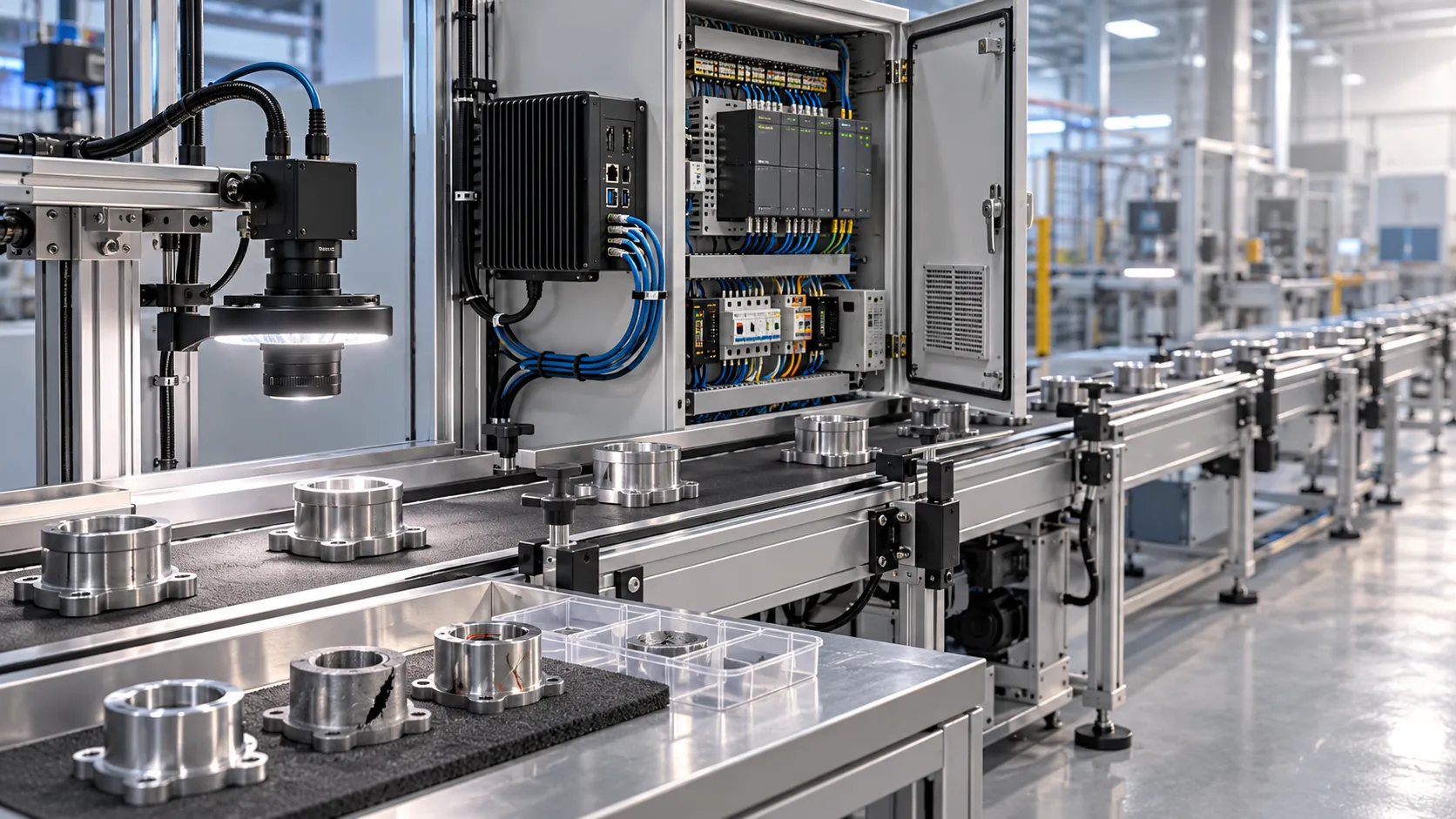
How much does edge vision deployment cost beyond the hardware?
Understand edge vision deployment cost beyond hardware, from data and integration to security and support. Uncover hidden expenses and build a smarter lifecycle budget before you scale.
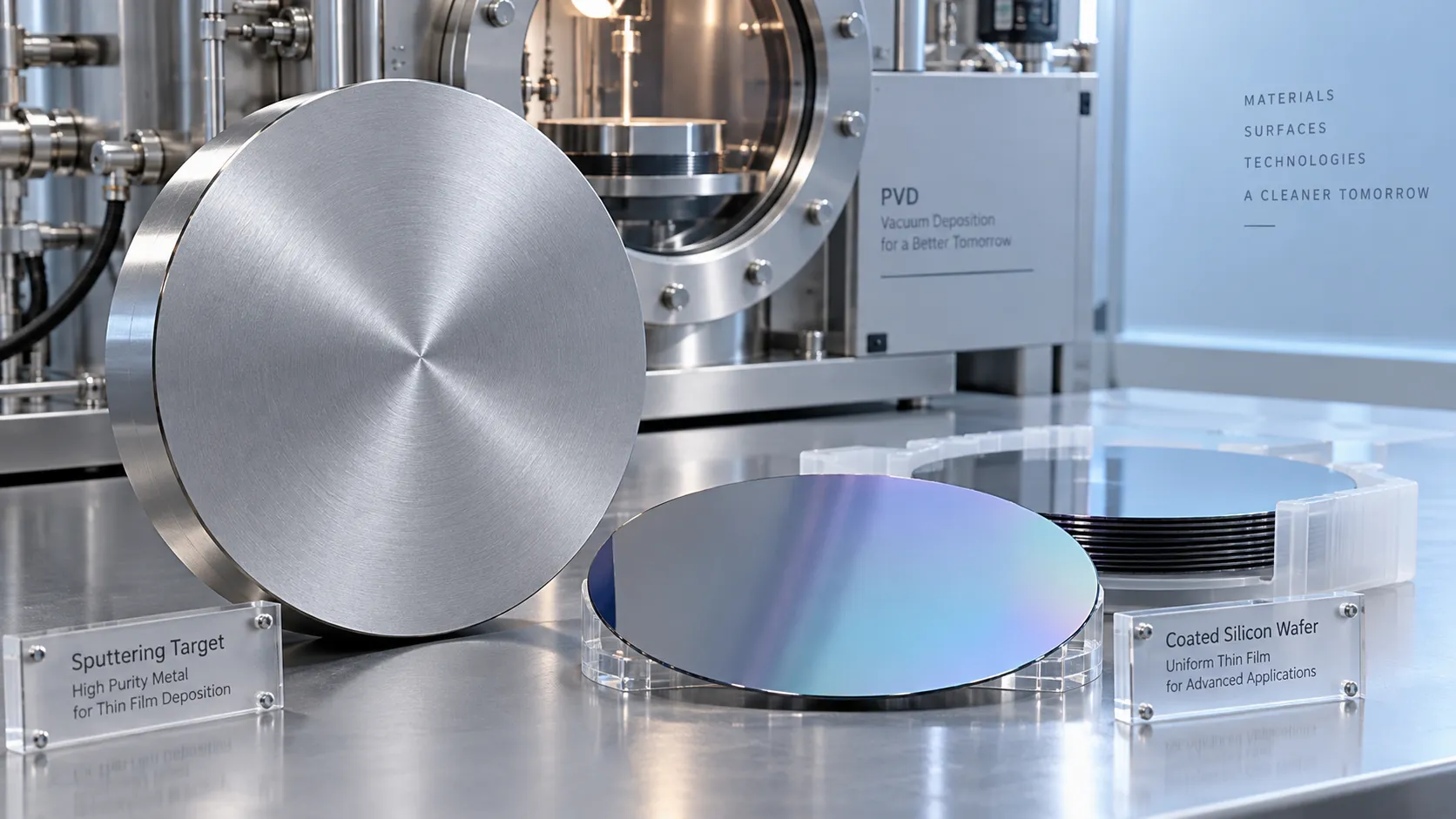
How does the purity of sputtering targets affect thin-film quality?
Discover how sputtering targets affect thin-film quality. Learn to assess purity, identify harmful impurities, and choose specifications that improve coating performance.
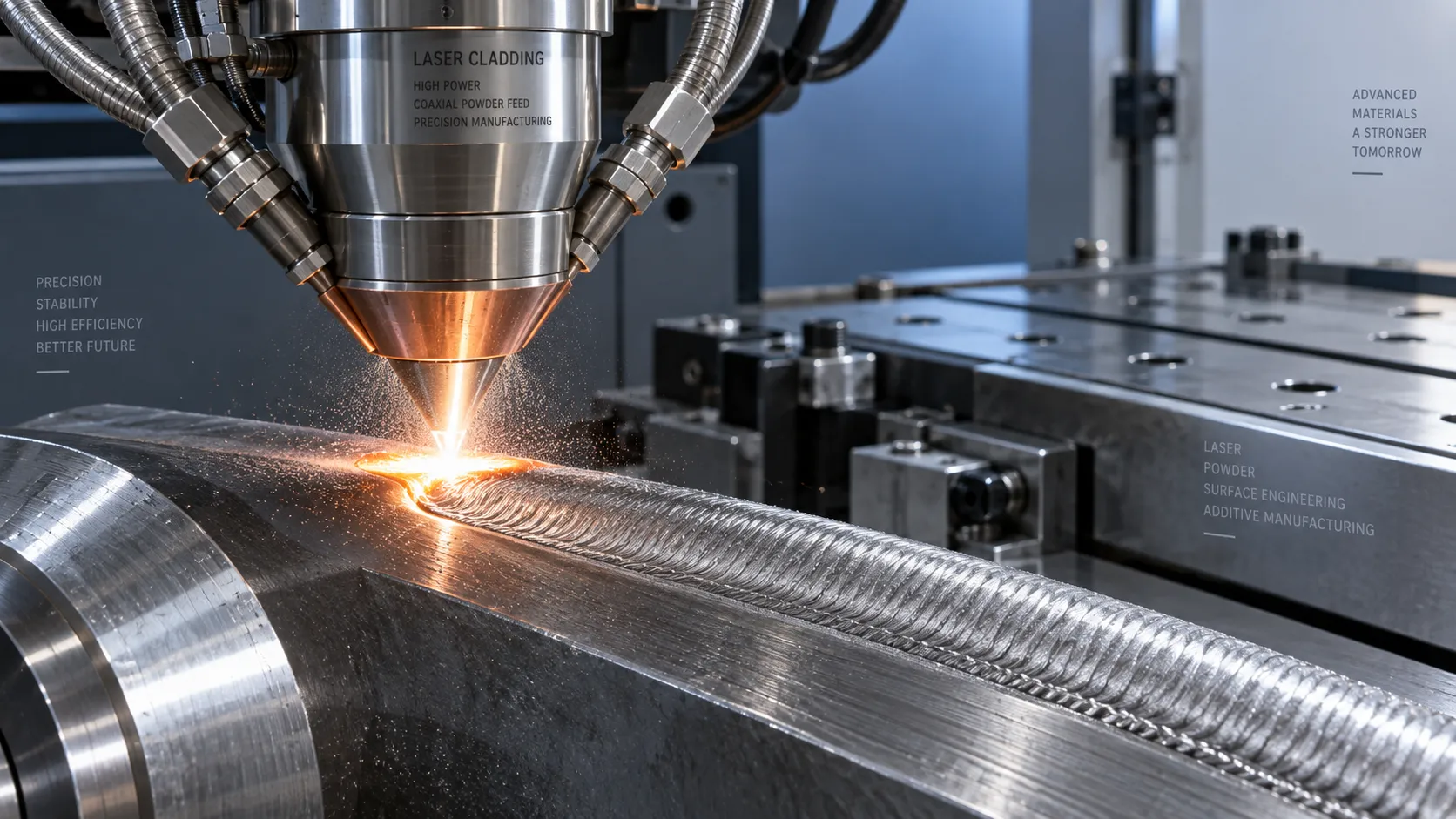
How high power laser cladding systems control substrate dilution
Discover how high power laser cladding systems control substrate dilution through beam shaping, material feed, and thermal management to deliver reliable bonds and coating performance.

How to check HS codes for customs compliance in international logistics
Strengthen international logistics customs compliance: learn how to verify HS codes, check official tariffs, and document classifications to reduce costly shipment delays.
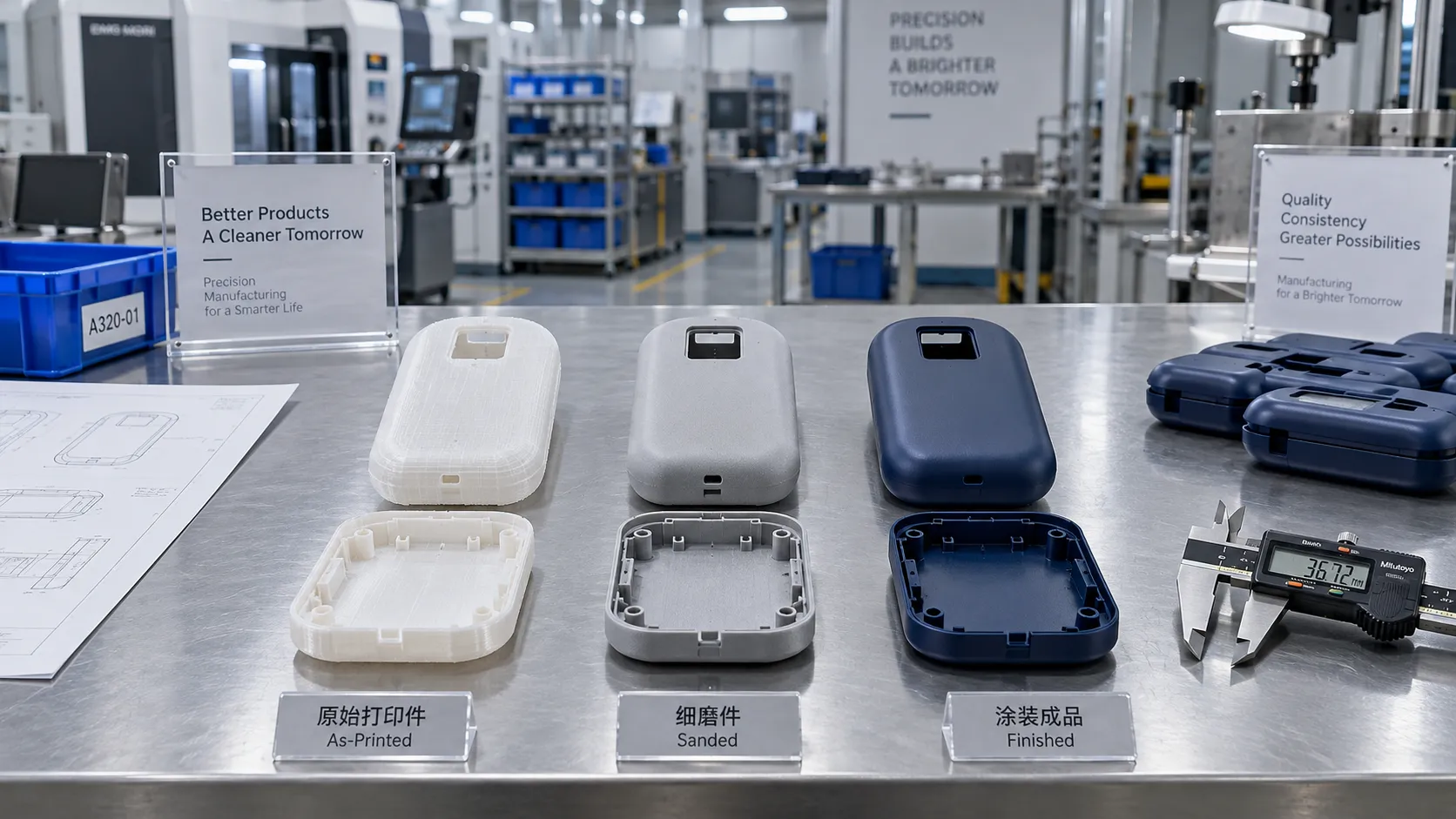
Choosing a 3D Printing Service for Consumer Products: Finish, Fit, and Cost
Compare 3d printing consumer good services by finish, fit, materials, and total cost. Learn how to choose a reliable supplier and avoid costly defects before ordering.
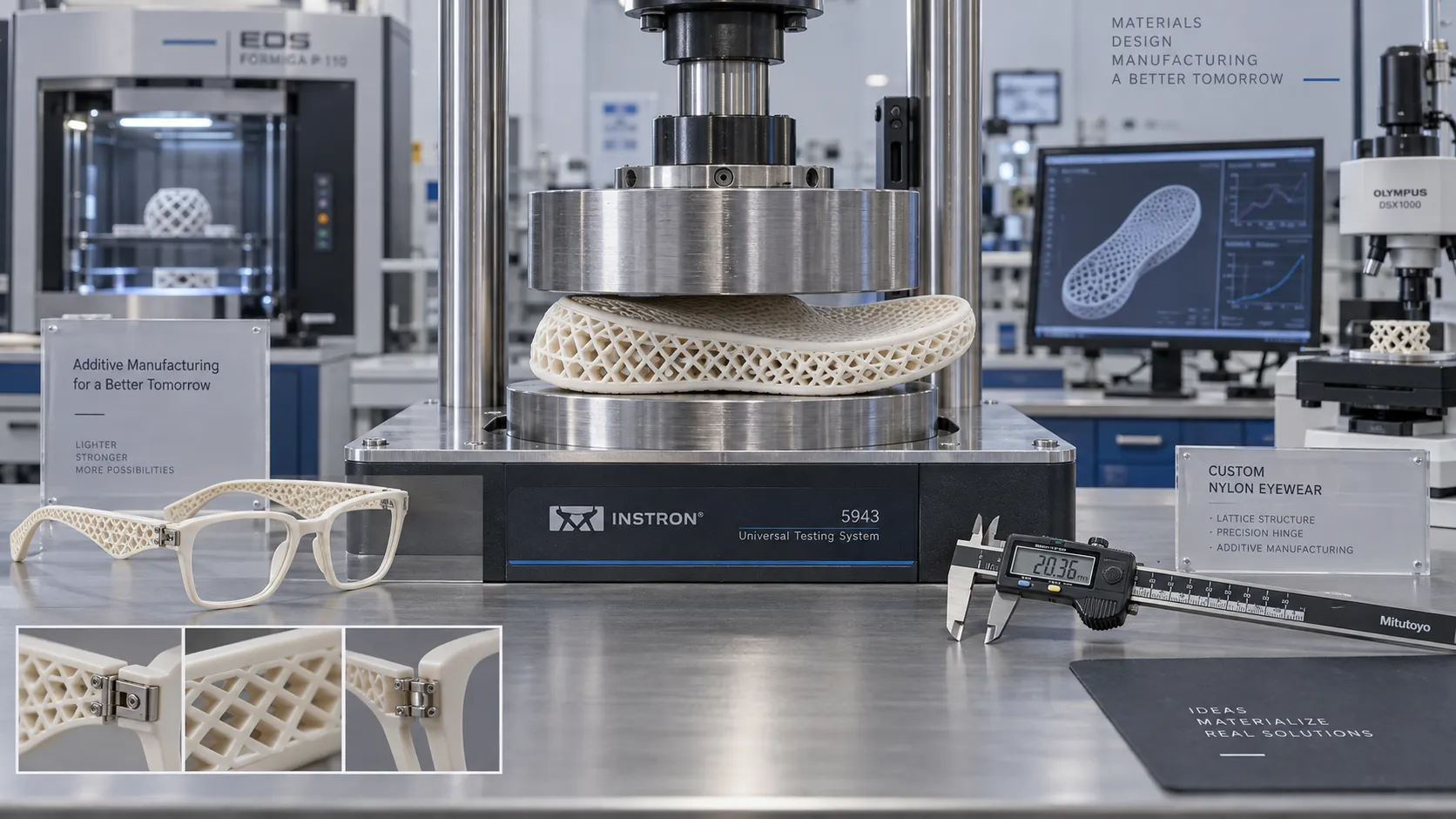
Which Consumer Goods Can Be 3D Printed, and What Are the Practical Limits?
Explore 3d printing consumer goods, from custom eyewear to replacement parts. Discover practical limits on materials, safety, and costs to make smarter production decisions.
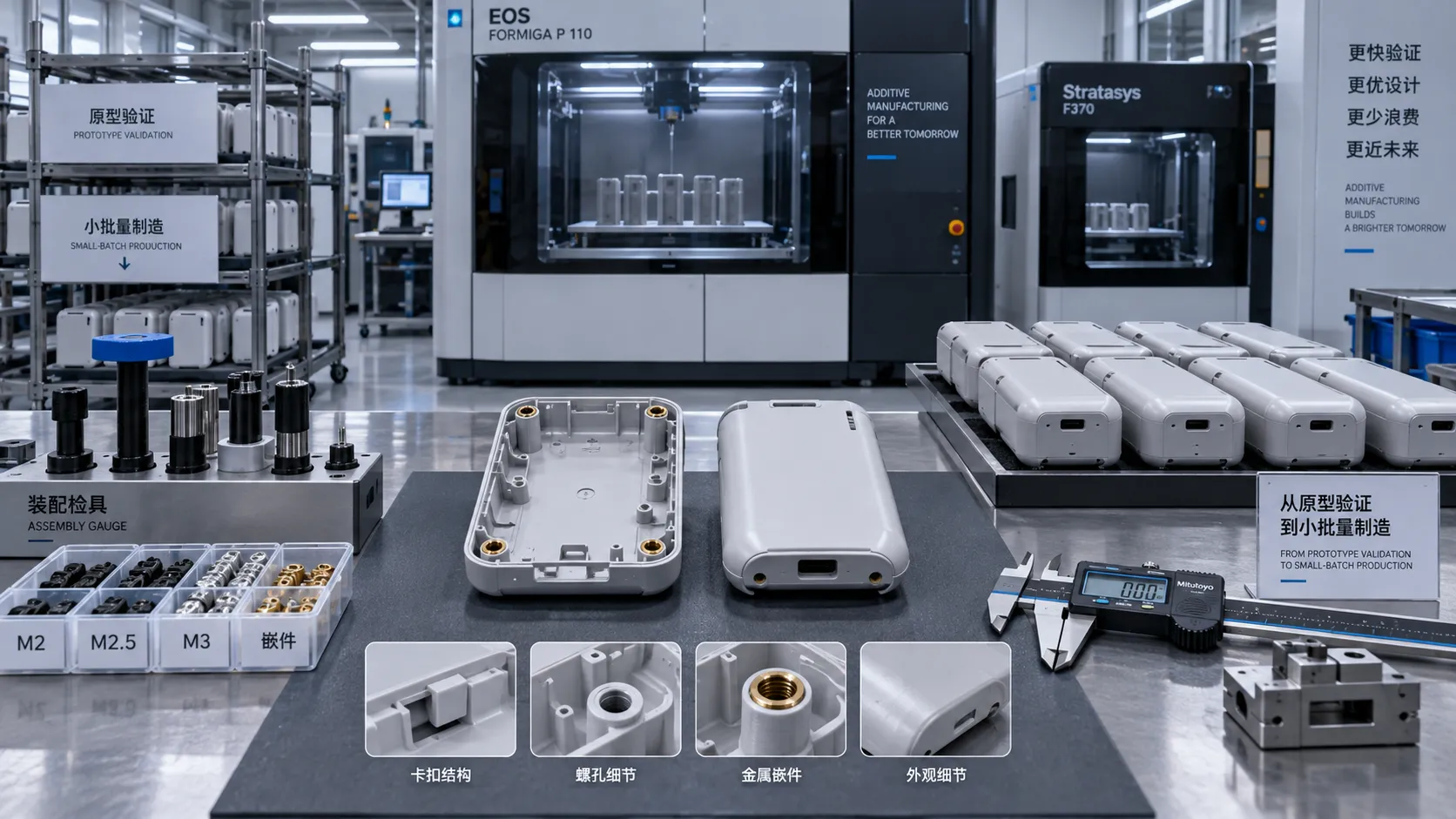
From Prototype to Small Batch: Applying 3D Printing to Consumer Goods
Explore 3d printing in consumer goods: learn how to move from prototype to small-batch production with practical guidance on materials, quality validation, and cost control.
Related News
- 00
0000-00
How to verify part consistency before choosing a 3D printing OEM - 00
0000-00
How does a rigid cryogenic transfer line handle thermal contraction? - 00
0000-00
How much does edge vision deployment cost beyond the hardware? - 00
0000-00
How does the purity of sputtering targets affect thin-film quality? - 00
0000-00
How high power laser cladding systems control substrate dilution
Marcus Print
Weekly Insights
Stay ahead with our curated technology reports delivered every Monday.