
Additive Manufacturing Fatigue Life Data Guide

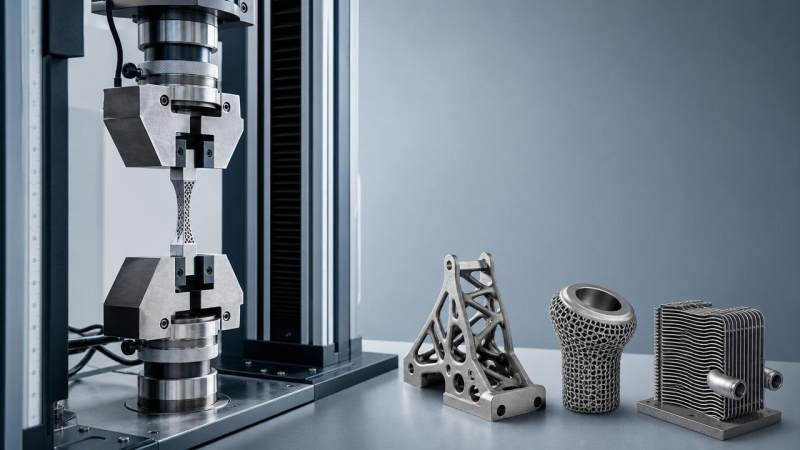
Additive Manufacturing Fatigue Life Data Guide for Reliability-Critical Scenarios
Reliable additive manufacturing fatigue life data is essential for comparing materials, process parameters, and qualification routes across high-value industrial applications.
As 3D printed components move into aerospace, medical, energy, and tooling systems, fatigue behavior can no longer be inferred from wrought datasets.
This guide explains how to interpret additive manufacturing fatigue life data, assess evidence quality, and match testing depth to real operating scenarios.
When Fatigue Data Becomes a Scenario-Level Decision
Fatigue is not a single material property. It is a response to geometry, stress state, surface condition, defects, and environment.
In additive manufacturing, the same alloy may show different fatigue lives after laser powder bed fusion, directed energy deposition, or binder jetting.
Therefore, additive manufacturing fatigue life data must be read as process-specific, not as a universal substitute for conventional metal data.
Scenario value appears when data connects laboratory coupons with actual component loading, inspection limits, repair strategy, and acceptance criteria.
G-AIT treats additive manufacturing fatigue life data as a benchmarking layer across materials, standards, and industrial qualification routes.
Aerospace and Turbomachinery: High-Cycle Risk Under Strict Qualification
Aerospace brackets, heat exchangers, ducts, and rotating-adjacent parts face vibration, thermal cycling, and strict damage tolerance expectations.
For this scenario, additive manufacturing fatigue life data should include stress ratio, frequency, build orientation, surface finish, and heat treatment records.
High-cycle fatigue data is especially important when parts experience millions of cycles below yield strength.
Decision quality improves when S-N curves are supported by fracture surface analysis and defect population statistics.
For flight-related programs, coupon results alone are rarely enough. Sub-element and representative component tests reduce extrapolation risk.
Core Judgment Points
- Check whether specimens were built in the same orientation as critical component features.
- Confirm if surfaces were tested as-built, machined, polished, shot-peened, or chemically finished.
- Verify whether internal porosity limits match inspection capability.
- Compare fatigue scatter, not only average fatigue strength.
Medical Implants: Patient-Specific Geometry and Long-Term Cyclic Loading
Orthopedic implants, dental structures, and porous fixation features require fatigue performance under complex biological loading.
Additive manufacturing fatigue life data is valuable here because lattice structures and porous surfaces are difficult to benchmark using traditional datasets.
The key issue is not only alloy strength. Geometry-driven stress concentration often dominates the fatigue failure mode.
Testing should reflect bending, compression, torsion, or combined loading according to implant function.
Data should also identify post-processing, sterilization exposure, surface roughness, and residual powder removal quality.
For porous implants, additive manufacturing fatigue life data must distinguish between bulk core behavior and porous interface behavior.
Energy Systems: Thermal Cycling, Corrosion, and Repair Decisions
Energy applications include burners, nozzles, manifolds, turbine components, heat exchangers, and repair overlays.
These scenarios require additive manufacturing fatigue life data that combines mechanical cycling with temperature, oxidation, or corrosive exposure.
Room-temperature fatigue data may mislead when creep-fatigue interaction appears at elevated operating temperatures.
Directed energy deposition repairs need separate evidence. Repaired zones may contain dilution gradients, residual stress, and heat-affected microstructures.
In this scenario, additive manufacturing fatigue life data should include baseline, repaired, and post-repair heat-treated conditions.
Risk decisions improve when fatigue results are linked with nondestructive inspection thresholds and remaining life models.
Industrial Tooling and Automation: Practical Fatigue Under Production Loads
Tooling, grippers, fixtures, conformal cooling inserts, and robotic end-effectors often face repeated moderate loads rather than extreme stress.
For these cases, additive manufacturing fatigue life data supports maintenance planning, load rating, and redesign of lightweight structures.
The most relevant evidence may be application-specific endurance, not full aerospace-level qualification.
Still, ignoring fatigue can cause fixture drift, cooling channel cracking, or sudden gripper failure during automated production.
Data should include build repeatability across batches, because industrial tooling often depends on fast replacement and consistent production windows.
How Scenario Requirements Differ Across Additive Manufacturing Programs
This comparison shows why additive manufacturing fatigue life data must be selected according to failure consequence and operating environment.
A dataset suitable for tooling may be insufficient for implants, while aerospace testing may be excessive for low-risk fixtures.
Data Quality Checks Before Using Fatigue Results
Not all additive manufacturing fatigue life data has equal decision value. A strong dataset explains how specimens were produced and verified.
Minimum reporting should include machine type, material batch, powder reuse history, process parameters, build orientation, and post-processing.
Fatigue testing details should include standard method, stress ratio, loading mode, waveform, frequency, runout definition, and sample count.
Statistical treatment matters. Mean fatigue life without confidence intervals can hide unacceptable scatter.
Microstructure and defect characterization should be connected to failure origins, not treated as separate laboratory observations.
Practical Screening Questions
- Does the dataset match the intended alloy, machine platform, and process route?
- Were specimens tested in the same surface condition as the final component?
- Are defect sizes compared with real inspection detection limits?
- Is fatigue scatter reported with enough samples for risk-based decisions?
- Does the dataset include failures and runouts clearly?
Standards and Benchmarking Routes That Strengthen Confidence
Standards help convert additive manufacturing fatigue life data into repeatable evidence, although they do not remove engineering judgment.
Common references include ASTM fatigue test methods, ISO additive manufacturing guidance, and sector-specific qualification frameworks.
Benchmarking should compare datasets only when specimen geometry, surface condition, loading mode, and statistical treatment are compatible.
G-AIT aligns technical benchmarking with ISO, ASTM, SEMI, and IEEE-oriented evidence structures across advanced industrial technologies.
This approach helps link fatigue results with material traceability, inspection data, patent landscapes, and regulatory foresight.
For global programs, additive manufacturing fatigue life data should be auditable, transferable, and defensible under independent technical review.
Scenario Adaptation Recommendations
A practical adaptation plan starts by ranking fatigue consequence, inspection feasibility, and replacement difficulty.
- For safety-critical parts, require process-specific additive manufacturing fatigue life data with component-level validation.
- For regulated implants, prioritize surface, geometry, and biological environment relevance.
- For energy components, add temperature, corrosion, oxidation, and repair-condition fatigue evidence.
- For tooling, focus on batch consistency, expected cycle count, and maintenance thresholds.
- For redesigned lightweight parts, compare original load paths with new stress concentration zones.
When uncertainty remains high, phased validation is safer than immediate full-scale deployment.
A staged route may begin with coupon testing, continue with feature specimens, and finish with representative assembly tests.
Common Misjudgments That Weaken Fatigue Decisions
The first mistake is treating published additive manufacturing fatigue life data as directly transferable to every machine and build setup.
The second mistake is comparing polished coupon data with as-built component performance.
Surface roughness can dominate fatigue failure, especially in notches, lattice struts, and internal channels.
The third mistake is ignoring residual stress. Stress relief, hot isostatic pressing, and machining can change fatigue behavior significantly.
The fourth mistake is relying on tensile strength as a shortcut. Higher strength does not guarantee better fatigue life.
The fifth mistake is overlooking inspection limits. Undetected lack-of-fusion defects can invalidate optimistic fatigue assumptions.
Action Path for Using Additive Manufacturing Fatigue Life Data
Start by defining the operating scenario, load spectrum, environment, inspection plan, and acceptable failure consequence.
Next, map available additive manufacturing fatigue life data against the actual material, process route, geometry, and surface condition.
Then identify evidence gaps and decide whether coupon, feature, or component-level fatigue testing is required.
Finally, connect results with quality control, nondestructive inspection, maintenance intervals, and qualification documentation.
G-AIT supports this process through multidisciplinary benchmarking, standards-oriented data evaluation, and industrial intelligence across additive manufacturing programs.
For robust deployment, additive manufacturing fatigue life data should become a live decision asset, not a one-time material reference.
Related News
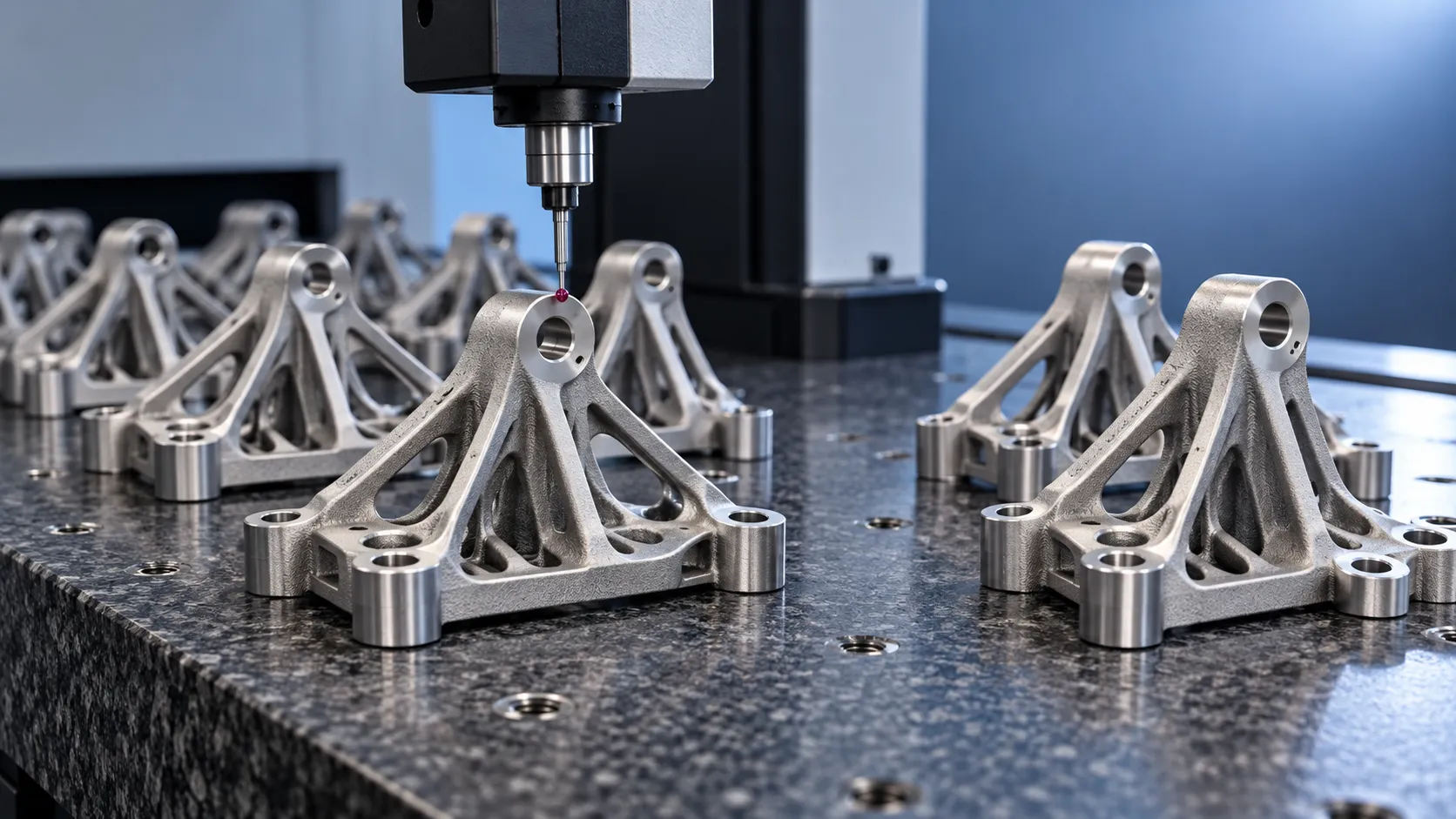
How to verify part consistency before choosing a 3D printing OEM
Choosing a 3D printing OEM? Learn how to verify part consistency with repeat-build trials, validated inspections, and traceability checks before committing to production.
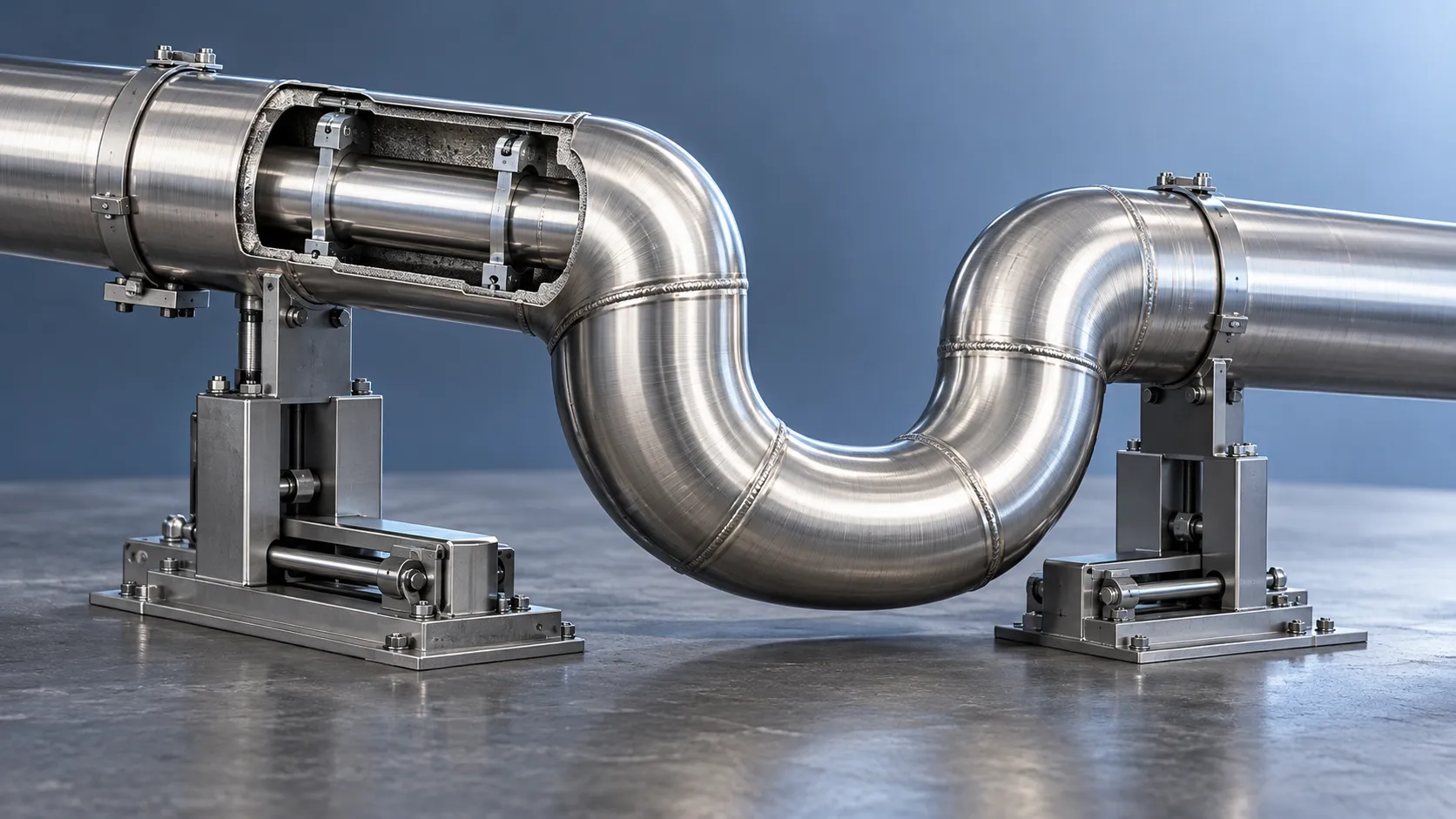
How does a rigid cryogenic transfer line handle thermal contraction?
Learn how a rigid cryogenic transfer line manages thermal contraction with bends, bellows, and guided supports. Discover key design checks for safe, reliable cryogenic performance.
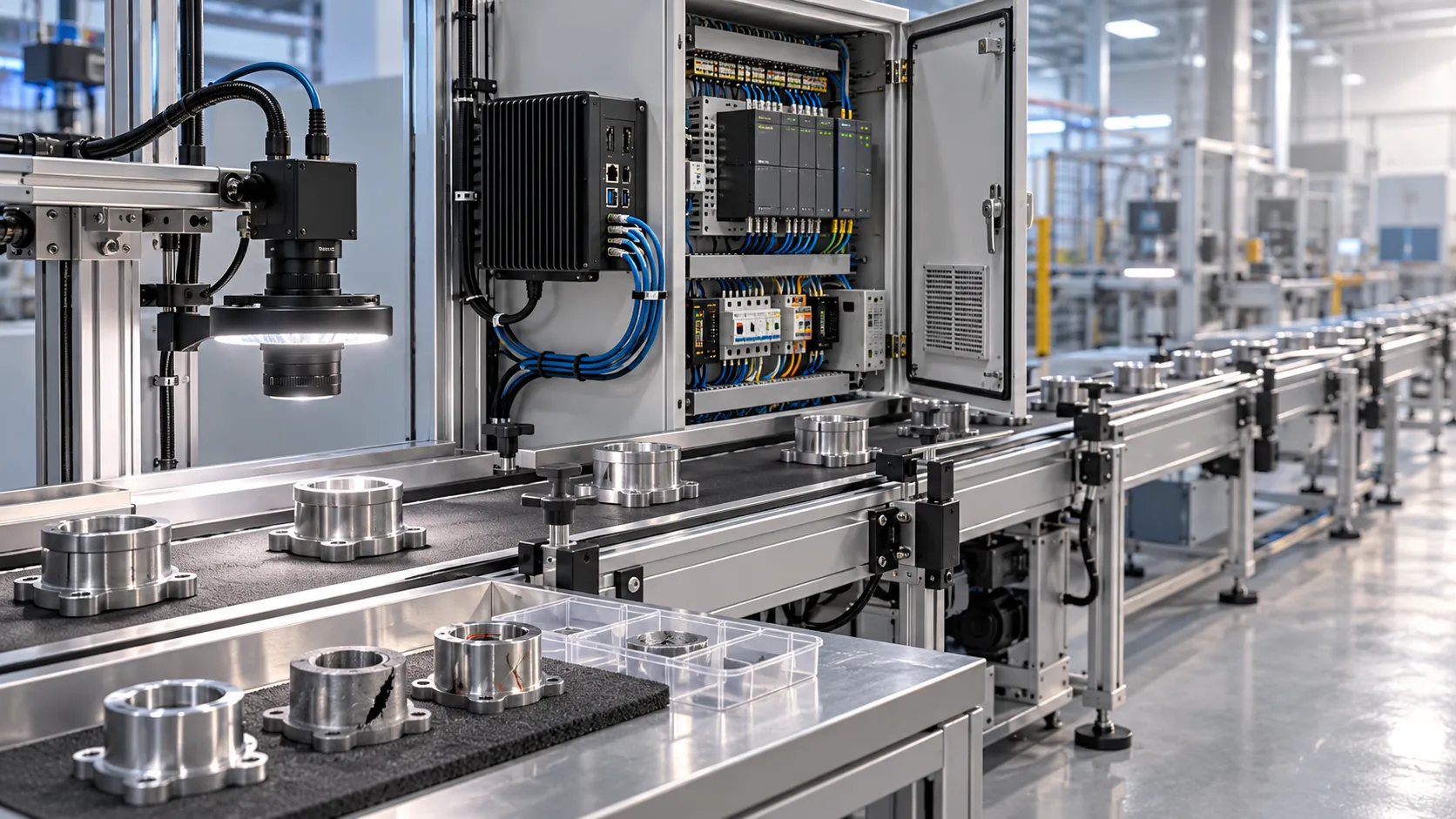
How much does edge vision deployment cost beyond the hardware?
Understand edge vision deployment cost beyond hardware, from data and integration to security and support. Uncover hidden expenses and build a smarter lifecycle budget before you scale.
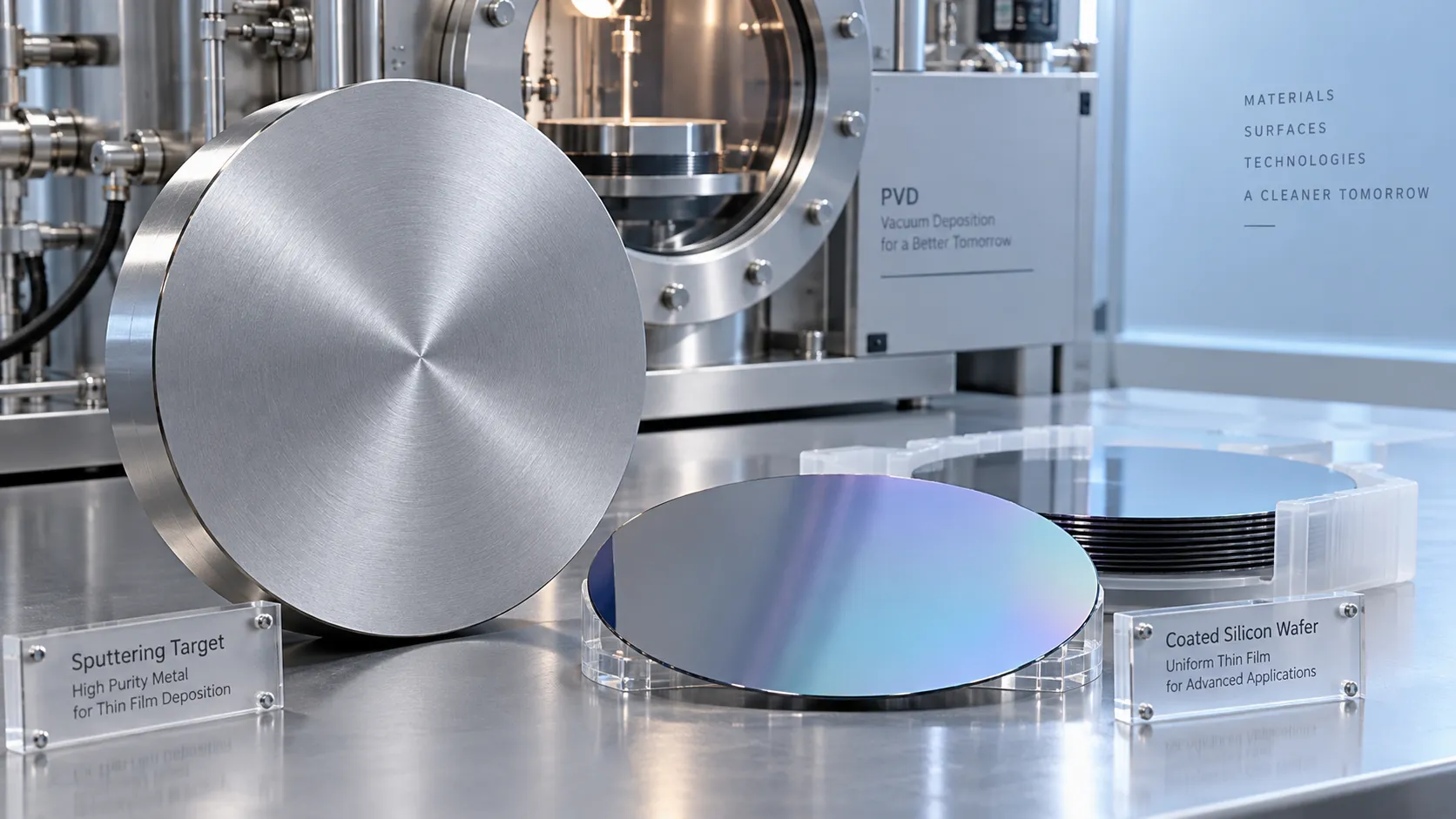
How does the purity of sputtering targets affect thin-film quality?
Discover how sputtering targets affect thin-film quality. Learn to assess purity, identify harmful impurities, and choose specifications that improve coating performance.
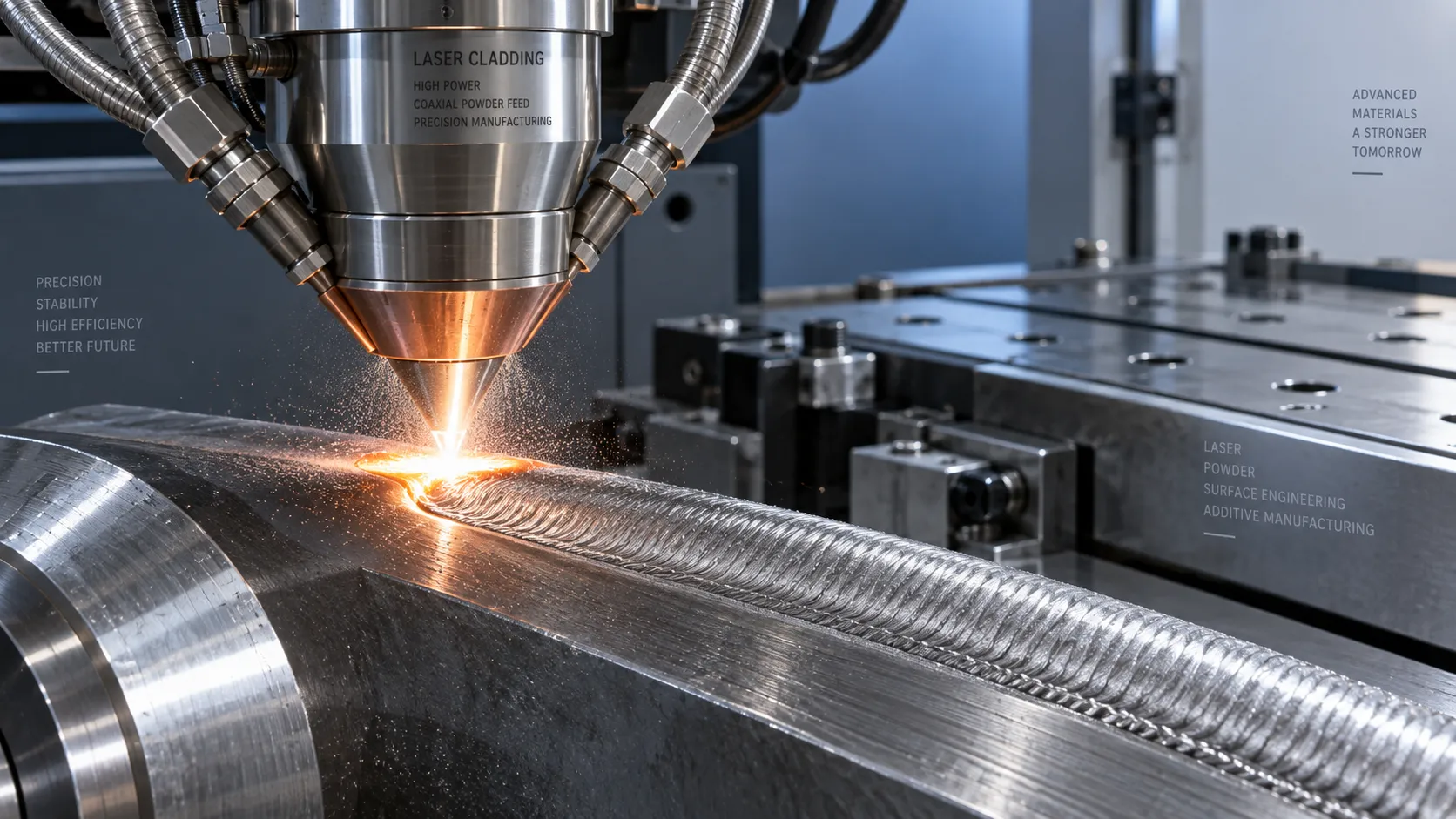
How high power laser cladding systems control substrate dilution
Discover how high power laser cladding systems control substrate dilution through beam shaping, material feed, and thermal management to deliver reliable bonds and coating performance.

How to check HS codes for customs compliance in international logistics
Strengthen international logistics customs compliance: learn how to verify HS codes, check official tariffs, and document classifications to reduce costly shipment delays.
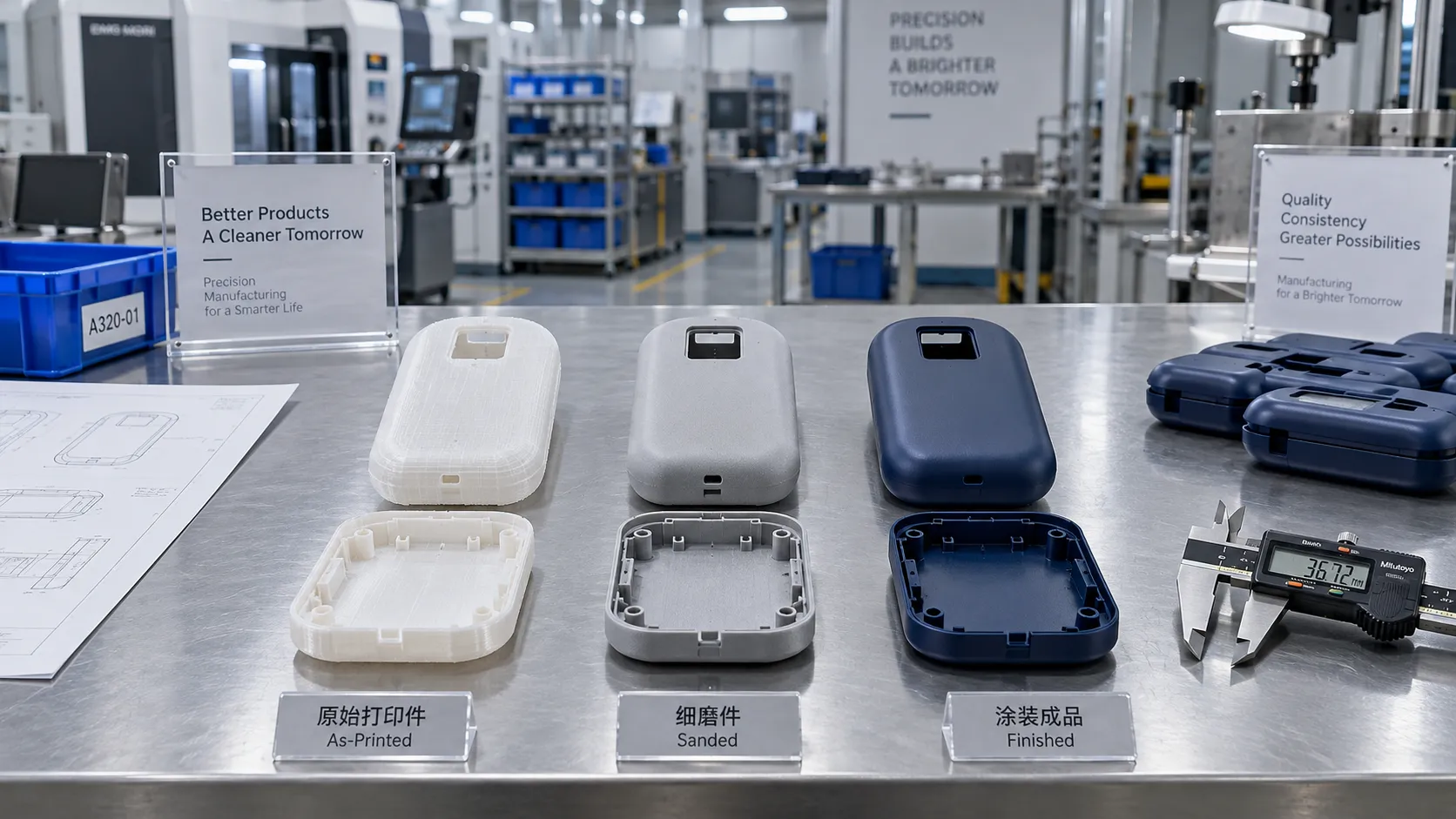
Choosing a 3D Printing Service for Consumer Products: Finish, Fit, and Cost
Compare 3d printing consumer good services by finish, fit, materials, and total cost. Learn how to choose a reliable supplier and avoid costly defects before ordering.
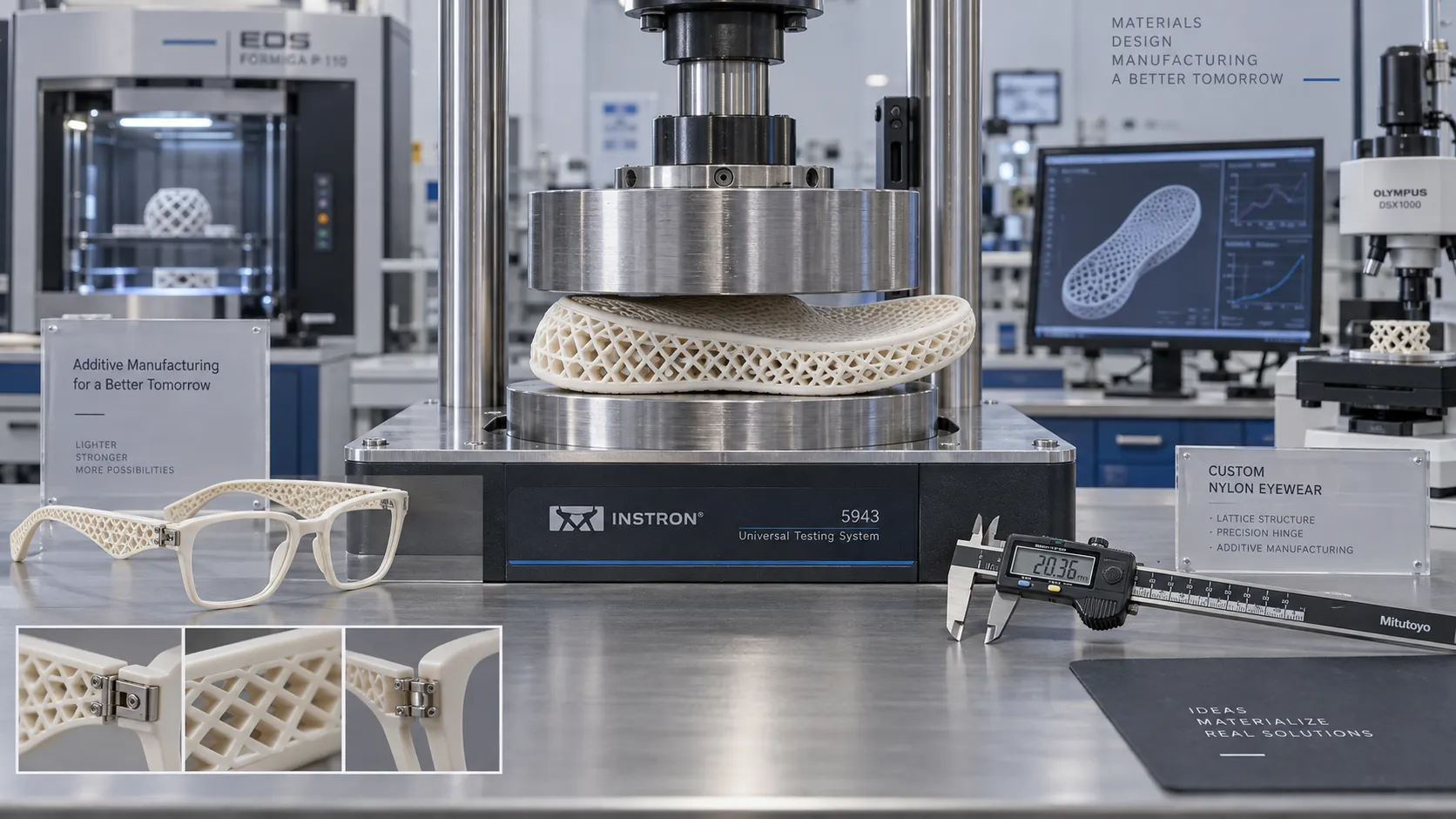
Which Consumer Goods Can Be 3D Printed, and What Are the Practical Limits?
Explore 3d printing consumer goods, from custom eyewear to replacement parts. Discover practical limits on materials, safety, and costs to make smarter production decisions.
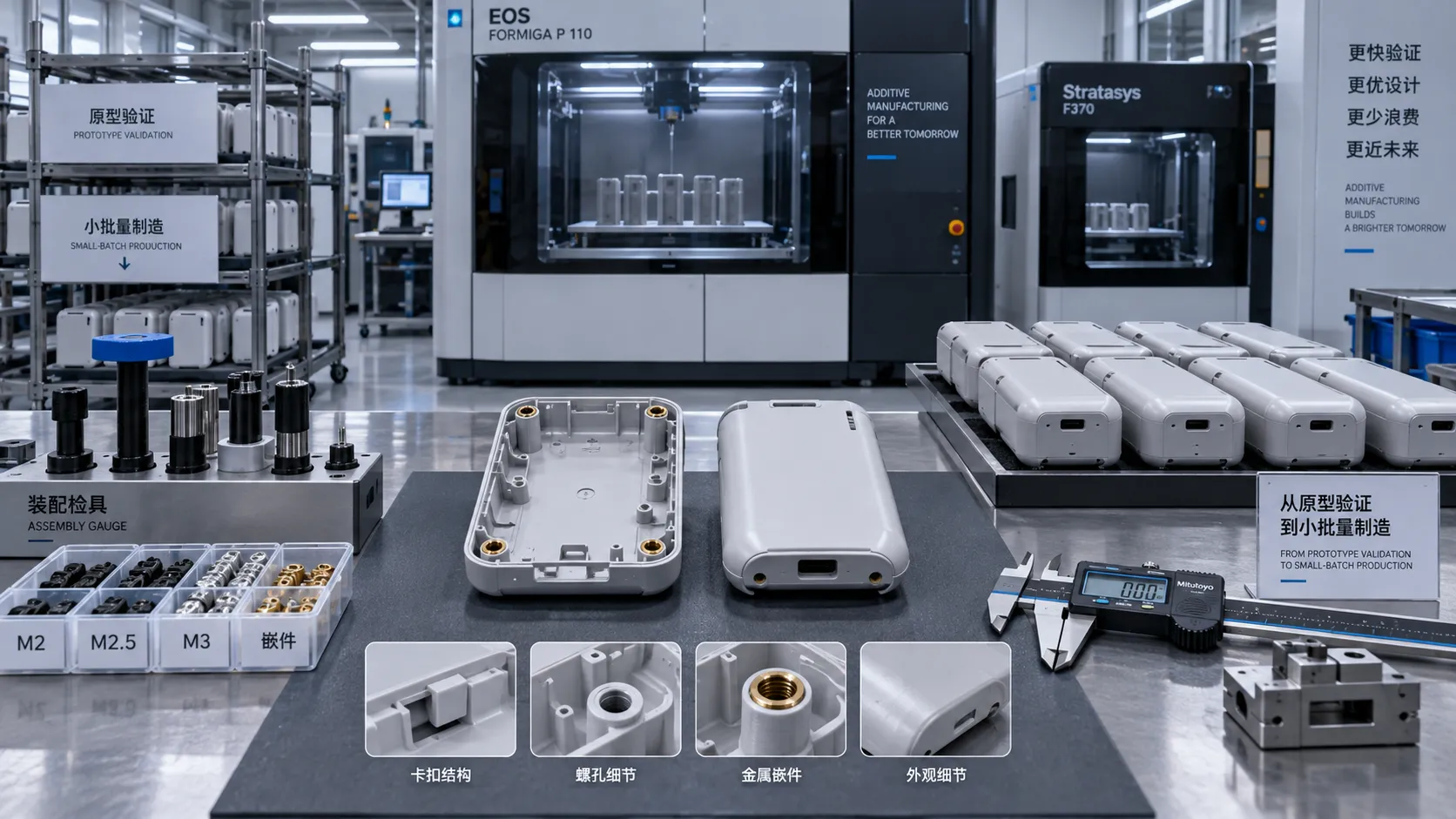
From Prototype to Small Batch: Applying 3D Printing to Consumer Goods
Explore 3d printing in consumer goods: learn how to move from prototype to small-batch production with practical guidance on materials, quality validation, and cost control.
Related News
- 00
0000-00
How to verify part consistency before choosing a 3D printing OEM - 00
0000-00
How does a rigid cryogenic transfer line handle thermal contraction? - 00
0000-00
How much does edge vision deployment cost beyond the hardware? - 00
0000-00
How does the purity of sputtering targets affect thin-film quality? - 00
0000-00
How high power laser cladding systems control substrate dilution
Marcus Print
Weekly Insights
Stay ahead with our curated technology reports delivered every Monday.