
R&D Institutes Driving Metal SLM Breakthroughs

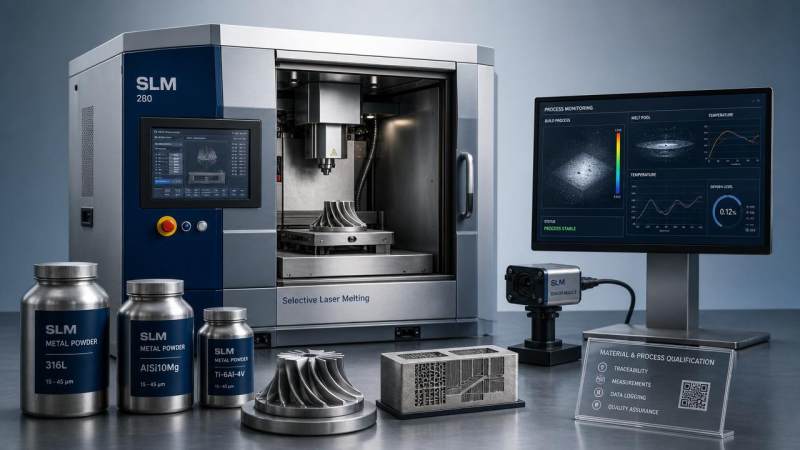
R&D Institutes are moving metal SLM from a promising laboratory process into a disciplined industrial method. Their contribution goes beyond publishing parameter windows. They build repeatable data, compare machine architectures, validate powder behavior, and connect process physics with qualification pathways. For organizations assessing long-term production value, the work of R&D Institutes often reveals whether a metal SLM platform can scale with confidence.
Why R&D Institutes Matter in Metal SLM Evaluation
Metal selective laser melting depends on tightly linked variables. Laser power, scan strategy, shielding gas flow, recoating consistency, powder reuse, and heat treatment all affect density, distortion, and final properties.
Commercial machine brochures rarely capture this complexity. R&D Institutes fill the gap by testing systems under controlled conditions and publishing benchmark data that can be compared across materials, build sizes, and operating environments.
This matters across the broader industrial landscape. Aerospace, energy, medical, tooling, electronics, and defense programs all require traceable process knowledge before adopting metal SLM for critical production.
When R&D Institutes drive metal SLM breakthroughs, they reduce uncertainty in three areas: technical feasibility, quality assurance, and supply-chain readiness. That combination supports better capital planning and lower qualification risk.
Checklist: How to Judge the Impact of R&D Institutes on Metal SLM Breakthroughs
Use the following checklist to assess whether the work of R&D Institutes is translating into meaningful industrial progress rather than isolated experimental results.
- Verify parameter transparency by checking whether the institute reports laser settings, hatch spacing, layer thickness, atmosphere control, and post-processing conditions with enough detail for technical replication.
- Review material scope by confirming work on industrial alloys such as Ti-6Al-4V, Inconel 718, AlSi10Mg, stainless steels, cobalt-chrome, and emerging copper or refractory systems.
- Check defect analysis by looking for quantified porosity, lack-of-fusion mapping, cracking behavior, spatter generation, and microstructural evidence linked directly to build parameter changes.
- Compare machine benchmarking by identifying whether R&D Institutes test multiple OEM platforms, laser configurations, optics strategies, and gas-flow designs under aligned evaluation methods.
- Assess in-situ monitoring maturity by examining melt-pool sensing, layer imaging, acoustic signatures, plume analysis, and closed-loop control experiments tied to quality outcomes.
- Confirm statistical validation by requiring sample sizes, repeat builds, coupon-to-part correlation, and process capability evidence rather than one-off “best result” demonstrations.
- Examine powder lifecycle research by checking storage protocols, sieving effects, oxygen pickup, morphology drift, contamination thresholds, and reuse limits under repeated production cycles.
- Track qualification alignment by mapping institute outputs to ISO, ASTM, aerospace specifications, medical validation pathways, and internal quality documentation requirements.
- Measure scalability by seeing whether breakthroughs hold across larger build envelopes, thicker sections, support-critical geometries, and multi-laser coordination rather than only small coupons.
- Evaluate supply-chain relevance by confirming that research includes powder sourcing, software workflow integrity, metrology, heat treatment, HIP compatibility, and inspection handoff procedures.
Where R&D Institutes Are Delivering the Strongest Metal SLM Advances
Process Stability and Repeatability
The most valuable work from R&D Institutes often centers on process stability. A dense coupon is not enough. Industrial metal SLM needs repeatable density, dimensional consistency, and mechanical performance across multiple builds and operators.
Institutes are improving this area by modeling melt-pool behavior, optimizing scan paths, and studying thermal accumulation in complex geometries. These results help separate stable process windows from narrow experimental peaks.
Material Development and Qualification
Another major contribution involves alloy adaptation. Many high-value materials were not originally designed for rapid solidification in metal SLM. R&D Institutes test how composition, particle distribution, and thermal history influence cracking, segregation, and anisotropy.
This work is especially important for copper alloys, nickel superalloys, high-strength aluminum, and refractory metals. Without rigorous material science, promising applications remain stuck in prototype mode.
Monitoring, Data, and Digital Traceability
Advanced R&D Institutes are also connecting sensor data with part integrity. Layerwise imaging, optical emissions, and thermal signatures are being correlated with defects that traditional end-of-line inspection may detect too late.
This supports a larger industrial shift toward data-backed qualification. In sectors with high compliance pressure, digital traceability can become as important as machine throughput.
Application Scenarios Shaped by R&D Institutes
Aerospace and Turbomachinery
Aerospace programs rely heavily on R&D Institutes to validate fatigue behavior, thin-wall distortion, and powder traceability. Metal SLM breakthroughs in this field usually involve strict coupon-to-component correlation.
For turbine components and heat-resistant structures, institutes often focus on residual stress control, support minimization, and post-build heat treatment sequences that protect mechanical reliability.
Medical Devices and Patient-Specific Parts
In medical applications, R&D Institutes help validate lattice structures, surface roughness behavior, and sterilization-linked material performance. These factors affect implant integration and long-term consistency.
Here, metal SLM breakthroughs are not only about geometry freedom. They also depend on traceable process records, biocompatibility evidence, and robust finishing routes for repeatable clinical outcomes.
Tooling, Energy, and Industrial Components
For tooling and energy hardware, R&D Institutes often drive breakthroughs in conformal cooling, repair workflows, and corrosion-resistant alloys. The focus shifts from novelty to lifecycle economics.
In these sectors, metal SLM value improves when institutes prove shorter lead times, lower scrap, acceptable repairability, and stable performance in harsh thermal or chemical environments.
Commonly Missed Risks When Reviewing R&D Institutes
One common mistake is overvaluing peak density while ignoring variability. A reported 99.9% density result means little if build-to-build spread remains uncontrolled.
Another risk is assuming coupon results transfer directly to production parts. Geometry, support strategy, thermal mass, and recoater interactions can change defect behavior significantly.
A third issue is weak standards linkage. Some R&D Institutes publish strong research but stop short of connecting findings to ASTM, ISO, or sector-specific qualification pathways.
It is also easy to overlook powder handling discipline. Metal SLM breakthroughs can fail in production if oxygen control, contamination management, or powder lot variation are not addressed early.
Finally, monitoring claims should be tested carefully. Not every sensor system improves quality. The key question is whether the signal has proven predictive value for real part acceptance.
Practical Execution Steps for Technical Review
- Build a comparison matrix covering machine model, alloy, parameter disclosure level, defect metrics, standards alignment, and demonstrated production relevance.
- Prioritize R&D Institutes that publish repeatability data, not just breakthrough headlines, and that show how monitoring links to measurable acceptance criteria.
- Request evidence of powder reuse studies, post-processing controls, and metrology workflows before treating any metal SLM result as scalable.
- Cross-check institute findings with export controls, patent activity, and regional standards development to understand future implementation constraints.
Conclusion and Next-Step Guidance
R&D Institutes are central to the next stage of metal SLM maturity. Their strongest impact comes from converting experimental possibility into verified, transferable manufacturing knowledge.
The best evaluation approach is disciplined and evidence-based. Focus on process repeatability, alloy qualification, machine benchmarking, powder control, standards linkage, and digital traceability.
When R&D Institutes demonstrate those elements together, metal SLM breakthroughs become more than research milestones. They become credible indicators of industrial readiness and long-term manufacturing advantage.
Use the checklist above to screen technical sources, compare institute outputs, and define which metal SLM developments are mature enough for deeper validation, pilot builds, or strategic adoption planning.
Related News
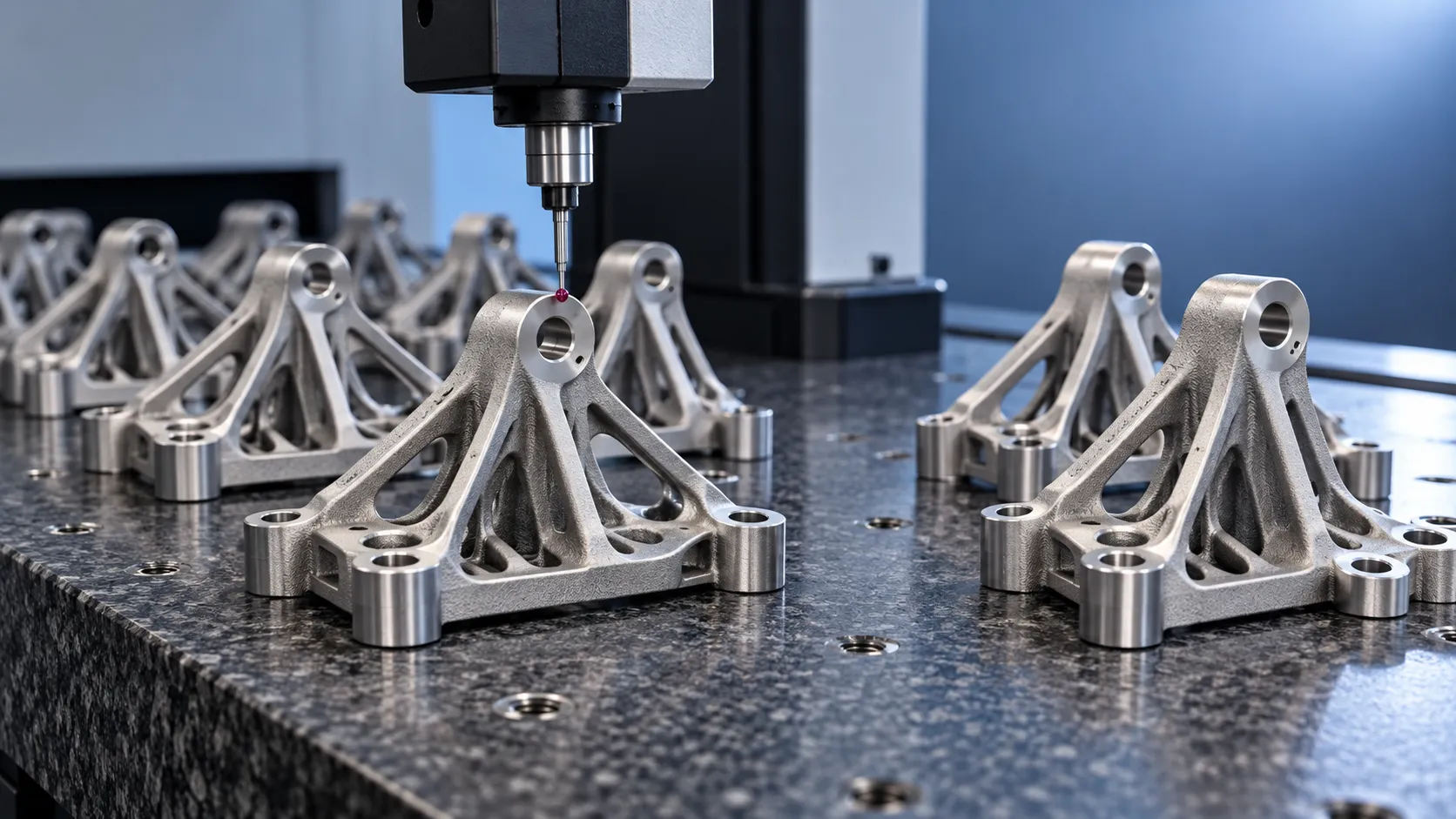
How to verify part consistency before choosing a 3D printing OEM
Choosing a 3D printing OEM? Learn how to verify part consistency with repeat-build trials, validated inspections, and traceability checks before committing to production.
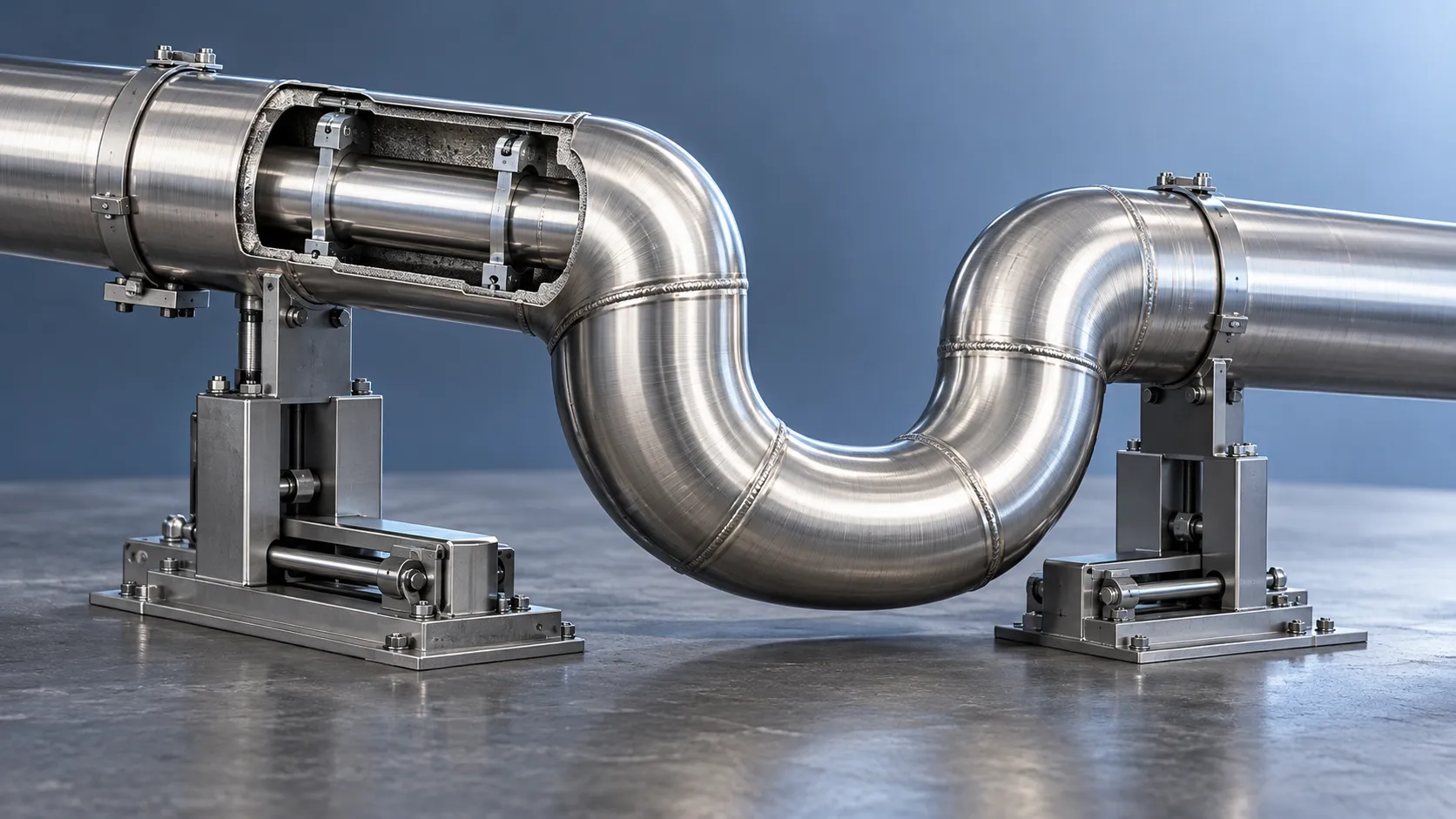
How does a rigid cryogenic transfer line handle thermal contraction?
Learn how a rigid cryogenic transfer line manages thermal contraction with bends, bellows, and guided supports. Discover key design checks for safe, reliable cryogenic performance.
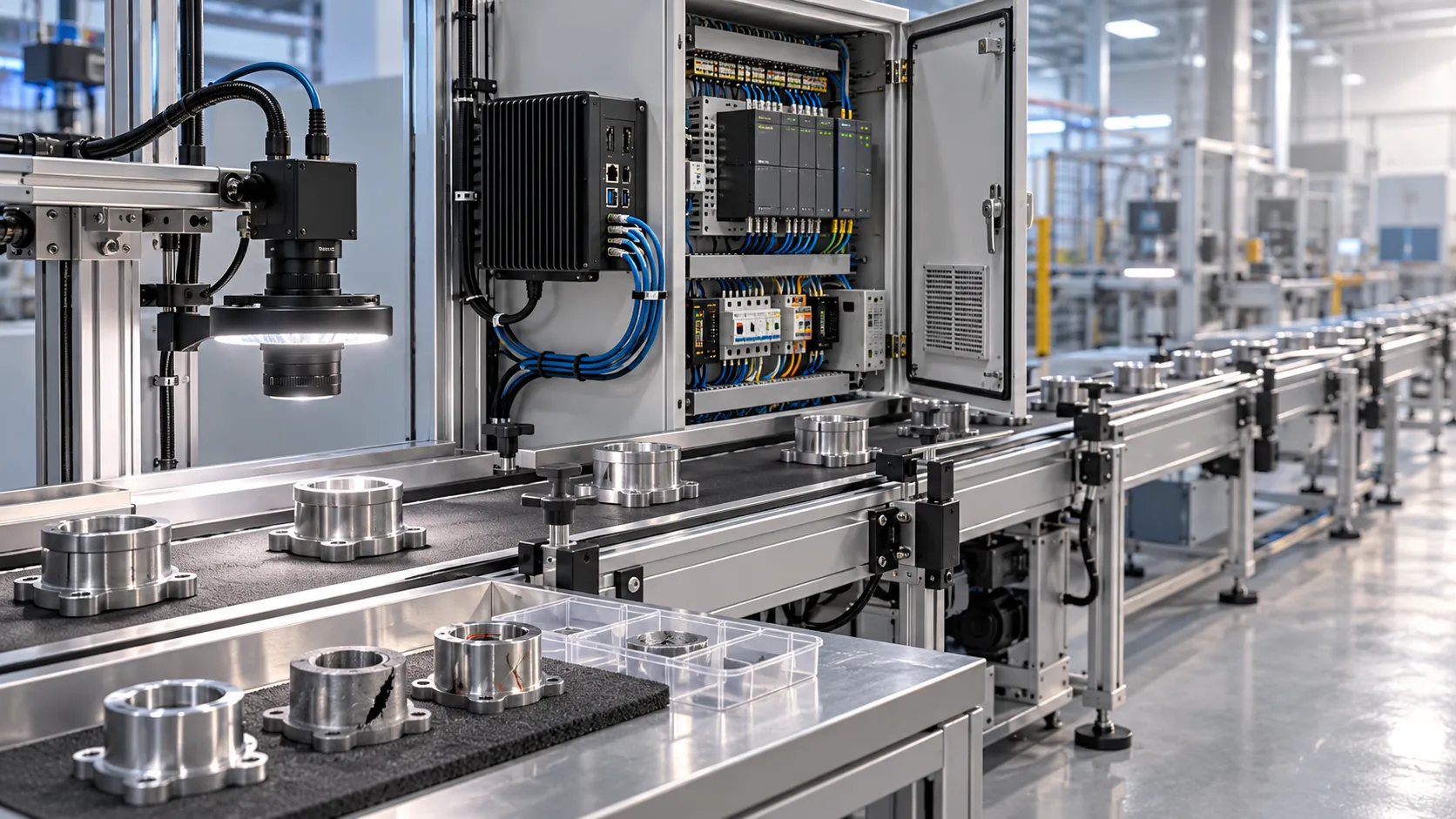
How much does edge vision deployment cost beyond the hardware?
Understand edge vision deployment cost beyond hardware, from data and integration to security and support. Uncover hidden expenses and build a smarter lifecycle budget before you scale.
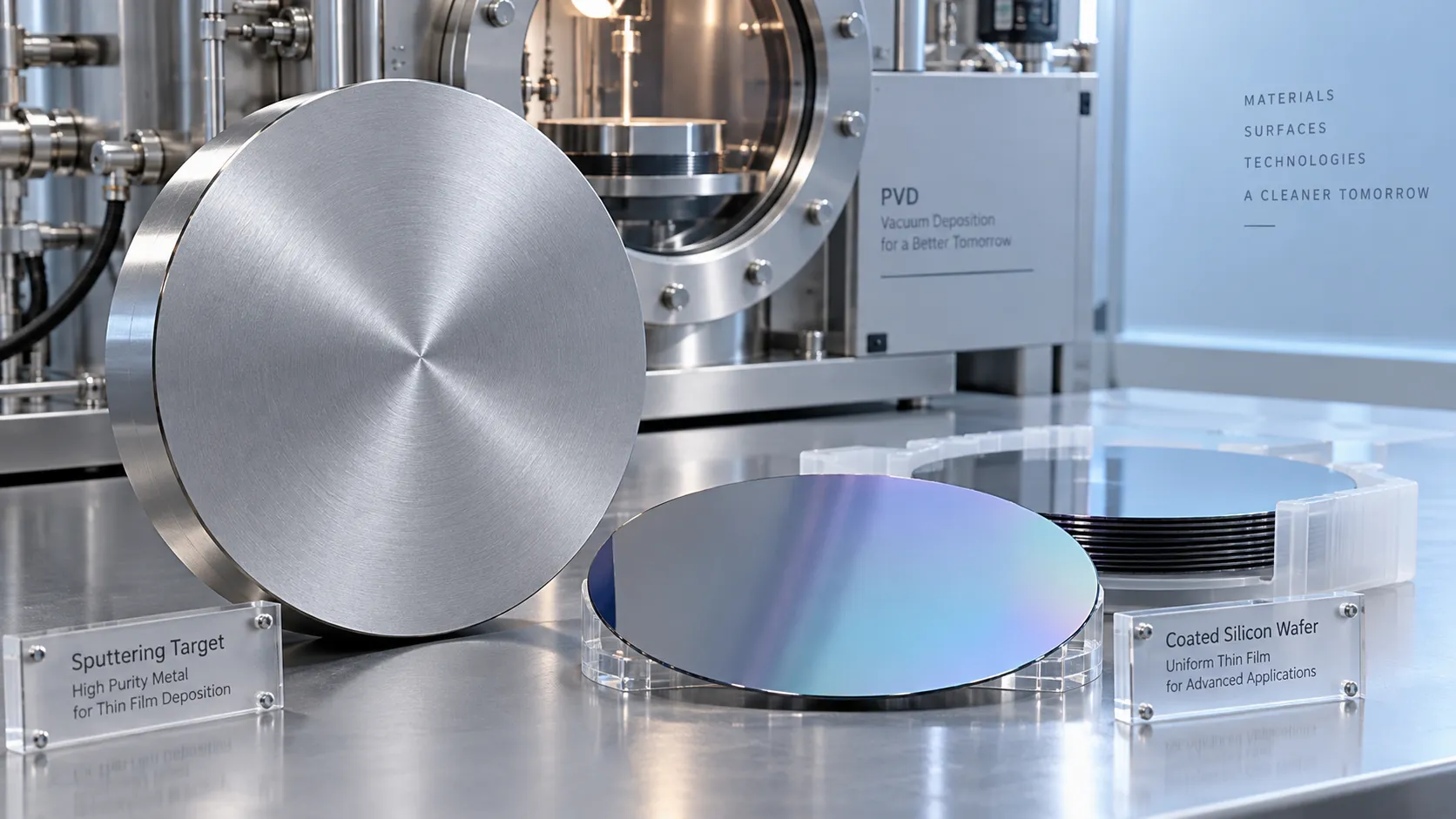
How does the purity of sputtering targets affect thin-film quality?
Discover how sputtering targets affect thin-film quality. Learn to assess purity, identify harmful impurities, and choose specifications that improve coating performance.
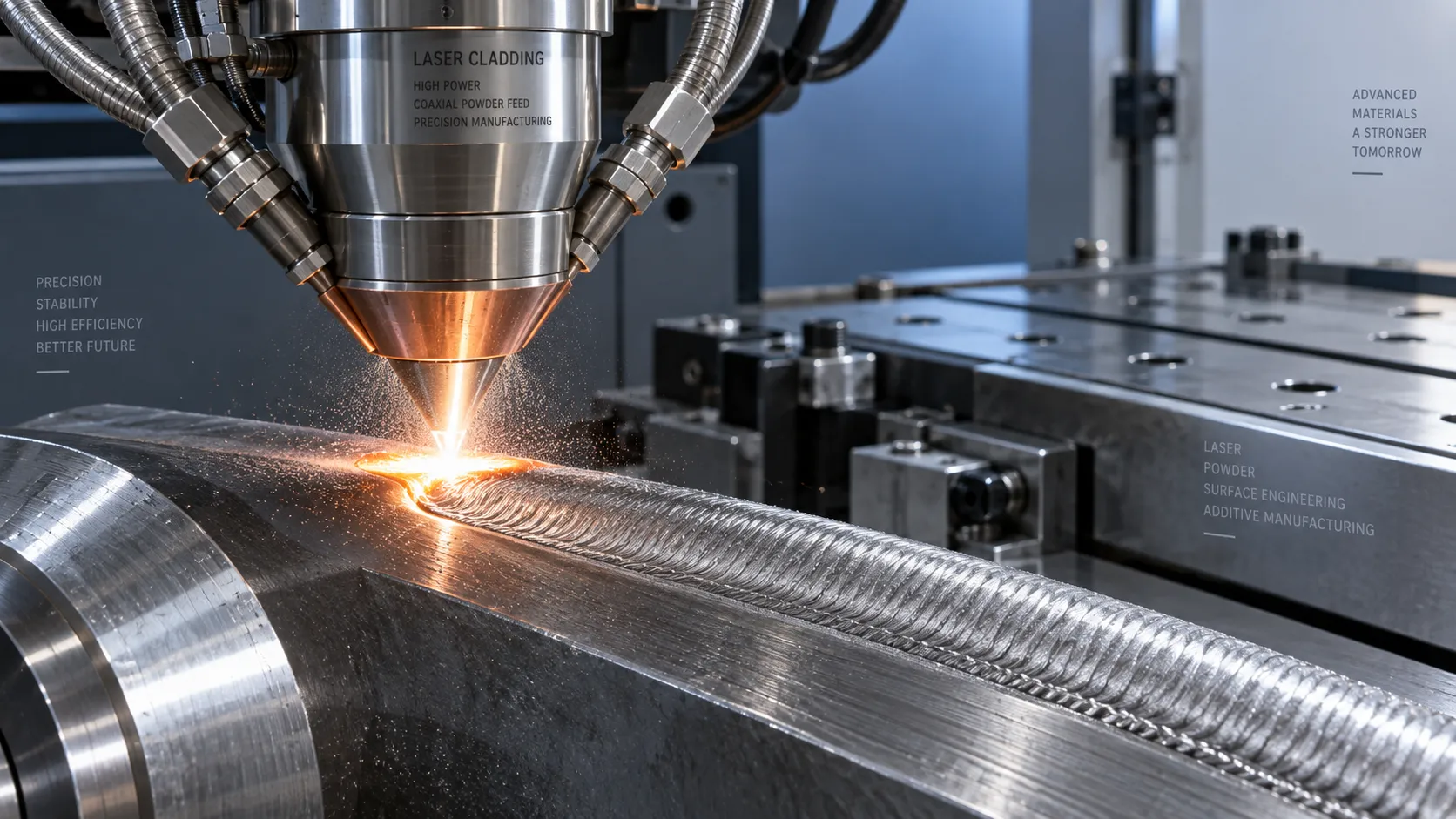
How high power laser cladding systems control substrate dilution
Discover how high power laser cladding systems control substrate dilution through beam shaping, material feed, and thermal management to deliver reliable bonds and coating performance.
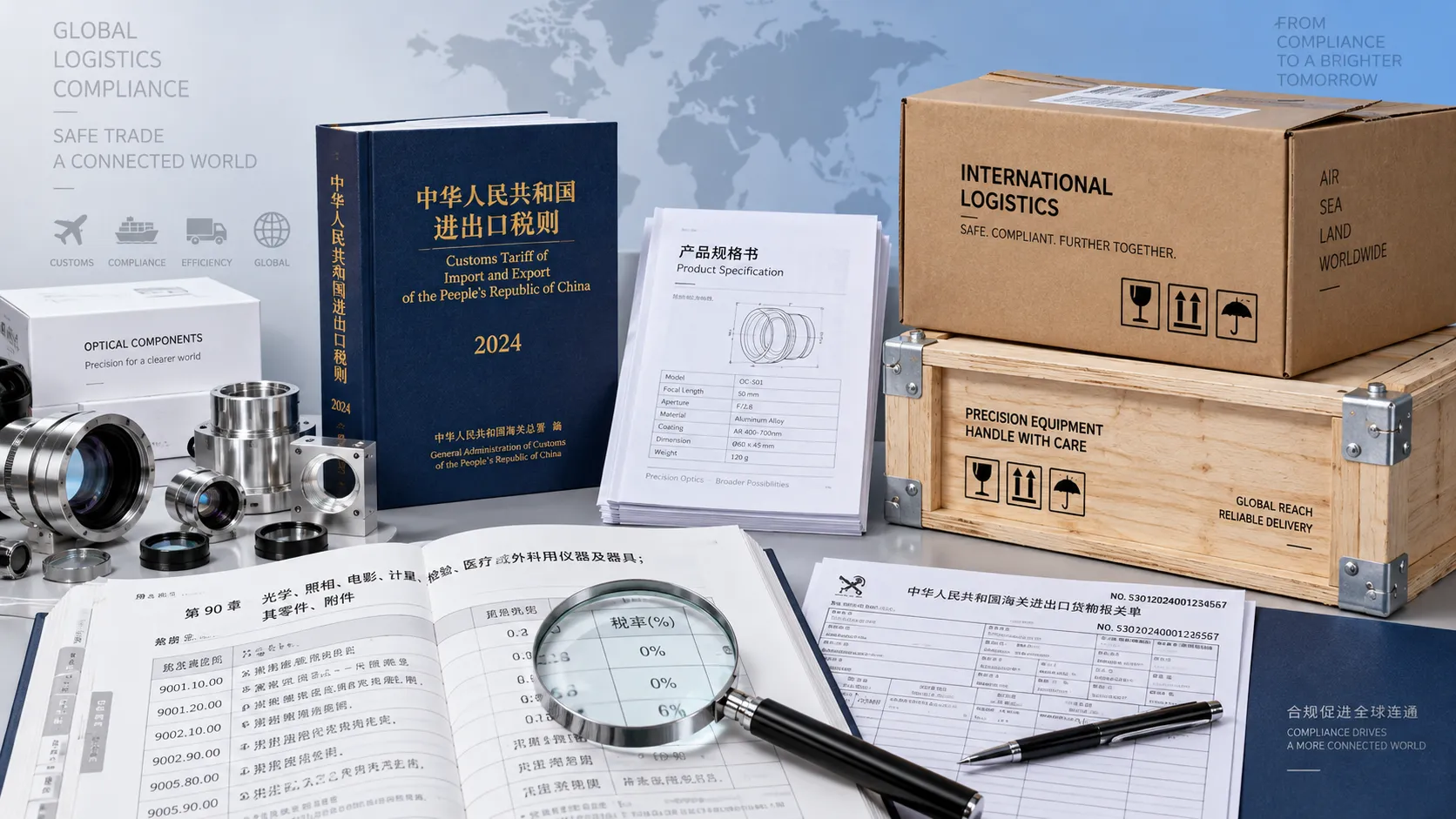
How to check HS codes for customs compliance in international logistics
Strengthen international logistics customs compliance: learn how to verify HS codes, check official tariffs, and document classifications to reduce costly shipment delays.
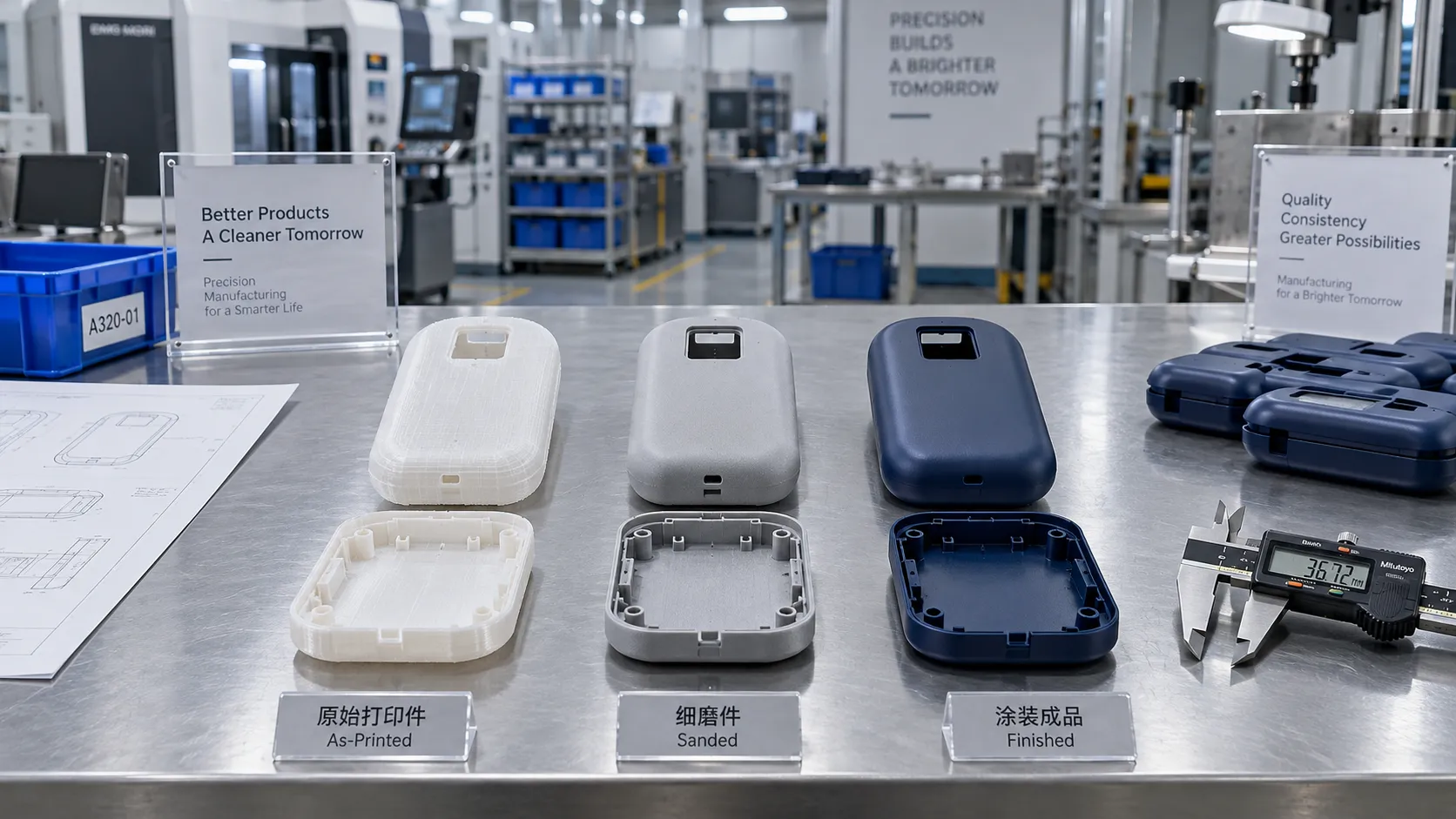
Choosing a 3D Printing Service for Consumer Products: Finish, Fit, and Cost
Compare 3d printing consumer good services by finish, fit, materials, and total cost. Learn how to choose a reliable supplier and avoid costly defects before ordering.
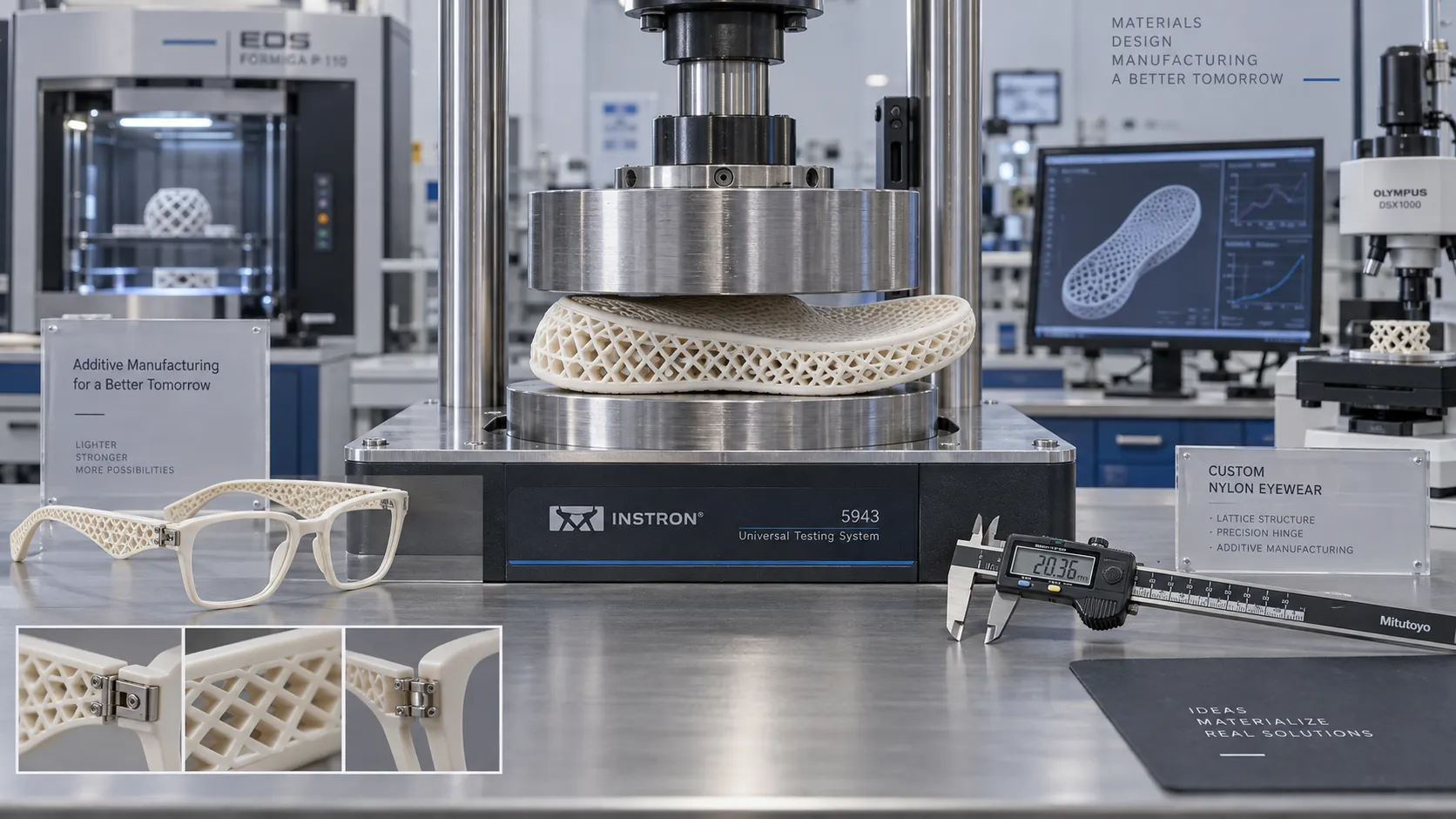
Which Consumer Goods Can Be 3D Printed, and What Are the Practical Limits?
Explore 3d printing consumer goods, from custom eyewear to replacement parts. Discover practical limits on materials, safety, and costs to make smarter production decisions.
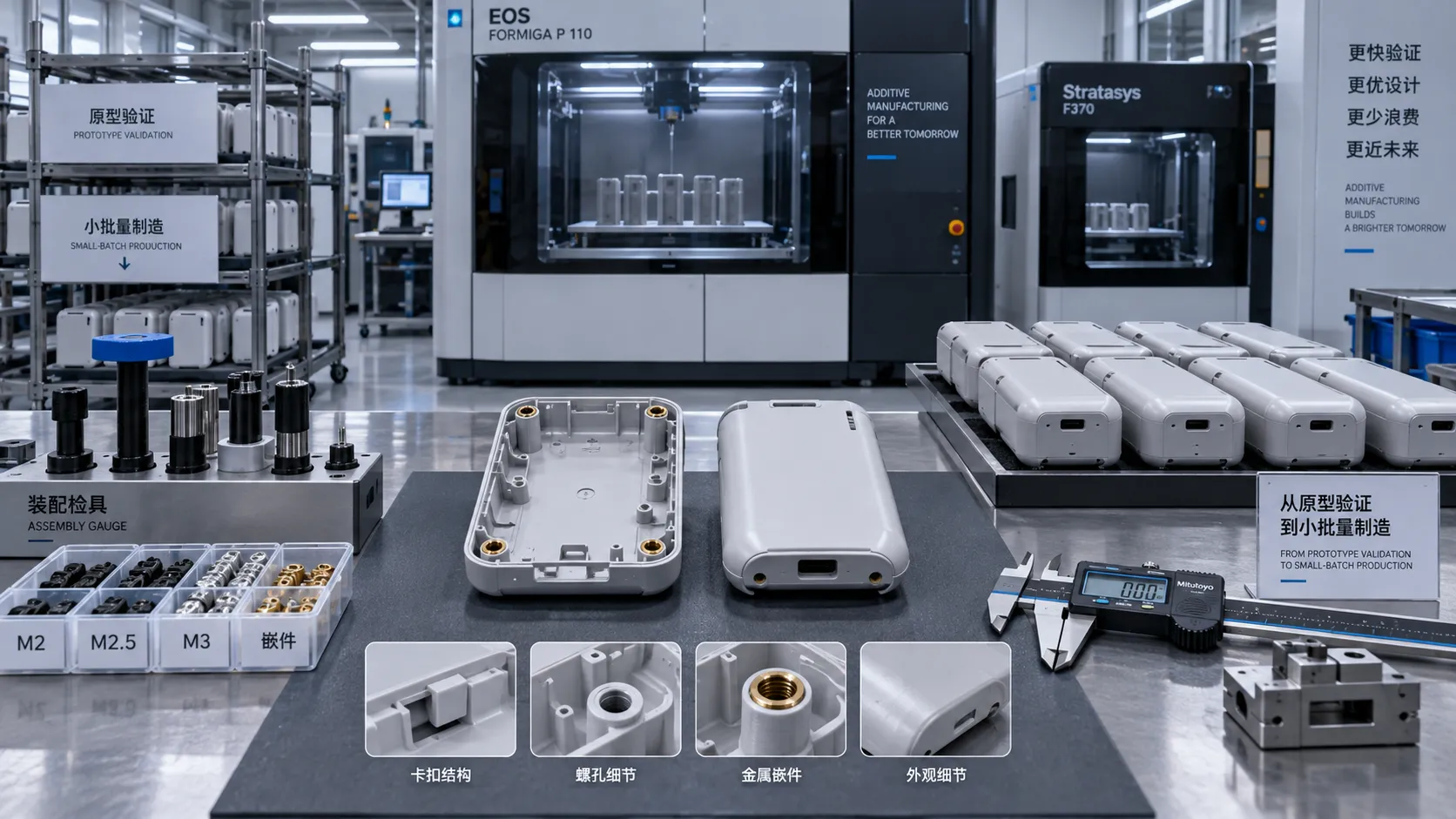
From Prototype to Small Batch: Applying 3D Printing to Consumer Goods
Explore 3d printing in consumer goods: learn how to move from prototype to small-batch production with practical guidance on materials, quality validation, and cost control.
Related News
- 00
0000-00
How to verify part consistency before choosing a 3D printing OEM - 00
0000-00
How does a rigid cryogenic transfer line handle thermal contraction? - 00
0000-00
How much does edge vision deployment cost beyond the hardware? - 00
0000-00
How does the purity of sputtering targets affect thin-film quality? - 00
0000-00
How high power laser cladding systems control substrate dilution
Marcus Print
Weekly Insights
Stay ahead with our curated technology reports delivered every Monday.