
Additive Manufacturing’s Aerospace Impact in 2026

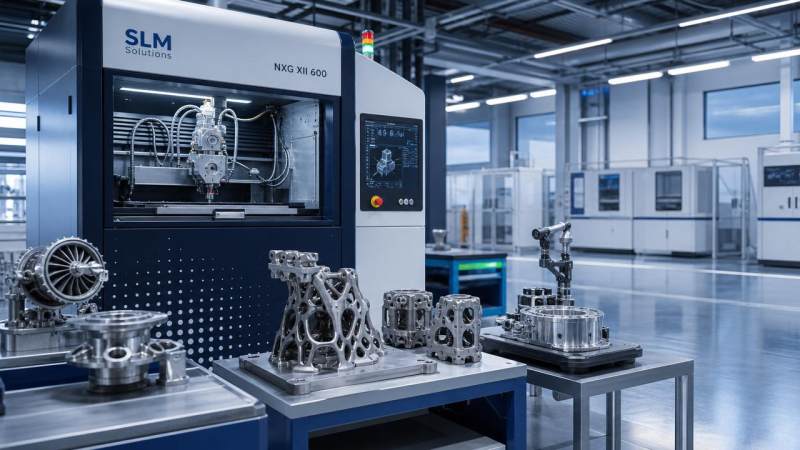
In 2026, the impact of additive manufacturing on aerospace is no longer a narrow prototyping story. It now shapes design freedom, production timing, material strategy, and long-term certification planning.
Across commercial aviation, defense programs, satellites, and launch systems, additive manufacturing is entering decisions once reserved for casting, machining, and forging. That shift changes both opportunity and risk.
The impact of additive manufacturing on aerospace matters because performance gains now depend on validated repeatability. Lighter parts are valuable, but traceable quality data is becoming even more decisive.
In this environment, technical benchmarking, standards alignment, and supply chain visibility are turning into competitive tools. The winners will combine engineering speed with disciplined industrial control.
Why 2026 feels different from earlier aerospace AM cycles
Earlier adoption waves focused on feasibility. In 2026, the market is centered on scale, qualification, and lifecycle economics. That is the real impact of additive manufacturing on aerospace today.
Aircraft platforms are under pressure to reduce mass, shorten development schedules, and improve spare part responsiveness. Space programs are also chasing rapid iteration without compromising mission reliability.
At the same time, digital engineering is maturing. Simulation, in-situ monitoring, machine vision inspection, and post-process analytics are making additive workflows more auditable than before.
That combination explains why the impact of additive manufacturing on aerospace is expanding from component innovation to enterprise operating models. It affects design offices, quality systems, and supplier qualification alike.
The strongest trend signals now visible across the sector
Several signals show that aerospace additive manufacturing has crossed an important threshold. The market is not just asking whether AM works. It is asking where AM works best.
- More metal AM parts are moving into flight-relevant assemblies rather than isolated demonstration units.
- Qualification programs increasingly require process data continuity, not only final dimensional acceptance.
- Powder traceability, machine calibration, and thermal history are receiving greater audit attention.
- Spare parts and low-volume legacy components are becoming practical AM targets.
- Topology optimization and part consolidation are being linked to measurable maintenance value.
These signals confirm the growing impact of additive manufacturing on aerospace supply chains. The conversation is shifting from novelty to economically justified deployment.
What is driving the impact of additive manufacturing on aerospace in 2026
The trend is being driven by a set of technical and commercial forces working together. Their interaction matters more than any single breakthrough.
Together, these drivers explain the widening impact of additive manufacturing on aerospace. The technology is advancing because it solves multiple constraints at once.
How aerospace design, production, and support functions are being reshaped
Design teams are using AM earlier in development. Instead of adapting finished concepts for printing, they are starting with AM-compatible geometries and performance targets.
This changes the impact of additive manufacturing on aerospace engineering workflows. Material selection, support strategy, thermal distortion control, and inspection planning now begin together.
Production functions are also changing. Success now depends on a connected chain that includes powder management, build parameter control, heat treatment, machining, and nondestructive evaluation.
Support and aftermarket activities may see the most immediate gains. AM can reduce dependence on obsolete tooling and help recover low-volume parts with shorter response windows.
- Engineering gains from topology optimization and multi-function integration.
- Manufacturing gains from reduced assembly steps and lower tooling burden.
- Maintenance gains from digital spare part libraries and regional production flexibility.
- Program gains from faster iterations during qualification and redesign phases.
Still, the impact of additive manufacturing on aerospace is uneven. It is strongest where complexity is high, volumes are moderate, and performance premiums justify process investment.
Where the biggest constraints still limit scale
Enthusiasm alone will not create stable industrial adoption. Several constraints continue to define the practical boundary of aerospace AM in 2026.
Qualification remains expensive
Flight-critical parts require evidence across material behavior, process consistency, and inspection reliability. That burden can slow expansion even when design benefits are clear.
Repeatability still separates leaders from followers
Machine capability is not enough. Repeatable outcomes depend on powder quality, operator discipline, calibration routines, and post-processing control.
Cost comparisons are often incomplete
Some analyses compare print cost against machined part cost only. They ignore inventory savings, assembly reduction, qualification overhead, and field service impact.
Data governance is becoming a hidden bottleneck
The impact of additive manufacturing on aerospace increasingly depends on trusted digital records. Build files, parameter versions, inspection outputs, and export control rules must stay aligned.
The priorities that deserve close attention now
In 2026, disciplined focus is more valuable than broad experimentation. Several priorities stand out for any organization tracking aerospace AM maturity.
- Map candidate parts by complexity, certification burden, annual volume, and lifecycle value.
- Benchmark machines, powders, and post-process routes against ASTM, ISO, and internal quality thresholds.
- Treat inspection architecture as a core design input, not a downstream correction tool.
- Evaluate digital thread integrity from CAD through printing, heat treatment, machining, and final release.
- Review export controls, IP exposure, and cybersecurity where distributed manufacturing is considered.
- Build supplier comparisons around repeatability evidence, not brochure-level machine specifications.
These priorities sharpen the impact of additive manufacturing on aerospace investment decisions. They help separate scalable opportunities from expensive pilot projects.
A practical way to judge next moves
A structured response should balance innovation speed with industrial discipline. The most effective approach usually begins with a phased decision framework.
This framework reflects the real impact of additive manufacturing on aerospace programs. It avoids overextension while preserving access to meaningful design and supply chain gains.
What to do next as the market matures
The next step is not to adopt additive manufacturing everywhere. The next step is to identify where verified performance, certification feasibility, and commercial logic intersect.
A strong starting point is a benchmark review of candidate parts, machine platforms, inspection methods, and applicable standards. That creates a clearer path from technical promise to operational confidence.
For organizations tracking the impact of additive manufacturing on aerospace, reliable intelligence now matters as much as hardware capability. Market timing favors those who can validate faster, document better, and scale selectively.
Use 2026 as a decision year: compare qualified process data, review regulatory exposure, and build a roadmap around measurable aerospace outcomes rather than broad AM enthusiasm.
Related News
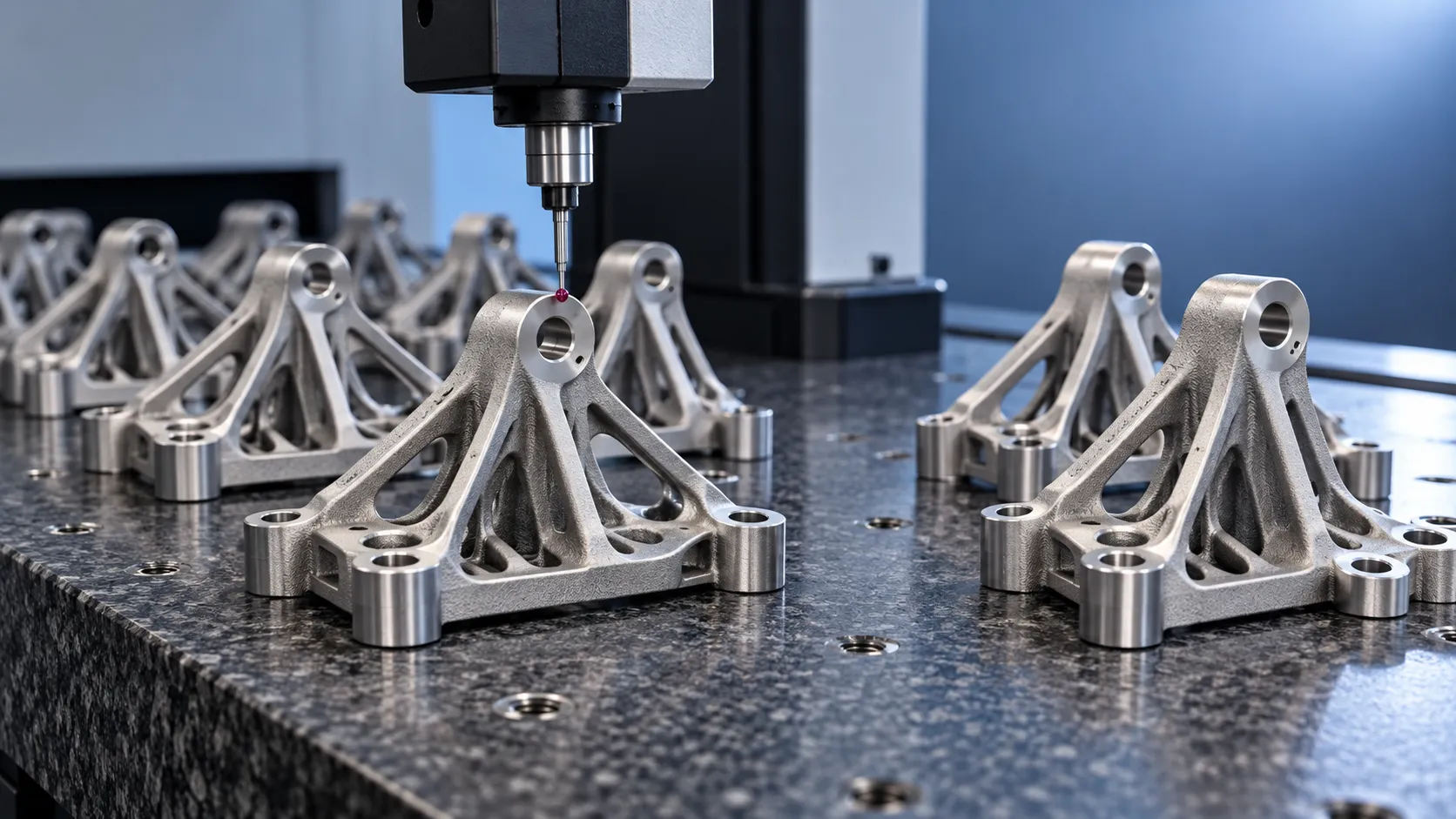
How to verify part consistency before choosing a 3D printing OEM
Choosing a 3D printing OEM? Learn how to verify part consistency with repeat-build trials, validated inspections, and traceability checks before committing to production.
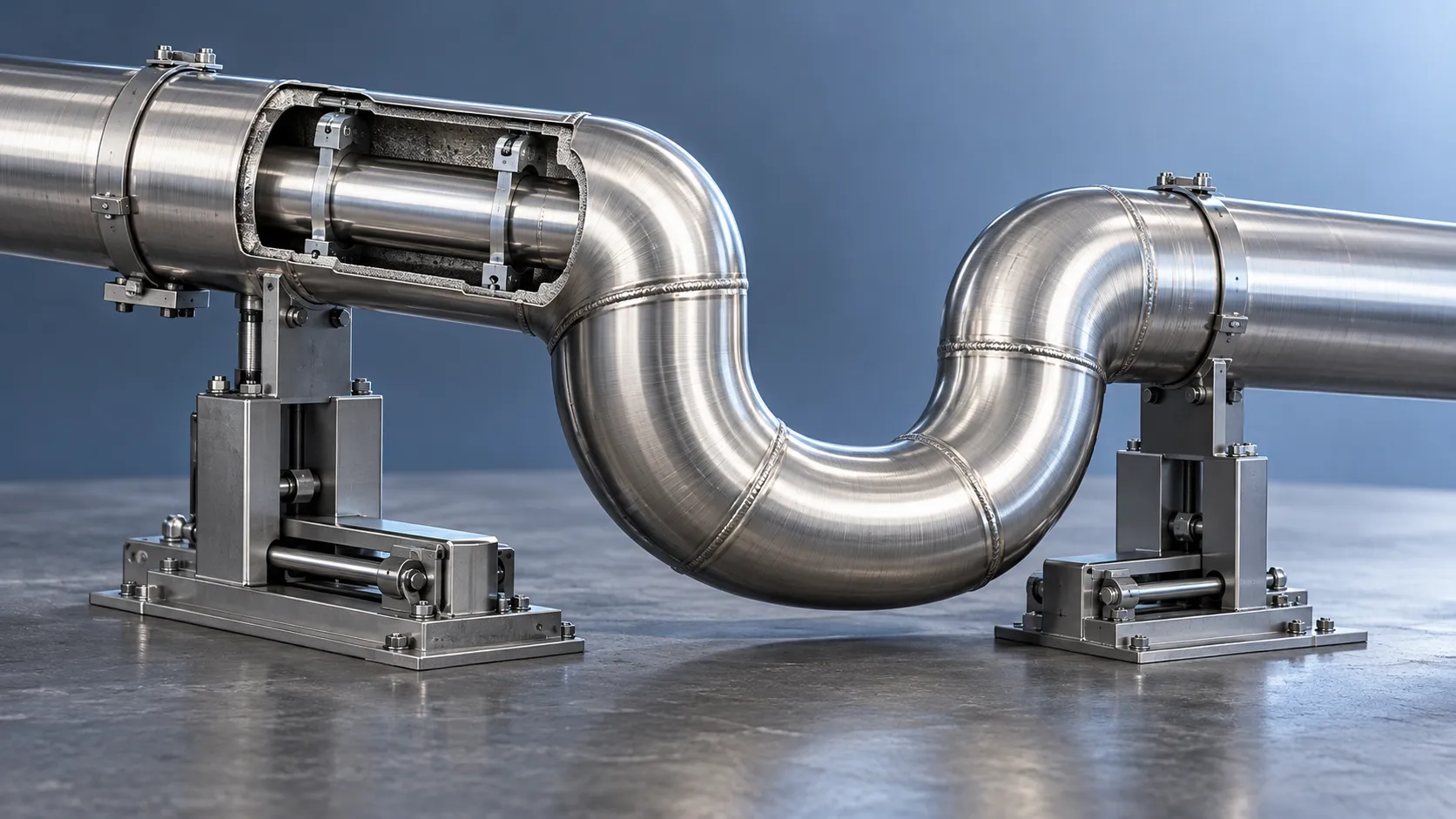
How does a rigid cryogenic transfer line handle thermal contraction?
Learn how a rigid cryogenic transfer line manages thermal contraction with bends, bellows, and guided supports. Discover key design checks for safe, reliable cryogenic performance.
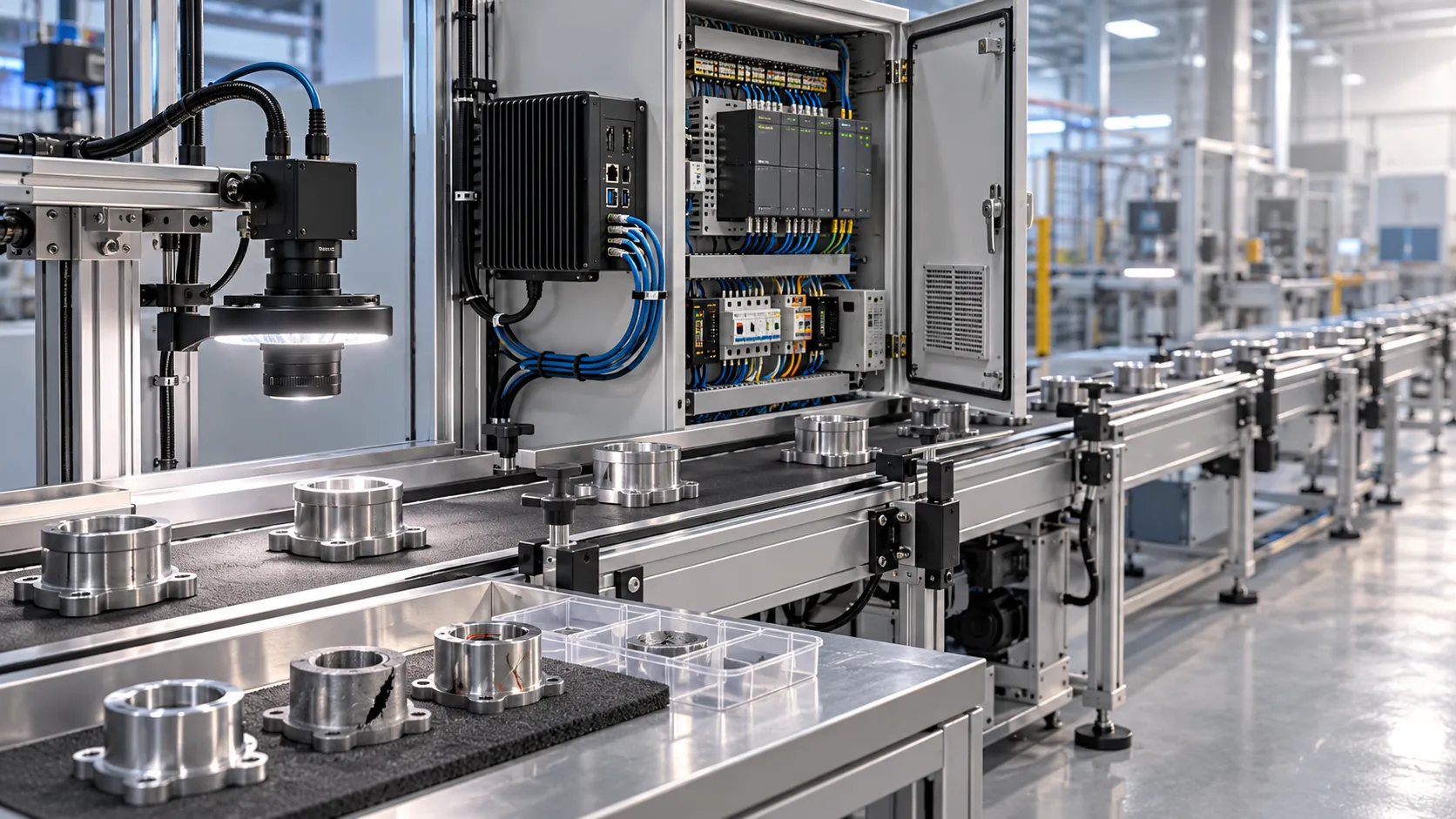
How much does edge vision deployment cost beyond the hardware?
Understand edge vision deployment cost beyond hardware, from data and integration to security and support. Uncover hidden expenses and build a smarter lifecycle budget before you scale.
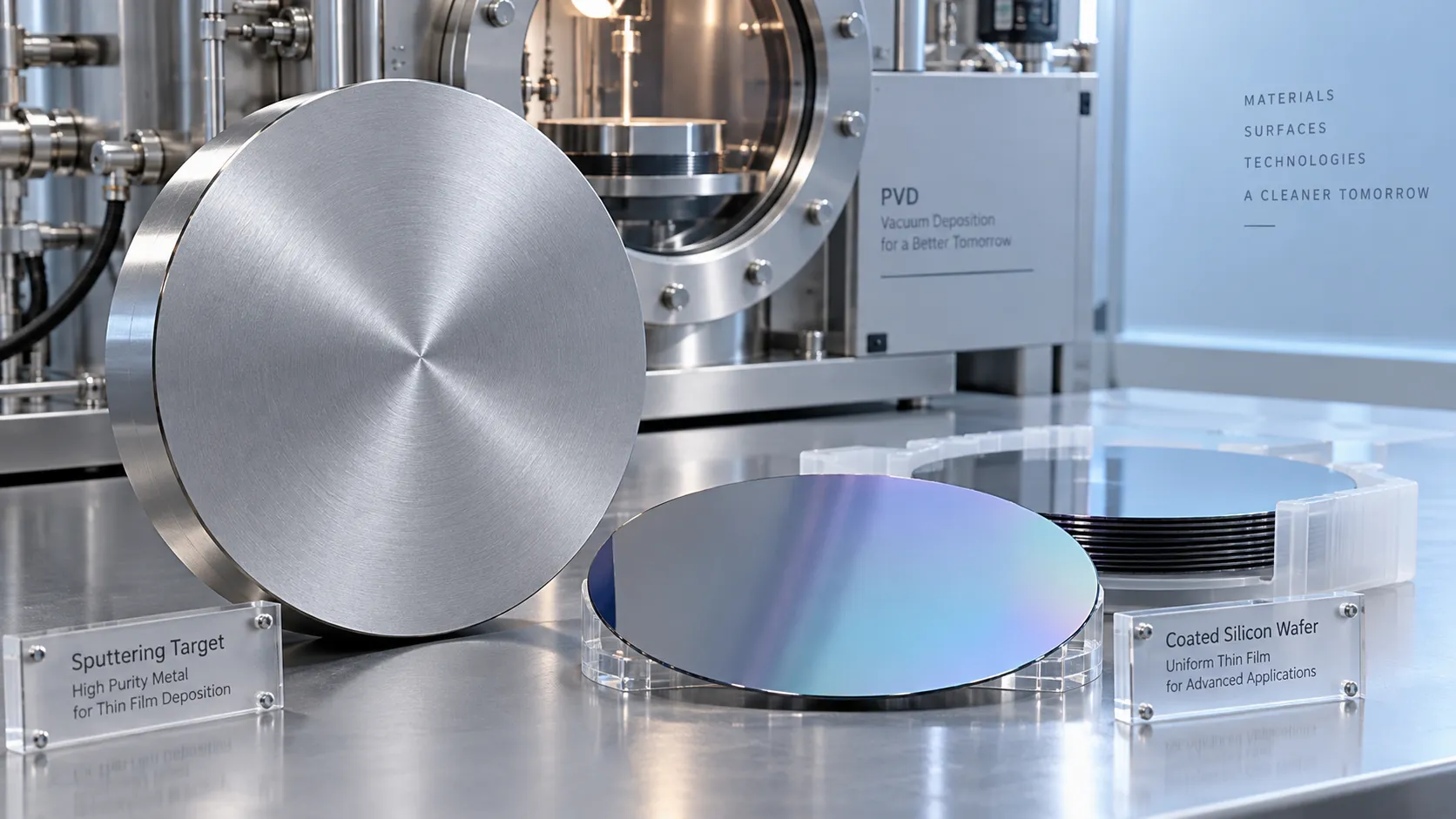
How does the purity of sputtering targets affect thin-film quality?
Discover how sputtering targets affect thin-film quality. Learn to assess purity, identify harmful impurities, and choose specifications that improve coating performance.
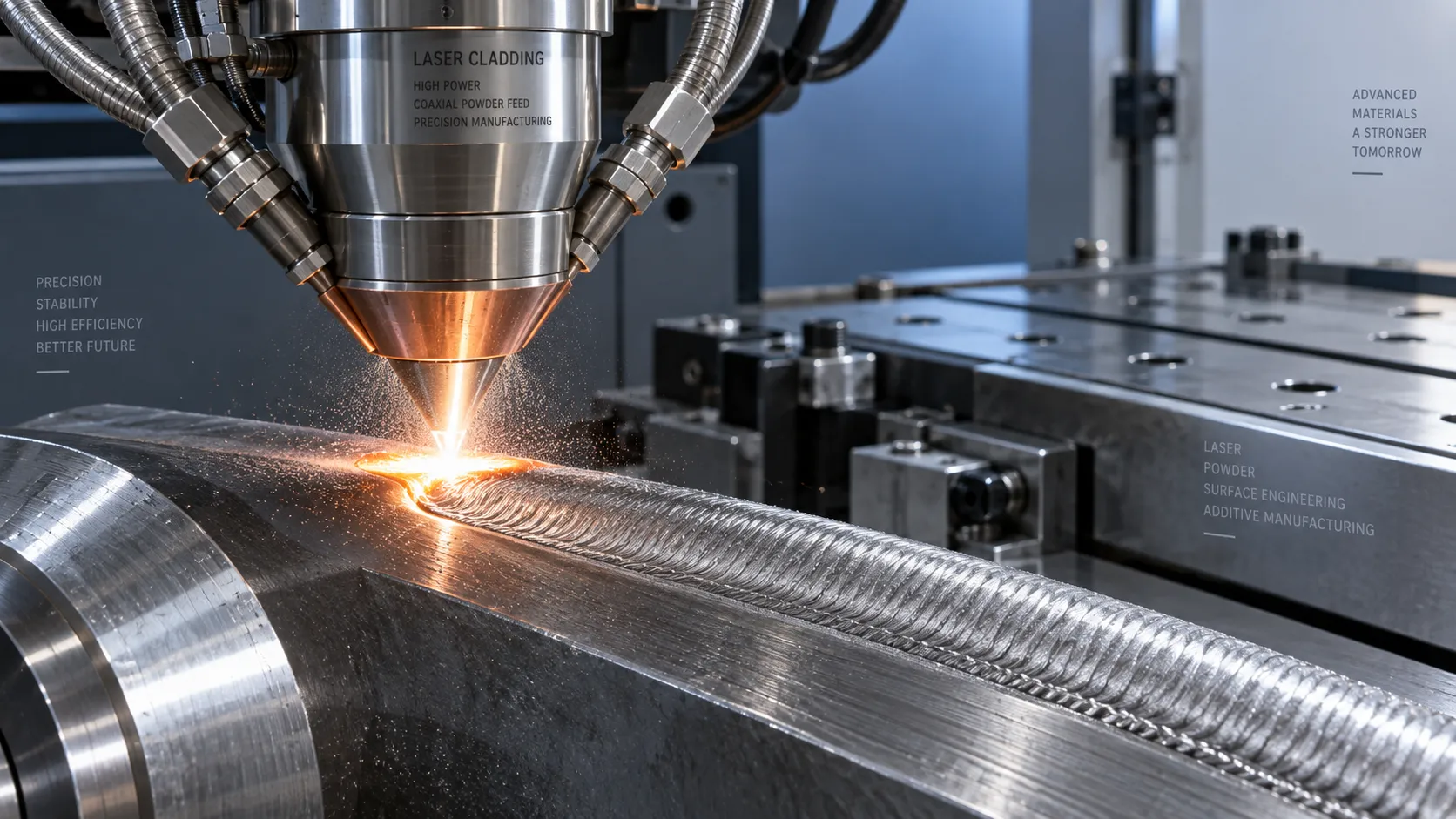
How high power laser cladding systems control substrate dilution
Discover how high power laser cladding systems control substrate dilution through beam shaping, material feed, and thermal management to deliver reliable bonds and coating performance.

How to check HS codes for customs compliance in international logistics
Strengthen international logistics customs compliance: learn how to verify HS codes, check official tariffs, and document classifications to reduce costly shipment delays.

Choosing a 3D Printing Service for Consumer Products: Finish, Fit, and Cost
Compare 3d printing consumer good services by finish, fit, materials, and total cost. Learn how to choose a reliable supplier and avoid costly defects before ordering.
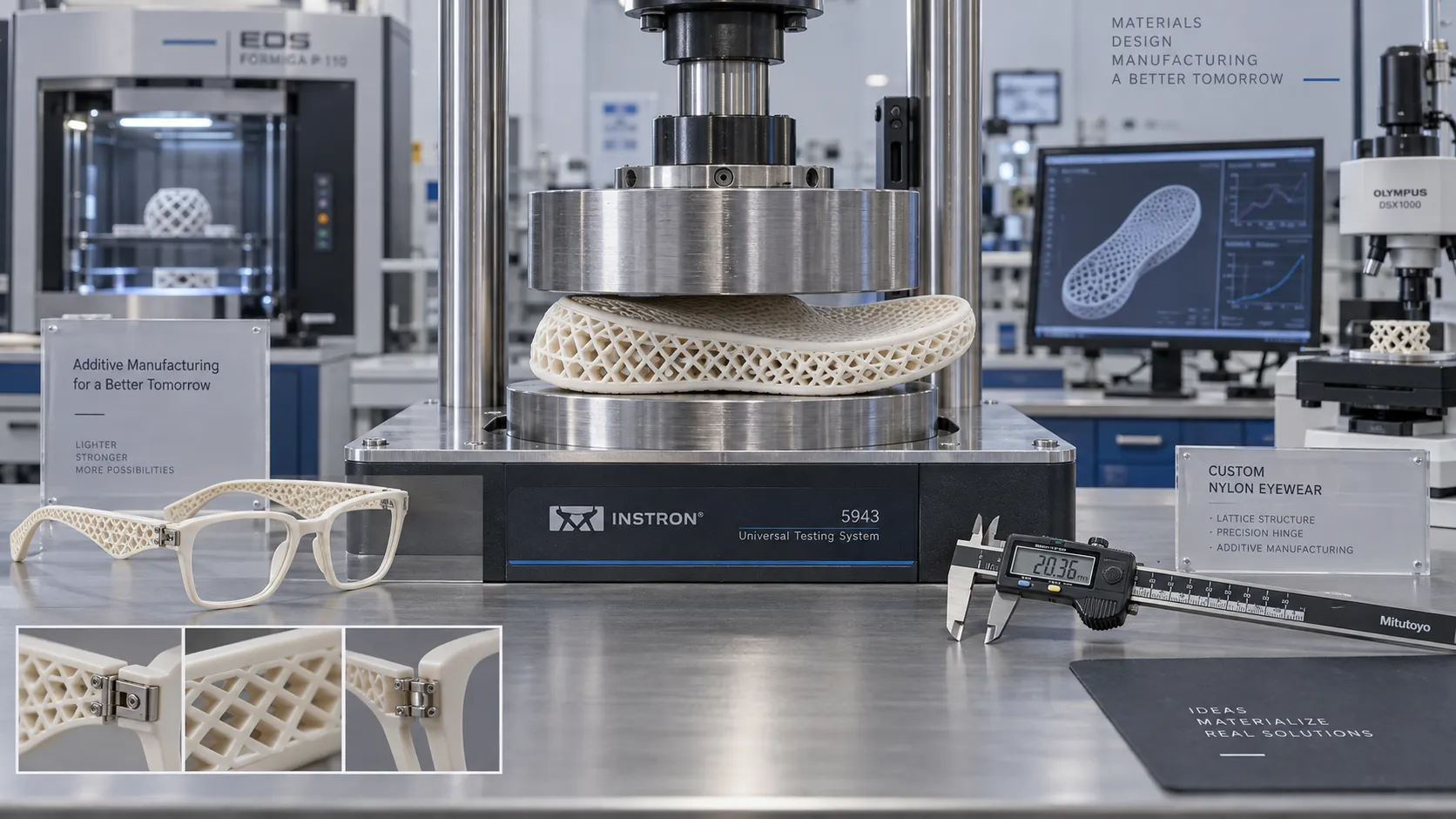
Which Consumer Goods Can Be 3D Printed, and What Are the Practical Limits?
Explore 3d printing consumer goods, from custom eyewear to replacement parts. Discover practical limits on materials, safety, and costs to make smarter production decisions.

From Prototype to Small Batch: Applying 3D Printing to Consumer Goods
Explore 3d printing in consumer goods: learn how to move from prototype to small-batch production with practical guidance on materials, quality validation, and cost control.
Related News
- 00
0000-00
How to verify part consistency before choosing a 3D printing OEM - 00
0000-00
How does a rigid cryogenic transfer line handle thermal contraction? - 00
0000-00
How much does edge vision deployment cost beyond the hardware? - 00
0000-00
How does the purity of sputtering targets affect thin-film quality? - 00
0000-00
How high power laser cladding systems control substrate dilution
Marcus Print
Weekly Insights
Stay ahead with our curated technology reports delivered every Monday.