
Future of 3D Printed Medical Implants in 2026

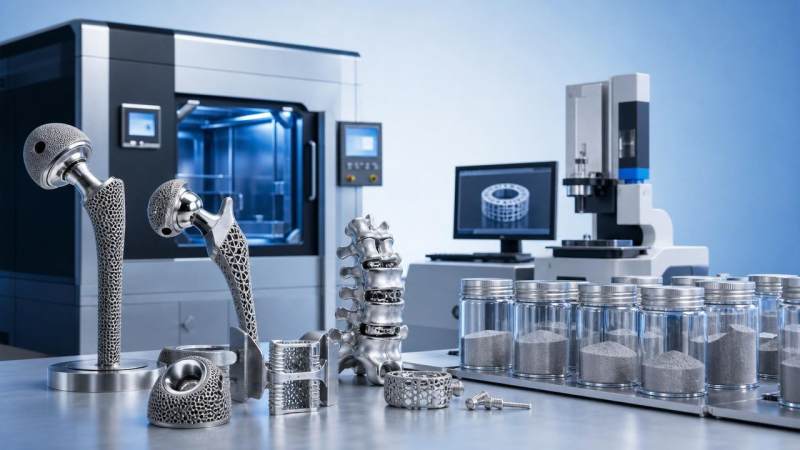
2026 marks a shift from experimental promise to industrialized implant production
The future of 3D printed medical implants in 2026 is reshaping how healthcare manufacturers, investors, and procurement leaders evaluate precision, scalability, and regulatory readiness.
As additive manufacturing advances from prototyping to certified clinical production, enterprise decision-makers must understand the materials, compliance pathways, and supply chain implications driving adoption.
This article explores the strategic trends defining the next phase of implant innovation.
In 2026, implant programs are no longer judged only by design freedom.
They are assessed by validated repeatability, material traceability, digital workflow control, and post-processing consistency.
That is why the future of 3D printed medical implants now sits at the intersection of manufacturing science, regulatory evidence, and commercial resilience.
Several market signals show the future of 3D printed medical implants is accelerating
Clinical adoption is expanding beyond niche cranial and maxillofacial cases.
Orthopedic, spinal, dental, and trauma applications now show stronger demand for porous, lightweight, patient-specific structures.
Another signal is the rise of qualified production cells instead of isolated printers.
Hospitals, device firms, and contract manufacturers increasingly require integrated design, printing, heat treatment, inspection, and documentation chains.
The future of 3D printed medical implants also reflects changing capital allocation.
Investment is moving toward software validation, powder lifecycle monitoring, and cleanroom-compatible post-processing.
This shift suggests the market values controllable quality more than simple machine count.
Why 2026 is different from earlier adoption cycles
Previous years focused on proof of concept.
Now the benchmark is whether a printed implant can move efficiently through audits, submissions, sterilization, and repeat manufacturing lots.
This makes the future of 3D printed medical implants a systems challenge, not only a design challenge.
The strongest drivers behind the future of 3D printed medical implants
Several forces are converging at the same time.
Together, they explain why 2026 is becoming a decisive year for additive implant strategies.
Materials remain central to competitive advantage
The future of 3D printed medical implants depends heavily on material behavior after printing.
Mechanical strength, fatigue resistance, porosity control, and biocompatibility must survive finishing, cleaning, and sterilization stages.
As a result, material data packages are becoming as valuable as the implant geometry itself.
The impact reaches design, production, quality, and market access at once
The future of 3D printed medical implants affects more than product engineering.
It changes how organizations structure validation plans, supplier qualification, inspection routines, and after-market documentation.
- Design teams must optimize lattices for both biological integration and manufacturability.
- Production teams must stabilize powder reuse, orientation strategy, and thermal history.
- Quality teams must connect CT scanning, dimensional inspection, and batch traceability.
- Commercial teams must explain cost, lead time, and clinical evidence with greater precision.
This broad operational effect is why the future of 3D printed medical implants cannot be managed in isolated departments.
The winning models align engineering, compliance, and supply chain governance from the beginning.
Supply chain logic is changing with additive manufacturing
Traditional implant supply chains centered on tooling, inventory, and long forecast cycles.
The future of 3D printed medical implants favors digital inventories, low-volume flexibility, and faster design iteration.
However, this creates new dependencies around powder sources, qualified software, and certified post-processing partners.
The most important signals to watch through 2026
Not every trend has equal strategic weight.
The following priorities offer a practical lens for evaluating the future of 3D printed medical implants.
- Validation depth: Build qualification, post-process controls, and final inspection must be linked.
- Material transparency: Powder batch history and reuse thresholds need documented limits.
- Software governance: Design files, slicing parameters, and machine settings require version control.
- Clinical evidence: Performance claims should connect with real outcomes, not only lab data.
- Cross-border compliance: Global submissions demand consistent technical files and harmonized records.
- Inspection capability: CT, optical metrology, and surface analysis will define release confidence.
These indicators reveal whether an implant program is truly industrializing or still operating at prototype maturity.
A practical response framework can reduce risk and improve readiness
The future of 3D printed medical implants rewards structured preparation.
A useful approach is to assess readiness across technical, regulatory, and operational dimensions at the same time.
Benchmarking will become a strategic differentiator
Because implant programs involve many variables, benchmarking against recognized standards is becoming essential.
The future of 3D printed medical implants will favor organizations that compare machines, powders, inspection systems, and workflows using verifiable metrics.
That aligns directly with broader industrial expectations around ISO, ASTM, and evidence-based qualification.
The next move is to turn trend awareness into controlled execution
The future of 3D printed medical implants is not defined by hype.
It is defined by whether design innovation can be translated into repeatable, inspectable, and compliant manufacturing outcomes.
In 2026, the most durable advantage will come from strong material intelligence, integrated quality systems, and disciplined supplier ecosystems.
A practical next step is to review current implant workflows against additive-specific validation gaps.
Then prioritize material data integrity, digital traceability, and inspection capability before expanding volumes or clinical scope.
For organizations tracking the future of 3D printed medical implants, readiness now depends on evidence, not assumptions.
Those that build around measurable control will be better positioned for certification, market access, and long-term industrial credibility.
Related News
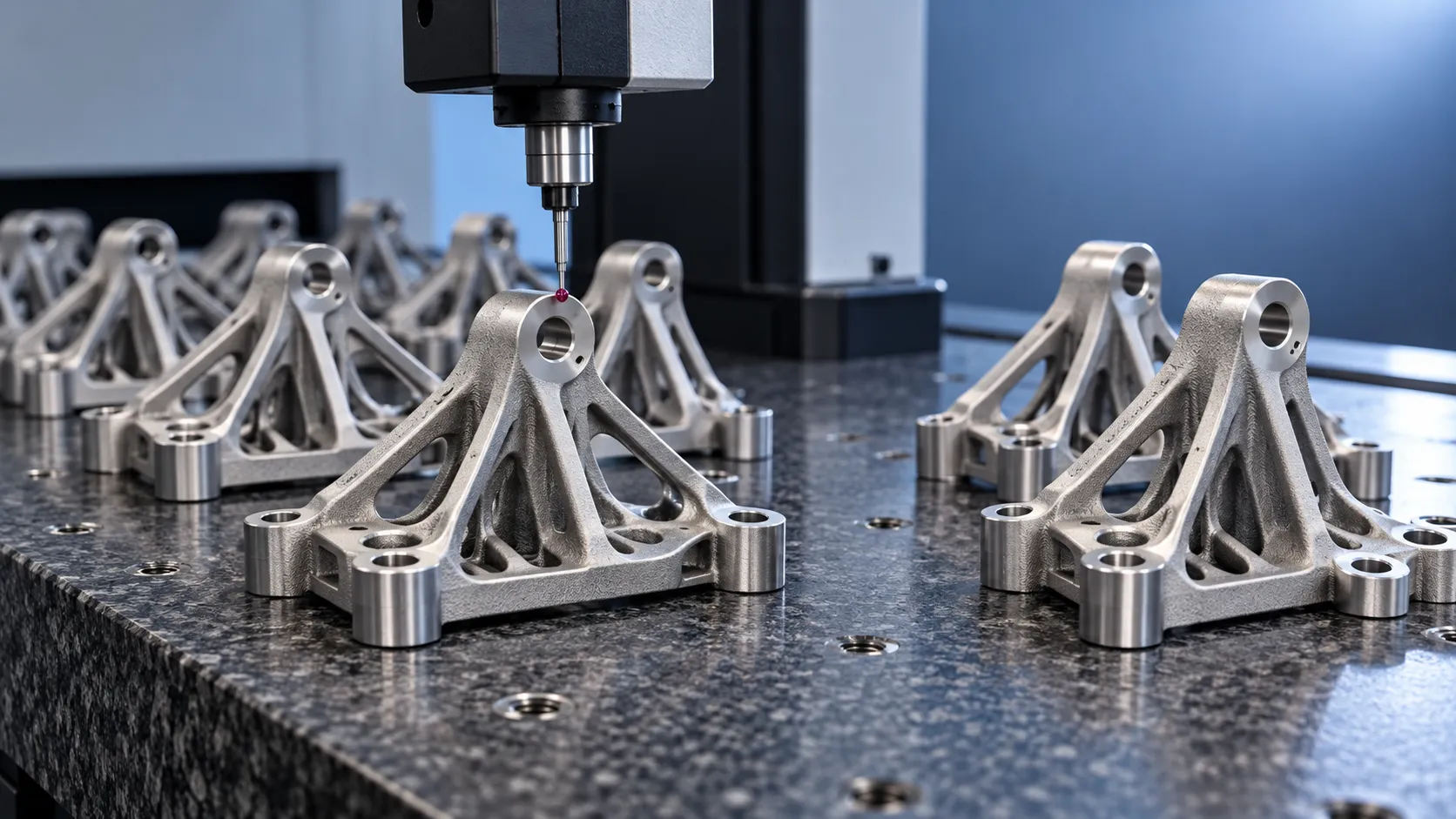
How to verify part consistency before choosing a 3D printing OEM
Choosing a 3D printing OEM? Learn how to verify part consistency with repeat-build trials, validated inspections, and traceability checks before committing to production.
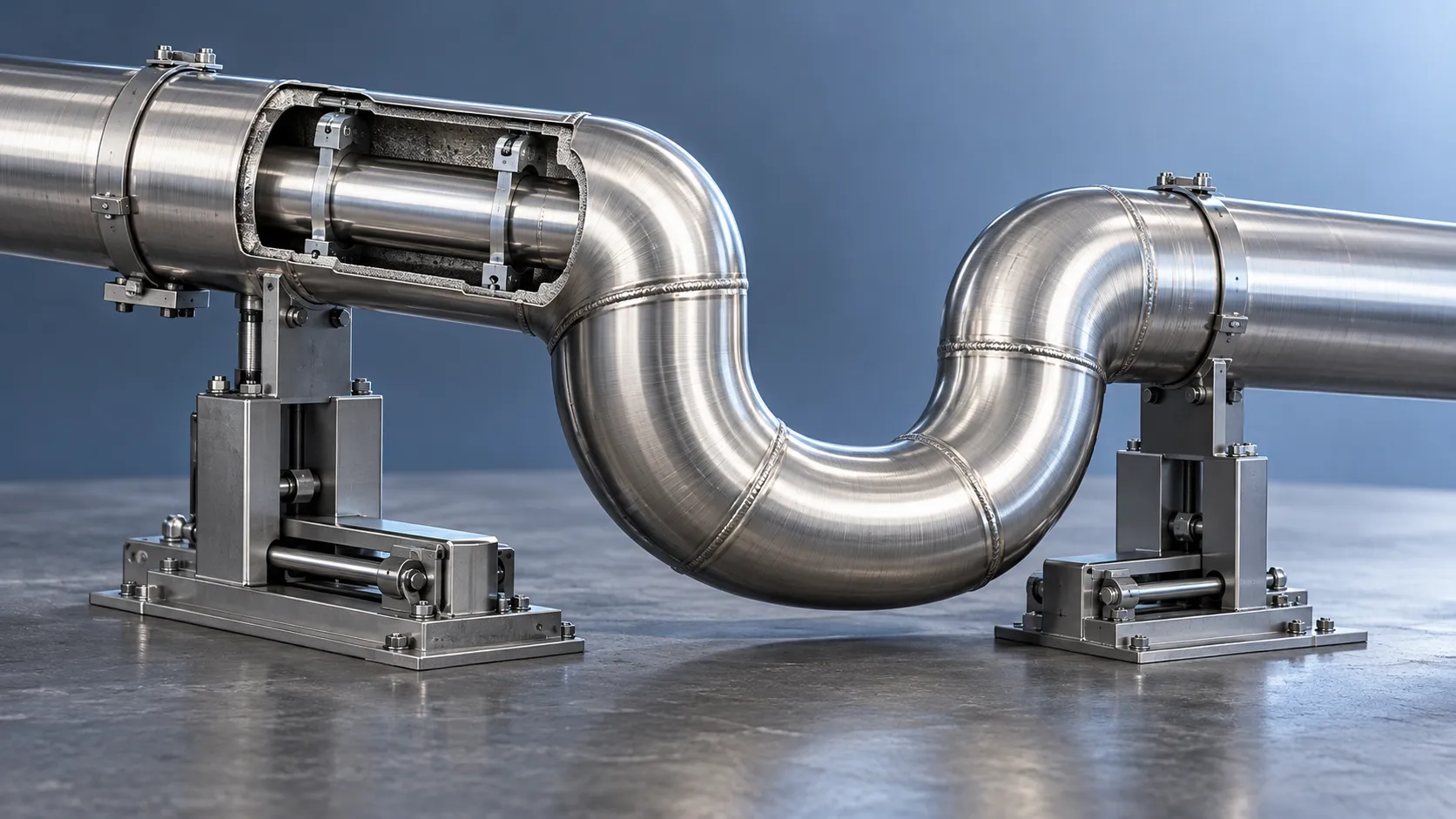
How does a rigid cryogenic transfer line handle thermal contraction?
Learn how a rigid cryogenic transfer line manages thermal contraction with bends, bellows, and guided supports. Discover key design checks for safe, reliable cryogenic performance.
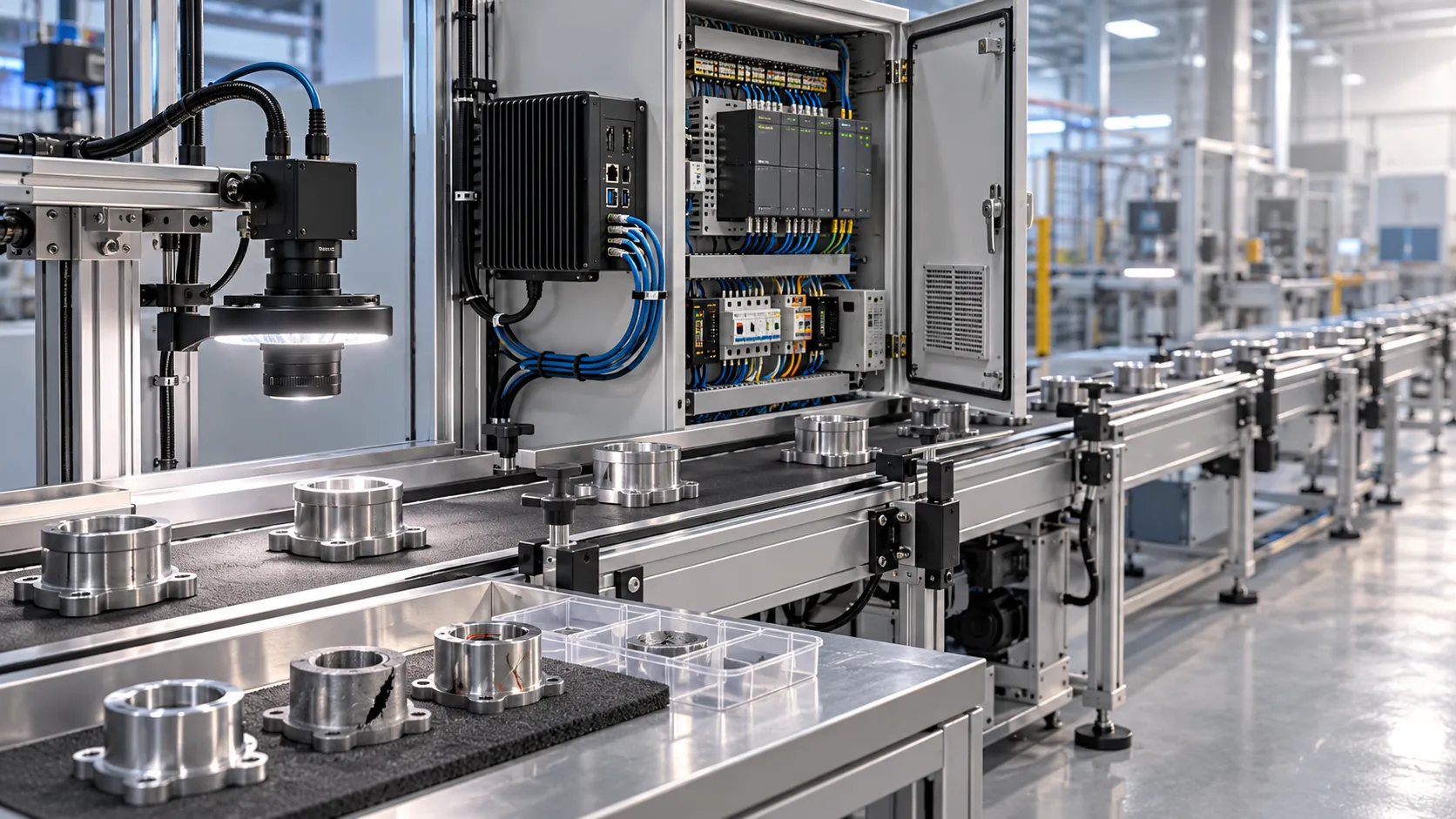
How much does edge vision deployment cost beyond the hardware?
Understand edge vision deployment cost beyond hardware, from data and integration to security and support. Uncover hidden expenses and build a smarter lifecycle budget before you scale.
How does the purity of sputtering targets affect thin-film quality?
Discover how sputtering targets affect thin-film quality. Learn to assess purity, identify harmful impurities, and choose specifications that improve coating performance.
How high power laser cladding systems control substrate dilution
Discover how high power laser cladding systems control substrate dilution through beam shaping, material feed, and thermal management to deliver reliable bonds and coating performance.

How to check HS codes for customs compliance in international logistics
Strengthen international logistics customs compliance: learn how to verify HS codes, check official tariffs, and document classifications to reduce costly shipment delays.
Choosing a 3D Printing Service for Consumer Products: Finish, Fit, and Cost
Compare 3d printing consumer good services by finish, fit, materials, and total cost. Learn how to choose a reliable supplier and avoid costly defects before ordering.
Which Consumer Goods Can Be 3D Printed, and What Are the Practical Limits?
Explore 3d printing consumer goods, from custom eyewear to replacement parts. Discover practical limits on materials, safety, and costs to make smarter production decisions.
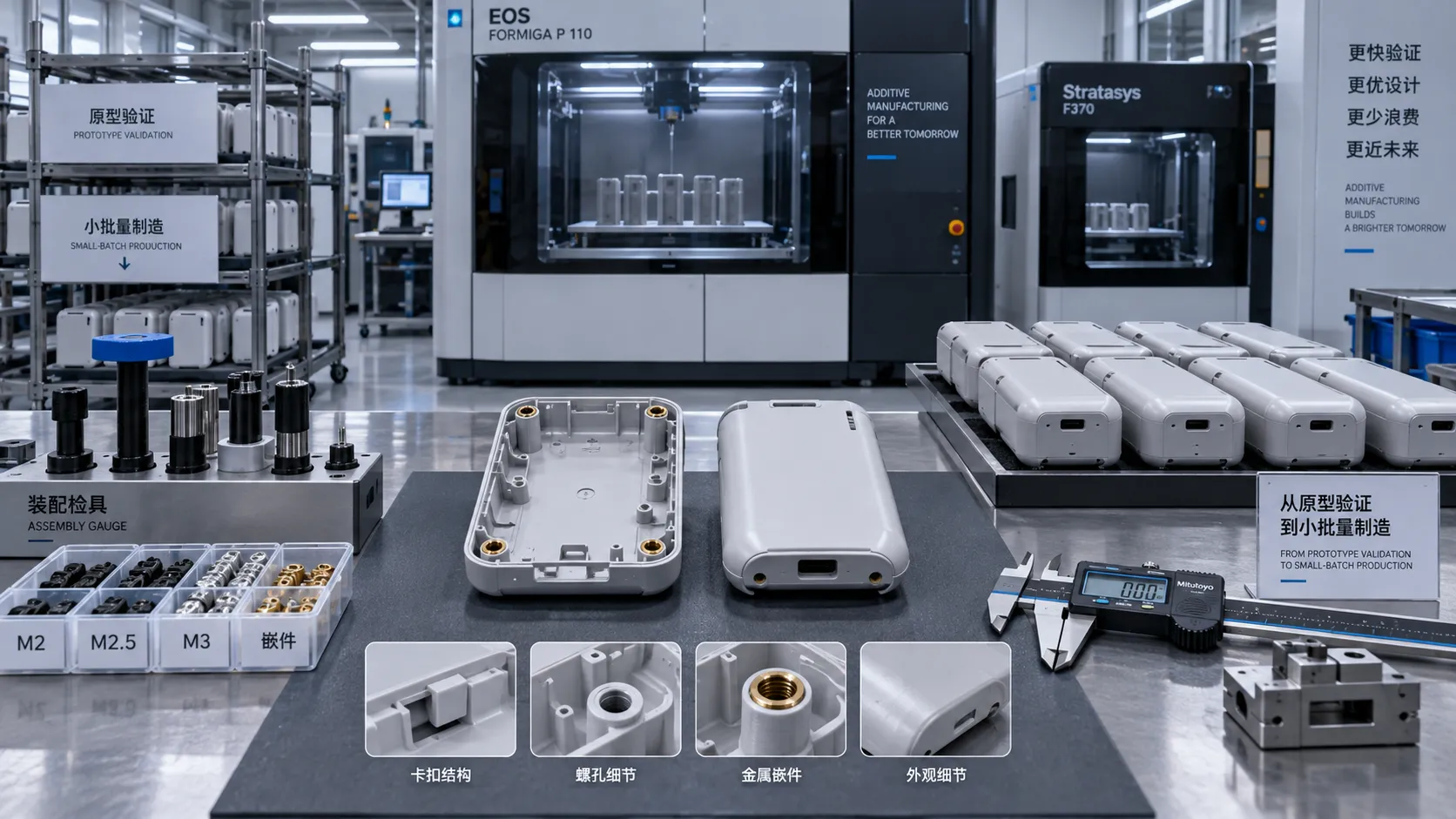
From Prototype to Small Batch: Applying 3D Printing to Consumer Goods
Explore 3d printing in consumer goods: learn how to move from prototype to small-batch production with practical guidance on materials, quality validation, and cost control.
Related News
- 00
0000-00
How to verify part consistency before choosing a 3D printing OEM - 00
0000-00
How does a rigid cryogenic transfer line handle thermal contraction? - 00
0000-00
How much does edge vision deployment cost beyond the hardware? - 00
0000-00
How does the purity of sputtering targets affect thin-film quality? - 00
0000-00
How high power laser cladding systems control substrate dilution
Marcus Print
Weekly Insights
Stay ahead with our curated technology reports delivered every Monday.