
Metal 3D Printing Cost Reduction Trends in 2026

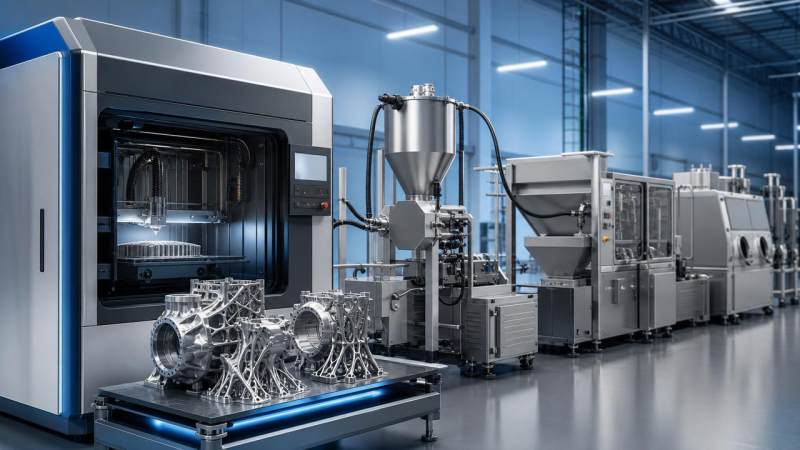
As industrial buyers tighten ROI requirements, metal 3d printing cost reduction trends in 2026 are moving from technical interest to board-level priority.
The market is no longer asking whether metal additive manufacturing works. It is asking where cost falls fast enough to justify scaled deployment.
That shift matters across aerospace, medical, energy, tooling, defense, and industrial equipment. Cost now determines which applications leave pilot programs and enter volume production.
In 2026, the strongest savings signals come from powder utilization, build productivity, automation, qualification efficiency, and supply chain redesign.
This article examines the most important metal 3d printing cost reduction trends and explains how to evaluate them without sacrificing quality, compliance, or scalability.
Why 2026 marks a turning point for metal 3D printing economics
Several market signals are converging. Machine capacity is expanding, software is maturing, and buyers now compare additive economics against optimized conventional production, not prototypes.
At the same time, energy costs, labor pressures, and geopolitical supply risks are pushing firms toward more flexible manufacturing models.
This creates a favorable window for metal 3d printing cost reduction trends. Savings are no longer based on one breakthrough alone.
Instead, cost declines are emerging from system-level optimization. The winning model combines hardware, software, materials, workflow automation, and qualification discipline.
The cost conversation is shifting from unit price to total production cost
In earlier adoption phases, attention centered on machine price and powder cost. In 2026, the better metric is total cost per qualified part delivered on schedule.
That includes machine utilization, scrap, operator time, post-processing, inspection, compliance documentation, and inventory exposure.
This broader view is why metal 3d printing cost reduction trends are gaining momentum across enterprise manufacturing strategies.
The strongest cost reduction drivers are becoming measurable
The key drivers behind 2026 cost improvement can now be benchmarked with greater precision across production environments.
Each factor matters individually. Combined, they define the most credible metal 3d printing cost reduction trends for 2026 and beyond.
Powder, productivity, and automation are leading the next savings wave
Powder management is becoming a major economic lever
Metal powder remains a large share of production cost. In 2026, efficiency gains come from better recycling protocols, lower contamination rates, and more consistent batch tracking.
Better powder data also reduces failed builds. That benefit is often larger than the direct material savings alone.
Build productivity is improving beyond simple laser count
More lasers do not automatically deliver lower cost. True savings depend on calibration consistency, thermal control, nesting efficiency, and uptime.
The best systems now target stable throughput, not theoretical speed. That distinction is central to realistic metal 3d printing cost reduction trends.
Automation is reducing hidden labor costs
Manual powder handling, build removal, and job preparation create delays, safety exposure, and quality variation.
Automated workflows reduce these losses. They also support better repeatability, which lowers inspection burden and improves schedule confidence.
Qualification and compliance are becoming cost reduction tools, not cost burdens
One important 2026 shift is that qualification discipline now supports lower cost. It no longer functions only as a gatekeeping expense.
Digital process records, in-situ monitoring, and standardized parameter sets reduce rework, speed approval cycles, and simplify audit preparation.
This is especially relevant where ISO, ASTM, SEMI, or sector-specific traceability requirements shape supplier selection.
- Faster first-article approval lowers launch cost.
- Process consistency reduces destructive testing volume.
- Structured data packages improve customer and regulator confidence.
- Closed-loop quality systems reduce deviation-related scrap.
These developments reinforce the most durable metal 3d printing cost reduction trends because they scale across programs and regions.
Supply chain redesign is expanding the business case
Many 2026 cost wins come from outside the printer itself. Additive manufacturing can shorten supply chains, reduce tooling dependency, and lower spare part inventory.
This matters most when demand is volatile, parts are complex, or logistics lead times are unstable.
A part that looks expensive on a machine-hour basis may become cheaper when procurement delay, tooling amortization, and stock carrying cost are included.
Where the supply chain impact is strongest
- Low-volume, high-complexity industrial components
- Spare parts with long legacy tooling cycles
- Assemblies suitable for consolidation into single builds
- Programs exposed to cross-border sourcing risk
These areas will likely generate the fastest returns from metal 3d printing cost reduction trends in 2026.
The impact will differ across functions and operating models
Cost reduction does not affect every business function in the same way. Some teams benefit from lower unit economics, while others gain from risk and lead-time improvements.
Understanding these differences helps organizations prioritize the right metal 3d printing cost reduction trends for each application family.
The most important signals to watch over the next 12 months
Not every cost claim will translate into durable advantage. Several indicators deserve close attention before expansion decisions are made.
- Qualified cost per part, not advertised machine speed
- Powder reuse rate supported by metallurgical evidence
- Post-processing hours per finished component
- Digital traceability depth across the entire workflow
- Part families that can benefit from consolidation
- Qualification cycle time under customer or regulatory standards
- Localized production value in high-risk supply chains
These metrics provide a more reliable view of real metal 3d printing cost reduction trends than headline technology announcements.
A practical response framework for 2026 planning
The most effective response is phased, data-driven, and application-specific. A broad rollout without economic segmentation often destroys the savings it aims to capture.
- Map parts by complexity, annual volume, certification burden, and supply risk.
- Compare additive cost against full landed cost of conventional sourcing.
- Pilot automation and powder-control upgrades before fleet-scale investment.
- Standardize qualification data structures across sites and suppliers.
- Track savings by qualified output, not by equipment utilization alone.
This framework aligns well with the benchmarking-driven approach used across advanced industrial technology environments.
In 2026, the leading metal 3d printing cost reduction trends will come from disciplined integration, not isolated hardware purchases.
What happens next depends on execution quality
Metal additive manufacturing is entering a more demanding economic phase. The technology advantage remains strong, but cost discipline now decides adoption speed.
Organizations that benchmark powder strategy, throughput stability, automation maturity, and qualification efficiency will identify the most bankable opportunities.
The next step is clear: review application portfolios, validate full-cost assumptions, and build a measurable roadmap around the most credible metal 3d printing cost reduction trends.
Those that move early with verified technical data and compliance-aware planning will be better positioned for scalable, lower-risk adoption in 2026 and after.
Related News
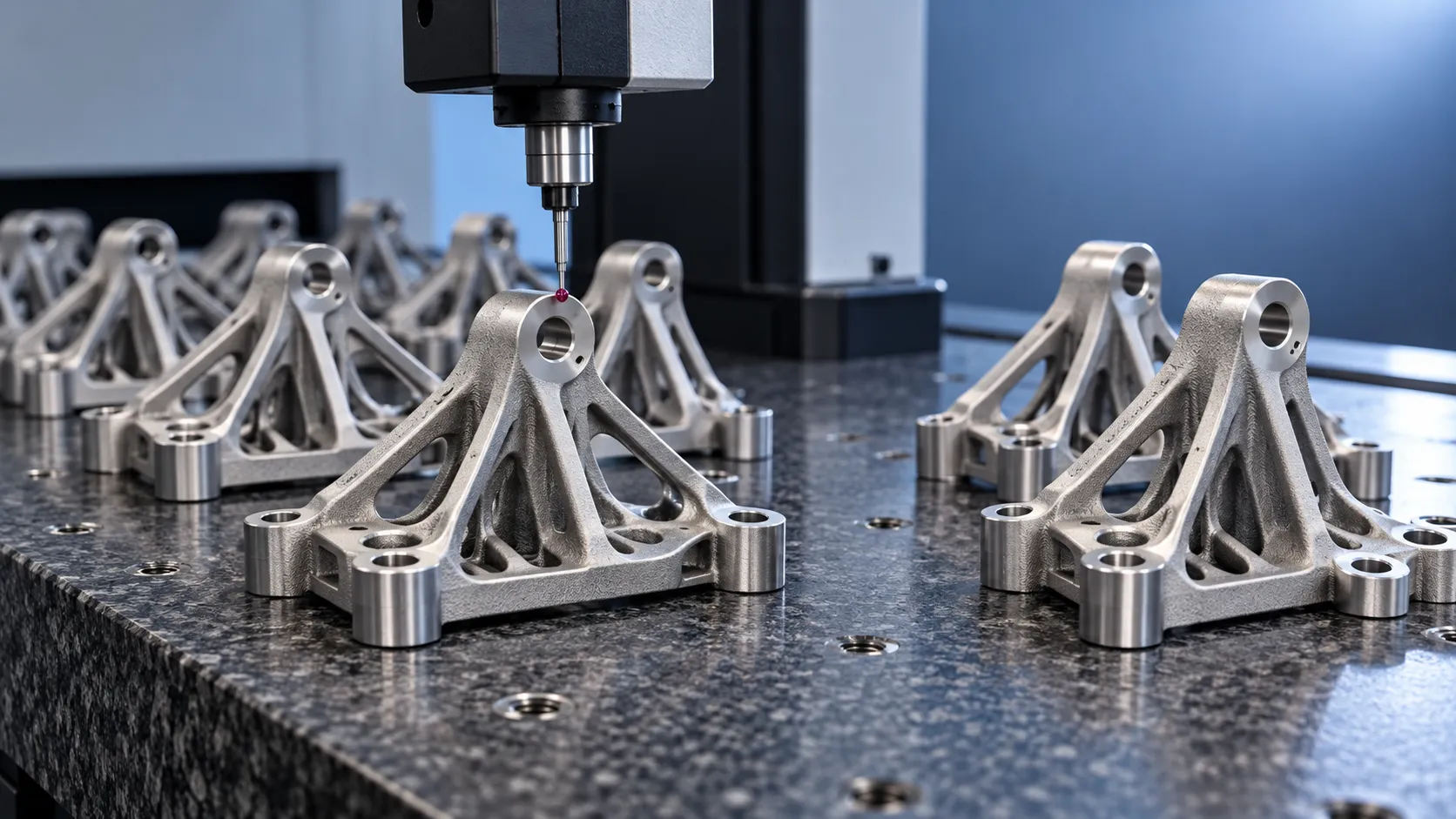
How to verify part consistency before choosing a 3D printing OEM
Choosing a 3D printing OEM? Learn how to verify part consistency with repeat-build trials, validated inspections, and traceability checks before committing to production.
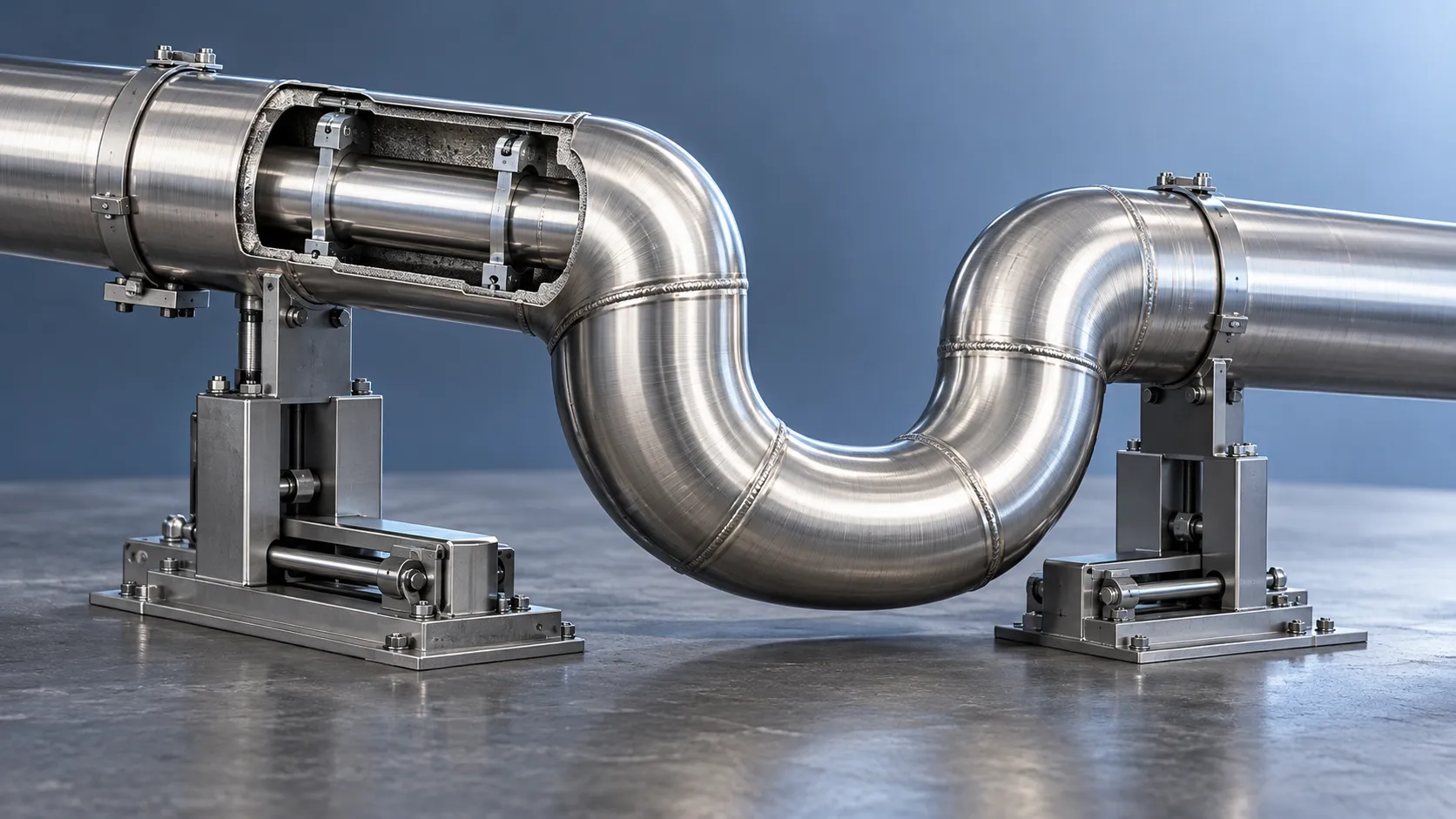
How does a rigid cryogenic transfer line handle thermal contraction?
Learn how a rigid cryogenic transfer line manages thermal contraction with bends, bellows, and guided supports. Discover key design checks for safe, reliable cryogenic performance.
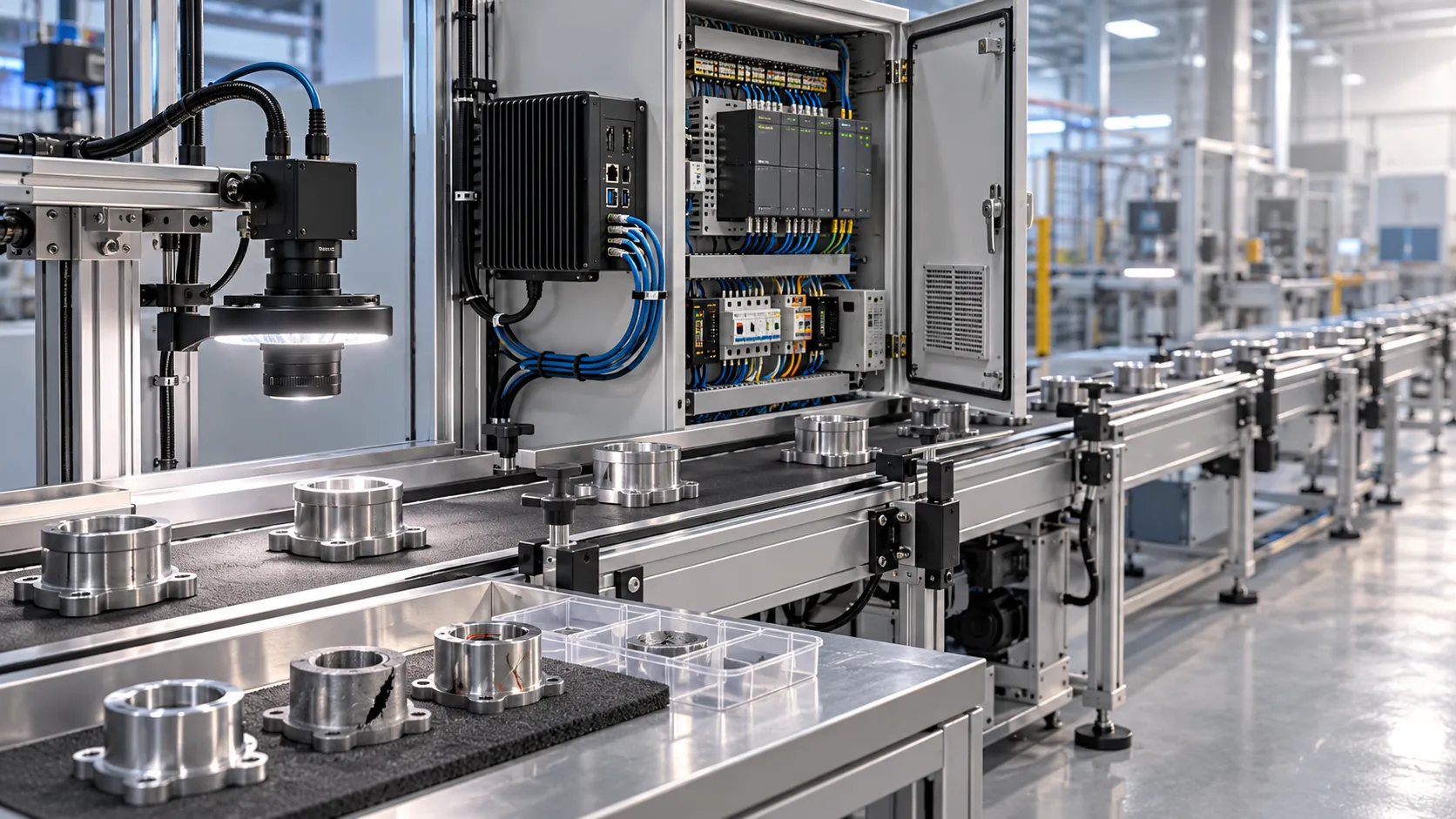
How much does edge vision deployment cost beyond the hardware?
Understand edge vision deployment cost beyond hardware, from data and integration to security and support. Uncover hidden expenses and build a smarter lifecycle budget before you scale.
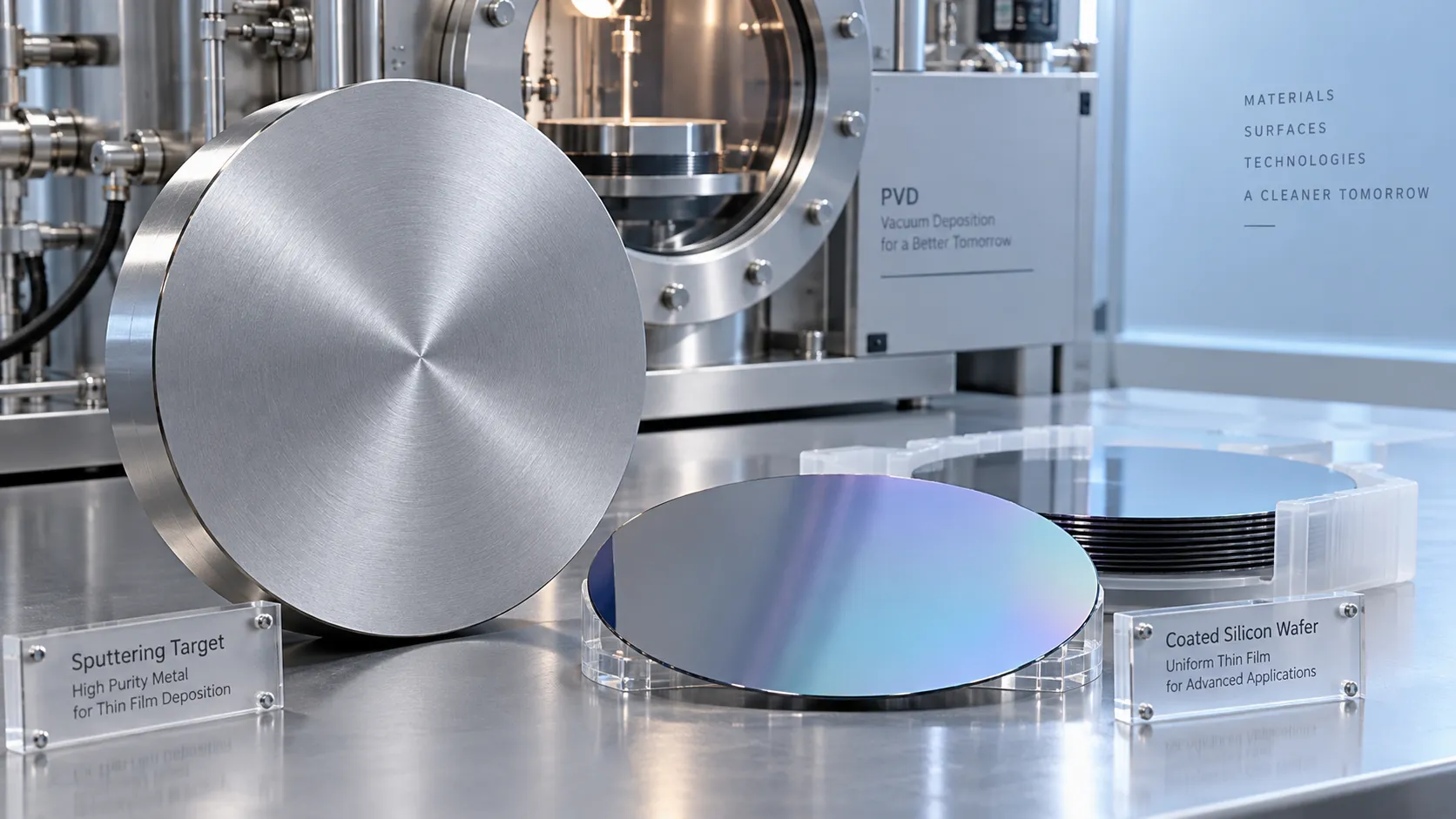
How does the purity of sputtering targets affect thin-film quality?
Discover how sputtering targets affect thin-film quality. Learn to assess purity, identify harmful impurities, and choose specifications that improve coating performance.
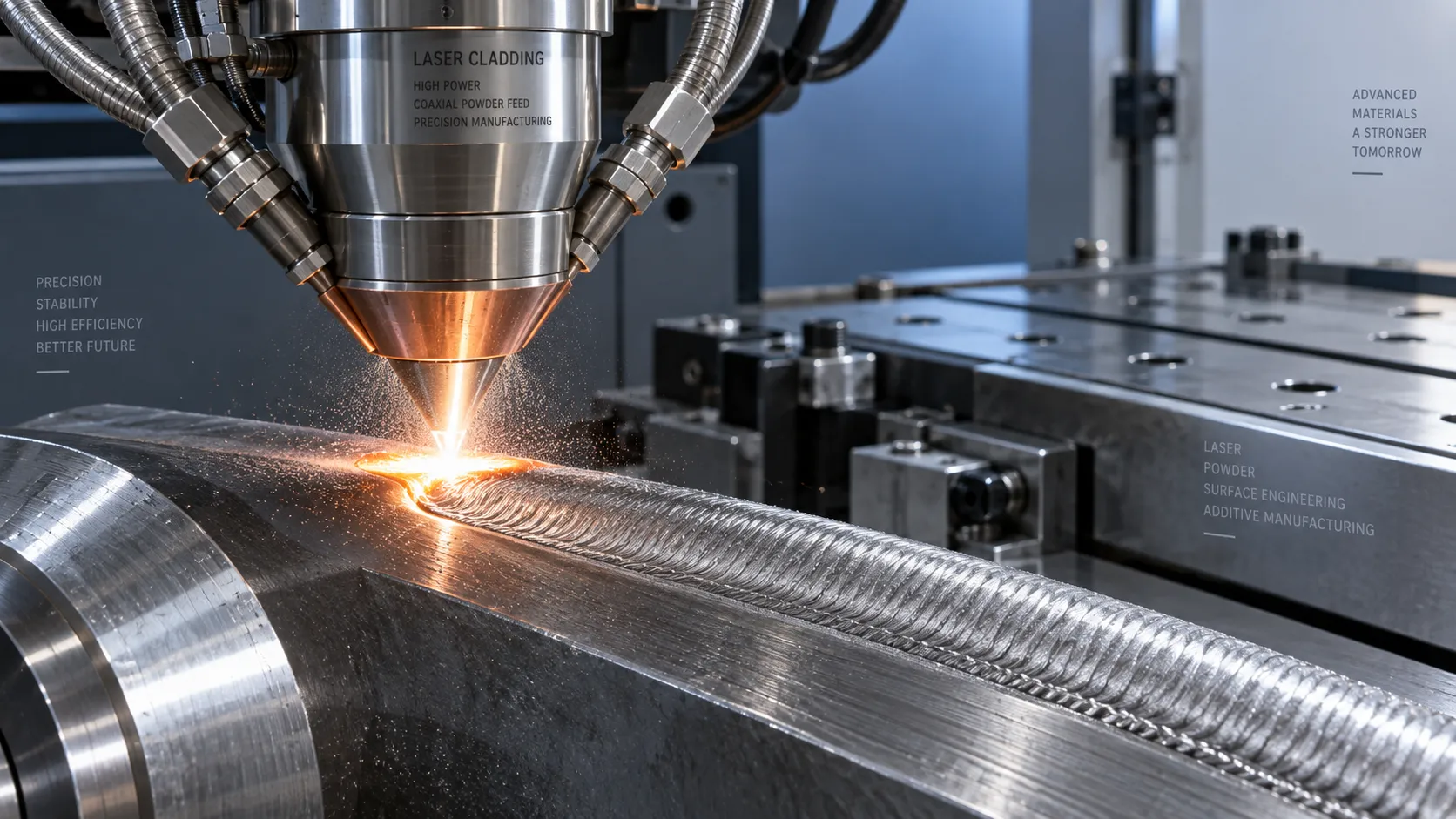
How high power laser cladding systems control substrate dilution
Discover how high power laser cladding systems control substrate dilution through beam shaping, material feed, and thermal management to deliver reliable bonds and coating performance.

How to check HS codes for customs compliance in international logistics
Strengthen international logistics customs compliance: learn how to verify HS codes, check official tariffs, and document classifications to reduce costly shipment delays.
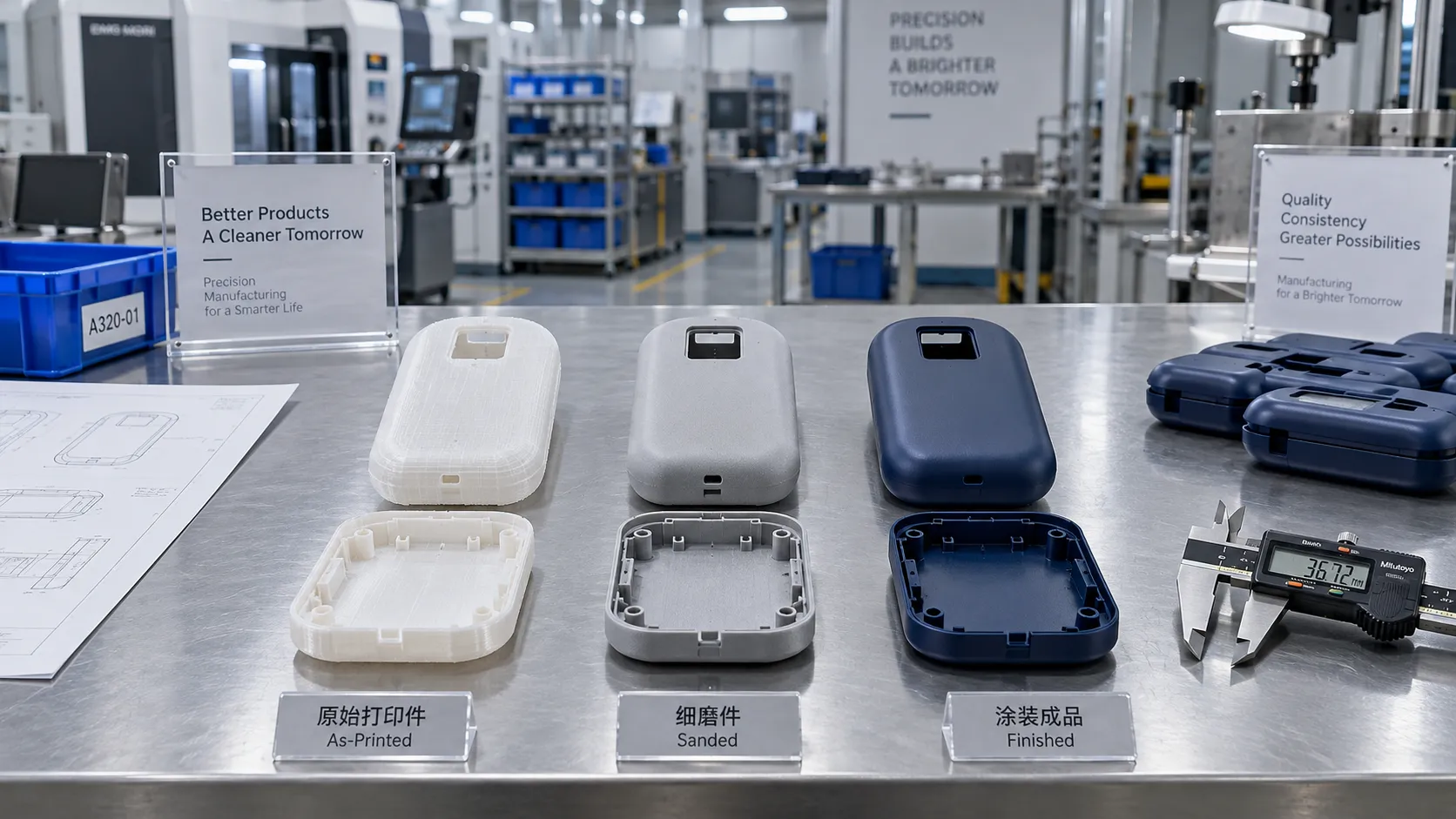
Choosing a 3D Printing Service for Consumer Products: Finish, Fit, and Cost
Compare 3d printing consumer good services by finish, fit, materials, and total cost. Learn how to choose a reliable supplier and avoid costly defects before ordering.
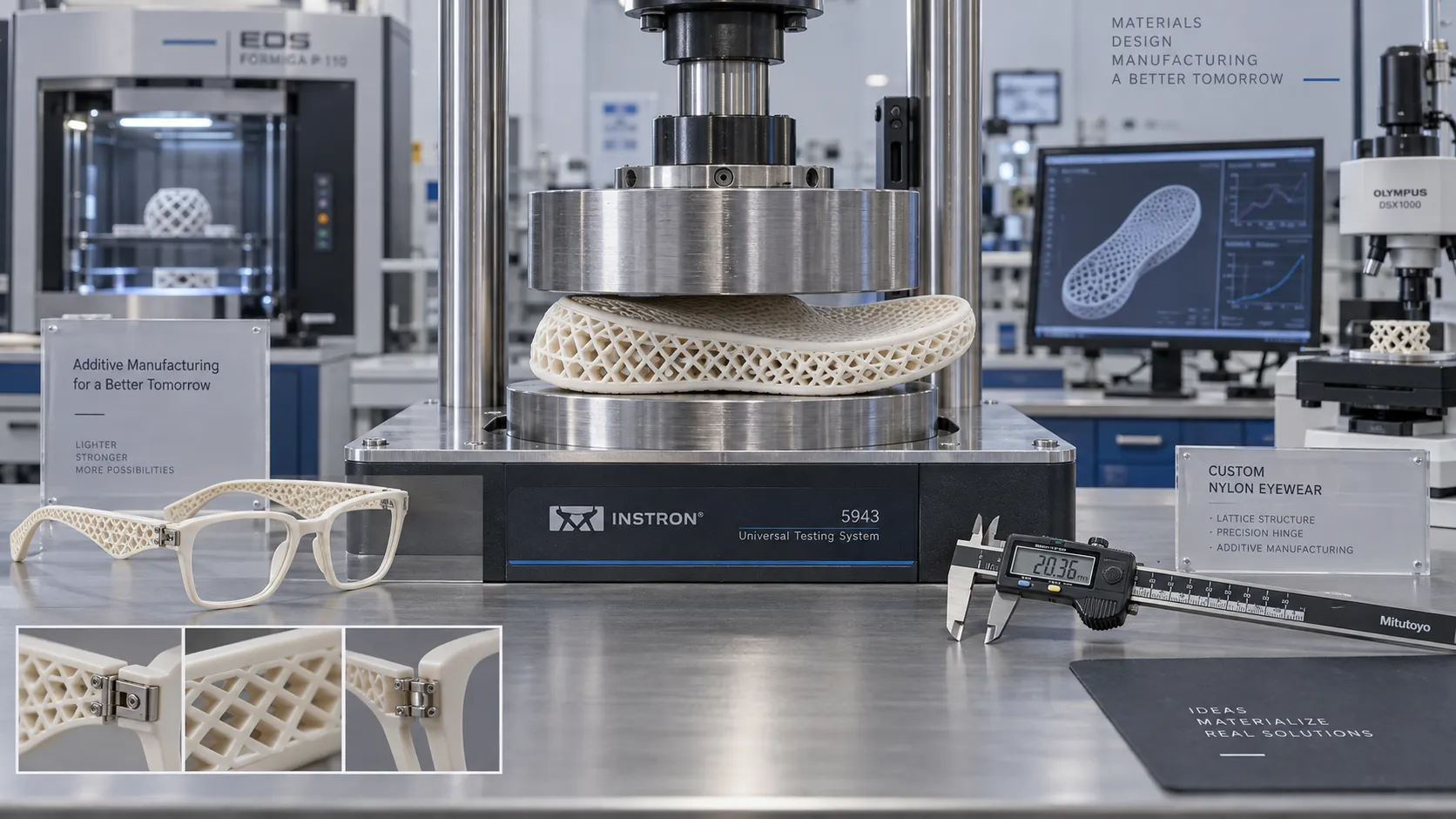
Which Consumer Goods Can Be 3D Printed, and What Are the Practical Limits?
Explore 3d printing consumer goods, from custom eyewear to replacement parts. Discover practical limits on materials, safety, and costs to make smarter production decisions.

From Prototype to Small Batch: Applying 3D Printing to Consumer Goods
Explore 3d printing in consumer goods: learn how to move from prototype to small-batch production with practical guidance on materials, quality validation, and cost control.
Related News
- 00
0000-00
How to verify part consistency before choosing a 3D printing OEM - 00
0000-00
How does a rigid cryogenic transfer line handle thermal contraction? - 00
0000-00
How much does edge vision deployment cost beyond the hardware? - 00
0000-00
How does the purity of sputtering targets affect thin-film quality? - 00
0000-00
How high power laser cladding systems control substrate dilution
Marcus Print
Weekly Insights
Stay ahead with our curated technology reports delivered every Monday.