
How to assess a 3d printing metal powder supplier

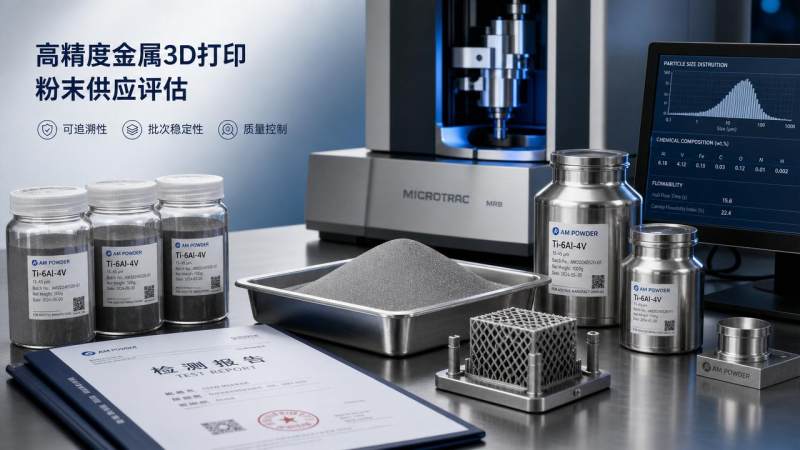
Choosing a reliable 3d printing metal powder supplier now carries more strategic weight than ever. Metal additive manufacturing has moved beyond prototyping into regulated, high-value production.
As applications expand in aerospace, medical, energy, tooling, and precision engineering, supplier assessment must address not only price, but also powder behavior, risk exposure, and long-term process stability.
A weak supplier can introduce particle inconsistency, oxygen drift, contamination, or documentation gaps. Those failures may affect density, fatigue life, part qualification, and downstream compliance.
This guide explains how to assess a 3d printing metal powder supplier through current industry changes, technical warning signs, and practical evaluation checkpoints that support safer, more predictable additive manufacturing.
Why supplier assessment standards are rising across metal additive manufacturing
The evaluation bar for every 3d printing metal powder supplier is rising because metal AM is entering qualification-driven production environments. Performance variation is no longer tolerated as a normal development risk.
Buyers increasingly expect batch reproducibility, full traceability, and validated chemistry windows. Powder is now treated as a process-critical input, not a simple consumable.
Another trend is the expansion of closed-loop quality systems. Powder data is being linked with machine parameters, melt pool behavior, heat treatment records, and final inspection results.
This means a 3d printing metal powder supplier must support digital documentation, lot tracking, and root-cause analysis. Suppliers that only offer basic certificates may struggle in advanced industrial programs.
Key trend signals now visible in the market
- More demand for aerospace-grade and medical-grade powder documentation.
- Higher scrutiny of reused powder performance and refresh strategies.
- Growing preference for suppliers with atomization process transparency.
- Broader use of ASTM and ISO-linked qualification workflows.
- Greater concern over geopolitical supply continuity and export controls.
What is driving tighter review of every 3d printing metal powder supplier
Several forces are pushing organizations to assess each 3d printing metal powder supplier more rigorously. The strongest drivers come from quality assurance, certification demands, and total production economics.
The result is clear. A strong 3d printing metal powder supplier must demonstrate technical control, documentation maturity, and resilient delivery capability at the same time.
How powder quality signals affect process stability and final part risk
Supplier quality directly shapes machine performance. Powder with poor sphericity or broad particle size distribution may reduce spreadability and change layer uniformity.
If oxygen content drifts between lots, melt behavior can shift. That may alter mechanical properties, increase inclusions, or reduce repeatability in laser powder bed fusion and binder jet workflows.
An experienced 3d printing metal powder supplier should explain how atomization method, sieving, blending, and packaging influence the final powder condition delivered to production sites.
Most important technical indicators to review
- Particle size distribution and control limits by lot
- Morphology, satellite level, and apparent density
- Flowability test method and repeatability
- Chemical composition, including oxygen, nitrogen, and hydrogen
- Internal cleanliness and foreign particle prevention
- Packaging atmosphere and moisture barrier performance
These indicators should be compared with actual print outcomes. Strong supplier assessment links feedstock data to density, cracking behavior, support removal, and post-processing performance.
Which business functions feel the impact of a weak supplier most sharply
The choice of 3d printing metal powder supplier affects more than material quality. It influences validation speed, audit readiness, production uptime, and the credibility of customer delivery commitments.
When powder data is incomplete, qualification teams often repeat trials. When lots vary, machine operators may need parameter adjustments that interrupt production planning.
- Quality systems: More NCRs, more investigations, weaker audit responses.
- Engineering: More parameter retuning and reduced confidence in process windows.
- Operations: Build delays, inventory uncertainty, and scrap risk.
- Compliance: Greater exposure during customer, aviation, or medical reviews.
- Finance: Hidden cost increases through failed builds and requalification work.
This broad impact explains why evaluating a 3d printing metal powder supplier has become a cross-functional task, especially in industries where material changes trigger formal approval cycles.
The checkpoints that matter most when comparing supplier capability
A reliable assessment framework should test both current quality and future reliability. The best review process combines technical evidence, commercial stability, and site-level operational discipline.
Core evaluation priorities
- Traceability: Confirm heat, lot, atomization batch, sieve fraction, and packaging records.
- Certification: Review ISO 9001, relevant aerospace or medical controls, and testing standards used.
- Analytical depth: Check whether the 3d printing metal powder supplier provides robust COAs, PSD reports, and impurity data.
- Contamination control: Investigate equipment cleaning, segregation rules, and foreign material prevention.
- Application knowledge: Ask for alloy-specific guidance for LPBF, DED, EBM, or MIM-adjacent processes.
- Scale readiness: Verify production capacity, reserve inventory, and emergency response planning.
- Change management: Require notification rules for process, source, equipment, or specification changes.
Questions worth asking during qualification
- How is lot-to-lot consistency measured and trended?
- Which ASTM or ISO methods support powder testing?
- How are out-of-spec lots contained and investigated?
- What data is available for recycled or blended powder streams?
- How are storage, shelf life, and transport conditions validated?
How to build a forward-looking decision model instead of a price-only comparison
A low quoted price does not always mean low total cost. The right 3d printing metal powder supplier often reduces scrap, qualification delays, and process instability that remain invisible in simple sourcing comparisons.
This approach helps separate commodity sellers from a dependable 3d printing metal powder supplier capable of supporting production growth, certification pressure, and changing technical requirements.
What deserves attention next as metal powder supply becomes more data-driven
The next phase of supplier assessment will likely emphasize digital quality integration. Powder records will increasingly connect with MES platforms, machine logs, and predictive quality analytics.
Sustainability will also matter more. Expect greater scrutiny of atomization energy use, powder yield, recycling policy, and transport footprint, especially in multinational supply chains.
Another emerging issue is geopolitical resilience. A qualified 3d printing metal powder supplier should be reviewed for export restrictions, critical raw material exposure, and regional manufacturing redundancy.
Practical next steps
- Create a weighted scorecard covering quality, compliance, continuity, and support.
- Run print trials using multiple lots, not one sample batch.
- Audit documentation depth before approving commercial volume.
- Define mandatory change-notification terms in supply agreements.
- Review supplier fit against future applications, not only current jobs.
A strong supplier decision begins with measurable evidence. Assess every 3d printing metal powder supplier through traceability, powder consistency, contamination control, and long-term operational reliability before scaling critical production.
Related News
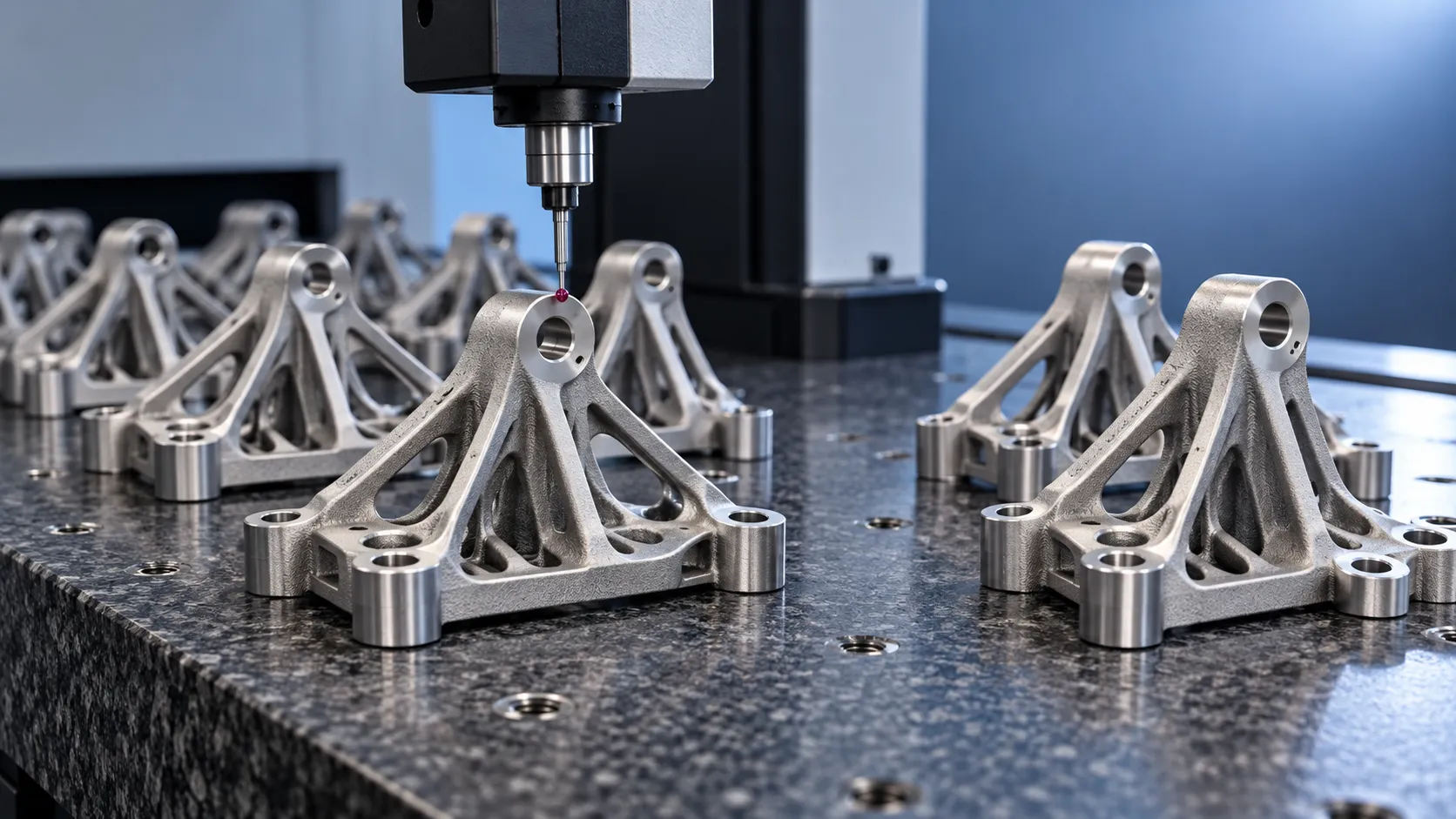
How to verify part consistency before choosing a 3D printing OEM
Choosing a 3D printing OEM? Learn how to verify part consistency with repeat-build trials, validated inspections, and traceability checks before committing to production.
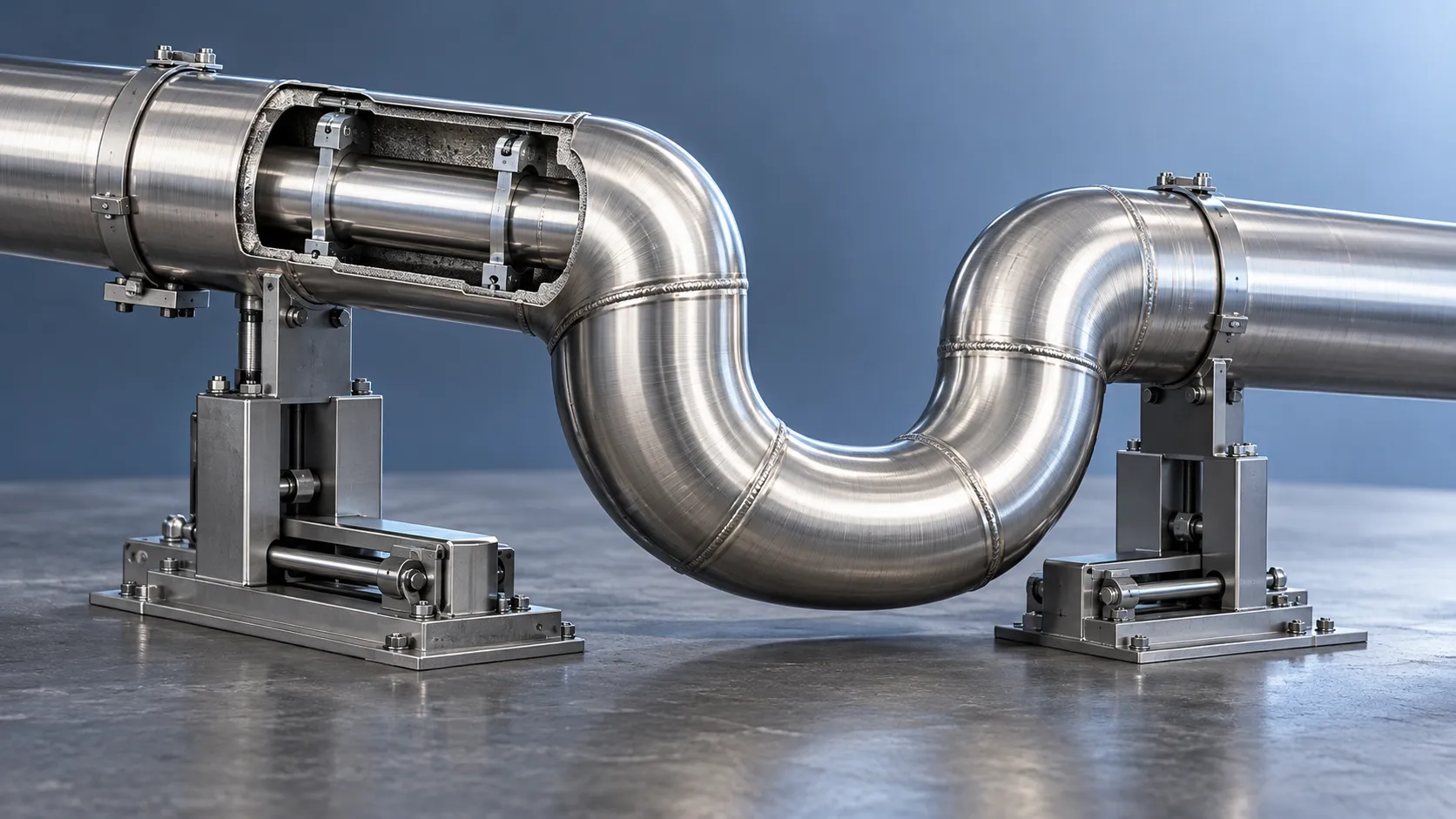
How does a rigid cryogenic transfer line handle thermal contraction?
Learn how a rigid cryogenic transfer line manages thermal contraction with bends, bellows, and guided supports. Discover key design checks for safe, reliable cryogenic performance.
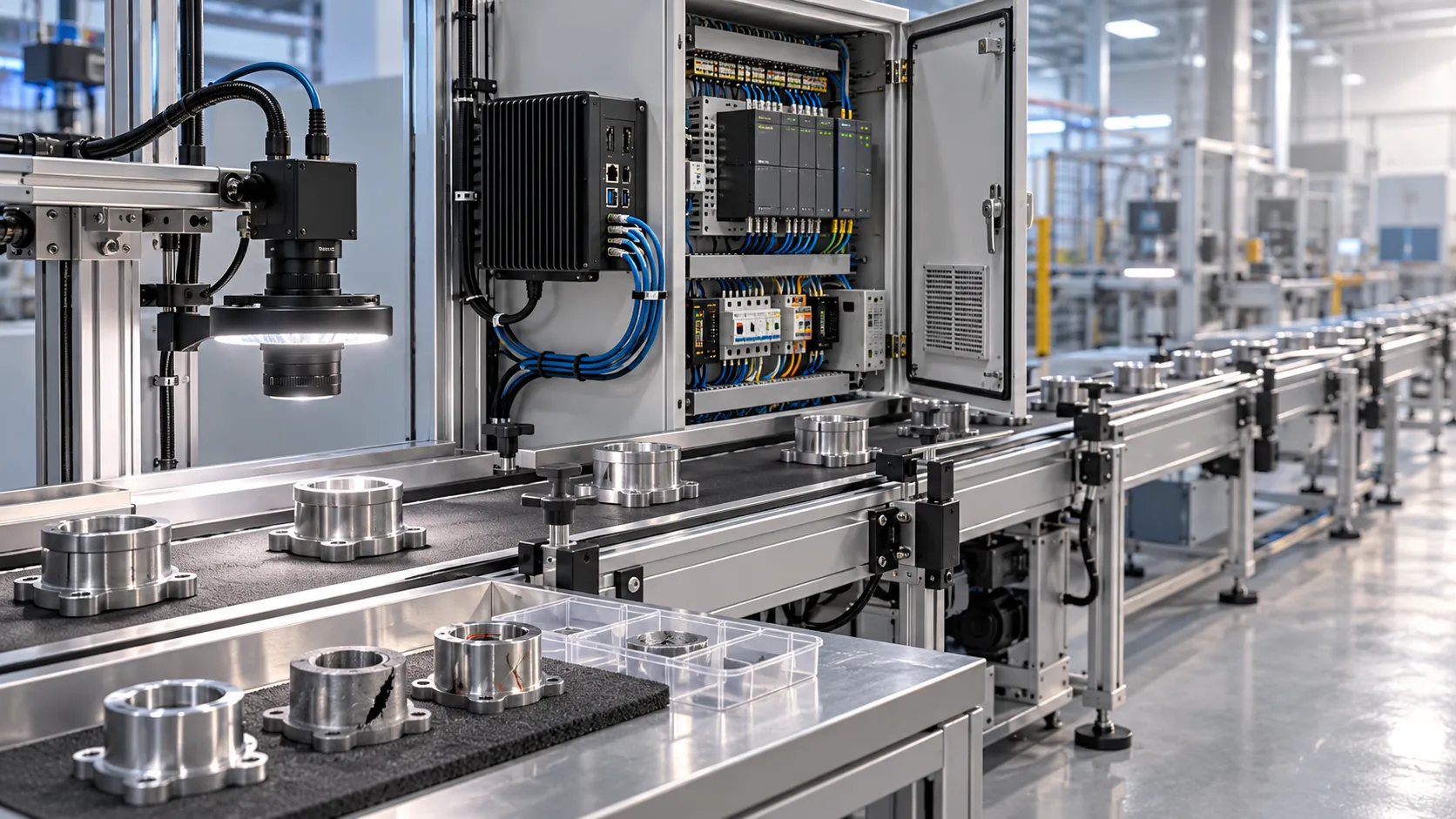
How much does edge vision deployment cost beyond the hardware?
Understand edge vision deployment cost beyond hardware, from data and integration to security and support. Uncover hidden expenses and build a smarter lifecycle budget before you scale.
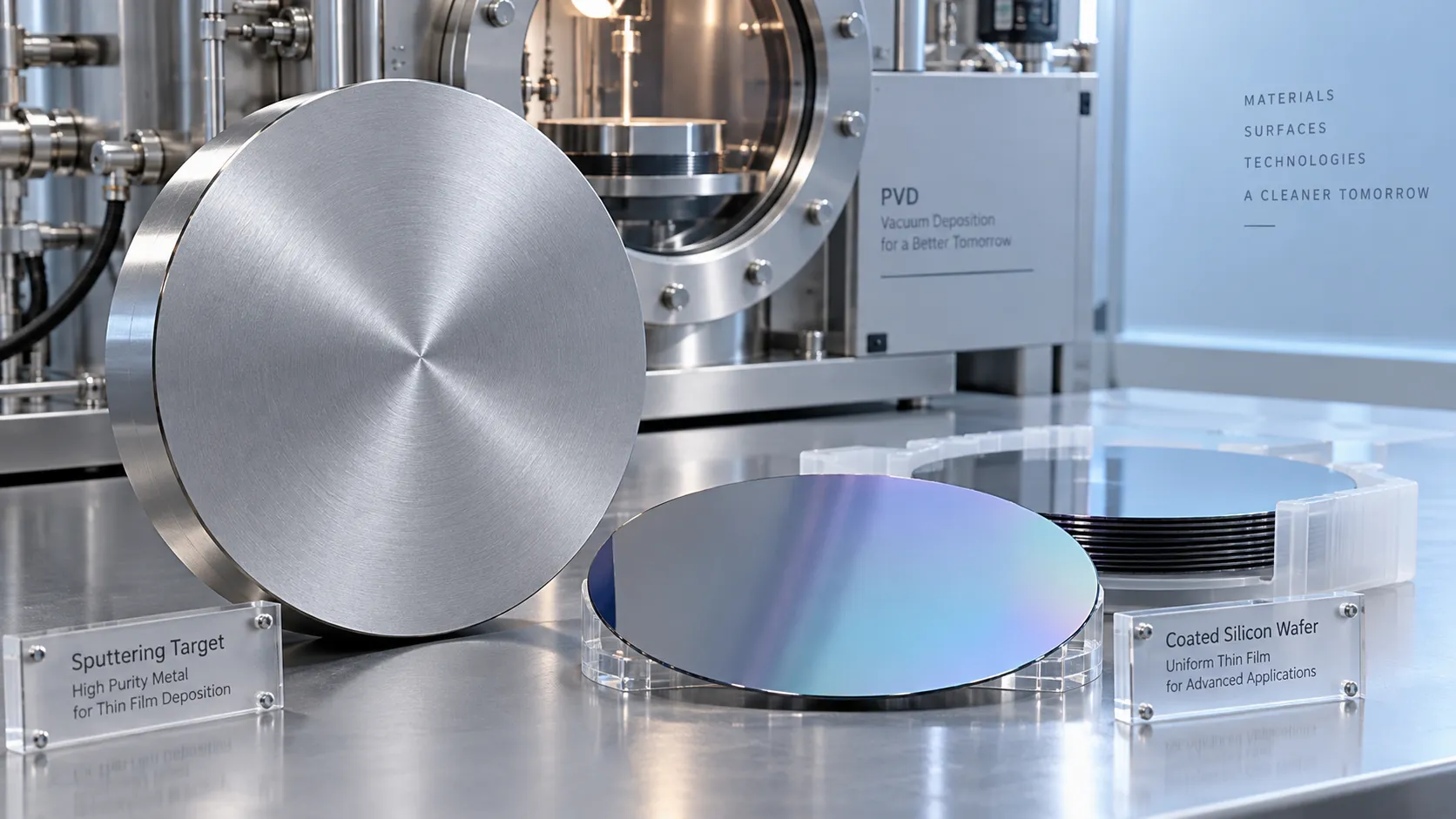
How does the purity of sputtering targets affect thin-film quality?
Discover how sputtering targets affect thin-film quality. Learn to assess purity, identify harmful impurities, and choose specifications that improve coating performance.
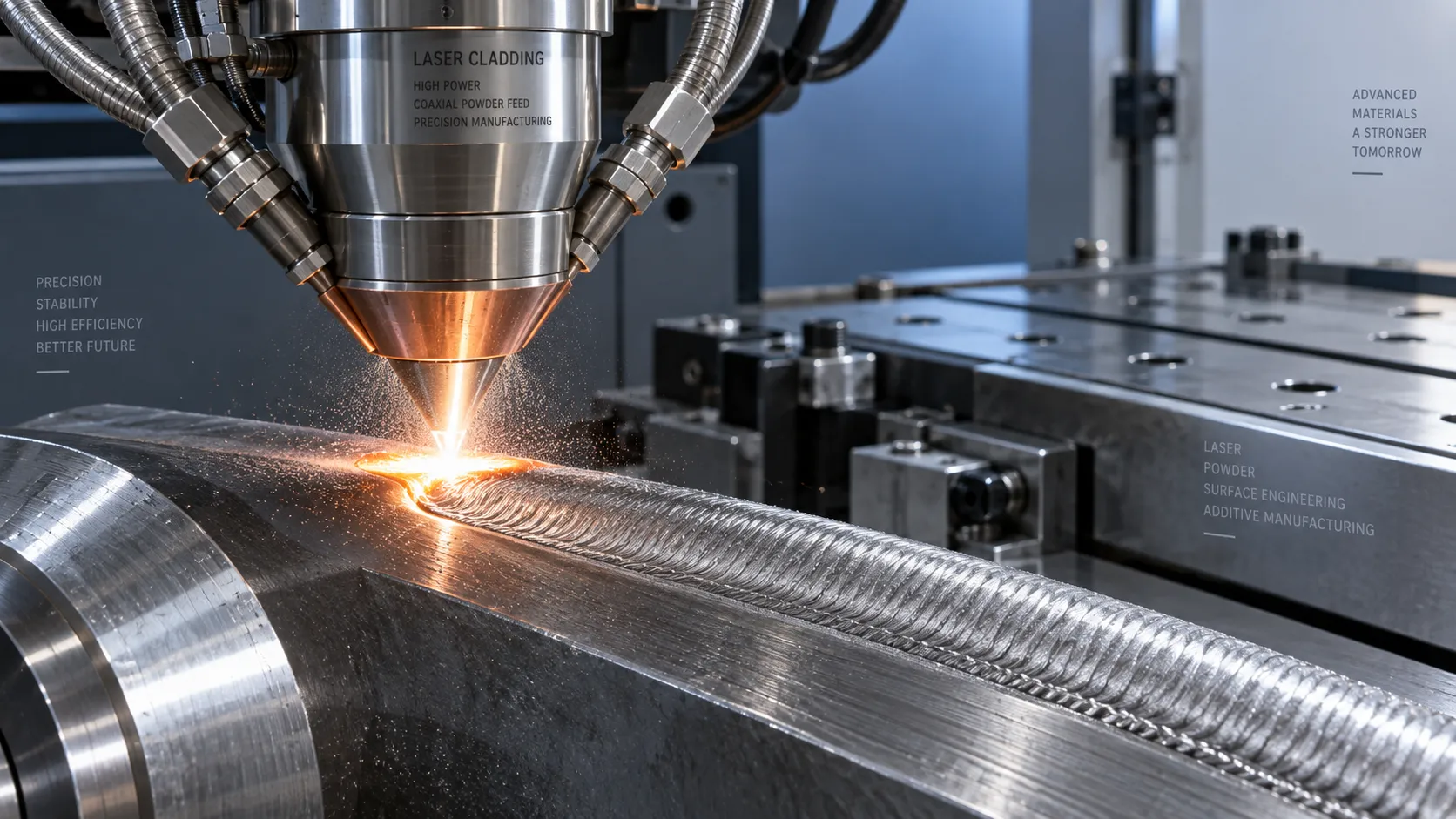
How high power laser cladding systems control substrate dilution
Discover how high power laser cladding systems control substrate dilution through beam shaping, material feed, and thermal management to deliver reliable bonds and coating performance.
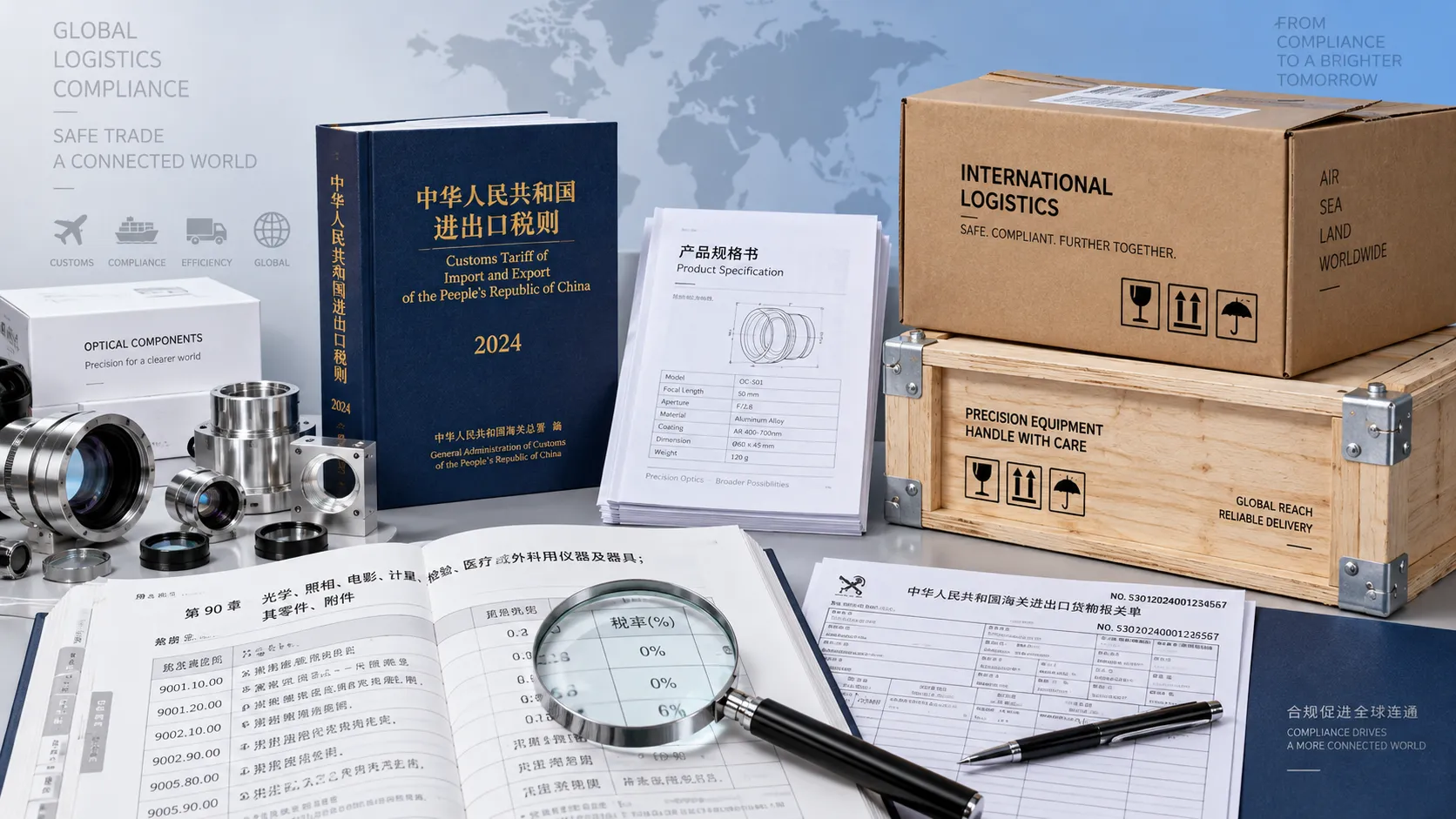
How to check HS codes for customs compliance in international logistics
Strengthen international logistics customs compliance: learn how to verify HS codes, check official tariffs, and document classifications to reduce costly shipment delays.
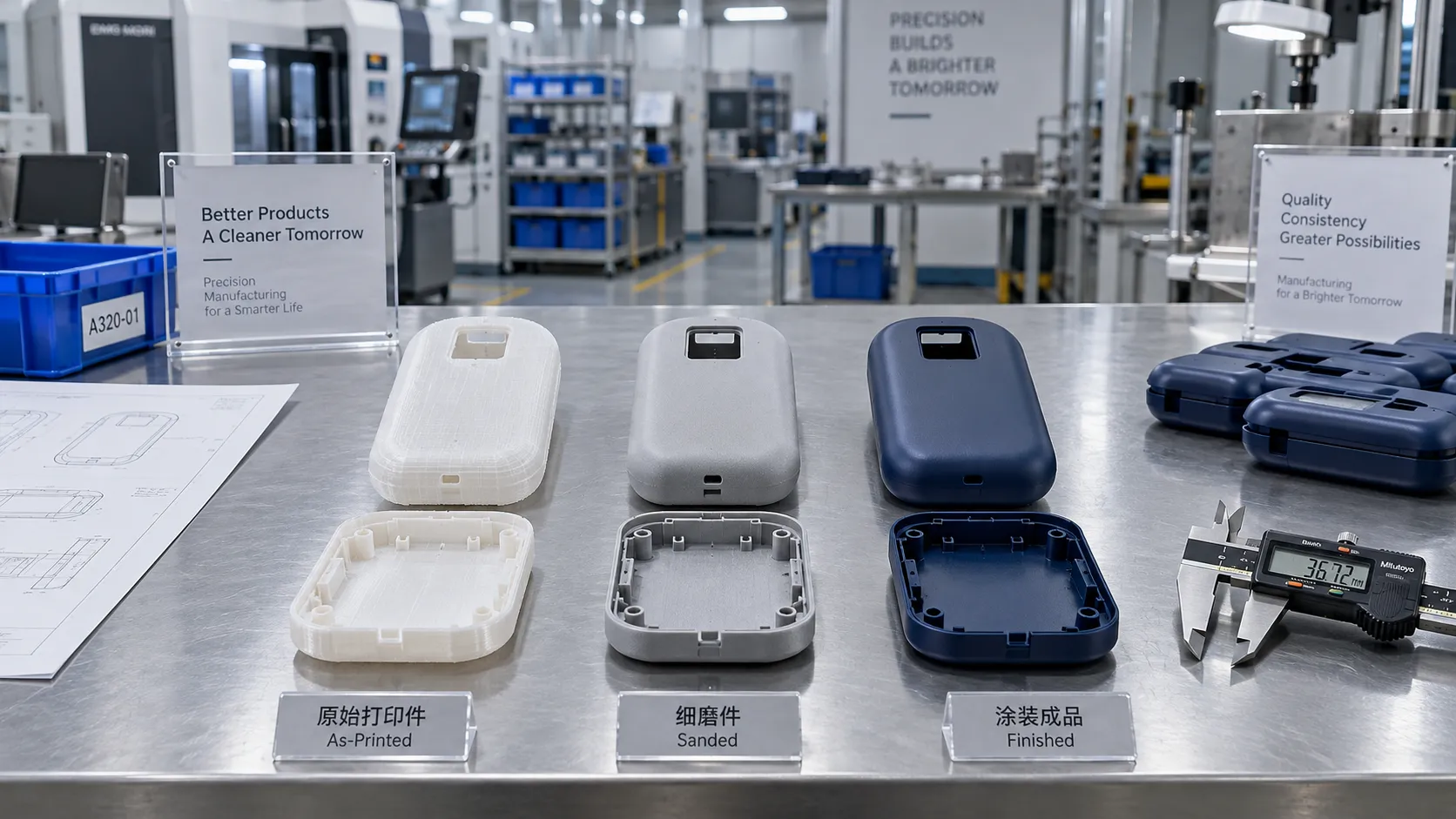
Choosing a 3D Printing Service for Consumer Products: Finish, Fit, and Cost
Compare 3d printing consumer good services by finish, fit, materials, and total cost. Learn how to choose a reliable supplier and avoid costly defects before ordering.
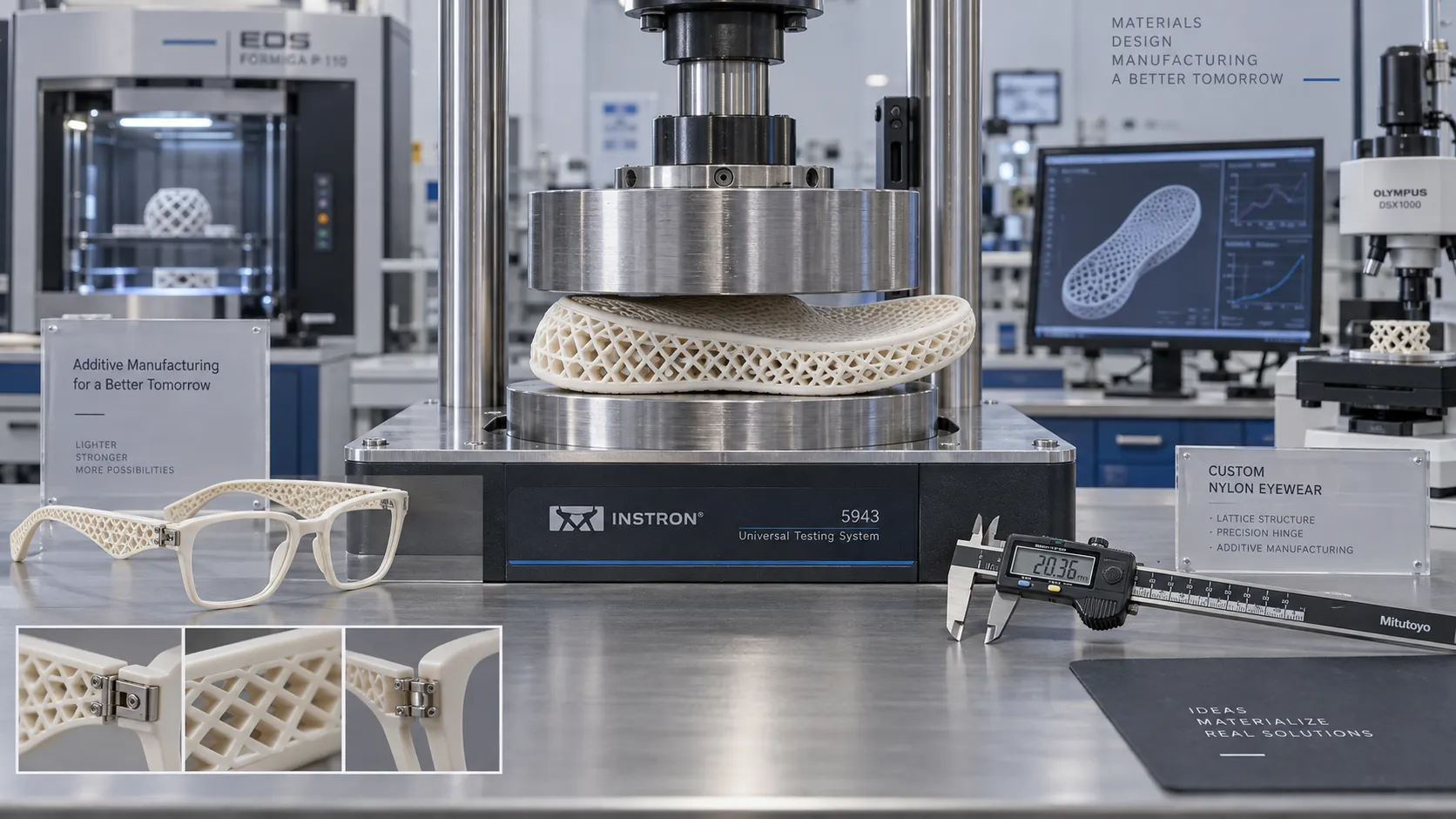
Which Consumer Goods Can Be 3D Printed, and What Are the Practical Limits?
Explore 3d printing consumer goods, from custom eyewear to replacement parts. Discover practical limits on materials, safety, and costs to make smarter production decisions.
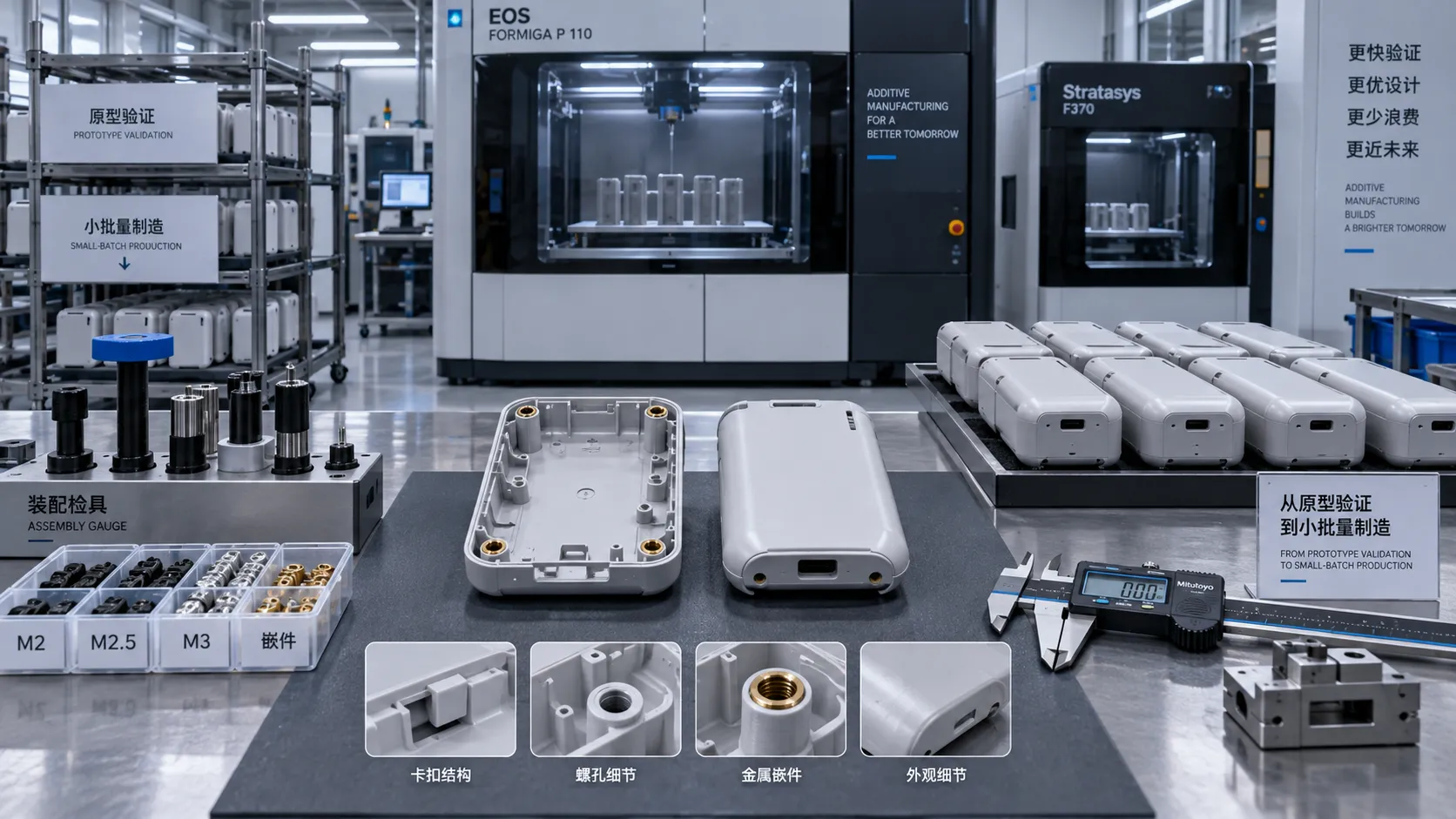
From Prototype to Small Batch: Applying 3D Printing to Consumer Goods
Explore 3d printing in consumer goods: learn how to move from prototype to small-batch production with practical guidance on materials, quality validation, and cost control.
Related News
- 00
0000-00
How to verify part consistency before choosing a 3D printing OEM - 00
0000-00
How does a rigid cryogenic transfer line handle thermal contraction? - 00
0000-00
How much does edge vision deployment cost beyond the hardware? - 00
0000-00
How does the purity of sputtering targets affect thin-film quality? - 00
0000-00
How high power laser cladding systems control substrate dilution
Marcus Print
Weekly Insights
Stay ahead with our curated technology reports delivered every Monday.