
Why 3D printing filament wholesale prices vary so much

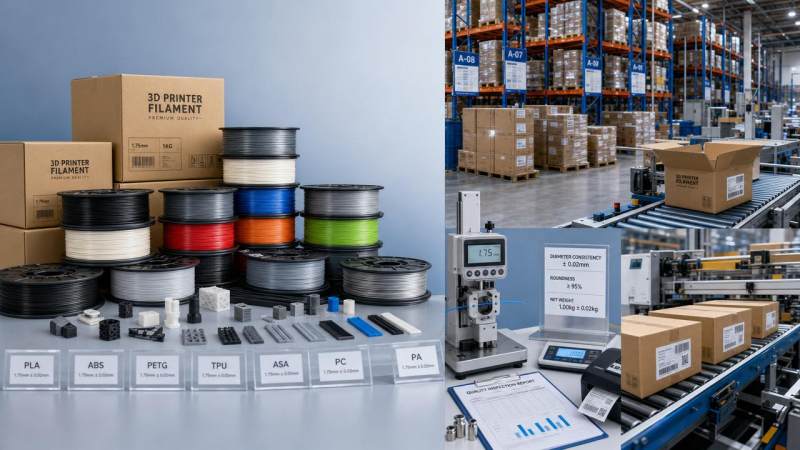
Why do 3d printing filament wholesale prices vary so widely? For business evaluators, the short answer is that quoted price reflects far more than polymer cost. Material purity, dimensional consistency, certifications, batch stability, packaging, logistics, and supplier execution all affect the real procurement value. A low quote may reduce unit cost, but it can also increase print failures, qualification delays, customer complaints, and inventory risk.
For buyers comparing international suppliers, the key is to separate visible price from total landed cost and operational reliability. Wholesale filament purchasing is not just a materials transaction. It is a supply chain decision tied to quality assurance, production efficiency, compliance exposure, and long-term vendor performance.
What business evaluators are really trying to understand
Most buyers searching this topic are not simply asking why one spool is cheaper than another. They want to know whether a lower price represents genuine efficiency, lower specification, hidden risk, or market distortion caused by region, scale, or inconsistent quality standards.
That distinction matters because additive manufacturing materials directly influence process stability. In wholesale procurement, a small price difference per kilogram can look attractive in a spreadsheet, yet become expensive once rework, downtime, scrap, and customer quality issues are included.
In practical terms, procurement teams should evaluate filament pricing across five dimensions: material inputs, manufacturing quality, compliance and testing, supply chain economics, and supplier reliability. These are the core drivers behind wholesale price dispersion.
Raw material grade is the first major reason prices differ
The biggest pricing gap often starts with the polymer itself. PLA, ABS, PETG, nylon, TPU, PC, and composite-filled filaments all have different resin costs. Even within the same category, virgin resin, recycled feedstock, and blended formulations can create substantial price differences.
For example, two suppliers may both offer PLA at wholesale rates, but one may use high-purity virgin resin with controlled additives, while another uses a lower-cost recycled or mixed base. On paper, both products seem comparable. In actual printing, they may behave very differently.
Higher-grade resin usually improves flow consistency, interlayer bonding, color stability, and moisture resistance. That translates into more predictable printing outcomes. Lower-grade material may still be suitable for non-critical applications, but it should not be benchmarked as equivalent without testing.
Specialty additives also raise cost. Carbon fiber, glass fiber, flame retardants, conductive compounds, anti-static properties, UV resistance, or medical and food-contact formulations add both material expense and process complexity. The quote rises because the product is technically different, not simply because the supplier charges more.
Diameter tolerance and roundness control have direct price impact
In wholesale filament sourcing, dimensional consistency is one of the clearest indicators of manufacturing maturity. Tight diameter tolerance requires better extrusion control, calibrated monitoring systems, and stronger quality assurance. Those investments increase supplier cost, but they also reduce end-user printing variability.
A filament specified at 1.75 mm with a tolerance of plus or minus 0.02 mm is generally more expensive than one controlled to plus or minus 0.05 mm or worse. The same is true for ovality. Inconsistent geometry can trigger under-extrusion, over-extrusion, nozzle jams, and inconsistent layer quality.
For business evaluators, this means low-price offers should always be checked against measured tolerance data rather than brochure claims. A supplier that publishes batch reports, inline measurement methods, and statistical process control data usually offers stronger value than one that only states a nominal diameter.
When additive manufacturing is used for production support, tooling, jigs, fixtures, or customer-facing parts, the cost of failed builds can easily exceed the savings created by buying cheaper filament. Tolerance stability is therefore a pricing driver with operational consequences.
Certification and compliance can significantly change the quote
Another major reason 3d printing filament wholesale pricing varies is documentation burden. Many industrial buyers require compliance with RoHS, REACH, SDS availability, lot traceability, and in some sectors UL, FDA-related declarations, or other application-specific requirements.
Certification is not free. It involves testing, documentation control, record management, renewal cycles, and often third-party laboratory verification. Suppliers that support regulated or export-sensitive industries build those costs into their pricing models.
From a business evaluation perspective, this premium can be justified quickly. If a lower-cost supplier cannot provide material declarations, batch traceability, or consistent documentation, the purchasing organization may face qualification delays, customer audit findings, or blocked shipments.
The practical lesson is simple: compare wholesale offers only after aligning documentation scope. One quote may include compliance support and another may not. Without that clarification, price benchmarking becomes misleading.
Manufacturing scale affects price, but scale alone does not guarantee value
Production scale is one of the most visible drivers of wholesale cost differences. Large manufacturers benefit from resin purchasing leverage, automated spooling lines, lower labor cost per unit, and more efficient use of drying, extrusion, and packaging equipment. These advantages can reduce unit price substantially.
However, scale cuts both ways. A large producer may offer competitive pricing for standard materials such as PLA and PETG, but may be less flexible on custom color matching, packaging configurations, or low-volume specialty formulations. Smaller suppliers may charge more while serving niche requirements better.
Business evaluators should also consider capacity utilization. A supplier operating at healthy scale with stable order flow can often price more efficiently than one filling gaps with opportunistic discounts. Extremely low quotes sometimes indicate overcapacity, excess inventory pressure, or inconsistent long-term planning.
That does not automatically mean the supplier is risky, but it should prompt further diligence. Sustainable wholesale pricing usually comes from process efficiency and procurement leverage, not from unstable commercial behavior.
Regional cost structures and logistics explain many quote gaps
Suppliers in different countries face very different electricity costs, labor rates, environmental compliance obligations, currency exposure, packaging expense, and export administration overhead. These structural variables can make two technically similar products look far apart on unit price.
Freight is especially important in filament procurement because material is heavy, relatively low in value density, and often sold in recurring volumes. Ocean freight, air freight, fuel fluctuations, customs duties, insurance, and inland delivery can transform an attractive ex-works quote into an expensive landed purchase.
Packaging format also matters. Vacuum sealing, desiccant inclusion, reel quality, carton design, palletization, and moisture barrier performance all influence transport integrity and warehouse handling efficiency. Better packaging raises upfront cost but may reduce damage, contamination, and storage loss.
For procurement analysis, suppliers should be compared using the same commercial basis such as EXW, FOB, CIF, DDP, or landed cost per kilogram. If not, regional price variation will be misunderstood as product cost variation.
Quality systems and batch consistency often separate cheap from expensive offers
Many wholesale buyers focus first on price per kilogram, but long-term value depends heavily on batch-to-batch consistency. A supplier with strong drying control, color management, contamination prevention, and documented quality procedures usually charges more because those controls require capital, labor, and discipline.
In industrial settings, inconsistency is expensive. If one batch prints well and the next requires profile changes, slower speeds, or frequent operator intervention, the buyer loses productivity even if the nominal filament cost is low. This is particularly important for distributed manufacturing or multi-site operations.
Ask whether the supplier conducts incoming resin verification, moisture control, melt flow monitoring, tensile testing, color variance measurement, and final spool inspection. Reliable answers to these questions often explain why a premium exists.
When suppliers cannot provide structured quality information, purchasers should assume greater internal testing cost and higher performance uncertainty. That uncertainty is part of the real price, even if it does not appear in the quote.
Brand reputation and technical support are embedded in wholesale pricing
Not all pricing differences come from physical product differences. Established brands often charge more because customers are paying for proven market acceptance, lower qualification friction, and better post-sale support. For many business users, that has measurable value.
If a supplier can provide application guidance, printer compatibility advice, failure analysis support, and faster corrective action, the procurement decision becomes less risky. This is especially useful when the filament will be used across multiple printer platforms or in production-support applications.
Less expensive suppliers may still be excellent choices, but the buyer should verify what is and is not included. Is there local support? Are replacement claims handled quickly? Can the supplier respond to urgent quality incidents with traceable data? Those service factors can justify price variation.
Customization and private labeling can raise or lower costs
Wholesale buyers often request custom colors, branded packaging, OEM labeling, master carton changes, barcode formats, or market-specific language requirements. These requests affect setup time, minimum order quantities, packaging inventories, and production scheduling efficiency.
In some cases, customization raises unit cost because it disrupts standard production. In other cases, large private-label contracts can lower cost if they provide predictable volume and simplified sales channels for the manufacturer. This is why two buyers may receive very different prices for similar material grades.
Business evaluators should separate base material cost from commercial customization cost. Otherwise, price analysis becomes distorted and supplier comparisons lose accuracy.
How to evaluate wholesale filament offers beyond unit price
A disciplined evaluation model should compare quotes using both technical and commercial criteria. Start with a normalized matrix covering resin grade, filament type, diameter tolerance, certifications, spool weight, packaging method, Incoterms, lead time, minimum order quantity, and payment terms.
Then include hidden cost indicators. These may include expected print failure rate, qualification effort, incoming inspection burden, safety stock requirement, claim history, and supplier responsiveness. For business evaluators, these factors often determine whether the lower quote is truly economical.
It is also wise to request samples from shortlisted suppliers and run structured print trials. Testing should measure not only visual quality, but also dimensional stability, consistency across reels, moisture sensitivity, and compatibility with existing printer settings.
Where annual volume is meaningful, ask suppliers for tiered pricing linked to contract length, forecast commitment, and packaging standardization. Sometimes the best path is not choosing the lowest current quote, but negotiating a more stable long-term supply model.
Red flags when a 3d printing filament wholesale price seems unusually low
Very low pricing is not automatically problematic, but it should trigger closer review. Common warning signs include vague material descriptions, no batch traceability, broad tolerance claims without test data, inconsistent spool weights, missing compliance documents, and unclear origin of raw materials.
Other concerns include unstable lead times, excessive dependence on one shipping route, lack of customer references in industrial markets, or reluctance to provide sample lots from normal production. These issues can indicate that the supplier is competing mainly on headline price rather than dependable execution.
For procurement teams supporting enterprise manufacturing, the cost of disruption is often far greater than the cost difference between mid-range and low-end suppliers. Price should therefore be treated as one variable within a broader risk-adjusted sourcing decision.
Conclusion: wholesale price variation is really a value and risk signal
The wide spread in 3d printing filament wholesale prices is not random. It usually reflects a combination of resin quality, process control, compliance scope, scale efficiency, logistics structure, service capability, and supplier discipline. Buyers who compare only price per kilogram risk selecting an option that looks efficient but performs poorly in practice.
For business evaluators, the smarter approach is to assess total procurement value. Align specifications, verify tolerance data, review certifications, model landed cost, test consistency, and examine supplier reliability. Once those variables are normalized, price differences become easier to explain and better sourcing decisions follow.
In short, the best wholesale filament offer is rarely the cheapest quote. It is the one that delivers acceptable technical performance, manageable risk, and predictable commercial execution at the lowest total cost over time.
Related News
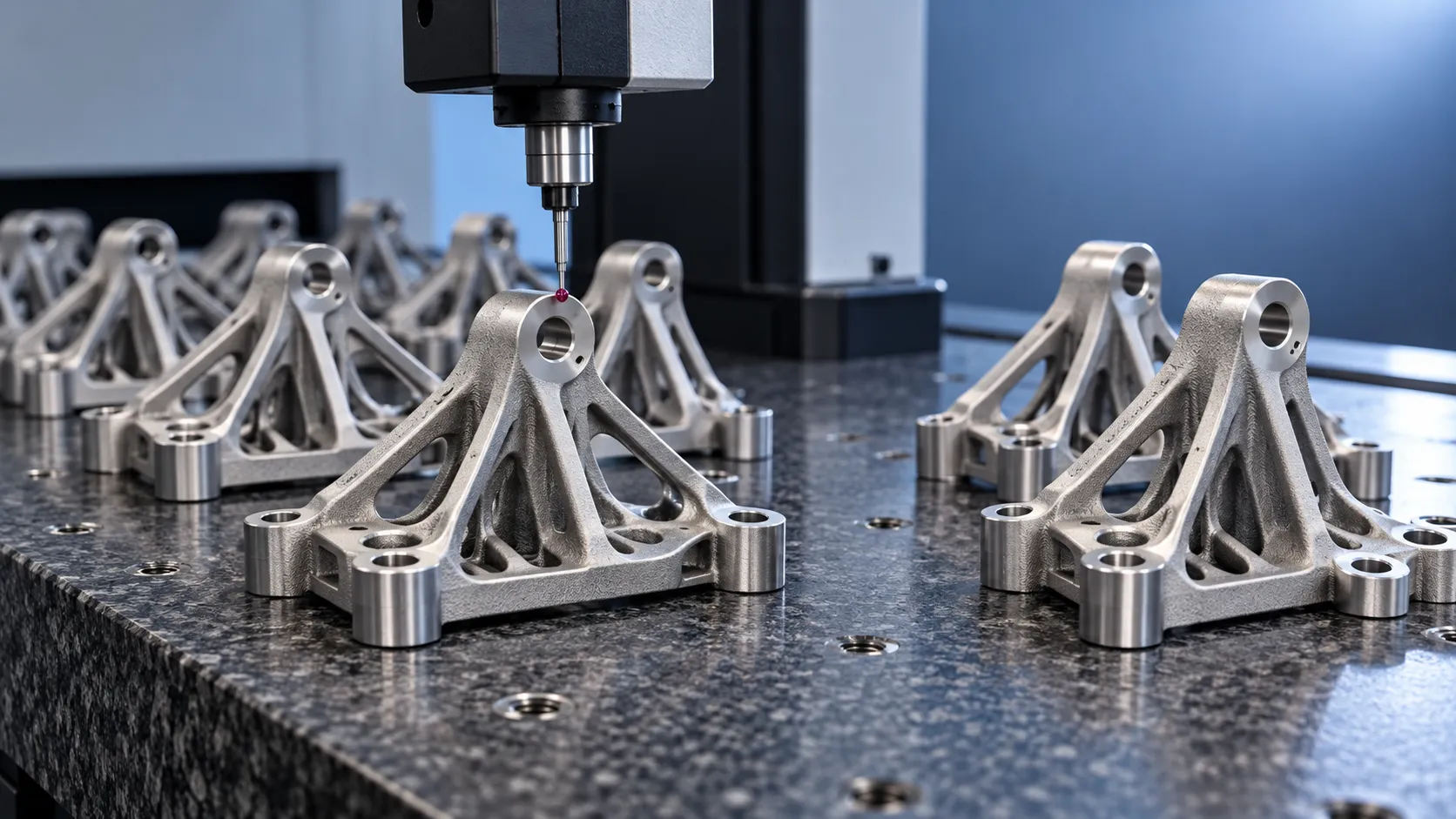
How to verify part consistency before choosing a 3D printing OEM
Choosing a 3D printing OEM? Learn how to verify part consistency with repeat-build trials, validated inspections, and traceability checks before committing to production.
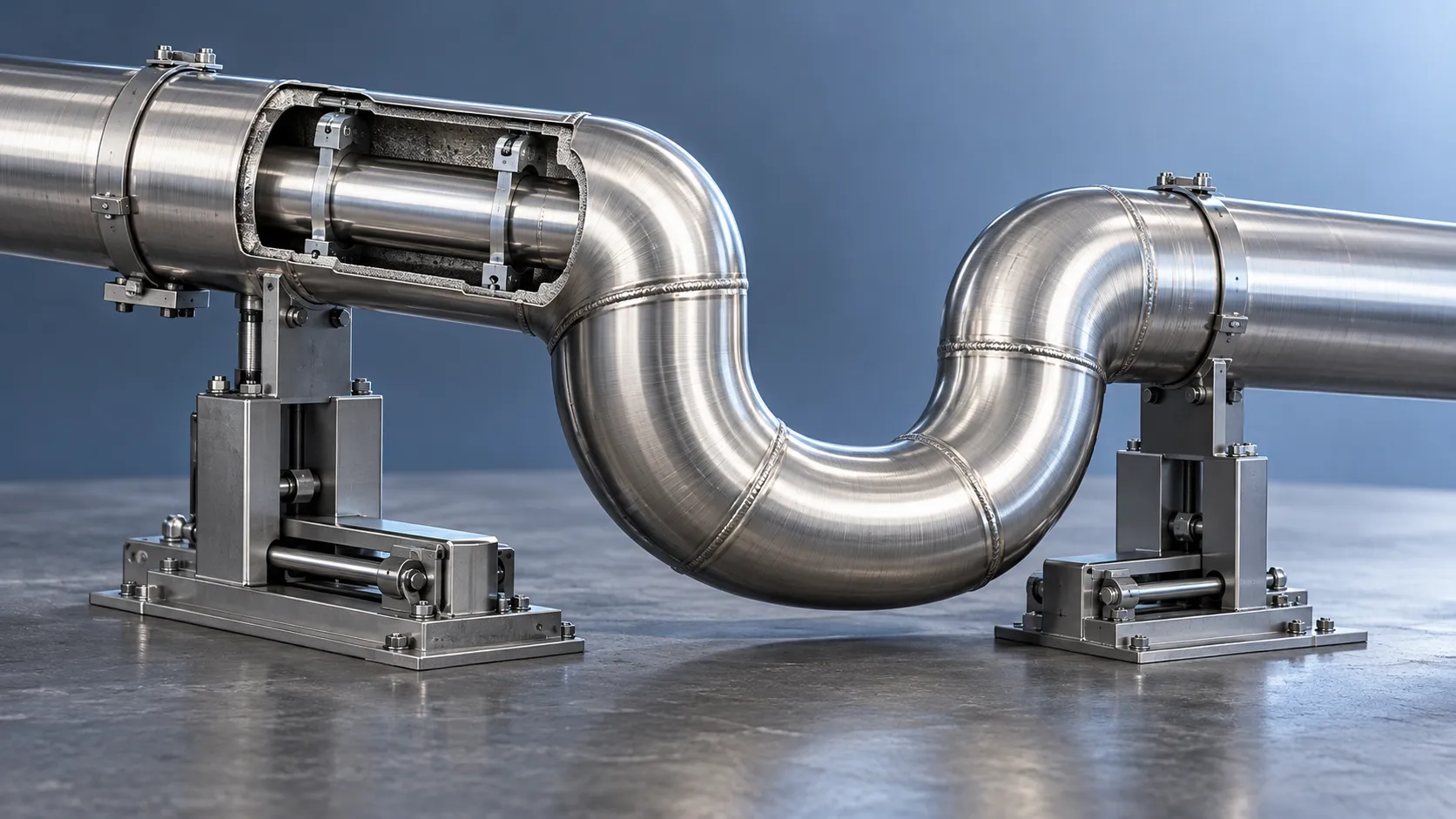
How does a rigid cryogenic transfer line handle thermal contraction?
Learn how a rigid cryogenic transfer line manages thermal contraction with bends, bellows, and guided supports. Discover key design checks for safe, reliable cryogenic performance.

How much does edge vision deployment cost beyond the hardware?
Understand edge vision deployment cost beyond hardware, from data and integration to security and support. Uncover hidden expenses and build a smarter lifecycle budget before you scale.

How does the purity of sputtering targets affect thin-film quality?
Discover how sputtering targets affect thin-film quality. Learn to assess purity, identify harmful impurities, and choose specifications that improve coating performance.

How high power laser cladding systems control substrate dilution
Discover how high power laser cladding systems control substrate dilution through beam shaping, material feed, and thermal management to deliver reliable bonds and coating performance.
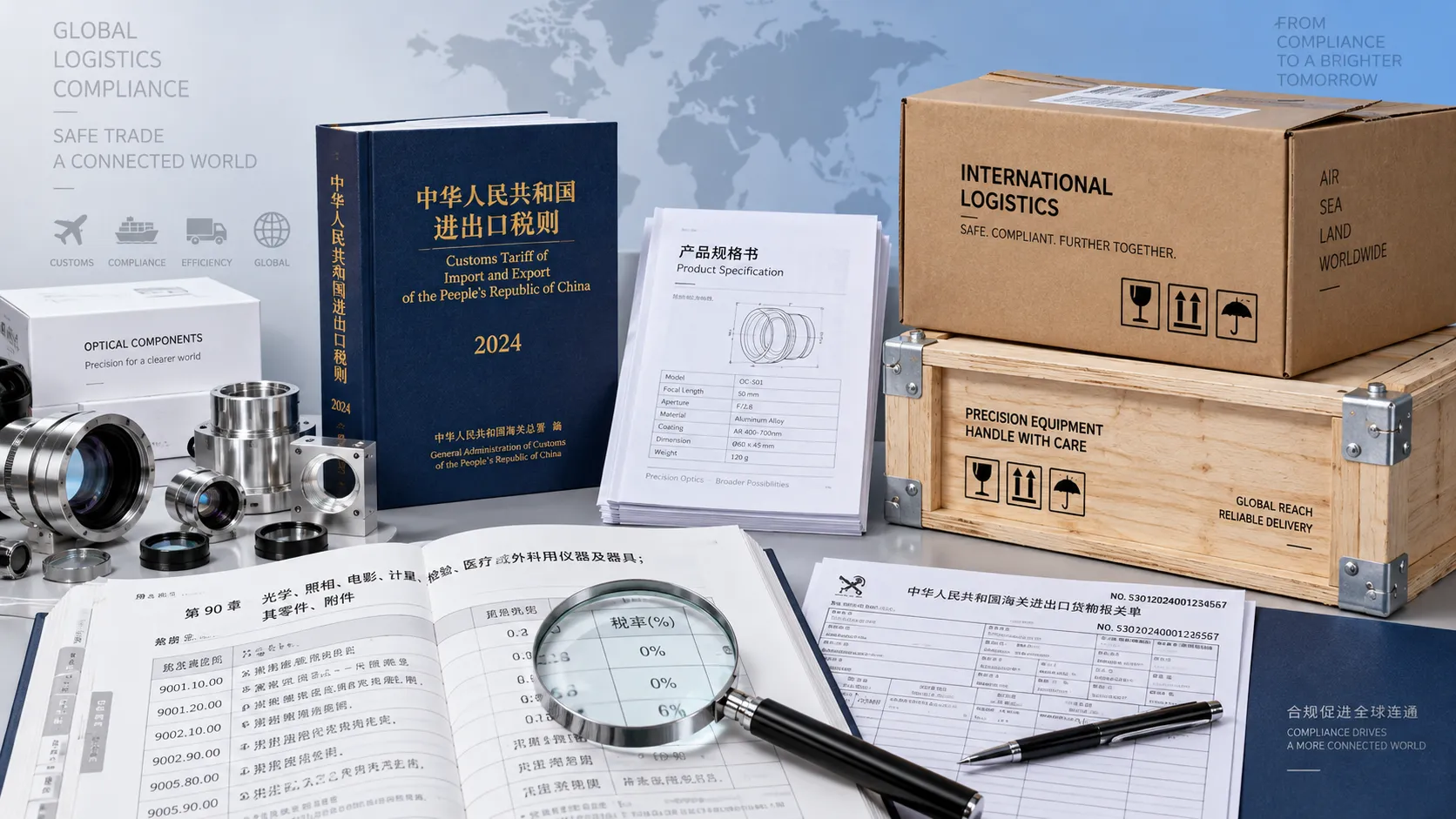
How to check HS codes for customs compliance in international logistics
Strengthen international logistics customs compliance: learn how to verify HS codes, check official tariffs, and document classifications to reduce costly shipment delays.
Choosing a 3D Printing Service for Consumer Products: Finish, Fit, and Cost
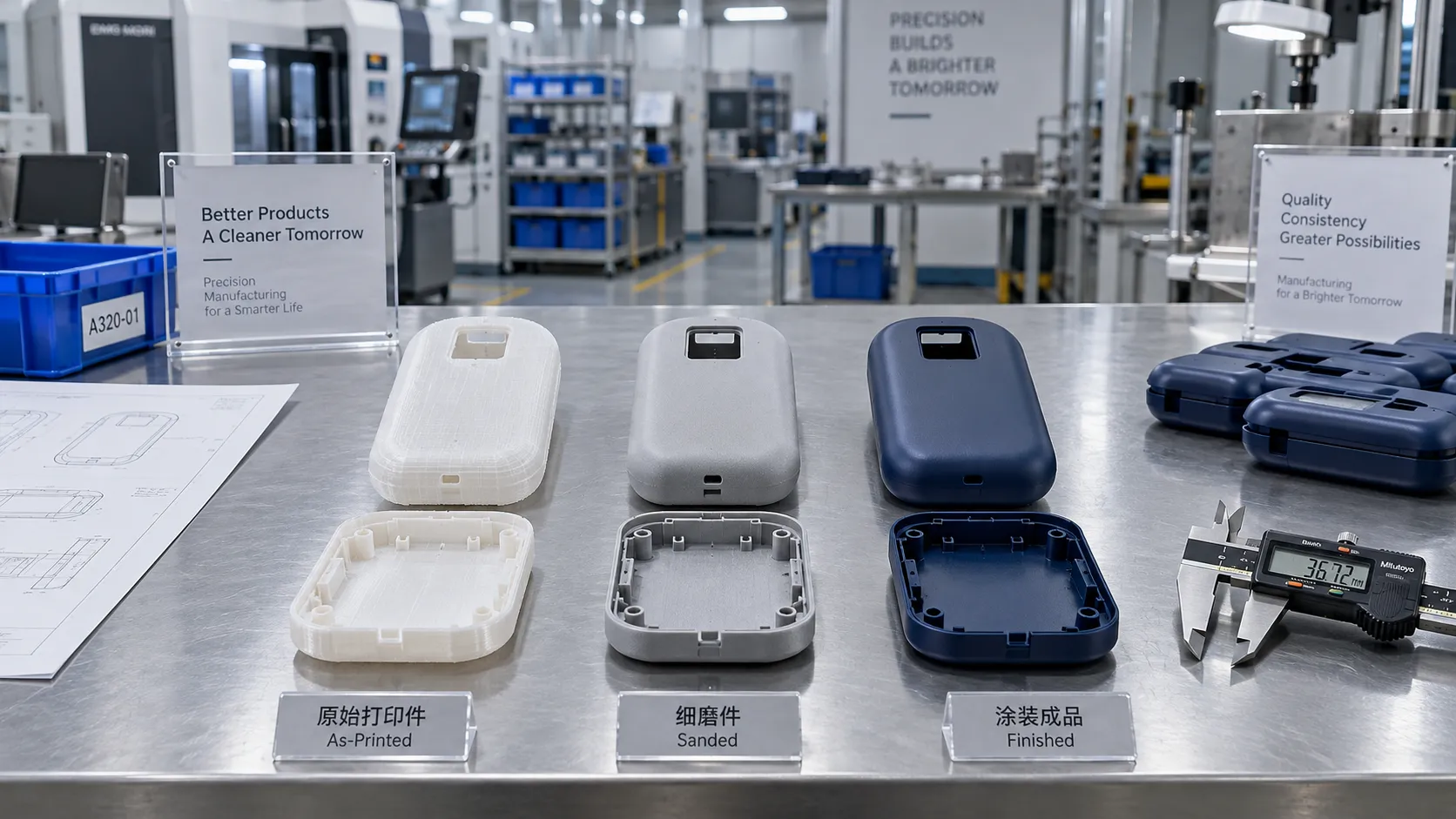
Compare 3d printing consumer good services by finish, fit, materials, and total cost. Learn how to choose a reliable supplier and avoid costly defects before ordering.
Which Consumer Goods Can Be 3D Printed, and What Are the Practical Limits?
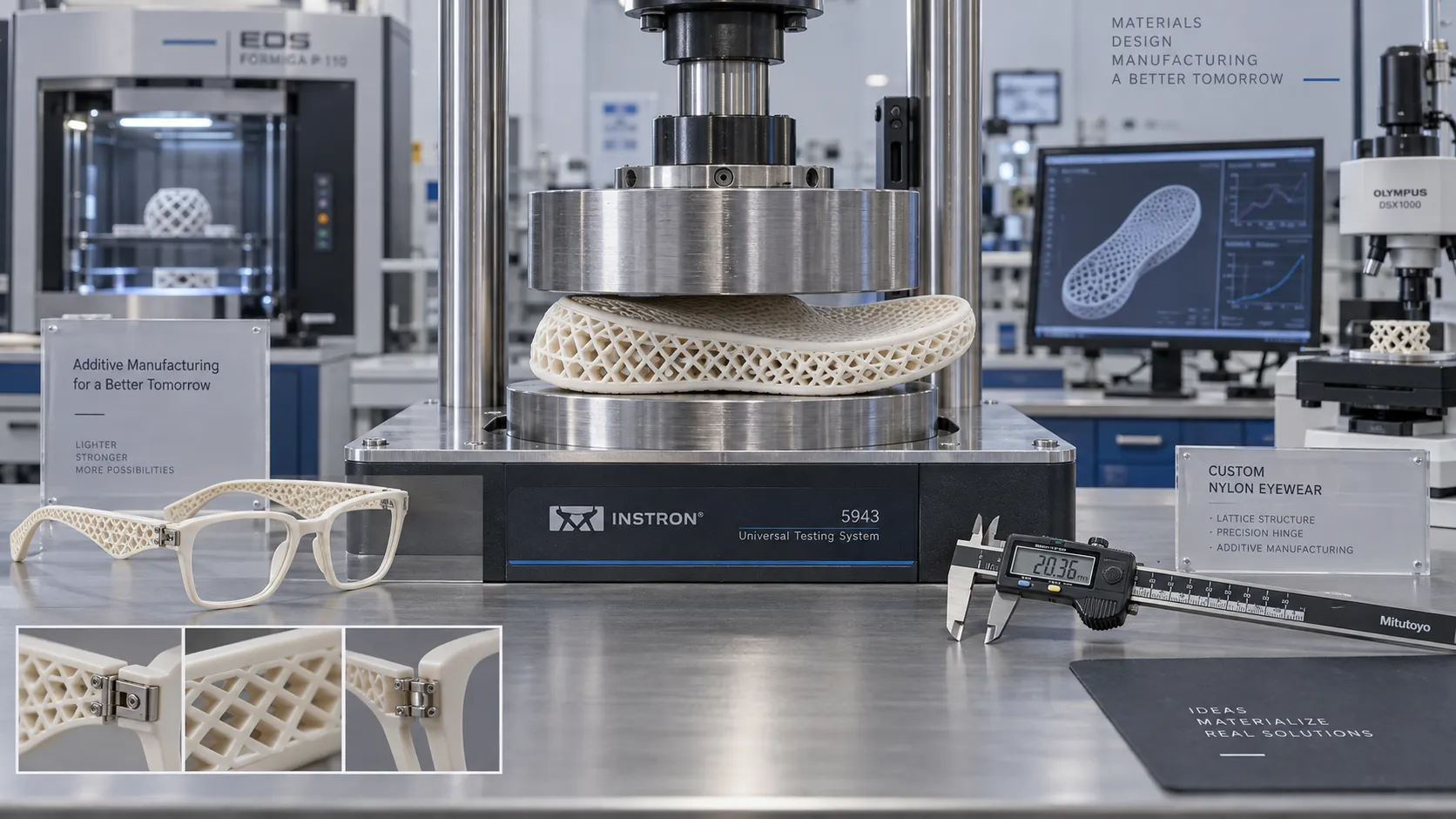
Explore 3d printing consumer goods, from custom eyewear to replacement parts. Discover practical limits on materials, safety, and costs to make smarter production decisions.

From Prototype to Small Batch: Applying 3D Printing to Consumer Goods
Explore 3d printing in consumer goods: learn how to move from prototype to small-batch production with practical guidance on materials, quality validation, and cost control.
Related News
- 00
0000-00
How to verify part consistency before choosing a 3D printing OEM - 00
0000-00
How does a rigid cryogenic transfer line handle thermal contraction? - 00
0000-00
How much does edge vision deployment cost beyond the hardware? - 00
0000-00
How does the purity of sputtering targets affect thin-film quality? - 00
0000-00
How high power laser cladding systems control substrate dilution
Marcus Print
Weekly Insights
Stay ahead with our curated technology reports delivered every Monday.