
Why sintering density decides ceramic part reliability

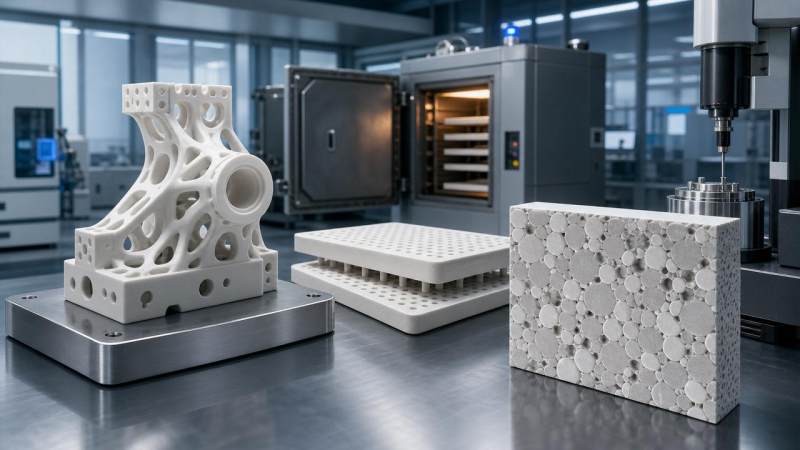
For quality and safety teams, sintering density is more than a material metric—it is a direct predictor of ceramic part reliability, strength, and failure risk. In ceramic 3d printing sintering density determines how well pores are eliminated, dimensions are stabilized, and long-term performance is secured. Understanding this relationship is essential for controlling defects, meeting compliance demands, and protecting mission-critical applications.
Why ceramic 3d printing sintering density needs a checklist approach
Ceramic parts often fail from hidden porosity, uneven shrinkage, or weak grain bonding rather than obvious surface defects. That makes density control a process discipline, not a final inspection task.
In advanced industrial environments, ceramic 3d printing sintering density influences dielectric behavior, wear life, thermal shock resistance, hermeticity, and dimensional repeatability. Each property links back to how completely the structure densifies.
A checklist reduces variation across feedstock qualification, printing, debinding, furnace loading, and validation. It also supports traceable benchmarking aligned with ISO, ASTM, and sector-specific reliability frameworks.
Core checklist for controlling sintering density and ceramic part reliability
- Verify green density before firing, because low packing uniformity creates local shrinkage gradients that no furnace profile can fully correct during ceramic 3d printing sintering density optimization.
- Measure particle size distribution and binder loading, since coarse agglomerates or unstable organics slow densification and leave residual pores that reduce strength and dielectric consistency.
- Control layer bonding during printing, because weak interlayer contact forms elongated voids that persist after sintering and become crack starters under thermal or mechanical loading.
- Map debinding rate to wall thickness, as trapped volatiles generate microcracks and bloating, both of which lower final density and distort dimensional tolerance.
- Set sintering temperature by material system, not by generic recipes, because alumina, zirconia, silicon nitride, and technical composites densify through different diffusion behaviors.
- Check dwell time against target density and grain growth, since excessive soaking may close pores yet coarsen grains enough to weaken toughness or wear performance.
- Balance furnace atmosphere and oxygen activity, because ceramic chemistry can shift during firing, affecting stoichiometry, color, electrical properties, and densification path.
- Position parts consistently in the furnace, as thermal gradients across shelves or setter plates cause density variation between batches and across complex geometries.
- Use Archimedes, helium pycnometry, or image analysis together, because one density method alone may miss closed porosity or surface-connected defects.
- Correlate density data with flexural strength, leakage, insulation resistance, or wear rate, so ceramic 3d printing sintering density becomes a validated reliability indicator.
- Track shrinkage in X, Y, and Z directions separately, because anisotropic densification can preserve acceptable bulk density while still breaking dimensional or fit requirements.
- Document lot traceability from powder to furnace run, enabling root-cause analysis when density drift appears in regulated or mission-critical production environments.
What sintering density changes inside the ceramic structure
Density is the practical summary of pore elimination, grain rearrangement, and diffusion progress. When densification is incomplete, stress concentrates around voids and irregular necks between particles.
That internal structure affects more than strength. It also affects moisture ingress, dielectric loss, thermal conductivity, corrosion resistance, and cyclic fatigue behavior.
For this reason, ceramic 3d printing sintering density should be read as a reliability proxy. Higher density usually means fewer crack origins, more stable dimensions, and better repeatability across production lots.
Mechanical and wear-critical parts
Seals, valve elements, nozzles, and guide components depend on dense microstructures for abrasion resistance and compressive strength. Even small pore clusters can accelerate chipping under repeated contact stress.
In these applications, ceramic 3d printing sintering density must be evaluated with fracture surfaces, hardness mapping, and dimensional post-sinter data, not with density numbers alone.
Electrical and insulating ceramics
Substrates, insulators, and feedthrough components require dense, stable bodies to limit leakage paths and maintain dielectric reliability. Open porosity can trap contaminants and reduce long-term insulation performance.
Here, density control should be tied to resistivity, breakdown testing, and thermal cycling. A visually clean part can still underperform if sintering left internal pore networks.
High-temperature and chemically aggressive service
Parts used in furnaces, vacuum systems, or corrosive process lines face thermal and chemical attack at the same time. Residual porosity becomes an access path for gas penetration and crack growth.
For these conditions, ceramic 3d printing sintering density directly supports hermeticity, oxidation resistance, and structural stability during repeated heating and cooling cycles.
Commonly overlooked factors that weaken density outcomes
Ignore powder aging at your own risk. Moisture pickup, segregation, or repeated handling changes flow behavior and packing, which later appears as density scatter and unpredictable shrinkage.
Overlook support and setter interactions carefully. Contact surfaces can restrict shrinkage, create warpage, and cause local density differences that are easy to miss in basic batch inspection.
Treat complex geometry as a densification challenge, not only a design success. Thick-thin transitions, blind channels, and lattice zones often debind and sinter at different rates.
Assume nominal furnace temperature equals part temperature only with evidence. Real thermal history depends on load mass, spacing, shelf design, and atmosphere circulation.
Separate density from surface finish in analysis. A smooth surface can hide internal voids, while a rougher but well-densified part may perform better in structural service.
Practical execution steps for better ceramic 3d printing sintering density
- Build a material-process matrix linking powder lot, print settings, debinding curve, sintering cycle, final density, shrinkage, and critical reliability test results.
- Run designed experiments on temperature, dwell, and heating rate instead of changing one variable informally between batches.
- Use witness coupons placed across the furnace load to reveal location-based density variation before it affects production parts.
- Define acceptance windows for both relative density and property outcomes, such as strength, leakage, or dielectric performance.
- Review failed parts with microscopy and porosity classification so process adjustments target actual root causes rather than symptoms.
Organizations working across additive manufacturing, vacuum engineering, optical inspection, and advanced materials increasingly treat density as a cross-functional quality signal. It connects process capability with field reliability.
That is especially relevant where industrial benchmarking, standards alignment, and traceable evidence are required. Density data becomes more valuable when linked to application-specific failure modes.
Conclusion and next action
Why does sintering density decide ceramic part reliability? Because it captures whether the printed body became a stable, low-defect ceramic or remained a porous structure with hidden failure triggers.
In ceramic 3d printing sintering density should be reviewed as a controlled reliability variable, not just a lab result. The most effective next step is to audit the full path from green density to validated end-use performance.
Start with one checklist, one material system, and one application class. Then benchmark density against actual failure data, dimensional stability, and compliance evidence to build repeatable ceramic reliability.
Related News
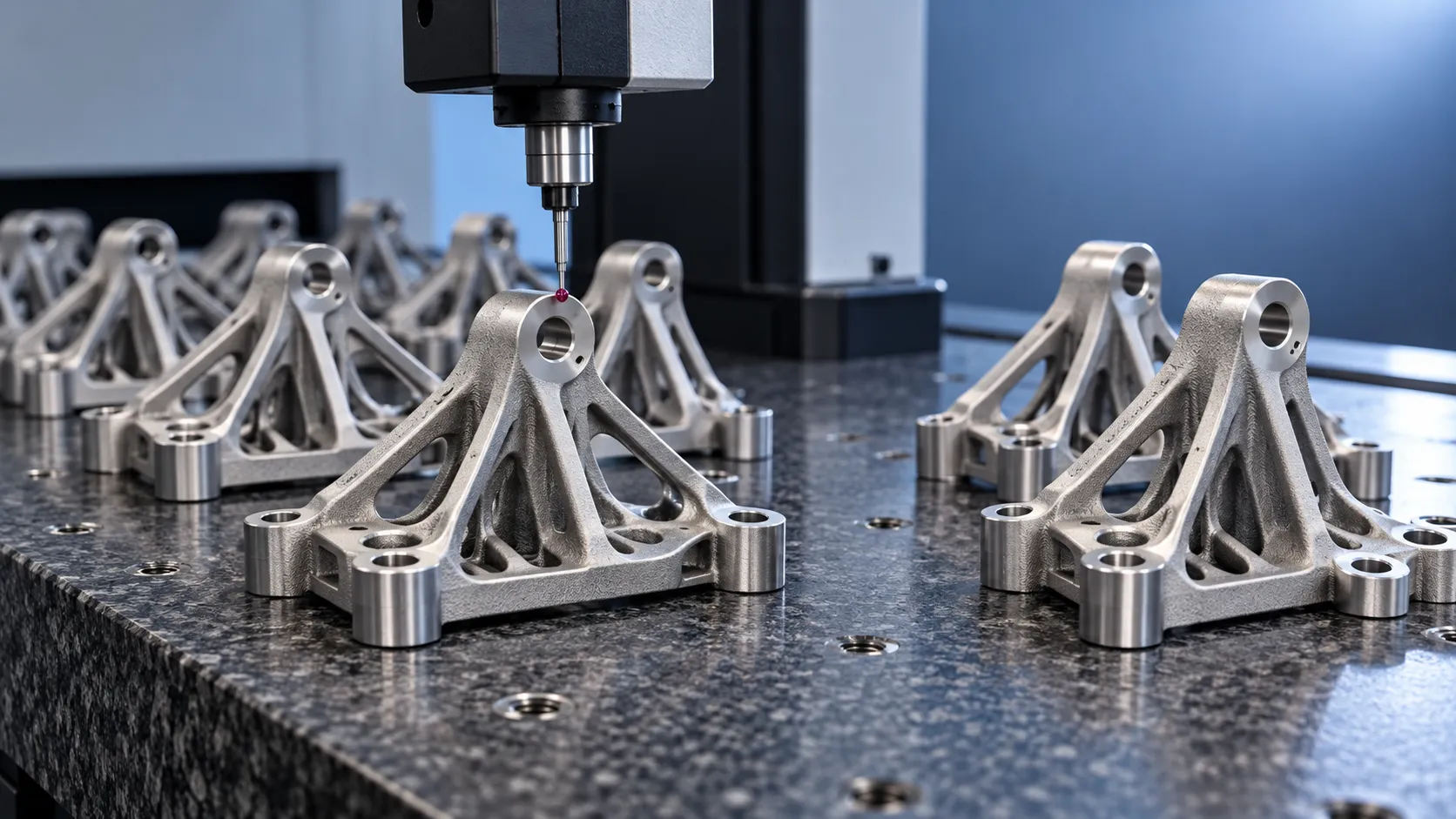
How to verify part consistency before choosing a 3D printing OEM
Choosing a 3D printing OEM? Learn how to verify part consistency with repeat-build trials, validated inspections, and traceability checks before committing to production.
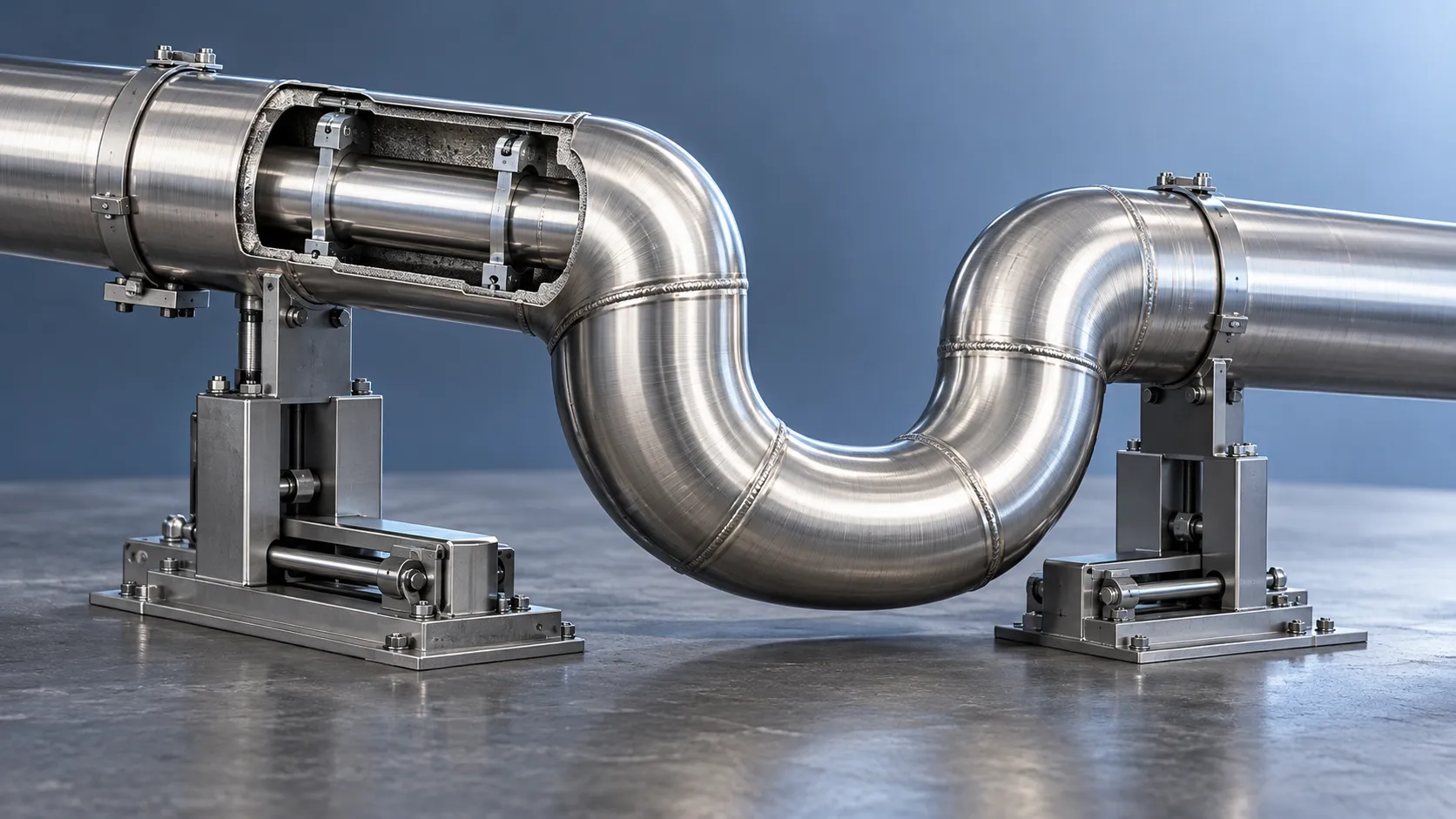
How does a rigid cryogenic transfer line handle thermal contraction?
Learn how a rigid cryogenic transfer line manages thermal contraction with bends, bellows, and guided supports. Discover key design checks for safe, reliable cryogenic performance.
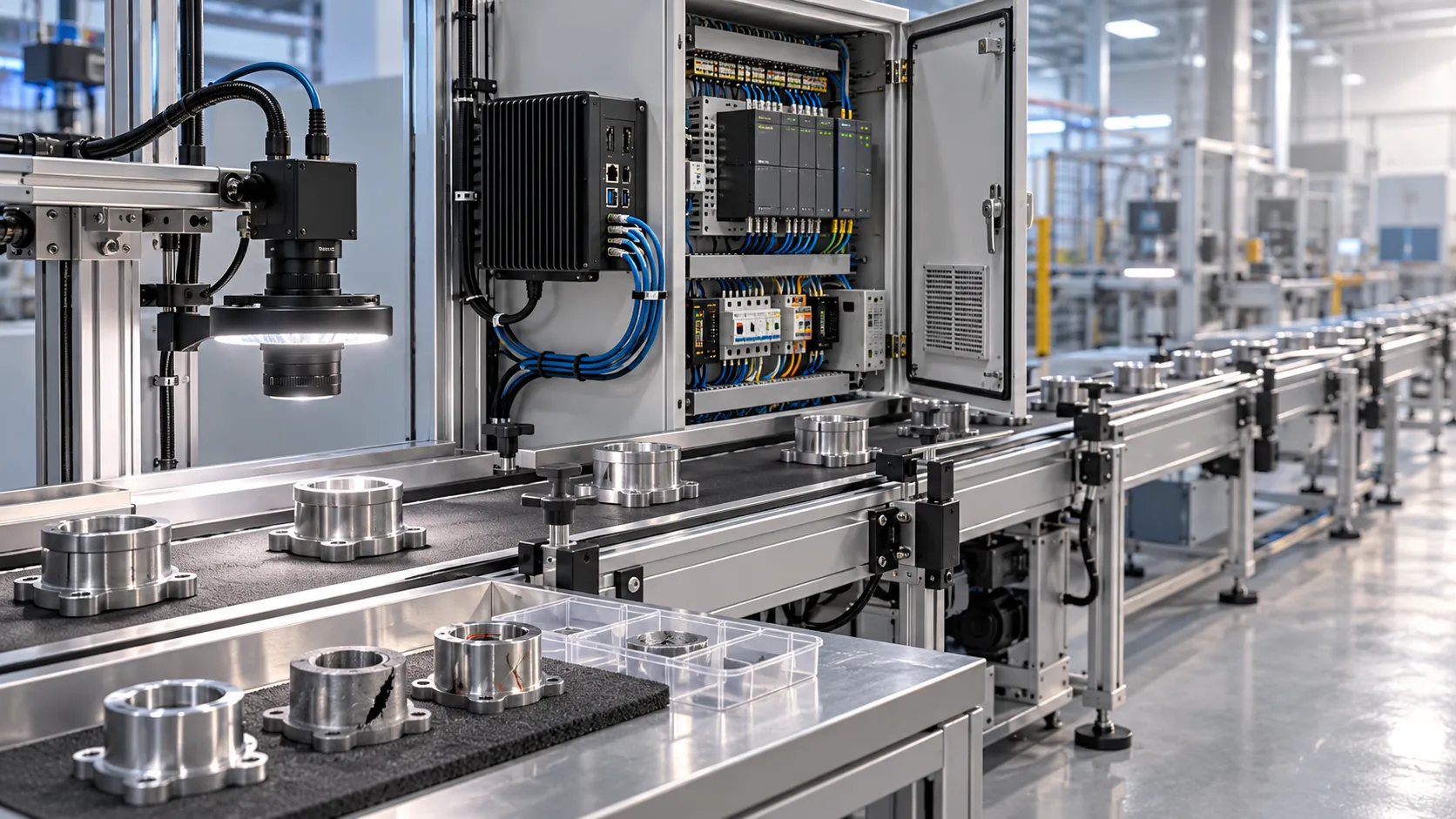
How much does edge vision deployment cost beyond the hardware?
Understand edge vision deployment cost beyond hardware, from data and integration to security and support. Uncover hidden expenses and build a smarter lifecycle budget before you scale.
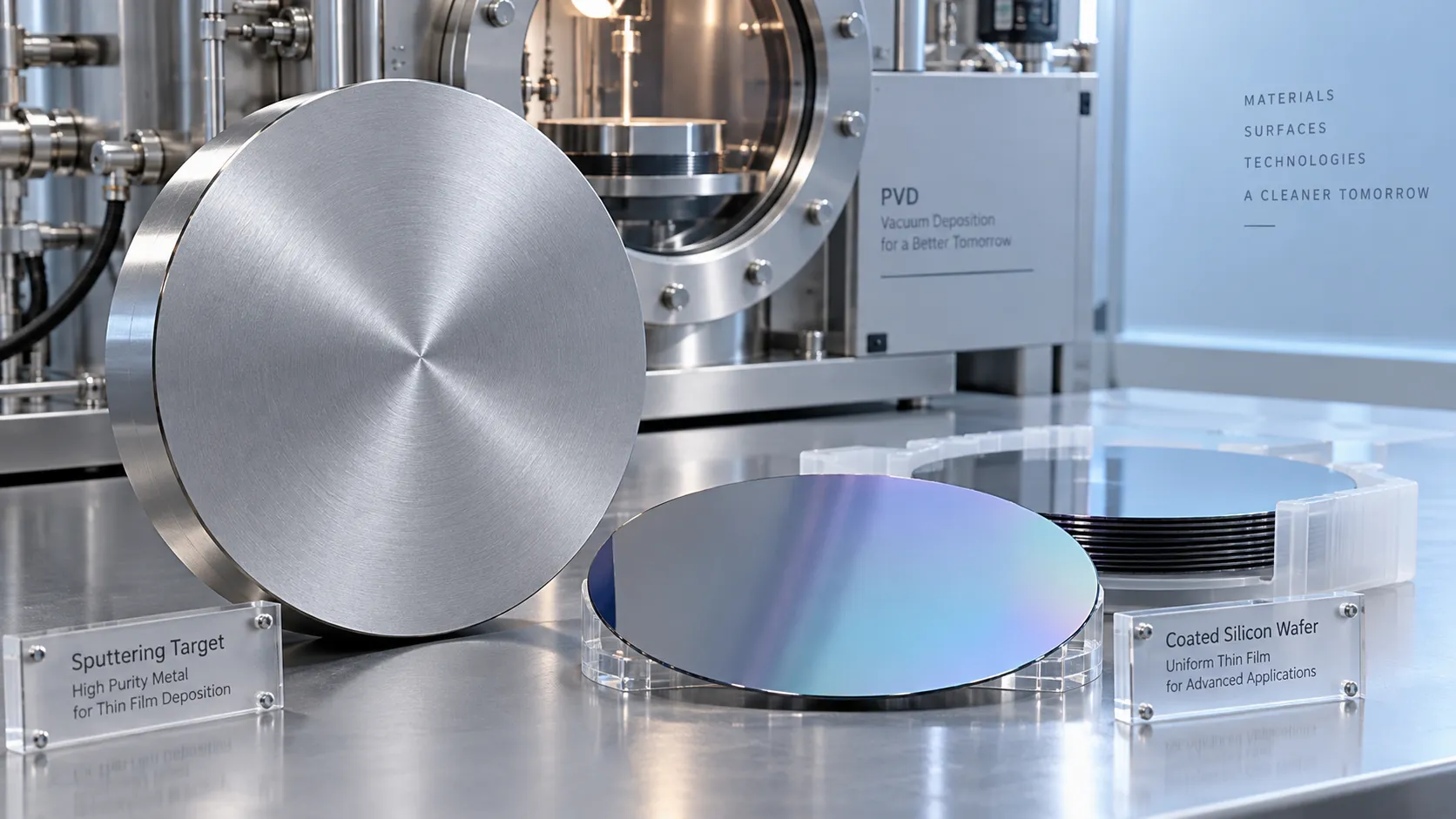
How does the purity of sputtering targets affect thin-film quality?
Discover how sputtering targets affect thin-film quality. Learn to assess purity, identify harmful impurities, and choose specifications that improve coating performance.
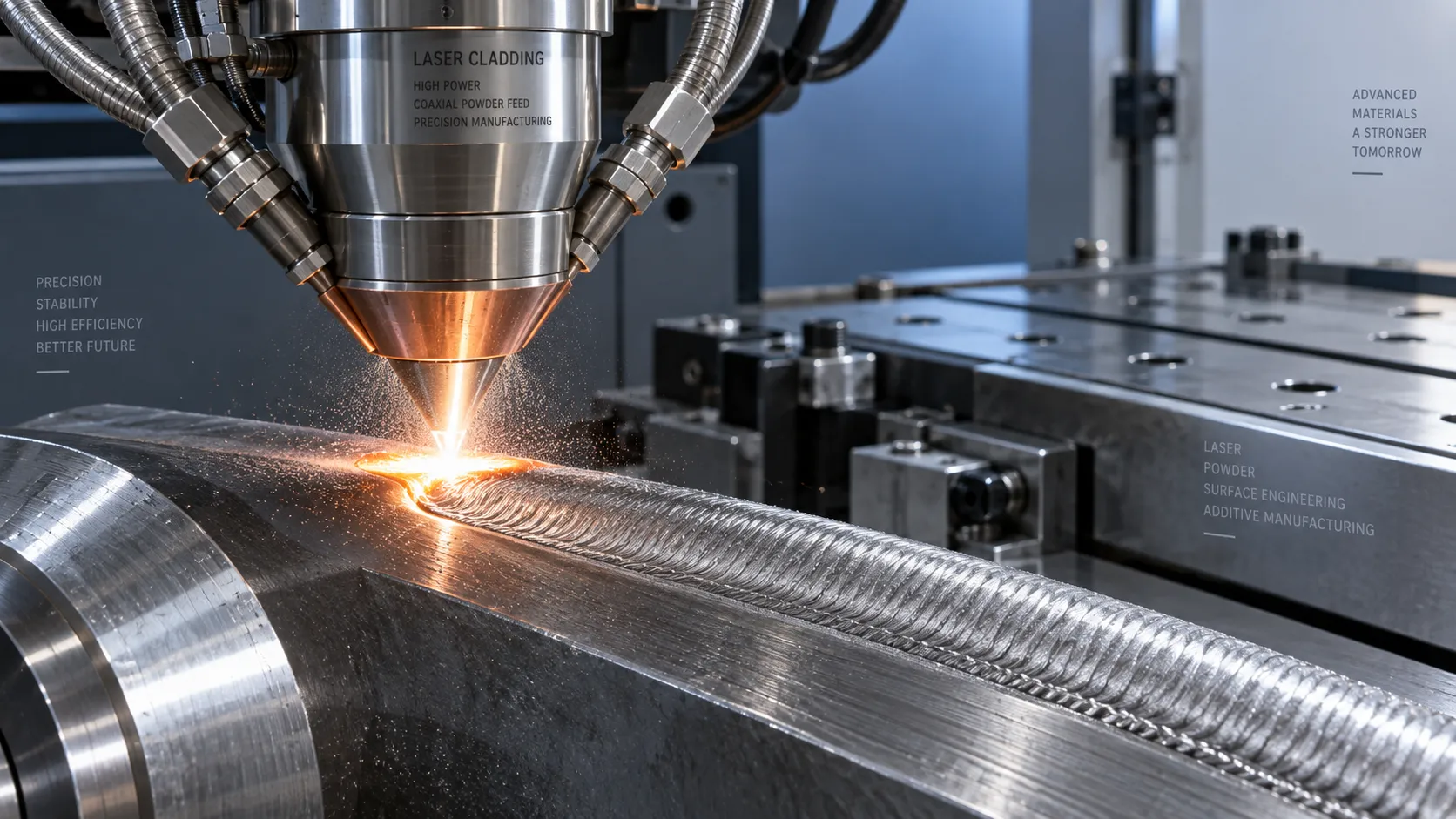
How high power laser cladding systems control substrate dilution
Discover how high power laser cladding systems control substrate dilution through beam shaping, material feed, and thermal management to deliver reliable bonds and coating performance.

How to check HS codes for customs compliance in international logistics
Strengthen international logistics customs compliance: learn how to verify HS codes, check official tariffs, and document classifications to reduce costly shipment delays.
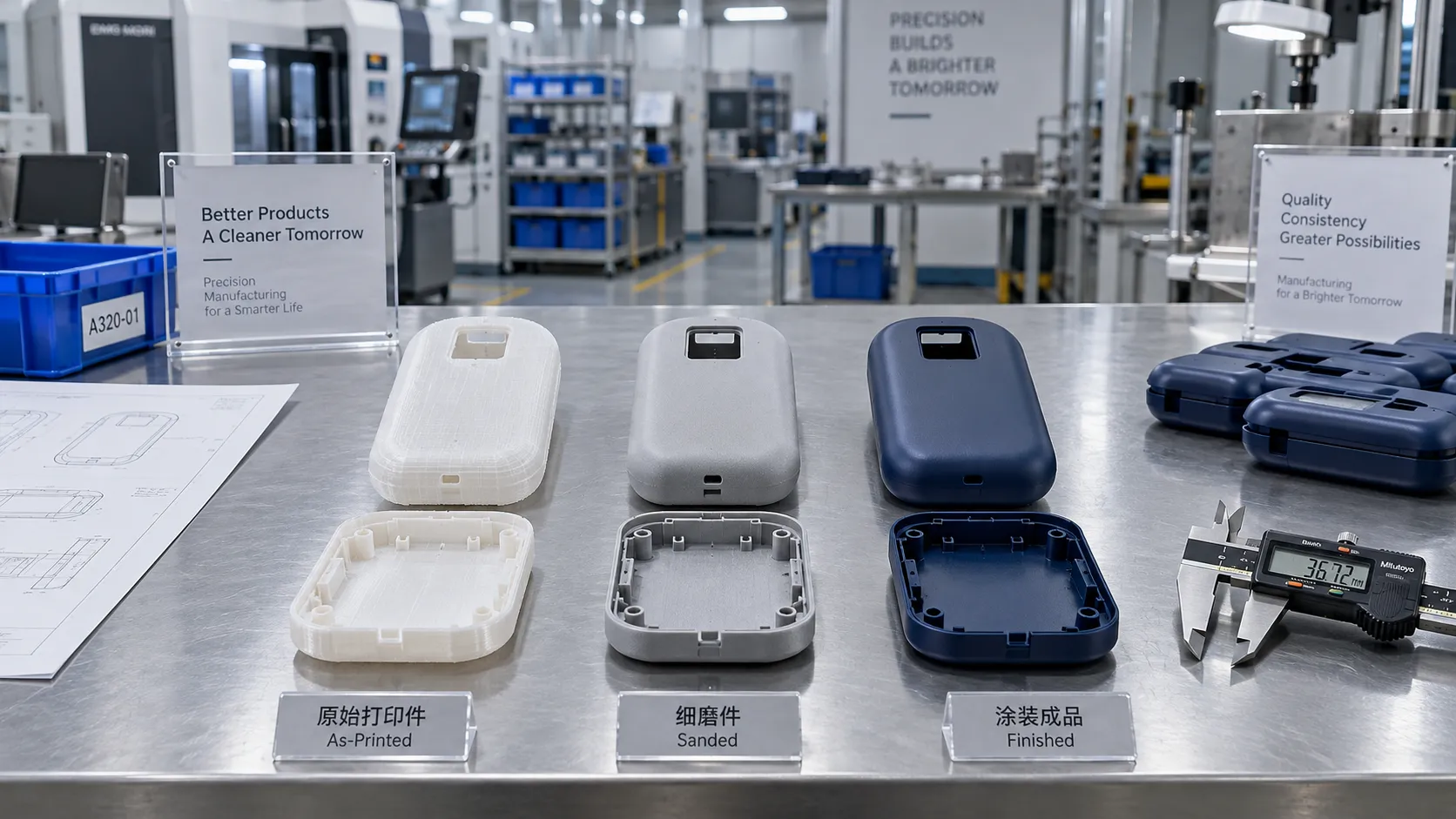
Choosing a 3D Printing Service for Consumer Products: Finish, Fit, and Cost
Compare 3d printing consumer good services by finish, fit, materials, and total cost. Learn how to choose a reliable supplier and avoid costly defects before ordering.
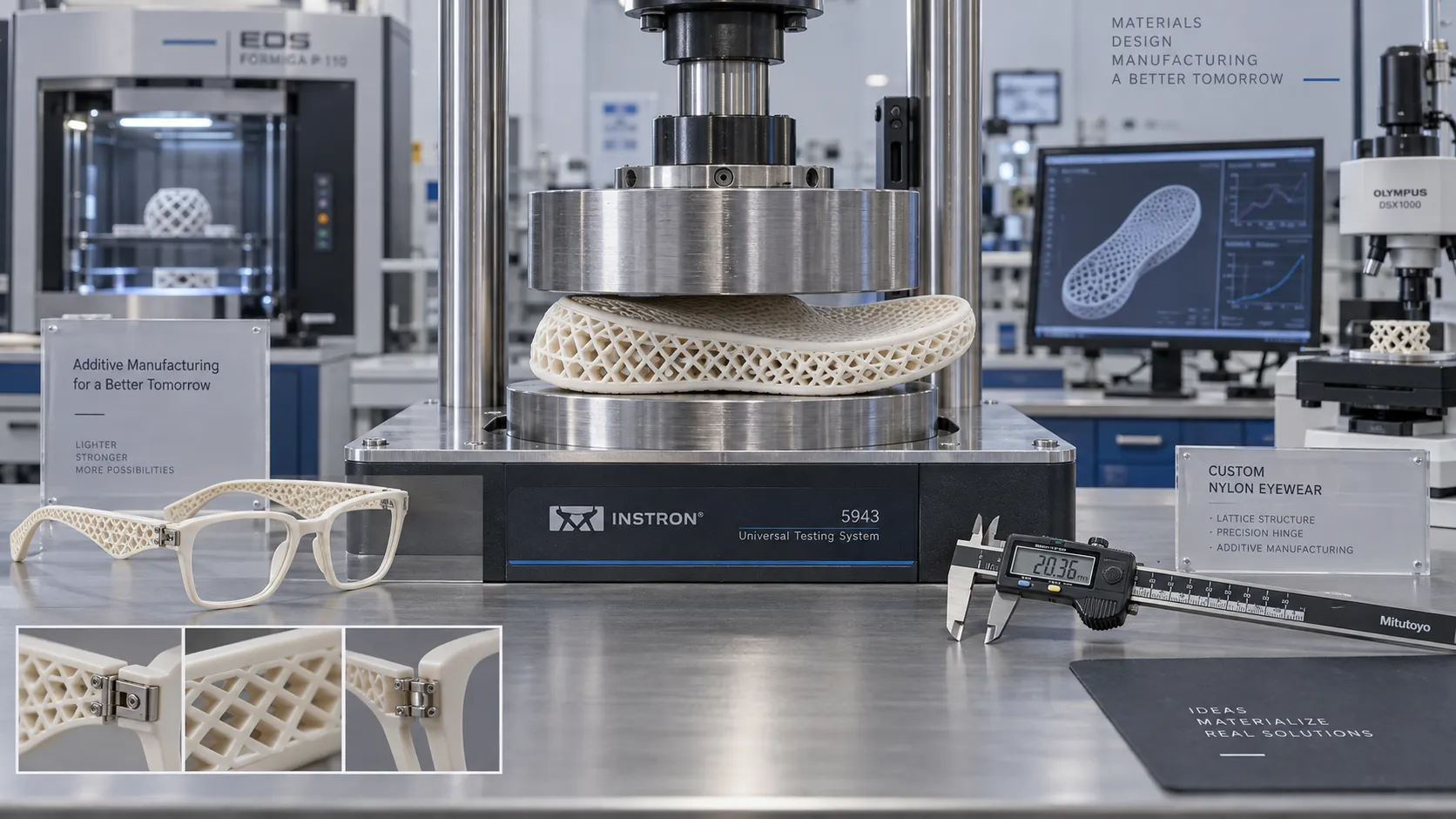
Which Consumer Goods Can Be 3D Printed, and What Are the Practical Limits?
Explore 3d printing consumer goods, from custom eyewear to replacement parts. Discover practical limits on materials, safety, and costs to make smarter production decisions.
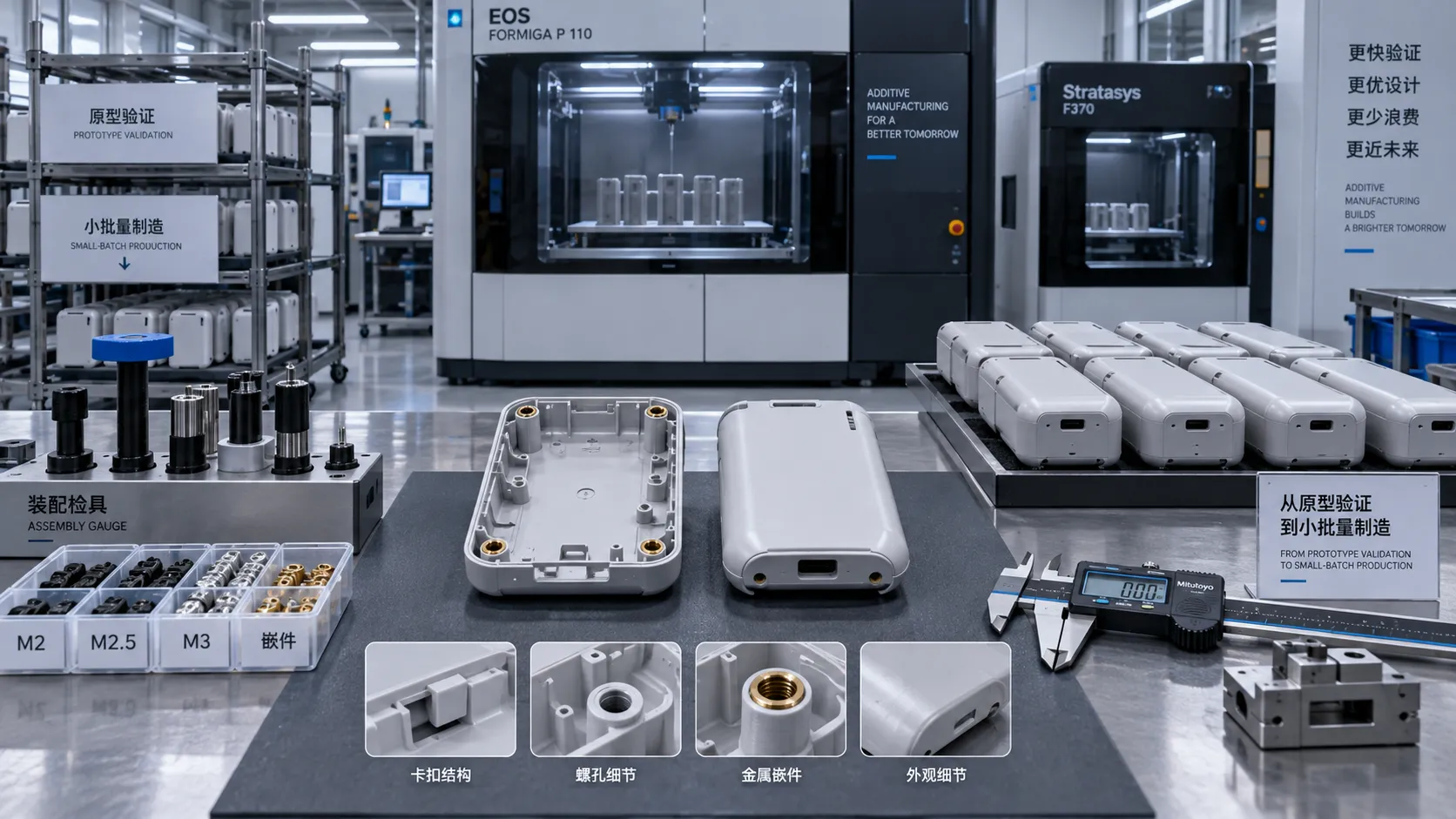
From Prototype to Small Batch: Applying 3D Printing to Consumer Goods
Explore 3d printing in consumer goods: learn how to move from prototype to small-batch production with practical guidance on materials, quality validation, and cost control.
Related News
- 00
0000-00
How to verify part consistency before choosing a 3D printing OEM - 00
0000-00
How does a rigid cryogenic transfer line handle thermal contraction? - 00
0000-00
How much does edge vision deployment cost beyond the hardware? - 00
0000-00
How does the purity of sputtering targets affect thin-film quality? - 00
0000-00
How high power laser cladding systems control substrate dilution
Marcus Print
Weekly Insights
Stay ahead with our curated technology reports delivered every Monday.