
How green part strength shapes binder jetting yield

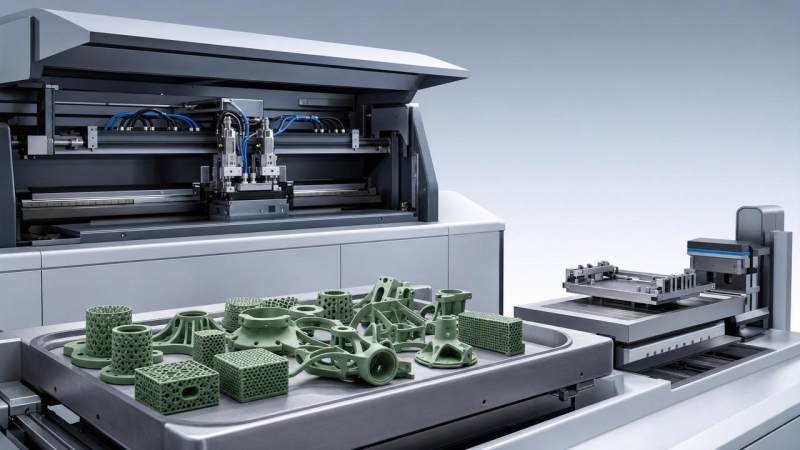
In binder jetting, green part strength is more than a material property. It directly affects yield, handling reliability, and downstream stability across industrial production environments.
When evaluating binder jetting systems, weak green parts often trigger hidden losses. These include edge chipping, depowdering failure, scrap during transfer, and unstable sintering outcomes.
That is why binder jetting green part strength matters far beyond the print box. It links material science, machine settings, workflow design, and final business performance.
Definition and technical meaning of binder jetting green part strength
Binder jetting green part strength describes the mechanical integrity of a freshly printed part before sintering or infiltration. It reflects how well the powder-binder network resists damage.
This strength is usually observed during unpacking, brushing, blowing, lifting, and fixturing. If the green body cannot survive these stages, production yield declines quickly.
The property is influenced by binder saturation, powder shape, packing density, layer thickness, drying behavior, and part geometry. Each variable changes particle bonding and stress distribution.
In practical terms, binder jetting green part strength is not only about peak force. It also includes brittleness, edge retention, resistance to vibration, and tolerance to manual or automated handling.
Why it is often misunderstood
A printed part may look complete yet remain fragile internally. Visual appearance alone rarely predicts whether the part will pass depowdering or maintain shape before thermal processing.
Some systems also print dense-looking surfaces while internal regions remain weak. This mismatch can distort quality assessments if testing focuses only on surface finish.
Why the industry tracks green strength as a yield indicator
Across additive manufacturing, yield is shaped by every pre-sinter step. In binder jetting, green part losses can become a major source of cost long before furnace operations begin.
Higher binder jetting green part strength generally improves process continuity. It reduces unplanned rework, lowers handling damage, and supports repeatable movement between production stations.
This metric receives growing attention because industrial users increasingly compare complete process windows, not isolated printer specifications. Green strength is central to that broader evaluation.
Current industrial focus areas
- More reliable green body handling for automation integration
- Better correlation between binder chemistry and depowdering success
- Faster drying without sacrificing binder jetting green part strength
- Higher packing density with acceptable pre-sinter robustness
- Data-backed benchmarks across powders, binders, and geometries
Core factors that shape binder jetting green part strength
No single parameter determines success. Binder jetting green part strength emerges from interactions between material properties, print strategy, and environmental control.
Binder saturation and droplet behavior
Low saturation may leave particles insufficiently bonded. Excess saturation can cause bleeding, dimensional spread, and local inhomogeneity that weakens unsupported features.
Droplet size and placement accuracy also matter. Uneven binder distribution creates strength gradients, especially in sharp corners, thin walls, and overhanging zones.
Powder characteristics
Particle size distribution influences packing and pore structure. Fine powders may improve bonding area, yet they can reduce flowability and complicate layer uniformity.
Particle shape changes contact behavior. Spherical powders spread well, while irregular particles may increase mechanical interlocking but can introduce inconsistency.
Layering, drying, and thermal history
Layer thickness affects interlayer bonding distance. Thicker layers may raise productivity, but they can lower local cohesion if binder penetration becomes insufficient.
Drying conditions strongly influence green body stability. Rapid solvent loss may create internal stress, while inadequate drying leaves parts vulnerable during unpacking.
Geometry and orientation
Large flat sections, thin ribs, lattices, and sharp edges are naturally sensitive. Even acceptable materials can fail if geometry magnifies stress during powder removal.
Orientation changes both support from surrounding powder and local binder accumulation. Therefore, the same design may show different binder jetting green part strength across build layouts.
Business value of stronger green parts in industrial workflows
Improved binder jetting green part strength delivers value across quality, throughput, labor efficiency, and cost predictability. The effect is especially visible in scaled production settings.
With stronger green parts, depowdering can be more controlled and less conservative. This often shortens cycle time while preserving delicate structures and dimensional intent.
It also supports automation readiness. Robotic or semi-automated transfer becomes more feasible when green parts tolerate predictable gripping and motion loads.
Another benefit is better sintering consistency. Parts that retain geometry before furnace entry are more likely to shrink uniformly and meet dimensional targets after densification.
- Lower scrap during unpacking and transport
- Reduced manual touchpoints and rework
- More stable dimensional quality before sintering
- Cleaner benchmarking between machine-material combinations
- Improved confidence in scale-up planning
Typical scenarios where green strength becomes decisive
Not every application stresses green bodies equally. The importance of binder jetting green part strength rises in parts with fragile features or high handling frequency.
Practical evaluation methods and caution points
A useful assessment should connect binder jetting green part strength with real handling conditions. Single lab numbers are helpful, but they are not enough on their own.
What to test
- Flexural or compressive behavior on representative coupons
- Edge chipping after standardized depowdering steps
- Mass loss and crack formation during transfer simulation
- Dimensional change after drying and pre-sinter storage
- Feature survival for thin walls, holes, ribs, and corners
What to avoid
Avoid judging performance from simple demo geometries alone. Dense blocks can hide weaknesses that become obvious in application-relevant shapes.
Avoid isolating binder chemistry from machine tuning. A capable binder may underperform if printhead calibration, drying profile, or powder spreading are unstable.
Avoid comparing systems without common protocols. Repeatable benchmarking requires aligned geometry sets, environmental conditions, and pass-fail criteria.
Recommended next steps for data-backed selection
A structured review should place binder jetting green part strength beside density, surface quality, shrinkage, and throughput. This creates a more realistic process comparison.
Start with a representative test matrix. Include multiple feature classes, controlled depowdering conditions, and measured transfer events before sintering.
Then correlate breakage patterns with binder settings, powder lots, and drying conditions. The resulting data often reveals whether losses come from chemistry, process control, or design mismatch.
For organizations tracking industrial technology benchmarks, this approach turns binder jetting green part strength into a practical yield metric rather than a vague material claim.
In the end, stronger green parts support more than handling success. They enable predictable workflows, cleaner scale-up decisions, and better manufacturing confidence across advanced production chains.
Related News
How to verify part consistency before choosing a 3D printing OEM
Choosing a 3D printing OEM? Learn how to verify part consistency with repeat-build trials, validated inspections, and traceability checks before committing to production.
How does a rigid cryogenic transfer line handle thermal contraction?
Learn how a rigid cryogenic transfer line manages thermal contraction with bends, bellows, and guided supports. Discover key design checks for safe, reliable cryogenic performance.
How much does edge vision deployment cost beyond the hardware?
Understand edge vision deployment cost beyond hardware, from data and integration to security and support. Uncover hidden expenses and build a smarter lifecycle budget before you scale.
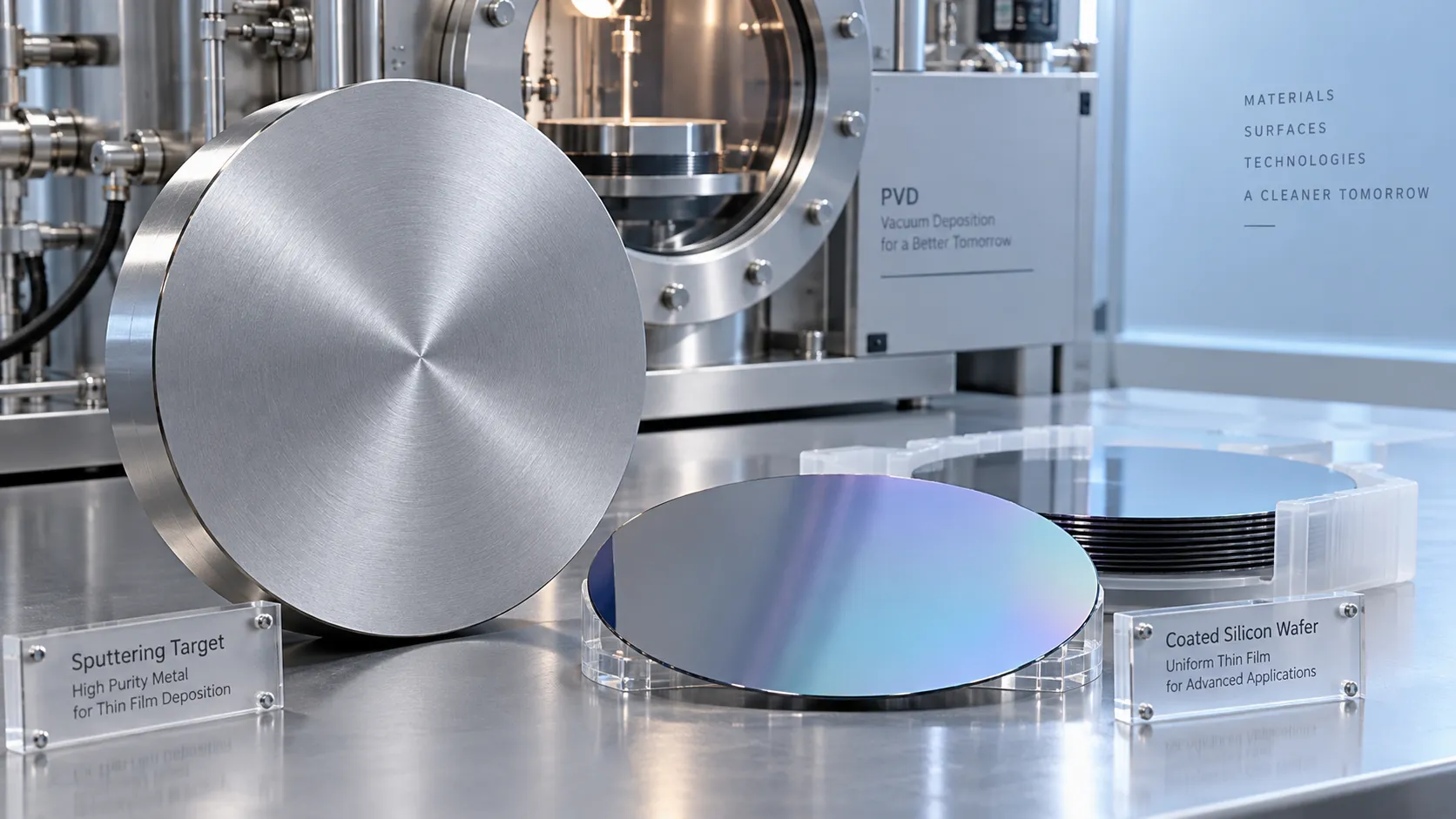
How does the purity of sputtering targets affect thin-film quality?
Discover how sputtering targets affect thin-film quality. Learn to assess purity, identify harmful impurities, and choose specifications that improve coating performance.
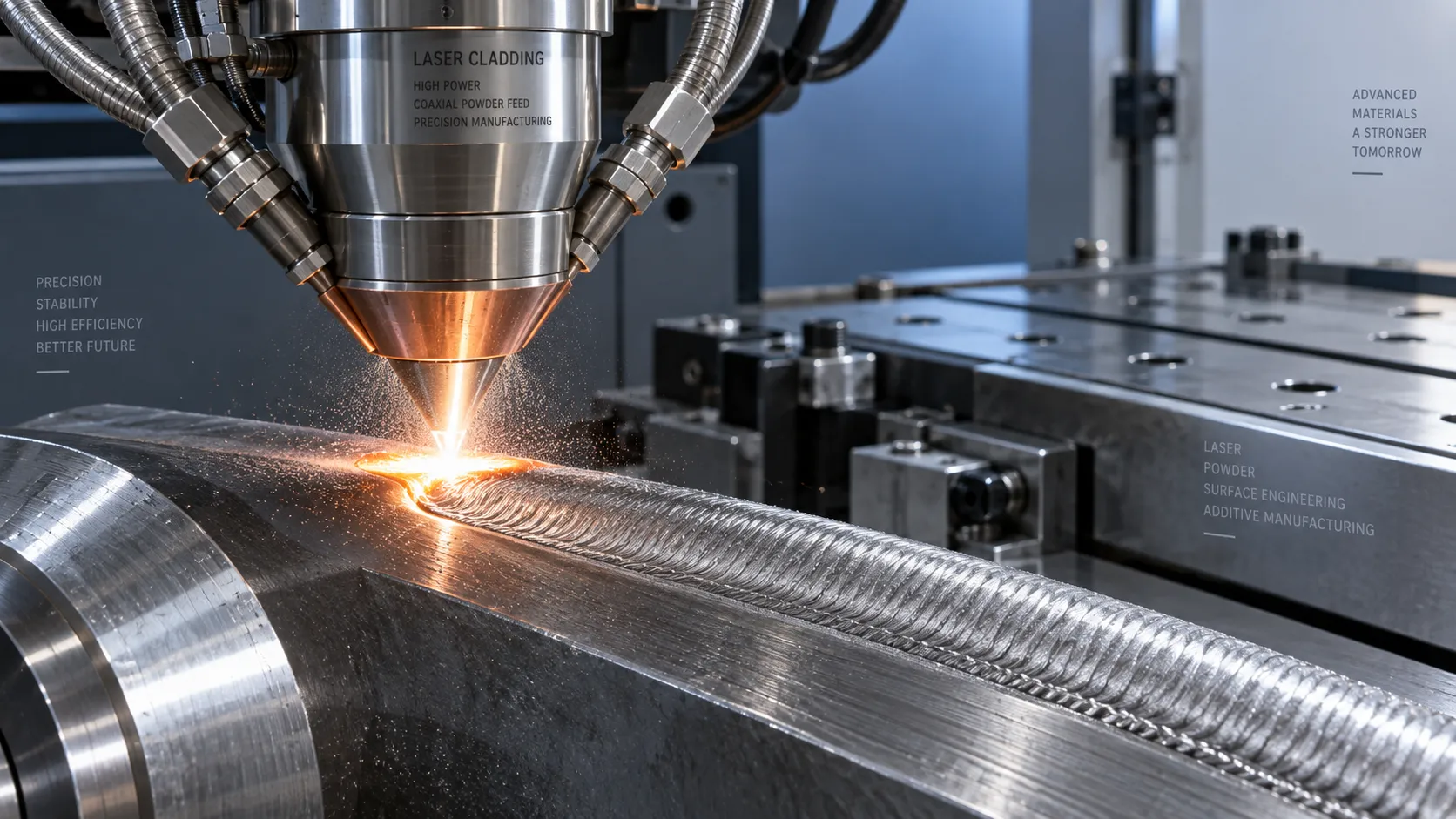
How high power laser cladding systems control substrate dilution
Discover how high power laser cladding systems control substrate dilution through beam shaping, material feed, and thermal management to deliver reliable bonds and coating performance.

How to check HS codes for customs compliance in international logistics
Strengthen international logistics customs compliance: learn how to verify HS codes, check official tariffs, and document classifications to reduce costly shipment delays.
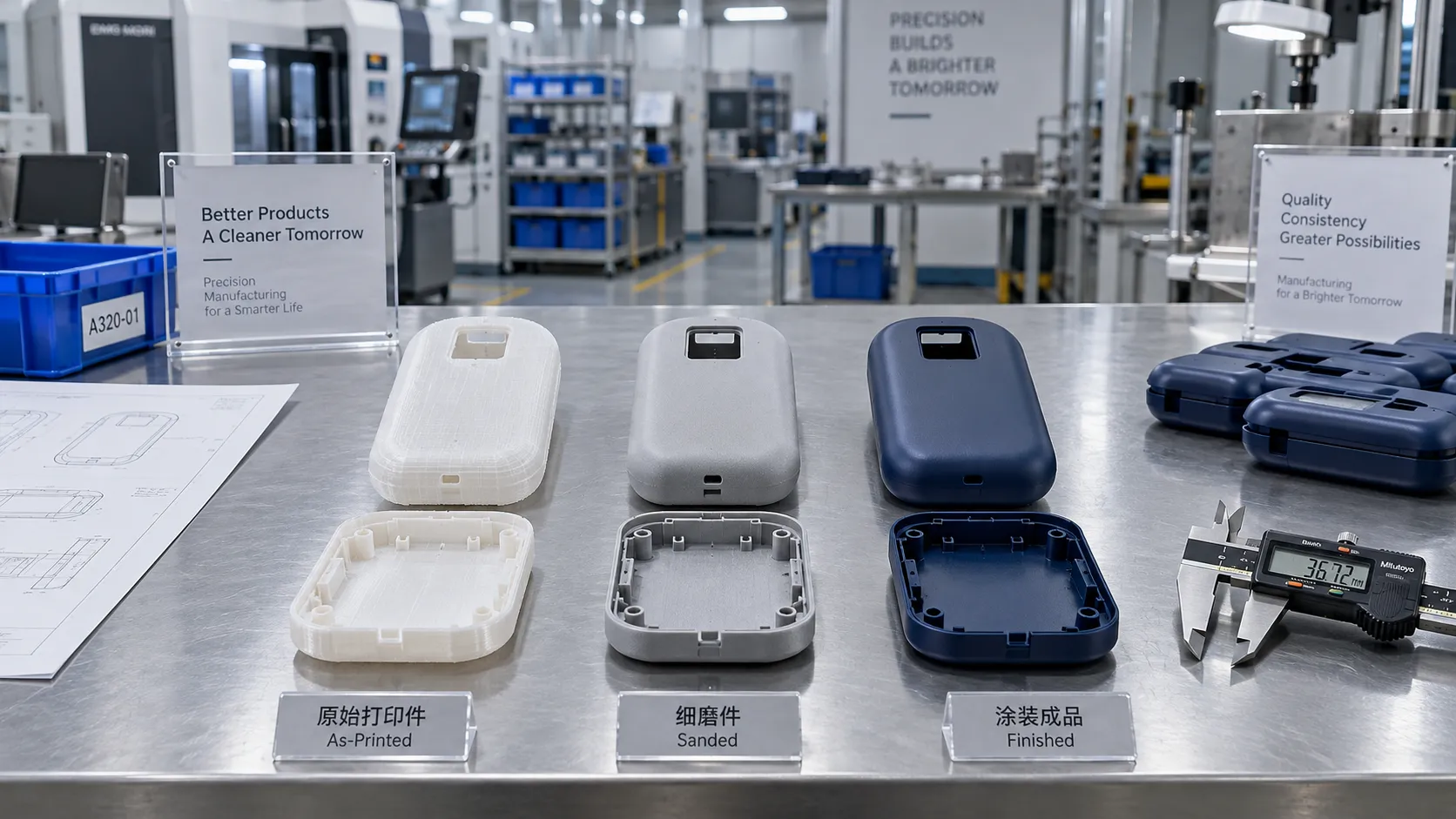
Choosing a 3D Printing Service for Consumer Products: Finish, Fit, and Cost
Compare 3d printing consumer good services by finish, fit, materials, and total cost. Learn how to choose a reliable supplier and avoid costly defects before ordering.
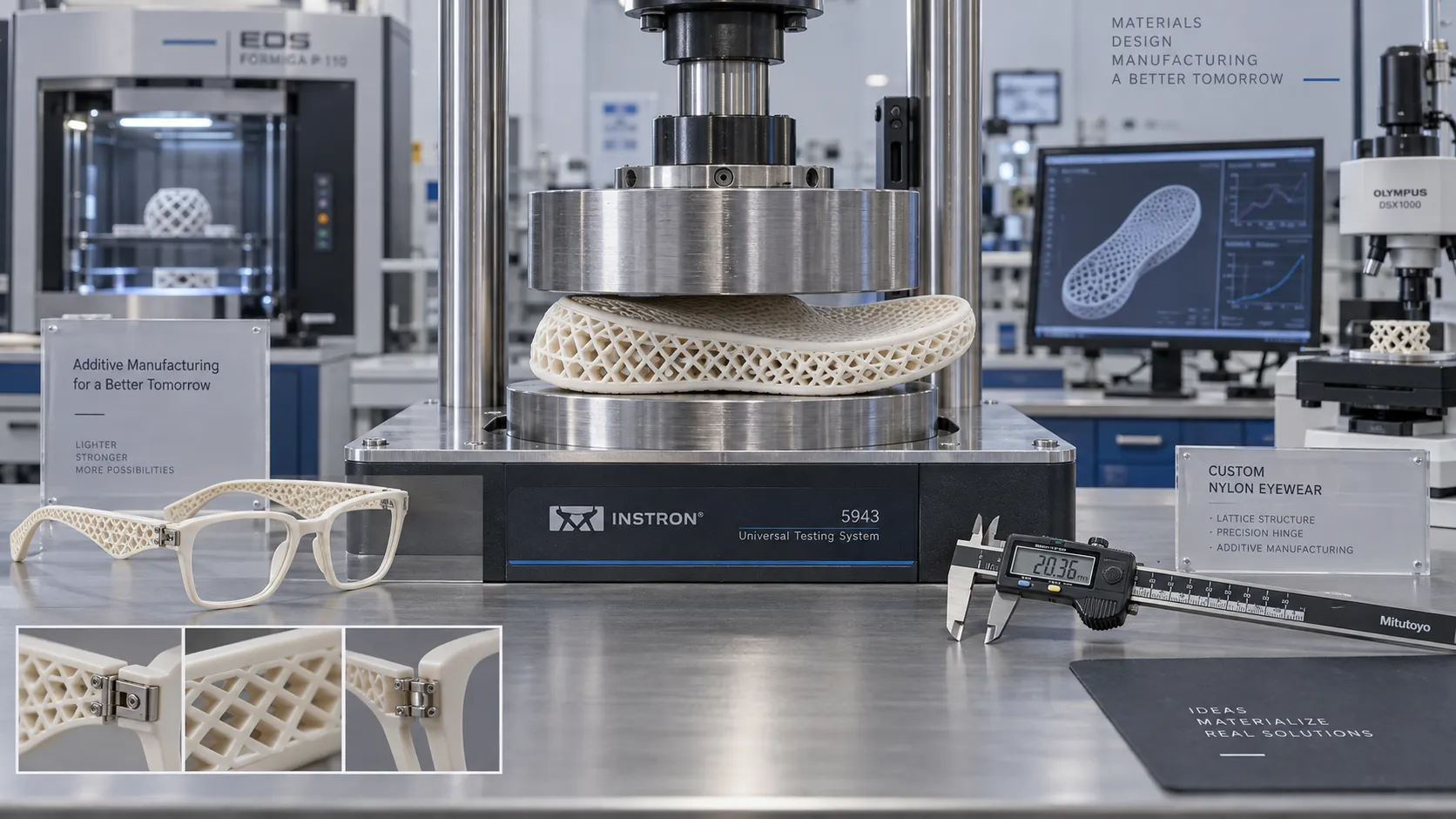
Which Consumer Goods Can Be 3D Printed, and What Are the Practical Limits?
Explore 3d printing consumer goods, from custom eyewear to replacement parts. Discover practical limits on materials, safety, and costs to make smarter production decisions.
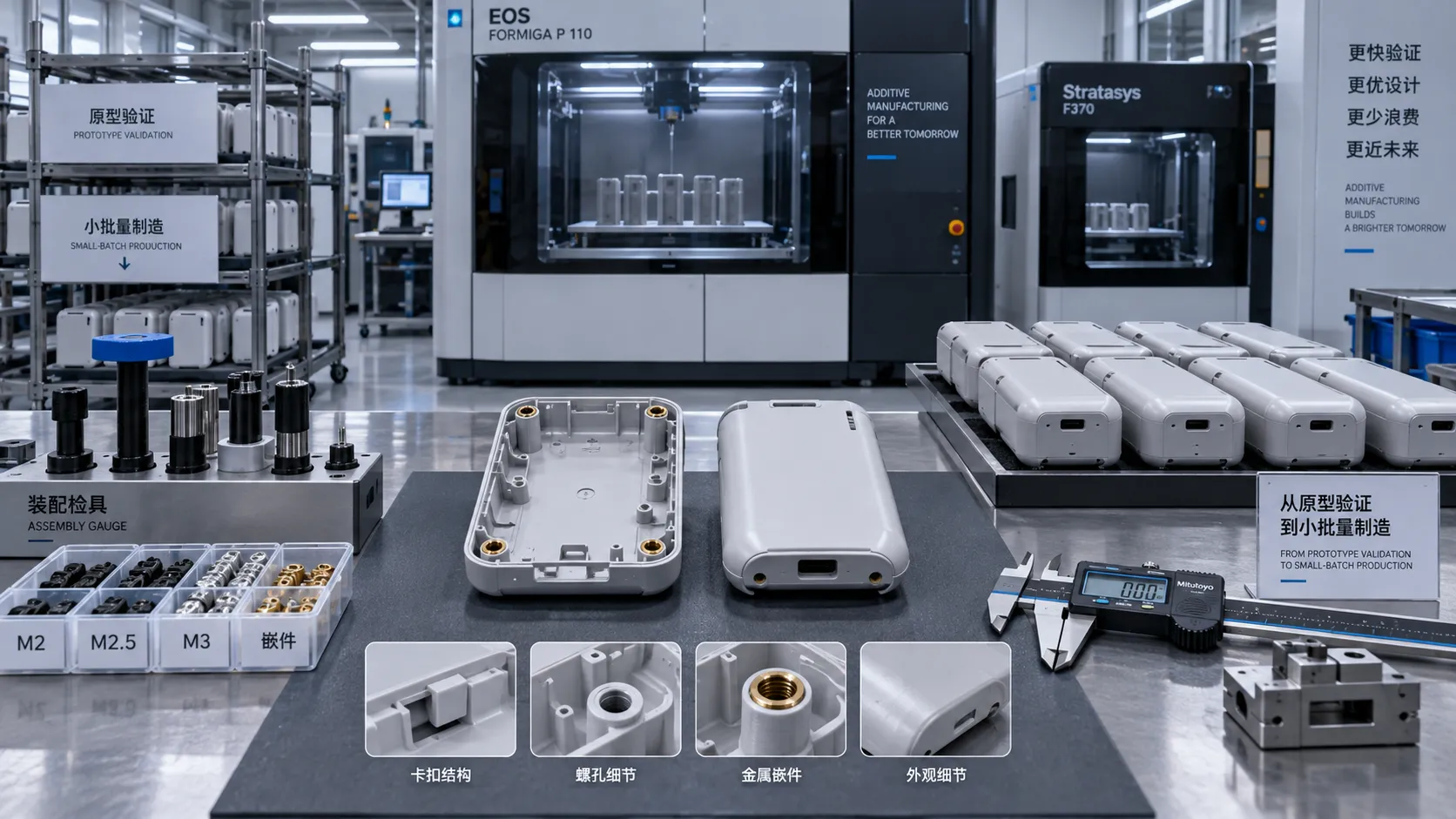
From Prototype to Small Batch: Applying 3D Printing to Consumer Goods
Explore 3d printing in consumer goods: learn how to move from prototype to small-batch production with practical guidance on materials, quality validation, and cost control.
Related News
- 00
0000-00
How to verify part consistency before choosing a 3D printing OEM - 00
0000-00
How does a rigid cryogenic transfer line handle thermal contraction? - 00
0000-00
How much does edge vision deployment cost beyond the hardware? - 00
0000-00
How does the purity of sputtering targets affect thin-film quality? - 00
0000-00
How high power laser cladding systems control substrate dilution
Marcus Print
Weekly Insights
Stay ahead with our curated technology reports delivered every Monday.