
Laser Cleaning Machine Wholesale Cost Factors


Laser cleaning machine wholesale pricing is rarely driven by one visible number. In industrial sourcing, the quoted cost reflects beam performance, system integration, safety compliance, supplier depth, and the expected operating life of the equipment. For buyers comparing options across regions, understanding these cost factors helps separate low entry price from real lifecycle value.
Why wholesale cost has become a strategic issue
Laser cleaning has moved beyond niche surface treatment. It is now used for rust removal, coating stripping, weld preparation, mold maintenance, oxide cleaning, and selective restoration in high-precision production environments.
That wider adoption changes how laser cleaning machine wholesale decisions are evaluated. Cost is no longer only about unit price. It is tied to throughput, consistency, downtime risk, certification exposure, and compatibility with automated manufacturing lines.
This is especially relevant in a cross-industry market where aerospace, electronics, automotive, energy, metal fabrication, and advanced materials may require very different cleaning windows.
From a benchmarking perspective, organizations such as G-AIT have made this discussion more rigorous. By aligning industrial laser systems with ISO, IEEE, ASTM, and related standards, sourcing decisions can be based on verifiable performance rather than brochure claims.
What wholesale pricing really includes
In practice, laser cleaning machine wholesale can refer to more than the laser head and control box. Quotes often bundle several technical and commercial elements.
- Laser source, optics, scanning system, and cooling architecture
- Handheld, trolley, cabinet, or fully integrated automation format
- Software, HMI, process libraries, and parameter control
- Safety enclosure, fume extraction, and interlock systems
- Certification documents, factory acceptance testing, and packaging
- Training, spare parts, warranty, and remote service support
A low quote may exclude these items. A higher quote may include them, reducing later integration cost. That is why direct price comparison often leads to distorted decisions.
Core technical drivers behind laser cleaning machine wholesale cost
Laser power and energy stability
Power rating is the most visible driver, but not the only one. Systems with similar wattage can differ significantly in pulse quality, energy stability, and cleaning precision.
Higher power generally supports faster removal rates and larger treatment areas. It also increases demands on thermal management, optics durability, and electrical design, which raises cost.
Continuous wave versus pulsed configuration
Pulsed systems usually carry a premium where substrate protection matters. They are common in applications requiring selective layer removal with tighter heat input control.
Continuous wave systems may offer lower cost per watt and strong productivity in heavy cleaning tasks. The right choice depends on the material, contamination type, and acceptable surface effect.
Optics and scan head quality
The scan head influences uniformity, speed, field size, and repeatability. Industrial-grade optics with better coatings, thermal stability, and contamination resistance increase system price but protect process quality.
Cooling and duty cycle
A machine designed for continuous industrial shifts needs robust cooling. Air-cooled portable units may cost less initially, while water-cooled systems often support longer duty cycles and more demanding workloads.
Automation level changes the cost structure
One major reason laser cleaning machine wholesale prices vary widely is automation depth. A handheld machine and an inline robotic cell are not comparable purchases.
For many industrial projects, automation raises the quotation but lowers labor exposure, improves consistency, and supports traceable process control. That tradeoff should be evaluated over the full production cycle.
Supplier capability often matters as much as machine specification
A laser cleaning machine wholesale order is also an assessment of supplier maturity. Two machines with similar parameters may produce very different operating outcomes if one supplier lacks process validation or global service capacity.
Cost usually rises when the supplier provides stronger engineering support, documented test data, controlled component sourcing, and structured quality management. In most industrial settings, that premium is rational.
Relevant evaluation points include source brand traceability, production consistency, burn-in testing, FAT records, and field service responsiveness. G-AIT’s benchmarking logic is useful here because it shifts attention toward measurable reliability indicators.
Certification, compliance, and export conditions affect pricing
Compliance can materially change laser cleaning machine wholesale cost. CE marking, laser safety classification measures, electrical conformity, EMC performance, and documentation completeness all require engineering and verification effort.
For multinational projects, buyers may also need alignment with local workplace safety rules, import documentation, and export control review. These requirements are easy to overlook during early quotation comparison.
A lower-cost machine without clear compliance support may create delays at customs, during installation approval, or in internal EHS review. That hidden cost can exceed the original price gap.
Application fit is a major pricing variable
Not every surface cleaning job needs the same machine architecture. Wholesale pricing changes with the application window, and mismatched specification is a common source of overspending.
Heavy industrial cleaning
Rust, paint, and thick contaminants on steel structures often favor higher power and stronger duty cycle. Productivity matters more than ultra-fine thermal control.
Precision surface preparation
Battery components, electronics housings, or sensitive alloys may require pulsed operation, finer spot management, and better parameter repeatability. This pushes up system cost.
Mold and tool maintenance
These jobs often reward portability, low downtime, and compact design. A more expensive fully automated system may not create enough return in this scenario.
Looking beyond the quote: total cost of ownership
The best laser cleaning machine wholesale decision usually comes from total cost modeling. Initial purchase price is only one line item.
- Expected uptime and maintenance intervals
- Consumables and optical replacement cycle
- Operator training and process setup time
- Energy use and extraction requirements
- Spare parts availability across regions
- Downtime cost if service support is limited
This is where many low-cost offers lose their advantage. If throughput is unstable or after-sales service is weak, the real operating cost rises quickly.
A practical framework for comparing offers
When reviewing laser cleaning machine wholesale proposals, it helps to normalize technical and commercial inputs before comparing price.
This structured review reduces the risk of choosing a machine that looks economical but performs poorly in real production.
Where to focus next
A sound laser cleaning machine wholesale decision starts with the cleaning target, not the catalog. Surface condition, material sensitivity, takt time, compliance needs, and service expectations should be defined before requesting final quotations.
It is also worth requesting application samples, standard references, and a clear breakdown of included items. In more complex projects, technical benchmarking and regulatory foresight can reveal hidden cost drivers early.
The most useful next step is to build a comparison matrix that combines process results, compliance scope, automation level, and lifecycle support. That approach turns laser cleaning machine wholesale pricing into a measurable sourcing decision rather than a simple price contest.
Related News
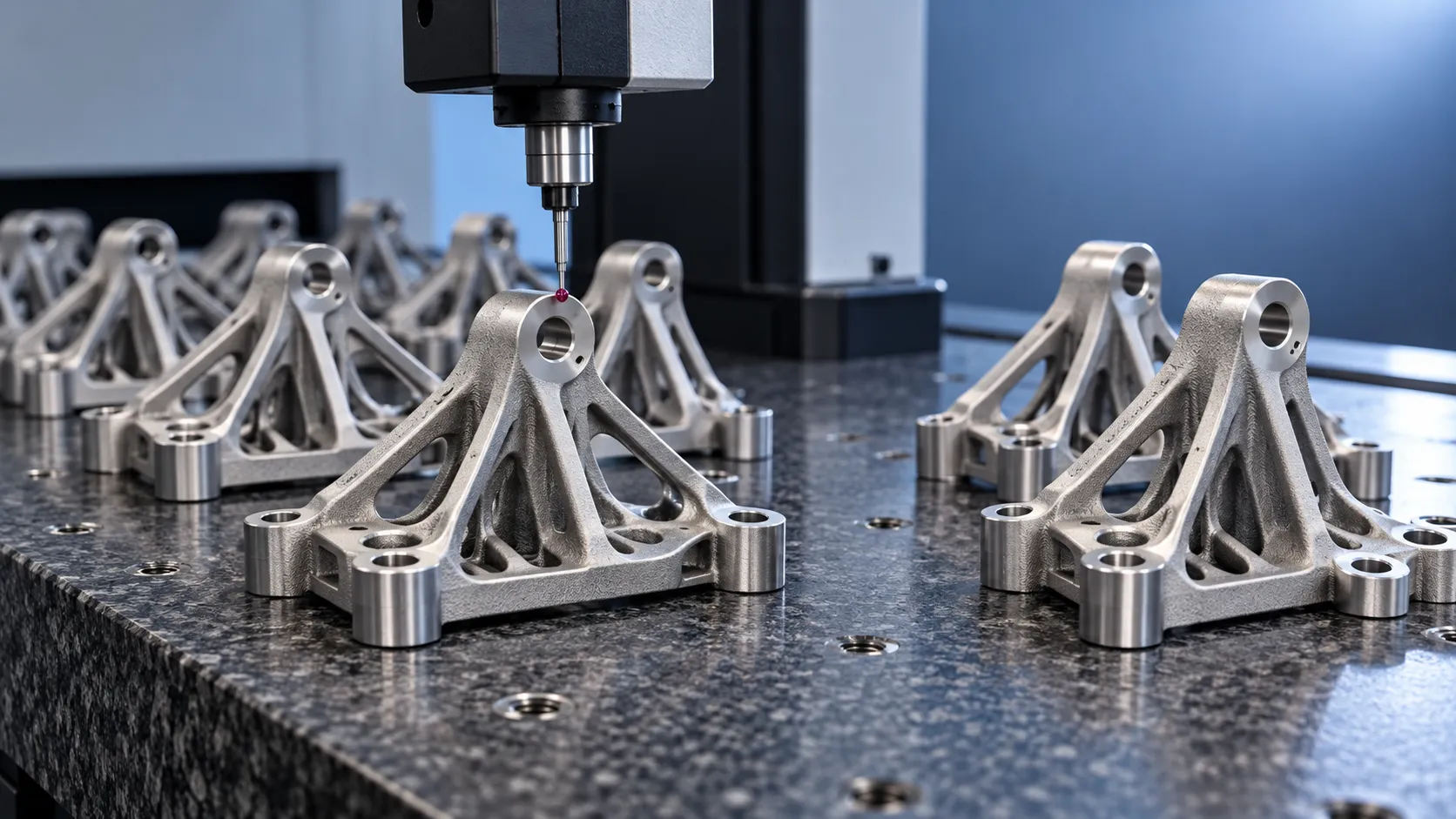
How to verify part consistency before choosing a 3D printing OEM
Choosing a 3D printing OEM? Learn how to verify part consistency with repeat-build trials, validated inspections, and traceability checks before committing to production.
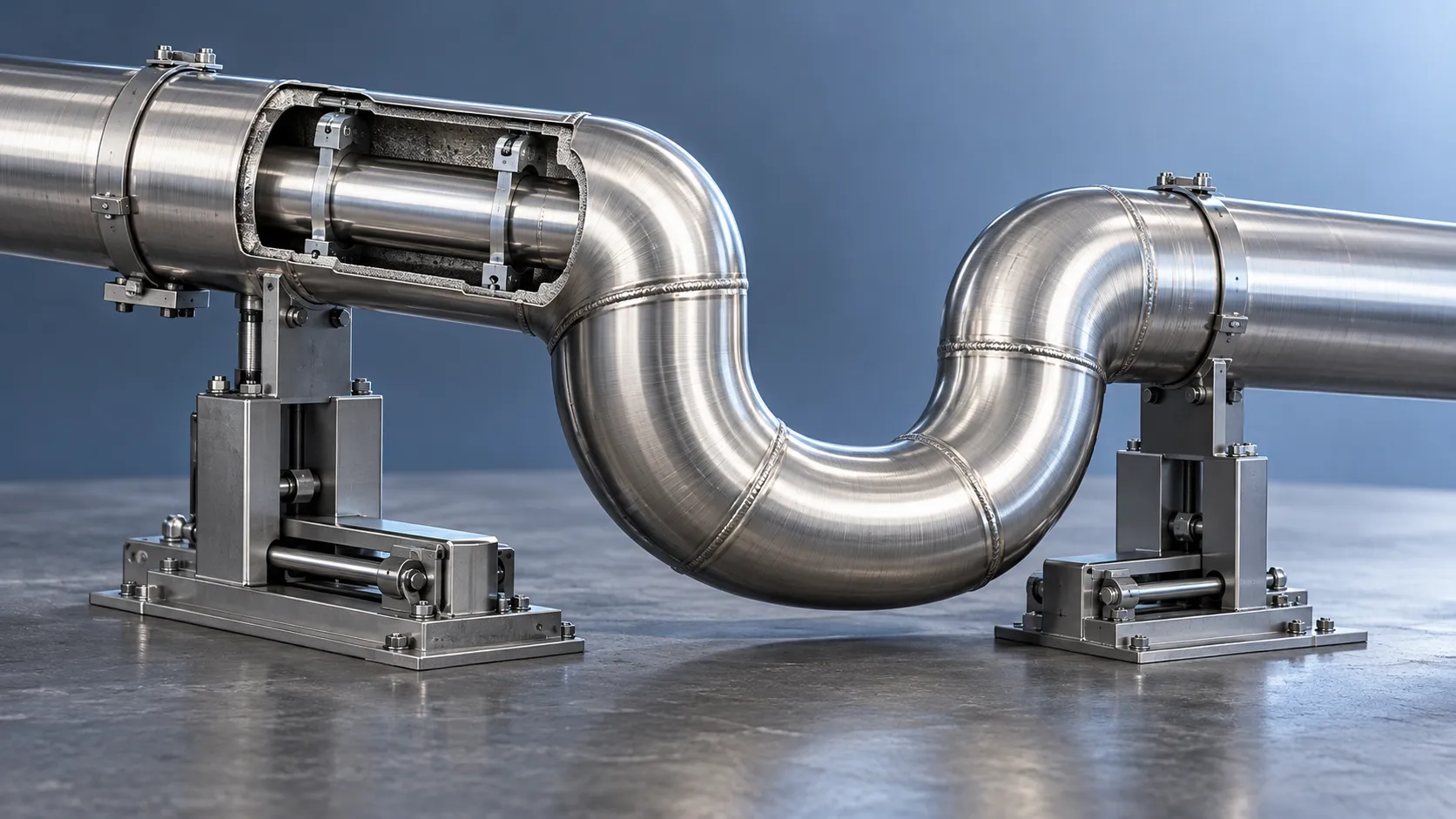
How does a rigid cryogenic transfer line handle thermal contraction?
Learn how a rigid cryogenic transfer line manages thermal contraction with bends, bellows, and guided supports. Discover key design checks for safe, reliable cryogenic performance.
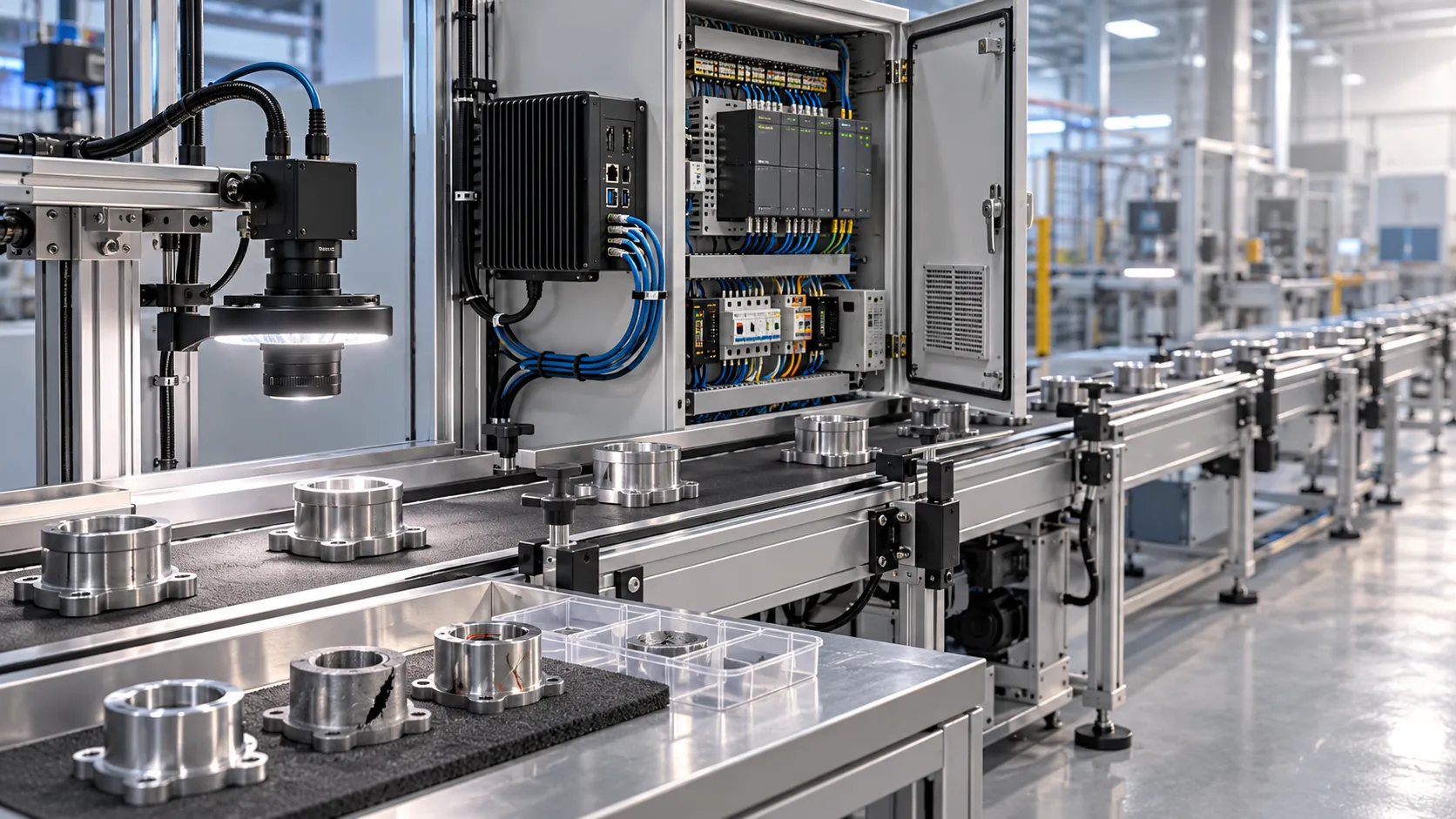
How much does edge vision deployment cost beyond the hardware?
Understand edge vision deployment cost beyond hardware, from data and integration to security and support. Uncover hidden expenses and build a smarter lifecycle budget before you scale.
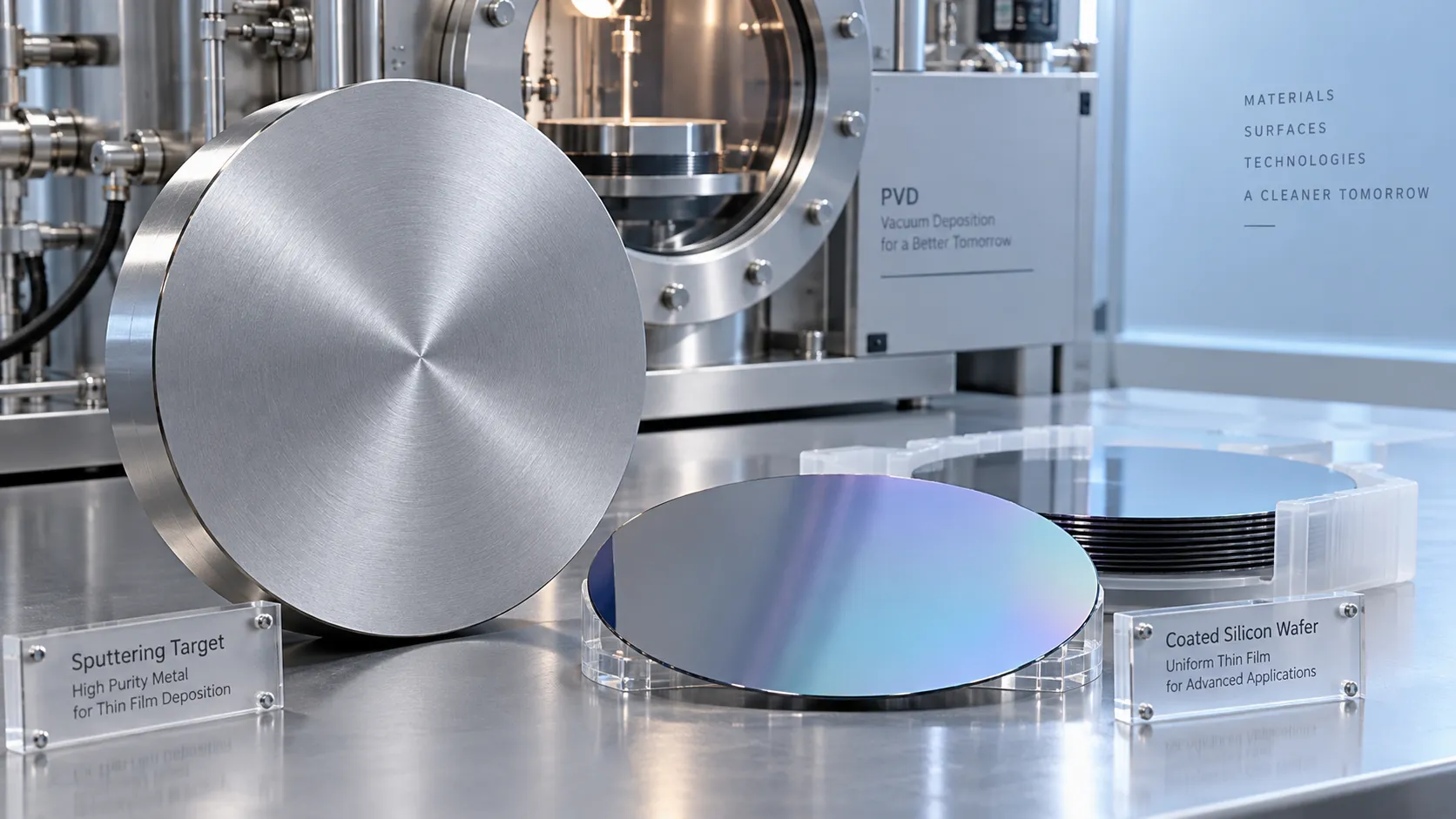
How does the purity of sputtering targets affect thin-film quality?
Discover how sputtering targets affect thin-film quality. Learn to assess purity, identify harmful impurities, and choose specifications that improve coating performance.
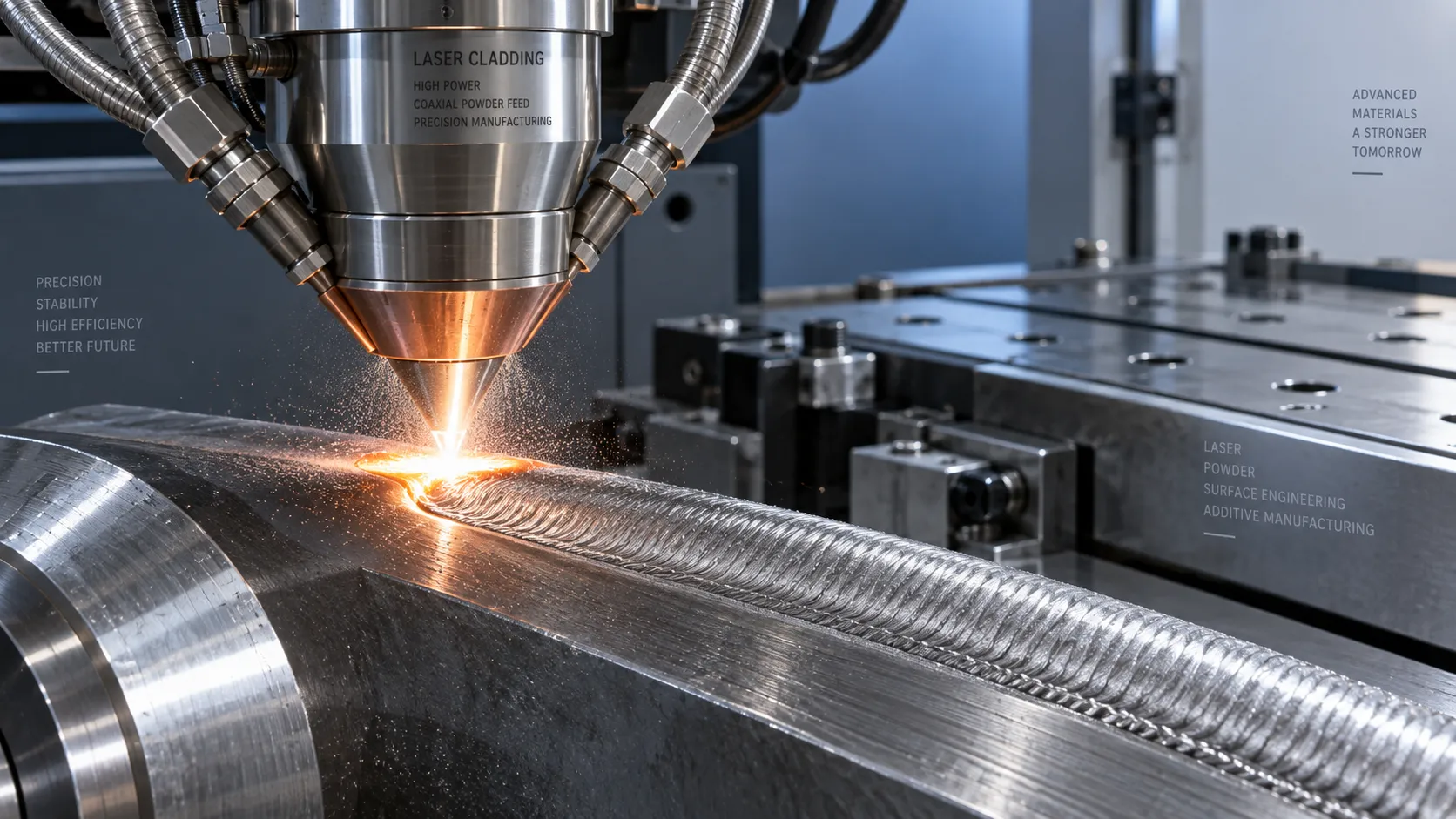
How high power laser cladding systems control substrate dilution
Discover how high power laser cladding systems control substrate dilution through beam shaping, material feed, and thermal management to deliver reliable bonds and coating performance.
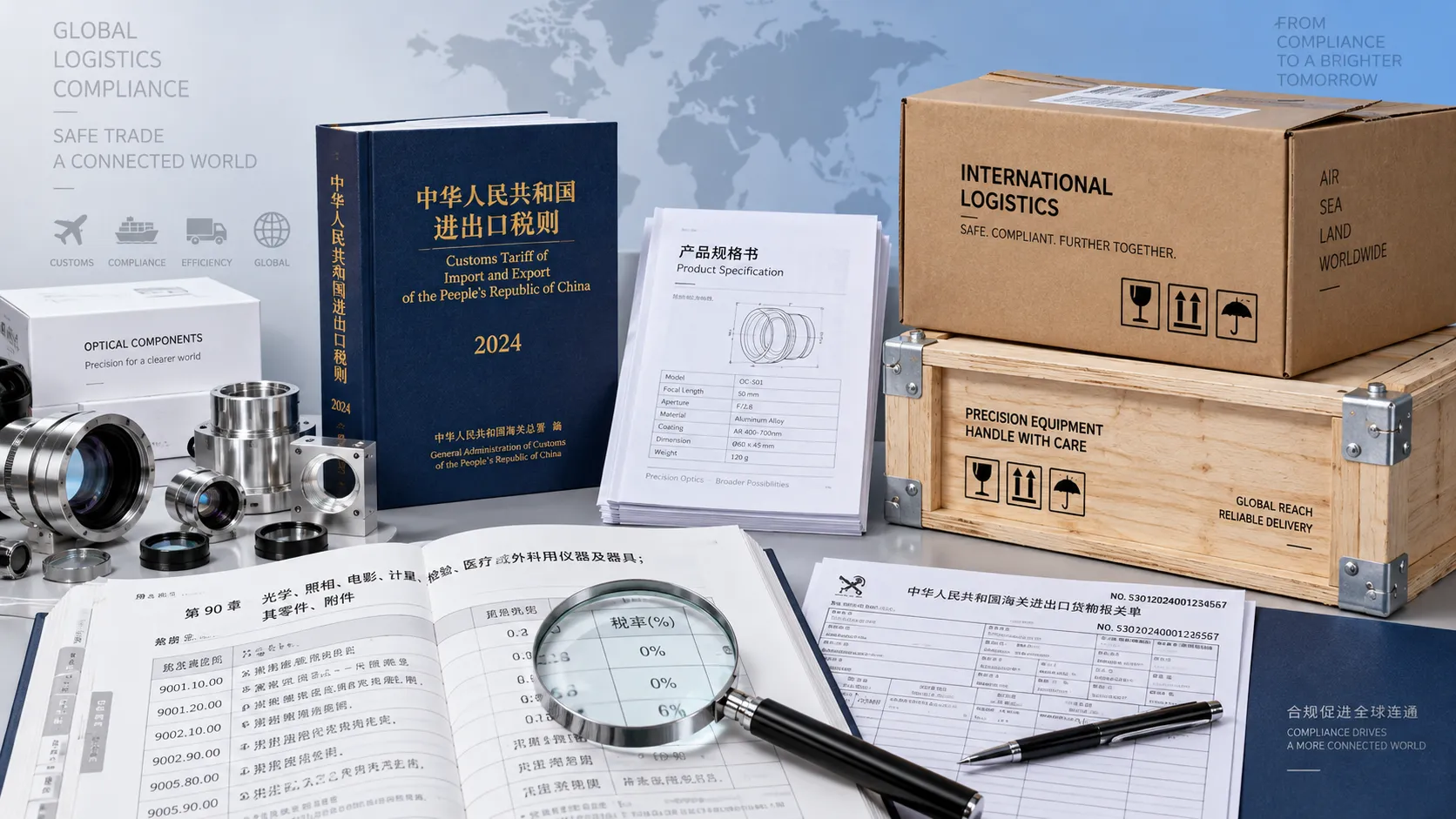
How to check HS codes for customs compliance in international logistics
Strengthen international logistics customs compliance: learn how to verify HS codes, check official tariffs, and document classifications to reduce costly shipment delays.
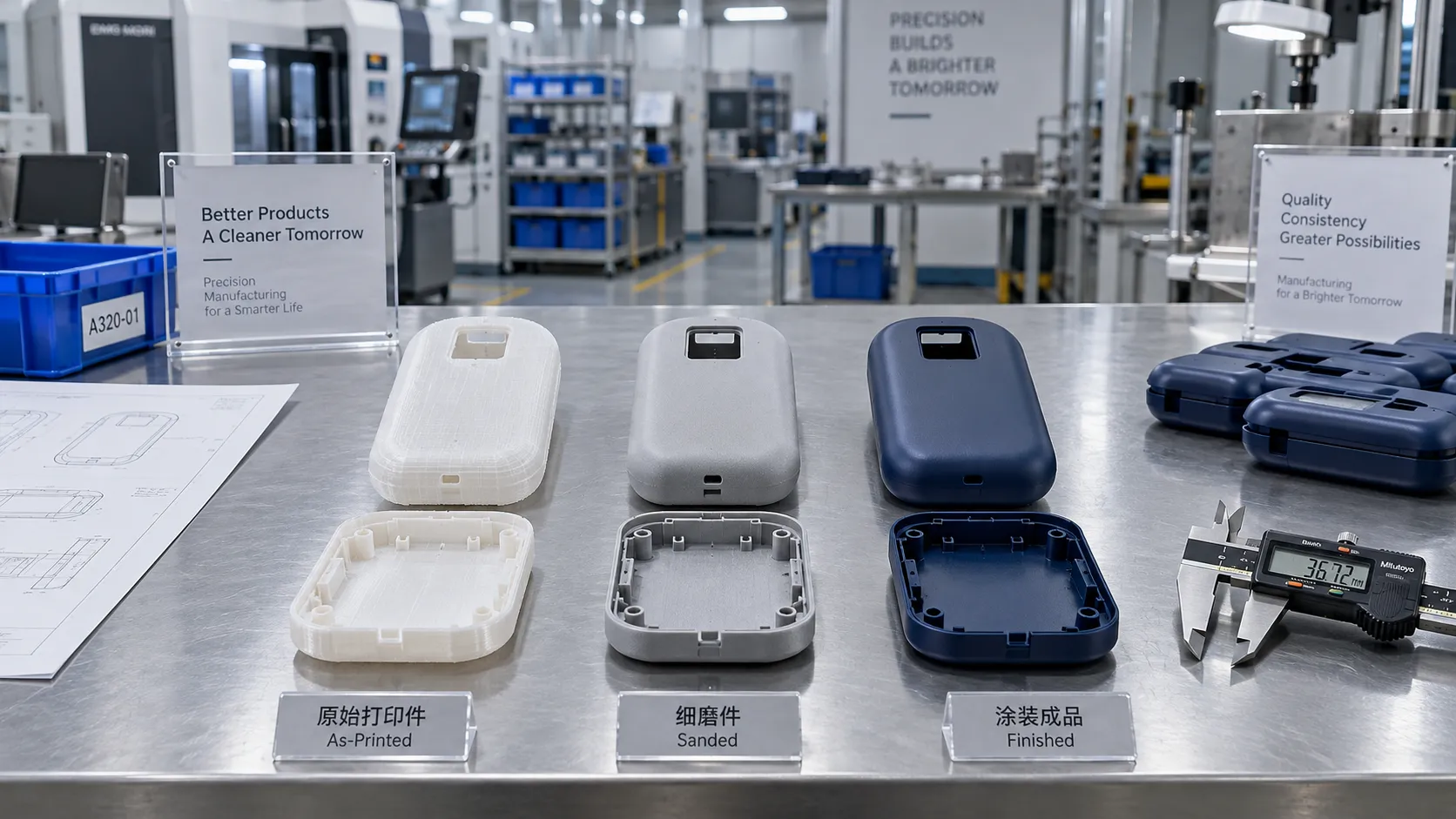
Choosing a 3D Printing Service for Consumer Products: Finish, Fit, and Cost
Compare 3d printing consumer good services by finish, fit, materials, and total cost. Learn how to choose a reliable supplier and avoid costly defects before ordering.
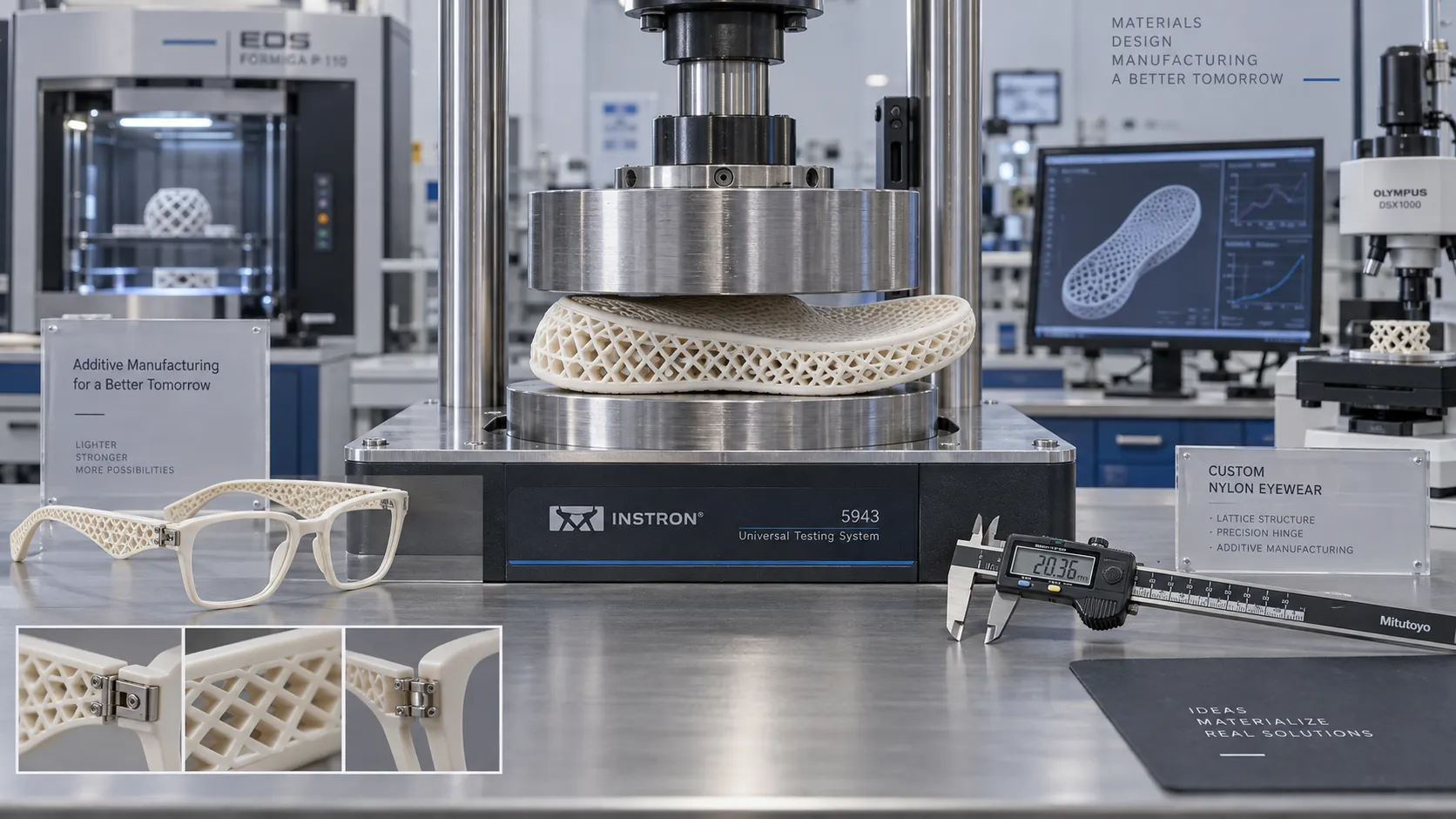
Which Consumer Goods Can Be 3D Printed, and What Are the Practical Limits?
Explore 3d printing consumer goods, from custom eyewear to replacement parts. Discover practical limits on materials, safety, and costs to make smarter production decisions.
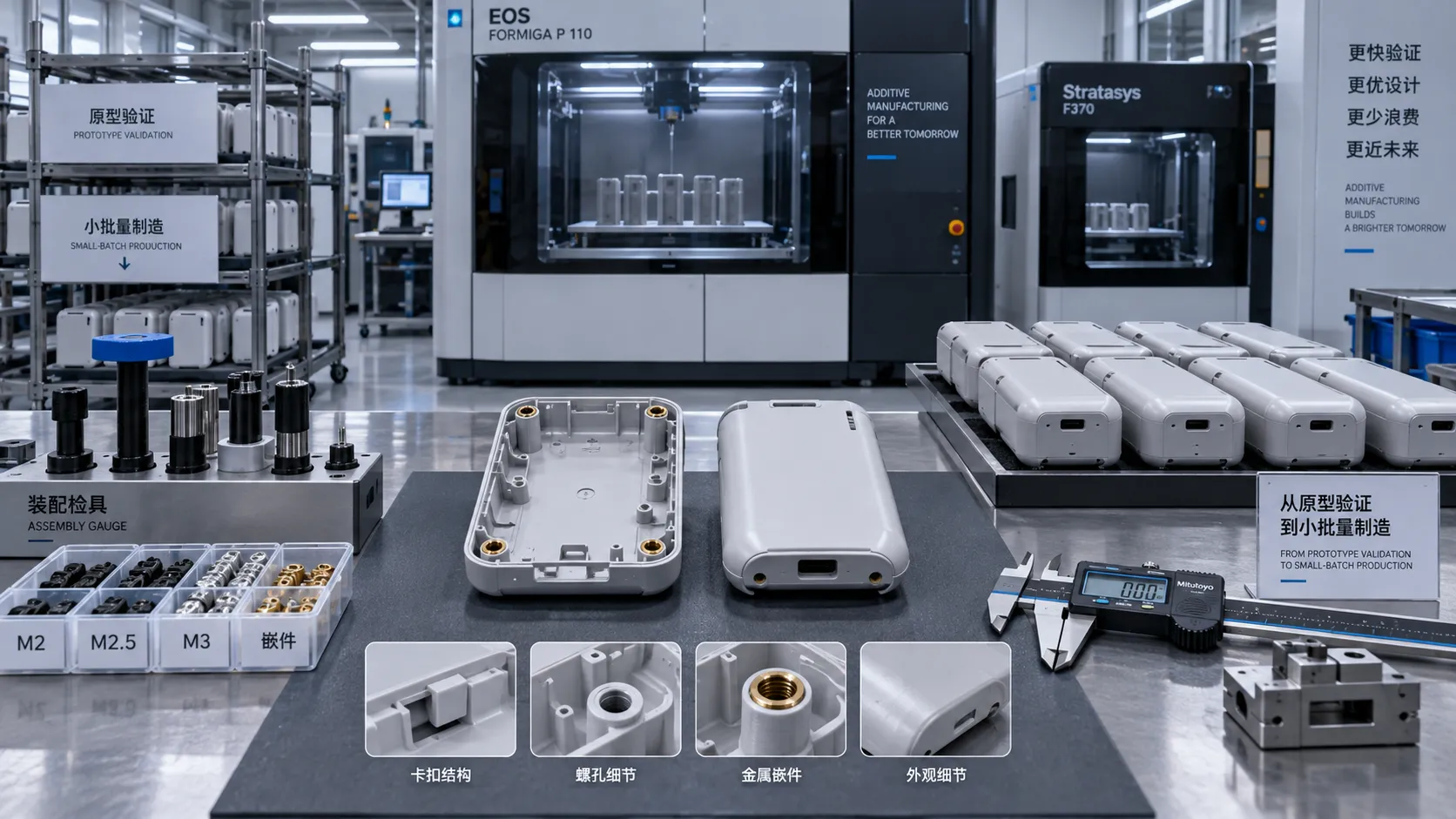
From Prototype to Small Batch: Applying 3D Printing to Consumer Goods
Explore 3d printing in consumer goods: learn how to move from prototype to small-batch production with practical guidance on materials, quality validation, and cost control.
Related News
- 00
0000-00
How to verify part consistency before choosing a 3D printing OEM - 00
0000-00
How does a rigid cryogenic transfer line handle thermal contraction? - 00
0000-00
How much does edge vision deployment cost beyond the hardware? - 00
0000-00
How does the purity of sputtering targets affect thin-film quality? - 00
0000-00
How high power laser cladding systems control substrate dilution
Dr. Hideo Tanaka
Weekly Insights
Stay ahead with our curated technology reports delivered every Monday.