
Laser Chiller Cooling Capacity Metrics Guide


Understanding laser chiller cooling capacity metrics is essential for operators who need stable temperature control, consistent laser output, and safe system performance. This guide explains the key capacity indicators, how they affect daily operation, and what to watch when matching a chiller to laser equipment, helping users reduce downtime, improve efficiency, and make more confident technical decisions.
For most operators, the biggest question is simple: does the chiller remove heat fast enough to keep the laser stable during real production, not just under ideal brochure conditions?
The short answer is that cooling capacity alone is never enough. You also need to understand inlet and outlet temperature conditions, ambient temperature, flow rate, heat load variation, and control accuracy.
When those metrics are interpreted correctly, laser chiller cooling capacity metrics become practical operating tools. They help users prevent thermal alarms, protect optics, maintain beam quality, and avoid hidden undersizing problems.
Why operators should care about cooling capacity metrics, not just the rated number
Many operators look first at a single capacity value, often shown in kW, BTU/h, or kcal/h. That number matters, but by itself it can be misleading.
A chiller rated at a certain cooling capacity may only achieve that figure at a specific water temperature, ambient temperature, and compressor load. Real workshop conditions are often less favorable.
If your laser system runs hotter than the test condition used by the chiller manufacturer, the actual available cooling capacity may be lower than expected during daily operation.
That difference directly affects process consistency. In laser cutting, welding, marking, and micro-processing, unstable cooling can shift output power, change focal behavior, and increase shutdown risk.
Operators therefore need to read capacity data as a performance range, not as a single universal promise. This mindset makes equipment matching far more reliable.
The core laser chiller cooling capacity metrics you need to understand
The most important metric is cooling capacity itself. It describes how much heat the chiller can remove from the circulating fluid over a given time period.
This value is commonly expressed in kilowatts. In some markets, it may also appear in BTU per hour or kilocalories per hour, so unit conversion is often necessary.
Another key metric is setpoint temperature. A chiller may provide one capacity at 20°C water and a lower capacity at 10°C water because deeper cooling requires more work.
Ambient temperature is equally important. As room temperature rises, the condenser rejects heat less efficiently, which can reduce effective cooling performance.
Flow rate is another operational metric that should never be ignored. Even if the chiller has enough theoretical cooling power, insufficient flow can create local hot spots inside the laser.
Temperature stability, often stated as ±0.1°C, ±0.5°C, or similar, tells you how tightly the system controls fluid temperature. For precision lasers, this can be as important as total capacity.
Pressure or pump head matters too. The chiller must move coolant through hoses, filters, heat exchangers, and internal laser channels without excessive pressure loss.
Finally, operators should check electrical load and partial-load behavior. Some chillers perform well at peak demand but cycle inefficiently under fluctuating production conditions.
How to tell whether the rated capacity matches your actual laser heat load
To match a chiller correctly, start with the actual heat generated by the laser system, not just the laser output power shown on the machine label.
Laser source inefficiency, power supply losses, optics heating, and auxiliary components all contribute to the thermal load that the chiller must remove.
For example, a high-power fiber laser may convert only part of its electrical input into useful beam output. The remaining energy becomes heat inside the system.
That means a 3 kW laser output does not imply a 3 kW cooling requirement. In many cases, the total thermal load is significantly higher.
The best source is the laser manufacturer’s thermal specification. If available, use the recommended cooling capacity, flow, pressure, coolant type, and allowed temperature range.
If those values are unavailable or unclear, operators should work backward from input power, process duty cycle, and measured return-water temperature rise under real operating conditions.
A practical rule is to avoid sizing exactly at the nominal heat load. A capacity safety margin is usually necessary to absorb ambient changes, fouling, and production peaks.
However, excessive oversizing is not always beneficial. It can increase cost, create unstable cycling, and reduce control efficiency if the system is poorly configured.
What capacity units really mean in daily operation
Operators often see capacity listed in different units and assume they represent separate performance measures. In reality, they describe the same heat removal function using different scales.
One kilowatt of cooling is approximately 3412 BTU/h. It is also about 860 kcal/h. Accurate conversion helps when comparing international supplier documents.
Still, conversion alone does not make specifications comparable. Two chillers with the same converted number may have been tested under very different entering water and ambient conditions.
That is why operators should always ask: at what fluid temperature, room temperature, and load profile was this capacity measured?
Without those details, capacity comparisons can be misleading, especially when selecting between suppliers from different regions or specification standards.
Why temperature stability can matter more than maximum cooling power
In many laser applications, process quality depends on thermal consistency more than on peak cooling strength. A stable temperature often protects precision better than a bigger nameplate number.
Laser diodes, resonator assemblies, optics, and scanning heads can all respond to small temperature fluctuations. Even modest drift may affect wavelength behavior, beam quality, or calibration repeatability.
For marking and fine processing systems, unstable coolant temperature can show up as inconsistent engraving depth, line width variation, or alignment changes over long runs.
For cutting and welding systems, temperature drift may contribute to unstable penetration, inconsistent edge quality, or reduced process repeatability during heavy production shifts.
That is why operators should review both cooling capacity and control precision together. A chiller with adequate capacity but poor stability may still underperform in real use.
Signs your laser chiller is undersized or operating beyond its effective capacity
One common sign is frequent high-temperature alarm activity, especially during long continuous runs or when ambient conditions become warmer in the afternoon.
Another warning sign is a noticeable rise in return coolant temperature combined with a slow recovery time after production peaks. This often indicates weak thermal reserve.
Operators may also observe laser power instability, unexpected pauses, or degraded process consistency that seems unrelated to optics, gas supply, or motion control.
If the compressor runs continuously without achieving the setpoint, the chiller may be undersized, poorly ventilated, or affected by condenser fouling.
In some cases, the issue is not the nominal capacity but reduced real performance caused by clogged filters, poor coolant quality, low flow, or excessive hose length.
That is why troubleshooting should focus on total thermal performance, not just the factory label.
How ambient conditions change the meaning of capacity data
Laser chiller cooling capacity metrics are always influenced by the environment around the machine. High ambient temperature reduces condenser efficiency and increases system stress.
Dust accumulation, restricted airflow, and installation too close to walls can further reduce the chiller’s ability to reject heat into the room or outdoor circuit.
Seasonal change also matters. A chiller that appears sufficient in winter may struggle in summer if it was selected with no thermal margin.
Operators should therefore compare the manufacturer’s rating condition with the hottest realistic plant conditions, not the average condition.
Humidity can also influence maintenance risk. While it does not directly define cooling capacity, it can affect condensation risk when operators set coolant temperature too low.
What to check when comparing two chillers for the same laser system
First, compare rated cooling capacity at the same operating conditions. If test points differ, the numbers are not directly comparable.
Second, review temperature stability and pump performance. A chiller with slightly lower nominal capacity may still perform better if its control loop and hydraulic design are stronger.
Third, check allowable coolant type, filtration compatibility, and serviceability. These details matter in daily operation and often affect long-term thermal performance more than headline numbers.
Fourth, confirm alarm logic, communication interface, and interlock compatibility with the laser machine. Fast fault response helps protect the system when thermal conditions drift.
Fifth, ask about derating behavior at high ambient temperatures. Serious suppliers should be able to explain how performance changes outside standard test conditions.
Finally, consider maintenance access. A technically suitable chiller can still become an operational burden if cleaning, draining, and sensor inspection are difficult.
A practical operator checklist for matching chiller capacity to a laser
Start with the laser manufacturer’s required heat load, target coolant temperature, minimum flow rate, and pressure window. These values form the core selection baseline.
Then confirm the highest expected ambient temperature around the chiller, including seasonal peaks and poor ventilation scenarios near other heat-generating equipment.
Check whether the listed cooling capacity applies at your intended setpoint. Lower temperature setpoints usually reduce available cooling capacity.
Verify pump head and flow at the actual piping length, not just at the chiller outlet. Long runs and bends can create meaningful losses.
Review control stability requirements based on process sensitivity. Precision applications may justify tighter temperature control even when total heat load is moderate.
Add reasonable margin for fouling, aging, and production expansion, but avoid arbitrary oversizing that ignores control behavior.
Finally, confirm maintenance routines for filters, condenser cleaning, coolant quality, and alarm testing. Capacity on paper only matters if the system stays in specification over time.
Common mistakes operators make when reading cooling capacity specifications
One mistake is equating laser power output with thermal load. Cooling demand depends on total inefficiency and auxiliary heating, not output alone.
Another mistake is comparing capacities without checking test conditions. The same kW figure can represent very different real-world performance.
Some users focus on compressor size while ignoring temperature stability, flow, and pump pressure. This can lead to technically mismatched systems.
Others set coolant temperatures lower than necessary, assuming colder is always safer. In reality, overly low setpoints may reduce efficiency and increase condensation risk.
Maintenance neglect is another major error. Dirty condensers, blocked filters, air in the loop, and degraded coolant can all reduce effective capacity sharply.
How better understanding of capacity metrics improves daily reliability
When operators understand laser chiller cooling capacity metrics clearly, they can detect mismatch earlier and communicate more precisely with maintenance teams and suppliers.
They can also interpret symptoms correctly. Instead of treating thermal alarms as isolated faults, they can relate them to load, airflow, setpoint, or hydraulic conditions.
This improves uptime because corrective action becomes faster and more targeted. It also reduces unnecessary part replacement caused by incomplete diagnosis.
Over time, a metric-based approach supports better process consistency, lower thermal stress on laser components, and more confident equipment planning.
Conclusion
For operators, the most useful way to view laser chiller cooling capacity metrics is as a practical decision framework, not a collection of abstract technical values.
Cooling capacity, temperature stability, flow, pressure, ambient derating, and actual heat load all work together to determine whether a chiller will protect laser performance reliably.
If you only look at the headline capacity number, you risk selecting a unit that appears sufficient but struggles in real production. If you read the full metric picture, you make better decisions.
In short, the right chiller is not simply the one with the biggest rating. It is the one whose real operating metrics match the laser’s thermal demands, the site environment, and the process stability required every day.
Related News
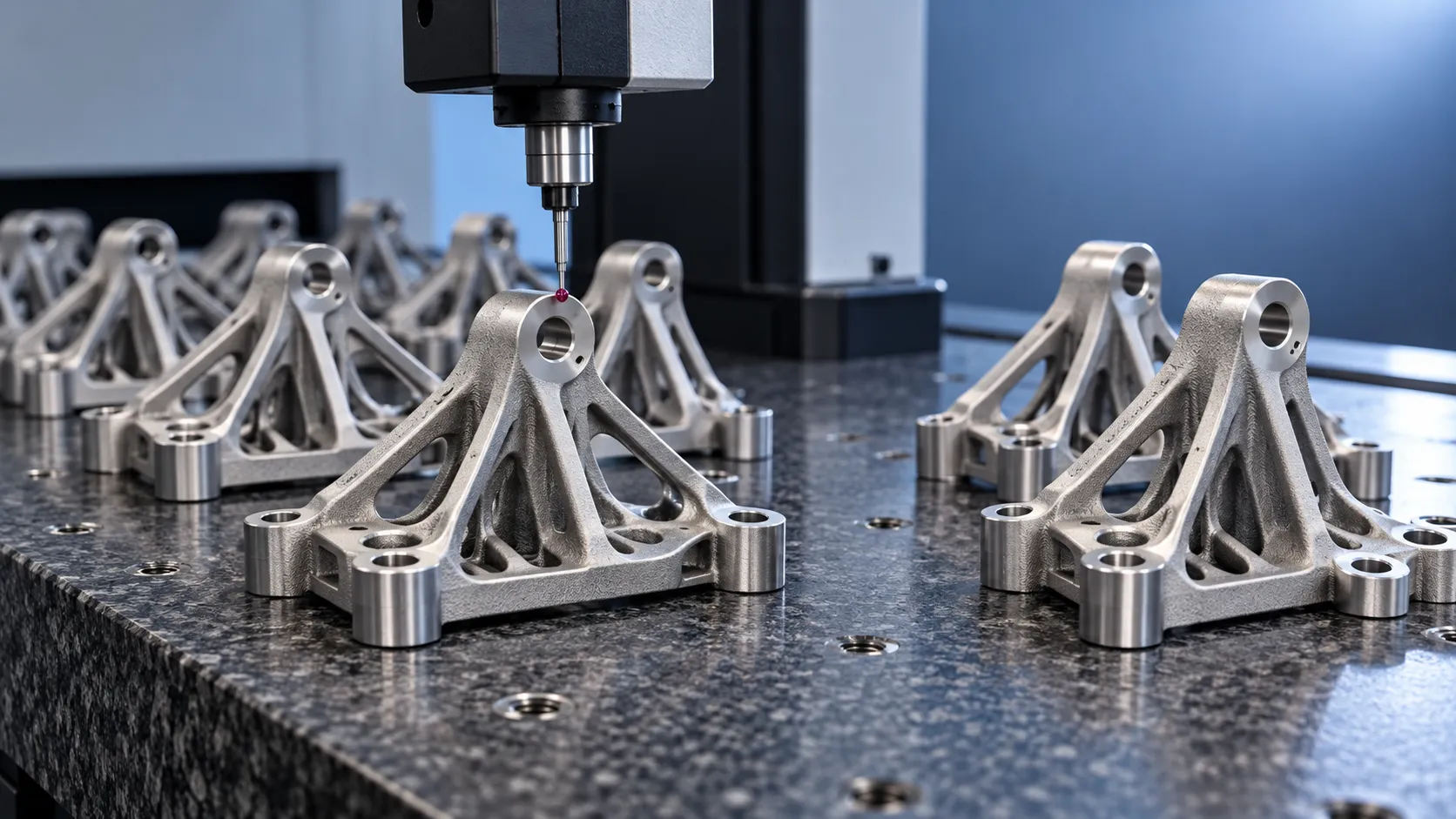
How to verify part consistency before choosing a 3D printing OEM
Choosing a 3D printing OEM? Learn how to verify part consistency with repeat-build trials, validated inspections, and traceability checks before committing to production.
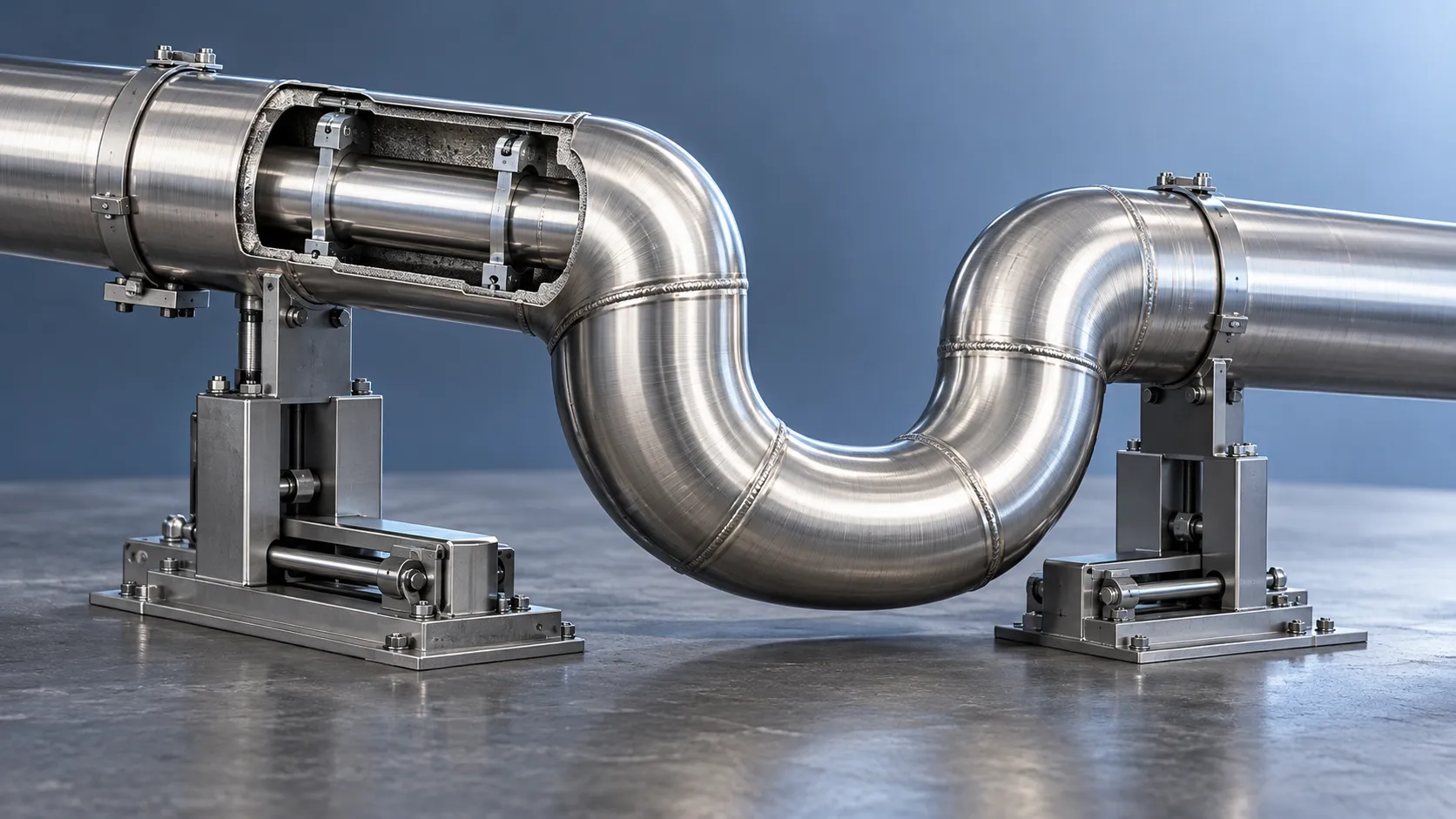
How does a rigid cryogenic transfer line handle thermal contraction?
Learn how a rigid cryogenic transfer line manages thermal contraction with bends, bellows, and guided supports. Discover key design checks for safe, reliable cryogenic performance.
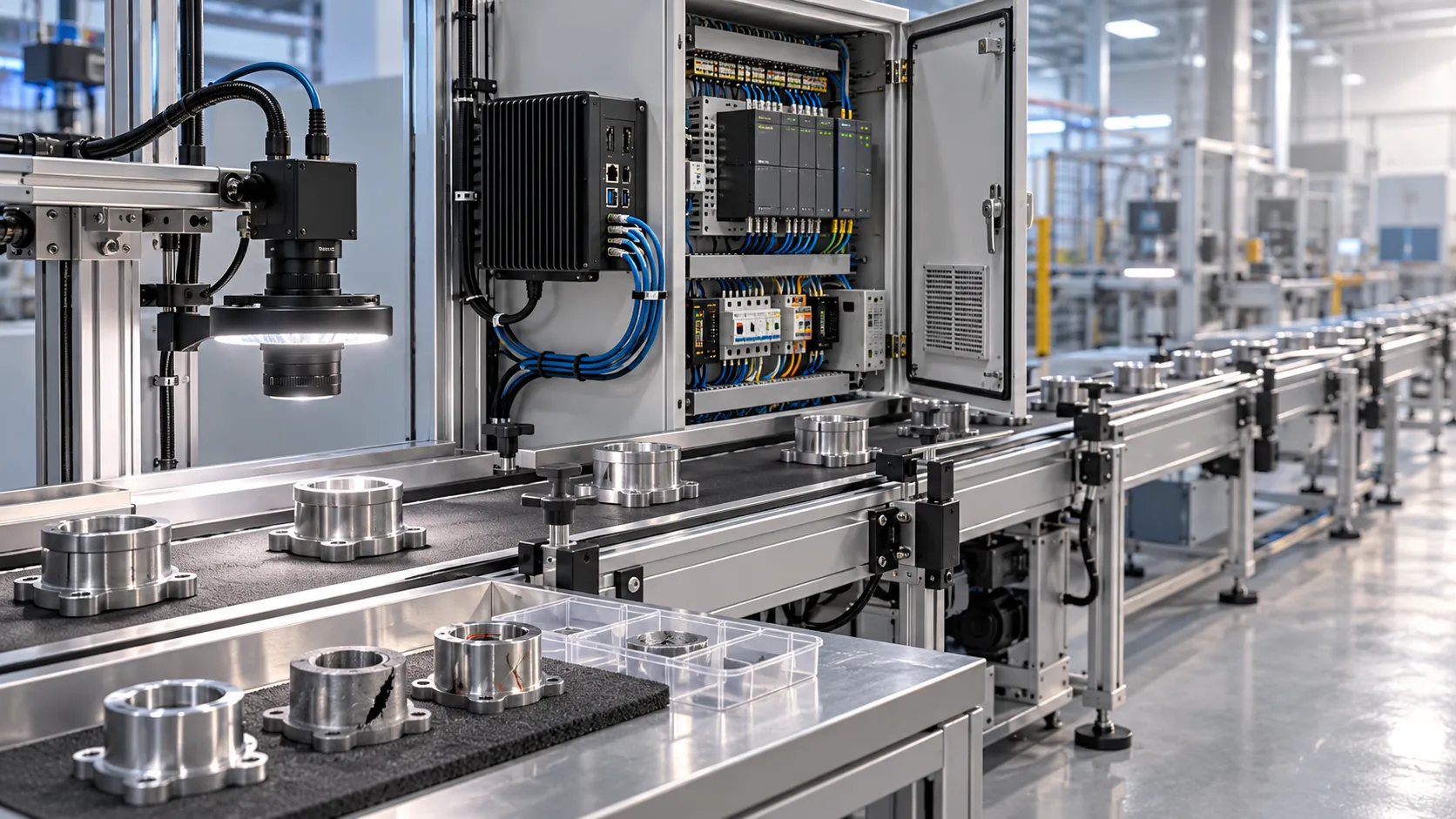
How much does edge vision deployment cost beyond the hardware?
Understand edge vision deployment cost beyond hardware, from data and integration to security and support. Uncover hidden expenses and build a smarter lifecycle budget before you scale.
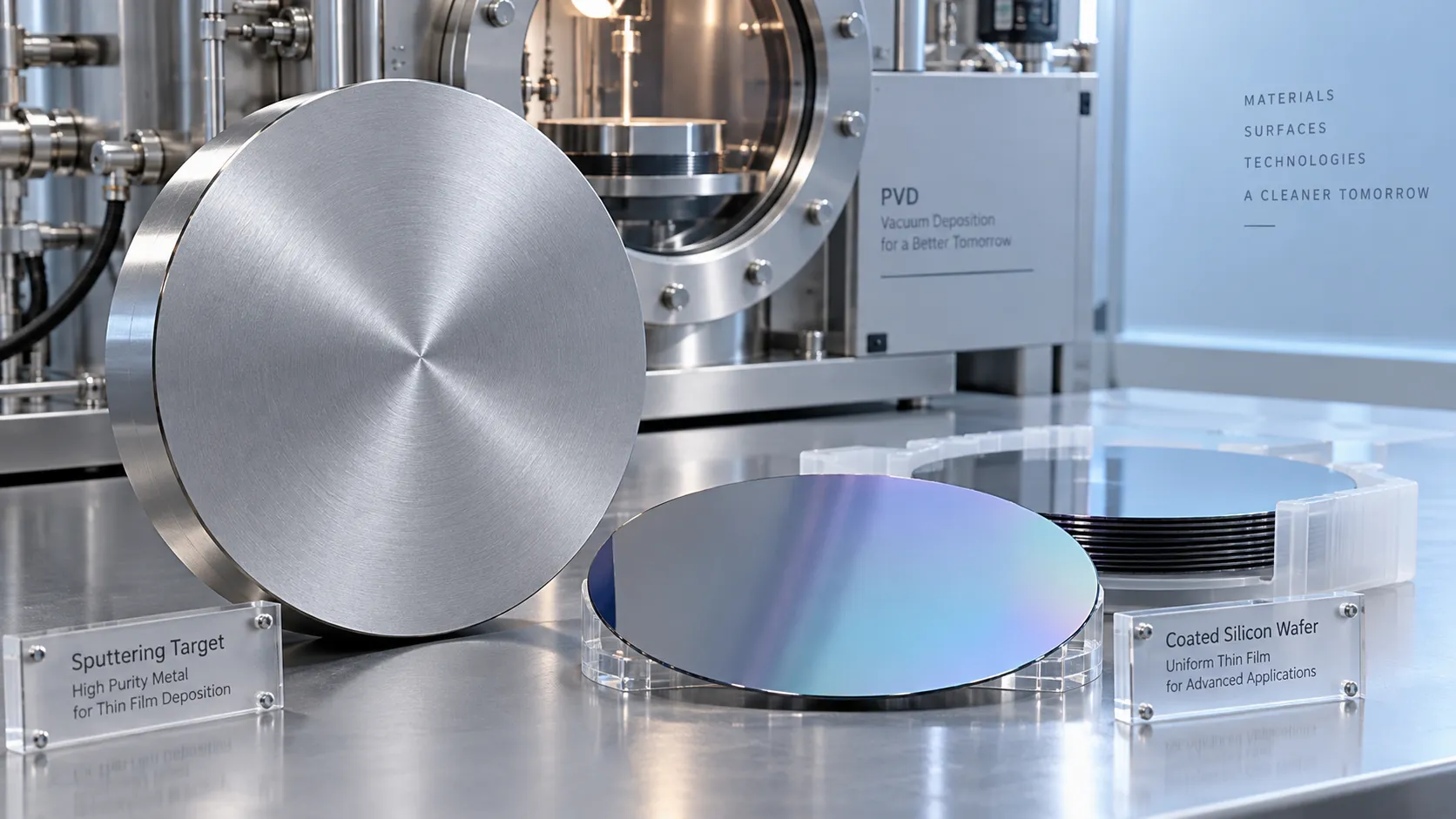
How does the purity of sputtering targets affect thin-film quality?
Discover how sputtering targets affect thin-film quality. Learn to assess purity, identify harmful impurities, and choose specifications that improve coating performance.
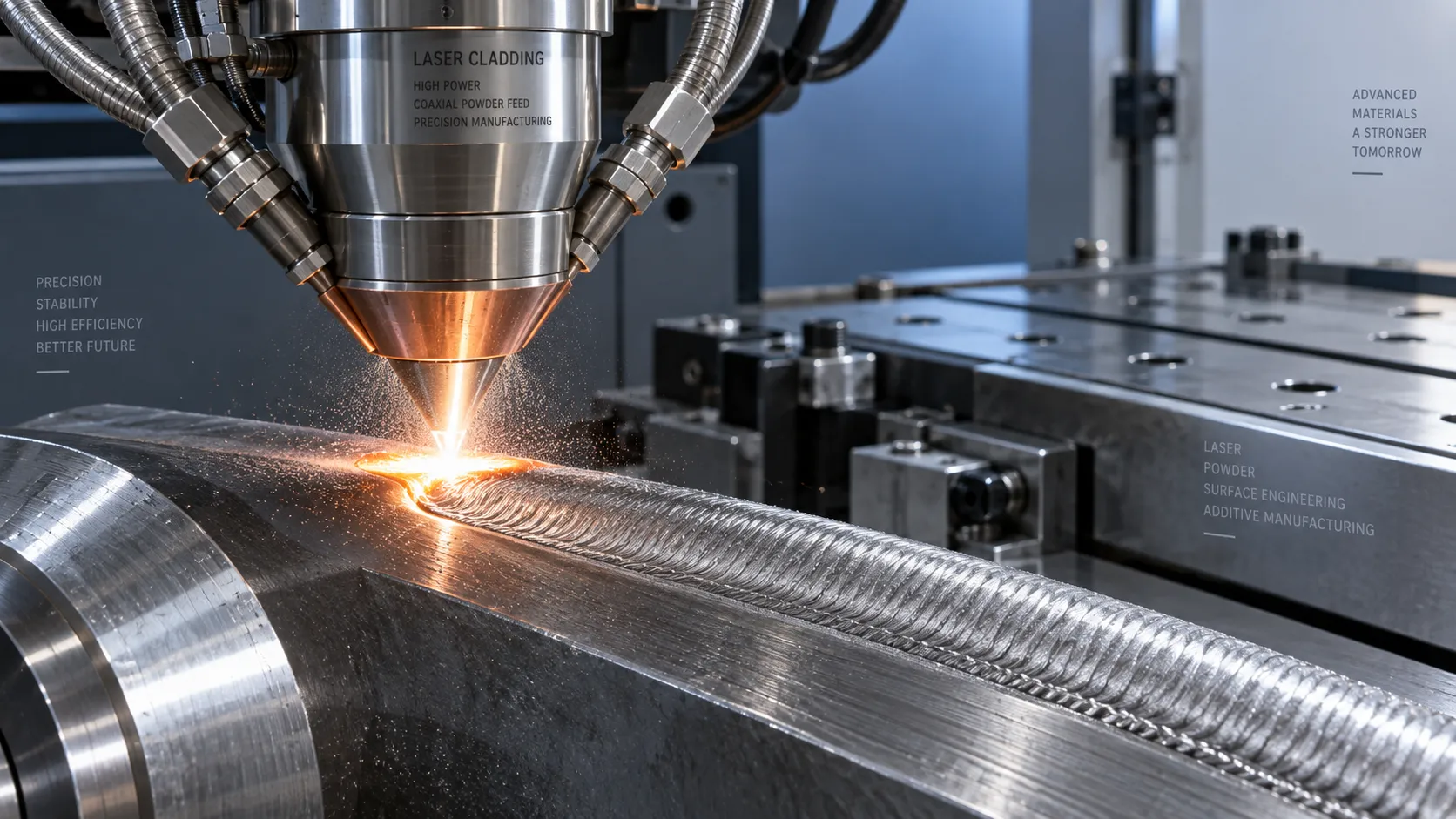
How high power laser cladding systems control substrate dilution
Discover how high power laser cladding systems control substrate dilution through beam shaping, material feed, and thermal management to deliver reliable bonds and coating performance.
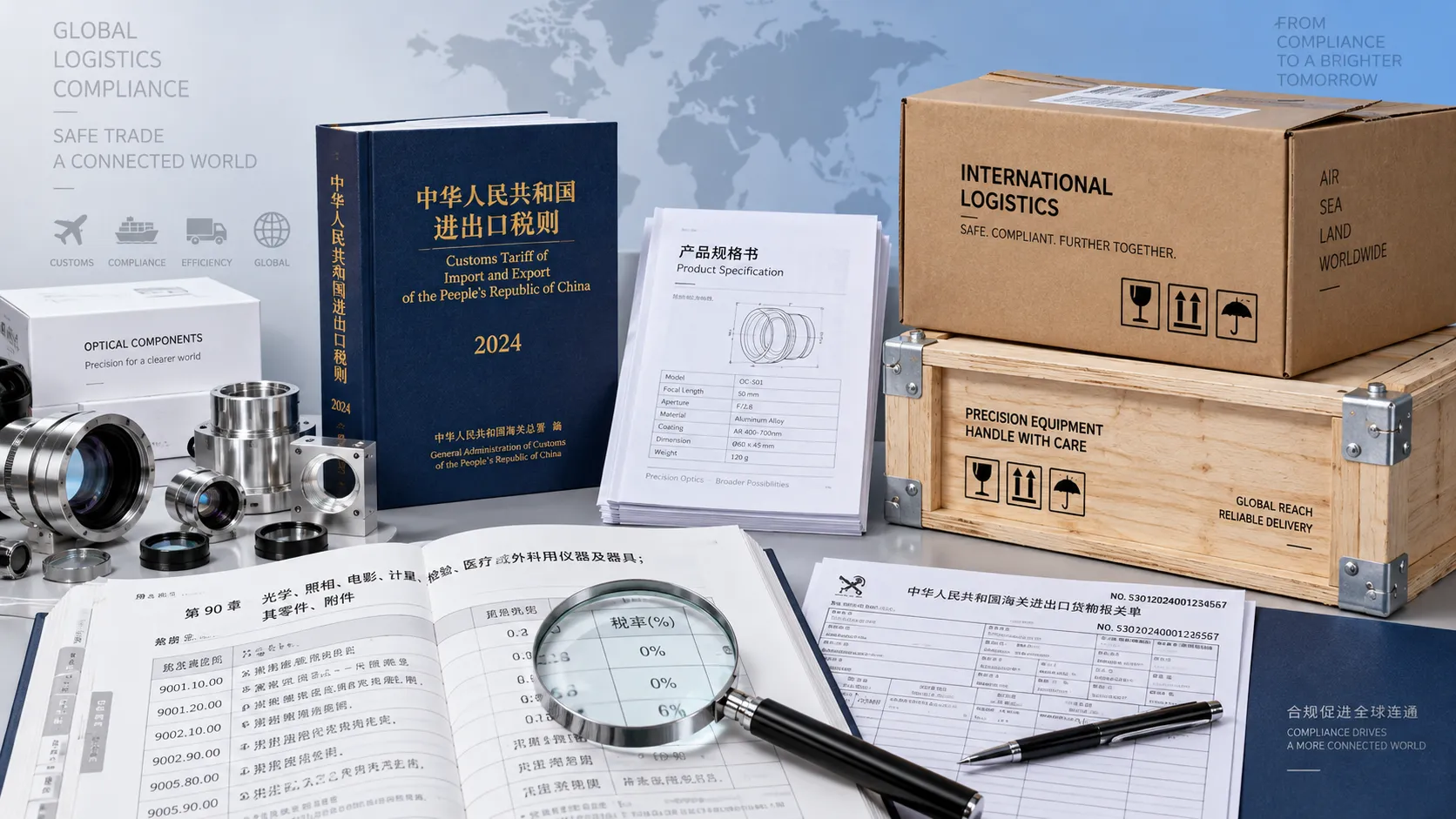
How to check HS codes for customs compliance in international logistics
Strengthen international logistics customs compliance: learn how to verify HS codes, check official tariffs, and document classifications to reduce costly shipment delays.
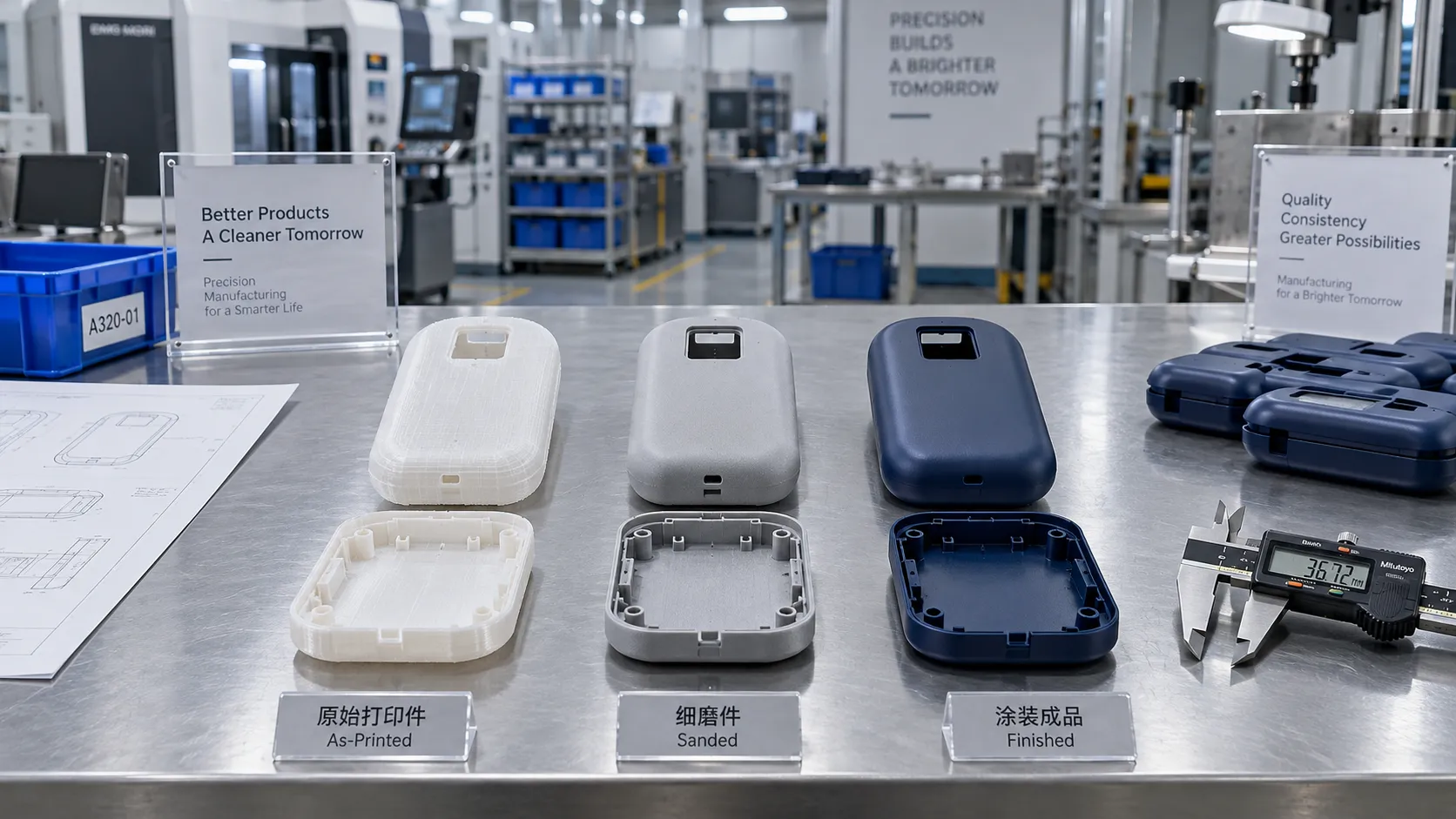
Choosing a 3D Printing Service for Consumer Products: Finish, Fit, and Cost
Compare 3d printing consumer good services by finish, fit, materials, and total cost. Learn how to choose a reliable supplier and avoid costly defects before ordering.
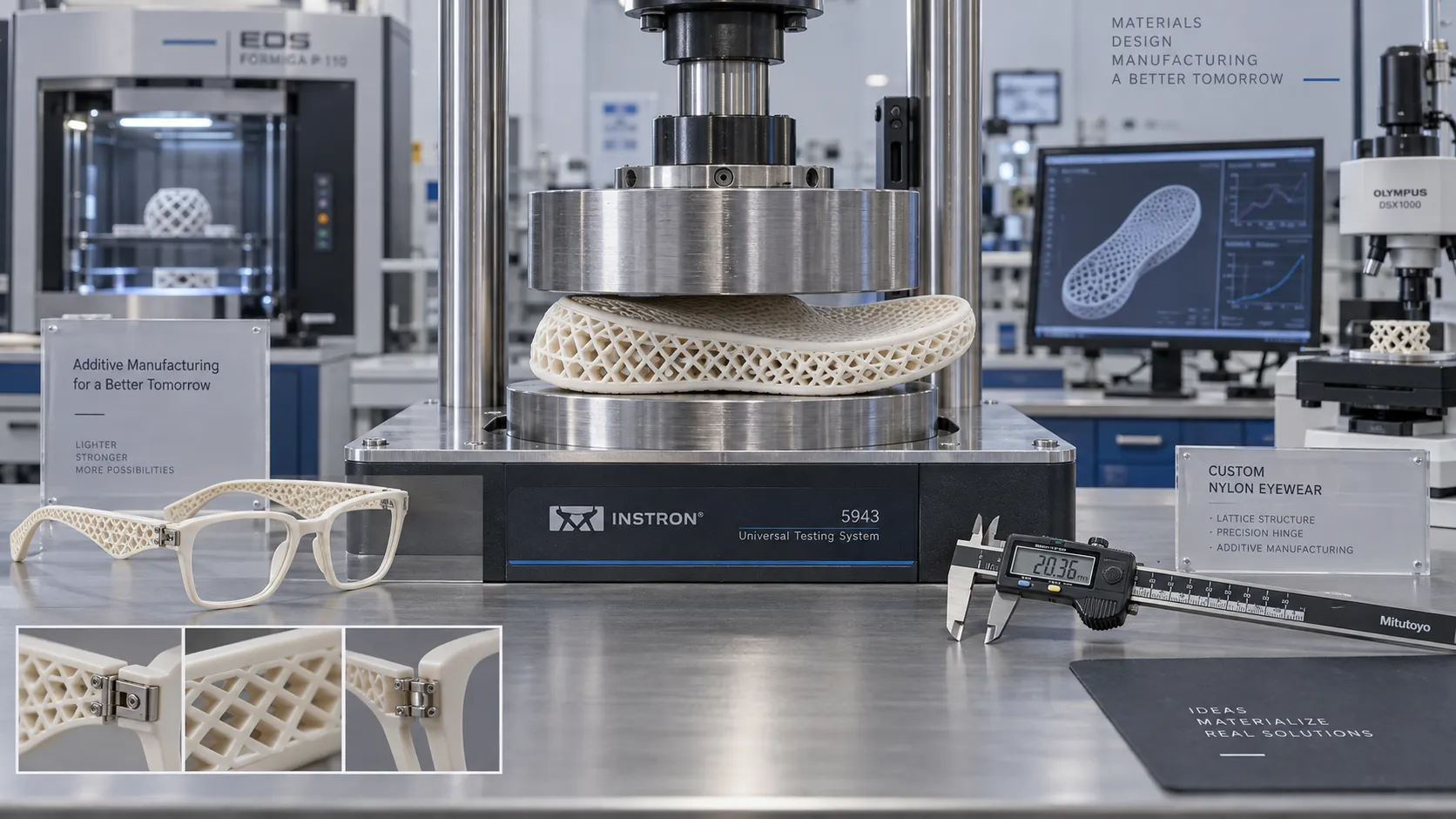
Which Consumer Goods Can Be 3D Printed, and What Are the Practical Limits?
Explore 3d printing consumer goods, from custom eyewear to replacement parts. Discover practical limits on materials, safety, and costs to make smarter production decisions.
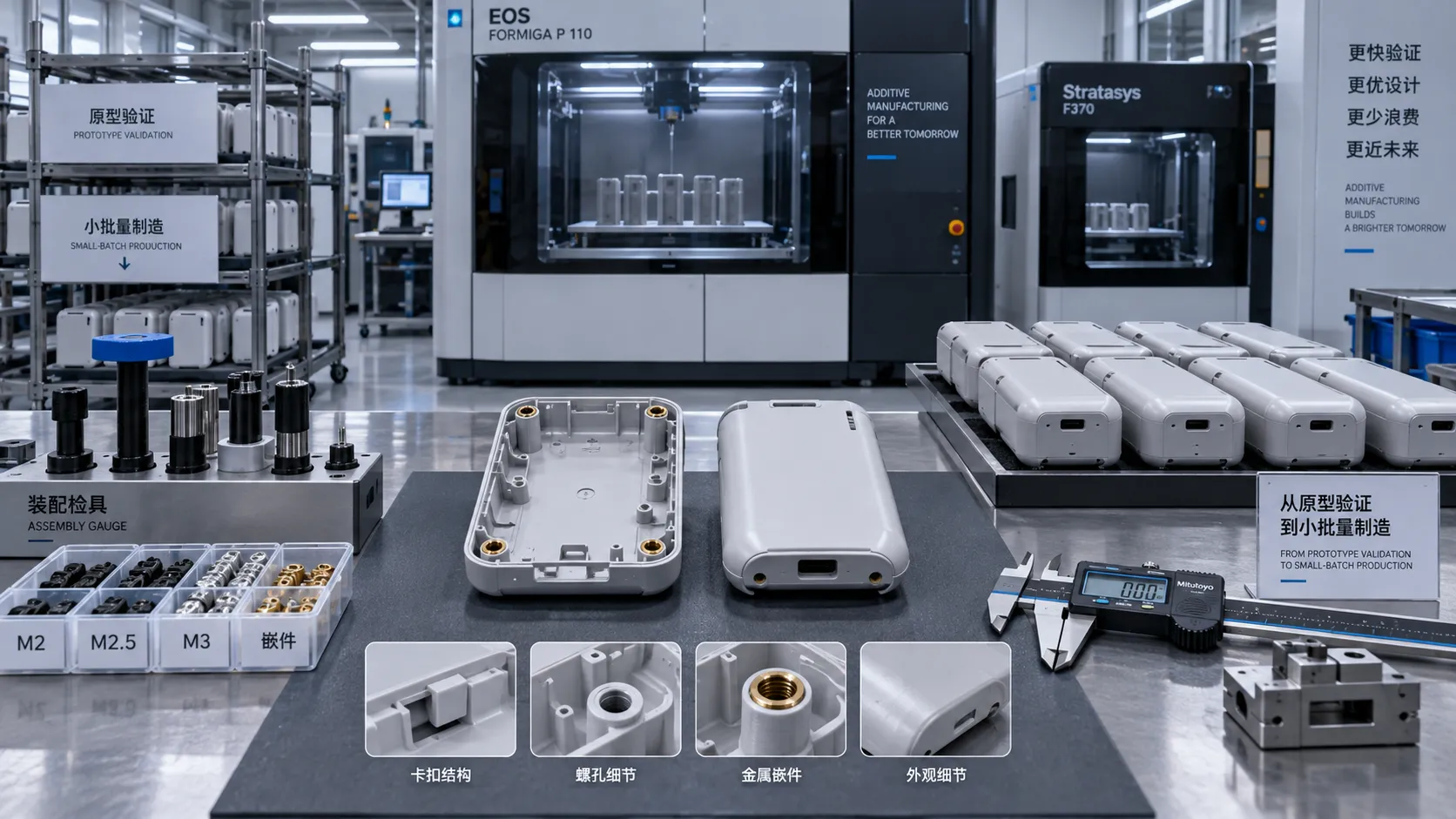
From Prototype to Small Batch: Applying 3D Printing to Consumer Goods
Explore 3d printing in consumer goods: learn how to move from prototype to small-batch production with practical guidance on materials, quality validation, and cost control.
Related News
- 00
0000-00
How to verify part consistency before choosing a 3D printing OEM - 00
0000-00
How does a rigid cryogenic transfer line handle thermal contraction? - 00
0000-00
How much does edge vision deployment cost beyond the hardware? - 00
0000-00
How does the purity of sputtering targets affect thin-film quality? - 00
0000-00
How high power laser cladding systems control substrate dilution
Dr. Hideo Tanaka
Weekly Insights
Stay ahead with our curated technology reports delivered every Monday.