
Industrial Laser Components Factory Selection Tips

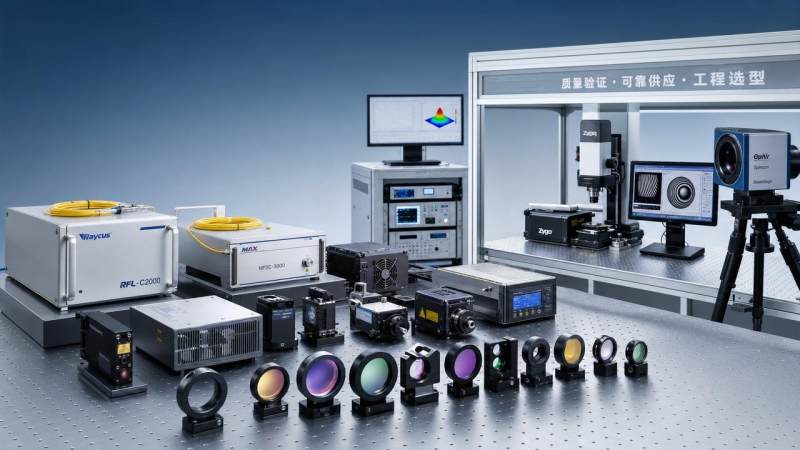
Choosing the right industrial laser components factory is a critical decision when performance, reliability, compliance, and long-term supply stability must align.
From fiber laser sources and precision optics to cooling modules and control systems, each part affects productivity, uptime, and equipment lifespan.
This guide provides practical selection tips for evaluating technical capability, quality systems, customization support, and global delivery readiness before final approval.
Why a Checklist Matters When Selecting an Industrial Laser Components Factory
Laser equipment is only as stable as its weakest component. A minor optical defect can reduce beam quality, increase thermal drift, or damage downstream modules.
A checklist-based approach reduces subjective judgment. It converts factory evaluation into measurable evidence, including process control, test data, traceability, and service capability.
An industrial laser components factory should be assessed beyond price. Engineering depth, contamination control, documentation discipline, and change management often determine real lifecycle cost.
Core Checklist for Industrial Laser Components Factory Evaluation
Use the following checklist during qualification, sample review, technical negotiation, and annual supplier reassessment.
- Verify core manufacturing capability, including optics polishing, coating, laser module assembly, thermal design, and precision mechanical integration under documented process controls.
- Request equipment lists showing interferometers, beam profilers, power meters, spectrometers, environmental chambers, and calibrated inspection tools used in final verification.
- Review quality certifications, but confirm daily execution through inspection records, nonconformance reports, corrective actions, and internal audit results.
- Check whether the industrial laser components factory controls dust, humidity, vibration, and temperature in coating, bonding, alignment, and packaging areas.
- Examine traceability from raw materials to finished components, including batch numbers, coating curves, assembly operators, test parameters, and shipment records.
- Confirm engineering response speed for custom wavelengths, connector formats, cooling interfaces, mounting dimensions, communication protocols, and application-specific beam requirements.
- Evaluate thermal management design by reviewing heat dissipation simulations, cooling loop compatibility, long-duration burn-in data, and operating temperature limits.
- Demand reliability data from accelerated aging, power cycling, vibration testing, humidity exposure, and continuous operation under realistic industrial conditions.
- Assess packaging protection for optics and electronics, especially anti-static control, moisture barriers, shock resistance, cleanliness, and international transport durability.
- Confirm after-sales capability, including failure analysis procedures, spare parts availability, warranty terms, engineering support, and replacement lead times.
Technical Capability Checks That Reveal Real Factory Strength
A capable industrial laser components factory should explain process limits clearly. Vague claims about “high precision” are not enough for technical qualification.
Ask for measurable values. Useful indicators include surface quality, coating damage threshold, wavelength tolerance, beam divergence, polarization extinction ratio, and pointing stability.
For optical components, confirm substrate grade, coating uniformity, laser-induced damage threshold, reflectance curves, and cleaning procedures before approving production lots.
For electronic modules, review electromagnetic compatibility, connector durability, firmware stability, protection circuits, communication accuracy, and response under voltage fluctuation.
For mechanical assemblies, inspect tolerances, material certificates, surface treatment, sealing design, vibration resistance, and repeatability after maintenance disassembly.
Quality System and Compliance Review
Quality management is not proven by certificates alone. An industrial laser components factory must show stable process discipline across incoming, in-process, and final inspection.
Common standards may include ISO 9001, ISO 14001, IEC laser safety references, RoHS, REACH, and application-specific requirements from automotive or semiconductor supply chains.
Check whether drawings, specifications, and control plans are revision-controlled. Uncontrolled technical files create risk when components are used in long-cycle equipment platforms.
A disciplined industrial laser components factory should maintain clear approval rules for engineering changes, substitute materials, process shifts, and outsourced operations.
Customization and Engineering Collaboration
Many laser systems require tailored components. Standard catalog parts may not satisfy beam path layout, thermal constraints, or communication architecture.
An advanced industrial laser components factory should support drawing review, tolerance adjustment, prototype validation, and design-for-manufacturing feedback before mass production.
Evaluate whether the engineering team understands real applications such as cutting, welding, marking, cladding, drilling, micromachining, and additive manufacturing.
Strong collaboration reduces redesign cycles. It also helps identify risks related to beam expansion, back reflection, cooling pressure, and software integration.
Application Scenarios Requiring Different Selection Priorities
High-Power Cutting and Welding
High-power systems demand excellent thermal stability. The industrial laser components factory should provide damage threshold data and cooling compatibility for prolonged operation.
Focus on protective windows, collimators, isolators, QBH interfaces, water-cooled housings, and contamination-resistant packaging for harsh production environments.
Precision Marking and Micromachining
Precision applications rely on stable beam quality and motion synchronization. Small component deviations can cause uneven marks, burrs, or dimensional errors.
Prioritize scanning lenses, galvanometer mirrors, beam expanders, timing controllers, and software-compatible drivers from a proven industrial laser components factory.
Additive Manufacturing and Surface Engineering
Additive manufacturing requires repeatable energy delivery. Powder-bed fusion, directed energy deposition, and cladding processes are sensitive to optical and thermal drift.
Check long-duration stability, closed-loop control support, sensor integration, and spare part continuity when selecting an industrial laser components factory.
Commonly Ignored Risks Before Final Approval
Ignoring contamination control: Dust, oil vapor, or poor cleaning can shorten optical life and cause unexpected absorption under high laser power.
Accepting incomplete test reports: Reports without equipment calibration, environmental conditions, or acceptance criteria provide limited value during future failure analysis.
Overlooking export and compliance restrictions: Laser parts may involve dual-use controls, hazardous material rules, or destination-specific documentation requirements.
Focusing only on unit price: Low-cost components can increase downtime, scrap rate, maintenance labor, and replacement frequency across the equipment lifecycle.
Missing supply continuity checks: A reliable industrial laser components factory should disclose critical sub-suppliers, buffer stock policy, and recovery plans for disruption.
Practical Execution Steps for Factory Shortlisting
- Define performance requirements first, including wavelength, power range, duty cycle, beam quality, cooling method, interface type, and expected service environment.
- Send a structured technical questionnaire to each industrial laser components factory, covering manufacturing equipment, inspection methods, compliance, and engineering support.
- Compare sample test data under identical conditions, rather than relying on catalog values prepared with different measurement assumptions.
- Conduct remote or on-site audits focused on process flow, cleanliness, calibration status, traceability, operator training, and change control.
- Start with pilot orders and stress testing before approving larger volumes or platform-level integration into critical laser equipment.
- Build a scorecard that weights technical performance, reliability, documentation, responsiveness, cost structure, logistics readiness, and corrective action speed.
How G-AIT Supports Evidence-Based Selection
G-AIT benchmarks industrial laser technologies using verifiable engineering data, regulatory foresight, and cross-sector technical comparison.
Its industrial intelligence framework helps compare an industrial laser components factory against international expectations, including ISO, SEMI, IEEE, and ASTM references.
The same approach connects laser processing with additive manufacturing, machine vision, nanomaterials, and vacuum engineering for multidisciplinary sourcing decisions.
This broader view is valuable when components must integrate with inspection systems, vacuum chambers, cryogenic modules, or high-performance production platforms.
Summary and Next Action
Selecting an industrial laser components factory requires disciplined evidence, not only attractive quotations or polished capability statements.
The best candidates provide measurable technical performance, stable quality systems, transparent traceability, responsive customization, and dependable global delivery.
Before commitment, prepare a requirement matrix, request comparable test data, audit critical processes, and validate samples under real operating conditions.
A carefully qualified industrial laser components factory can reduce lifecycle cost, protect equipment reliability, and strengthen long-term industrial competitiveness.
Related News
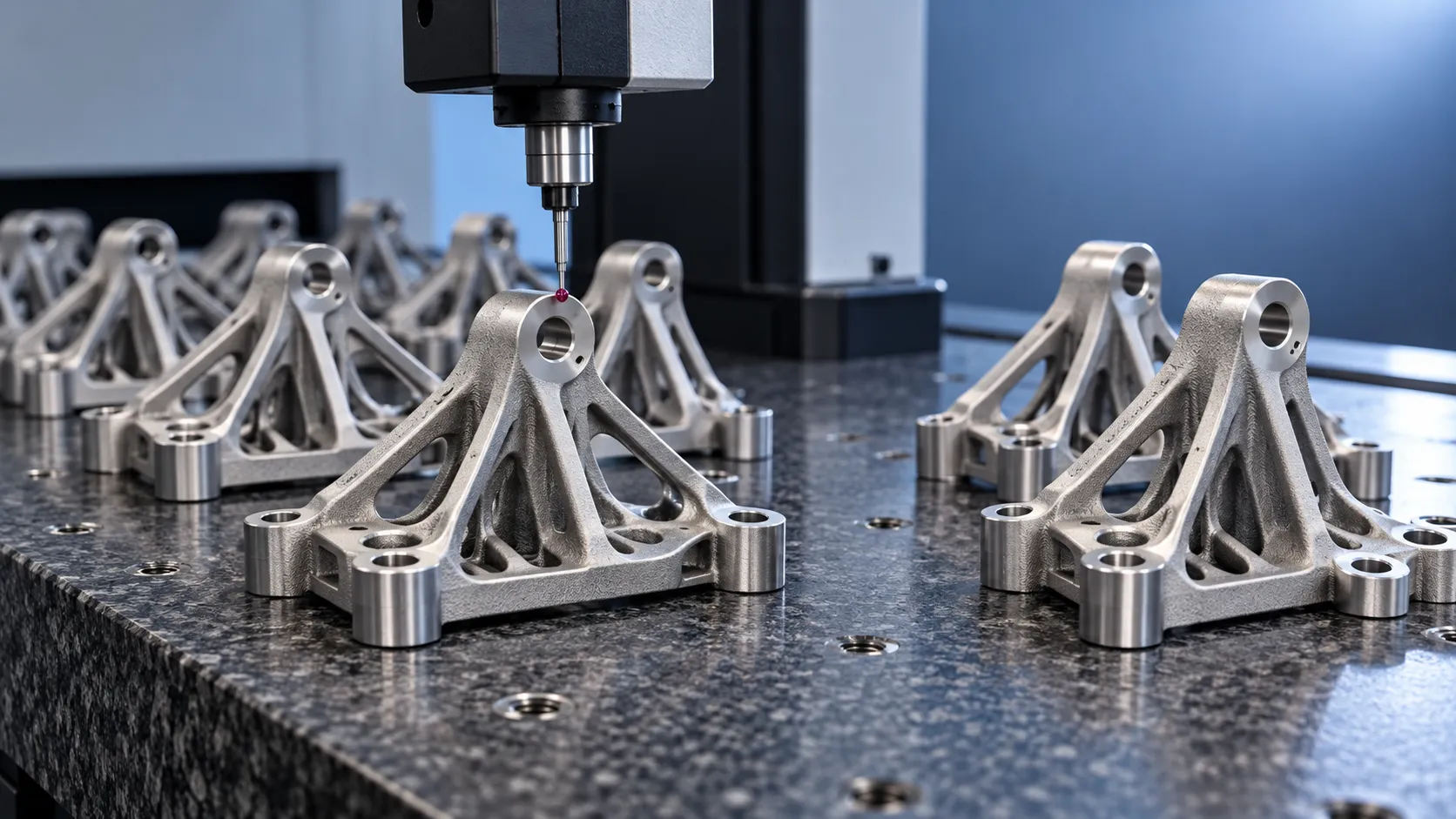
How to verify part consistency before choosing a 3D printing OEM
Choosing a 3D printing OEM? Learn how to verify part consistency with repeat-build trials, validated inspections, and traceability checks before committing to production.
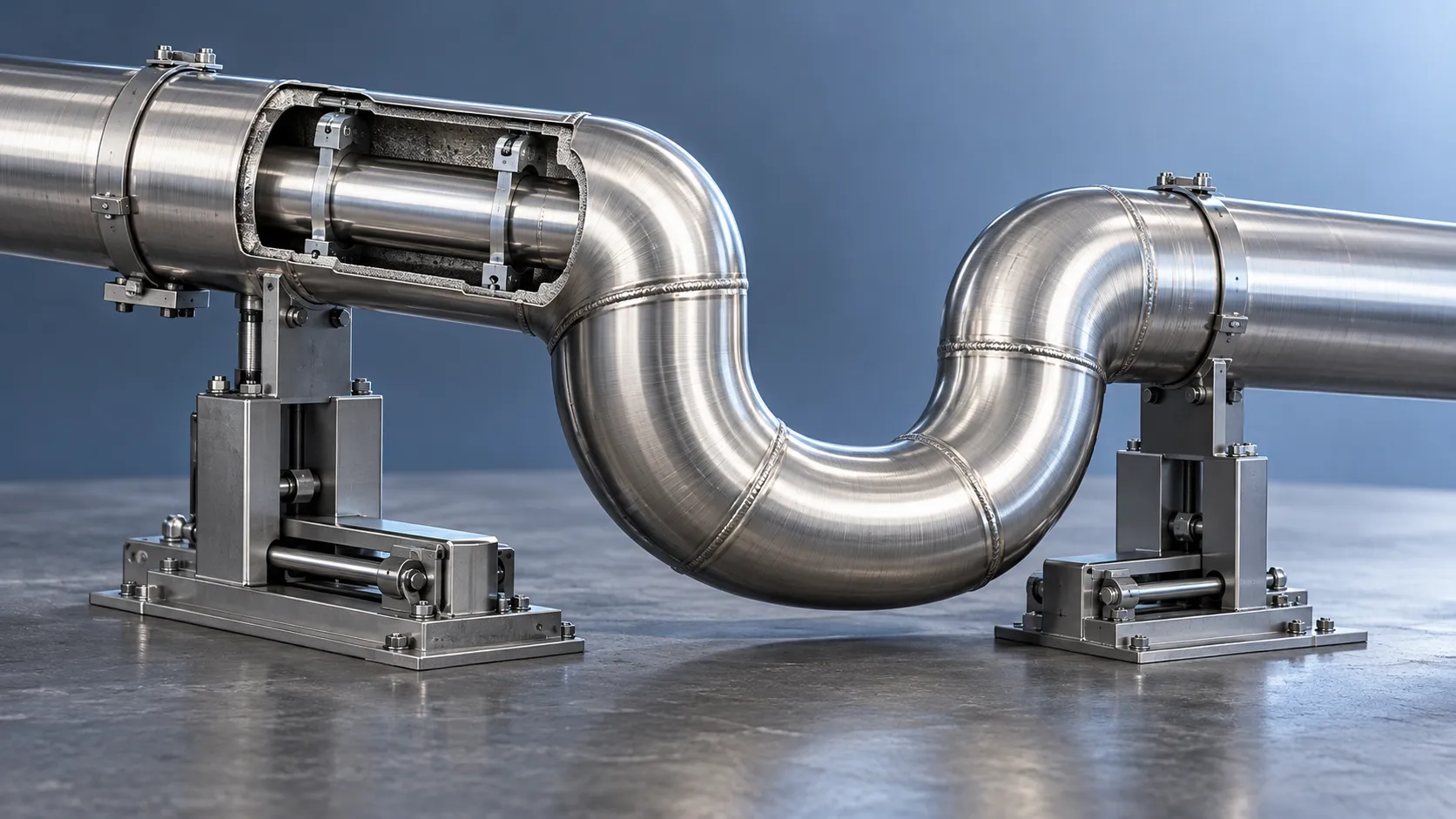
How does a rigid cryogenic transfer line handle thermal contraction?
Learn how a rigid cryogenic transfer line manages thermal contraction with bends, bellows, and guided supports. Discover key design checks for safe, reliable cryogenic performance.
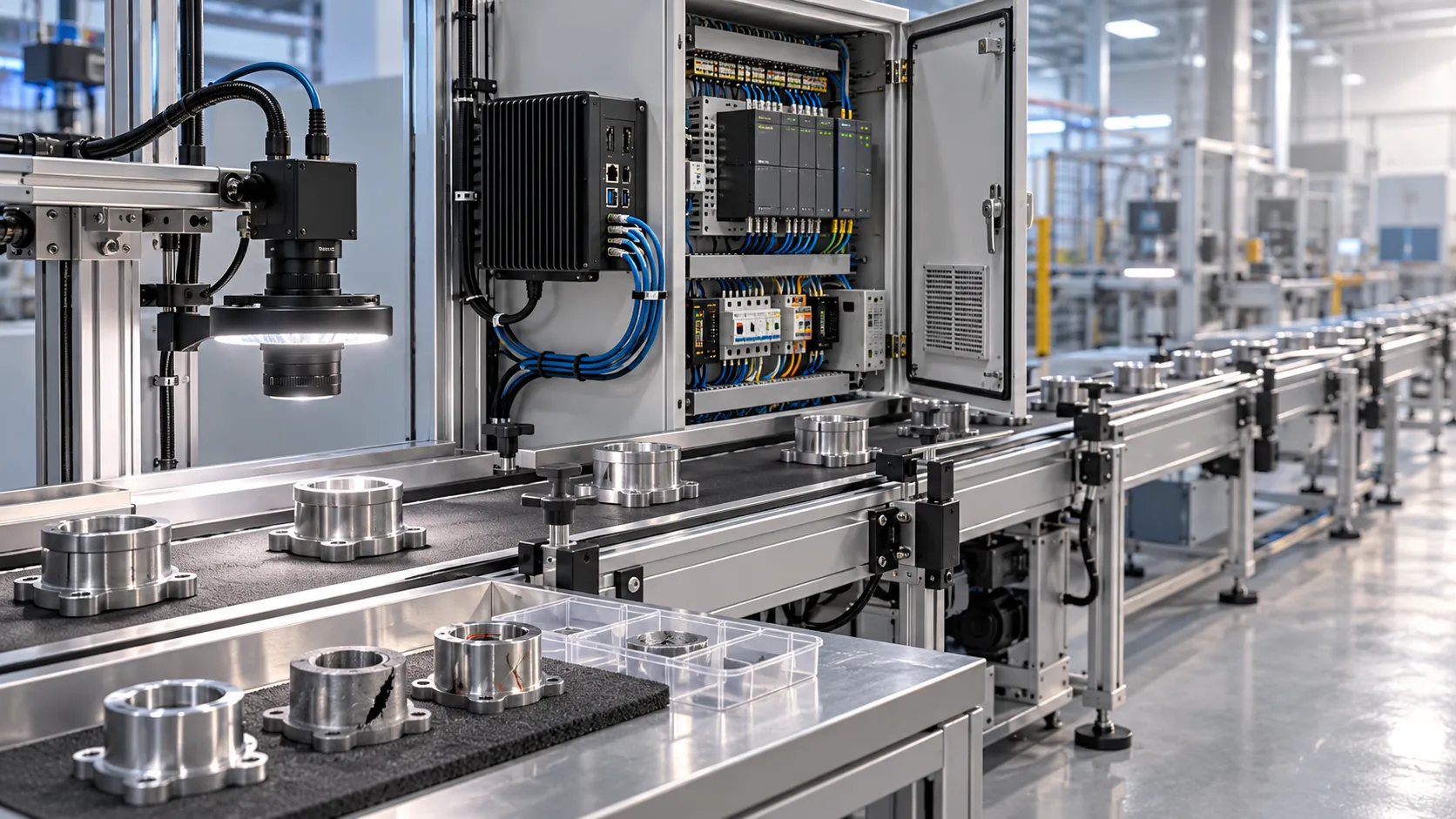
How much does edge vision deployment cost beyond the hardware?
Understand edge vision deployment cost beyond hardware, from data and integration to security and support. Uncover hidden expenses and build a smarter lifecycle budget before you scale.
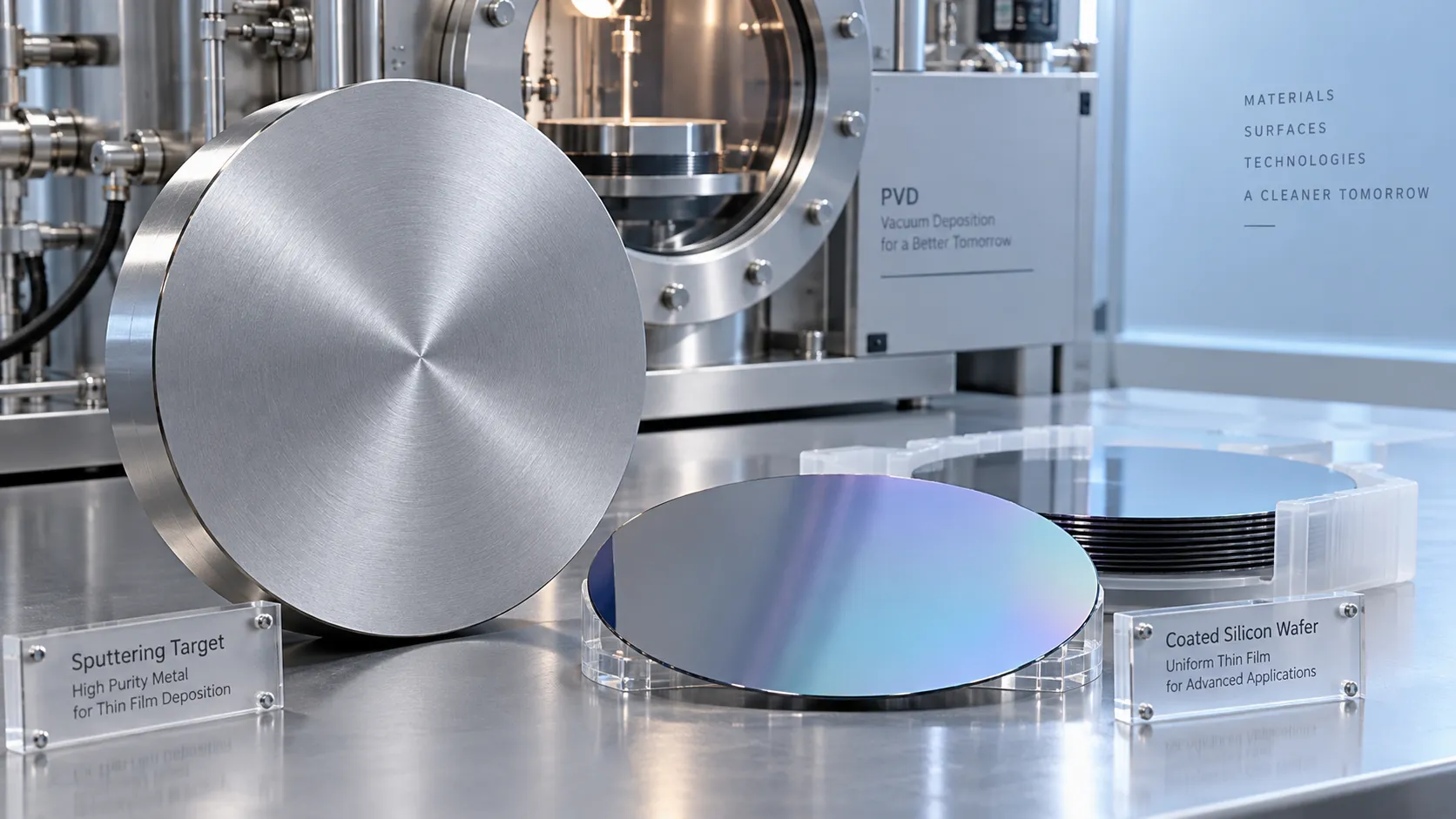
How does the purity of sputtering targets affect thin-film quality?
Discover how sputtering targets affect thin-film quality. Learn to assess purity, identify harmful impurities, and choose specifications that improve coating performance.
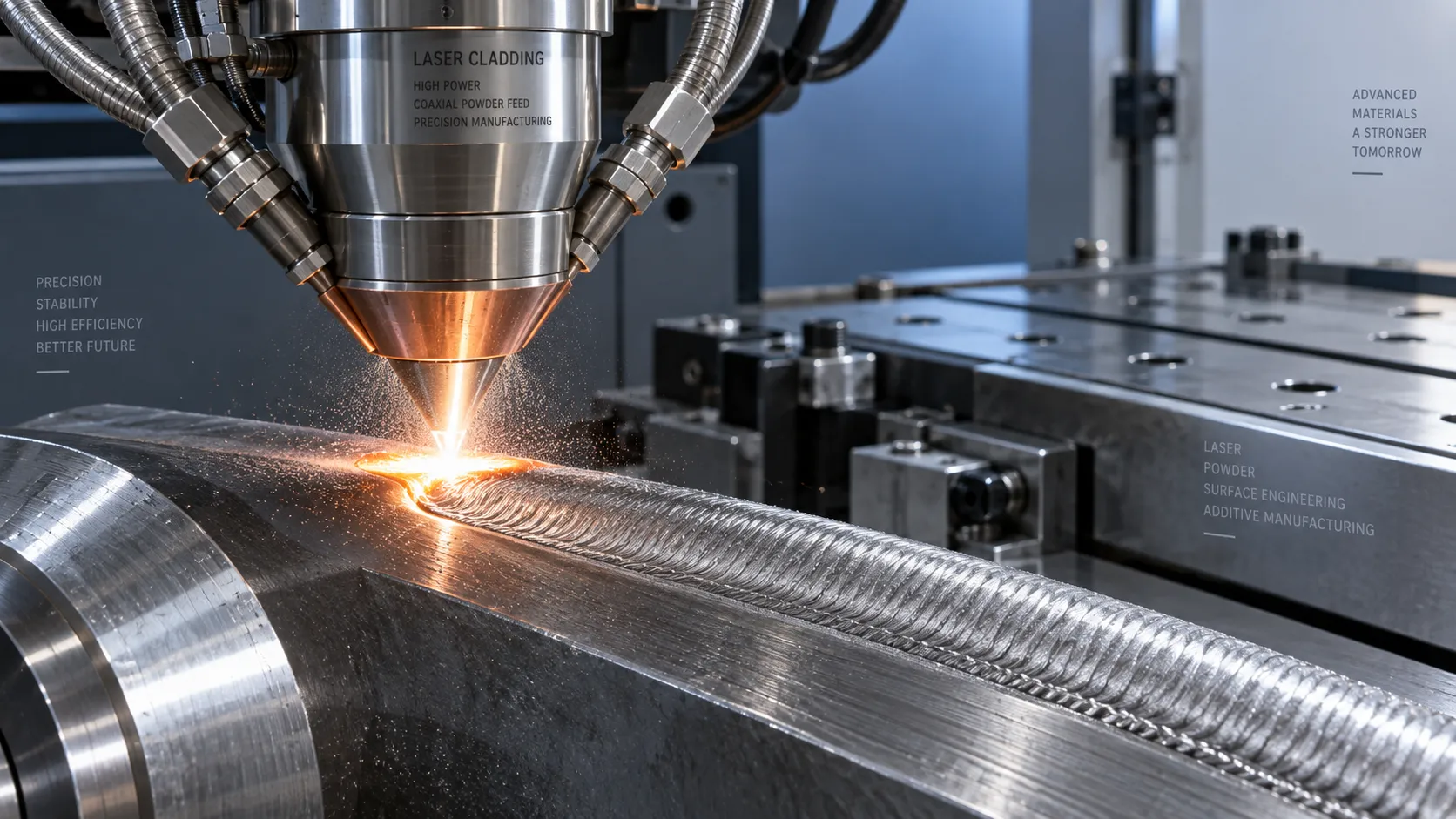
How high power laser cladding systems control substrate dilution
Discover how high power laser cladding systems control substrate dilution through beam shaping, material feed, and thermal management to deliver reliable bonds and coating performance.
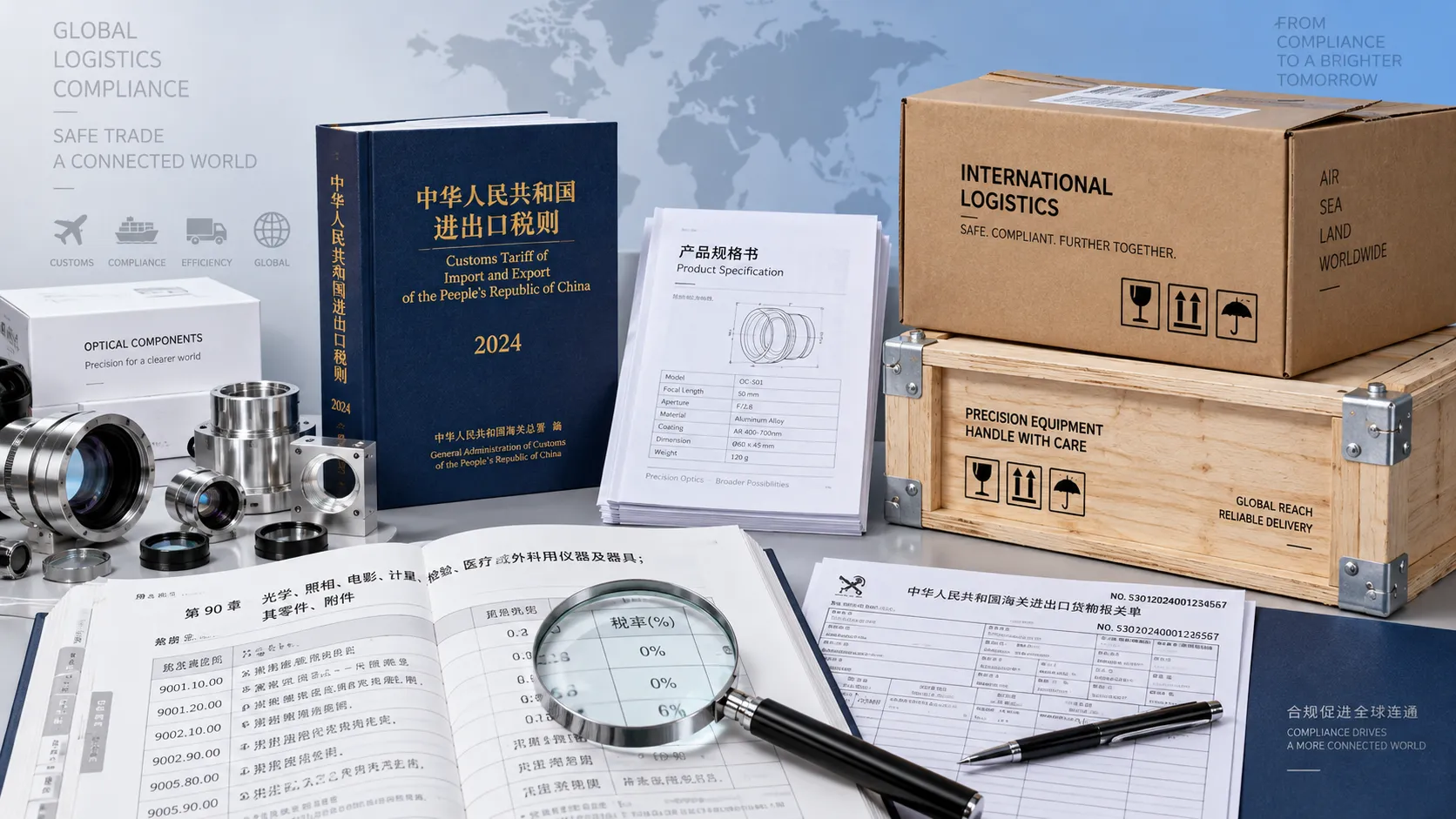
How to check HS codes for customs compliance in international logistics
Strengthen international logistics customs compliance: learn how to verify HS codes, check official tariffs, and document classifications to reduce costly shipment delays.
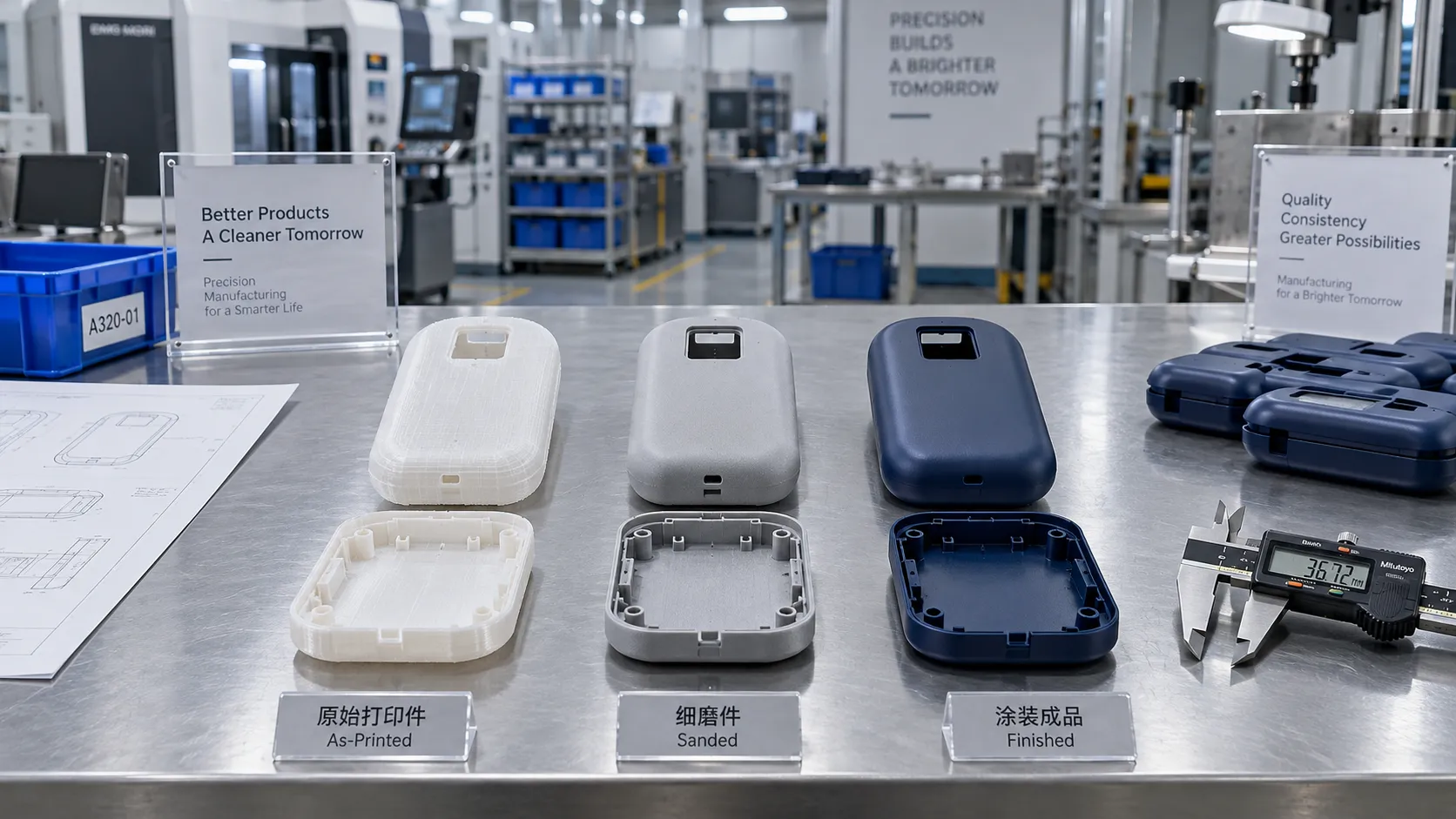
Choosing a 3D Printing Service for Consumer Products: Finish, Fit, and Cost
Compare 3d printing consumer good services by finish, fit, materials, and total cost. Learn how to choose a reliable supplier and avoid costly defects before ordering.
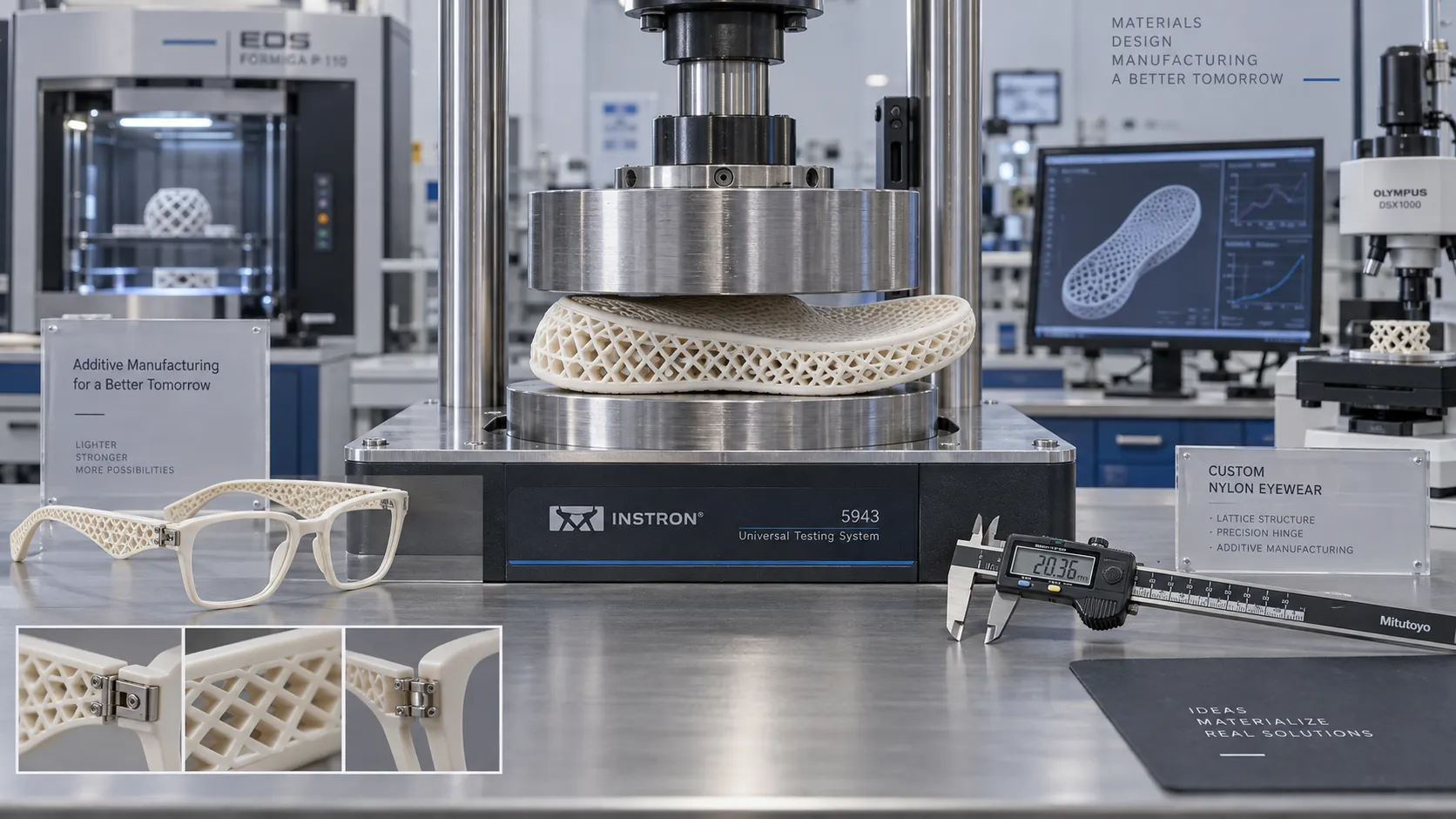
Which Consumer Goods Can Be 3D Printed, and What Are the Practical Limits?
Explore 3d printing consumer goods, from custom eyewear to replacement parts. Discover practical limits on materials, safety, and costs to make smarter production decisions.
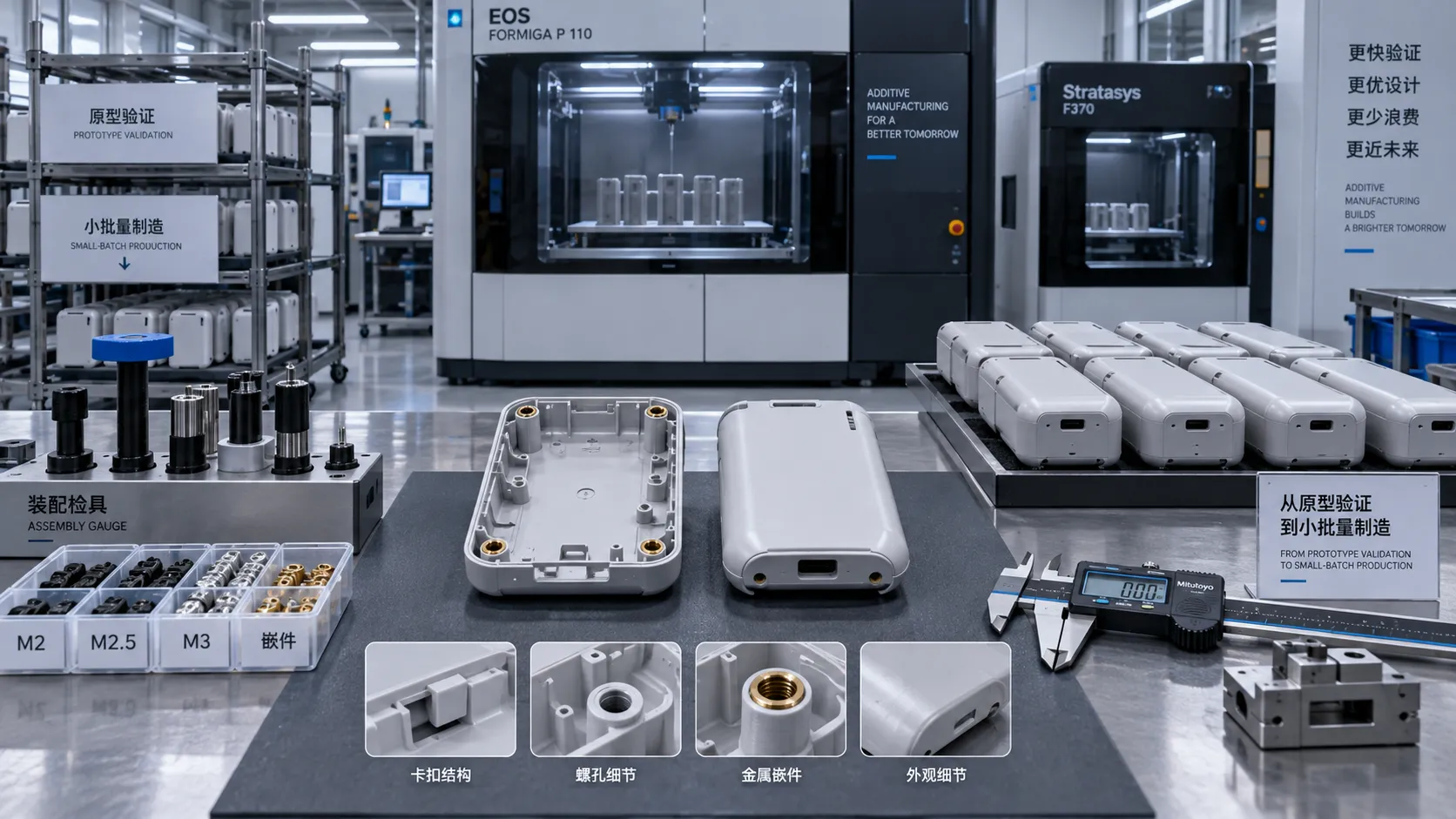
From Prototype to Small Batch: Applying 3D Printing to Consumer Goods
Explore 3d printing in consumer goods: learn how to move from prototype to small-batch production with practical guidance on materials, quality validation, and cost control.
Related News
- 00
0000-00
How to verify part consistency before choosing a 3D printing OEM - 00
0000-00
How does a rigid cryogenic transfer line handle thermal contraction? - 00
0000-00
How much does edge vision deployment cost beyond the hardware? - 00
0000-00
How does the purity of sputtering targets affect thin-film quality? - 00
0000-00
How high power laser cladding systems control substrate dilution
Dr. Hideo Tanaka
Weekly Insights
Stay ahead with our curated technology reports delivered every Monday.