
Where the future of blue laser technology is heading

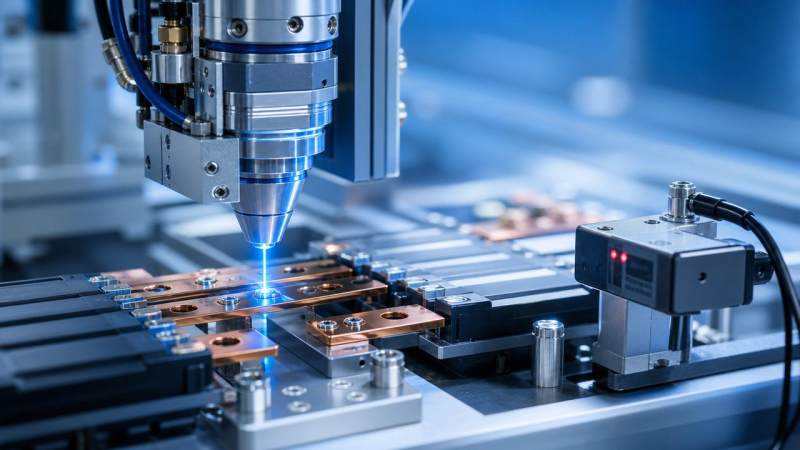
As manufacturers push for higher precision, better material compatibility, and cleaner processing, the future of blue laser technology is gaining strategic relevance across modern industry.
Blue lasers are no longer a niche optical tool. They are becoming a serious production asset for copper processing, electronics, inspection, and emerging additive workflows.
This shift matters because many advanced materials absorb blue wavelengths more efficiently than infrared energy. That difference can improve stability, reduce waste, and support tighter quality windows.
For industrial planning, the future of blue laser technology is tied to throughput, energy efficiency, and compatibility with next-generation products such as batteries, sensors, and miniaturized devices.
Blue laser technology in industrial context
Blue laser technology typically operates around the 445 nm to 460 nm wavelength range. Its strongest industrial advantage appears when processing highly reflective metals, especially copper and some copper alloys.
Infrared lasers remain dominant in many production lines. However, reflective materials can reject infrared energy, causing unstable coupling, spatter, inconsistent melt pools, and unnecessary thermal loading.
Blue wavelengths improve initial absorption. That means less energy is wasted at the surface, and process windows can become wider in demanding joining or surface treatment applications.
The future of blue laser technology therefore is not about replacing every laser platform. It is about solving material-specific bottlenecks where wavelength directly changes manufacturing performance.
Why absorption changes the industrial equation
Copper is central to electrification, power electronics, motors, connectors, and battery systems. Better absorption at blue wavelengths can enable cleaner weld starts and more predictable heat input.
That becomes important when product architectures grow smaller, current densities rise, and reliability expectations tighten under automotive, aerospace, and electronics standards.
Current signals shaping the future of blue laser technology
Several market and engineering signals explain why the future of blue laser technology is now receiving broader attention beyond specialist laser circles.
These signals show that the future of blue laser technology is linked to broader industrial transitions, especially electrification, automation, and precision assembly.
Where the technology is likely to advance next
The next phase will likely center on power scaling, beam quality improvement, system integration, and process monitoring. Each area affects commercial readiness.
1. Higher output with better beam delivery
Early blue laser systems were limited by power and cost. Progress in diode architectures and beam combining is improving usable output for industrial workloads.
As power rises, blue lasers will move from specialized joining tasks into thicker materials, faster cycle times, and more demanding production lines.
2. Better process stability through sensing
The future of blue laser technology will also depend on closed-loop sensing. Melt pool imaging, photodiode feedback, and AI-assisted signal interpretation can reduce variability.
This matters because wavelength advantage alone does not guarantee yield. Real industrial value comes from stable outputs under real production variation.
3. Multi-wavelength manufacturing strategies
Future platforms may combine blue, infrared, and green lasers within one cell. Different wavelengths can serve different materials, thicknesses, or finishing stages.
That approach reduces the need to force one laser source into every task. It supports more flexible engineering decisions and better return on capital equipment.
4. Expanded use in additive and microfabrication
Blue lasers may contribute to additive manufacturing, especially where copper or reflective alloys remain difficult for conventional sources.
Microfabrication is another frontier. Fine features, thin films, and delicate conductive pathways could benefit from localized heating and improved absorption behavior.
Business value behind the future of blue laser technology
Industrial investment decisions depend on measurable outcomes. The future of blue laser technology becomes compelling when it improves cost, quality, and production resilience.
- Lower spatter can reduce downstream cleaning and fixture contamination.
- Improved absorption can support lower effective heat input and narrower thermal impact zones.
- More consistent weld initiation can reduce scrap in copper-rich assemblies.
- Better repeatability can strengthen validation records and compliance documentation.
- Expanded material compatibility can future-proof manufacturing lines facing product redesigns.
These advantages are especially relevant where defects are expensive, part geometries are compact, and electrical performance depends on high-integrity joints.
Representative application paths
The future of blue laser technology will not unfold evenly across all sectors. Adoption is most likely where reflective metals and thermal precision dominate process economics.
Practical evaluation factors and constraints
The future of blue laser technology is promising, but industrial adoption should remain evidence-based. Technical fit depends on more than wavelength alone.
Key points to verify during assessment
- Actual absorption behavior for the target alloy, coating, and surface condition
- Required penetration depth, joint geometry, and cycle time
- Beam quality, spot size control, and integration with motion systems
- Cooling demands, optical durability, and maintenance intervals
- Compatibility with ISO, ASTM, SEMI, or internal validation protocols
- Availability of in-line metrology and process traceability data
There are also constraints. Blue laser systems can still face cost pressures, limited supplier ecosystems, and narrower field experience than mature infrared platforms.
That is why pilot testing, benchmark comparisons, and application-specific qualification remain critical before full deployment.
A measured outlook for the next industrial phase
The future of blue laser technology is heading toward selective but meaningful expansion. It will likely grow first in applications where copper, precision, and defect reduction define commercial success.
Over time, stronger beam performance, broader automation support, and richer process analytics should improve adoption confidence across multiple advanced manufacturing sectors.
The most realistic view is not universal replacement. It is targeted integration where blue wavelength physics creates measurable operational advantage.
For organizations tracking the future of blue laser technology, the next step is clear: compare wavelength-specific data, validate process windows, and align technology selection with material-driven production goals.
A disciplined review of benchmarks, standards, and application trials will reveal where blue laser adoption can produce durable industrial value.
Related News
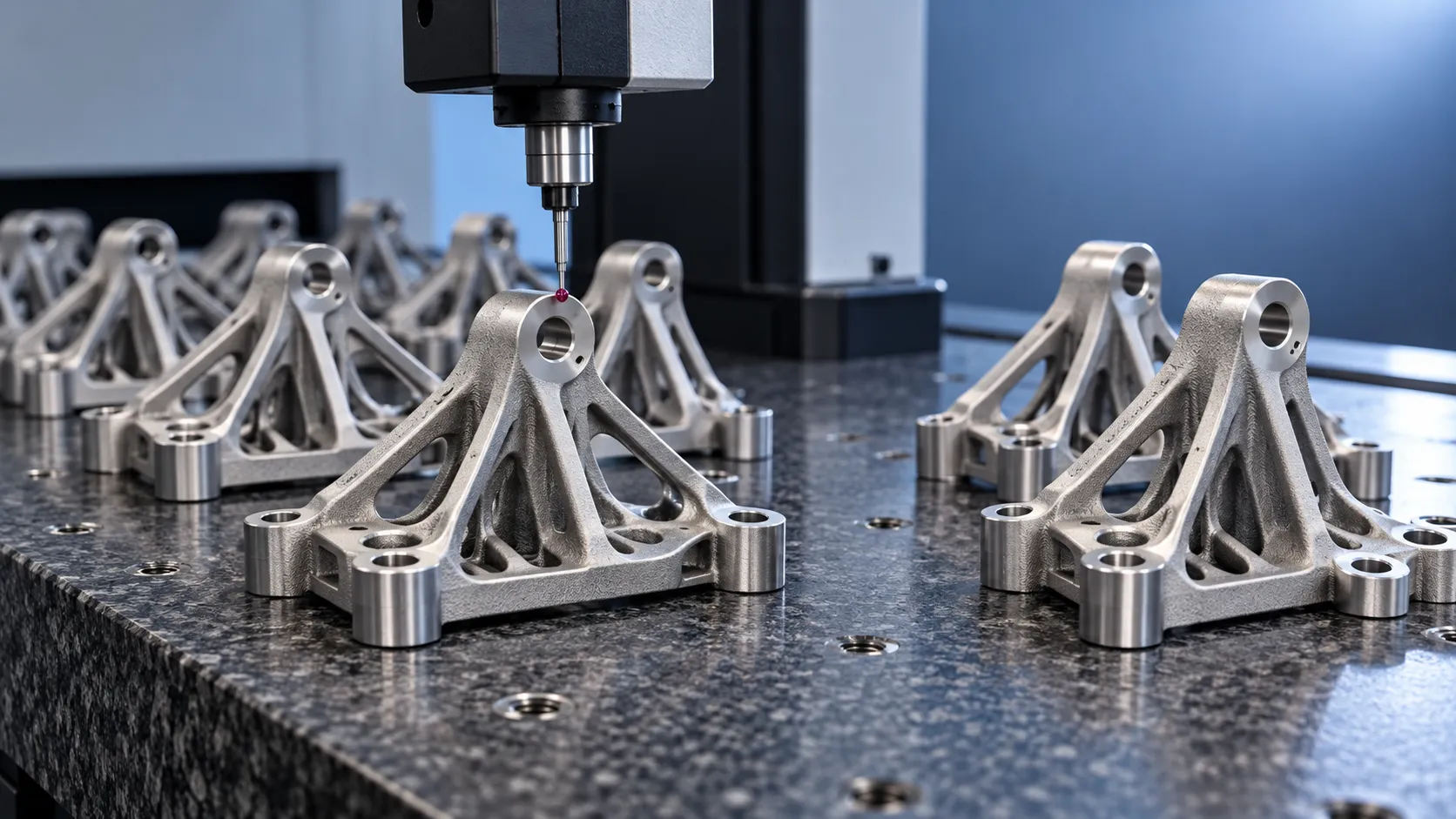
How to verify part consistency before choosing a 3D printing OEM
Choosing a 3D printing OEM? Learn how to verify part consistency with repeat-build trials, validated inspections, and traceability checks before committing to production.
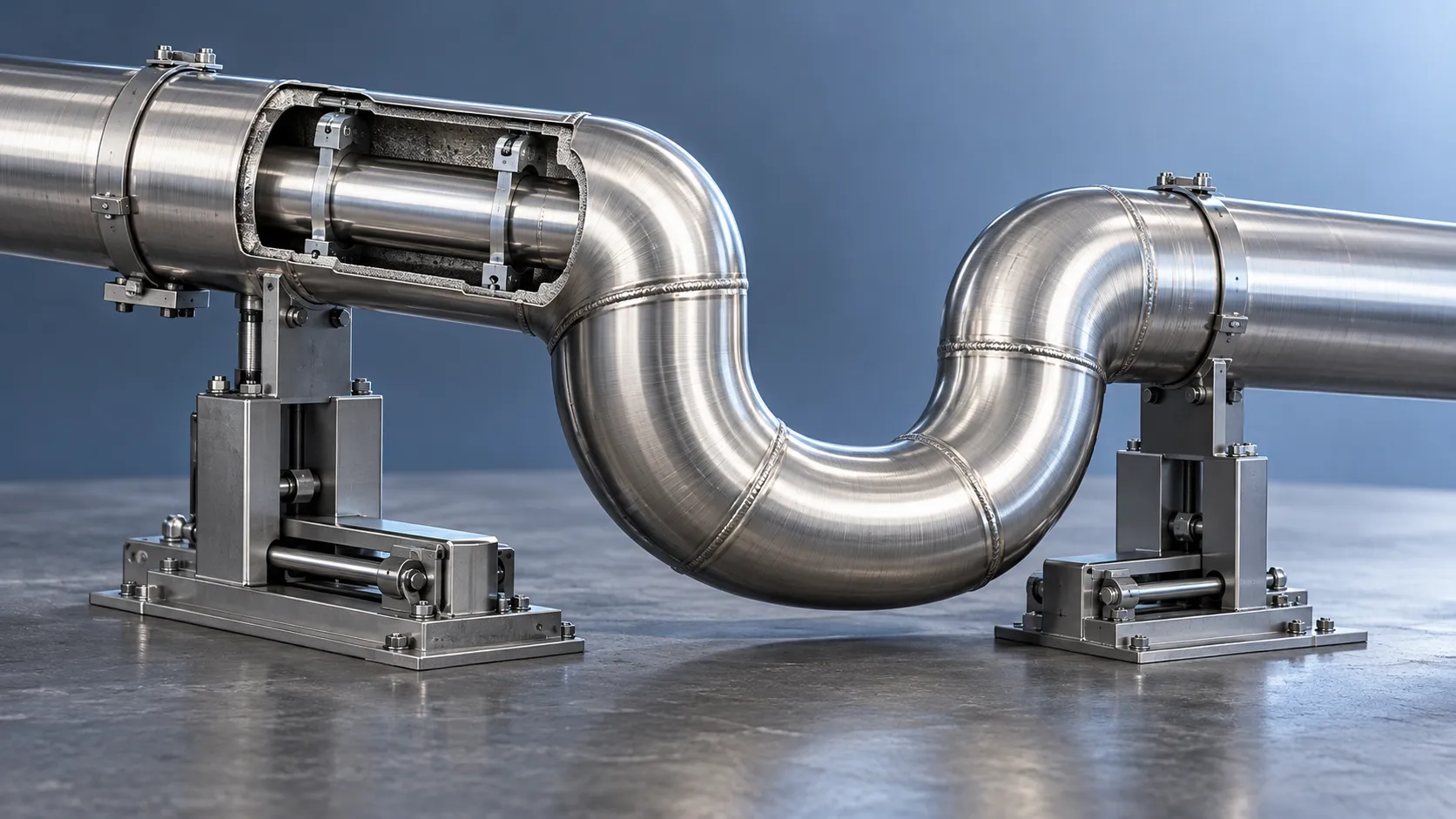
How does a rigid cryogenic transfer line handle thermal contraction?
Learn how a rigid cryogenic transfer line manages thermal contraction with bends, bellows, and guided supports. Discover key design checks for safe, reliable cryogenic performance.
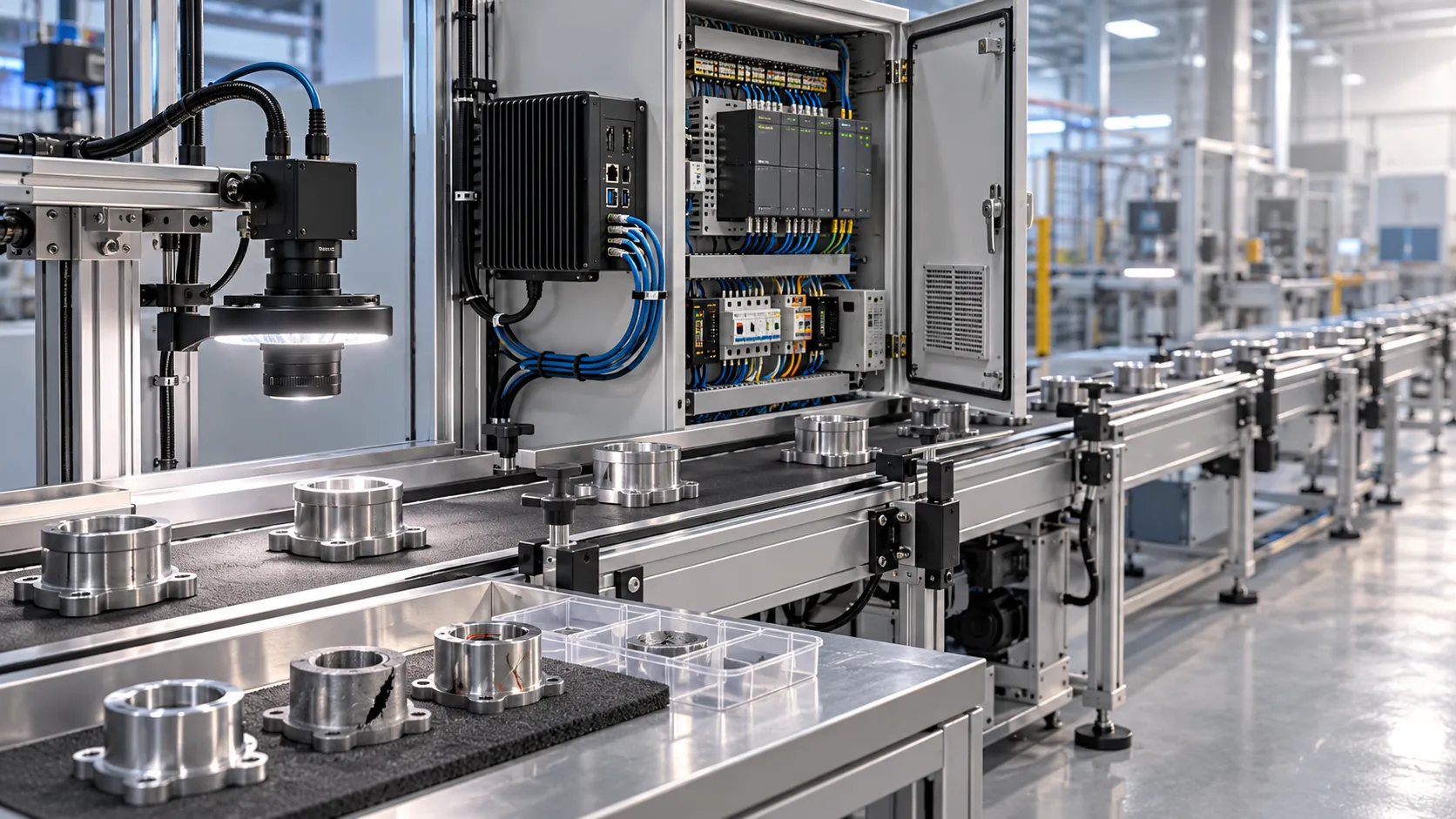
How much does edge vision deployment cost beyond the hardware?
Understand edge vision deployment cost beyond hardware, from data and integration to security and support. Uncover hidden expenses and build a smarter lifecycle budget before you scale.
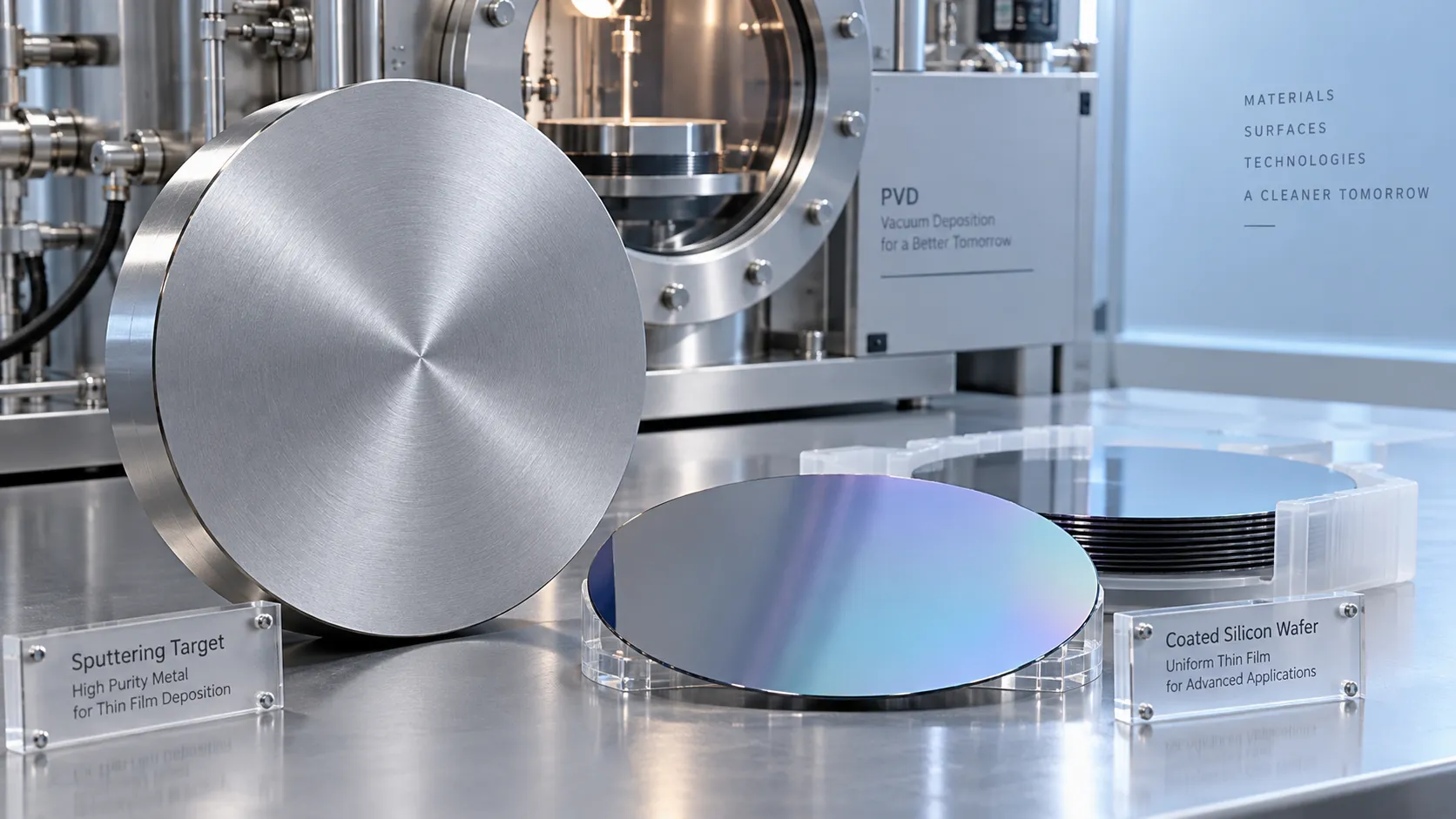
How does the purity of sputtering targets affect thin-film quality?
Discover how sputtering targets affect thin-film quality. Learn to assess purity, identify harmful impurities, and choose specifications that improve coating performance.
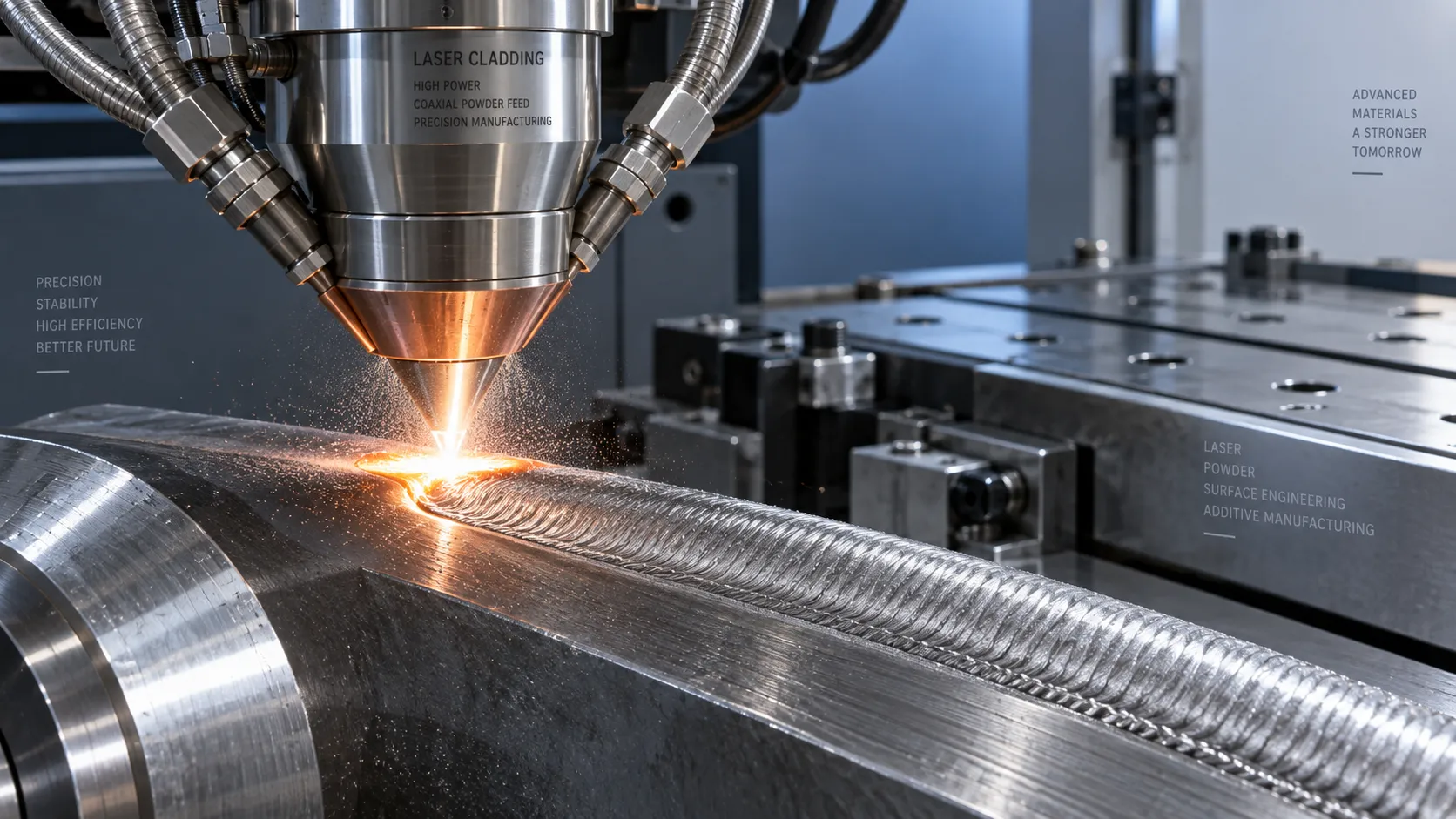
How high power laser cladding systems control substrate dilution
Discover how high power laser cladding systems control substrate dilution through beam shaping, material feed, and thermal management to deliver reliable bonds and coating performance.

How to check HS codes for customs compliance in international logistics
Strengthen international logistics customs compliance: learn how to verify HS codes, check official tariffs, and document classifications to reduce costly shipment delays.
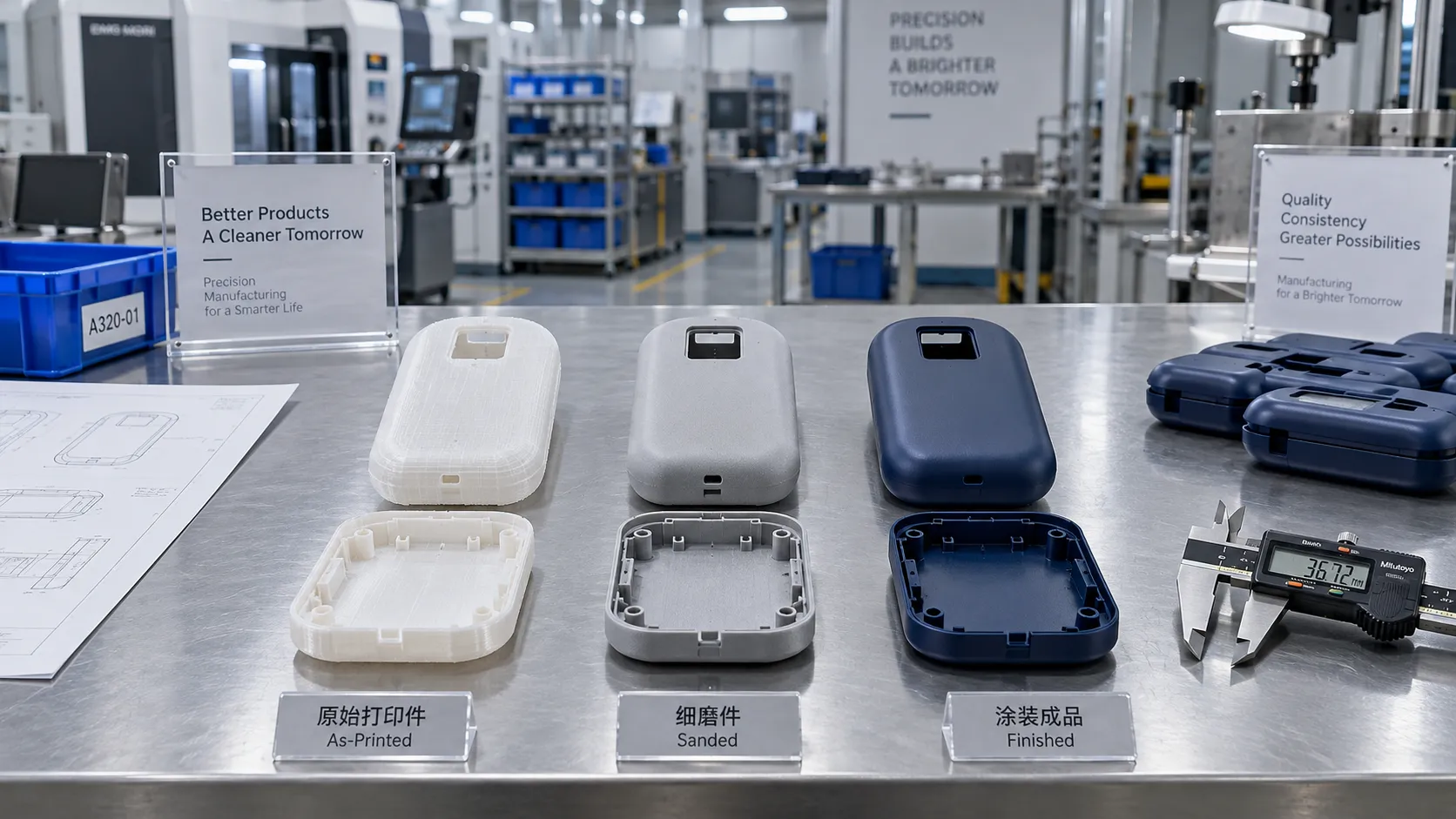
Choosing a 3D Printing Service for Consumer Products: Finish, Fit, and Cost
Compare 3d printing consumer good services by finish, fit, materials, and total cost. Learn how to choose a reliable supplier and avoid costly defects before ordering.
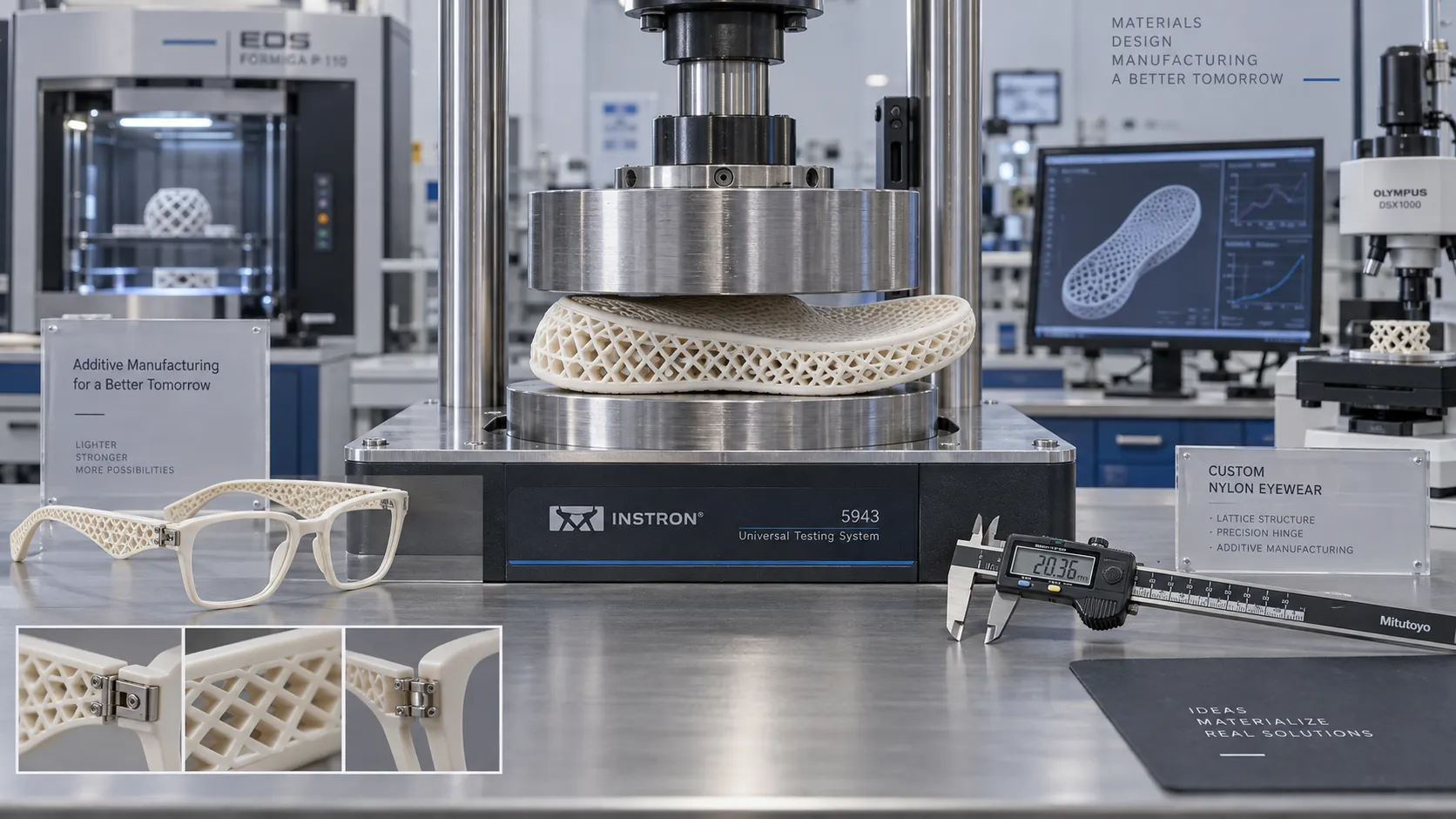
Which Consumer Goods Can Be 3D Printed, and What Are the Practical Limits?
Explore 3d printing consumer goods, from custom eyewear to replacement parts. Discover practical limits on materials, safety, and costs to make smarter production decisions.
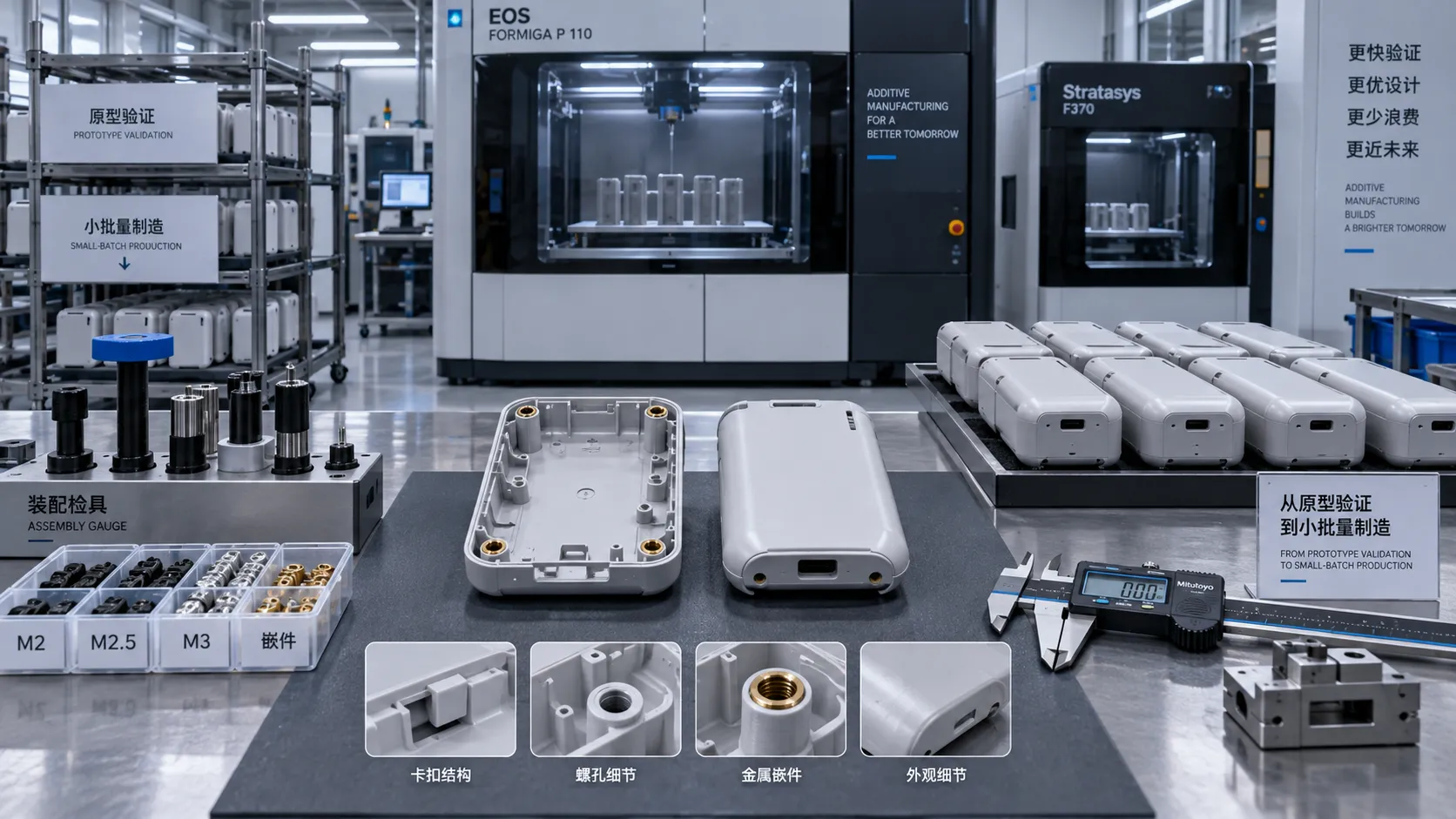
From Prototype to Small Batch: Applying 3D Printing to Consumer Goods
Explore 3d printing in consumer goods: learn how to move from prototype to small-batch production with practical guidance on materials, quality validation, and cost control.
Related News
- 00
0000-00
How to verify part consistency before choosing a 3D printing OEM - 00
0000-00
How does a rigid cryogenic transfer line handle thermal contraction? - 00
0000-00
How much does edge vision deployment cost beyond the hardware? - 00
0000-00
How does the purity of sputtering targets affect thin-film quality? - 00
0000-00
How high power laser cladding systems control substrate dilution
Dr. Hideo Tanaka
Weekly Insights
Stay ahead with our curated technology reports delivered every Monday.