
Resin shrinkage and warping data can reveal hidden risks

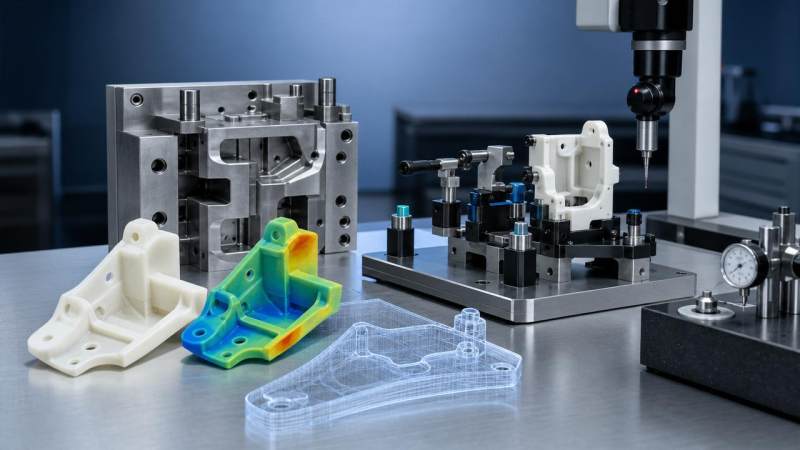
For quality control and safety teams, resin shrinkage and warping data do more than explain dimensional deviation—they expose hidden process instability, material mismatch, and downstream compliance risks. By reading these indicators early, organizations can protect part reliability, cut rework, and improve decisions across additive manufacturing, tooling validation, and high-performance production environments.
Why resin shrinkage and warping data matter in different production scenarios
Not every deviation has the same meaning.
In one scenario, it signals normal curing behavior.
In another, it points to unstable thermal management, weak support design, or incompatible post-processing settings.
That is why resin shrinkage and warping data should be interpreted by application context, not by isolated numbers.
For industrial benchmarking, these metrics connect material science with process control.
They help verify whether printed geometry, tool surfaces, and functional interfaces will remain within tolerance after curing, storage, transport, and use.
In regulated or performance-critical environments, hidden deformation can become a documentation, validation, and field-failure issue.
Scenario 1: Additive manufacturing qualification reveals early instability
During additive manufacturing qualification, resin shrinkage and warping data often reveal whether a process window is truly repeatable.
A part may pass visual inspection while still carrying internal stress that shifts dimensions later.
This is common when exposure energy, layer strategy, and post-cure temperature are not balanced.
The key judgment point is trend consistency.
If identical builds show different corner lift, hole distortion, or unsupported edge movement, the risk is process instability, not random variation.
In this scenario, resin shrinkage and warping data help separate machine capability from material response.
What to check in qualification runs
- Dimensional drift between center and edge build positions
- Warping after support removal and after full post-cure
- Shrinkage differences across wall thicknesses
- Flatness change after 24 to 72 hours
- Repeatability across resin batches and machine settings
Scenario 2: Tooling and mold validation exposes material mismatch
Tooling inserts, jigs, fixtures, and prototype molds face another challenge.
Here, resin shrinkage and warping data must reflect not only print accuracy but also load, heat, and cycling behavior.
A resin that looks stable in a sample coupon may distort at contact surfaces during real use.
The core judgment point is functional interface stability.
If alignment features, sealing edges, or cavity dimensions move after repeated thermal exposure, the problem is usually deeper than nominal shrinkage rate.
It may indicate anisotropic cure behavior, incomplete post-cure, or weak heat-deflection capability.
In this scenario, resin shrinkage and warping data support decisions about tooling life, tolerance stack-up, and whether a printed tool is fit for limited production.
Scenario 3: High-performance parts raise compliance and reliability concerns
For electrical housings, optical carriers, fluid components, and vacuum-related assemblies, deformation can trigger hidden compliance risks.
A slight warp may break sealing contact, alter light alignment, or increase stress around fasteners.
Those failures often appear after assembly, not during printing.
The main judgment point is downstream sensitivity.
Where assemblies depend on precise mating, thermal stability, or chemical resistance, resin shrinkage and warping data become part of risk assessment.
The data should be reviewed alongside ASTM test results, inspection records, and environmental conditioning outcomes.
How scenario requirements differ when interpreting resin shrinkage and warping data
Practical adaptation steps for each scenario
Useful data become actionable only when linked to a response plan.
The following measures help convert resin shrinkage and warping data into better operating decisions.
For additive manufacturing workflows
- Use geometry families, not single coupons, for validation
- Record deformation before and after post-cure
- Compare results by orientation, support density, and platform position
- Set alert limits for drift, not just pass/fail values
For tooling and fixture applications
- Measure surfaces after thermal and mechanical loading
- Check critical interfaces instead of overall dimensions alone
- Pair deformation data with heat-deflection and creep behavior
- Review resin lot changes through a controlled comparison plan
For regulated or high-risk assemblies
- Include conditioned-state measurements in inspection protocols
- Link resin shrinkage and warping data to sealing or alignment performance
- Document traceability across resin, machine, and cure profile
- Use benchmark references aligned with ISO, ASTM, or application standards
Common misjudgments that hide risk
Several errors reduce the value of resin shrinkage and warping data.
The most common is treating average shrinkage as the only important metric.
Localized warping often causes the real failure.
Another mistake is measuring too early.
Some resins continue stabilizing after support removal or post-cure.
Without time-based checkpoints, short-term inspection may hide delayed deformation.
A third issue is ignoring environment.
Humidity, storage temperature, UV exposure, and transport stress can all change part geometry.
Resin shrinkage and warping data should therefore include realistic handling and service conditions.
Finally, isolated data create false confidence.
Deformation results should be read with machine calibration records, optical inspection findings, and material certification data.
That integrated view is essential for reliable industrial decisions.
Next steps for building a stronger decision framework
A stronger workflow starts with structured evidence.
Define which scenario matters most, then map resin shrinkage and warping data to that risk profile.
Use repeatable measurement timing, representative geometries, and cross-functional review criteria.
Where industrial programs demand higher certainty, benchmark data against recognized standards and independent technical references.
A disciplined approach makes deformation data more than a troubleshooting tool.
It becomes an early warning system for cost, quality, and compliance exposure.
For complex production environments, resin shrinkage and warping data should sit at the center of qualification, validation, and release control.
When interpreted by scenario, these metrics reveal hidden risks before they become expensive failures.
Related News
How to verify part consistency before choosing a 3D printing OEM
Choosing a 3D printing OEM? Learn how to verify part consistency with repeat-build trials, validated inspections, and traceability checks before committing to production.
How does a rigid cryogenic transfer line handle thermal contraction?
Learn how a rigid cryogenic transfer line manages thermal contraction with bends, bellows, and guided supports. Discover key design checks for safe, reliable cryogenic performance.
How much does edge vision deployment cost beyond the hardware?
Understand edge vision deployment cost beyond hardware, from data and integration to security and support. Uncover hidden expenses and build a smarter lifecycle budget before you scale.
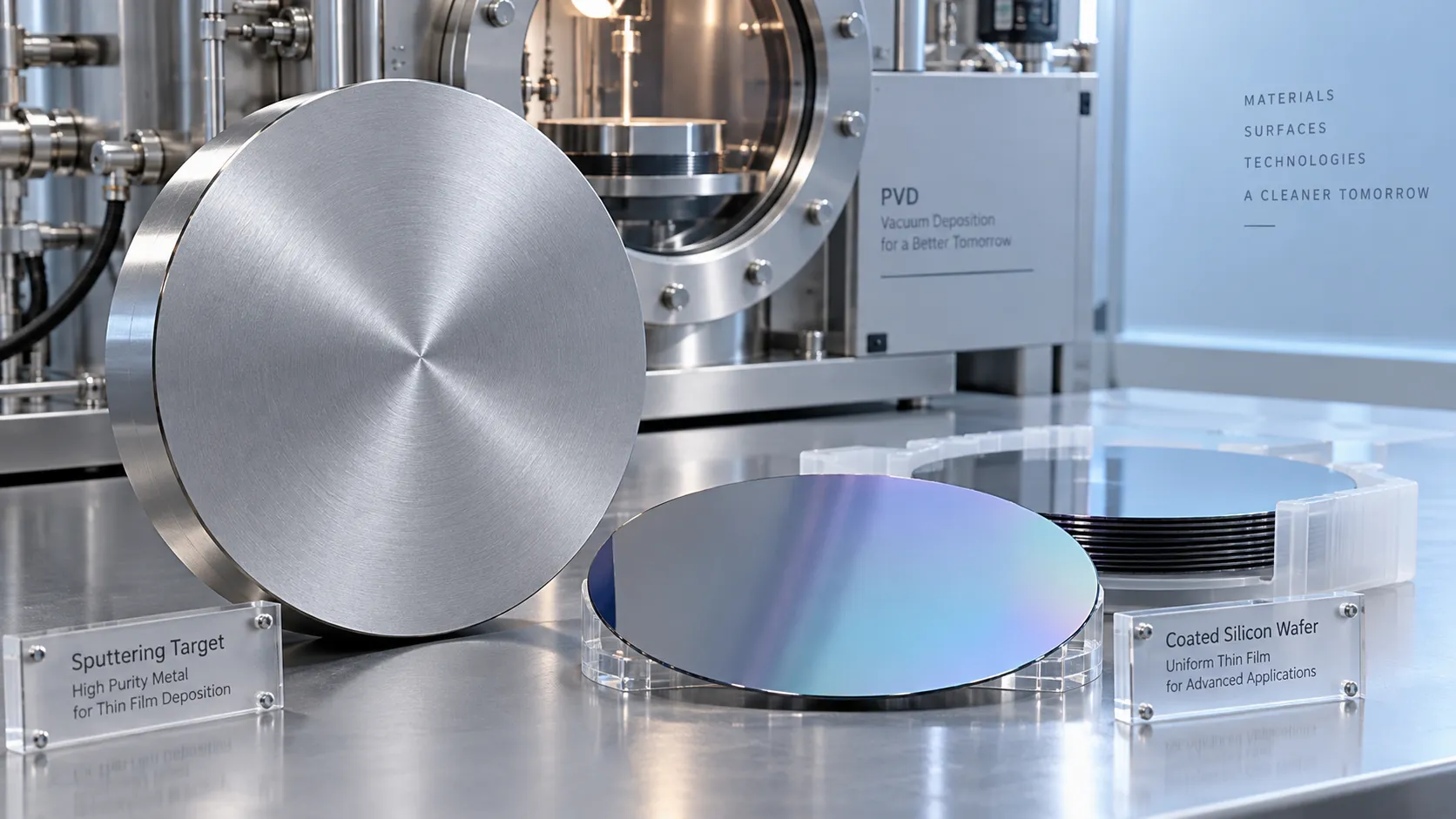
How does the purity of sputtering targets affect thin-film quality?
Discover how sputtering targets affect thin-film quality. Learn to assess purity, identify harmful impurities, and choose specifications that improve coating performance.
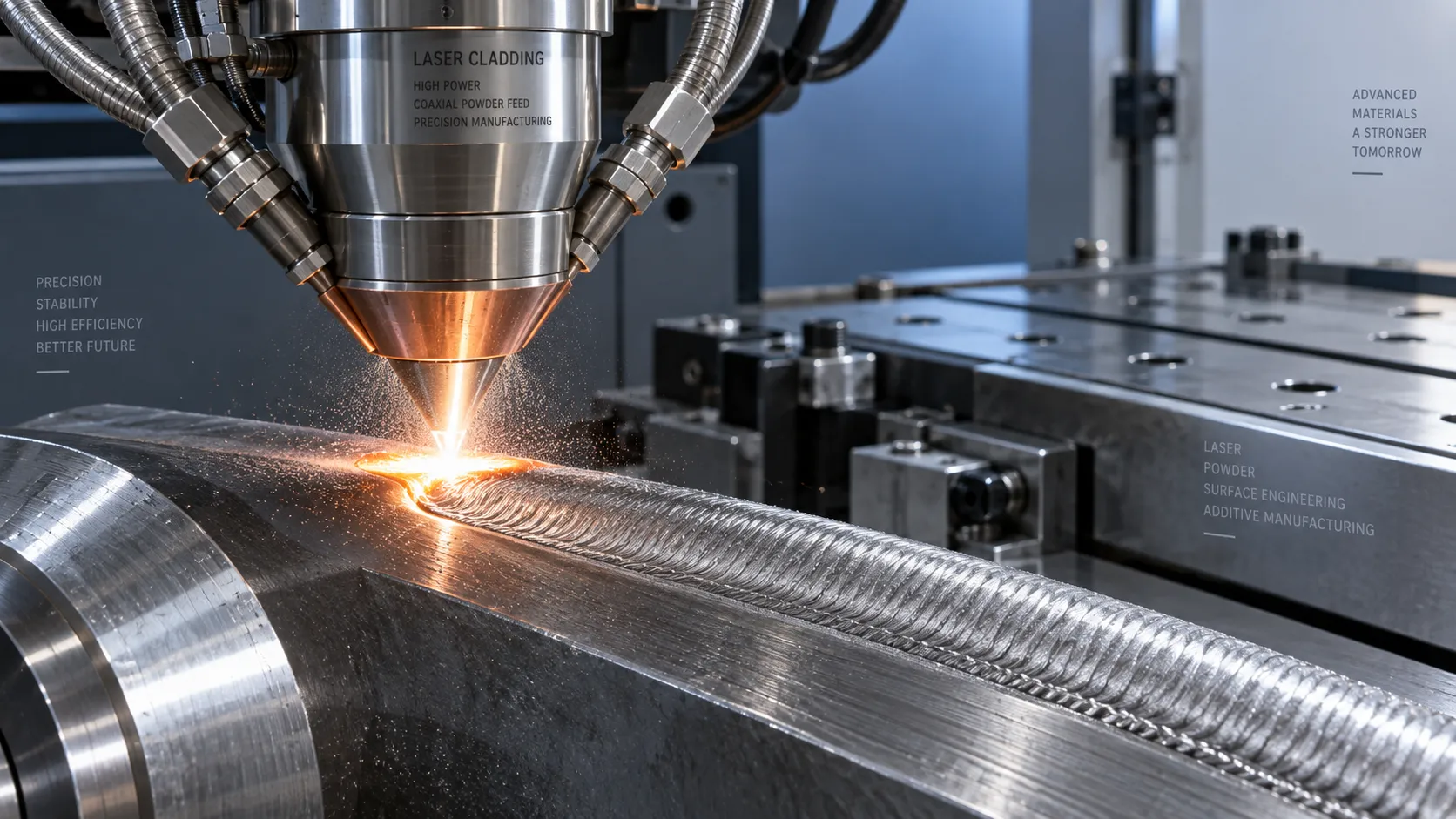
How high power laser cladding systems control substrate dilution
Discover how high power laser cladding systems control substrate dilution through beam shaping, material feed, and thermal management to deliver reliable bonds and coating performance.

How to check HS codes for customs compliance in international logistics
Strengthen international logistics customs compliance: learn how to verify HS codes, check official tariffs, and document classifications to reduce costly shipment delays.
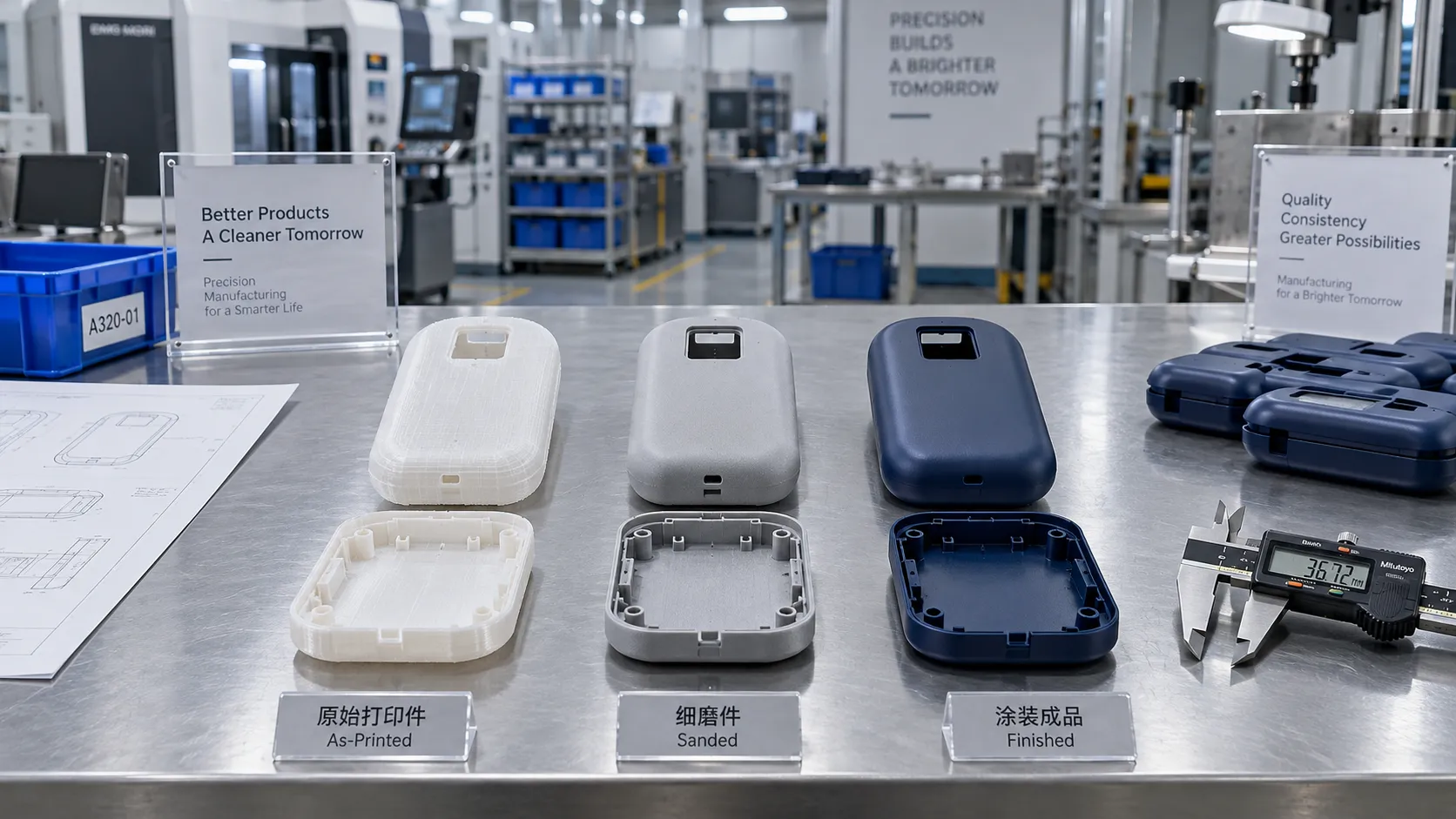
Choosing a 3D Printing Service for Consumer Products: Finish, Fit, and Cost
Compare 3d printing consumer good services by finish, fit, materials, and total cost. Learn how to choose a reliable supplier and avoid costly defects before ordering.
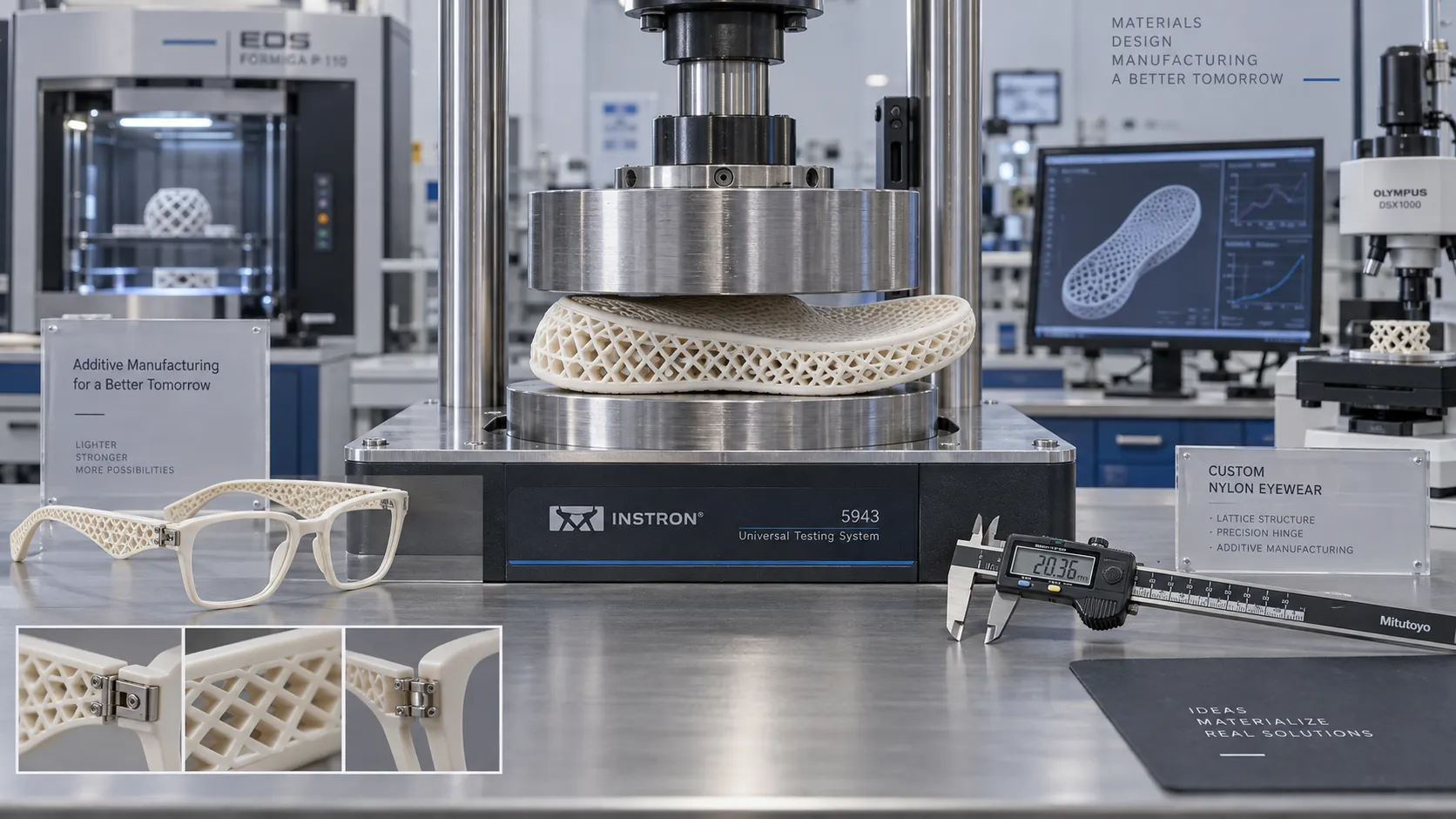
Which Consumer Goods Can Be 3D Printed, and What Are the Practical Limits?
Explore 3d printing consumer goods, from custom eyewear to replacement parts. Discover practical limits on materials, safety, and costs to make smarter production decisions.

From Prototype to Small Batch: Applying 3D Printing to Consumer Goods
Explore 3d printing in consumer goods: learn how to move from prototype to small-batch production with practical guidance on materials, quality validation, and cost control.
Related News
- 00
0000-00
How to verify part consistency before choosing a 3D printing OEM - 00
0000-00
How does a rigid cryogenic transfer line handle thermal contraction? - 00
0000-00
How much does edge vision deployment cost beyond the hardware? - 00
0000-00
How does the purity of sputtering targets affect thin-film quality? - 00
0000-00
How high power laser cladding systems control substrate dilution
Marcus Print
Weekly Insights
Stay ahead with our curated technology reports delivered every Monday.