
When layer thickness precision starts to limit part accuracy

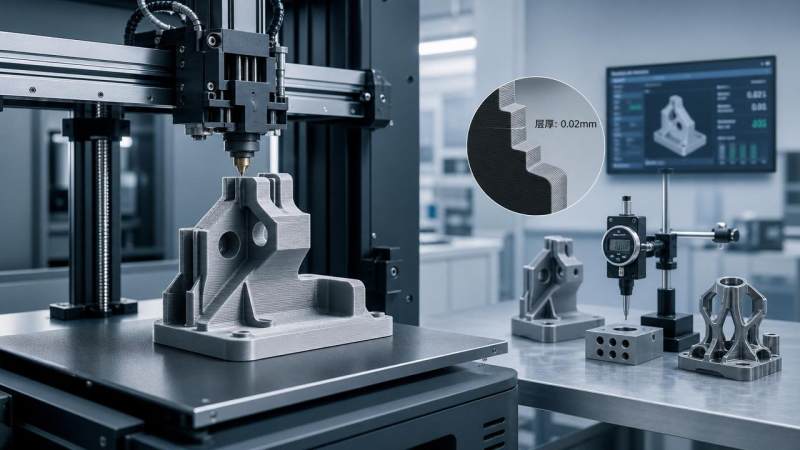
In additive manufacturing, small deviations can create big downstream problems. When 3d printing layer thickness precision becomes the limiting factor, part accuracy, surface finish, and repeatability all begin to suffer—especially for operators managing tight tolerances in production.
For most operators, the practical question is not whether layer thickness matters, but when it becomes the dominant source of dimensional error. That threshold depends on feature size, material behavior, machine stability, and how well the slicing strategy matches the part.
If your printed dimensions drift despite calibration, if surfaces show visible stepping, or if support interfaces vary from job to job, layer control may already be constraining final accuracy. Recognizing that point early helps reduce scrap, rework, and unnecessary parameter changes.
What users are really trying to find out
When people search for 3d printing layer thickness precision, they usually want an operational answer: how precise does layer thickness need to be before it starts affecting real part quality?
They are rarely looking for a basic definition alone. They want to know how layer variation shows up on the machine, which defects it causes, and what adjustments actually improve the outcome.
For operators, the most important issue is practical control. If layer thickness error is now larger than the tolerance budget for the part, no amount of post-process inspection will fully recover yield.
When layer thickness precision becomes the limiting factor
Layer thickness precision starts to limit part accuracy when vertical build increments and their variation become comparable to the part’s allowed tolerance, feature height, or required surface finish.
In simple terms, if your part needs very fine Z-axis geometry, smooth angled surfaces, or consistent interfaces between layers, even small thickness deviations can become the main accuracy bottleneck.
This usually happens in three situations: small parts with tight tolerances, parts with shallow slopes or curved surfaces, and process windows where material deposition or curing fluctuates from layer to layer.
A useful operator mindset is this: nominal layer thickness alone does not define accuracy. The real issue is the repeatability of actual deposited or cured layer height across the full job.
For example, a printer set to 50 microns may still produce inconsistent layers if recoating is unstable, powder distribution changes, extrusion pressure drifts, or resin cure depth varies with temperature.
Why nominal layer height and real layer precision are not the same
Many production problems begin when teams assume the selected layer height in software equals the physical layer built on the machine. In reality, that is only the target value.
Actual layer formation is influenced by mechanics, energy input, material condition, thermal history, and environmental stability. Each factor can shift the final height upward or downward by enough to affect accuracy.
In fused filament fabrication, for instance, nozzle wear, flow inconsistency, filament diameter variation, and bed leveling all change the real deposited layer profile, even when the slicer setting remains fixed.
In powder bed fusion, a nominally thin layer can still become uneven because of recoater interaction, powder spreading quality, spatter, local heat accumulation, or part geometry disturbing the powder field.
In vat photopolymerization, cure depth may exceed intended thickness, especially when resin age, pigmentation, exposure energy, or peel dynamics are not tightly controlled. This creates dimensional growth rather than true layer conformity.
That is why operators should separate three concepts: programmed layer height, achieved layer height, and layer-to-layer variation. Only the third one explains many repeatability failures seen in production.
What defects appear when 3d printing layer thickness precision is no longer good enough
The first visible symptom is often surface stepping. Angled or curved surfaces begin to show stronger terracing, and cosmetic quality degrades even if major dimensions still appear acceptable on a quick check.
The second symptom is Z-direction dimensional drift. Hole depths, boss heights, sealing surfaces, and stack-up features can move outside tolerance because small layer errors accumulate over many layers.
Third, support interfaces become less predictable. If each layer forms differently, support contact may fuse too strongly in some areas and separate too weakly in others, complicating removal and hurting surface finish.
Fourth, mating features lose consistency. Parts that should align, slide, or press-fit may behave differently across builds, especially when the design relies on controlled vertical geometry or repeated thin-wall sections.
Fifth, mechanical behavior can become less consistent. Uneven layers may change local bonding, porosity, residual stress, or cure state, which can affect functional performance in ways that are harder to spot visually.
Operators should also watch for hidden signals: more frequent sanding, recurring machining stock shortages, changing first-article measurements, or increased dependence on manual compensation in the slicer.
How to judge whether layer precision is your main accuracy problem
Do not start by changing ten parameters at once. First, determine whether the error pattern is actually tied to layer formation rather than scaling, shrinkage, fixture distortion, or measurement inconsistency.
A strong indicator is directional bias. If errors are significantly worse in the Z direction than in X and Y, and especially if they grow with build height, layer thickness precision is a likely contributor.
Another sign is geometry sensitivity. If flat vertical walls measure acceptably but shallow angles, domes, overhang transitions, or fine stepped features fail, your layer strategy may be limiting achievable accuracy.
Print a structured benchmark with stair-step heights, sloped planes, small bosses, recesses, and thin vertical features. Compare actual measurements to nominal values at multiple heights across the build area.
If the same machine shows different Z outcomes in different platform zones, you may be seeing recoating nonuniformity, thermal imbalance, or mechanical alignment issues rather than a pure slicing problem.
Also compare repeatability across multiple jobs, not just one successful print. A part that passes once but drifts later usually points to process stability limits, which are central to real layer precision.
What matters most to operators in day-to-day production
Operators generally care less about theoretical resolution and more about whether a machine can produce acceptable parts repeatedly with manageable intervention. That is the correct production perspective.
The key questions are practical: Which jobs need thinner layers? When does reducing layer height stop helping? Which settings improve layer consistency instead of only increasing print time?
For production use, a thinner nominal layer is not automatically better. If the machine or material cannot hold that layer consistently, the process may become slower without delivering a meaningful accuracy gain.
In some cases, reducing layer height actually exposes other weaknesses, such as thermal instability, powder spreading defects, resin contamination sensitivity, or excessive sensitivity to filament pressure fluctuations.
So the goal is not the smallest layer possible. The goal is the smallest layer that your machine, material, and geometry can reproduce stably within your required tolerance window.
How feature size and tolerance determine the useful layer range
Layer thickness precision should always be evaluated against part requirements. A 100-micron variation may be trivial for a large bracket but unacceptable for a small fluidic channel or alignment feature.
If a feature height consists of only a few layers, each layer has a large influence on final geometry. In that case, even moderate variation can create major percentage error.
Angled surfaces are especially sensitive because vertical steps project onto the surface. As slope decreases, the visual and dimensional impact of each layer becomes more pronounced.
That is why operators should review CAD geometry before printing. Features with shallow tapers, curved profiles, embossed details, or stack-up interfaces often justify more attention to layer strategy than bulk regions do.
When tolerance is tight only in specific zones, a full-job reduction in layer height may be unnecessary. Orientation changes, local redesign, or post-machining allowances can often deliver better overall efficiency.
Machine and process causes behind poor layer thickness precision
On the machine side, common causes include Z-axis backlash, lead screw wear, encoder error, recoater deflection, nozzle condition, gantry vibration, and inconsistent calibration after maintenance.
Material condition is just as important. Moist filament, aged resin, irregular powder size distribution, and contamination all change how material spreads, melts, cures, or bonds at each layer.
Thermal effects are another major source. Chamber temperature drift, uneven cooling, local overheating, and insufficient stabilization between layers can all shift actual geometry away from nominal assumptions.
Software and data preparation also matter. Excessive smoothing, poor slicing resolution, wrong shrinkage compensation, and mismatched exposure or flow settings can create errors that look like hardware limitations.
Finally, operator handling itself affects consistency. Incomplete cleaning, rushed setup, inconsistent powder recycling practice, and skipped verification steps often widen layer-to-layer variation long before a machine is formally out of spec.
What adjustments usually help first
Start with process verification before optimization. Confirm Z calibration, bed condition, nozzle or optical path health, material quality, environmental control, and measurement method before changing advanced settings.
Then review whether the chosen layer height fits the machine’s stable operating window. A conservative layer can outperform an aggressive thin layer if it forms more uniformly in real conditions.
Check orientation next. Reorienting the part can reduce visible stepping on critical surfaces and move the tightest tolerances away from the direction where layer accumulation causes the most error.
For extrusion systems, verify flow stability, first-layer quality, and actual extrusion width. For powder systems, inspect powder spread consistency and recoater interaction. For resin systems, confirm exposure balance and peel reliability.
Use statistically small but disciplined trials. Change one factor at a time and record dimension, surface finish, and repeatability results. This is far more useful than chasing isolated visual improvements.
If production tolerances remain tight, consider hybrid planning. Print near net shape, then machine critical faces or holes. This often delivers a better cost-quality balance than extreme layer reduction alone.
When reducing layer thickness helps, and when it does not
Reducing layer thickness helps most when the dominant problem is staircase effect on slopes, insufficient Z resolution for fine features, or overlarge vertical increment relative to tolerance demands.
It helps far less when the real issue is unstable material behavior, thermal distortion, shrinkage mismatch, poor machine mechanics, or measurement error. In those cases, thinner layers may only increase cycle time.
Operators should also consider that thinner layers increase total layer count. That means more opportunities for small errors to accumulate, more exposure to process drift, and longer time under thermal or environmental influence.
So thinner can be better, but only if process control quality rises at the same time. Otherwise the theoretical benefit of higher resolution may never appear on the finished part.
How to build a practical control plan for production
A good control plan links part classes to validated layer settings. Do not rely on one default profile for every geometry. Group parts by tolerance, surface criticality, material, and post-processing route.
Create benchmark builds that operators can repeat after maintenance, material change, or software updates. Track Z accuracy, surface roughness, support removal behavior, and dimensional spread across the platform.
Define action limits, not just target values. For example, establish when measured variation means recalibration is needed, when material must be replaced, or when a build should be stopped before wasting more time.
Document orientation rules for critical feature types. A repeatable decision framework is often more valuable than repeatedly experimenting under production pressure.
Most importantly, connect inspection data back to process settings. If certain deviations repeatedly correlate with certain layer heights or machine states, your team can move from reactive troubleshooting to controlled improvement.
Bottom line for operators
When layer thickness precision starts to limit part accuracy, the problem is rarely just about choosing a smaller number in the slicer. It is about whether actual layer formation is stable enough for the job.
The most useful way to think about 3d printing layer thickness precision is as a tolerance management issue. If layer variation consumes too much of the allowed error budget, part quality will suffer predictably.
Operators get the best results by identifying geometry-sensitive features, validating real Z performance, controlling material and machine condition, and selecting a layer strategy that the process can repeat reliably.
In production, repeatable accuracy matters more than advertised resolution. Once you know where layer precision becomes the limiting factor, you can make smarter decisions about setup, orientation, process windows, and post-processing.
Related News
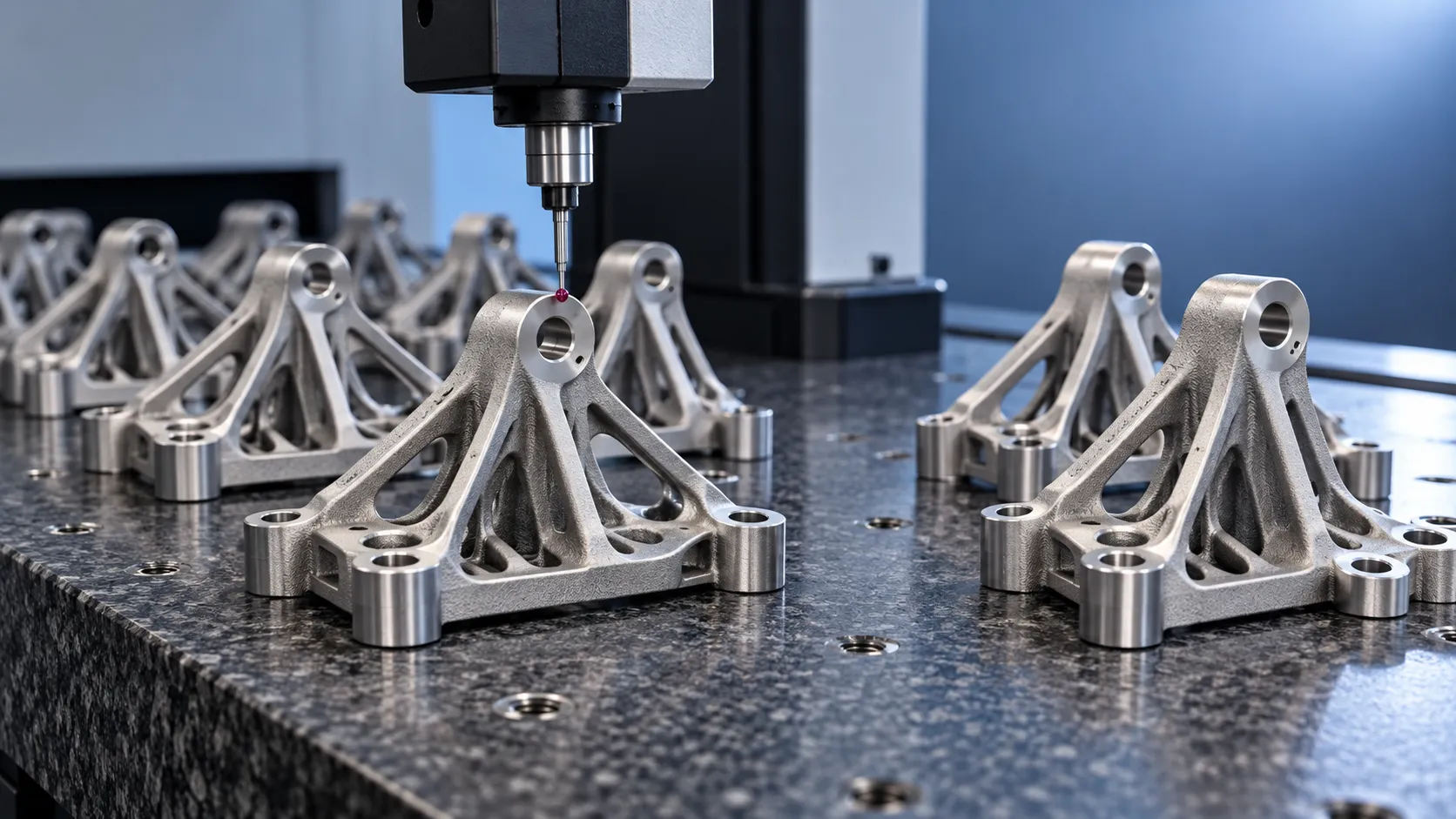
How to verify part consistency before choosing a 3D printing OEM
Choosing a 3D printing OEM? Learn how to verify part consistency with repeat-build trials, validated inspections, and traceability checks before committing to production.
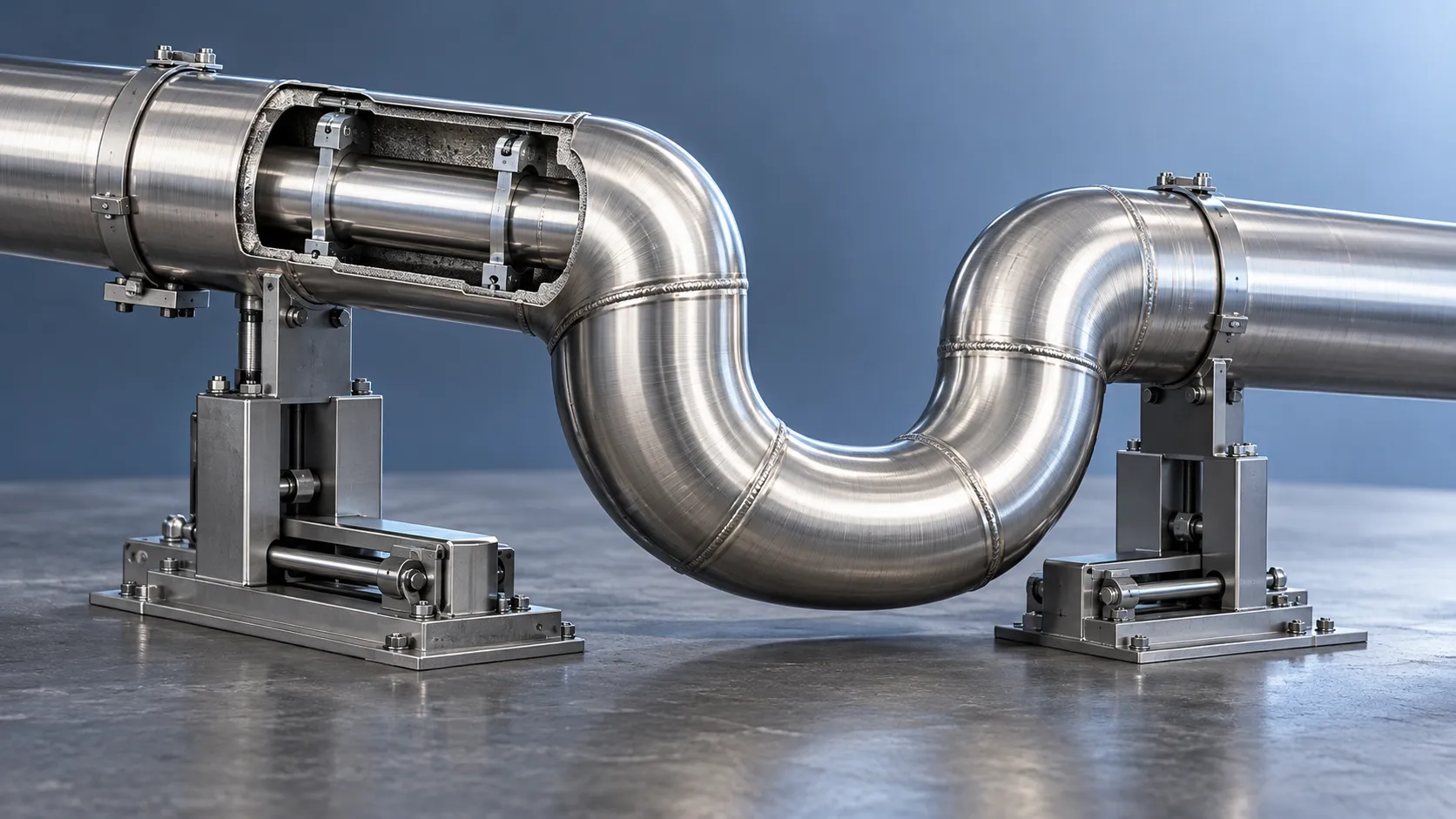
How does a rigid cryogenic transfer line handle thermal contraction?
Learn how a rigid cryogenic transfer line manages thermal contraction with bends, bellows, and guided supports. Discover key design checks for safe, reliable cryogenic performance.
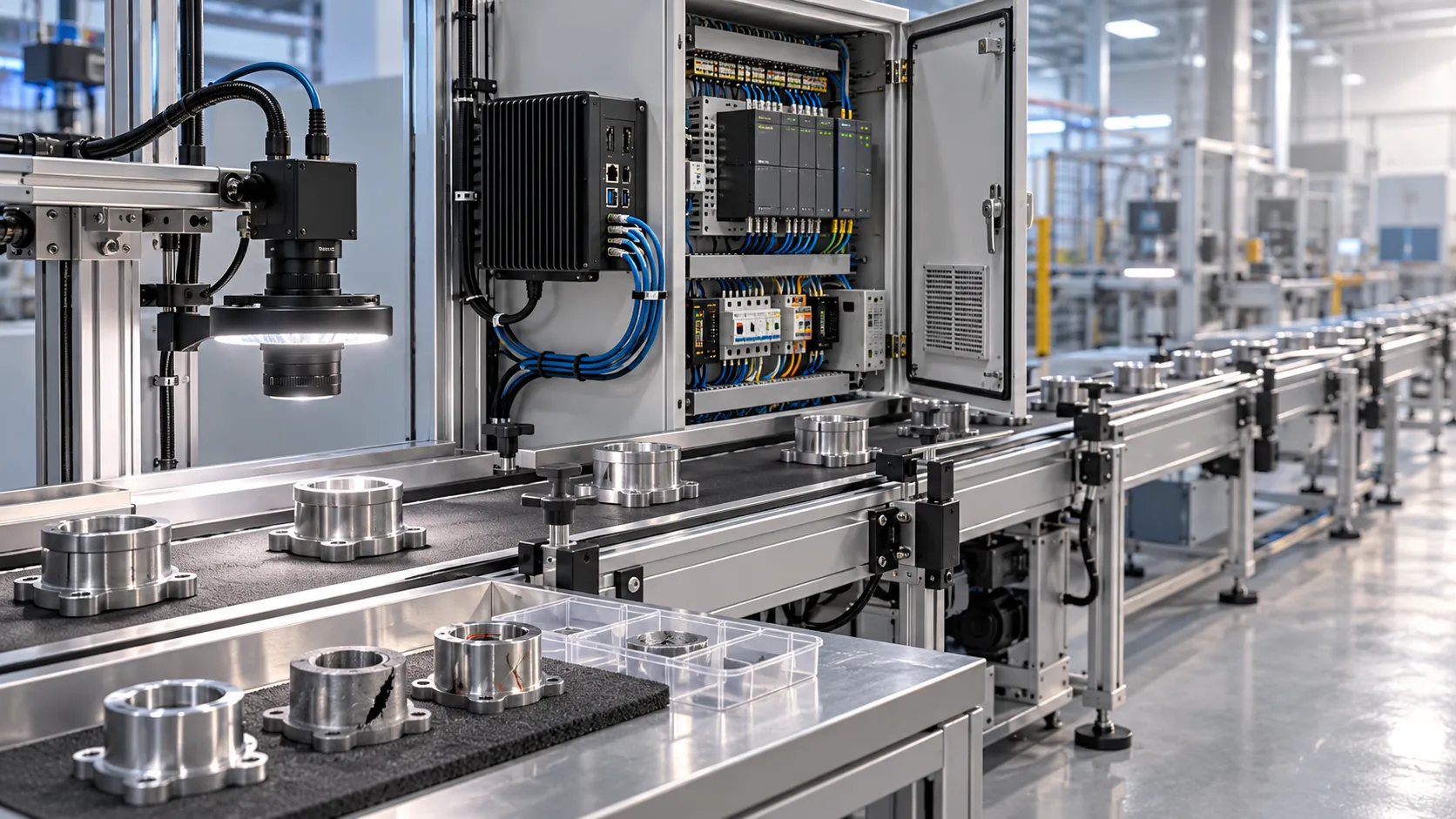
How much does edge vision deployment cost beyond the hardware?
Understand edge vision deployment cost beyond hardware, from data and integration to security and support. Uncover hidden expenses and build a smarter lifecycle budget before you scale.
How does the purity of sputtering targets affect thin-film quality?
Discover how sputtering targets affect thin-film quality. Learn to assess purity, identify harmful impurities, and choose specifications that improve coating performance.
How high power laser cladding systems control substrate dilution
Discover how high power laser cladding systems control substrate dilution through beam shaping, material feed, and thermal management to deliver reliable bonds and coating performance.
How to check HS codes for customs compliance in international logistics
Strengthen international logistics customs compliance: learn how to verify HS codes, check official tariffs, and document classifications to reduce costly shipment delays.
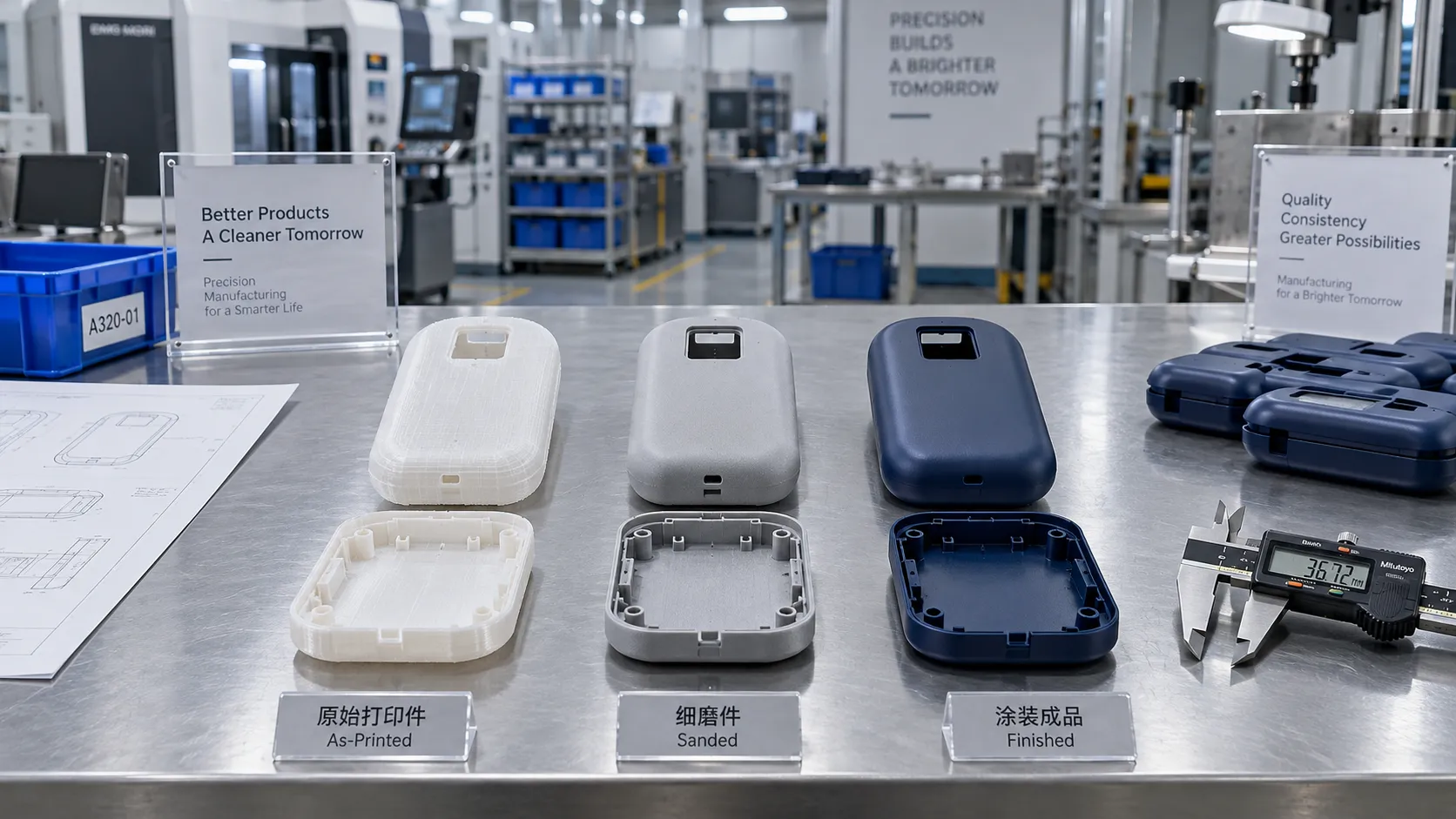
Choosing a 3D Printing Service for Consumer Products: Finish, Fit, and Cost
Compare 3d printing consumer good services by finish, fit, materials, and total cost. Learn how to choose a reliable supplier and avoid costly defects before ordering.
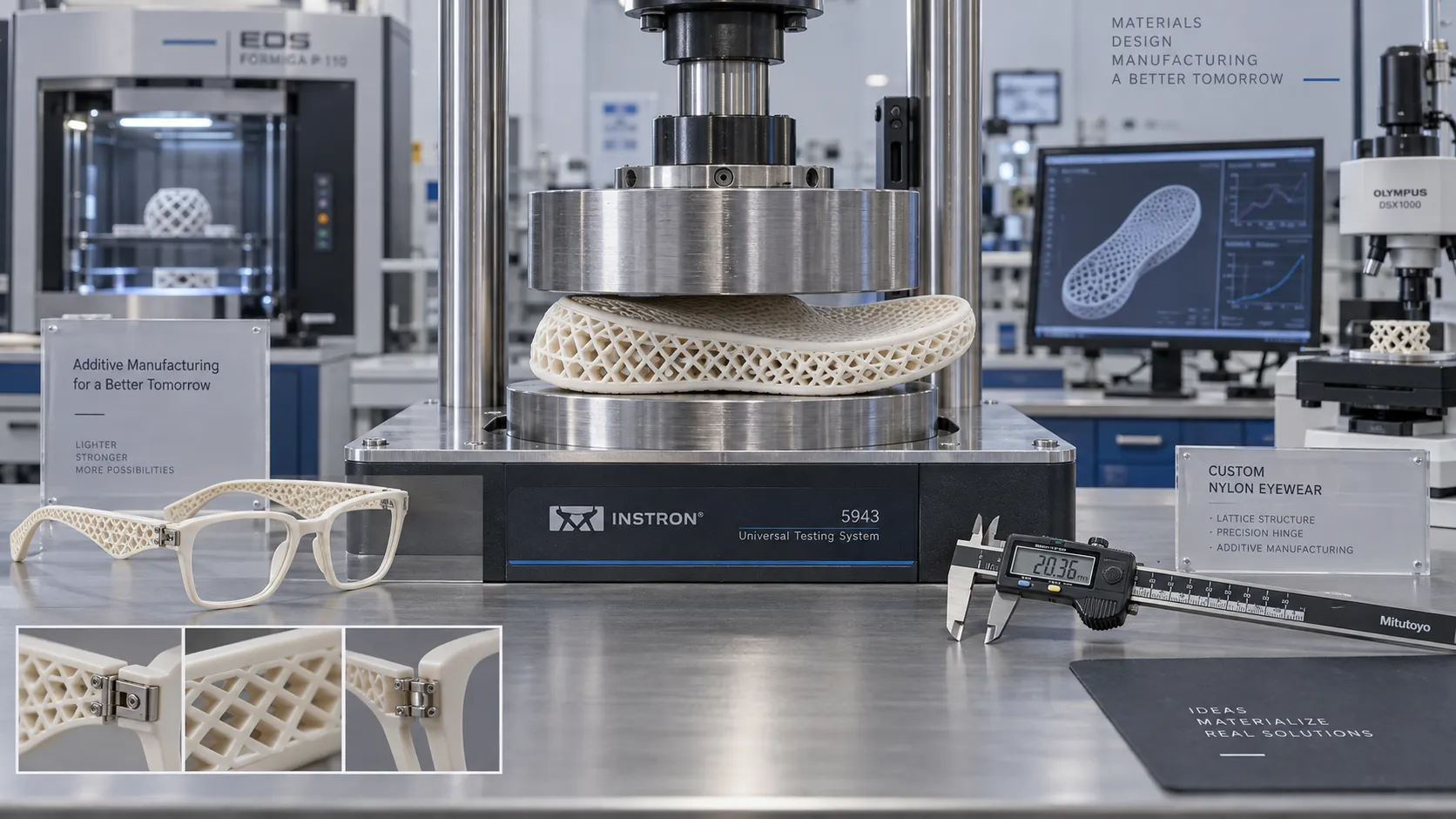
Which Consumer Goods Can Be 3D Printed, and What Are the Practical Limits?
Explore 3d printing consumer goods, from custom eyewear to replacement parts. Discover practical limits on materials, safety, and costs to make smarter production decisions.
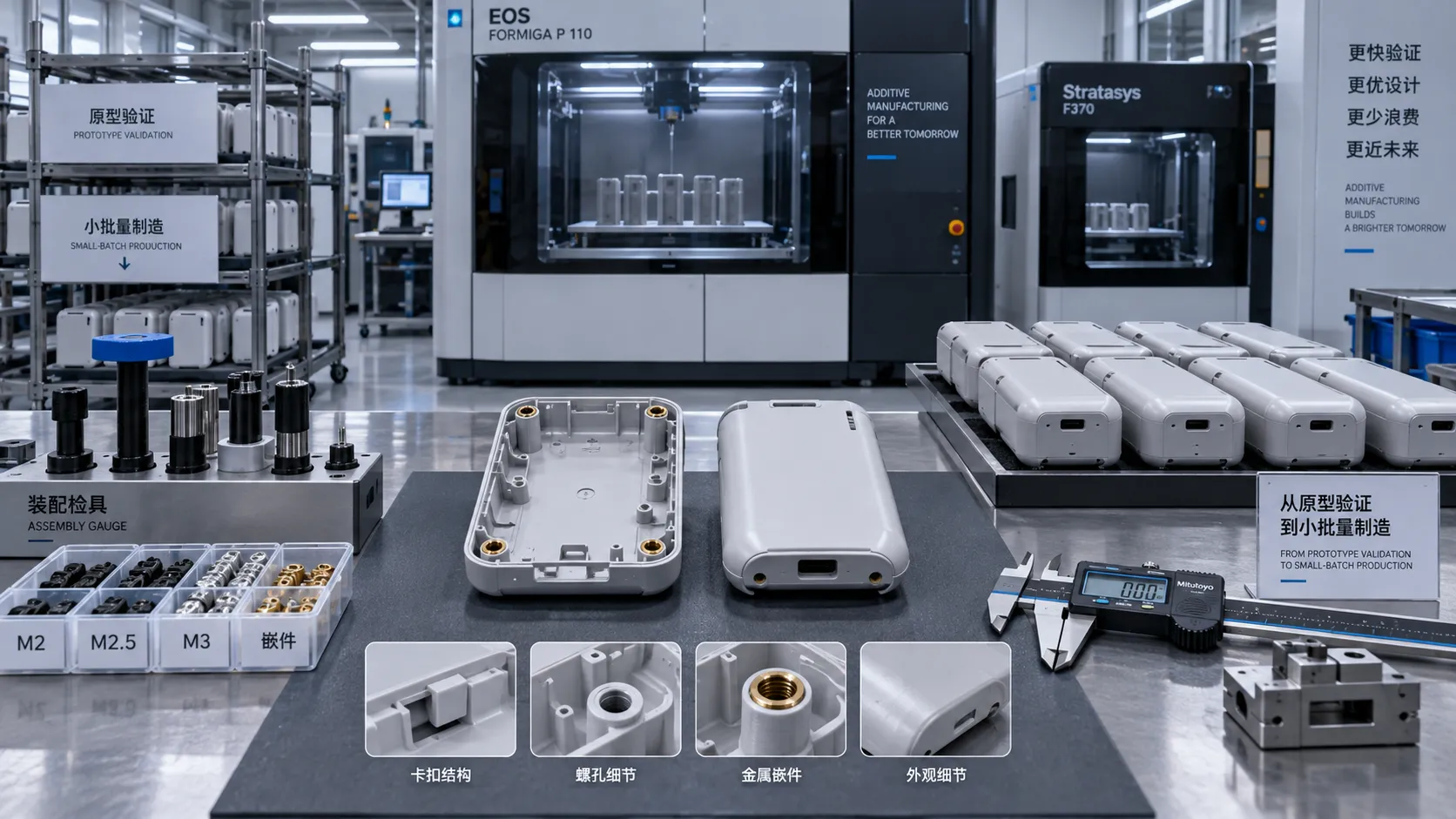
From Prototype to Small Batch: Applying 3D Printing to Consumer Goods
Explore 3d printing in consumer goods: learn how to move from prototype to small-batch production with practical guidance on materials, quality validation, and cost control.
Related News
- 00
0000-00
How to verify part consistency before choosing a 3D printing OEM - 00
0000-00
How does a rigid cryogenic transfer line handle thermal contraction? - 00
0000-00
How much does edge vision deployment cost beyond the hardware? - 00
0000-00
How does the purity of sputtering targets affect thin-film quality? - 00
0000-00
How high power laser cladding systems control substrate dilution
Marcus Print
Weekly Insights
Stay ahead with our curated technology reports delivered every Monday.