
What additive manufacturing fatigue life data really predicts

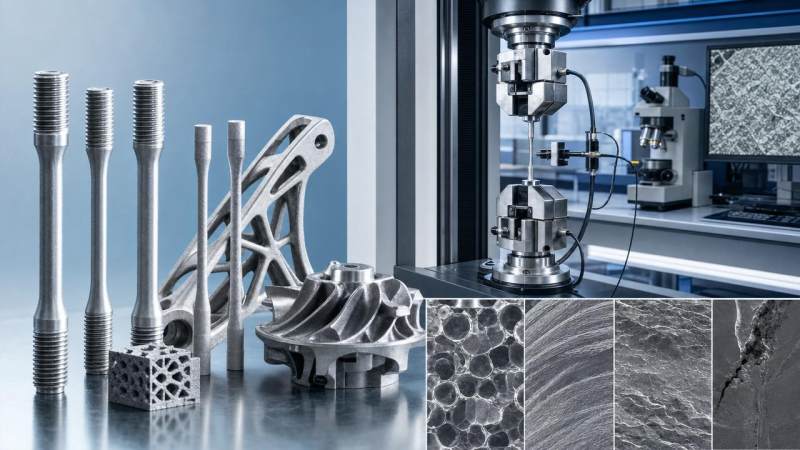
Why additive manufacturing fatigue life data matters more now
What does additive manufacturing fatigue life data really tell engineers, buyers, and researchers—and what can it not guarantee?
As additive manufacturing shifts into critical production, fatigue performance has become a board-level reliability issue.
This is especially true in aerospace, energy, medical, automotive, and advanced equipment supply chains.
The value of additive manufacturing fatigue life data is clear: it helps estimate cyclic durability under defined conditions.
Its limitation is just as important: it does not automatically predict field life for every geometry, machine, or production batch.
That gap matters because qualification decisions increasingly depend on whether test data reflects process reality.
Understanding what additive manufacturing fatigue life data actually predicts supports better risk control and better sourcing choices.
The signal from the market is changing from strength claims to reliability proof
A few years ago, many additive manufacturing discussions centered on tensile strength and build speed.
Today, qualification conversations increasingly focus on scatter, defect populations, surface condition, and fatigue knockdown factors.
This shift reflects a maturing market.
More metal AM parts are now intended for repeated loading, thermal cycling, and long service intervals.
As a result, additive manufacturing fatigue life data has moved from being supportive evidence to a primary qualification input.
Another trend is the rise of standards-based benchmarking.
Organizations now compare fatigue datasets using ASTM, ISO, and internal statistical acceptance criteria.
This reduces marketing ambiguity and increases attention on reproducibility across machines, powder lots, and post-processing routes.
What additive manufacturing fatigue life data actually predicts
At its best, additive manufacturing fatigue life data predicts the probability of cyclic failure under a tightly bounded test envelope.
That envelope usually includes material chemistry, machine type, build parameters, orientation, post-treatment, specimen geometry, and loading ratio.
In practical terms, the data often predicts these outcomes:
- Relative fatigue ranking between process variants
- Expected life range under specified stress amplitudes
- Sensitivity to surface roughness and internal defects
- Benefits of hot isostatic pressing, machining, or heat treatment
- Scatter behavior linked to pore size, lack-of-fusion, and microstructure
In other words, additive manufacturing fatigue life data is strongest when used comparatively and conditionally.
It can reveal whether one route is more robust than another.
It can also show whether fatigue performance is stable enough for qualification planning.
Why the test envelope matters
Fatigue life is not a single material constant.
It is a system response shaped by process history and design detail.
A polished specimen tested axially may show much stronger results than an as-built part with notches and complex load paths.
That is why high-quality additive manufacturing fatigue life data must be tied to traceable manufacturing context.
What additive manufacturing fatigue life data does not guarantee
The biggest misunderstanding is assuming that published fatigue data equals guaranteed field durability.
It does not.
Even robust additive manufacturing fatigue life data cannot fully guarantee the following:
This distinction is crucial in regulated and safety-critical sectors.
Data predicts behavior within assumptions, not outside them.
Why the trend is strengthening across industrial sectors
Several forces are pushing additive manufacturing fatigue life data into the center of technical due diligence.
- More end-use AM parts are exposed to vibration, pulsation, and cyclic pressure
- Qualification frameworks now demand evidence beyond static properties
- Machine fleets are expanding, increasing the challenge of process consistency
- Digital manufacturing claims require statistical proof, not isolated samples
- Insurance, compliance, and warranty exposure make reliability data commercially important
These drivers are not confined to one industry.
They affect supply qualification, asset uptime forecasting, and technology investment decisions across the broader industrial economy.
How different business functions are affected by this data reality
The meaning of additive manufacturing fatigue life data changes depending on where decisions are made.
For design teams, it shapes allowable stress, safety factors, and geometry optimization boundaries.
For quality functions, it highlights process capability, defect risk, and inspection priorities.
For sourcing and program planning, it affects supplier comparison, qualification timing, and lifecycle risk.
For R&D, it reveals where microstructure control, surface engineering, and in-situ monitoring still need improvement.
A practical interpretation lens
Useful additive manufacturing fatigue life data should answer three business-critical questions.
- Is the process stable enough to repeat the result?
- Does the test condition resemble the intended service condition?
- What uncertainty remains after post-processing and inspection controls?
If one of these answers is weak, the dataset should be treated cautiously.
What should be checked before trusting additive manufacturing fatigue life data
Not all datasets are decision-ready.
Before using additive manufacturing fatigue life data in benchmarking or qualification, focus on these points:
- Build orientation and scan strategy disclosure
- Specimen extraction location and machine-to-machine variation
- Surface condition, machining allowance, and roughness values
- Heat treatment, HIP, and residual stress relief history
- Sample size, statistical scatter, and runout treatment
- Nondestructive inspection method and defect characterization
- Alignment with service environment, temperature, and load ratio
These factors often explain why two fatigue reports on the same alloy can differ dramatically.
How to respond as qualification expectations continue rising
The next phase is not about collecting more numbers alone.
It is about building a traceable reliability model around additive manufacturing fatigue life data.
This approach supports more reliable industrial adoption and fewer late-stage qualification surprises.
A clearer next step for data-driven industrial decisions
The real value of additive manufacturing fatigue life data lies in disciplined interpretation.
It predicts fatigue behavior within a known manufacturing and testing boundary.
It does not replace part-specific validation, process control, or lifecycle engineering judgment.
As additive manufacturing scales, the strongest organizations will be those that connect fatigue datasets with standards, inspection evidence, and qualification logic.
For deeper benchmarking across additive systems, materials, and verification frameworks, structured technical intelligence is the next practical step.
That is where additive manufacturing fatigue life data becomes not just informative, but strategically usable.
Related News
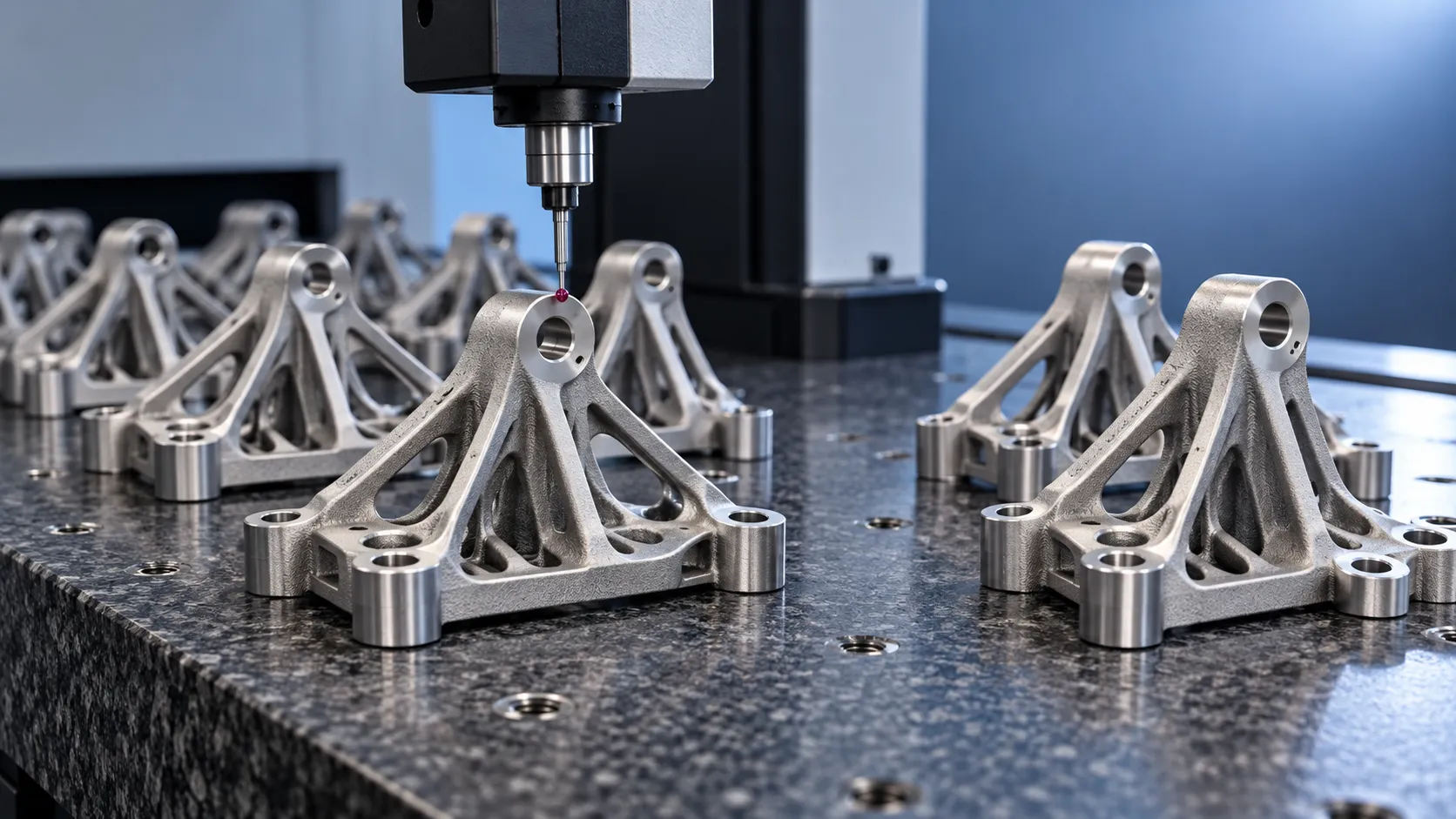
How to verify part consistency before choosing a 3D printing OEM
Choosing a 3D printing OEM? Learn how to verify part consistency with repeat-build trials, validated inspections, and traceability checks before committing to production.
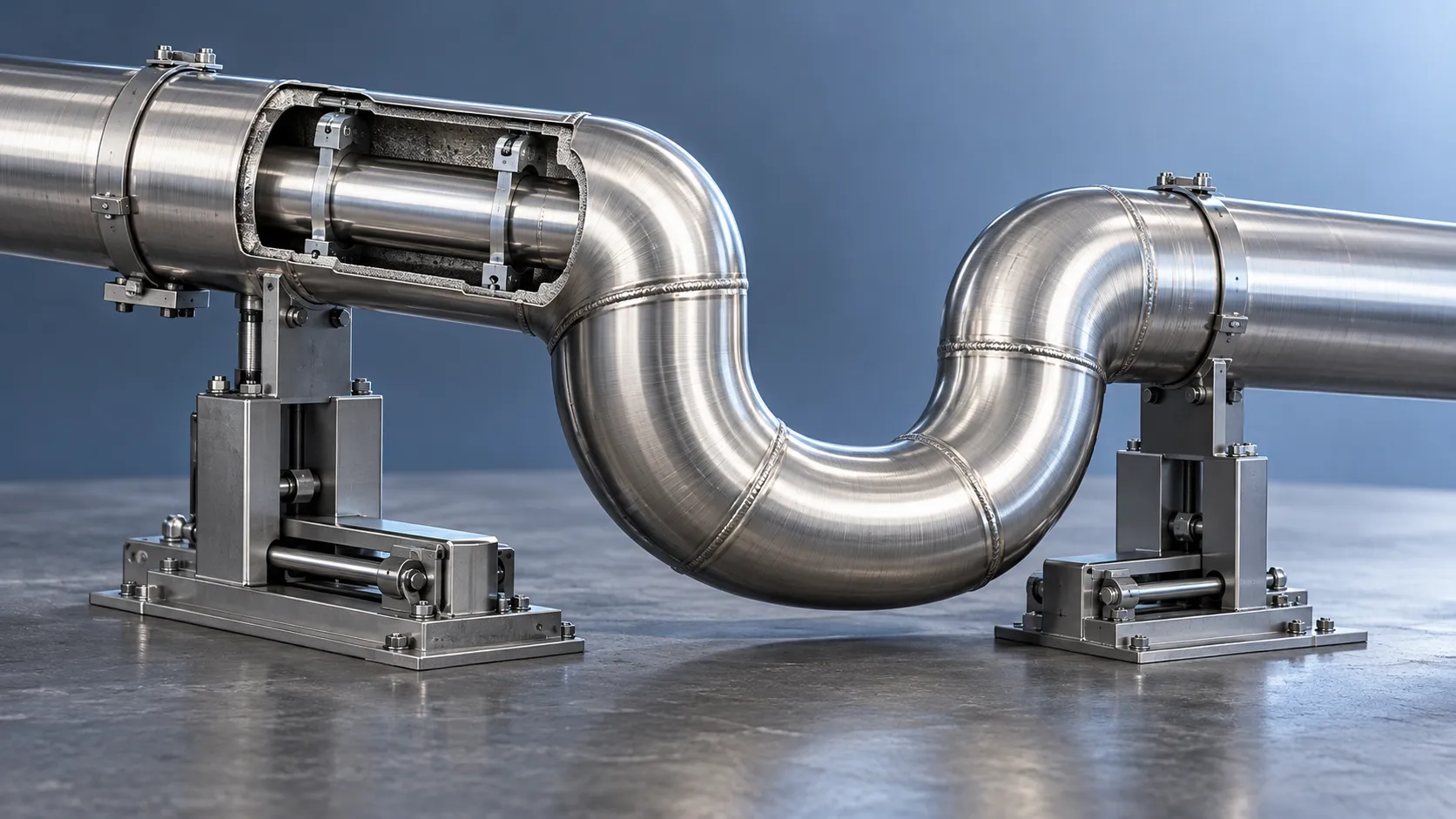
How does a rigid cryogenic transfer line handle thermal contraction?
Learn how a rigid cryogenic transfer line manages thermal contraction with bends, bellows, and guided supports. Discover key design checks for safe, reliable cryogenic performance.
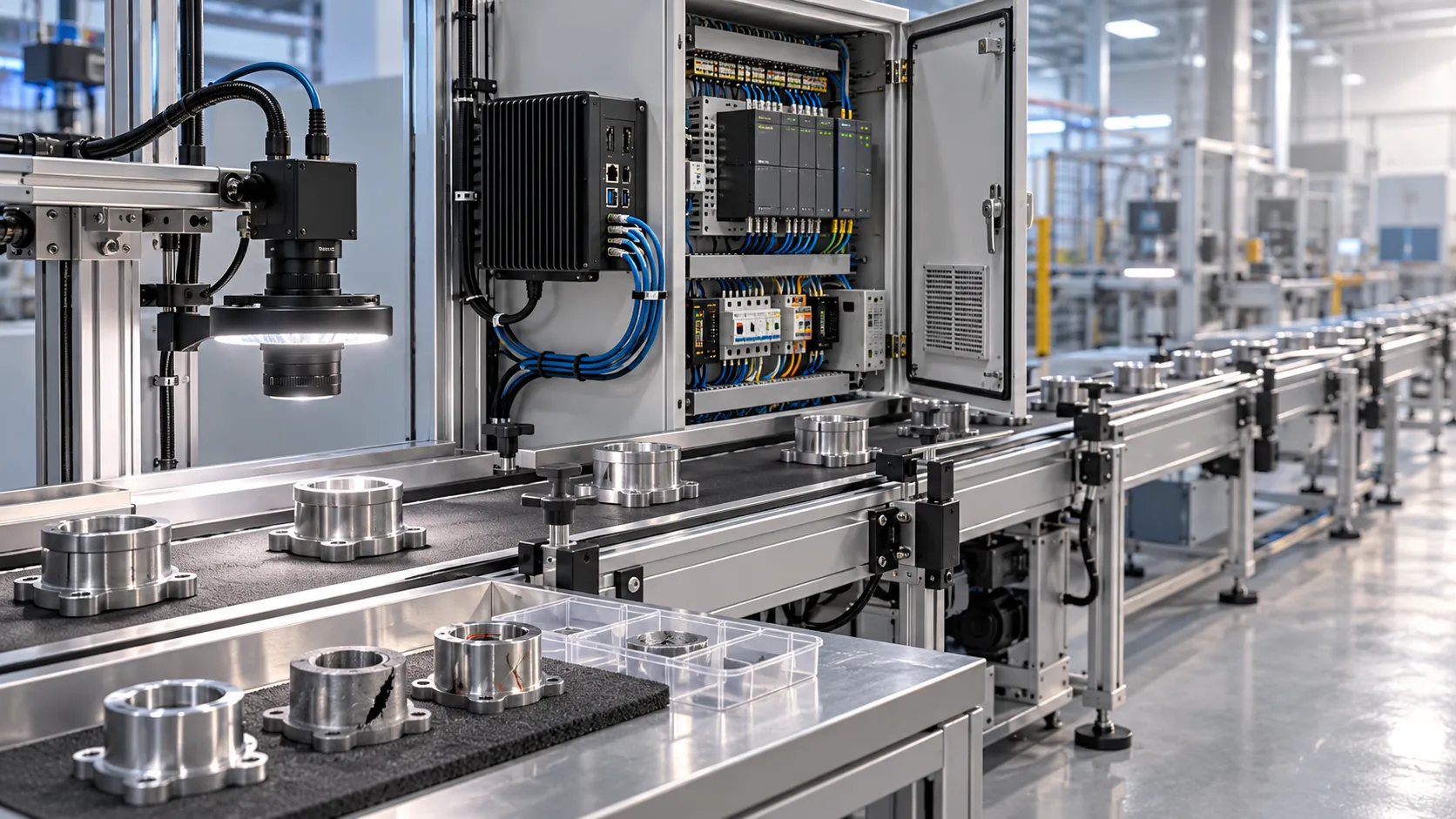
How much does edge vision deployment cost beyond the hardware?
Understand edge vision deployment cost beyond hardware, from data and integration to security and support. Uncover hidden expenses and build a smarter lifecycle budget before you scale.
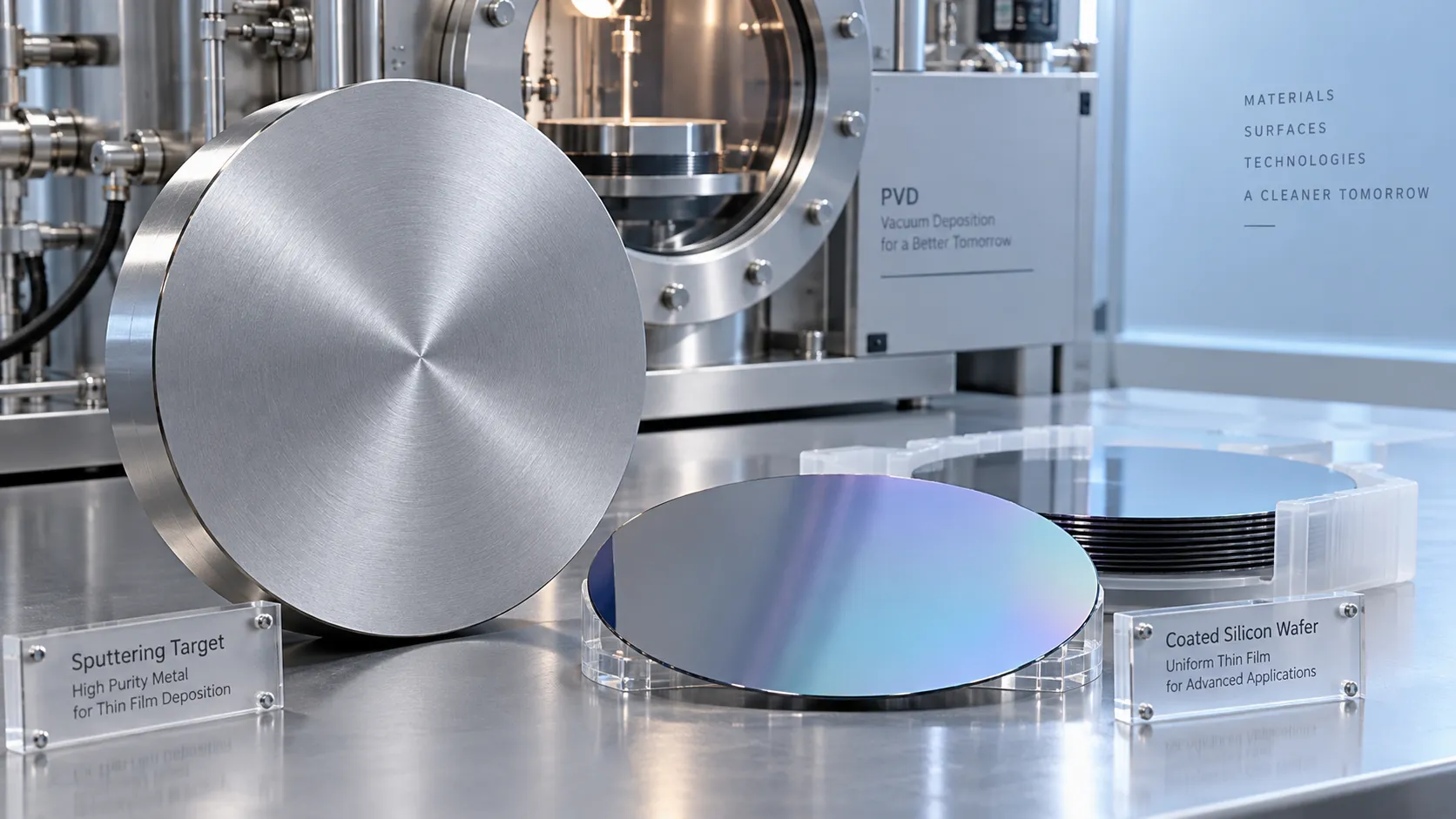
How does the purity of sputtering targets affect thin-film quality?
Discover how sputtering targets affect thin-film quality. Learn to assess purity, identify harmful impurities, and choose specifications that improve coating performance.
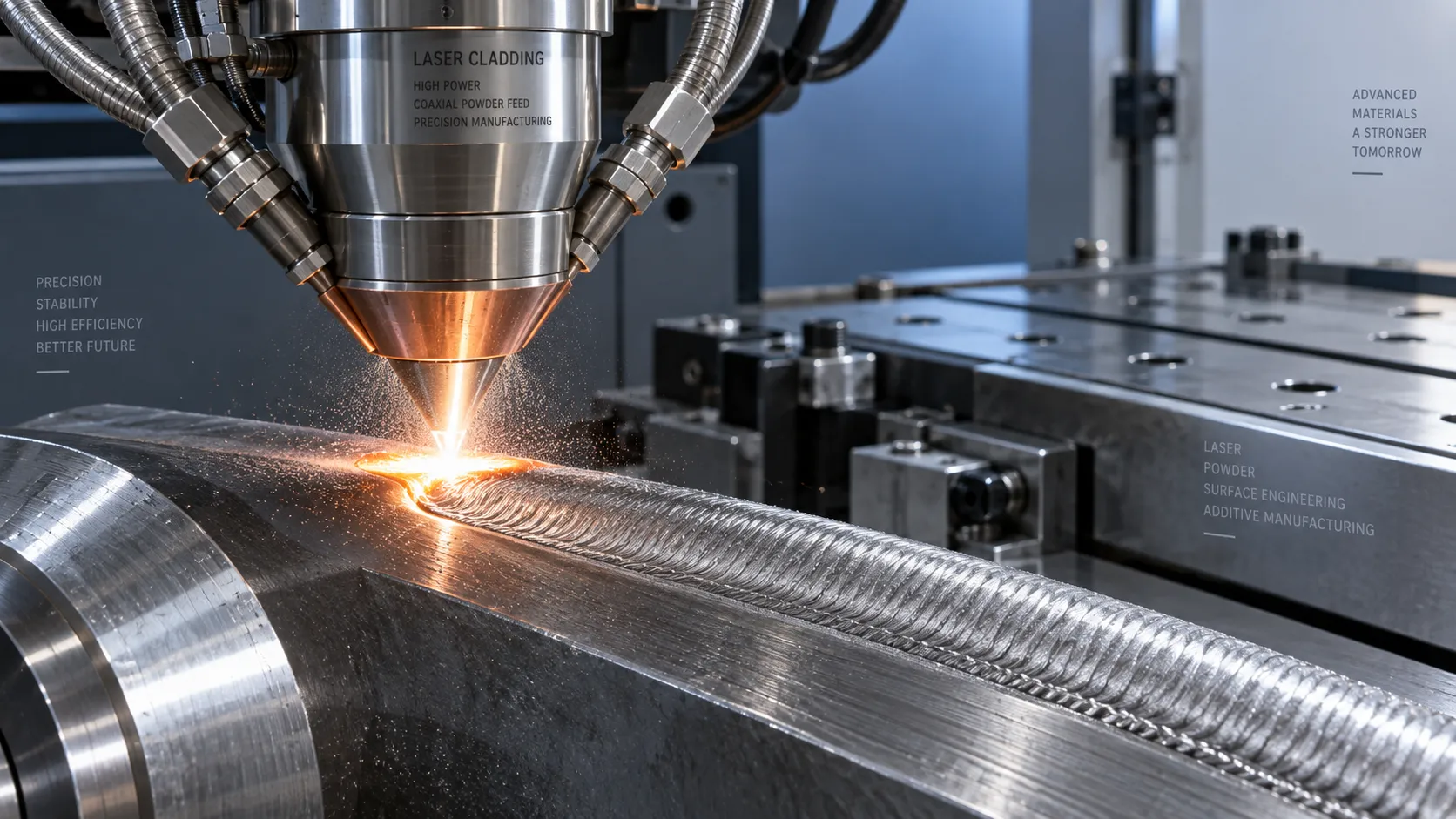
How high power laser cladding systems control substrate dilution
Discover how high power laser cladding systems control substrate dilution through beam shaping, material feed, and thermal management to deliver reliable bonds and coating performance.

How to check HS codes for customs compliance in international logistics
Strengthen international logistics customs compliance: learn how to verify HS codes, check official tariffs, and document classifications to reduce costly shipment delays.
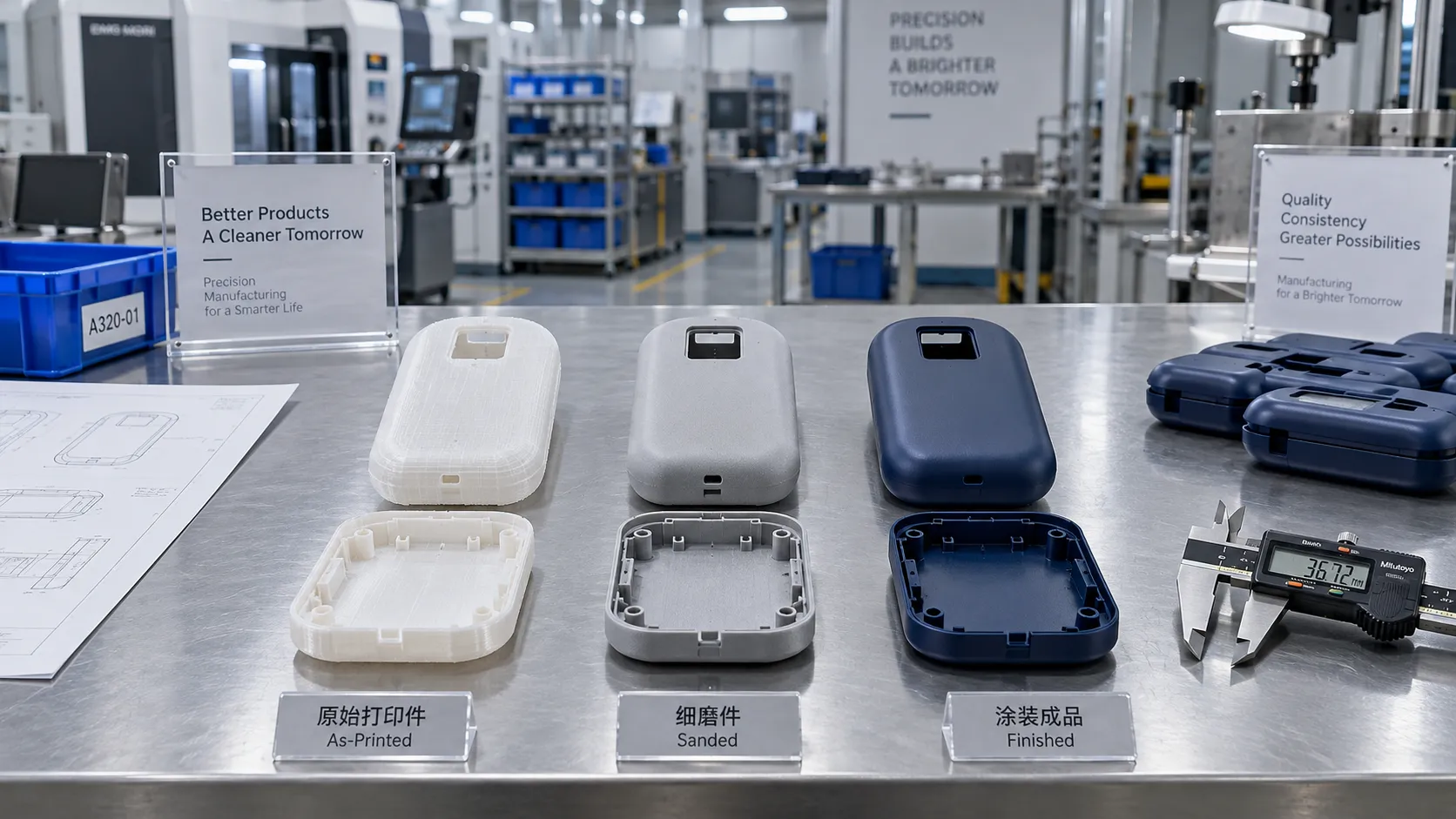
Choosing a 3D Printing Service for Consumer Products: Finish, Fit, and Cost
Compare 3d printing consumer good services by finish, fit, materials, and total cost. Learn how to choose a reliable supplier and avoid costly defects before ordering.
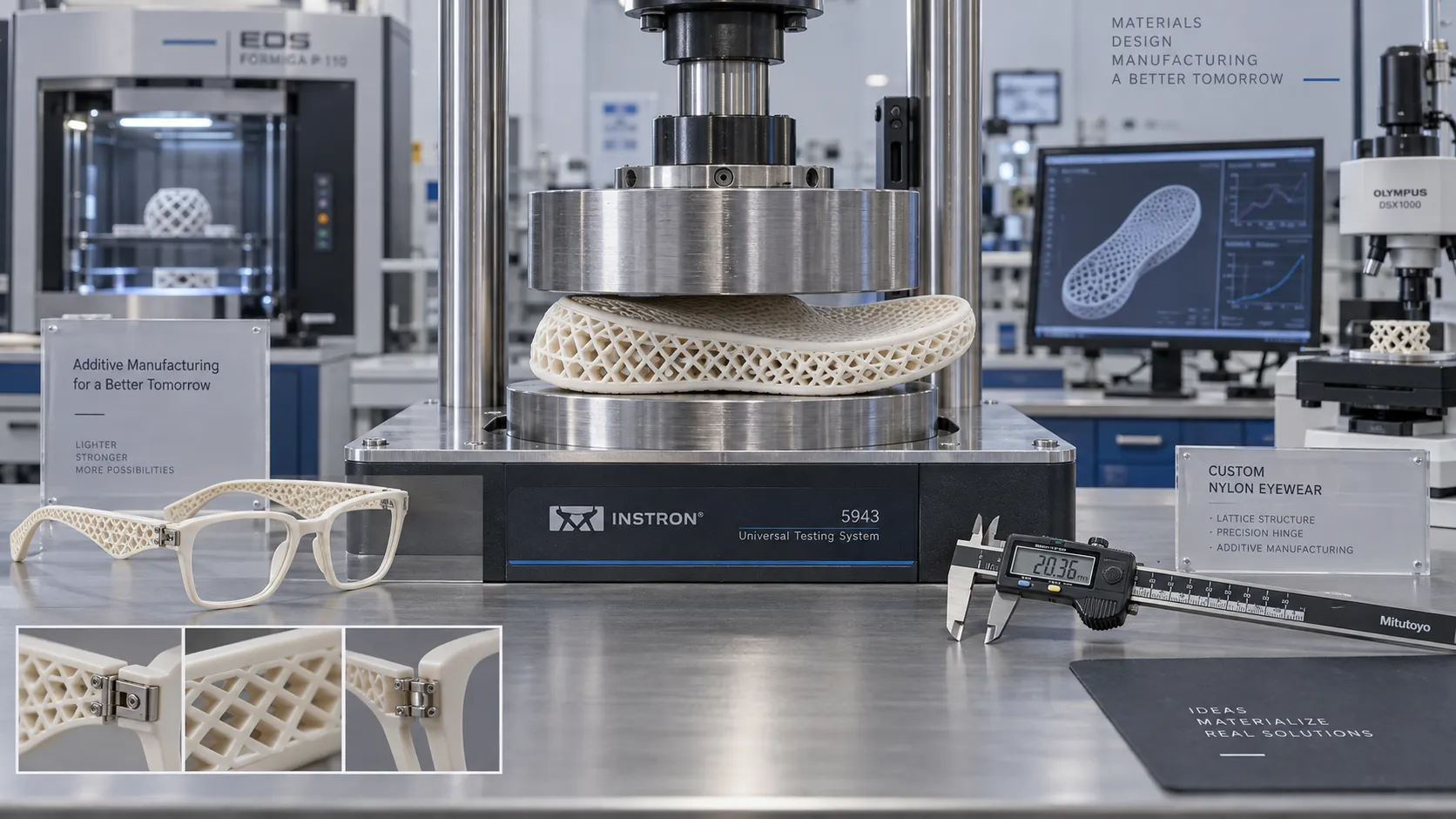
Which Consumer Goods Can Be 3D Printed, and What Are the Practical Limits?
Explore 3d printing consumer goods, from custom eyewear to replacement parts. Discover practical limits on materials, safety, and costs to make smarter production decisions.
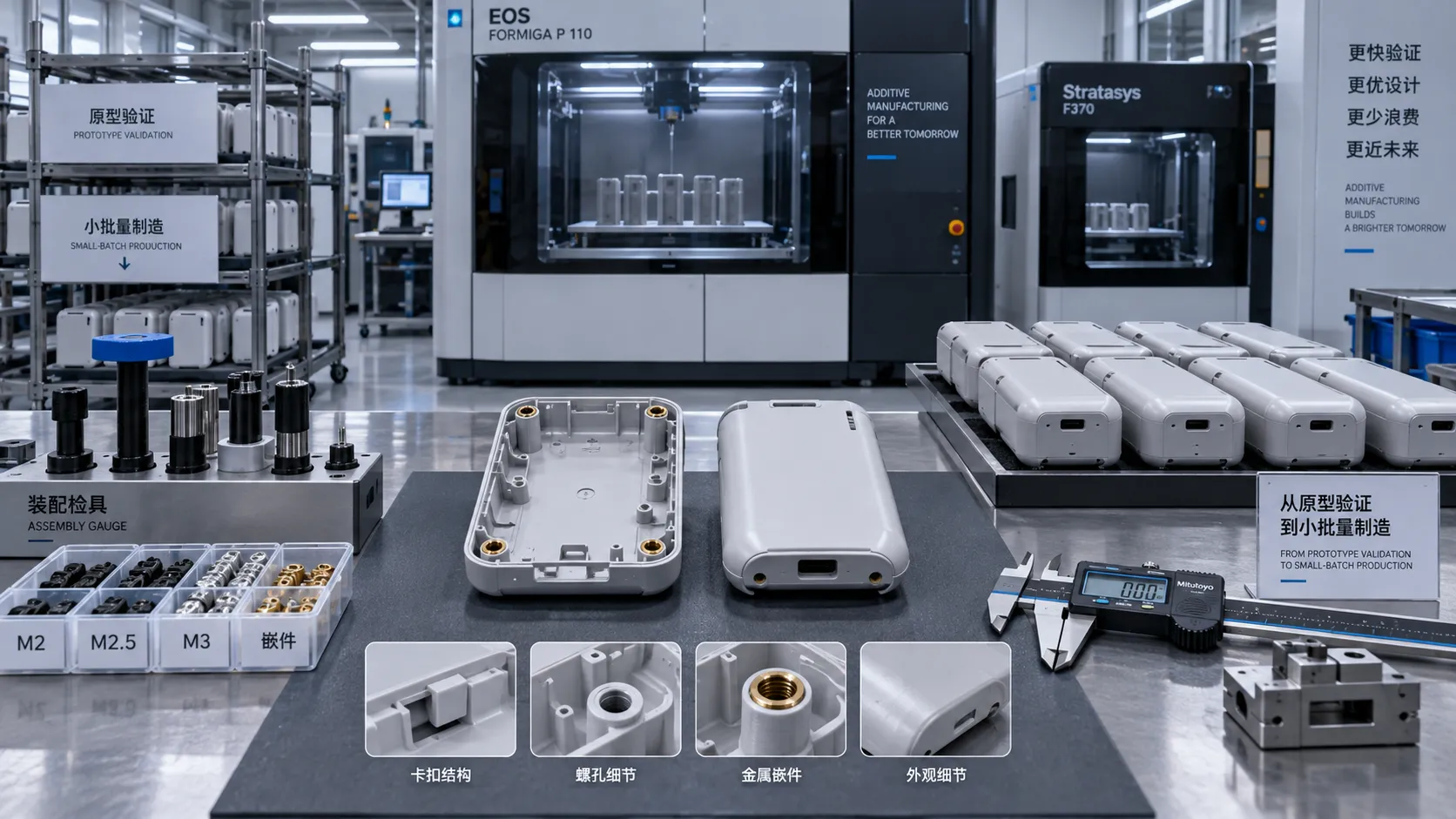
From Prototype to Small Batch: Applying 3D Printing to Consumer Goods
Explore 3d printing in consumer goods: learn how to move from prototype to small-batch production with practical guidance on materials, quality validation, and cost control.
Related News
- 00
0000-00
How to verify part consistency before choosing a 3D printing OEM - 00
0000-00
How does a rigid cryogenic transfer line handle thermal contraction? - 00
0000-00
How much does edge vision deployment cost beyond the hardware? - 00
0000-00
How does the purity of sputtering targets affect thin-film quality? - 00
0000-00
How high power laser cladding systems control substrate dilution
Marcus Print
Weekly Insights
Stay ahead with our curated technology reports delivered every Monday.