
How laser news is changing EV battery line decisions


For technical evaluators shaping next-generation battery production, laser technology for ev battery news is becoming a decisive signal rather than background noise. From tab welding accuracy and heat control to throughput, compliance, and equipment ROI, each development can shift line architecture choices. This article examines how laser-driven updates are influencing EV battery line decisions with a focus on measurable engineering value and procurement relevance.
Why does laser technology for EV battery news now affect line design so quickly?
In EV battery manufacturing, news about lasers no longer sits in a lab-to-market lag cycle. It moves directly into pilot planning, RFQ language, and vendor qualification criteria.
Technical evaluators are under pressure to make decisions before equipment becomes outdated, yet they must still protect reliability, traceability, and process capability across long production runs.
That is why laser technology for ev battery news matters. A change in beam delivery, process monitoring, spatter control, or cooling architecture can alter yield assumptions across cell, module, and pack lines.
What has changed in the decision environment?
- Battery formats are diversifying, which means evaluators must compare cylindrical, prismatic, and pouch production assumptions instead of validating one fixed process route.
- Thermal sensitivity is under closer scrutiny because welding quality influences internal resistance, safety margins, and downstream aging behavior.
- Automation integration now matters as much as raw laser power. The real question is whether the source, scanner, motion system, and inspection stack behave as one controlled process.
- Regulatory and traceability expectations are expanding, especially where export control updates, quality documentation, and line-level data retention affect supplier selection.
For this reason, procurement and engineering teams increasingly read technology updates as early indicators of future qualification risk. G-AIT’s value in this context is not hype tracking, but structured benchmarking across industrial laser processing, machine vision, materials, and compliance-facing intelligence.
Which battery line decisions are most sensitive to laser news?
Not every laser development deserves line redesign. Evaluators need to distinguish incremental announcements from changes that materially affect throughput, defect risk, capex timing, or supplier dependence.
The table below shows where laser technology for ev battery news most often changes investment decisions on an industrial line.
The practical takeaway is simple: line decisions move when laser updates affect process windows, not when they merely improve brochure claims. Evaluators should look for evidence that a change reduces variability or expands operating tolerance.
Typical trigger questions for evaluators
- Does the new laser approach widen acceptable weld parameters across material thickness variation?
- Can it reduce scrap or rework enough to justify software, fixturing, and validation changes?
- Will it create lock-in around optics, controls, spare parts, or protected process recipes?
How should technical evaluators compare laser process options for battery lines?
The wrong comparison method is still common. Teams often compare laser sources by wattage and price, then discover later that integration, monitoring, and material response dominate total cost.
A more useful framework compares process suitability by application. In battery lines, the same source category can perform differently depending on copper, aluminum, coated surfaces, joint geometry, and takt constraints.
The table below provides a procurement-oriented comparison rather than a marketing-driven one.
This comparison shows why laser technology for ev battery news should never be interpreted in isolation. A promising process only creates value if the full station architecture can exploit it consistently.
What G-AIT adds to comparison work
G-AIT supports technical evaluators by connecting laser processing data with machine vision, material behavior, and standards-based benchmarking. That multidisciplinary view is especially important in battery lines, where a weld issue may actually be a fixture, surface condition, inspection, or environmental stability problem.
Which performance indicators deserve priority during evaluation?
When technical teams review laser updates, they often focus first on speed. In practice, the better sequence is process stability, quality evidence, maintainability, then throughput.
Core metrics that change procurement outcomes
- Weld consistency across material variation. This indicates whether the process can handle realistic upstream tolerances instead of ideal sample conditions.
- Heat input and adjacent damage risk. Battery components often sit close to seals, coatings, active material interfaces, or sensitive current paths.
- Defect detectability. A process that creates fewer but harder-to-detect defects may increase latent field risk.
- Maintenance burden. Optical contamination, alignment sensitivity, and consumable dependence can silently reduce OEE.
- Control system openness. Evaluators should know whether recipe management, data export, and alarm logic can fit plant standards.
Laser technology for ev battery news becomes truly actionable when it brings measurable movement in these indicators. News without a metrology path is only a talking point.
A practical validation sequence
- Start with joint definition, material stack, and allowable thermal budget.
- Run DOE-based trials rather than single-point demonstrations.
- Pair process data with destructive and nondestructive inspection results.
- Assess recovery procedures after drift, stoppage, or contamination events.
What procurement teams often miss when converting laser news into capex decisions
A frequent error is to treat a laser upgrade as a component purchase rather than a line architecture decision. In battery production, that shortcut often creates expensive revalidation later.
Technical evaluators should pressure-test not just source capability, but the surrounding delivery model, from FAT criteria to service readiness and software access.
Procurement checklist for a laser-driven battery station
- Request process capability evidence under production-like fixture tolerances, not only ideal laboratory alignment.
- Clarify whether inspection, sensing, and traceability are included or left to the integrator.
- Review spare part availability, optical cleaning intervals, calibration procedures, and technician skill requirements.
- Check whether export controls, software licensing, or restricted subcomponents could disrupt global deployment.
- Map every claimed benefit to a measurable KPI such as scrap reduction, cycle time stability, or lower inspection escape risk.
This is where G-AIT’s commercial intelligence function becomes relevant. Real-time tender patterns, export control updates, and patent landscape monitoring can materially affect supplier viability and sourcing flexibility.
How do standards, traceability, and compliance shape laser line choices?
Laser technology for ev battery news may look purely technical, but line adoption is often decided by documentation burden. A process that performs well but produces weak traceability or unclear validation records can slow qualification.
Across industrial environments, teams commonly align evaluation work with general frameworks such as ISO-based quality systems, ASTM or IEEE references where relevant, internal safety specifications, and customer-specific audit requirements.
The table below outlines common compliance-facing checkpoints for laser-enabled EV battery production assets.
Compliance does not replace engineering judgment, but it often determines whether a technically attractive station can be deployed at scale. Evaluators should treat traceability and documentation as design inputs, not final paperwork.
What are the most common misconceptions about laser updates in EV battery production?
“More power automatically means better welding”
Not necessarily. Joint geometry, reflectivity, pulse behavior, clamping, and shielding conditions often matter more than nameplate power. Excess energy can increase spatter, distortion, or local damage.
“A successful demo proves production readiness”
A demonstration may show feasibility, not robustness. Production readiness requires repeatability across material batches, operator shifts, contamination states, and realistic takt conditions.
“Inline sensing removes the need for offline validation”
Inline sensing is powerful, but only after correlation is established. Without validation against physical inspection or electrical performance, signal confidence may be misleading.
“Any new laser feature should be adopted immediately”
The better rule is selective adoption. Laser technology for ev battery news should trigger structured review, not automatic replacement. Some lines benefit more from fixture improvement or inspection upgrades than from source changes.
FAQ: what do technical evaluators ask most often?
How should we decide whether a laser update deserves pilot testing?
Start by checking whether the update addresses a current bottleneck: unstable weld quality, excessive thermal load, limited throughput, poor traceability, or rising maintenance burden. If no KPI is clearly linked, pilot testing may not be the best use of resources.
Which applications in the battery line are most sensitive to laser process changes?
Tab welding, busbar joining, cap or vent processing, precision marking, and inspection-linked stations tend to be the most sensitive. These steps combine quality criticality with high-volume repetition, so small process changes have large economic effects.
What should be requested from suppliers during technical review?
Ask for parameter ranges, process monitoring logic, maintenance requirements, material compatibility notes, sample validation methods, and integration details for controls and data export. Also request clarity on delivery scope and post-install support responsibilities.
How long does evaluation usually take?
Timing depends on application complexity, available samples, and validation depth. A simple marking review may move quickly, while a weld process affecting safety-critical joints can require multiple rounds of DOE, inspection correlation, and line integration checks.
Why choose us for laser-driven EV battery line evaluation?
G-AIT helps technical evaluators turn laser technology for ev battery news into disciplined decisions. Our advantage is not limited to one machine category. We connect industrial laser processing with machine vision, additive manufacturing context, advanced materials awareness, and vacuum-sensitive engineering logic where relevant.
That multidisciplinary structure supports buyers who need more than product literature. It supports technical benchmarking, cross-functional review, and procurement planning under real industrial constraints.
What you can consult with us about
- Parameter confirmation for welding, marking, or precision processing tasks tied to EV battery production objectives.
- Equipment selection guidance comparing process fit, monitoring architecture, and expected integration burden.
- Delivery cycle and sourcing risk review, including potential export control or global deployment concerns.
- Custom solution discussions where laser processing must align with inspection, data traceability, or material-specific constraints.
- Certification and documentation planning for quality systems, validation records, and buyer audit readiness.
- Sample support and quotation communication structured around measurable acceptance criteria rather than generic promises.
If your team is evaluating a line upgrade, a new battery station, or a supplier shortlist, the fastest way to reduce decision risk is to align process news with benchmarked evidence. That is where informed consultation creates immediate value.
Related News
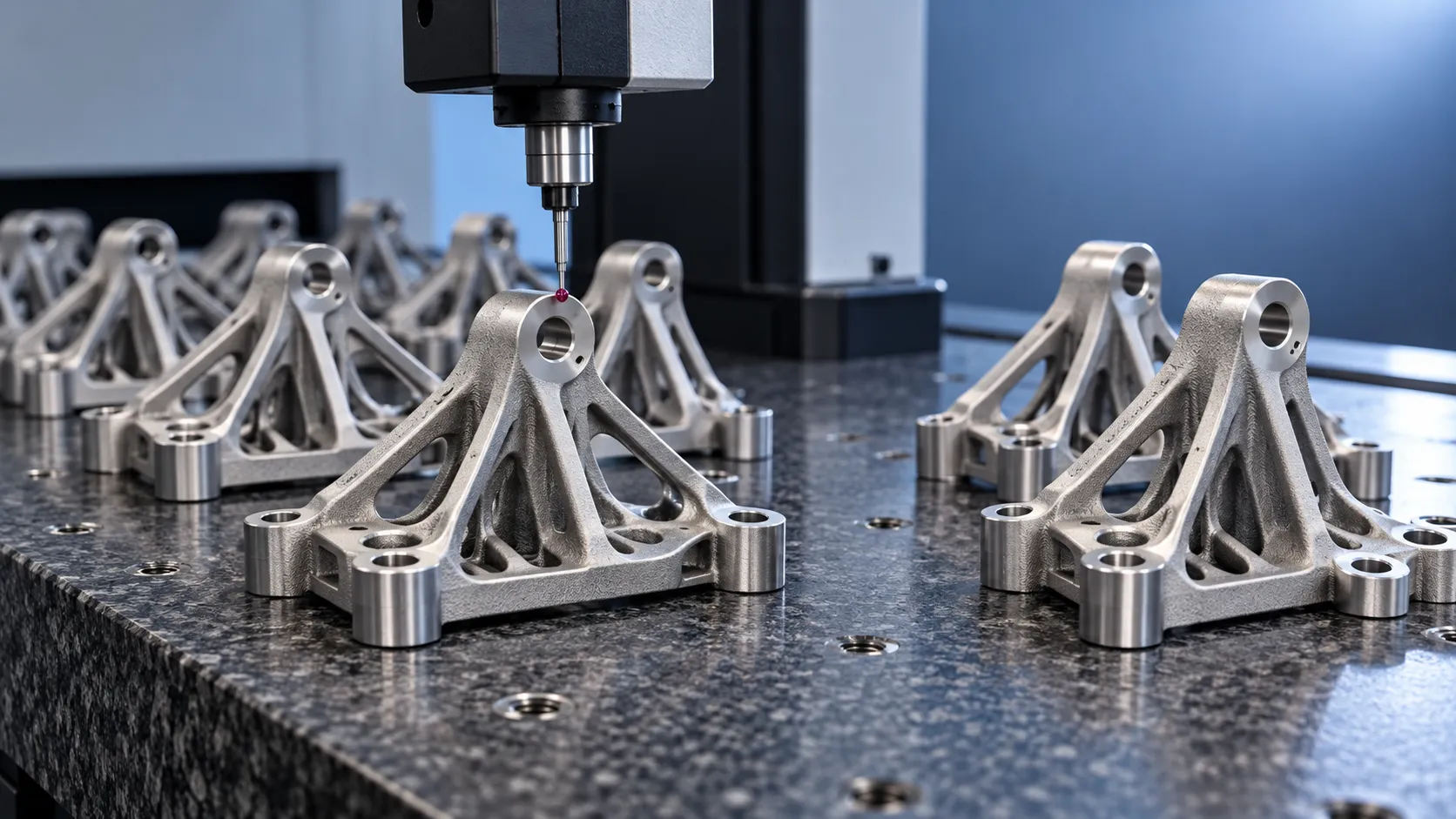
How to verify part consistency before choosing a 3D printing OEM
Choosing a 3D printing OEM? Learn how to verify part consistency with repeat-build trials, validated inspections, and traceability checks before committing to production.
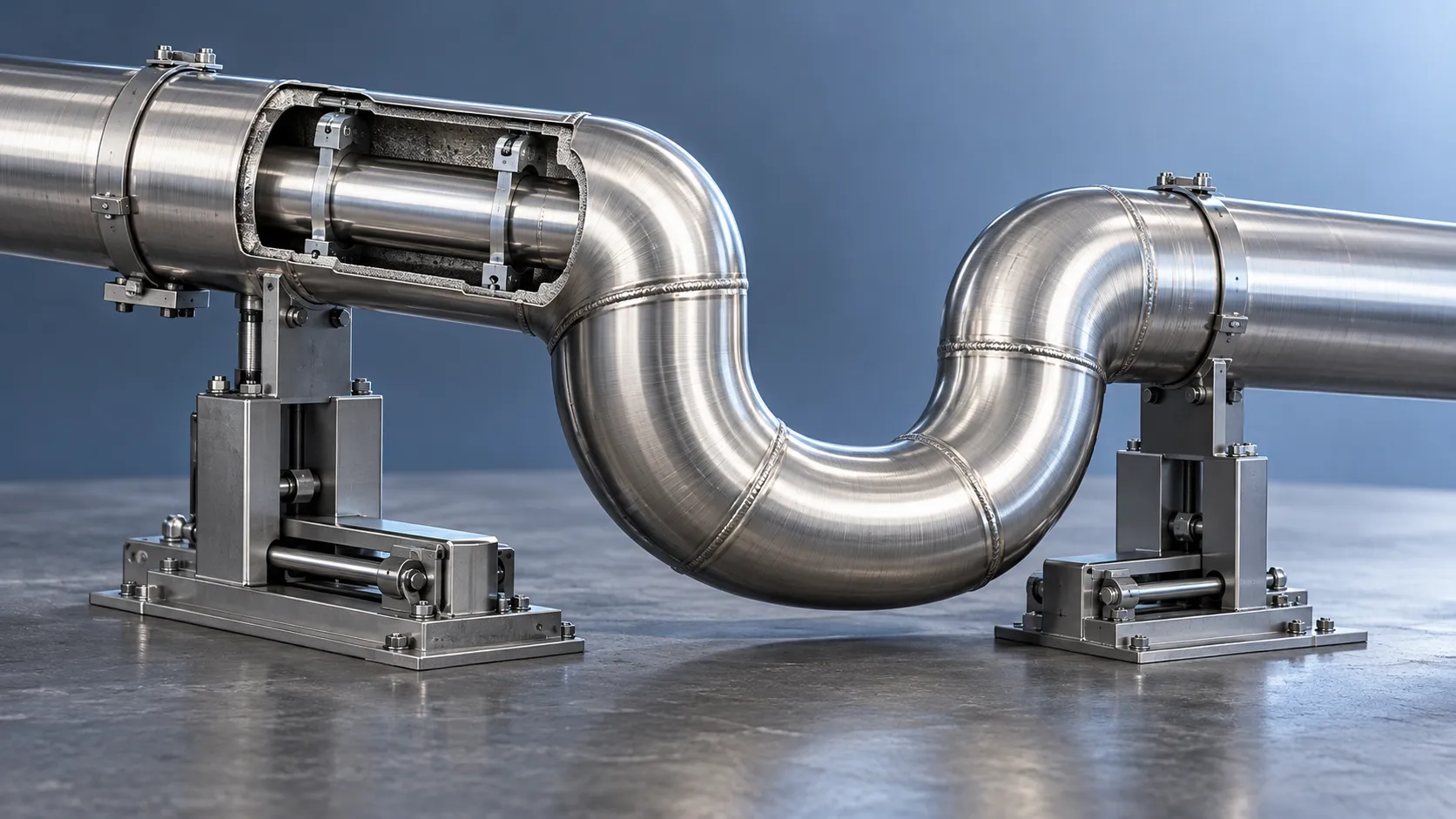
How does a rigid cryogenic transfer line handle thermal contraction?
Learn how a rigid cryogenic transfer line manages thermal contraction with bends, bellows, and guided supports. Discover key design checks for safe, reliable cryogenic performance.

How much does edge vision deployment cost beyond the hardware?
Understand edge vision deployment cost beyond hardware, from data and integration to security and support. Uncover hidden expenses and build a smarter lifecycle budget before you scale.
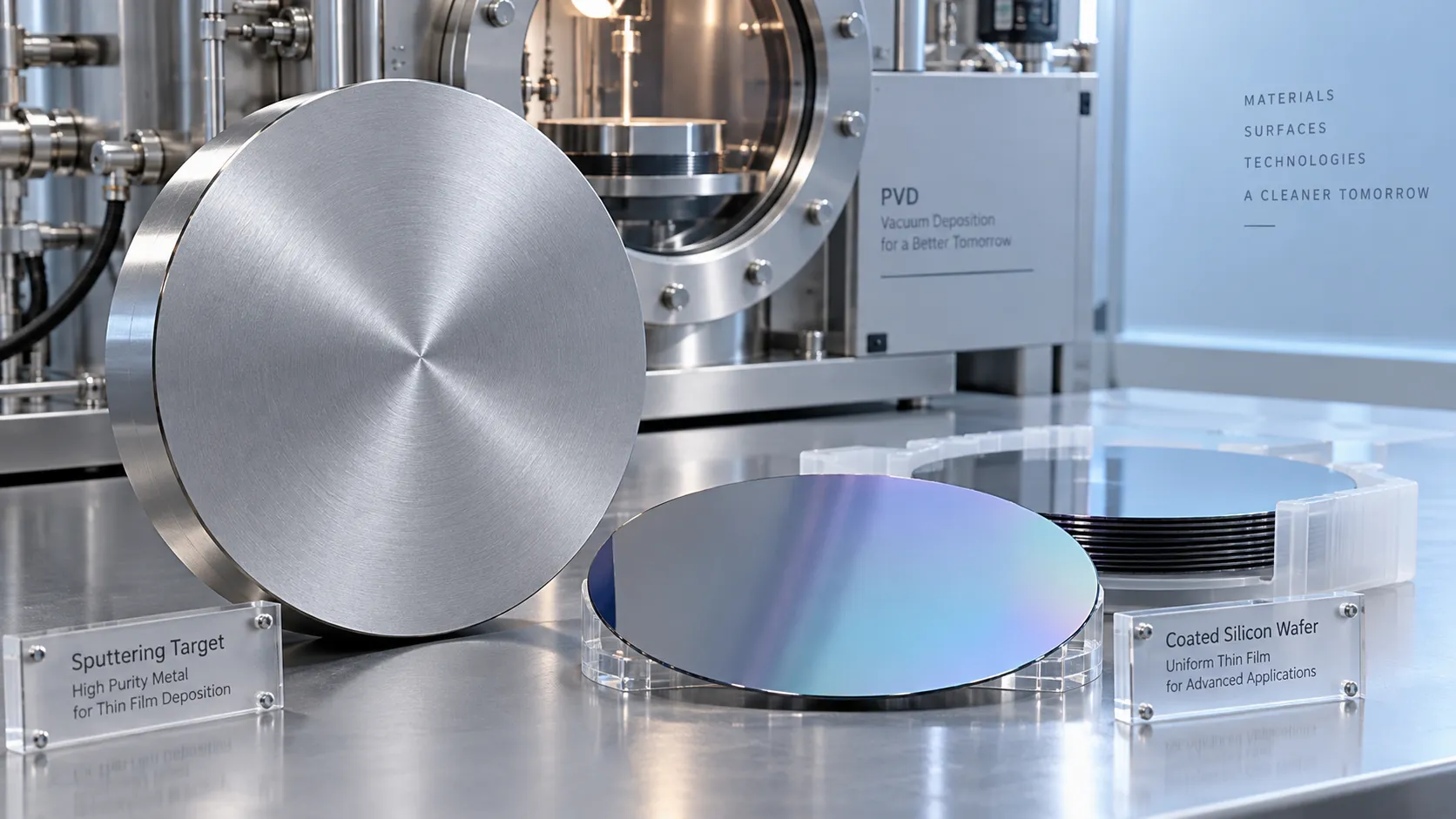
How does the purity of sputtering targets affect thin-film quality?
Discover how sputtering targets affect thin-film quality. Learn to assess purity, identify harmful impurities, and choose specifications that improve coating performance.
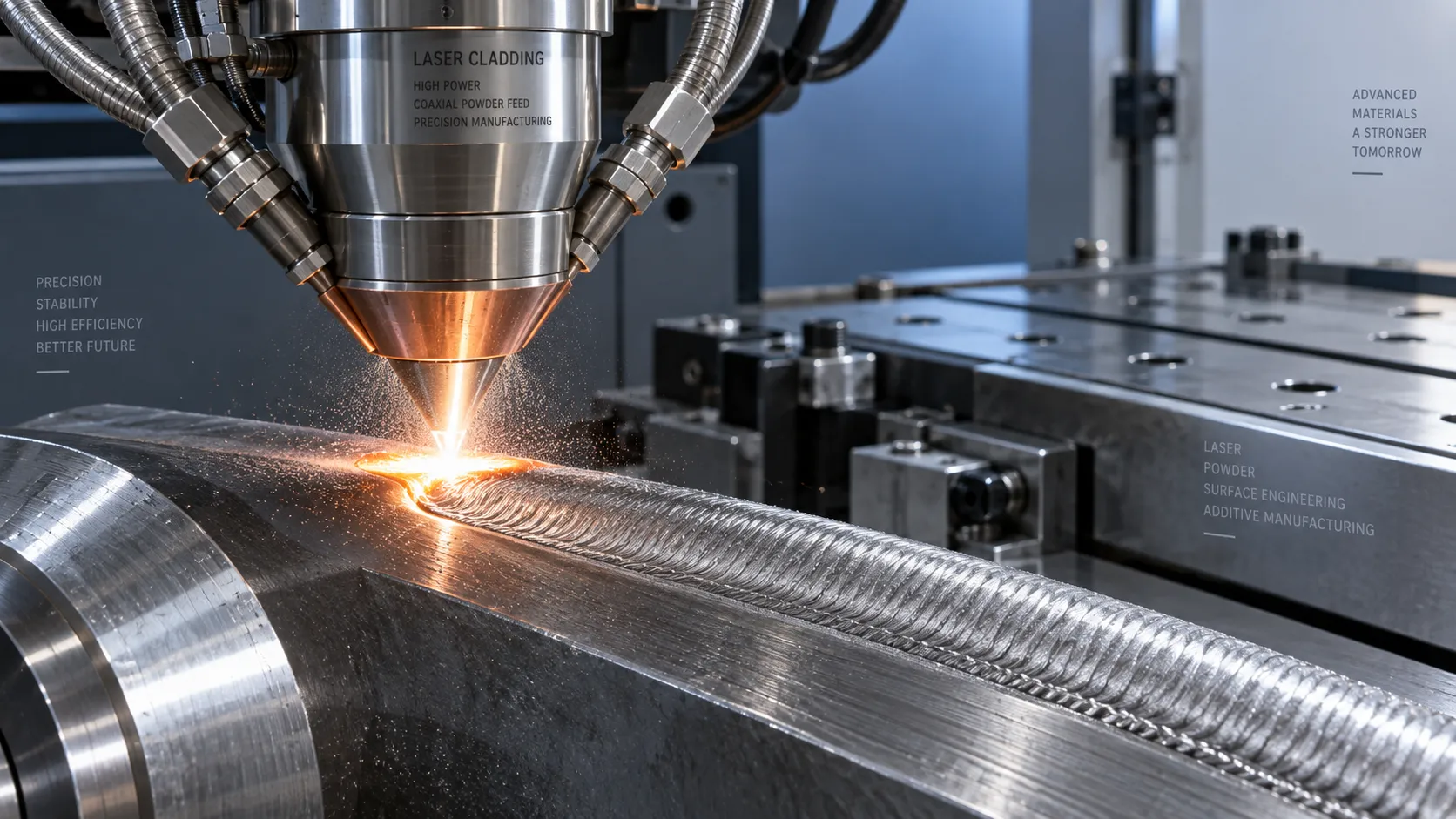
How high power laser cladding systems control substrate dilution
Discover how high power laser cladding systems control substrate dilution through beam shaping, material feed, and thermal management to deliver reliable bonds and coating performance.

How to check HS codes for customs compliance in international logistics
Strengthen international logistics customs compliance: learn how to verify HS codes, check official tariffs, and document classifications to reduce costly shipment delays.
Choosing a 3D Printing Service for Consumer Products: Finish, Fit, and Cost
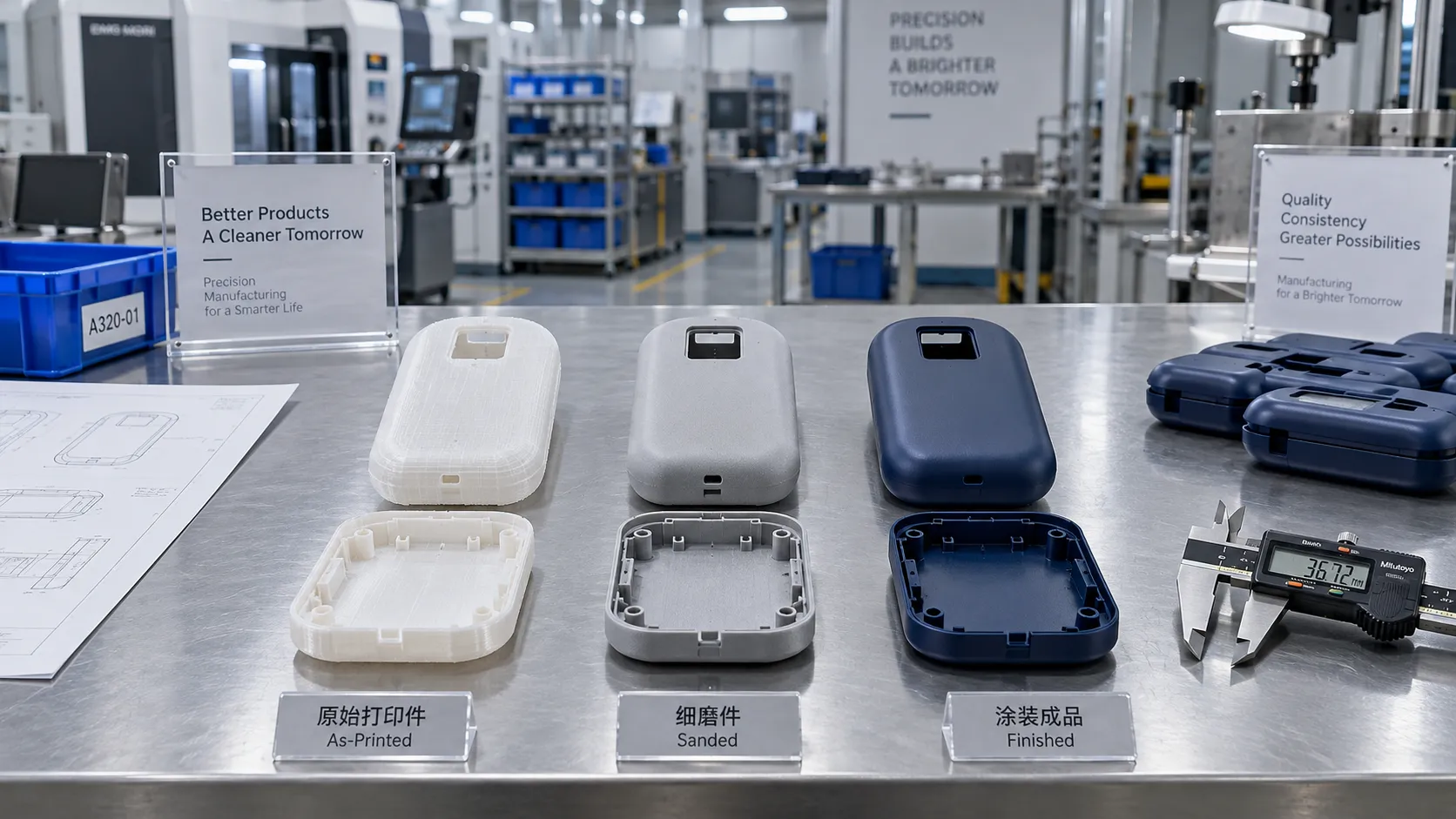
Compare 3d printing consumer good services by finish, fit, materials, and total cost. Learn how to choose a reliable supplier and avoid costly defects before ordering.
Which Consumer Goods Can Be 3D Printed, and What Are the Practical Limits?
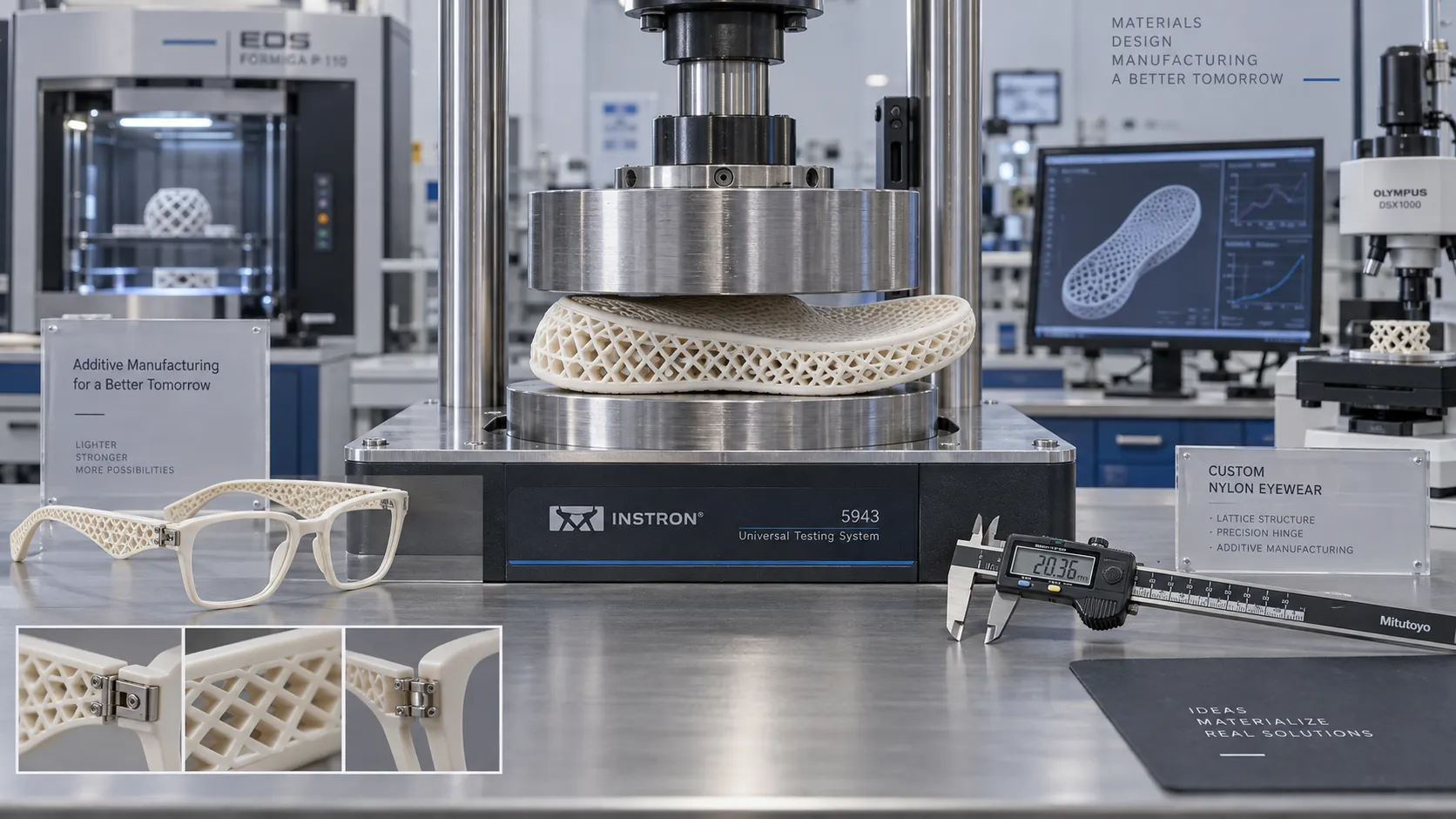
Explore 3d printing consumer goods, from custom eyewear to replacement parts. Discover practical limits on materials, safety, and costs to make smarter production decisions.
From Prototype to Small Batch: Applying 3D Printing to Consumer Goods
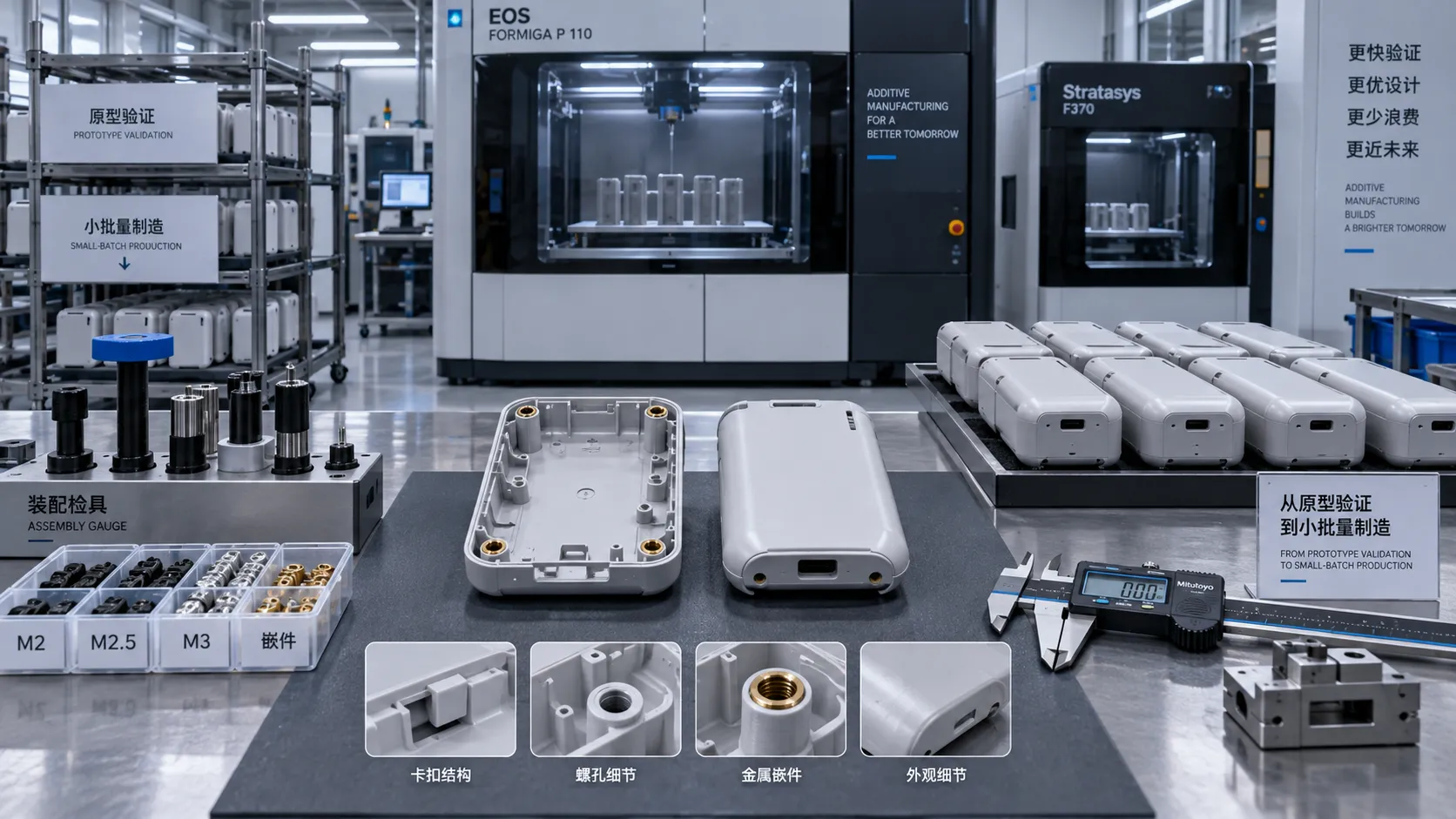
Explore 3d printing in consumer goods: learn how to move from prototype to small-batch production with practical guidance on materials, quality validation, and cost control.
Related News
- 00
0000-00
How to verify part consistency before choosing a 3D printing OEM - 00
0000-00
How does a rigid cryogenic transfer line handle thermal contraction? - 00
0000-00
How much does edge vision deployment cost beyond the hardware? - 00
0000-00
How does the purity of sputtering targets affect thin-film quality? - 00
0000-00
How high power laser cladding systems control substrate dilution
Dr. Hideo Tanaka
Weekly Insights
Stay ahead with our curated technology reports delivered every Monday.