
Solution Comparison for Laser Welding Head Stability

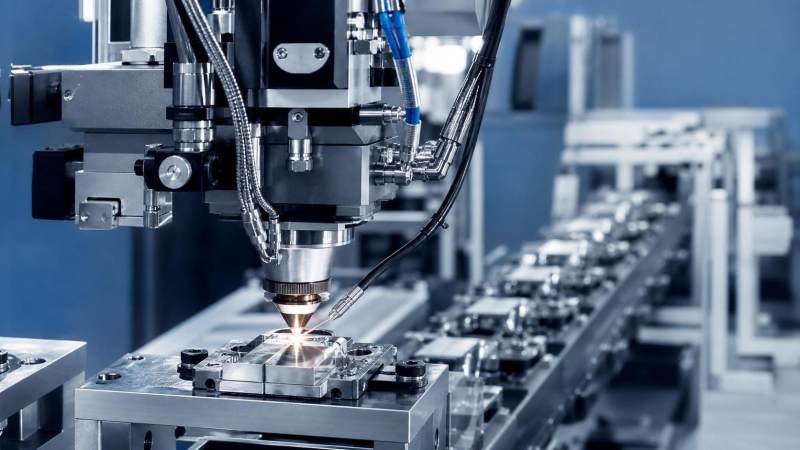
Laser welding head stability sits at the center of production quality, not at the edge of process tuning. In any serious Solution Comparison, the question is less about headline power and more about whether the head can hold focus, resist thermal drift, and maintain beam consistency through long shifts.
That matters across a broad industrial landscape. Battery enclosures, medical devices, electronics housings, automotive assemblies, and precision metal parts all depend on repeatable weld geometry, low spatter, and controlled heat input.
Within the benchmarking logic used by Global Advanced Industrial Technology, stability is best read as a system issue. The laser source, optics, cooling, sensors, mounting rigidity, and maintenance discipline all shape the real result on the line.
What stability really means in a welding head
A stable laser welding head keeps critical process conditions within a narrow operating window. The beam stays aligned, the focal position remains predictable, and the mechanical structure does not introduce vibration or offset under load.
This definition sounds simple, but it covers several layers. Optical stability affects spot quality. Mechanical stability affects path accuracy. Thermal stability affects focus shift. Control stability affects how fast the system corrects changing conditions.
In practical terms, an unstable head rarely fails in a dramatic way first. More often, it creates slow process drift, intermittent defects, rising rework, and confusing data that masks the real source of trouble.
Why the industry is paying closer attention
Laser welding applications are moving toward thinner materials, tighter tolerances, mixed-material assemblies, and higher throughput targets. As those demands rise, the margin for positional error or thermal distortion becomes much smaller.
At the same time, production teams are under pressure to connect quality records with traceable process data. A weak welding head platform makes that harder because output variation cannot be tied cleanly to material, fixture, or parameter changes.
This is where Solution Comparison becomes commercially useful. It helps separate systems that look similar on specification sheets from systems that remain consistent under real duty cycles, contamination exposure, and multi-shift operation.
G-AIT’s wider view across industrial laser processing, machine vision, and standards benchmarking also reinforces an important point. Stability should be judged against measurable performance and verification methods, not marketing language.
Main solution paths in the current market
Most Solution Comparison exercises for laser welding head stability fall into four broad categories. Each path can work, but each one shifts risk, maintenance effort, and capital logic in a different way.
Conventional fixed-focus heads
These are common in stable, repetitive production. Their value comes from simpler structure, lower cost, and fewer moving optical elements. When the joint geometry is consistent, they can deliver strong repeatability.
The limitation appears when part variation increases. Fixed-focus designs offer less flexibility against stack-up changes, fixture wear, or thermal expansion in surrounding equipment.
Dynamic or motorized focus heads
These systems adjust focal position during setup or in process. In a Solution Comparison, they often score well for adaptable production lines and product families with changing joint depths.
Their tradeoff is complexity. More actuated parts introduce more calibration requirements, more software dependency, and more points where drift can emerge if preventive maintenance is weak.
Integrated sensor-assisted heads
These combine welding optics with seam tracking, plume monitoring, height sensing, or closed-loop feedback. They are increasingly relevant in advanced manufacturing because they connect stability with measurable process awareness.
The advantage is not only correction. It is also diagnosis. When quality shifts, sensor data can help identify whether the problem comes from the head, the part, or the upstream setup.
High-rigidity heads for harsh duty cycles
Some applications prioritize structural robustness over flexibility. Thick-section welding, demanding automation cells, and high-power continuous operation often favor reinforced housings, better thermal paths, and contamination-resistant optical protection.
These heads may not offer the broadest feature set, but they often perform well where uptime and predictable maintenance intervals carry more value than configuration range.
Key comparison factors beyond catalog specifications
A meaningful Solution Comparison should move past nominal power compatibility and spot size claims. Stability has to be examined through operating behavior, serviceability, and data confidence.
Usually, the strongest option is the one with the fewest hidden compromises. A head that holds alignment but is difficult to clean may still underperform over time. A smart head with extensive sensing may still disappoint if the thermal design is weak.
How application context changes the best answer
There is no universal winner in Solution Comparison for Laser Welding Head Stability. The right choice depends on joint type, material reflectivity, takt time, automation level, and the acceptable cost of process interruption.
For thin stainless assemblies, focus stability and low heat distortion may dominate. For copper-rich battery components, reflective behavior and plume effects may push teams toward sensor-assisted control. For remote automated cells, service interval predictability may outrank feature density.
Cross-industry programs also face validation pressure. When one platform is expected to serve medical, electronics, and mobility projects, stability requirements should be mapped against the strictest process window, not the easiest one.
Common operating scenarios
- High-volume repetitive welding with fixed fixturing and low part variation
- Mixed-product lines where focus position changes between jobs
- Precision assemblies needing traceable data and in-process feedback
- Harsh environments with dust, spatter, vibration, or long unattended cycles
Where evaluation often goes wrong
One common mistake is treating initial weld appearance as proof of long-term head stability. A short demonstration can hide thermal buildup, optical contamination, and drift that only appear after hours of production.
Another weak point is incomplete system testing. A laser welding head should not be judged in isolation from the robot arm, gantry, fixture stiffness, gas delivery, and cooling unit. Stability failures often emerge at those interfaces.
Documentation quality also matters. In a disciplined Solution Comparison, calibration procedures, tolerance data, replacement part availability, and standards alignment deserve nearly as much weight as the hardware itself.
That aligns with G-AIT’s benchmarking approach. Reliable decisions come from verifiable engineering evidence, test conditions that can be repeated, and practical awareness of supply-chain and compliance constraints.
A practical framework for the next decision
The next step is to define a comparison structure before selecting a platform. That structure should connect process risk, uptime targets, and measurable quality thresholds.
- List the weld characteristics that fail first when stability weakens
- Set acceptable limits for focus drift, seam deviation, and defect rate
- Compare maintenance intervals under realistic contamination conditions
- Review whether sensor data supports root-cause analysis
- Check alignment with ISO, ASTM, or customer-specific validation needs
A strong Solution Comparison does not end with a preferred model. It creates a decision record that explains why one stability approach fits the production window, service plan, and quality obligations better than the alternatives.
From there, the most useful move is a controlled evaluation using real parts, extended run time, and traceable measurement criteria. That is usually where the difference between an adequate welding head and a dependable one becomes clear.
Related News
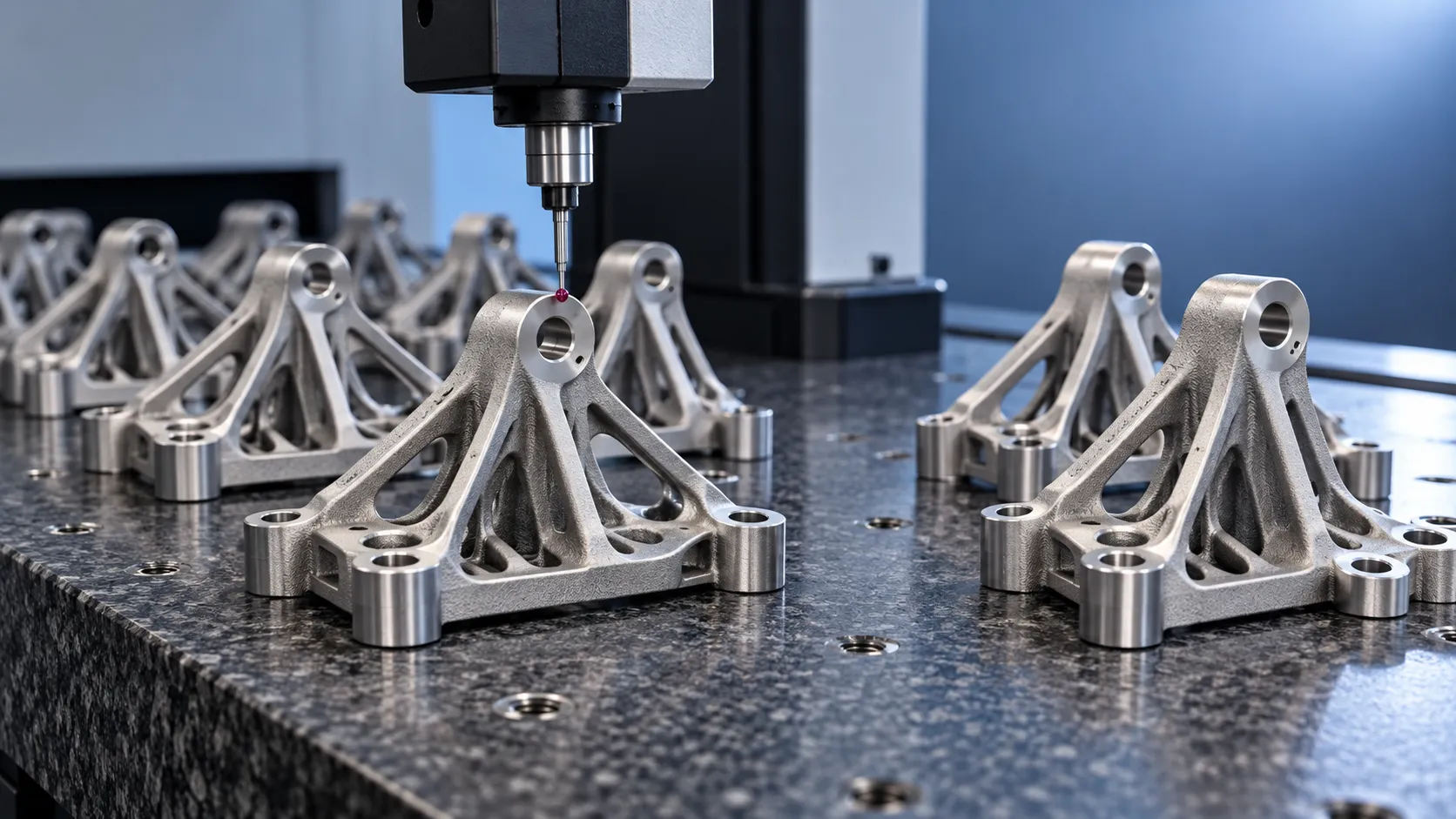
How to verify part consistency before choosing a 3D printing OEM
Choosing a 3D printing OEM? Learn how to verify part consistency with repeat-build trials, validated inspections, and traceability checks before committing to production.
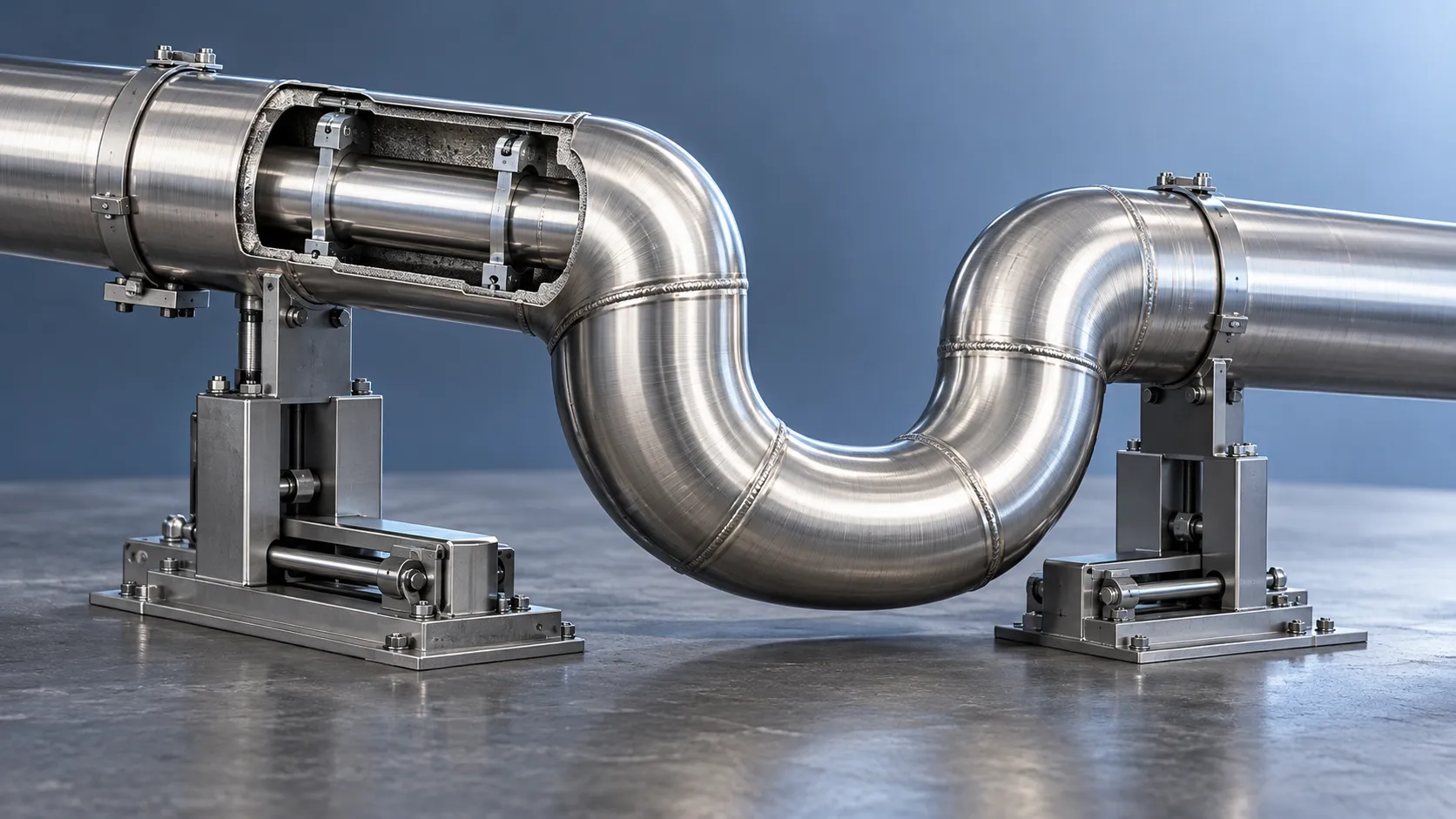
How does a rigid cryogenic transfer line handle thermal contraction?
Learn how a rigid cryogenic transfer line manages thermal contraction with bends, bellows, and guided supports. Discover key design checks for safe, reliable cryogenic performance.
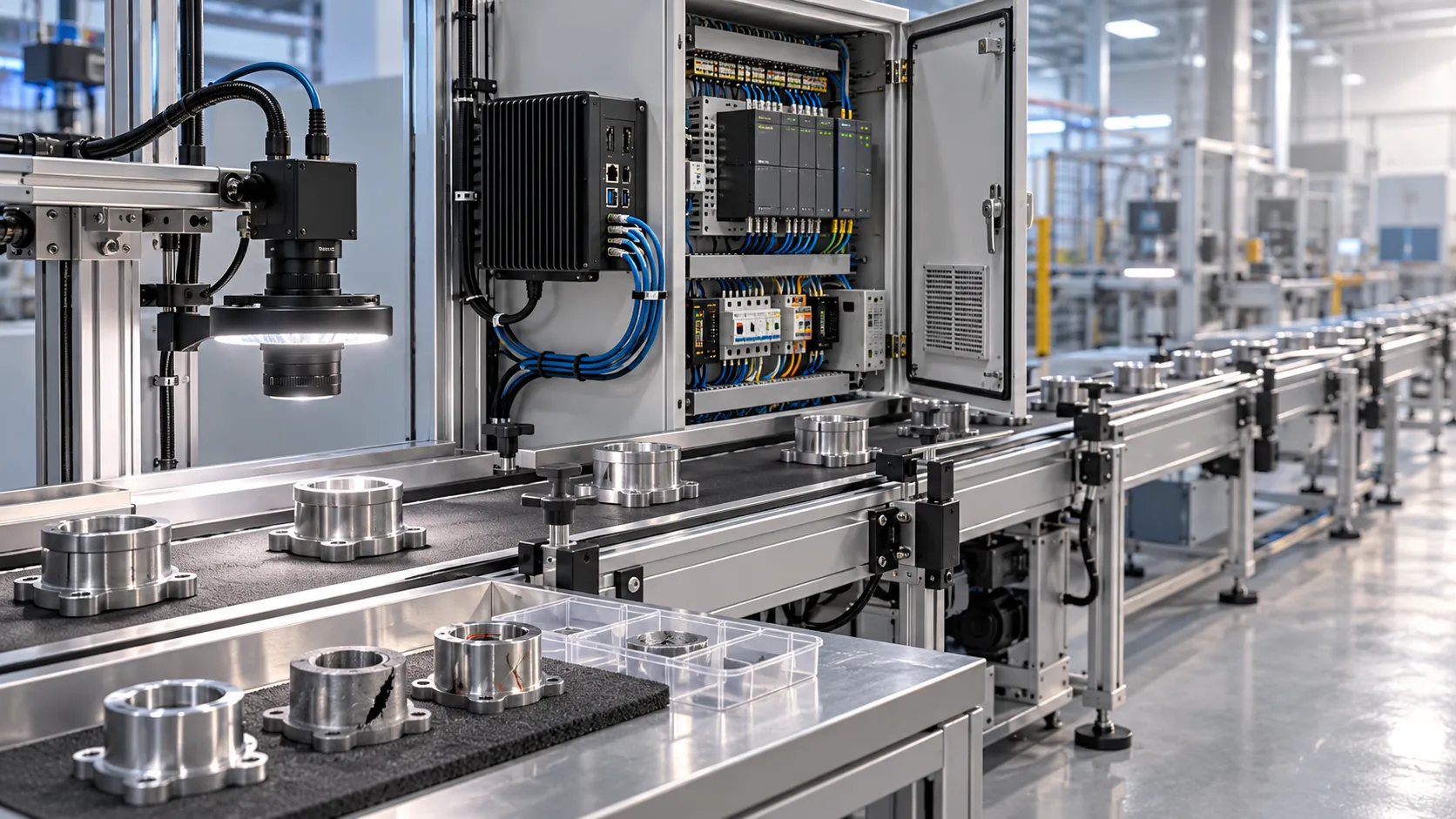
How much does edge vision deployment cost beyond the hardware?
Understand edge vision deployment cost beyond hardware, from data and integration to security and support. Uncover hidden expenses and build a smarter lifecycle budget before you scale.
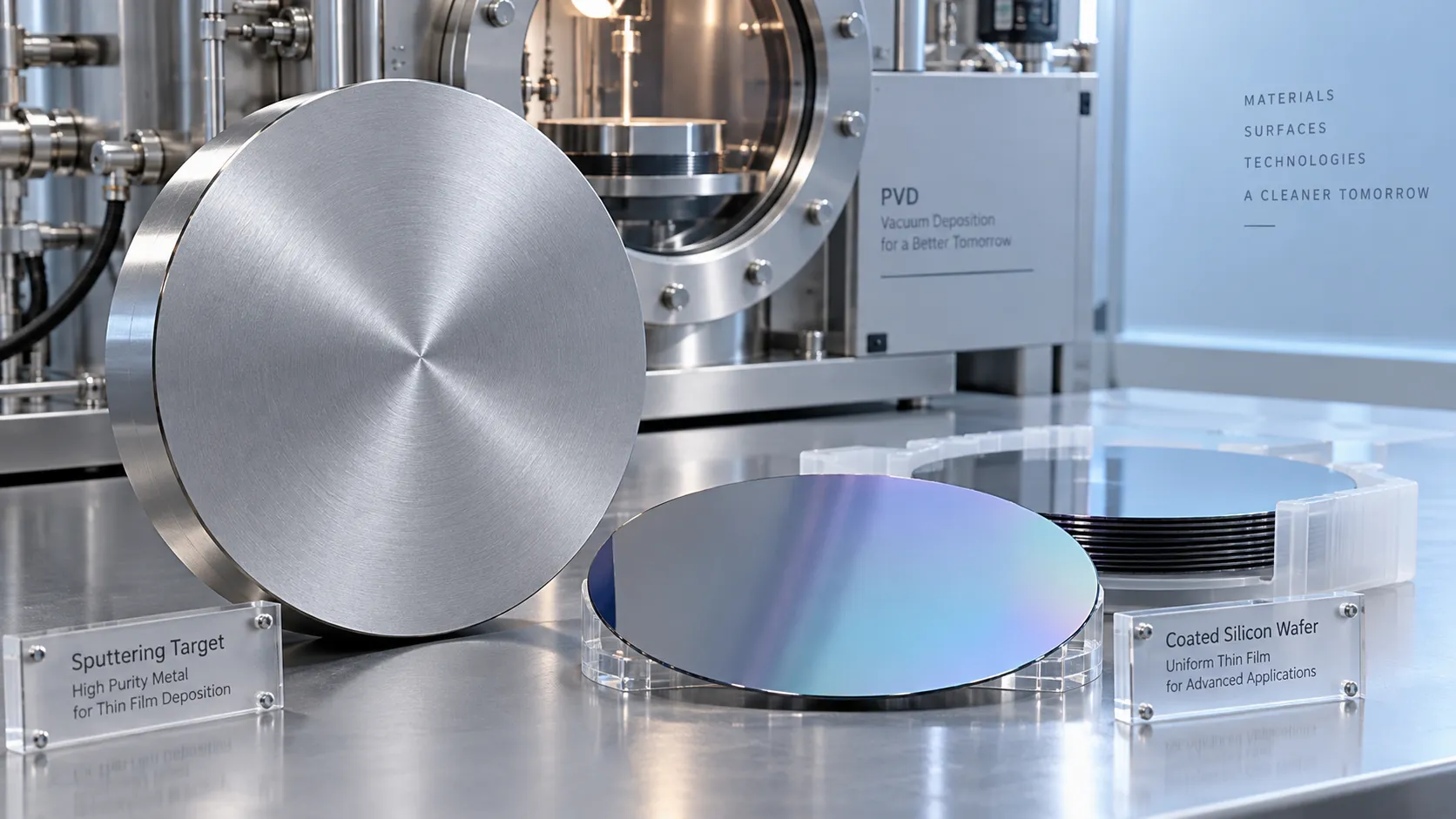
How does the purity of sputtering targets affect thin-film quality?
Discover how sputtering targets affect thin-film quality. Learn to assess purity, identify harmful impurities, and choose specifications that improve coating performance.
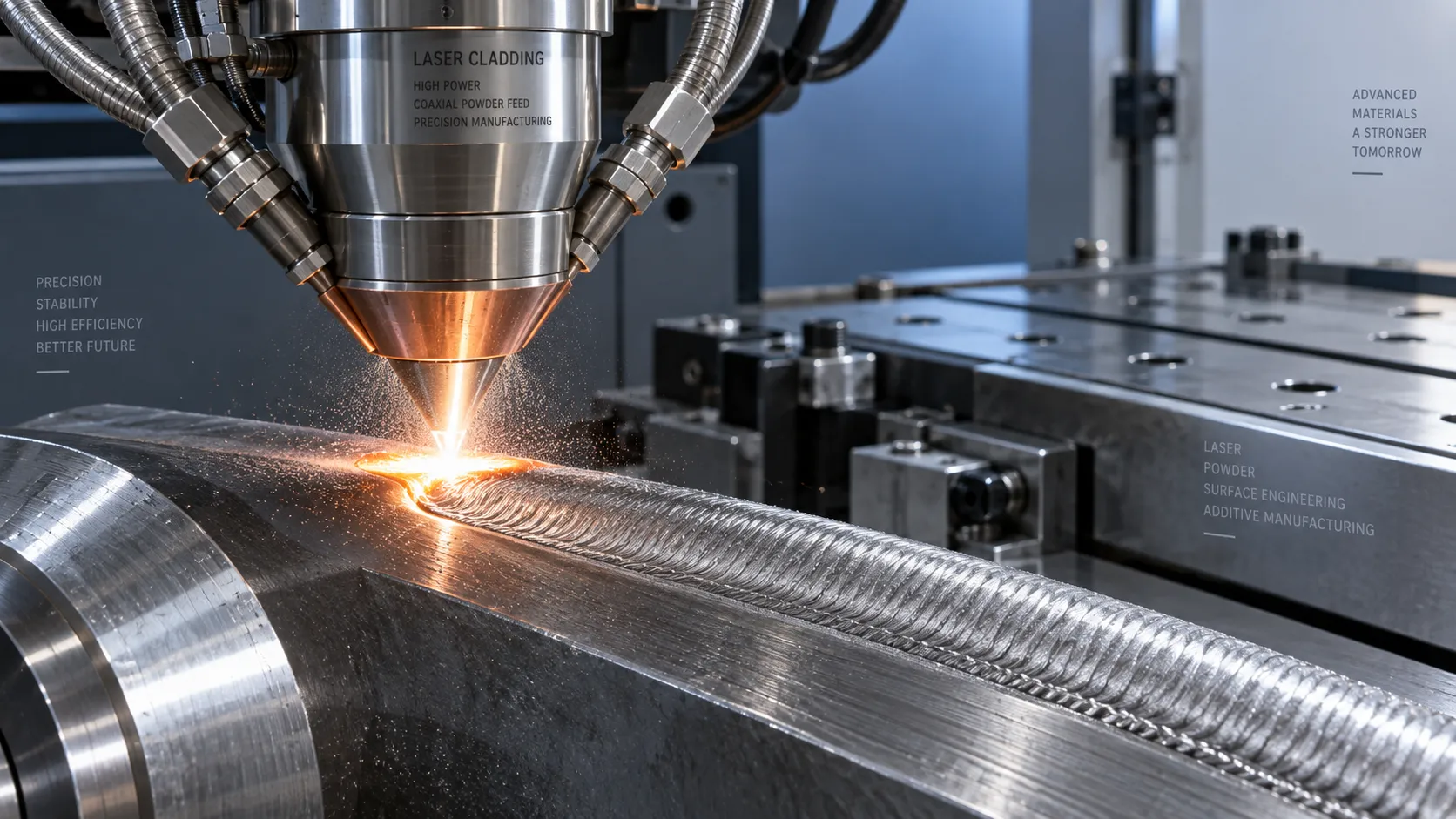
How high power laser cladding systems control substrate dilution
Discover how high power laser cladding systems control substrate dilution through beam shaping, material feed, and thermal management to deliver reliable bonds and coating performance.

How to check HS codes for customs compliance in international logistics
Strengthen international logistics customs compliance: learn how to verify HS codes, check official tariffs, and document classifications to reduce costly shipment delays.
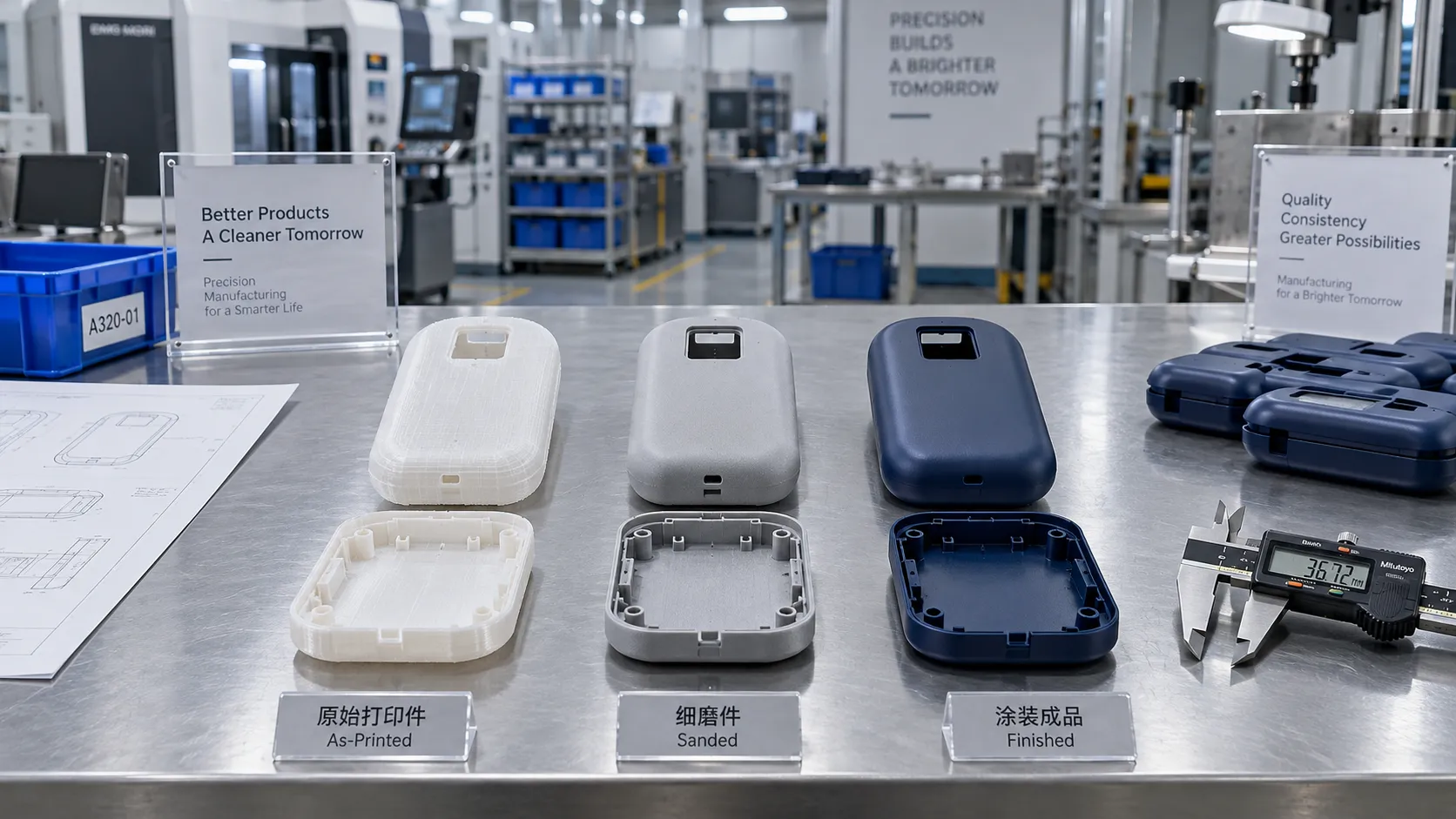
Choosing a 3D Printing Service for Consumer Products: Finish, Fit, and Cost
Compare 3d printing consumer good services by finish, fit, materials, and total cost. Learn how to choose a reliable supplier and avoid costly defects before ordering.
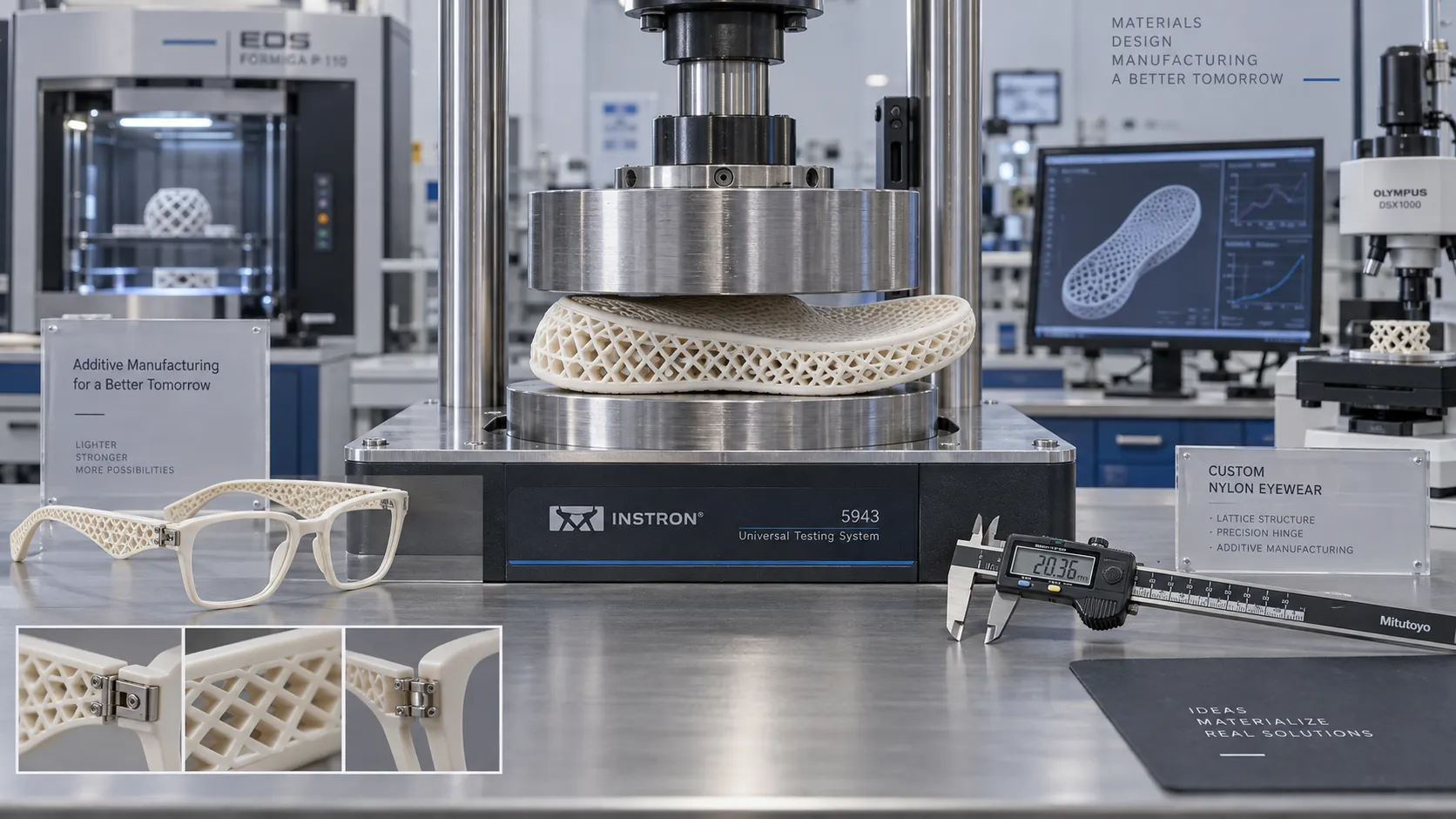
Which Consumer Goods Can Be 3D Printed, and What Are the Practical Limits?
Explore 3d printing consumer goods, from custom eyewear to replacement parts. Discover practical limits on materials, safety, and costs to make smarter production decisions.
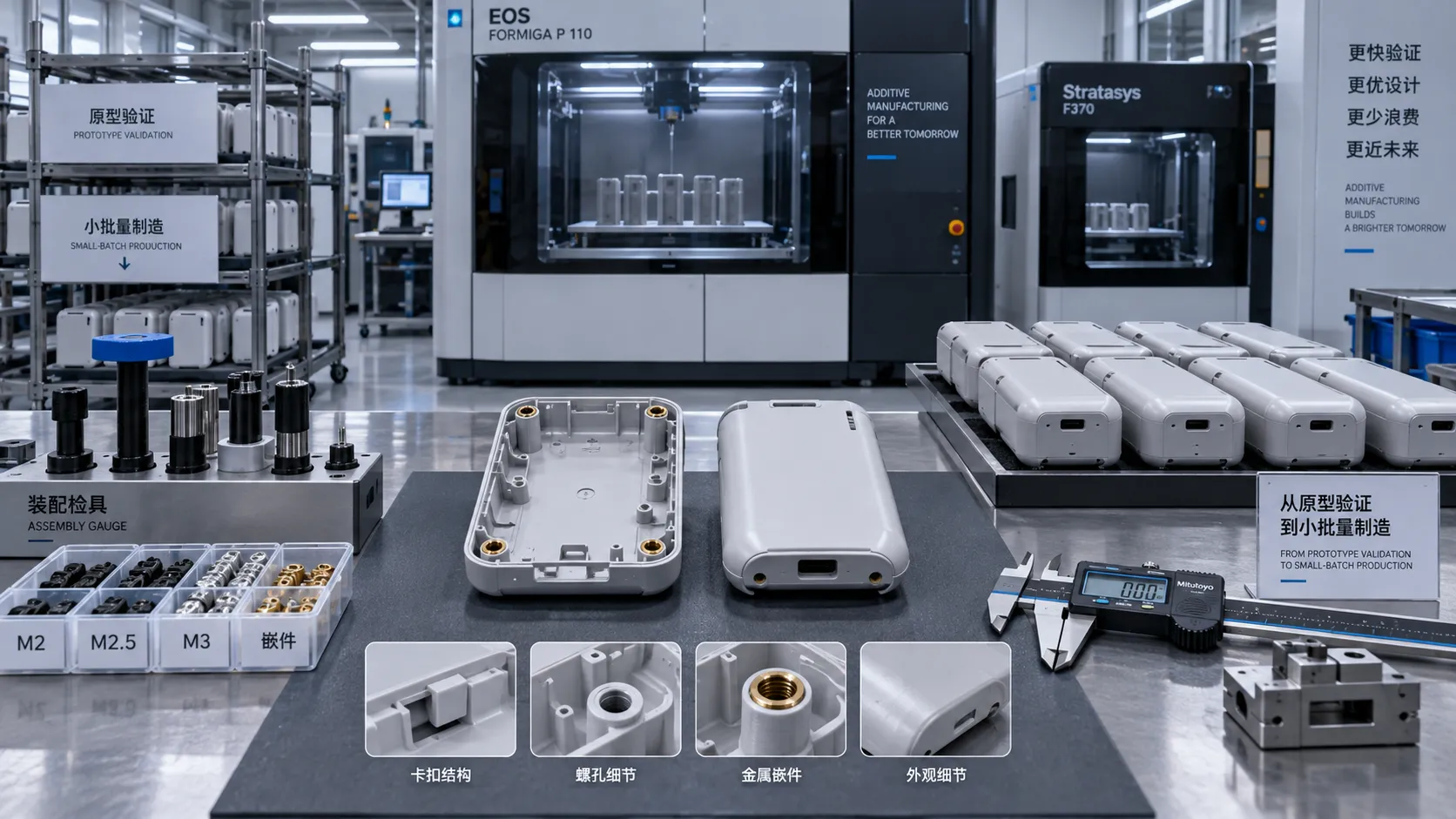
From Prototype to Small Batch: Applying 3D Printing to Consumer Goods
Explore 3d printing in consumer goods: learn how to move from prototype to small-batch production with practical guidance on materials, quality validation, and cost control.
Related News
- 00
0000-00
How to verify part consistency before choosing a 3D printing OEM - 00
0000-00
How does a rigid cryogenic transfer line handle thermal contraction? - 00
0000-00
How much does edge vision deployment cost beyond the hardware? - 00
0000-00
How does the purity of sputtering targets affect thin-film quality? - 00
0000-00
How high power laser cladding systems control substrate dilution
Dr. Hideo Tanaka
Weekly Insights
Stay ahead with our curated technology reports delivered every Monday.