
Solution Comparison: 3D Profilometer Accuracy vs Speed

Solution Comparison: 3D Profilometer Accuracy vs Speed
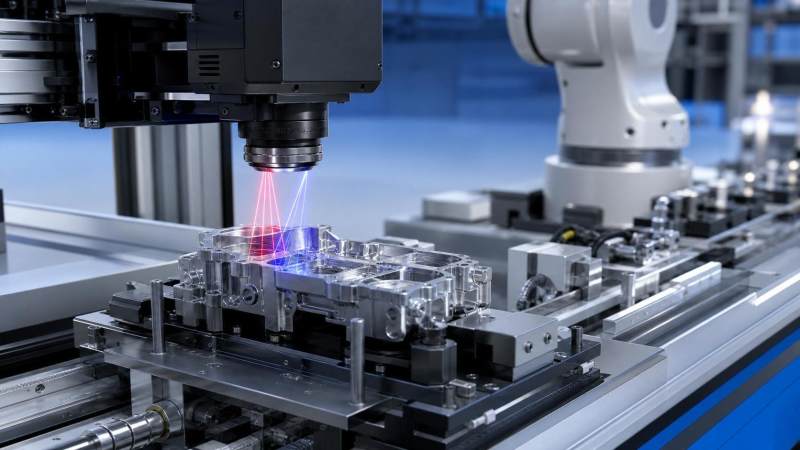
In any Solution Comparison of 3D profilometers, technical evaluators must balance two competing priorities: measurement accuracy and inspection speed.
The right choice affects metrology confidence, throughput, process stability, and downstream quality decisions.
This article reviews how major 3D profilometer solutions perform under real industrial demands.
The goal is simple: support a better Solution Comparison for precision-driven manufacturing environments.
Why accuracy and speed usually pull in opposite directions
Most 3D profilometer platforms cannot maximize every performance metric at the same time.
Higher accuracy often requires denser sampling, stronger vibration control, and more signal processing.
That improves repeatability, but it also adds cycle time.
Faster inspection systems reduce bottlenecks, especially in automated lines.
Still, speed gains may come with lower lateral resolution, more noise, or weaker edge fidelity.
That is why a serious Solution Comparison must begin with production reality, not brochure claims.
Main 3D profilometer solution categories
A practical Solution Comparison usually covers four common technology routes.
Confocal profilometers
Confocal systems are known for strong vertical accuracy and stable measurement on fine features.
They perform well on polished metals, microstructures, and engineered surfaces.
Their tradeoff is speed, especially when scanning larger areas.
Laser triangulation profilometers
These systems are widely used where line speed matters more than ultra-fine surface detail.
They integrate well into conveyors, robotic cells, and inline inspection stations.
However, reflective, transparent, or sharply angled surfaces can create measurement challenges.
White light interferometry systems
Interferometry platforms deliver excellent nanometer-level surface characterization in controlled conditions.
They are attractive for semiconductor, optics, and advanced materials analysis.
But they are usually less forgiving in harsh shop-floor environments.
Structured light 3D profilometers
Structured light solutions can capture broader fields quickly.
They are often chosen for shape inspection, assembly validation, and larger part mapping.
In a Solution Comparison, they usually rank higher for coverage speed than micro-scale precision.
How to evaluate accuracy in a real Solution Comparison
Accuracy is not one number.
It includes vertical resolution, lateral resolution, repeatability, linearity, and sensitivity to material variation.
A strong Solution Comparison should test several points.
- Repeatability across multiple runs on the same feature
- Performance on reflective, rough, dark, and mixed materials
- Edge reconstruction accuracy on steep slopes and small steps
- Stability under normal plant vibration and temperature drift
- Traceability to ISO, ASTM, or internal metrology standards
This matters because supplier specifications are often measured in ideal lab conditions.
In actual production, surface finish and fixture variation often decide the real result.
How to evaluate speed without oversimplifying the result
Inspection speed also needs a broader view.
Many teams look only at scan rate, but true throughput is more complex.
A realistic Solution Comparison should include full takt-time impact.
- Part loading and positioning time
- Autofocus or height adjustment time
- Raw data capture speed
- Point cloud or profile processing time
- Pass or fail output to MES, PLC, or robot controller
A fast sensor with slow data handling can still become the line bottleneck.
That is a common miss in an early Solution Comparison process.
Direct Solution Comparison by application scenario
This kind of Solution Comparison works better than a generic ranking list.
Hidden decision factors beyond core performance
From recent market shifts, the stronger signal is system usability.
A technically impressive device can still fail during scale-up.
A thorough Solution Comparison should also check:
- Software learning curve and recipe management
- API access for factory automation
- Calibration workflow and service interval
- Spare parts availability across regions
- Export control, compliance, and documentation depth
- Vendor support during process transfer and validation
In practice, these factors often shape long-term ownership cost more than headline sensor specs.
That also means procurement and engineering should run the Solution Comparison together.
Common mistakes during 3D profilometer selection
Several issues appear again and again in industrial evaluation projects.
- Choosing the highest accuracy system for a line that really needs speed
- Using vendor sample parts instead of actual production parts
- Ignoring data pipeline delays in the Solution Comparison
- Missing fixture, lighting, and motion effects during testing
- Comparing specification sheets without common acceptance criteria
These errors usually create revalidation work later.
They also distort return-on-investment assumptions from the start.
A practical framework for final decision making
The most reliable Solution Comparison uses weighted scoring based on use case priority.
A simple framework can keep the decision grounded.
- Define the critical measurement task and tolerance window
- Set minimum throughput requirements for the intended line
- Test all shortlisted systems on the same parts
- Score accuracy, speed, integration, and service support separately
- Run a pilot under realistic operating conditions before release
This approach keeps the Solution Comparison tied to operational value.
It also reduces the chance of selecting a system that excels only in demonstrations.
For organizations benchmarking across machine vision, additive manufacturing, and advanced process control, that discipline matters even more.
The best 3D profilometer is rarely the fastest or the most accurate in isolation. It is the one that delivers trusted data at the speed your production system can actually use.
Related News
How to verify part consistency before choosing a 3D printing OEM
Choosing a 3D printing OEM? Learn how to verify part consistency with repeat-build trials, validated inspections, and traceability checks before committing to production.
How does a rigid cryogenic transfer line handle thermal contraction?
Learn how a rigid cryogenic transfer line manages thermal contraction with bends, bellows, and guided supports. Discover key design checks for safe, reliable cryogenic performance.
How much does edge vision deployment cost beyond the hardware?
Understand edge vision deployment cost beyond hardware, from data and integration to security and support. Uncover hidden expenses and build a smarter lifecycle budget before you scale.
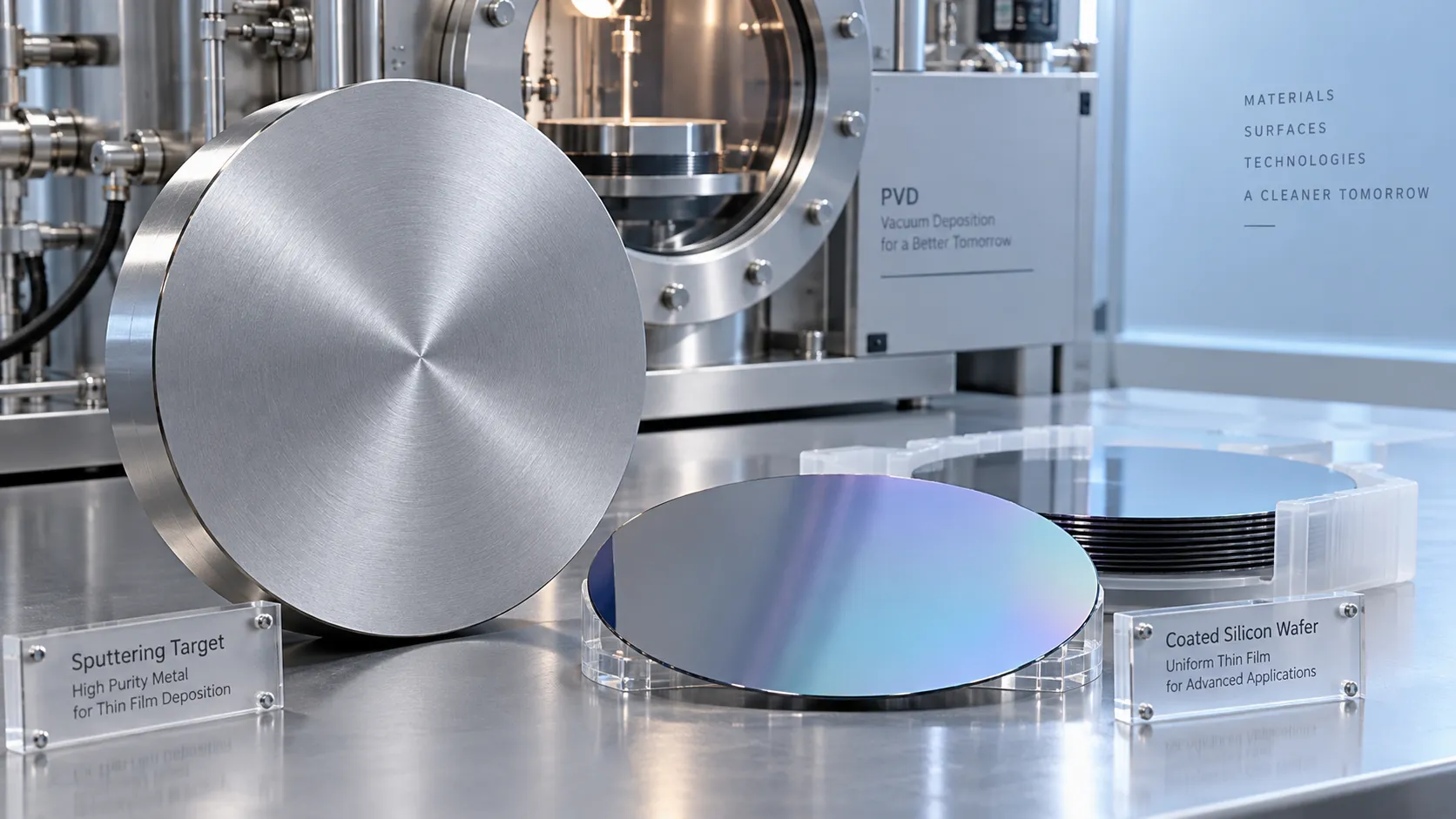
How does the purity of sputtering targets affect thin-film quality?
Discover how sputtering targets affect thin-film quality. Learn to assess purity, identify harmful impurities, and choose specifications that improve coating performance.
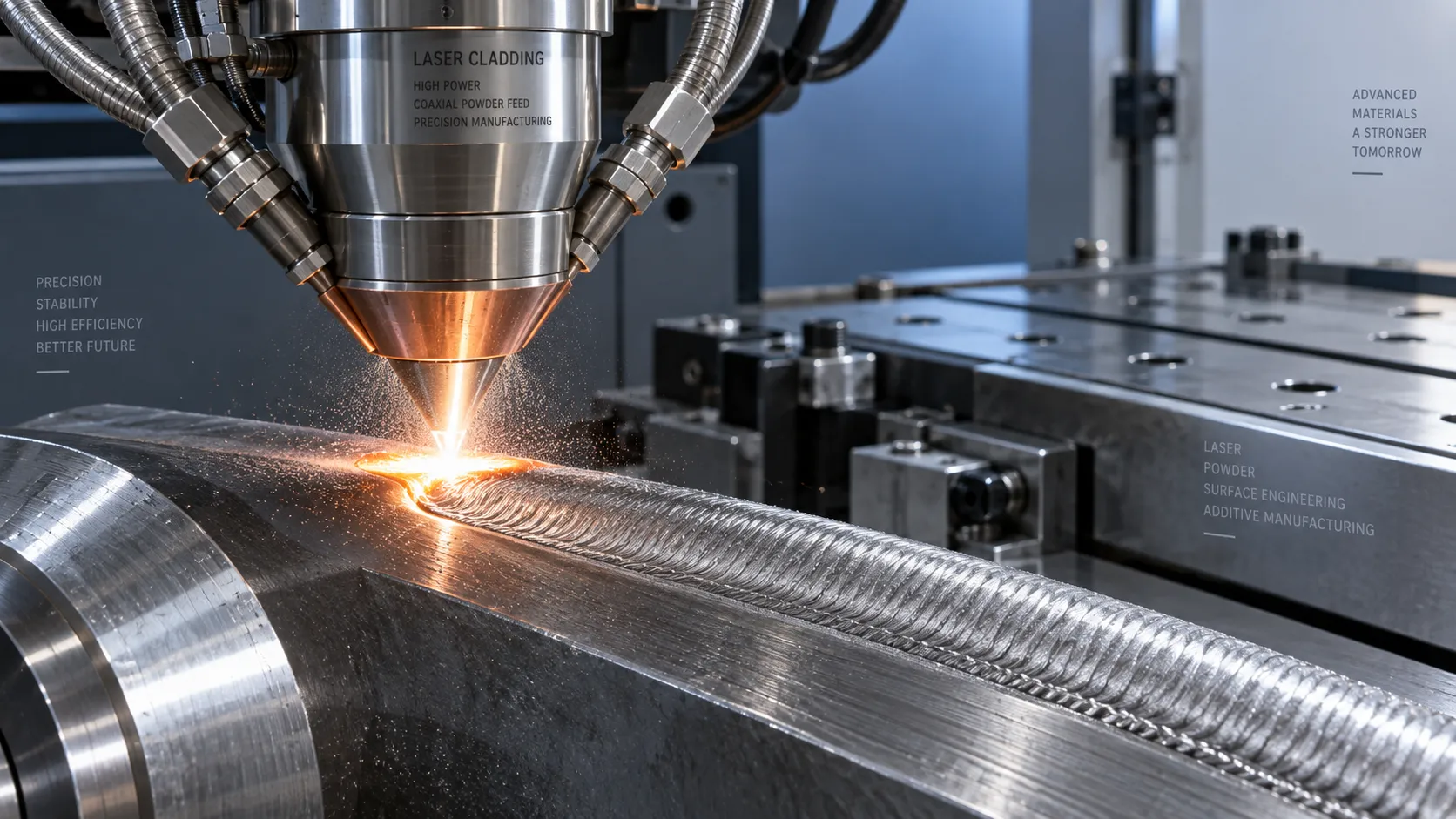
How high power laser cladding systems control substrate dilution
Discover how high power laser cladding systems control substrate dilution through beam shaping, material feed, and thermal management to deliver reliable bonds and coating performance.
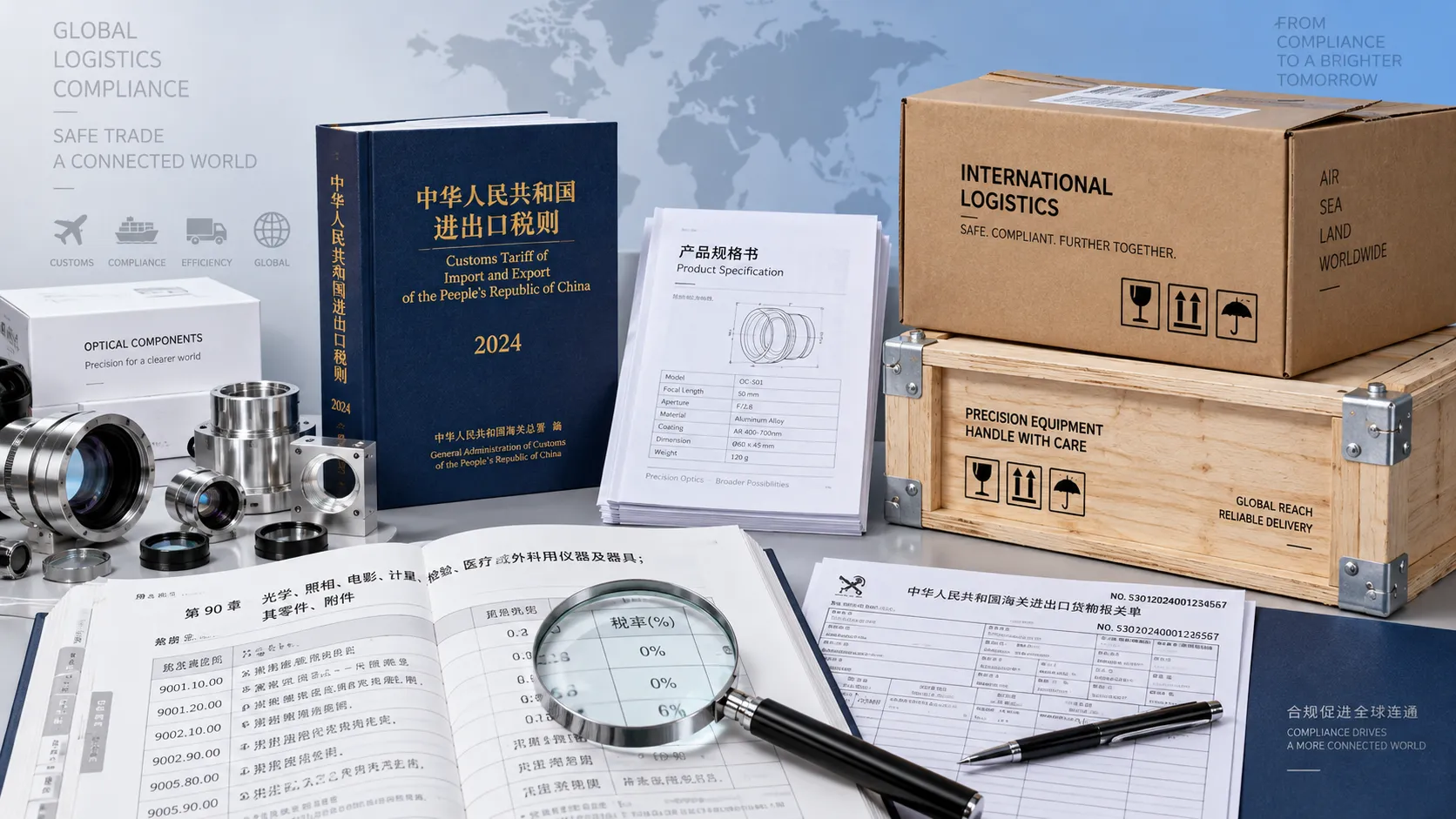
How to check HS codes for customs compliance in international logistics
Strengthen international logistics customs compliance: learn how to verify HS codes, check official tariffs, and document classifications to reduce costly shipment delays.
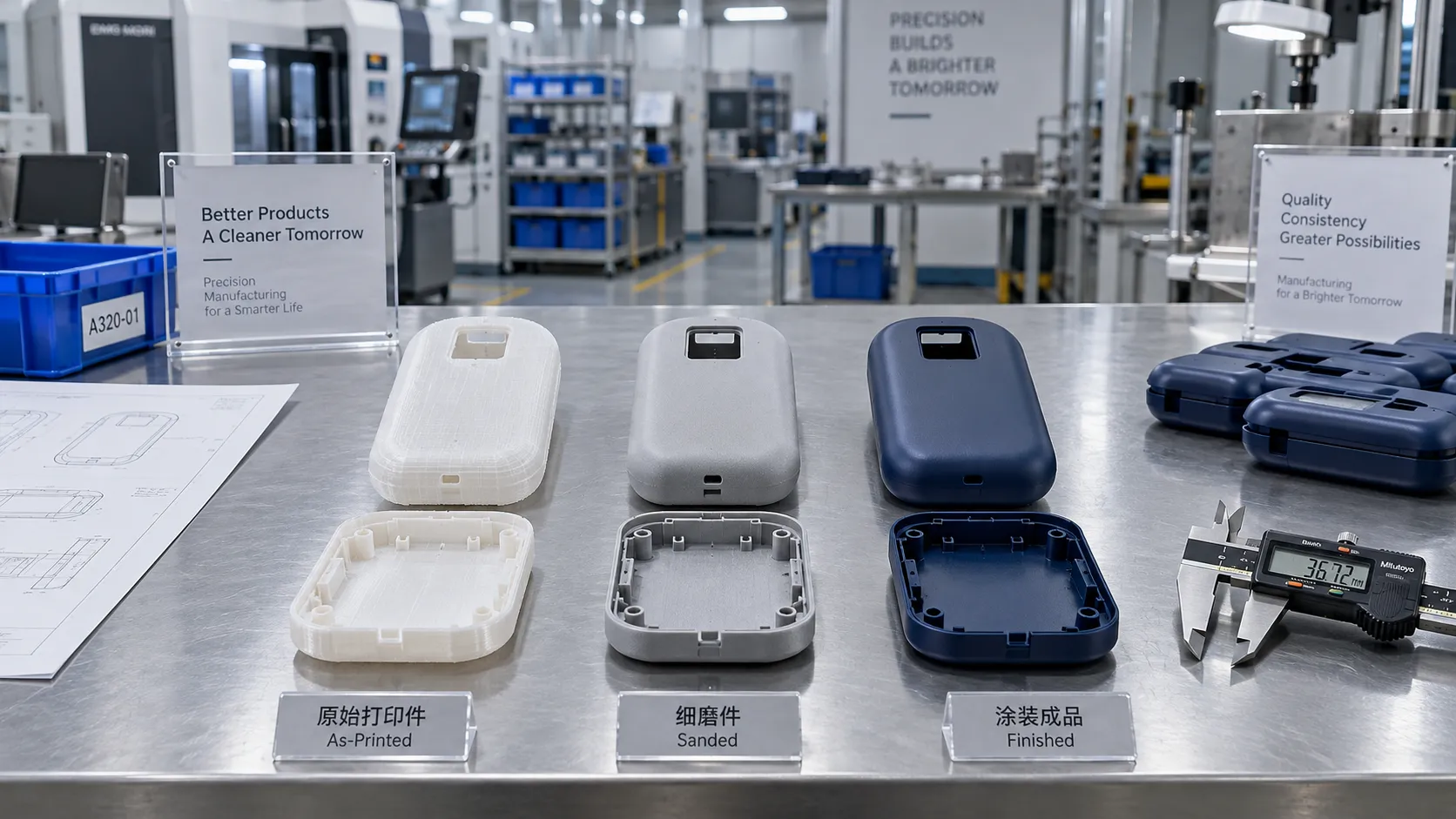
Choosing a 3D Printing Service for Consumer Products: Finish, Fit, and Cost
Compare 3d printing consumer good services by finish, fit, materials, and total cost. Learn how to choose a reliable supplier and avoid costly defects before ordering.
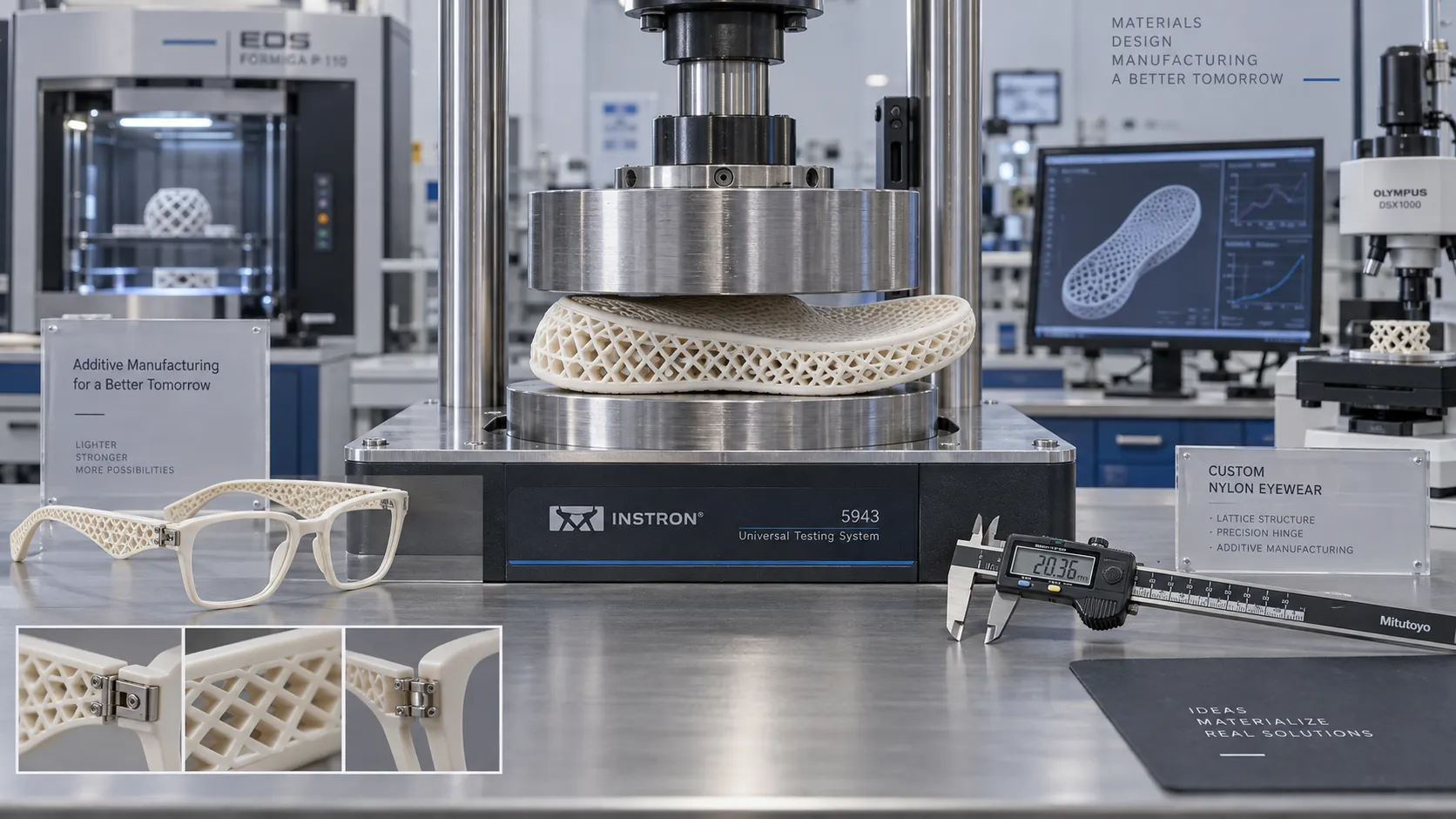
Which Consumer Goods Can Be 3D Printed, and What Are the Practical Limits?
Explore 3d printing consumer goods, from custom eyewear to replacement parts. Discover practical limits on materials, safety, and costs to make smarter production decisions.
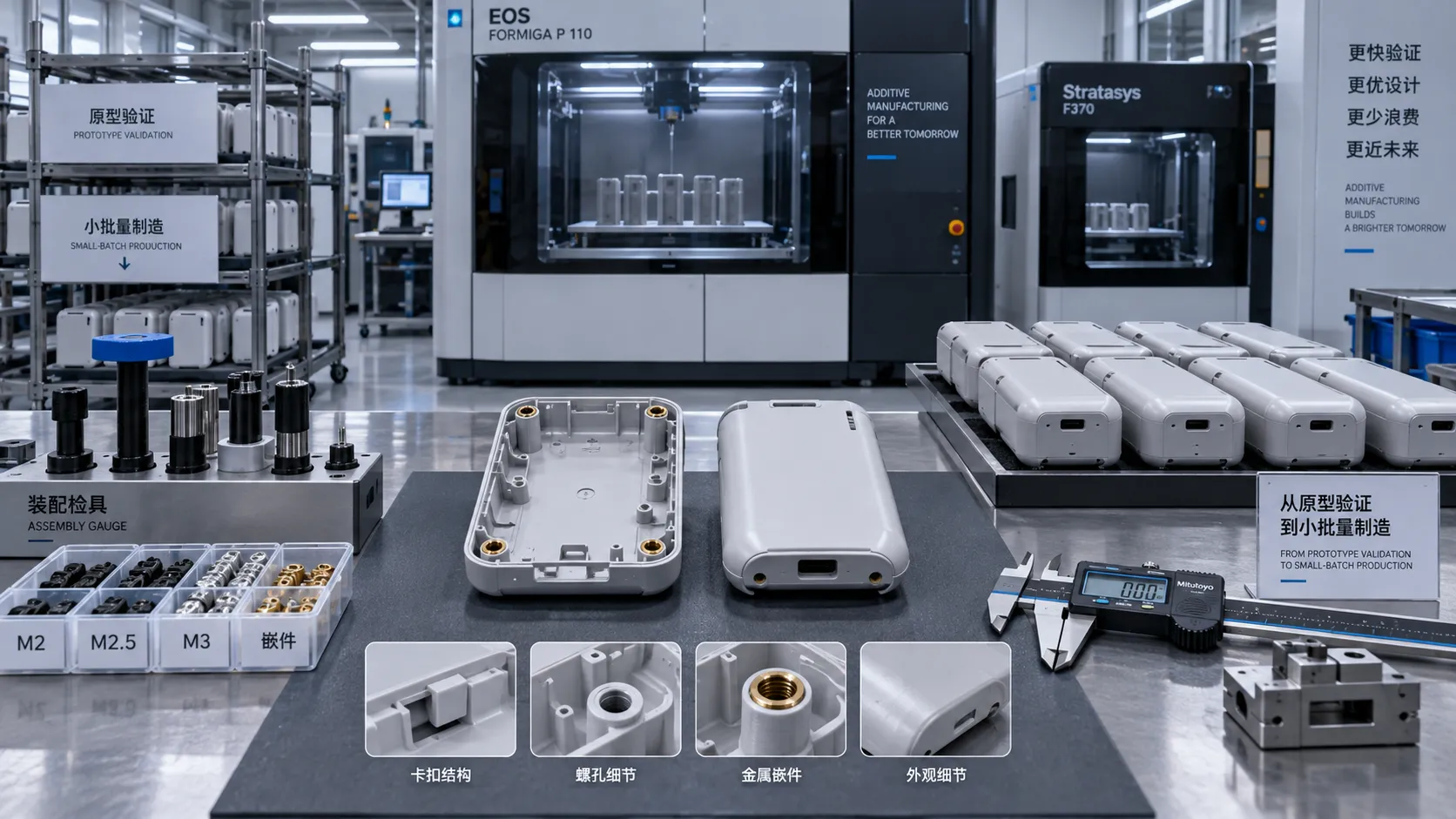
From Prototype to Small Batch: Applying 3D Printing to Consumer Goods
Explore 3d printing in consumer goods: learn how to move from prototype to small-batch production with practical guidance on materials, quality validation, and cost control.
Related News
- 00
0000-00
How to verify part consistency before choosing a 3D printing OEM - 00
0000-00
How does a rigid cryogenic transfer line handle thermal contraction? - 00
0000-00
How much does edge vision deployment cost beyond the hardware? - 00
0000-00
How does the purity of sputtering targets affect thin-film quality? - 00
0000-00
How high power laser cladding systems control substrate dilution
Dr. Victor Gear
Weekly Insights
Stay ahead with our curated technology reports delivered every Monday.