
How Depth of Field Data Improves Optical Inspection Accuracy

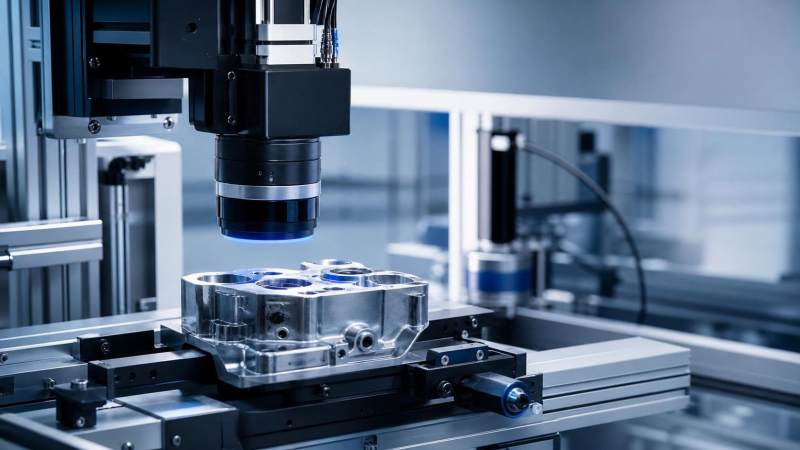
How Depth of Field Data Improves Optical Inspection Accuracy
For quality control and safety teams, optical inspection depth of field data is more than a technical parameter. It directly shapes detection accuracy, measurement stability, and production confidence.
When inspected parts include steps, curves, holes, welds, or mixed materials, image sharpness changes fast. That is where optical inspection depth of field data becomes a practical decision tool.
In real operations, poor focus control does not only blur images. It also hides small defects, shifts edge positions, and increases false rejects in otherwise stable lines.
This also means depth of field should not be treated as a fixed lens number alone. It must be read as usable data connected to tolerances, height variation, lighting, and inspection speed.
For organizations that benchmark systems against ISO, ASTM, IEEE, or SEMI expectations, this data supports a more reliable inspection strategy from validation to daily control.
Why depth of field matters in industrial optical inspection
Depth of field describes the vertical range where a part remains acceptably sharp. In industrial vision, that range defines whether critical features stay measurable across real production variation.
A flat sample in a lab is easy. A stamped housing, solder joint array, machined groove, or additive part is not. Surface height changes challenge every imaging system.
If the system uses inadequate optical inspection depth of field data, inspectors may trust images that are only partially valid. The result is unstable defect calls between shifts or sites.
The issue becomes more obvious at tighter tolerances. A tiny focus loss can soften edges, lower contrast, and distort feature boundaries used by measurement algorithms.
In safety-related production, that is not a minor inconvenience. It can weaken traceability, delay containment decisions, and obscure the true capability of the inspection process.
What the data actually tells you
Useful depth of field data goes beyond brochure values. It should show the focus range under actual magnification, aperture, lighting, sensor settings, and part reflectivity.
- The height range where defects remain visible and repeatable
- The point where edge accuracy starts to drift
- The effect of aperture changes on sharpness and exposure
- The link between focus tolerance and inspection cycle time
Once teams read optical inspection depth of field data this way, they can judge whether a system is fit for a line, not just attractive on paper.
How optical inspection depth of field data improves accuracy
The most direct benefit is consistent image clarity across changing part heights. When more features stay in focus, the system makes fewer uncertain judgments.
That sounds simple, but the effect spreads across the whole inspection chain. Better focus stability improves segmentation, edge extraction, feature matching, and dimensional measurement.
1. Better defect detection on uneven surfaces
Parts rarely stay perfectly flat. Weld seams rise, coatings vary, and connectors sit at different heights. Optical inspection depth of field data helps define a safe focus window.
Within that window, scratches, pits, burrs, cracks, contamination, and missing features stay visible. Outside it, contrast drops and small defects start to disappear.
2. More stable dimensional measurement
Measurement tools depend on clean edges. When focus shifts, edges widen or soften, and the reported dimensions can move even when the part does not.
That is why optical inspection depth of field data supports gauge reliability. It helps teams define which height variation still preserves measurement integrity.
3. Lower false reject and escape rates
Blur creates two expensive outcomes. Good parts fail because features look incomplete, and bad parts pass because small defects are no longer distinct.
By using optical inspection depth of field data during setup and validation, teams can balance sensitivity with repeatability. That reduces overreaction and underdetection at the same time.
4. Stronger process control over time
Focus performance drifts with vibration, lens wear, fixture changes, thermal movement, and line adjustments. Depth of field data gives teams a baseline for ongoing capability checks.
That baseline is especially useful in multi-site operations where systems must produce comparable results across different products, operators, and environmental conditions.
Key variables that shape usable depth of field data
Not all depth of field values are equally useful. The real question is whether the data reflects your inspection task, not an idealized optical setup.
- Magnification: Higher magnification usually reduces depth of field and tightens setup tolerance.
- Aperture: Smaller apertures can increase depth of field, but they may also reduce light and slow exposure.
- Sensor resolution: Finer pixels expose focus errors that lower-resolution systems may hide.
- Lighting angle and intensity: Illumination changes the visible contrast of out-of-focus features.
- Part material: Reflective, dark, transparent, or textured surfaces behave very differently.
- Motion: Conveyor speed and vibration can reduce the practical value of a nominal depth of field.
From a technical standards perspective, this is why system benchmarking should combine optics data with application data. One number alone rarely predicts production performance.
For advanced machine vision procurement, optical inspection depth of field data becomes much more valuable when linked to repeatability studies and acceptance criteria.
Where inspection teams use it most effectively
The data is most useful before deployment, during process validation, and after any line change. In each stage, it supports different decisions.
During equipment selection
Teams can compare systems using real part height variation, not generic catalog claims. That prevents under-specifying optics in demanding applications.
During line commissioning
Engineers can map which surfaces remain measurable across the tolerance stack. This helps lock in fixture settings, working distance, and alarm thresholds.
During routine capability reviews
If defect trends shift unexpectedly, depth of field data helps separate true process change from optical instability. That shortens investigation time.
During product changeovers
A new part geometry can push old settings outside the safe focus range. Reviewing optical inspection depth of field data prevents silent accuracy loss during transition.
Common risks when depth of field is misunderstood
Several recurring mistakes weaken inspection reliability, even in technically advanced facilities. Most of them come from treating depth of field as a static specification.
- Using vendor values measured under different lighting and contrast conditions
- Ignoring part tilt and fixture tolerance during validation
- Assuming a sharper center image guarantees whole-part focus quality
- Reducing aperture without checking exposure limits and cycle time impact
- Skipping revalidation after lens replacement or camera repositioning
In practical terms, these mistakes create hidden variability. The system looks operational, but the inspection decision becomes less trustworthy under normal production fluctuation.
A practical approach to using optical inspection depth of field data
A workable method is to tie the data directly to risk, feature criticality, and process capability. That keeps the analysis useful instead of overly theoretical.
- Identify critical features and their allowable measurement error.
- Measure actual part height variation, including tilt and fixture play.
- Validate optical inspection depth of field data with production lighting.
- Test repeatability at the top, middle, and bottom of the height range.
- Set acceptance limits for both defect visibility and dimensional stability.
- Review the data again after changeovers, maintenance, or drift events.
This process supports both technical compliance and smarter purchasing. It also aligns with the broader industrial need for verifiable performance rather than assumed capability.
For organizations evaluating machine vision and optical inspection platforms, the strongest signal is not a single headline number. It is application-proven focus performance under realistic constraints.
That is where optical inspection depth of field data improves accuracy in a meaningful way. It turns optics from a setup variable into a controlled source of inspection confidence.
If the goal is fewer escapes, lower false rejects, and more dependable decisions, start by validating the depth of field against real parts, real tolerances, and real line conditions.
Related News
How to verify part consistency before choosing a 3D printing OEM
Choosing a 3D printing OEM? Learn how to verify part consistency with repeat-build trials, validated inspections, and traceability checks before committing to production.
How does a rigid cryogenic transfer line handle thermal contraction?
Learn how a rigid cryogenic transfer line manages thermal contraction with bends, bellows, and guided supports. Discover key design checks for safe, reliable cryogenic performance.
How much does edge vision deployment cost beyond the hardware?
Understand edge vision deployment cost beyond hardware, from data and integration to security and support. Uncover hidden expenses and build a smarter lifecycle budget before you scale.
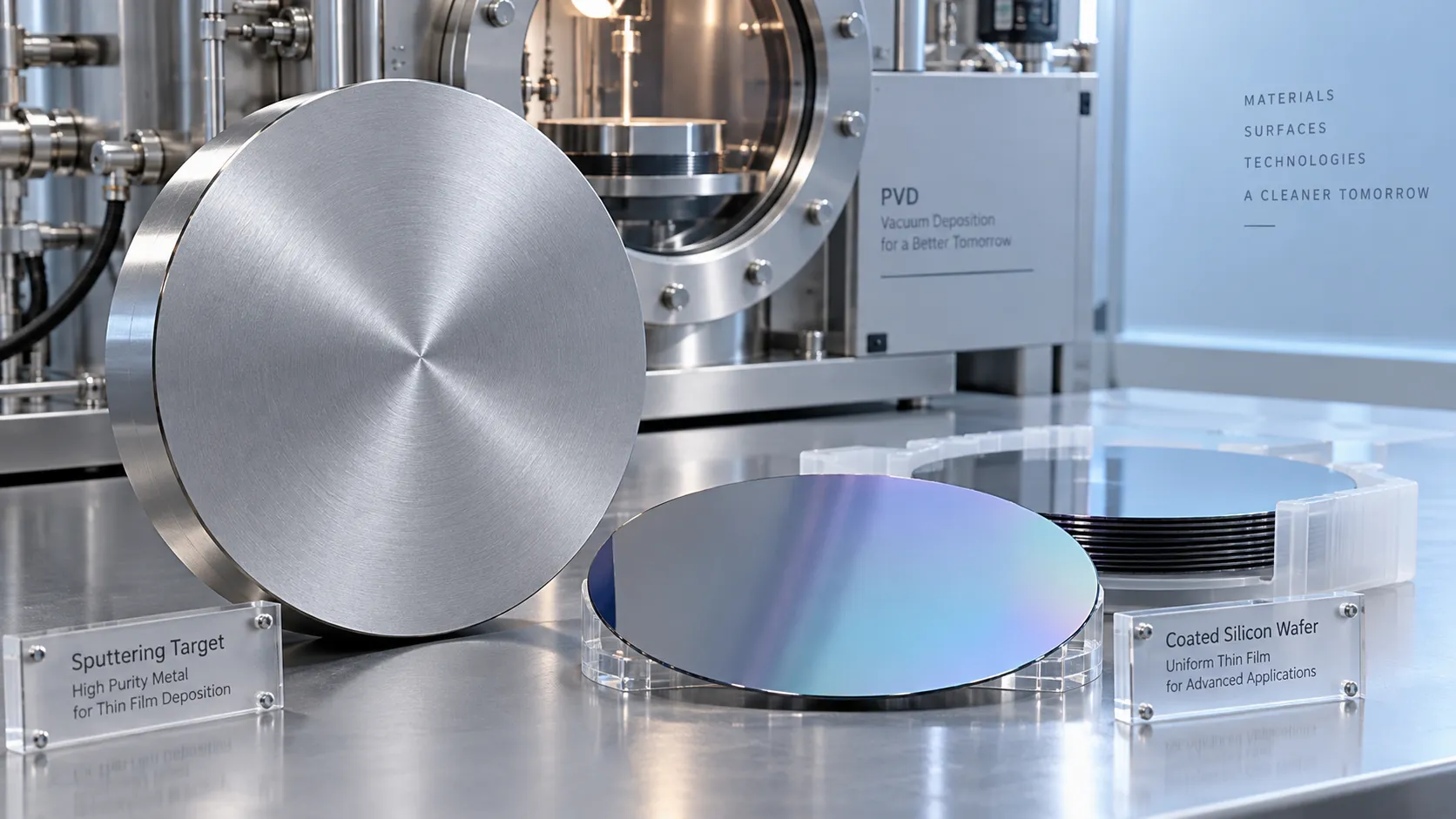
How does the purity of sputtering targets affect thin-film quality?
Discover how sputtering targets affect thin-film quality. Learn to assess purity, identify harmful impurities, and choose specifications that improve coating performance.
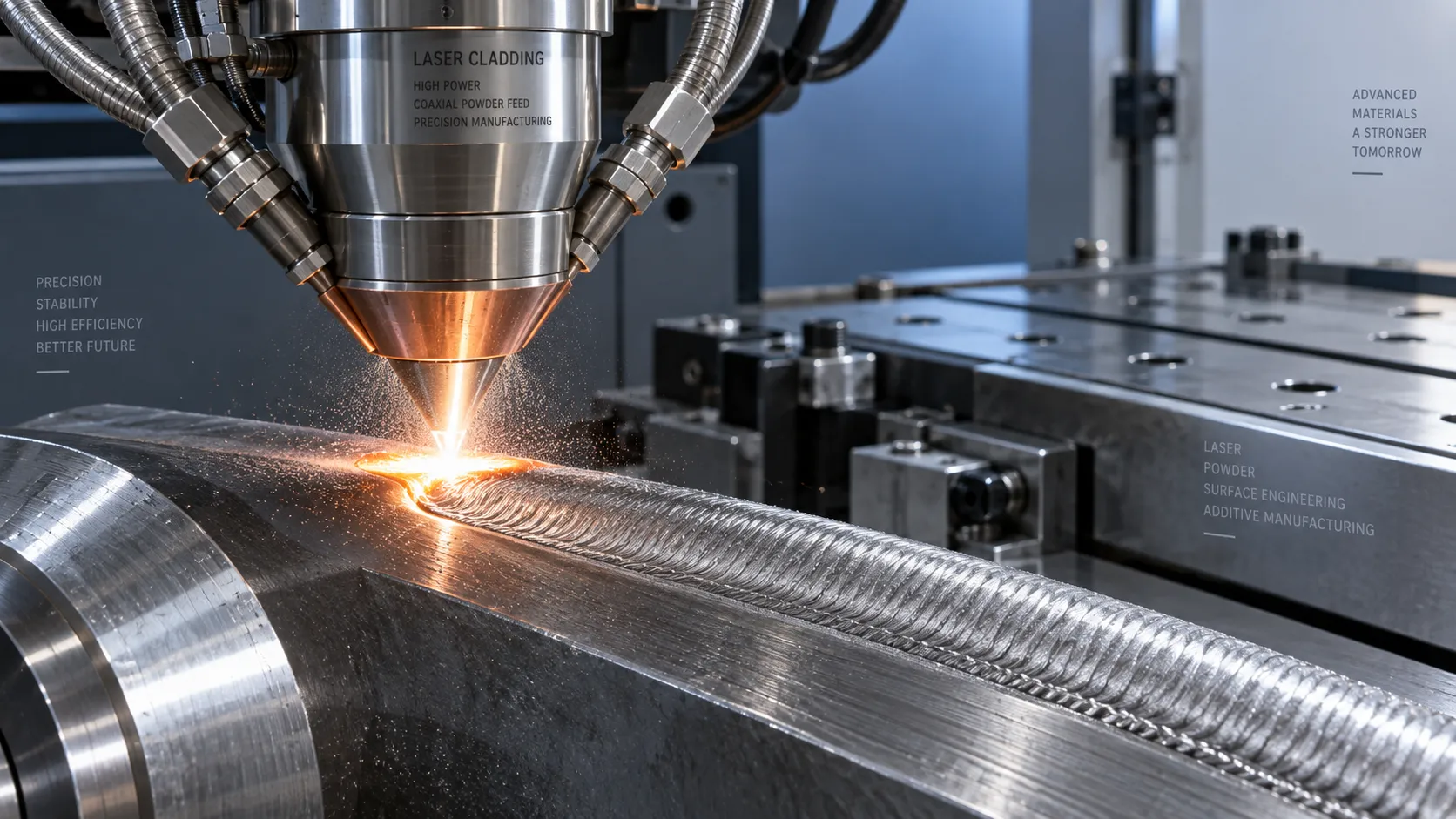
How high power laser cladding systems control substrate dilution
Discover how high power laser cladding systems control substrate dilution through beam shaping, material feed, and thermal management to deliver reliable bonds and coating performance.
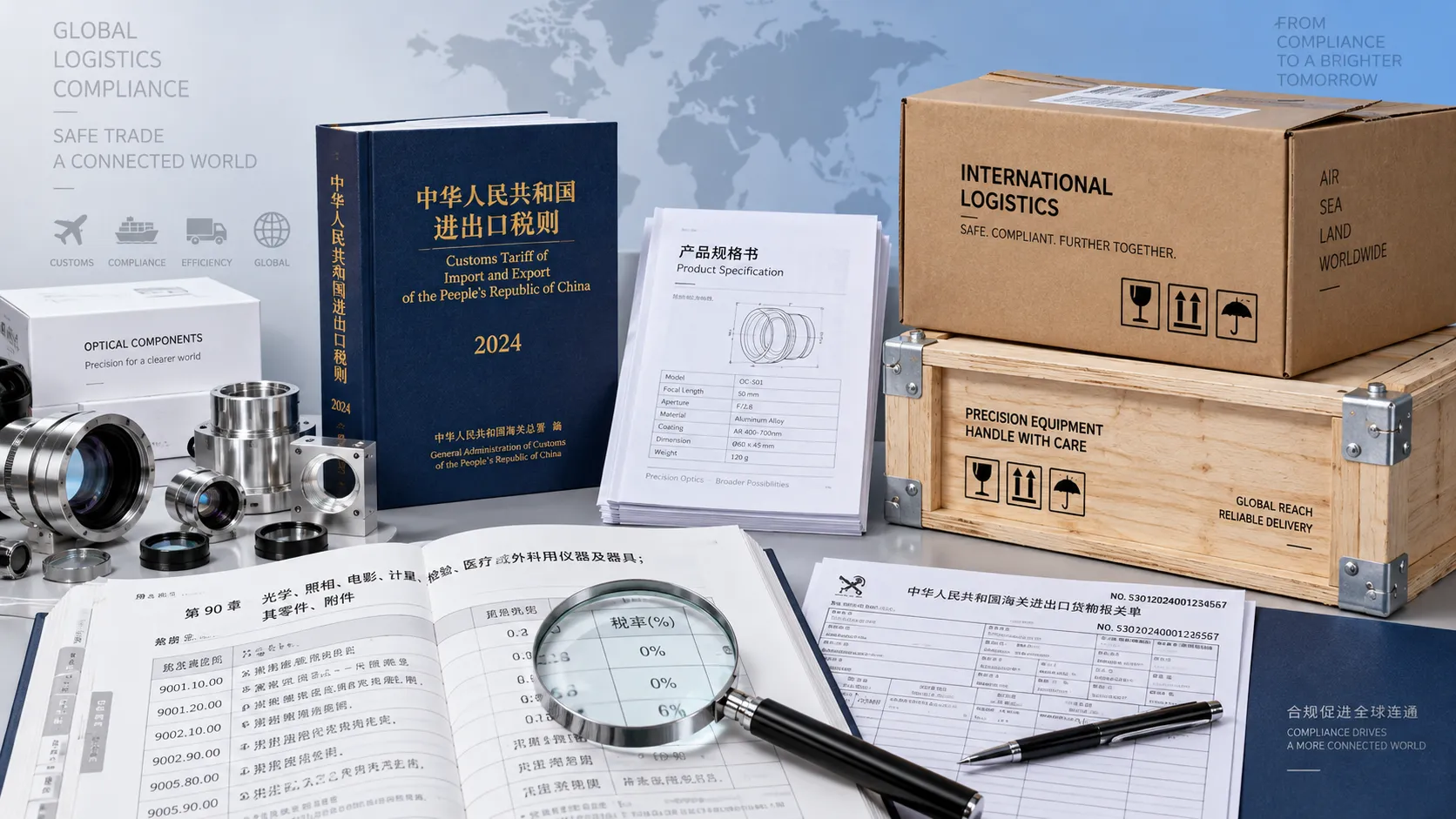
How to check HS codes for customs compliance in international logistics
Strengthen international logistics customs compliance: learn how to verify HS codes, check official tariffs, and document classifications to reduce costly shipment delays.
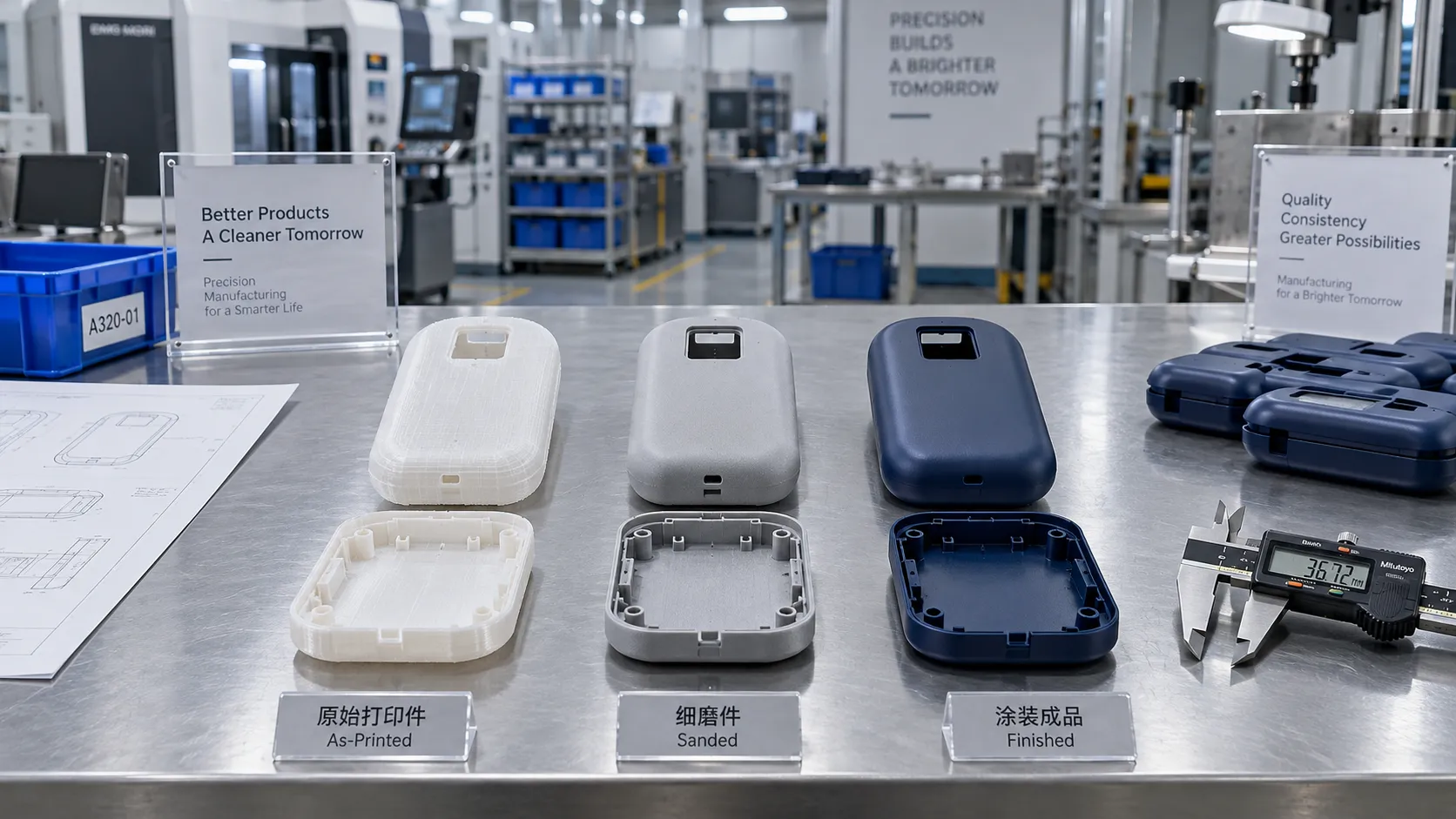
Choosing a 3D Printing Service for Consumer Products: Finish, Fit, and Cost
Compare 3d printing consumer good services by finish, fit, materials, and total cost. Learn how to choose a reliable supplier and avoid costly defects before ordering.
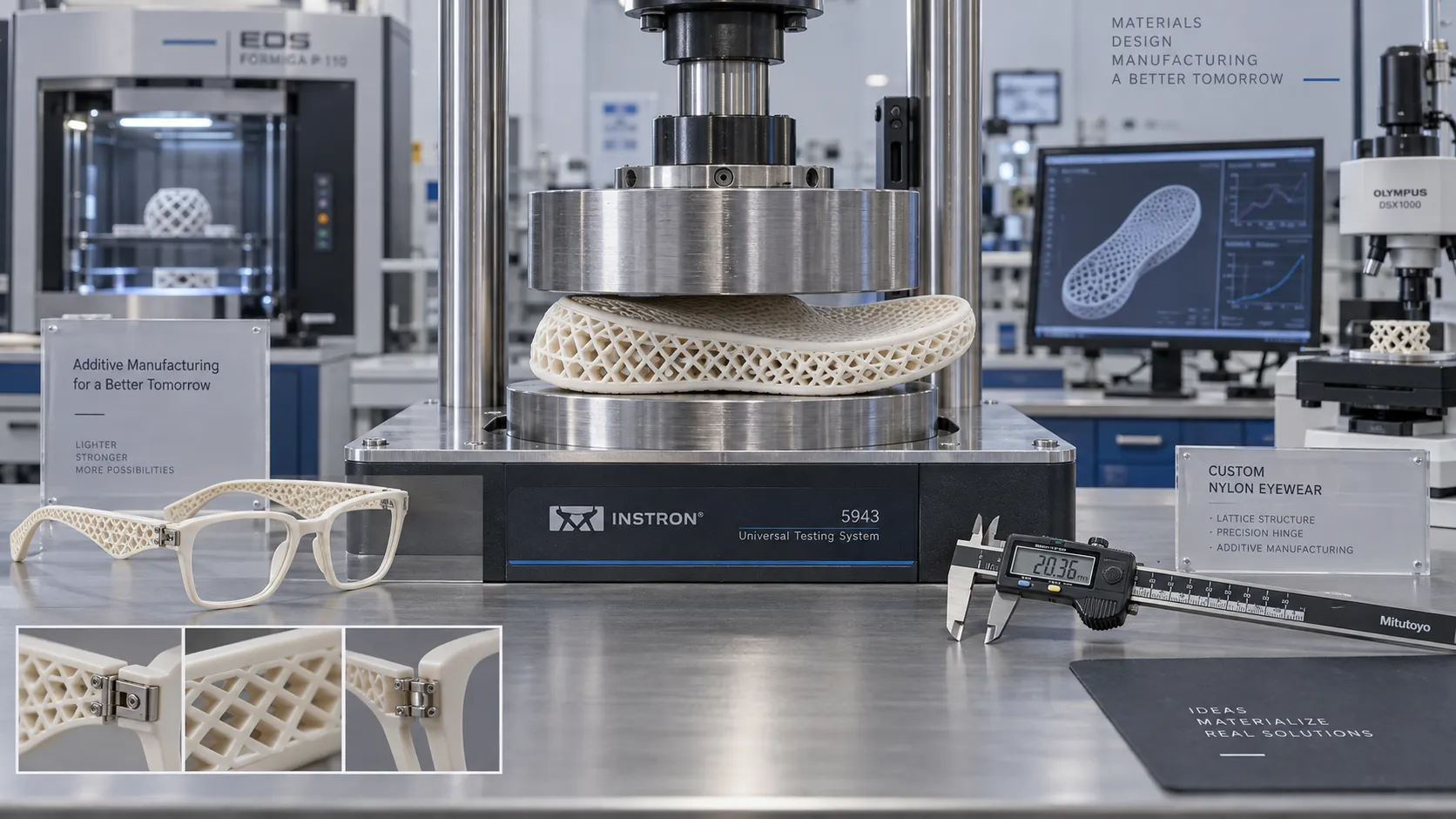
Which Consumer Goods Can Be 3D Printed, and What Are the Practical Limits?
Explore 3d printing consumer goods, from custom eyewear to replacement parts. Discover practical limits on materials, safety, and costs to make smarter production decisions.
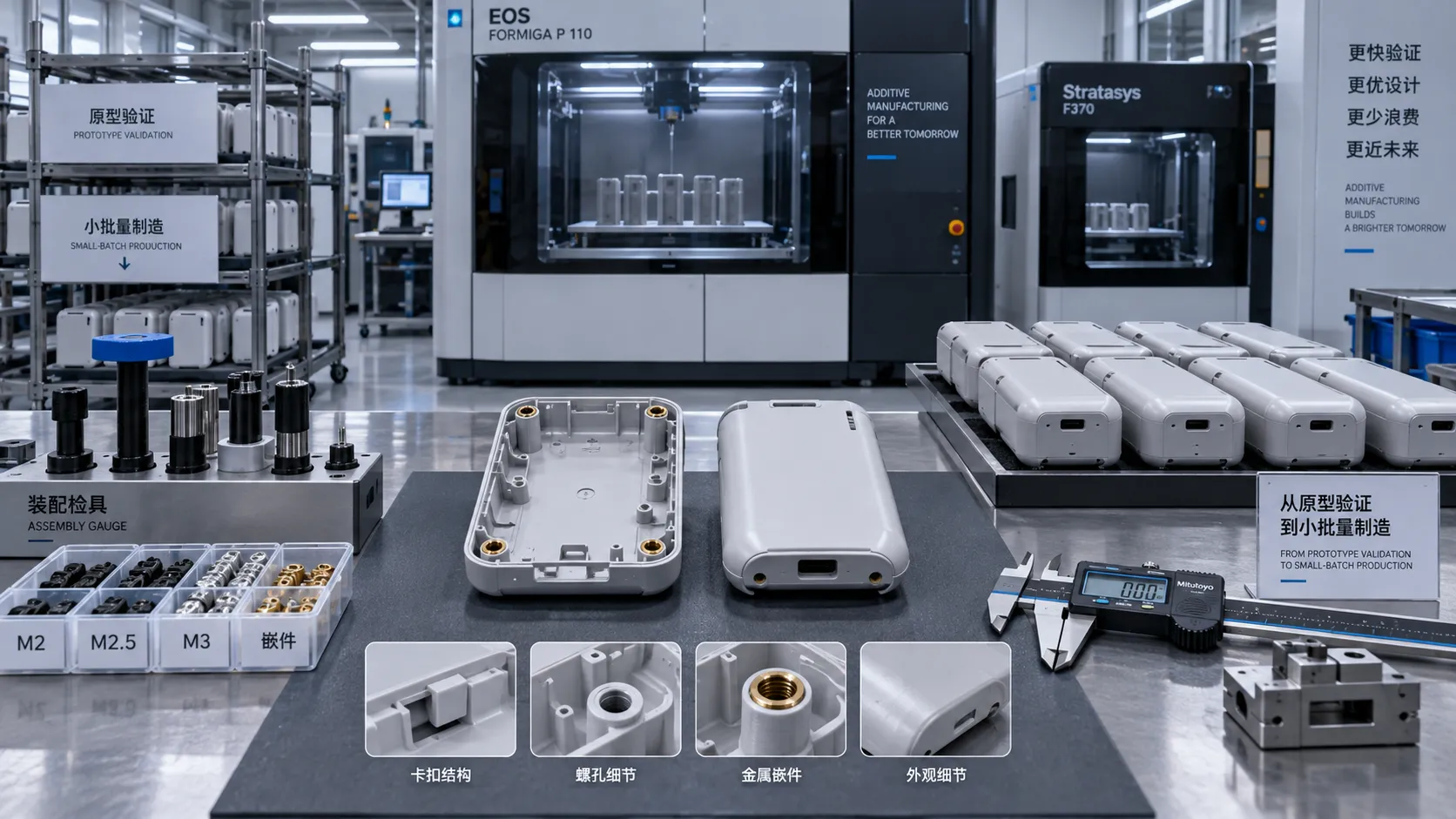
From Prototype to Small Batch: Applying 3D Printing to Consumer Goods
Explore 3d printing in consumer goods: learn how to move from prototype to small-batch production with practical guidance on materials, quality validation, and cost control.
Related News
- 00
0000-00
How to verify part consistency before choosing a 3D printing OEM - 00
0000-00
How does a rigid cryogenic transfer line handle thermal contraction? - 00
0000-00
How much does edge vision deployment cost beyond the hardware? - 00
0000-00
How does the purity of sputtering targets affect thin-film quality? - 00
0000-00
How high power laser cladding systems control substrate dilution
Dr. Victor Gear
Weekly Insights
Stay ahead with our curated technology reports delivered every Monday.