
3D Printing SEMI: Key Standards and Process Checks

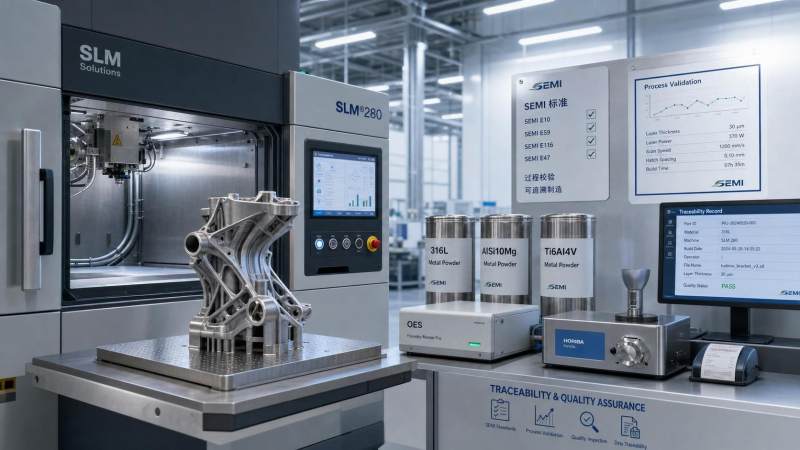
For high-reliability additive manufacturing, 3D printing SEMI is not just a reference point for clean documentation. It is a practical framework for judging whether a process is stable, traceable, and suitable for demanding industrial use.
That matters because advanced 3D printing now supports electronics, aerospace, medical tooling, energy systems, and precision equipment. In these environments, output quality depends on more than geometry. Powder control, machine condition, inspection discipline, and data integrity all affect risk.
Seen through the broader benchmarking approach used by G-AIT, 3D printing SEMI sits alongside ISO, ASTM, and other technical frameworks. Its value is strongest when it helps turn supplier claims into verifiable process evidence.
Why 3D printing SEMI is drawing closer attention
Additive manufacturing has moved beyond prototyping. Production parts now enter systems where thermal cycling, fatigue, vacuum compatibility, electrical performance, and dimensional repeatability must be controlled, not assumed.
In that shift, 3D printing SEMI gains relevance because semiconductor-style thinking fits high-consequence manufacturing. It emphasizes disciplined environments, equipment control, contamination awareness, and documented repeatability.
This is especially important when metal powder bed fusion, binder jetting, or high-performance polymer printing is used for parts that later enter automated assembly, optical systems, or vacuum processes.
The industry concern is no longer whether a printer can make a part. The real question is whether the full process chain can produce the same part, with the same properties, under controlled conditions.
What 3D printing SEMI means in practice
In practical terms, 3D printing SEMI usually refers to applying SEMI-aligned discipline to additive manufacturing operations. That includes equipment qualification, environmental checks, material handling rules, process monitoring, and audit-ready records.
It should not be read as a single shortcut for quality. Instead, it works as part of a standards ecosystem. ISO and ASTM often define additive terminology, test methods, and material expectations, while SEMI-style controls strengthen manufacturing rigor.
A useful way to understand 3D printing SEMI is to treat it as a reliability lens. It asks whether upstream and downstream controls are strong enough to support repeatable output at industrial scale.
Core elements usually under review
- Machine baseline condition, calibration status, and maintenance history.
- Feedstock identity, storage environment, reuse limits, and contamination control.
- Build parameter governance, version control, and change approval records.
- In-process monitoring, alarm response, and operator intervention rules.
- Post-processing discipline, inspection sequence, and lot traceability.
The standards landscape around additive manufacturing
A strong evaluation rarely depends on one standard family alone. Most mature programs combine multiple references because additive manufacturing spans design, materials, machines, software, metrology, and final part validation.
In many cases, 3D printing SEMI is most effective when mapped against ISO and ASTM additive standards, plus inspection methods linked to machine vision, optical metrology, or non-destructive testing.
This layered approach reflects the way G-AIT benchmarks advanced systems. The objective is not paperwork accumulation. It is cross-verification between process capability, equipment behavior, and measurable output quality.
Process checks that deserve close attention
The most revealing checks are often simple. They show whether controls are embedded in routine production or only prepared for audits. In 3D printing SEMI review, several checkpoints consistently separate robust operations from fragile ones.
Material control before the build starts
Powder or filament quality is a foundational issue. Batch identification, moisture exposure, particle distribution, storage atmosphere, and reuse ratio must be documented and technically justified.
For metal systems, oxygen pickup and foreign particle contamination can alter melt behavior and final properties. For polymers, thermal history and dryness may drive voids, warpage, or weak bonding.
Equipment consistency during production
Laser power stability, recoater performance, chamber atmosphere, bed temperature, and sensor calibration should be reviewed as a connected system. One isolated parameter rarely explains build consistency.
A credible 3D printing SEMI workflow also shows how deviations are handled. Alarm thresholds, hold criteria, and restart logic matter because unmanaged interruptions can distort traceability.
Post-build and post-process verification
Heat treatment, depowdering, support removal, machining, cleaning, and surface finishing can change dimensions and microstructure. These steps need the same procedural discipline as the print itself.
Inspection should connect geometric checks with property checks. Dimensional conformity without density, porosity, or mechanical verification is rarely enough for critical applications.
Where these checks create business value
The business value of 3D printing SEMI appears when technical uncertainty becomes commercially visible. A process that cannot prove repeatability usually creates hidden cost through scrap, delayed qualification, rework, and supply chain hesitation.
By contrast, a well-controlled additive line can shorten approval cycles, support multi-site comparison, and make supplier onboarding more defensible. That is particularly relevant in industries where technical evidence drives sourcing decisions.
It also helps when additive manufacturing interacts with adjacent technologies. For example, machine vision can support defect detection, laser process knowledge can improve energy input understanding, and vacuum engineering experience can guide contamination-sensitive production.
That cross-disciplinary view matches the broader industrial environment described by G-AIT, where performance benchmarking is strongest when technologies are assessed as linked systems rather than isolated tools.
Typical scenarios where 3D printing SEMI becomes decisive
Not every additive part requires the same control depth. The importance of 3D printing SEMI grows when failure consequences are high or supplier comparability is difficult.
- Qualification of new metal additive suppliers for precision assemblies.
- Transfer of validated builds between sites, machines, or regions.
- Use of printed parts inside vacuum, thermal, or contamination-sensitive equipment.
- Projects requiring digital traceability for tenders, audits, or export review.
- Programs comparing conventional machining with additive alternatives.
In each case, the technical question is similar. Can the supplier show stable inputs, controlled processing, verified outputs, and documented response to variation?
How to judge readiness without overcomplicating the review
A practical assessment starts with evidence quality rather than presentation quality. Dense documents do not prove process maturity. Consistent records, clean revision logic, and linked inspection data usually tell more.
A useful checklist for 3D printing SEMI review includes several direct questions.
- Are critical build parameters locked, versioned, and change-controlled?
- Can every part be traced to feedstock lot, machine status, and operator record?
- Do inspection reports connect process events with final part outcomes?
- Is there a clear boundary between validated production and experimental settings?
- Are nonconformities closed with root-cause logic rather than simple disposition?
If those answers are weak, standard references alone will not compensate. If they are strong, 3D printing SEMI becomes a useful decision structure for scaling confidence.
A grounded next step
The most effective next move is to map one real additive workflow from incoming material to released part. Then compare each control point against SEMI-aligned discipline, ISO and ASTM expectations, and application-specific risk.
That exercise often reveals whether the issue is documentation, equipment capability, inspection coverage, or process ownership. It also makes supplier comparison more objective.
For organizations using benchmark-driven evaluation, 3D printing SEMI works best as part of a larger technical evidence model. The goal is not to chase labels. The goal is to confirm that advanced 3D printing can perform with the discipline expected across the global high-tech supply chain.
Related News
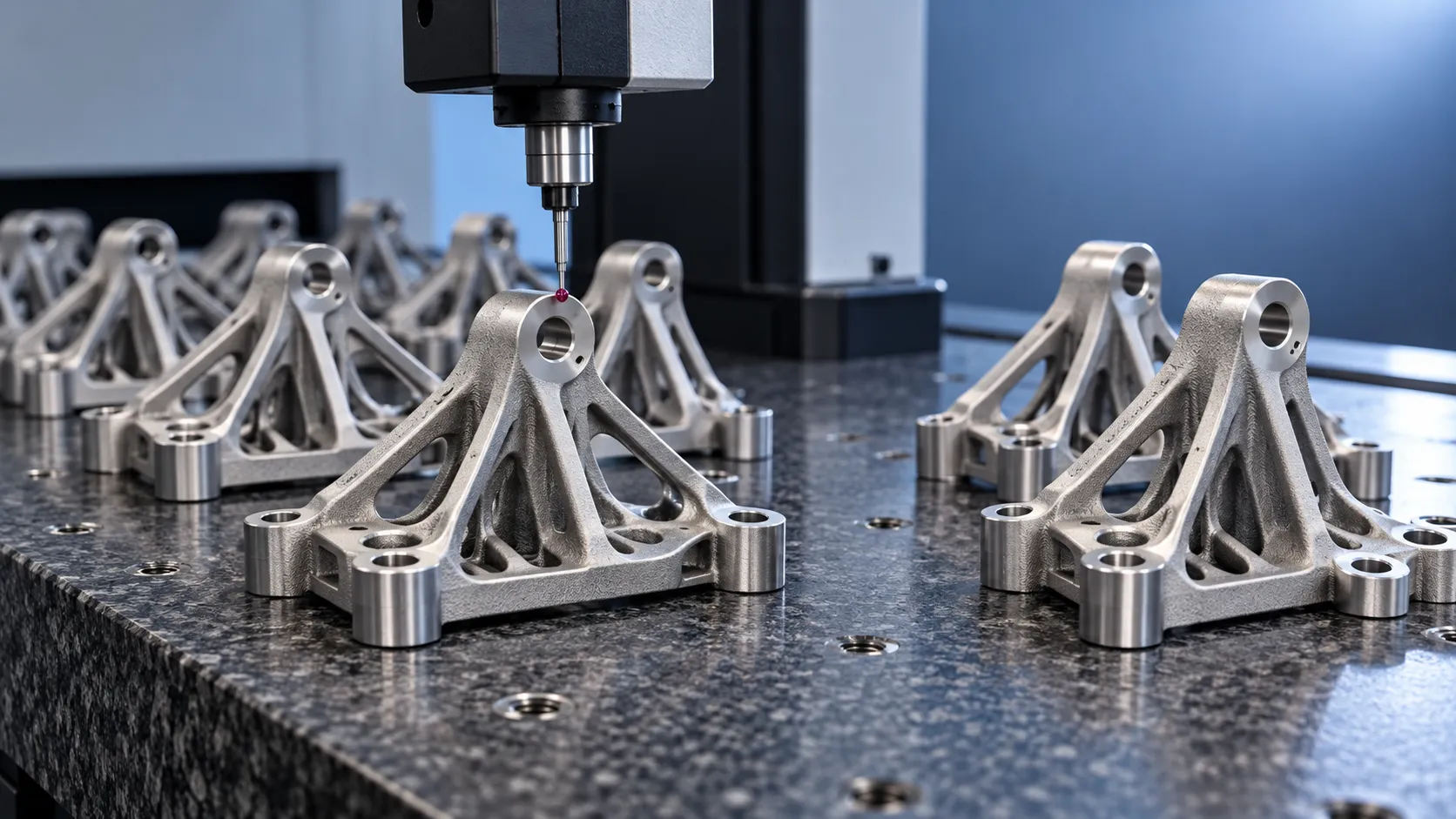
How to verify part consistency before choosing a 3D printing OEM
Choosing a 3D printing OEM? Learn how to verify part consistency with repeat-build trials, validated inspections, and traceability checks before committing to production.
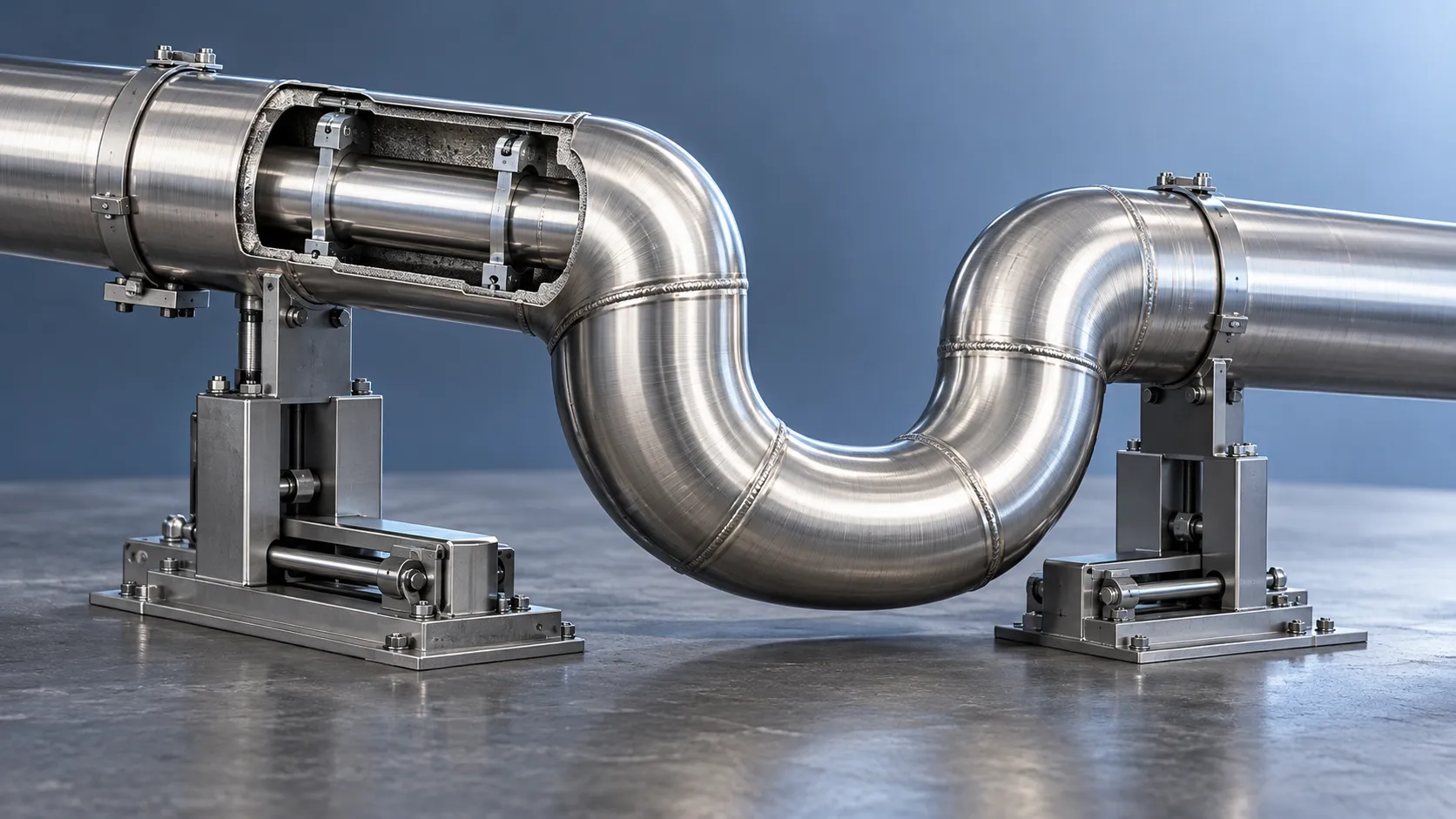
How does a rigid cryogenic transfer line handle thermal contraction?
Learn how a rigid cryogenic transfer line manages thermal contraction with bends, bellows, and guided supports. Discover key design checks for safe, reliable cryogenic performance.
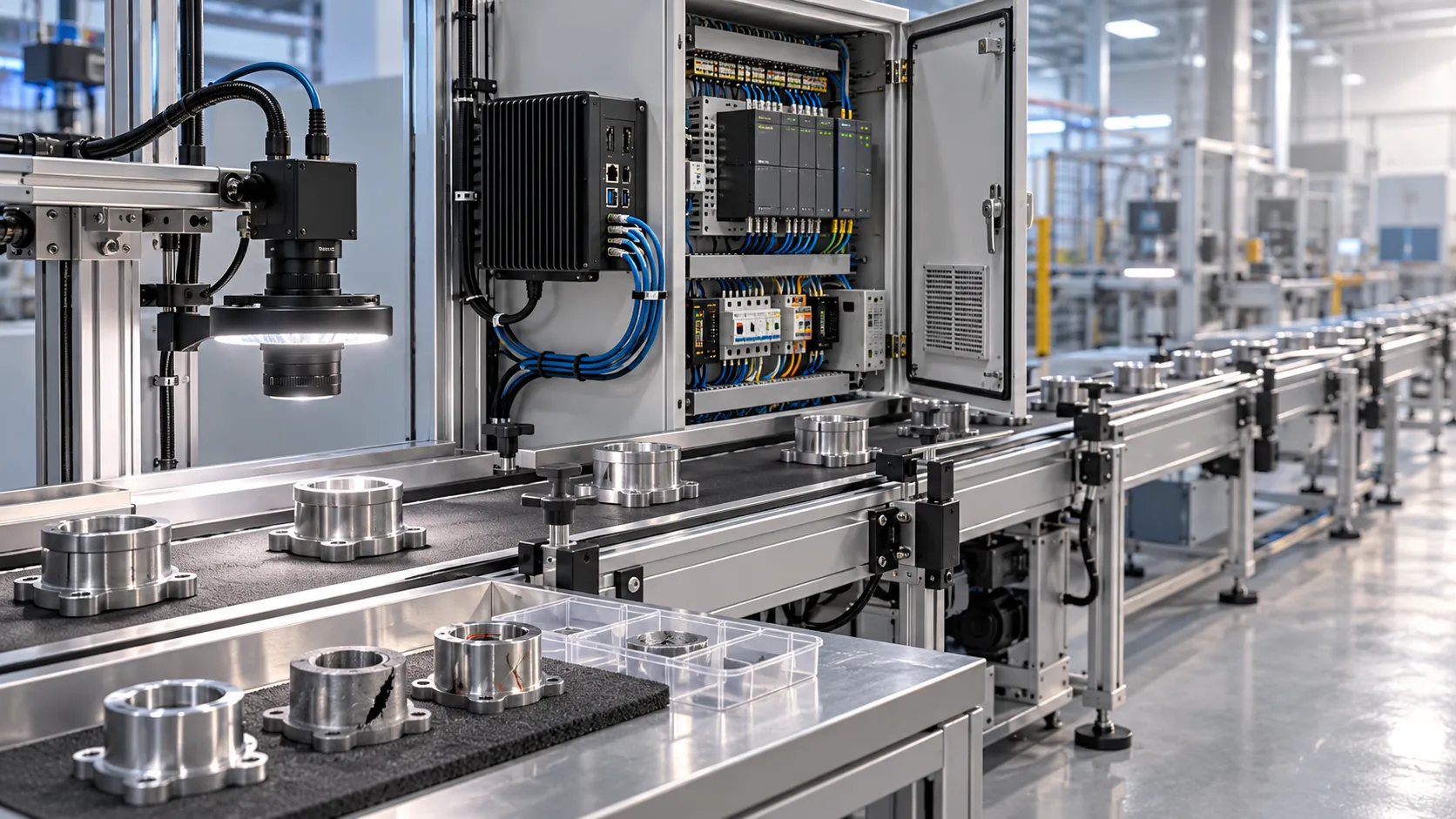
How much does edge vision deployment cost beyond the hardware?
Understand edge vision deployment cost beyond hardware, from data and integration to security and support. Uncover hidden expenses and build a smarter lifecycle budget before you scale.
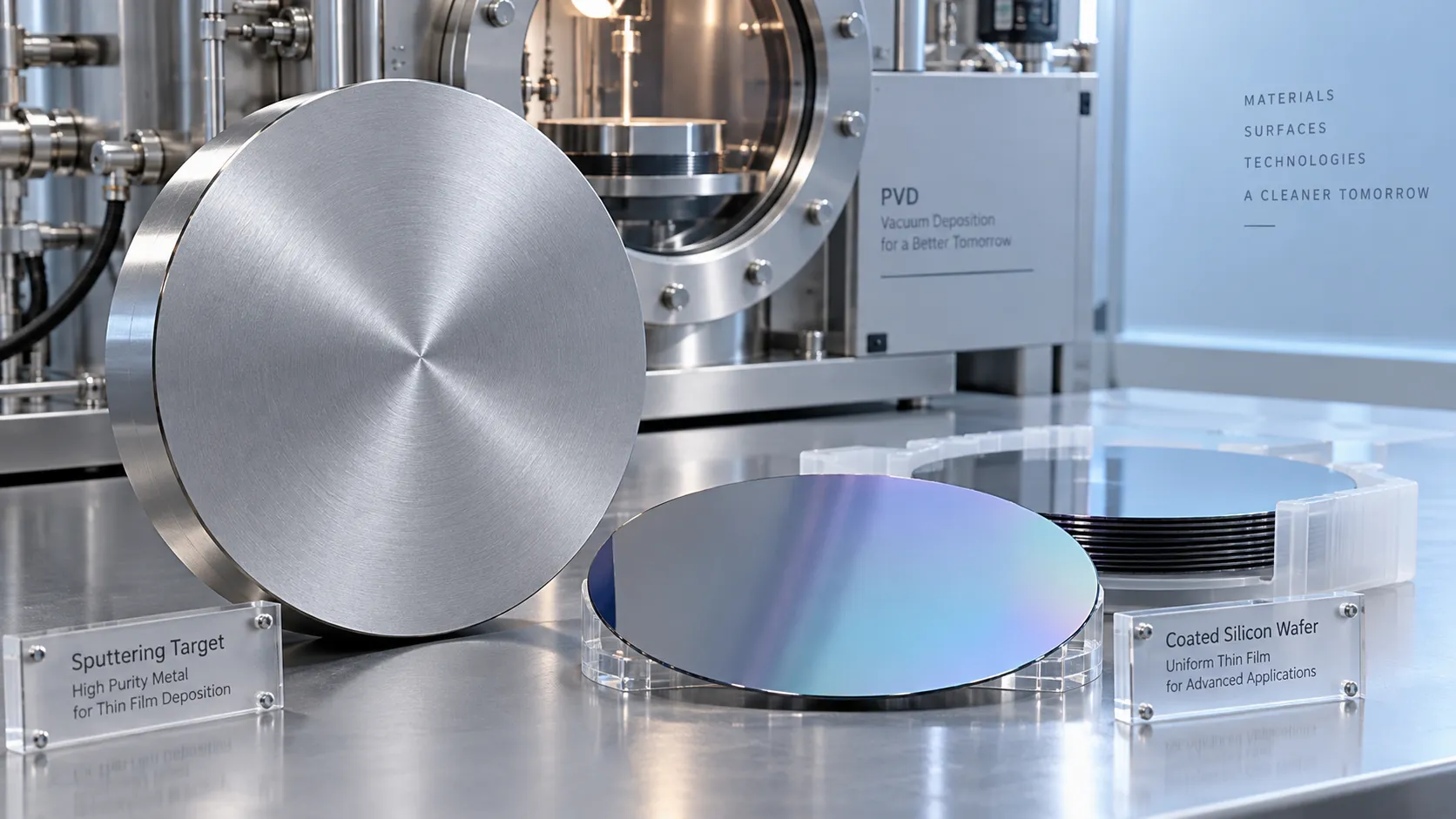
How does the purity of sputtering targets affect thin-film quality?
Discover how sputtering targets affect thin-film quality. Learn to assess purity, identify harmful impurities, and choose specifications that improve coating performance.
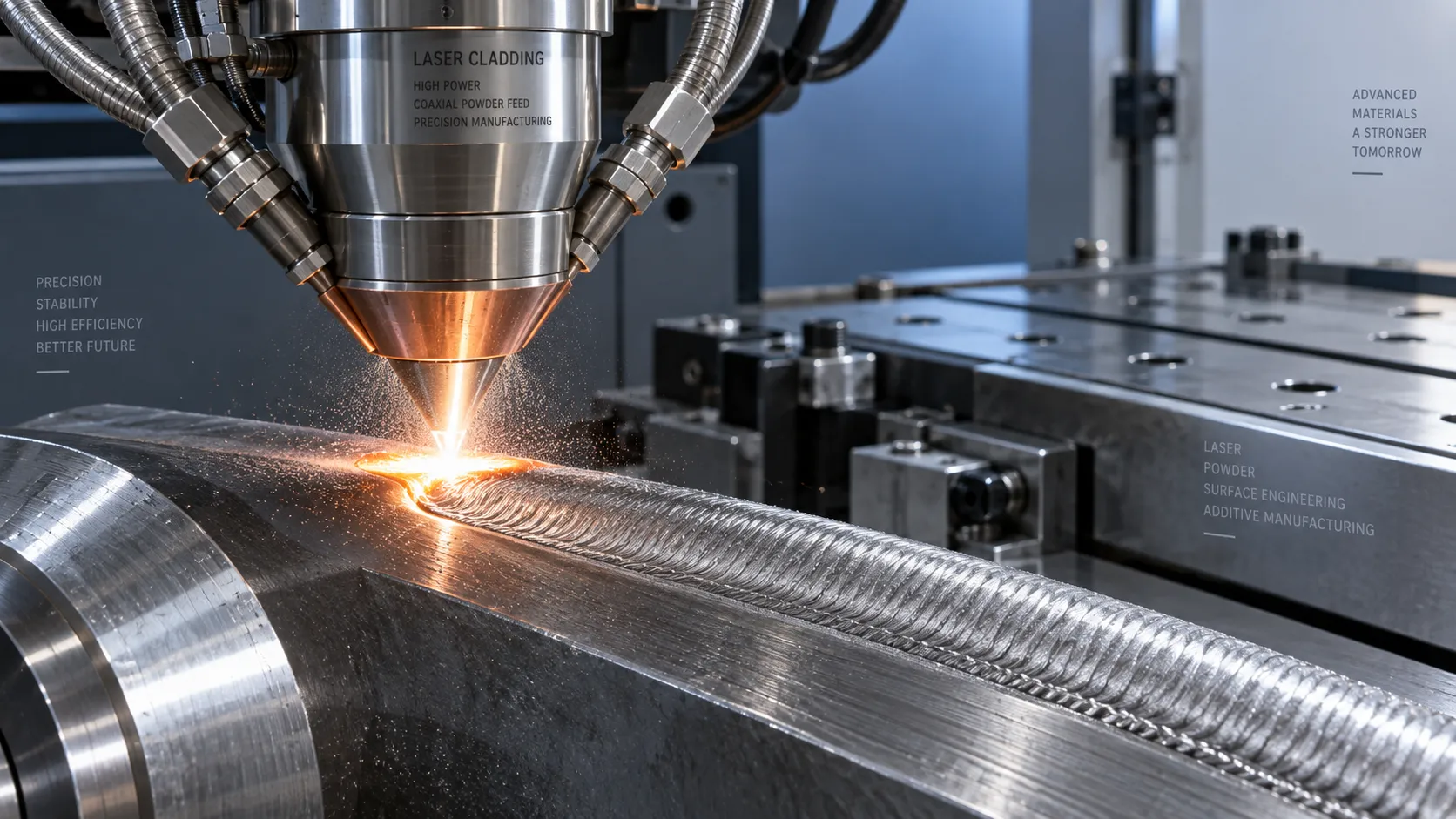
How high power laser cladding systems control substrate dilution
Discover how high power laser cladding systems control substrate dilution through beam shaping, material feed, and thermal management to deliver reliable bonds and coating performance.
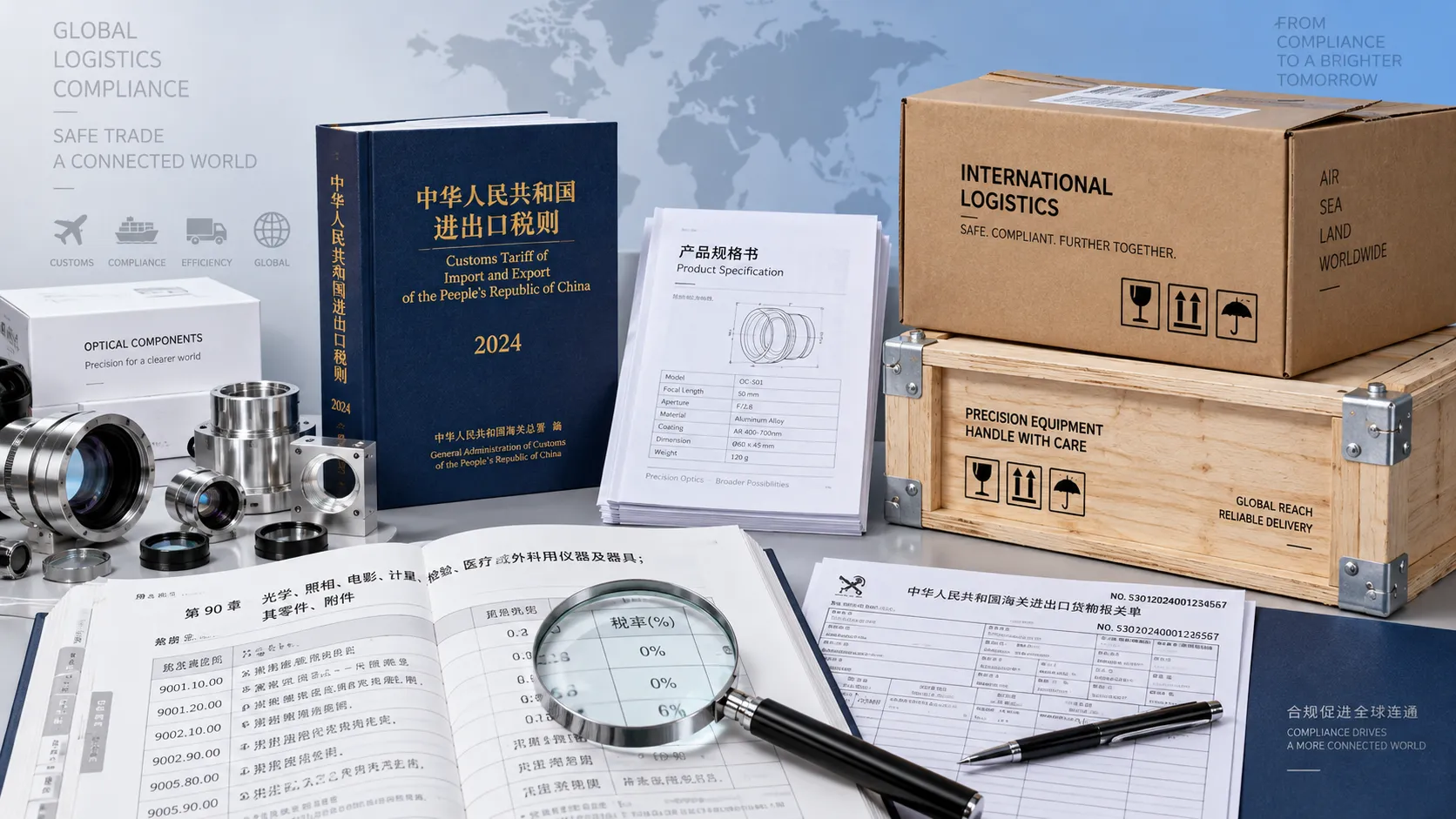
How to check HS codes for customs compliance in international logistics
Strengthen international logistics customs compliance: learn how to verify HS codes, check official tariffs, and document classifications to reduce costly shipment delays.
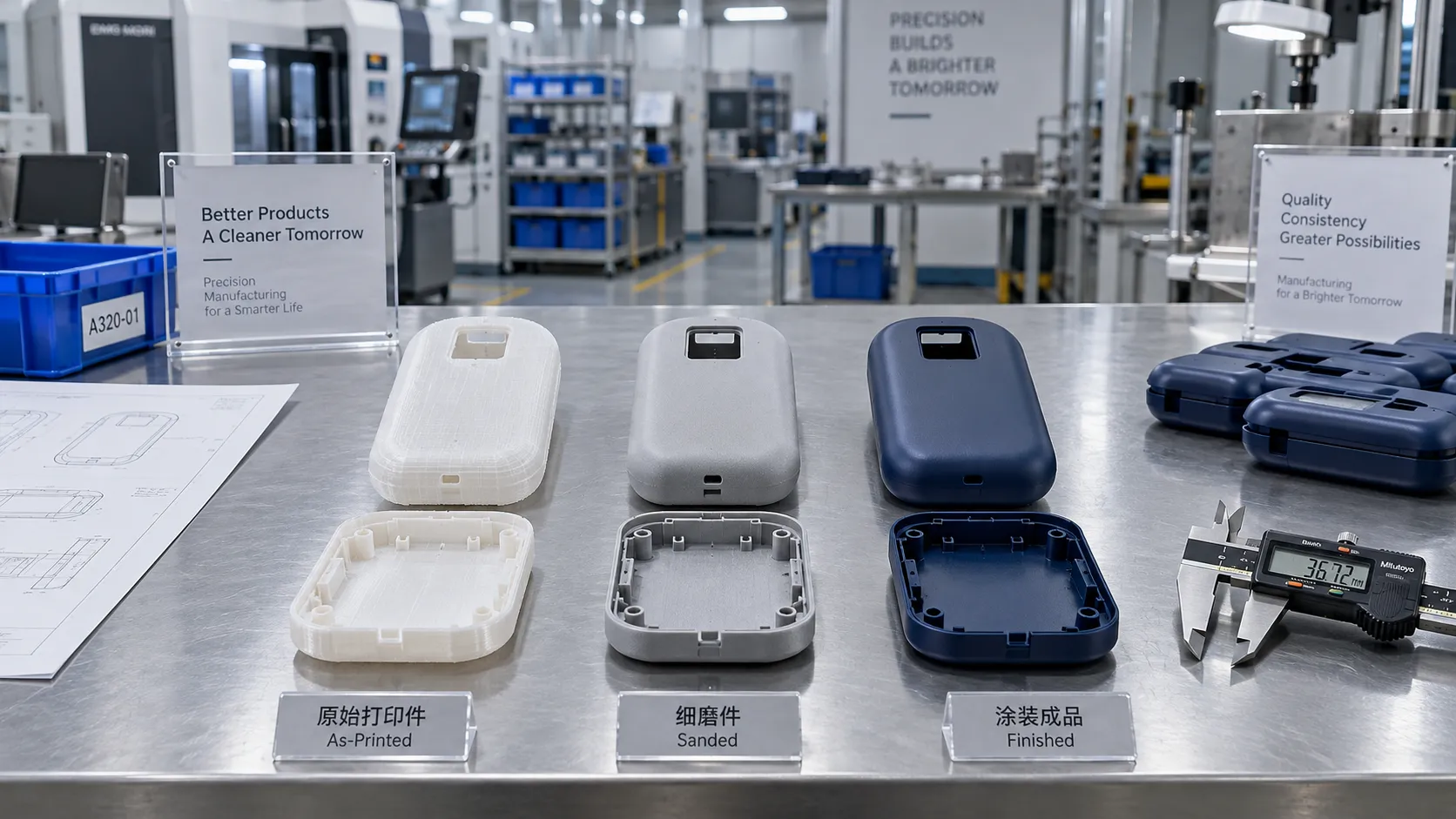
Choosing a 3D Printing Service for Consumer Products: Finish, Fit, and Cost
Compare 3d printing consumer good services by finish, fit, materials, and total cost. Learn how to choose a reliable supplier and avoid costly defects before ordering.
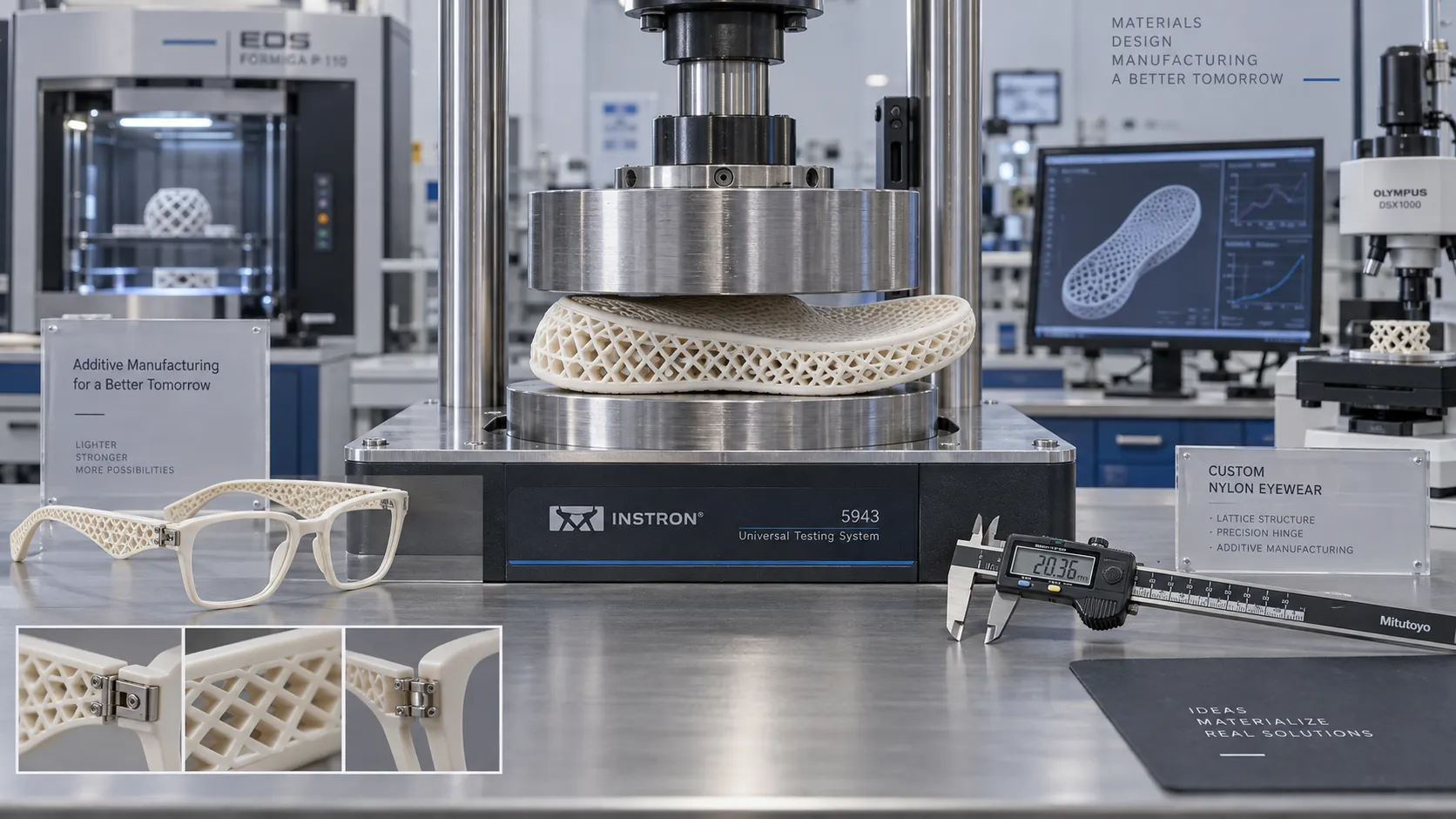
Which Consumer Goods Can Be 3D Printed, and What Are the Practical Limits?
Explore 3d printing consumer goods, from custom eyewear to replacement parts. Discover practical limits on materials, safety, and costs to make smarter production decisions.
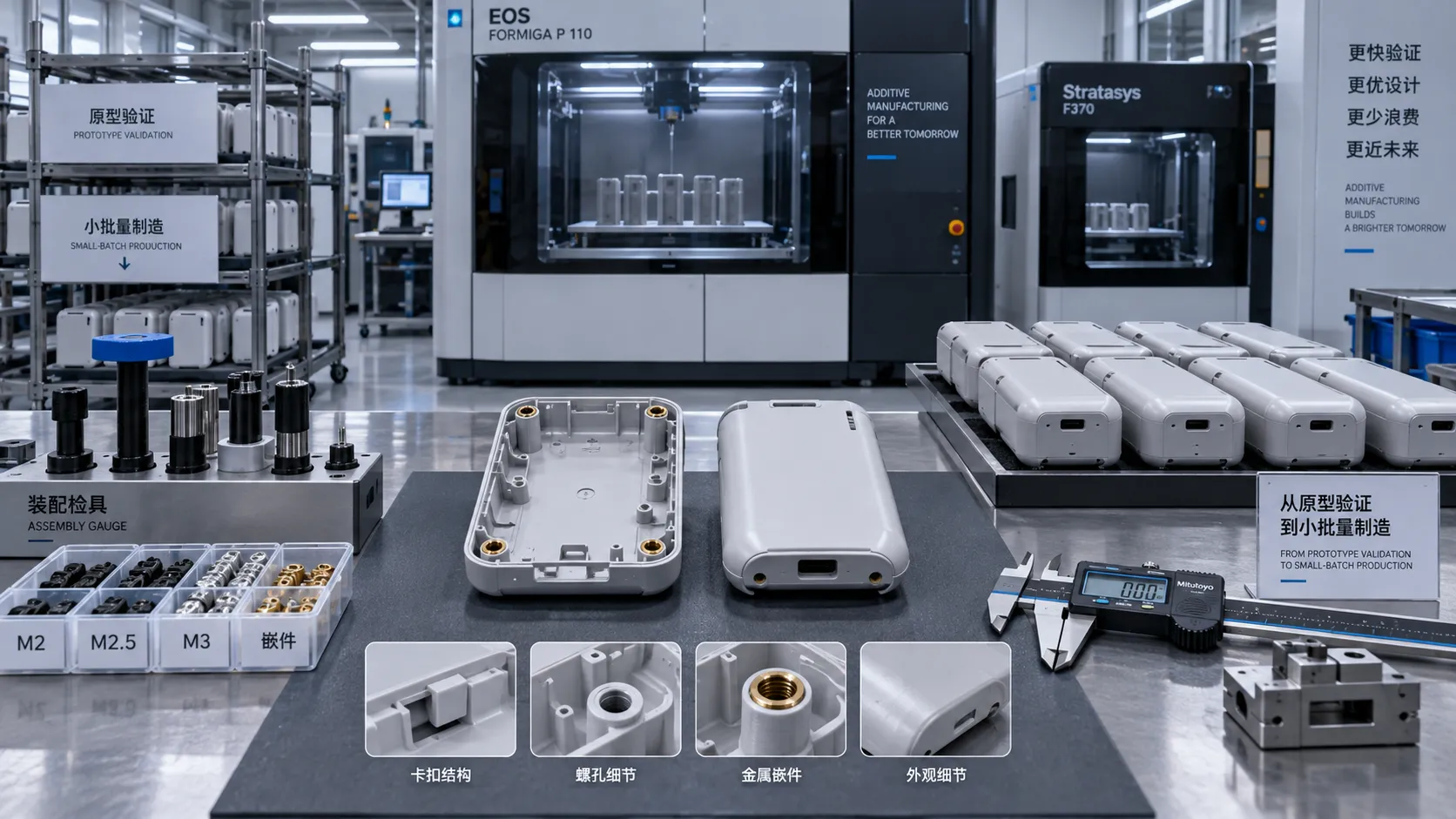
From Prototype to Small Batch: Applying 3D Printing to Consumer Goods
Explore 3d printing in consumer goods: learn how to move from prototype to small-batch production with practical guidance on materials, quality validation, and cost control.
Related News
- 00
0000-00
How to verify part consistency before choosing a 3D printing OEM - 00
0000-00
How does a rigid cryogenic transfer line handle thermal contraction? - 00
0000-00
How much does edge vision deployment cost beyond the hardware? - 00
0000-00
How does the purity of sputtering targets affect thin-film quality? - 00
0000-00
How high power laser cladding systems control substrate dilution
Marcus Print
Weekly Insights
Stay ahead with our curated technology reports delivered every Monday.