
Semiconductor Manufacturing Solutions: What to Compare First


Semiconductor Manufacturing Solutions: What to Compare First
Choosing among Semiconductor Manufacturing Solutions starts with the factors that most affect yield, compliance, scalability, and long-term cost.
In practice, the first comparison should never be price alone.
The better starting point is operational fit.
That means checking whether a solution can hold process stability, support cleanroom discipline, and meet roadmap demands without creating hidden risk.
The semiconductor sector moves fast, but qualification cycles remain unforgiving.
A weak sourcing decision can lock in downtime, scrap, and compliance trouble for years.
This is why smart evaluation of Semiconductor Manufacturing Solutions begins with a clear comparison framework, not a vendor brochure.
Start with Process Requirements, Not Product Claims
Every semiconductor plant has different priorities.
Some lines need high-throughput wafer handling.
Others care more about ultra-tight contamination control or advanced inspection repeatability.
Before comparing Semiconductor Manufacturing Solutions, define the process window that matters most.
- Critical process steps affected by the solution
- Required tolerances and repeatability levels
- Expected throughput by lot, shift, or month
- Target yield thresholds and acceptable deviation bands
- Compatibility with current MES, automation, and metrology tools
This first step removes a common problem.
Many suppliers present strong peak performance numbers that look impressive but do not reflect real fab conditions.
When Semiconductor Manufacturing Solutions are measured against actual process constraints, weak options usually drop out early.
Compare Yield Impact Before Capital Cost
Cost still matters, of course.
But in semiconductor manufacturing, yield usually outweighs initial purchase price.
A lower-cost system that introduces small process drift can become the more expensive choice very quickly.
That is why Semiconductor Manufacturing Solutions should be compared on yield sensitivity first.
Key yield-related questions
- How does the tool perform under sustained production loads?
- What defect modes appear most often during normal operation?
- How stable are calibration intervals?
- What is the variance between demo data and installed site data?
- How quickly can drift be detected and corrected?
Recent market behavior makes this even more important.
As nodes tighten and packaging grows more complex, small process losses become harder to absorb.
So when comparing Semiconductor Manufacturing Solutions, ask how each option protects yield under real production stress.
Benchmark Technical Stability and Repeatability
Technical benchmarking should come early, not late.
Reliable Semiconductor Manufacturing Solutions must show repeatable performance across shifts, operators, material batches, and maintenance cycles.
This is where standardized engineering data becomes valuable.
Benchmarking against ISO, SEMI, IEEE, and ASTM references can reveal whether a system is genuinely production-ready.
If two Semiconductor Manufacturing Solutions look similar on paper, repeatability data often reveals the better long-term fit.
Check Supplier Reliability as Closely as Tool Performance
A strong machine from a weak supplier creates operational exposure.
This point is often underestimated during early selection.
Semiconductor Manufacturing Solutions should be judged by supplier maturity, field support depth, and long-term roadmap credibility.
In real operations, service response time can matter as much as raw specification.
Supplier due diligence checklist
- Installed base in comparable fabs or advanced packaging lines
- Documented uptime performance at customer sites
- Regional service engineering capacity
- Lead times for critical spare parts and consumables
- Software update policy and cybersecurity discipline
- Financial stability and export control resilience
This also reflects a broader market shift.
Procurement teams are no longer buying only equipment.
They are buying operational continuity, service certainty, and a realistic path for future node or packaging upgrades.
Verify Compliance, Traceability, and Risk Alignment
Compliance should be checked early in the process.
Waiting until contract review usually slows everything down.
For Semiconductor Manufacturing Solutions, compliance is broader than product safety alone.
It includes documentation quality, material traceability, data integrity, environmental control, and regulatory alignment across jurisdictions.
The signal is even clearer now because export controls and supplier screening rules continue to evolve.
That means selection teams should review risk in parallel with performance.
- Confirm required standards, certifications, and validation records.
- Review traceability from component level to process output.
- Assess data logging, retention, and audit readiness.
- Map export control exposure and sourcing dependency.
- Check whether the supplier can support future regulatory changes.
This approach helps Semiconductor Manufacturing Solutions stay viable beyond the initial installation phase.
Measure Scalability Across the Full Production Roadmap
A solution that fits today may fail tomorrow.
This is especially true when demand forecasts, product mix, or packaging complexity are changing quickly.
When screening Semiconductor Manufacturing Solutions, scalability should cover more than volume expansion.
It should also include process flexibility, automation readiness, and integration with future inspection or material platforms.
What scalable solutions usually show
- Modular architecture for phased capacity growth
- Software support for recipe expansion and analytics upgrades
- Interoperability with robotics and smart factory layers
- Stable performance across different wafer types or package formats
- Reasonable utility demand as production scales
In actual sourcing projects, this comparison prevents a common trap.
A system may be technically excellent today, yet expensive to expand, requalify, or integrate later.
Use Total Cost of Ownership as the Final Filter
Once technical fit is clear, total cost becomes the final filter.
This is the point where Semiconductor Manufacturing Solutions should be compared across their real operating life.
A proper cost model includes more than acquisition price.
- Qualification and installation costs
- Utilities, consumables, and preventive maintenance
- Expected downtime and service response exposure
- Operator training and engineering support demand
- Upgrade cost over the planned production horizon
- Yield loss sensitivity under off-nominal conditions
This is where strong evaluation teams often gain an advantage.
They compare Semiconductor Manufacturing Solutions not only by quote value, but by cost per stable, compliant, repeatable output.
That framing leads to better decisions and fewer surprises after deployment.
A Practical Decision Sequence
For most sourcing teams, the most practical order is simple.
- Define process-critical requirements and failure limits.
- Shortlist Semiconductor Manufacturing Solutions by yield protection potential.
- Validate repeatability, uptime, and integration performance.
- Assess supplier reliability, service depth, and compliance readiness.
- Test scalability against roadmap needs.
- Use total cost of ownership to make the final choice.
This sequence keeps the evaluation grounded in business reality.
It also helps avoid decisions driven by marketing language, short-term discounts, or incomplete benchmarks.
When Semiconductor Manufacturing Solutions are compared in this order, selection becomes clearer, risk becomes more visible, and the final investment is far more likely to support stable growth.
Related News
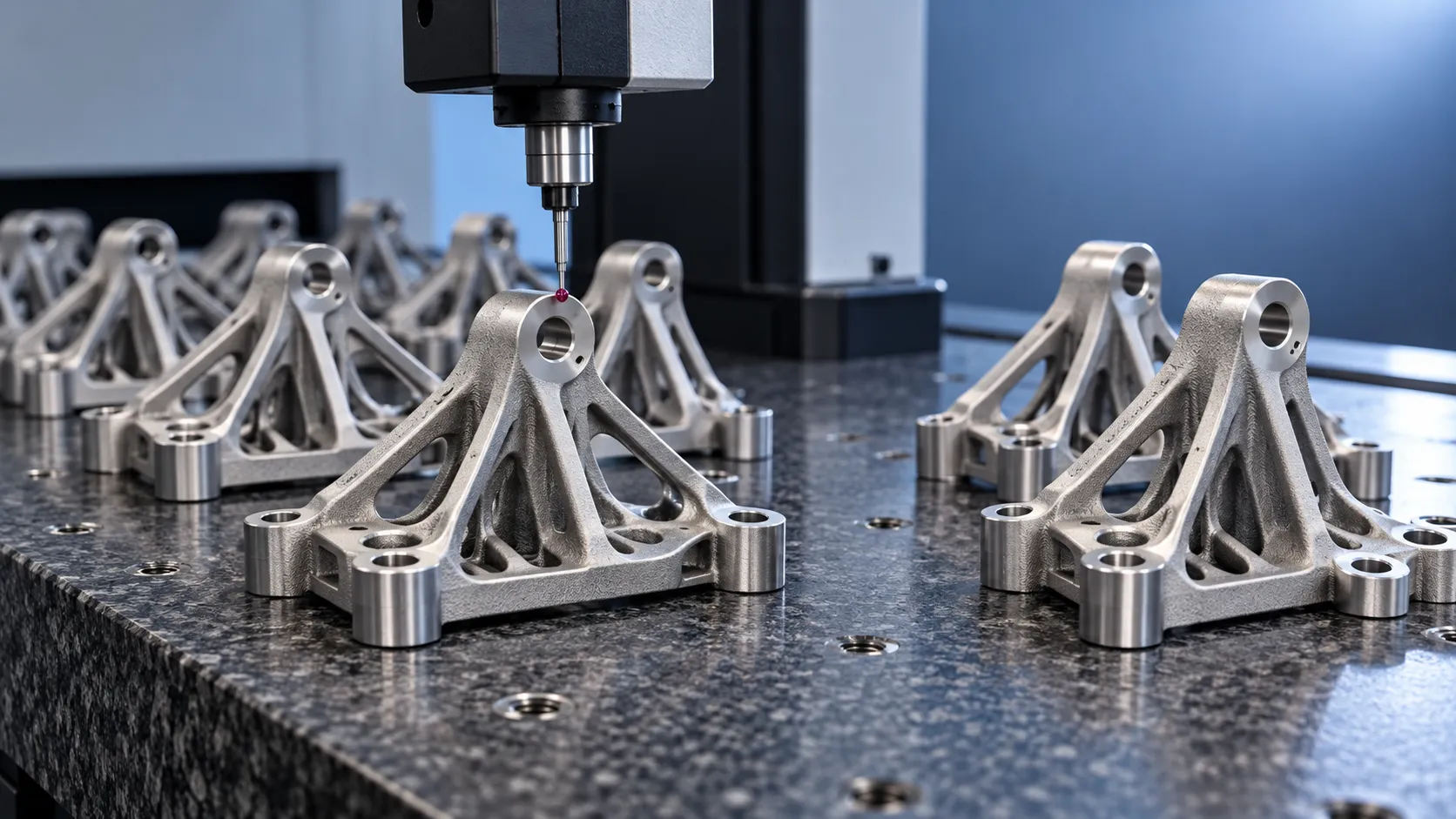
How to verify part consistency before choosing a 3D printing OEM
Choosing a 3D printing OEM? Learn how to verify part consistency with repeat-build trials, validated inspections, and traceability checks before committing to production.
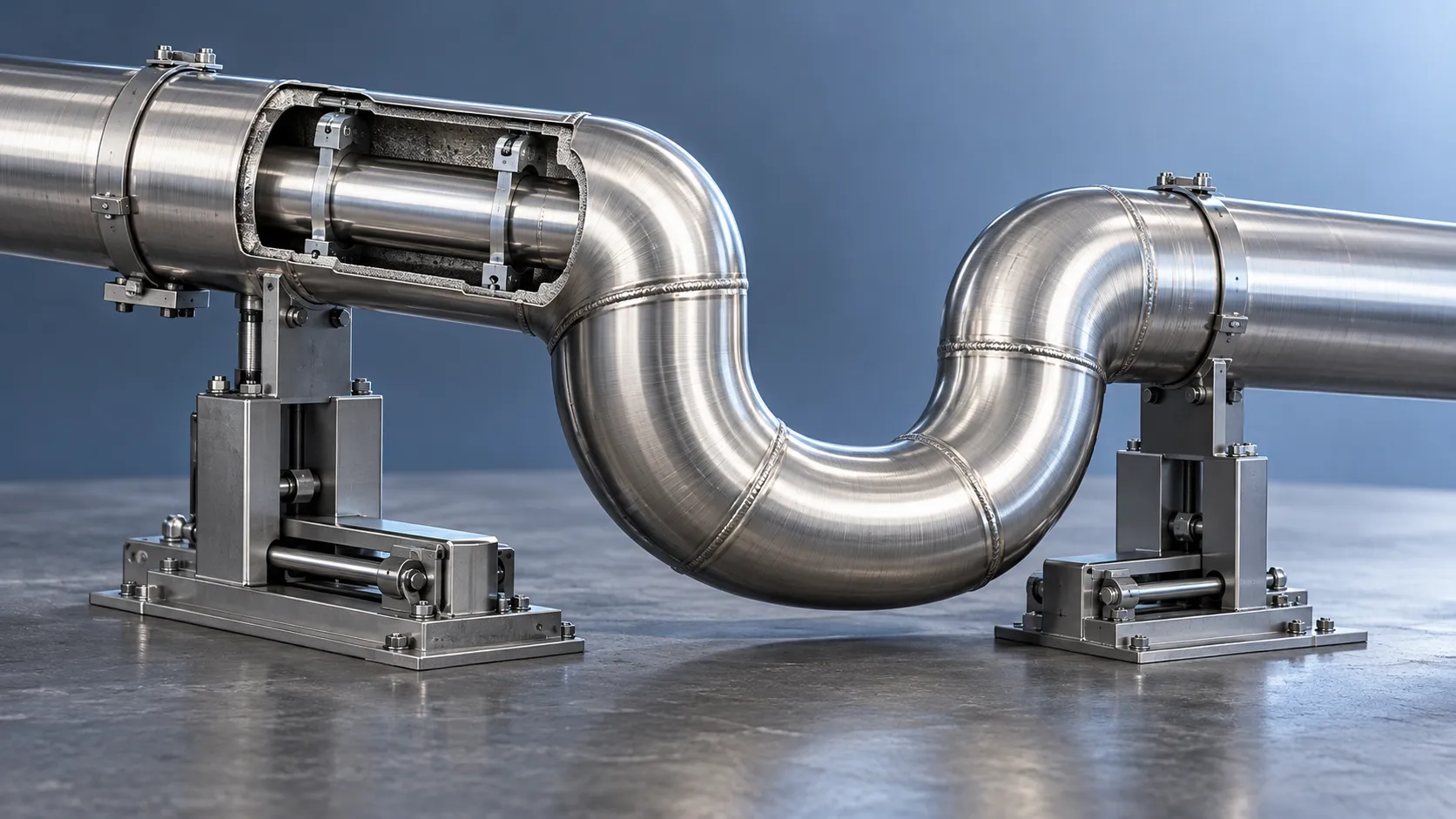
How does a rigid cryogenic transfer line handle thermal contraction?
Learn how a rigid cryogenic transfer line manages thermal contraction with bends, bellows, and guided supports. Discover key design checks for safe, reliable cryogenic performance.
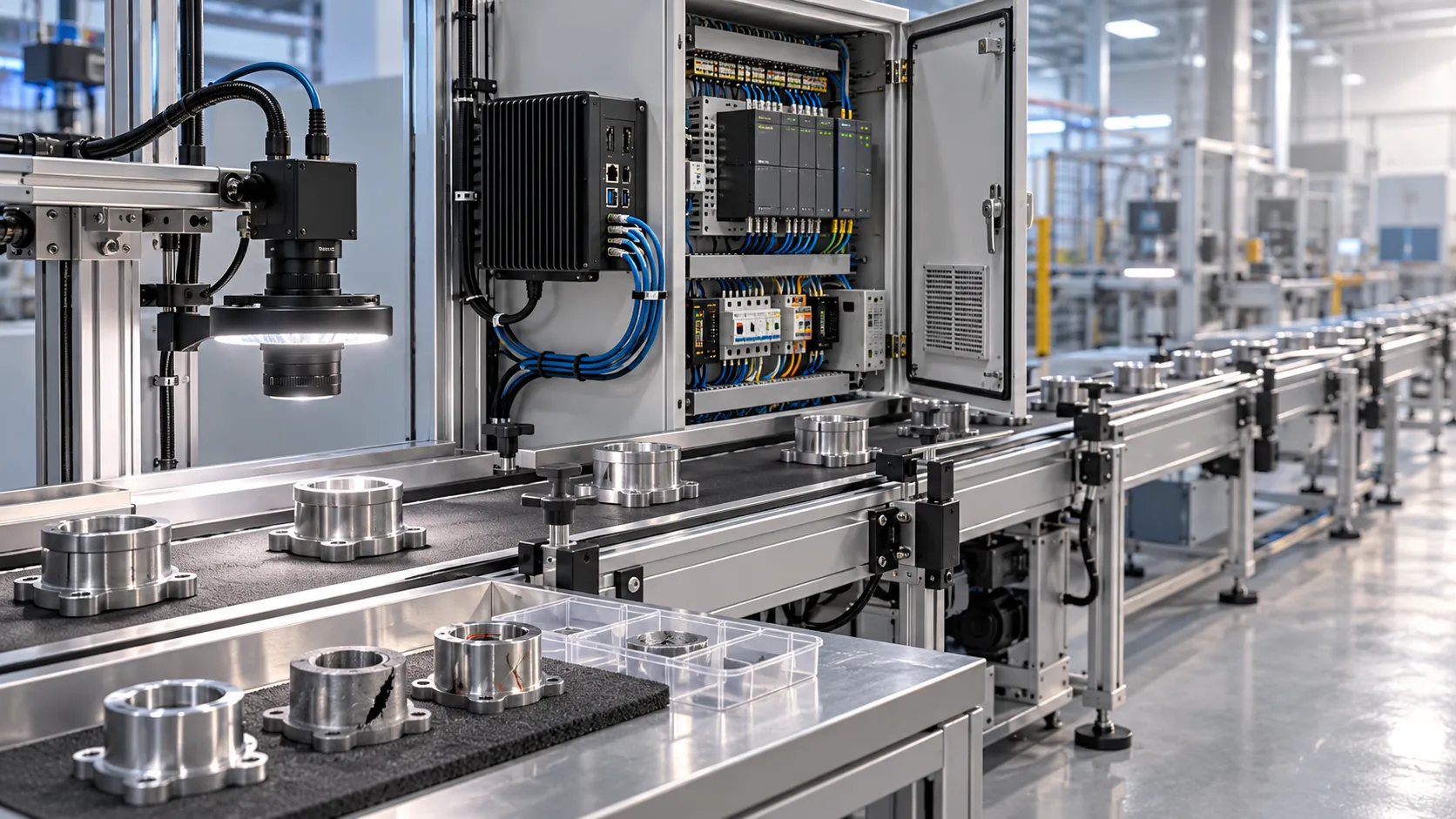
How much does edge vision deployment cost beyond the hardware?
Understand edge vision deployment cost beyond hardware, from data and integration to security and support. Uncover hidden expenses and build a smarter lifecycle budget before you scale.
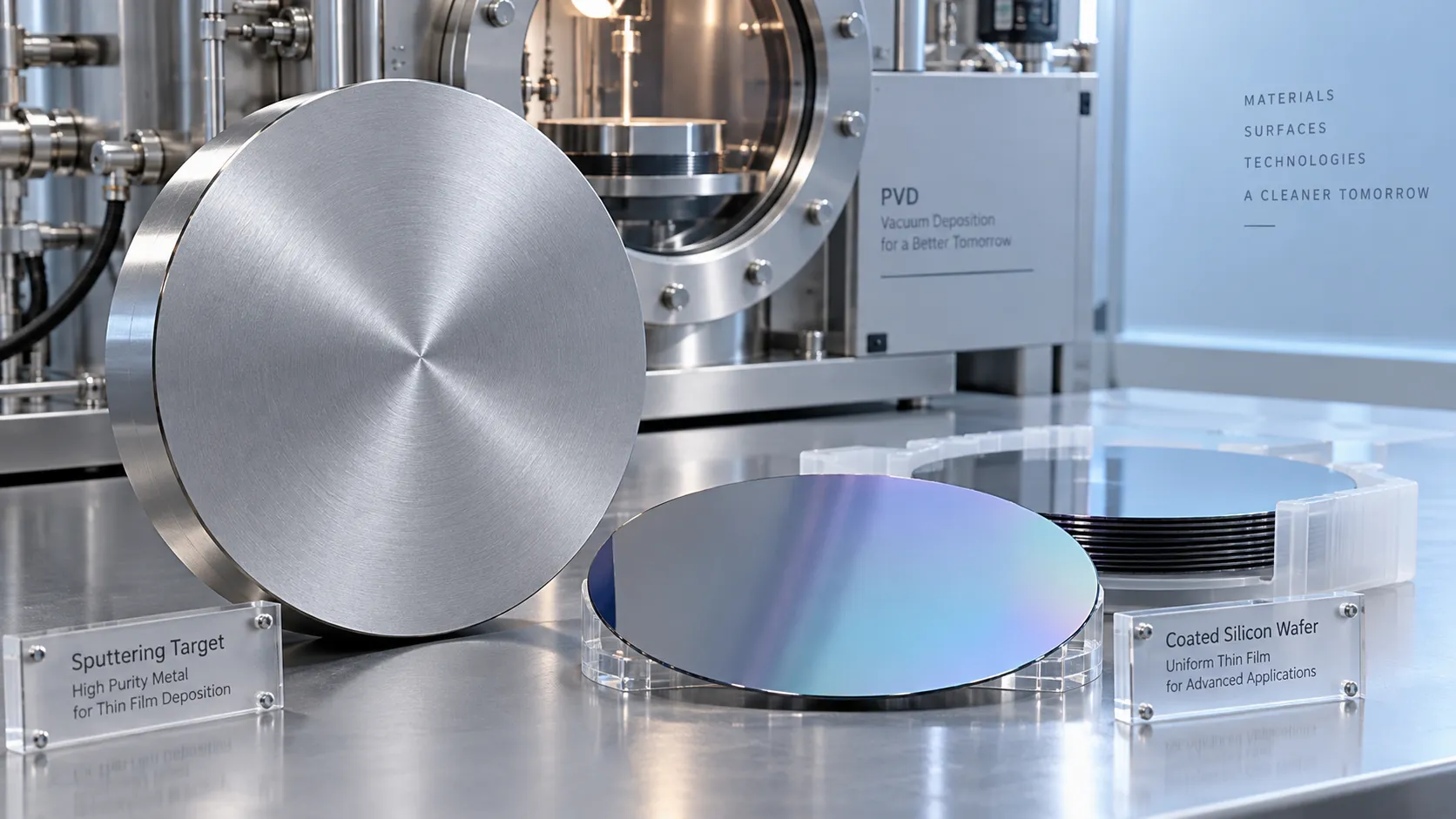
How does the purity of sputtering targets affect thin-film quality?
Discover how sputtering targets affect thin-film quality. Learn to assess purity, identify harmful impurities, and choose specifications that improve coating performance.
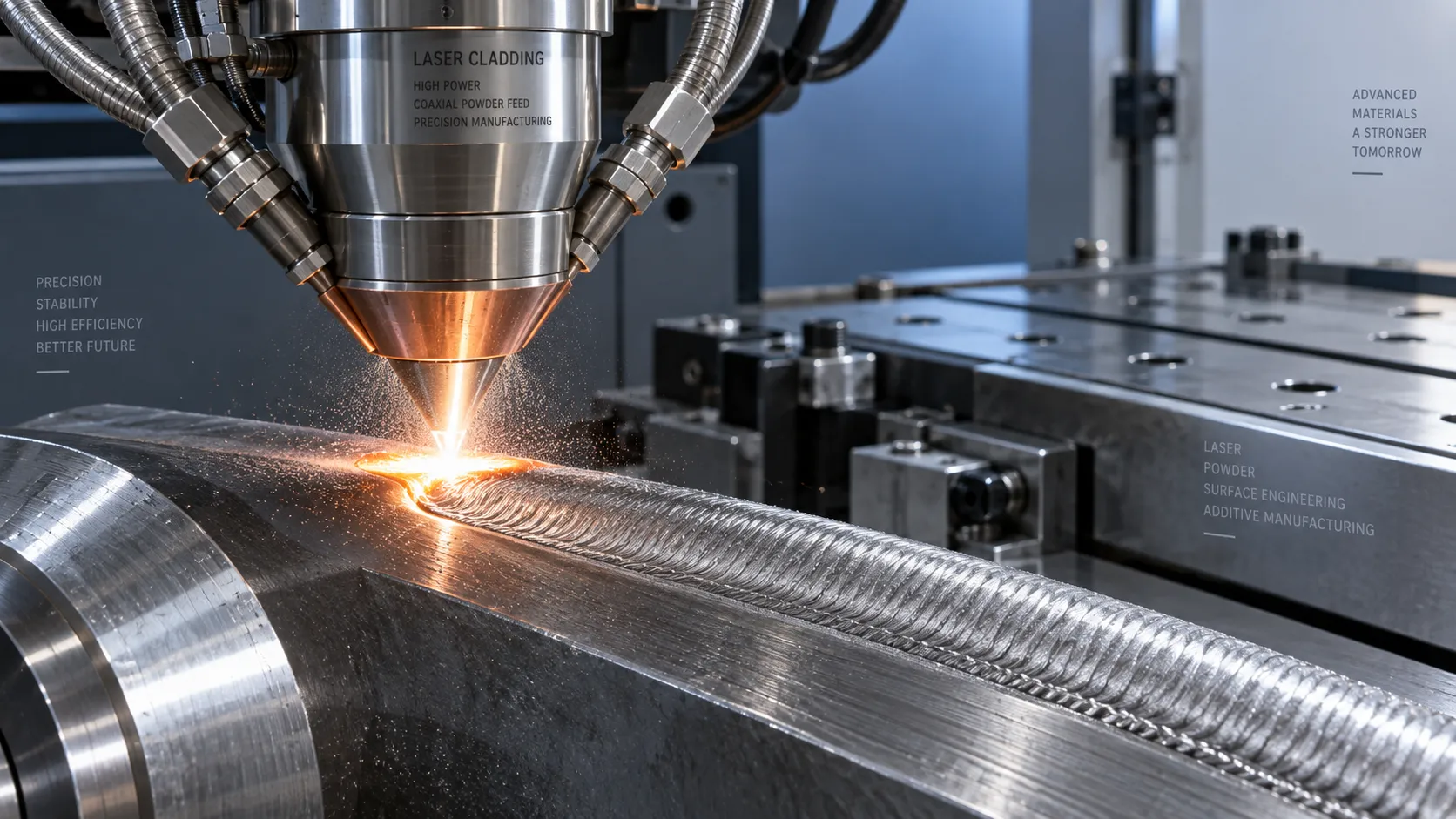
How high power laser cladding systems control substrate dilution
Discover how high power laser cladding systems control substrate dilution through beam shaping, material feed, and thermal management to deliver reliable bonds and coating performance.
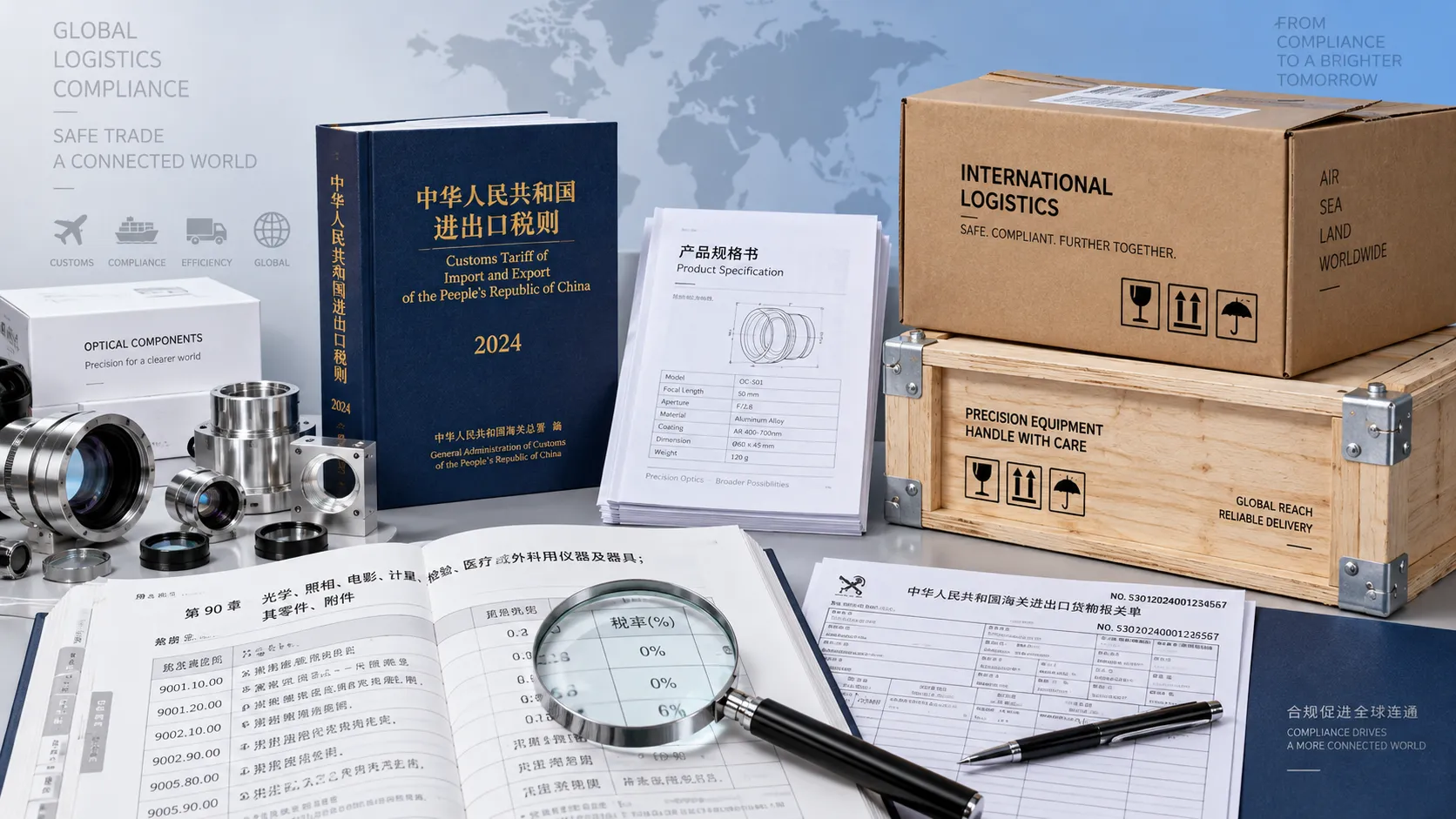
How to check HS codes for customs compliance in international logistics
Strengthen international logistics customs compliance: learn how to verify HS codes, check official tariffs, and document classifications to reduce costly shipment delays.
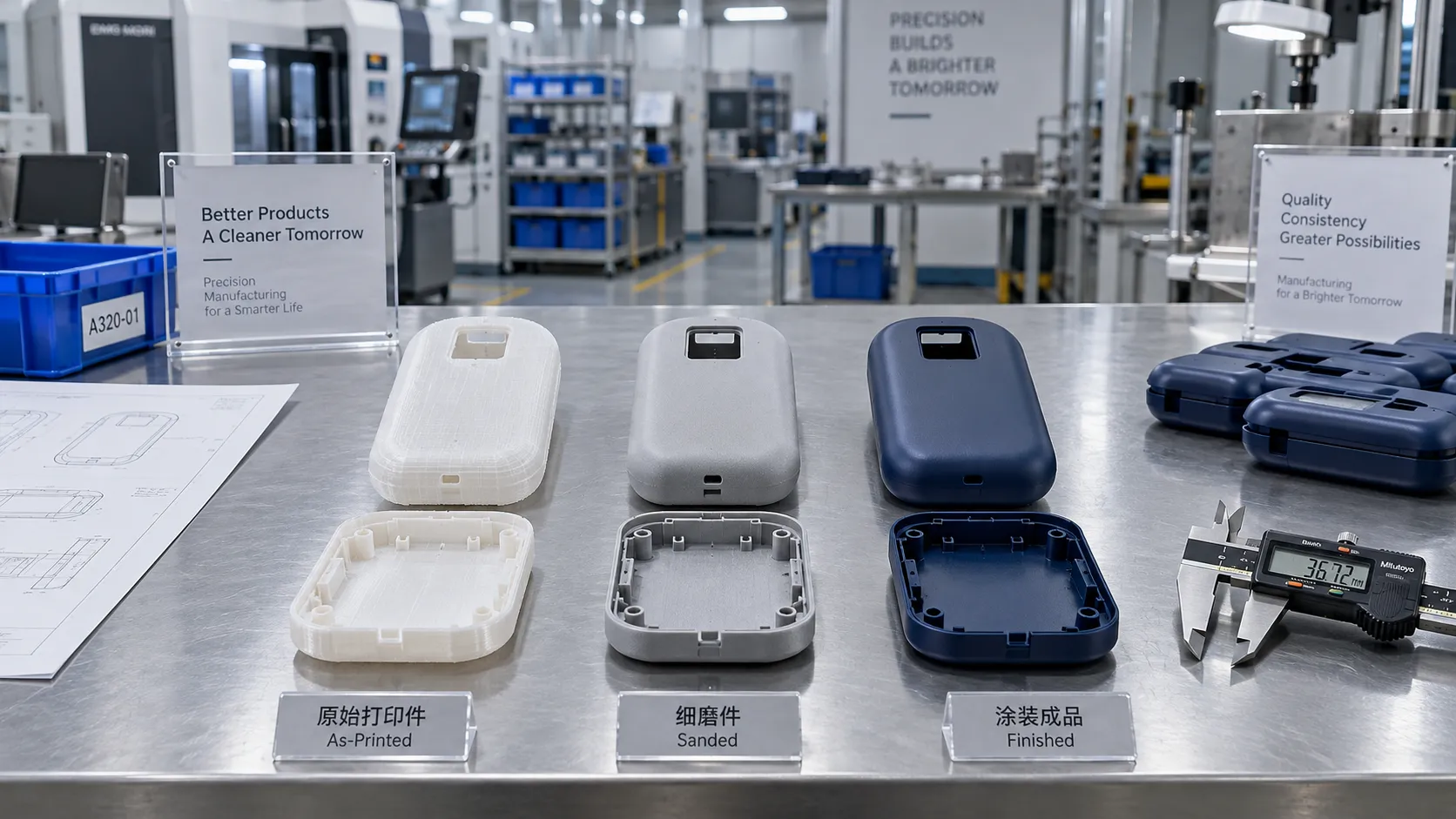
Choosing a 3D Printing Service for Consumer Products: Finish, Fit, and Cost
Compare 3d printing consumer good services by finish, fit, materials, and total cost. Learn how to choose a reliable supplier and avoid costly defects before ordering.
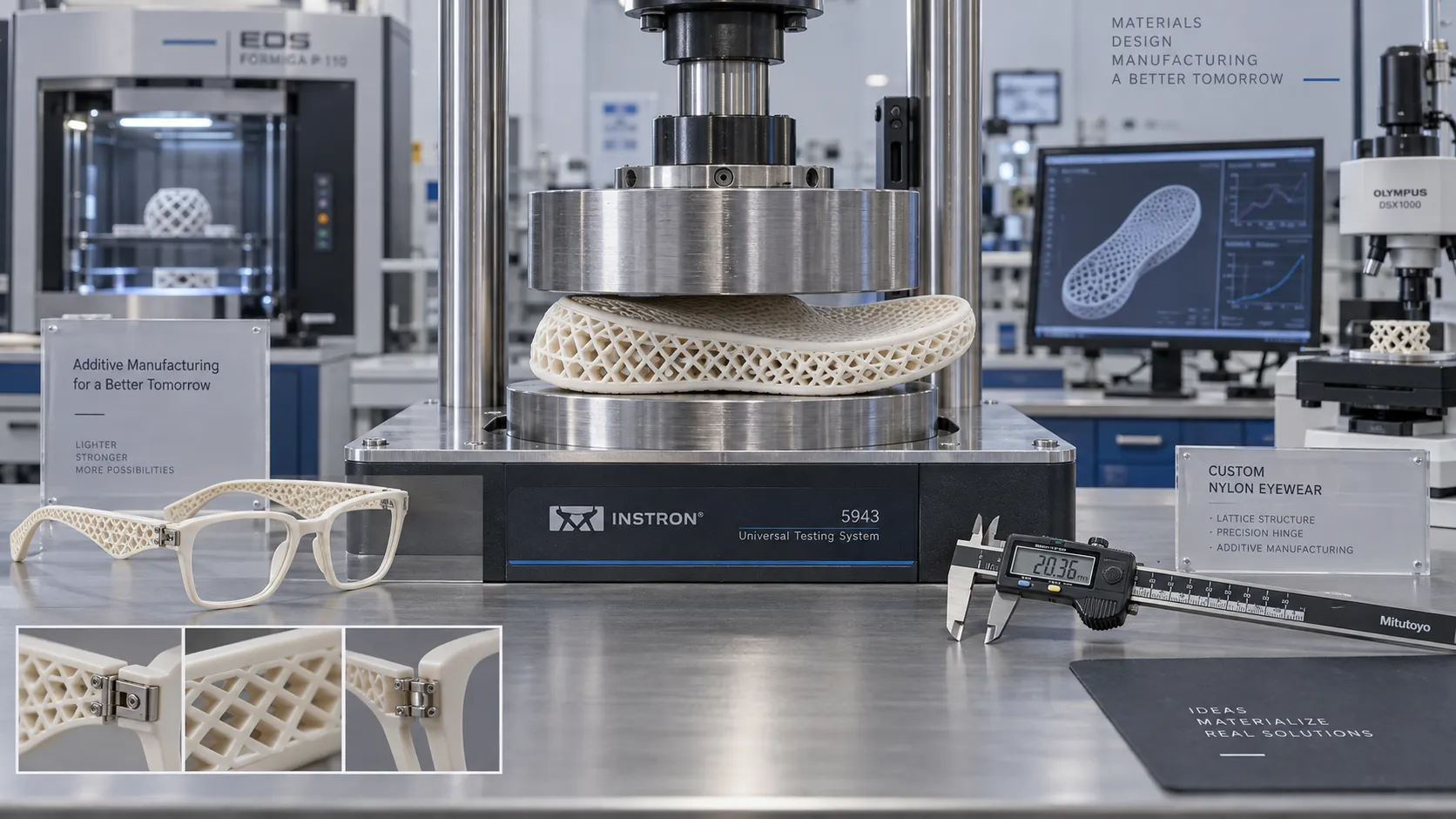
Which Consumer Goods Can Be 3D Printed, and What Are the Practical Limits?
Explore 3d printing consumer goods, from custom eyewear to replacement parts. Discover practical limits on materials, safety, and costs to make smarter production decisions.
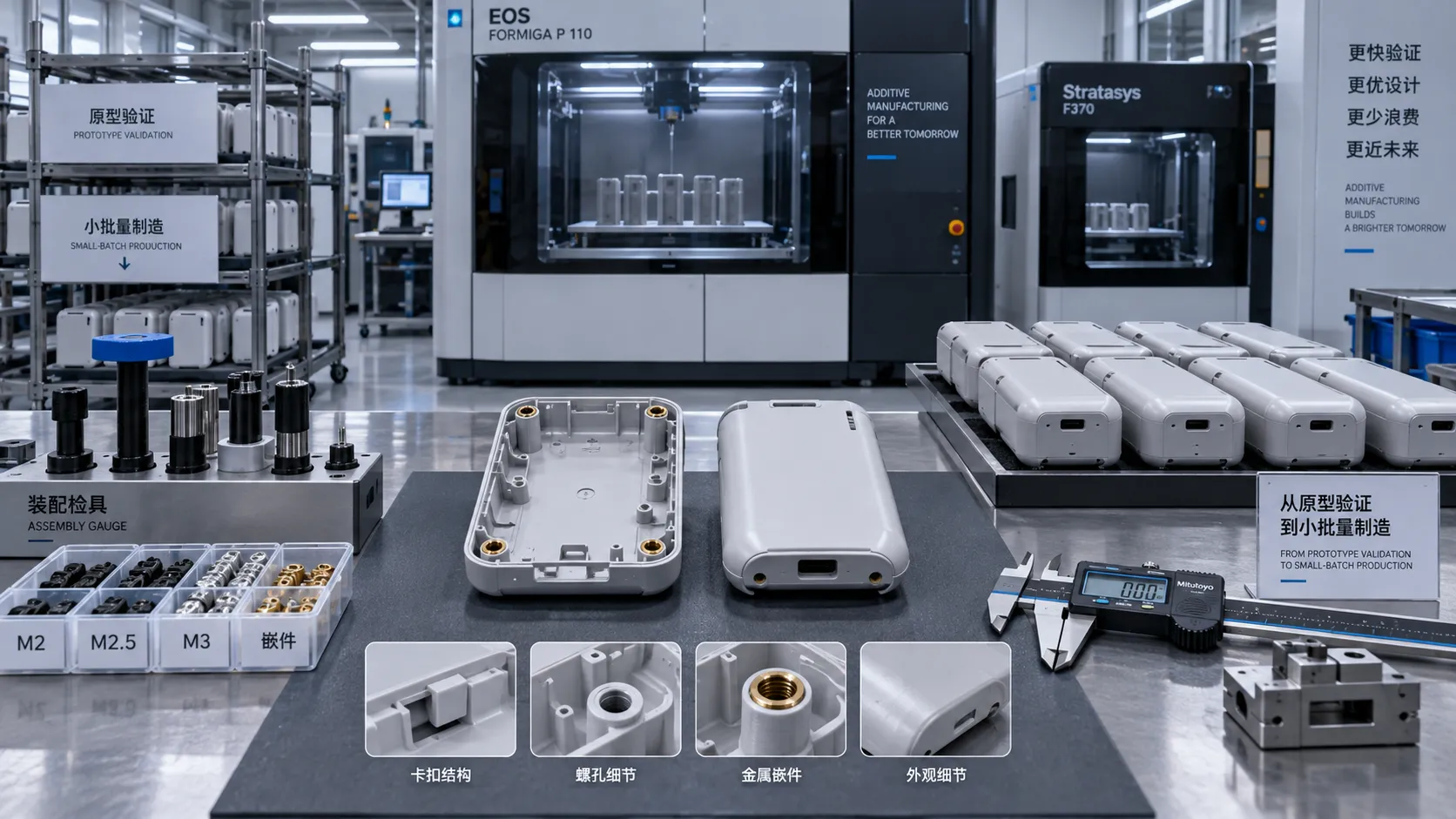
From Prototype to Small Batch: Applying 3D Printing to Consumer Goods
Explore 3d printing in consumer goods: learn how to move from prototype to small-batch production with practical guidance on materials, quality validation, and cost control.
Related News
- 00
0000-00
How to verify part consistency before choosing a 3D printing OEM - 00
0000-00
How does a rigid cryogenic transfer line handle thermal contraction? - 00
0000-00
How much does edge vision deployment cost beyond the hardware? - 00
0000-00
How does the purity of sputtering targets affect thin-film quality? - 00
0000-00
How high power laser cladding systems control substrate dilution
Dr. Hideo Tanaka
Weekly Insights
Stay ahead with our curated technology reports delivered every Monday.