
Distributors Guide to High-Margin Smart Camera Lines


High-margin smart camera lines have moved from niche automation tools to strategic channel products. For distributors operating in industrial markets, they combine hardware value, software attach rates, and recurring integration demand in a way that few conventional components can match.
That shift matters because inspection, traceability, and process visibility are no longer optional in advanced production. Smart cameras now sit at the intersection of machine vision, AI-enabled quality control, and factory data capture, making them commercially attractive and technically influential.
In the context of G-AIT, this category is especially relevant. Its focus on machine vision, optical inspection, benchmarking, and regulatory foresight reflects how buyers increasingly judge camera platforms by verified performance, standards alignment, and long-term deployment reliability.
What makes a smart camera line commercially different
A smart camera is more than an image sensor in a protective housing. It typically combines optics, onboard processing, embedded vision tools, communication interfaces, and software for decision-making at the edge.
For distributors, that matters because margin is not created by the camera alone. It comes from the surrounding stack: lenses, lighting, enclosures, connectors, licenses, setup support, and application-specific configuration.
Simple camera products often face price compression quickly. Smart camera lines resist that pressure better when they solve a measurable inspection problem, reduce engineering time, or fit regulated production environments where reliability matters more than headline price.
Why the category is getting more attention
Several forces are pushing smart cameras higher on the priority list. Labor variability has increased interest in automated inspection. Product complexity has raised tolerance requirements. AI inference at the edge has also become more practical.
At the same time, manufacturers want faster deployment. They do not always want a full PC-based vision architecture for every station. Compact smart camera systems can shorten installation cycles and simplify maintenance.
Export controls, certification expectations, and supply chain resilience also shape buying decisions. This is where a data-driven perspective matters. G-AIT’s emphasis on ISO, SEMI, IEEE, and ASTM-aligned benchmarking mirrors how serious buyers now filter vendors and channel partners.
The margin story is not only about hardware
High-margin lines usually create a service and ecosystem advantage. Distributors that understand application fit can support pilot projects, recommend compatible peripherals, and reduce the risk of failed deployment.
That advisory role often protects pricing better than a transaction-only model. In practice, technical confidence becomes part of the product value.
Where profitable smart camera demand tends to appear
Not every vision application creates the same channel opportunity. The most attractive lines usually serve environments where downtime, false rejects, or traceability failures carry direct operational cost.
Across these segments, the strongest opportunities often come from mixed hardware and software requirements. That mix gives distributors more room to build a defensible offer instead of competing on unit price alone.
How to evaluate a line before adding it
A smart camera line may look impressive in a demo and still perform poorly in channel terms. Commercial strength depends on whether the product can scale across real industrial conditions without excessive support burden.
Technical fit should come before brand appeal
Resolution alone rarely predicts success. More useful indicators include image consistency, onboard processing capability, lens compatibility, lighting options, and communication support such as GigE, Ethernet/IP, PROFINET, or OPC UA.
Environmental resilience also matters. Industrial buyers often expect reliable operation under vibration, dust, heat, or washdown conditions. A fragile platform can damage channel credibility quickly.
Benchmarking signals often reveal long-term value
This is one of the clearest lessons from G-AIT’s model. Verified performance data, standards references, and regulatory awareness are not academic details. They help separate scalable camera platforms from short-cycle products that stall after a few early wins.
- Look for documented inspection accuracy under realistic factory conditions.
- Check whether firmware, AI tools, and software licenses have a stable update roadmap.
- Review compliance history for regional deployment and export-sensitive sectors.
- Confirm accessory availability and lead-time resilience, not only camera lead times.
Choosing lines that distributors can actually grow
Not every technically capable product becomes a good channel line. Growth depends on how easily it can be positioned across several verticals without losing application credibility.
The best candidates usually share three traits. They solve a repeatable problem, support modular upselling, and offer enough configuration depth to justify consultative selling.
Look for layered revenue, not a one-time sale
High-margin smart camera lines often support several commercial layers. The initial unit sale is only one part of the account potential.
- Camera body and embedded vision package
- Lens, illumination, mounts, and protection hardware
- Software licenses, AI modules, or analytics options
- Commissioning assistance and application tuning
- Replacement units, upgrades, and multi-site replication
When several of these layers are present, distributors are less exposed to pure hardware discounting. That is usually the foundation of a durable margin profile.
Common channel risks behind attractive demos
Some smart camera lines are easy to sell into pilots but difficult to sustain. The typical problems are not always obvious at launch.
One risk is overdependence on proprietary software that limits integration flexibility. Another is weak application support, which shifts too much engineering effort onto the channel.
A third risk is poor data transparency. If inspection claims are not supported by reliable benchmarks, distributors may struggle when end users request validation, especially in regulated or export-sensitive industries.
There is also the issue of roadmap stability. A line that lacks firmware continuity, spare part predictability, or standards alignment can create costly service obligations later.
A practical way to build a sharper portfolio
Portfolio decisions work better when they start from use cases, not catalog breadth. A compact line with strong fit across inspection, code reading, and AI sorting may outperform a broad line with weak field support.
A useful approach is to map opportunities by inspection difficulty, deployment environment, integration depth, and regulatory exposure. That framework helps distributors identify where premium positioning is realistic.
This is also where external intelligence becomes useful. G-AIT’s combination of technical benchmarking, tender visibility, patent signals, and regulatory tracking offers a strong model for filtering smart camera opportunities with more discipline.
What to examine next
The smart camera market rewards precision in portfolio design. Distributors that treat every line as interchangeable usually end up competing on price. Those that build around verified performance, application fit, and ecosystem value tend to keep stronger margins.
The next step is to compare current lines against real inspection scenarios, support requirements, and standards expectations. From there, it becomes easier to identify which smart camera opportunities deserve deeper testing, which vendors merit closer review, and where the highest-margin channel growth is most likely to hold.
Related News
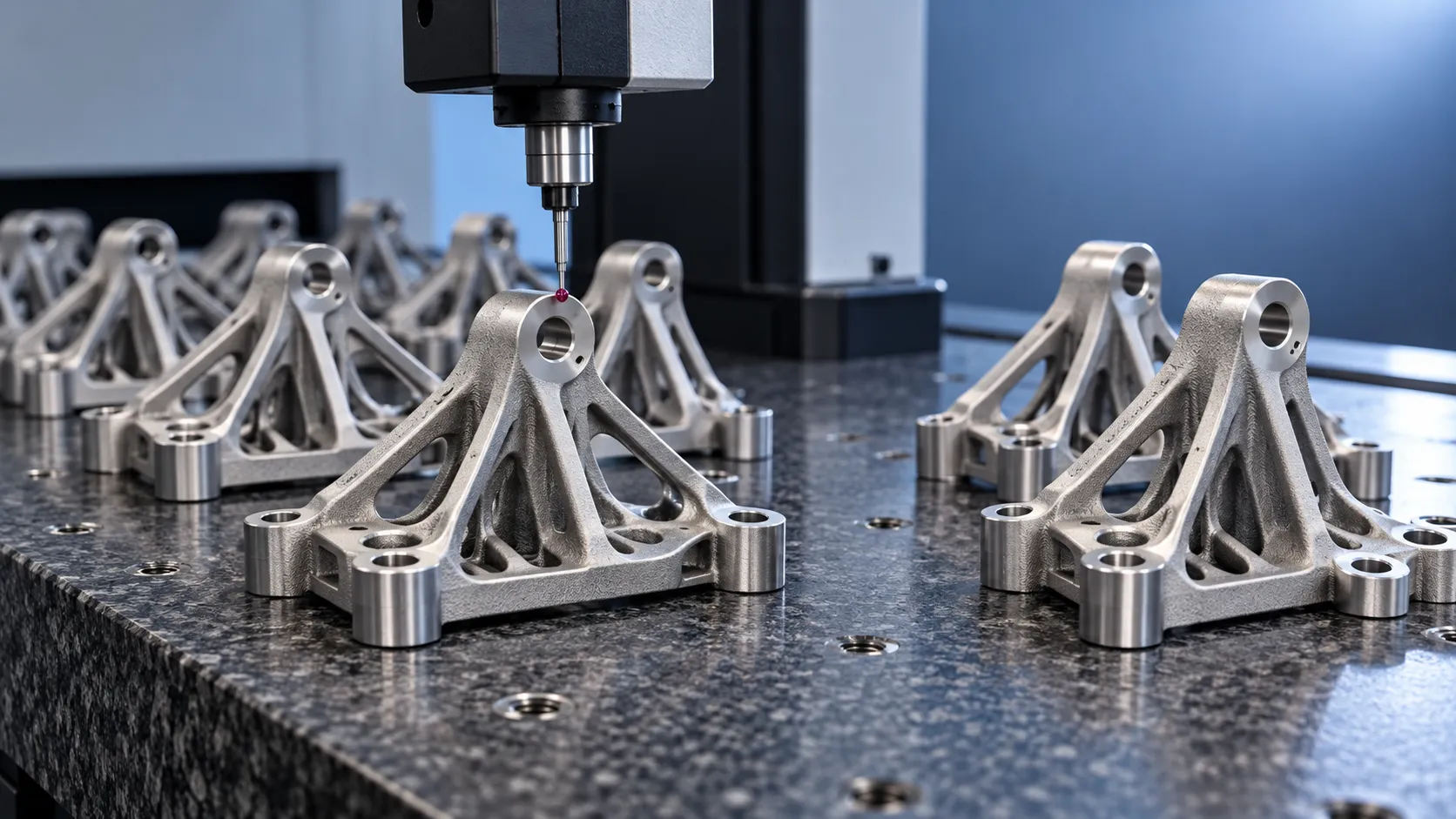
How to verify part consistency before choosing a 3D printing OEM
Choosing a 3D printing OEM? Learn how to verify part consistency with repeat-build trials, validated inspections, and traceability checks before committing to production.
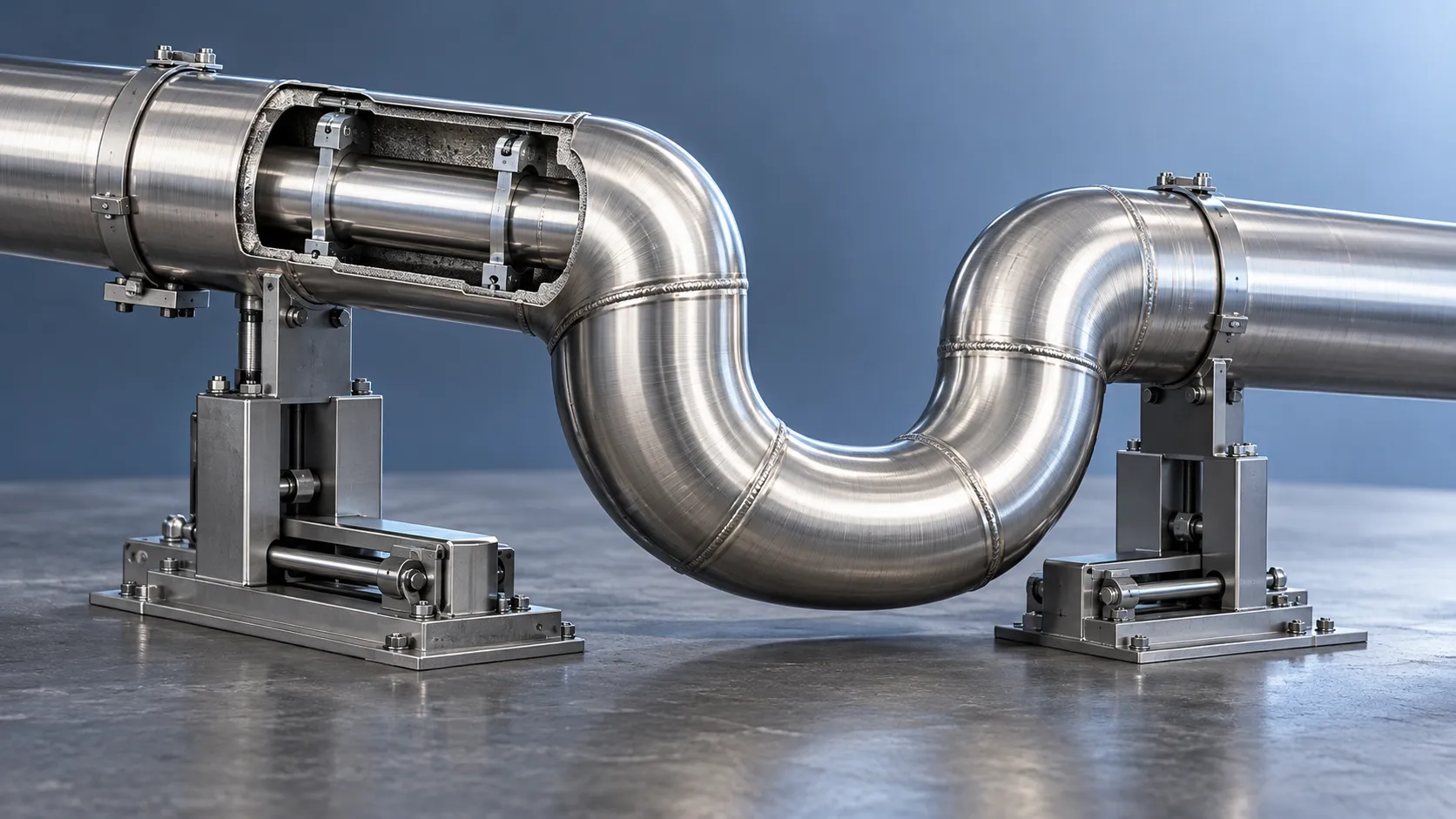
How does a rigid cryogenic transfer line handle thermal contraction?
Learn how a rigid cryogenic transfer line manages thermal contraction with bends, bellows, and guided supports. Discover key design checks for safe, reliable cryogenic performance.

How much does edge vision deployment cost beyond the hardware?
Understand edge vision deployment cost beyond hardware, from data and integration to security and support. Uncover hidden expenses and build a smarter lifecycle budget before you scale.
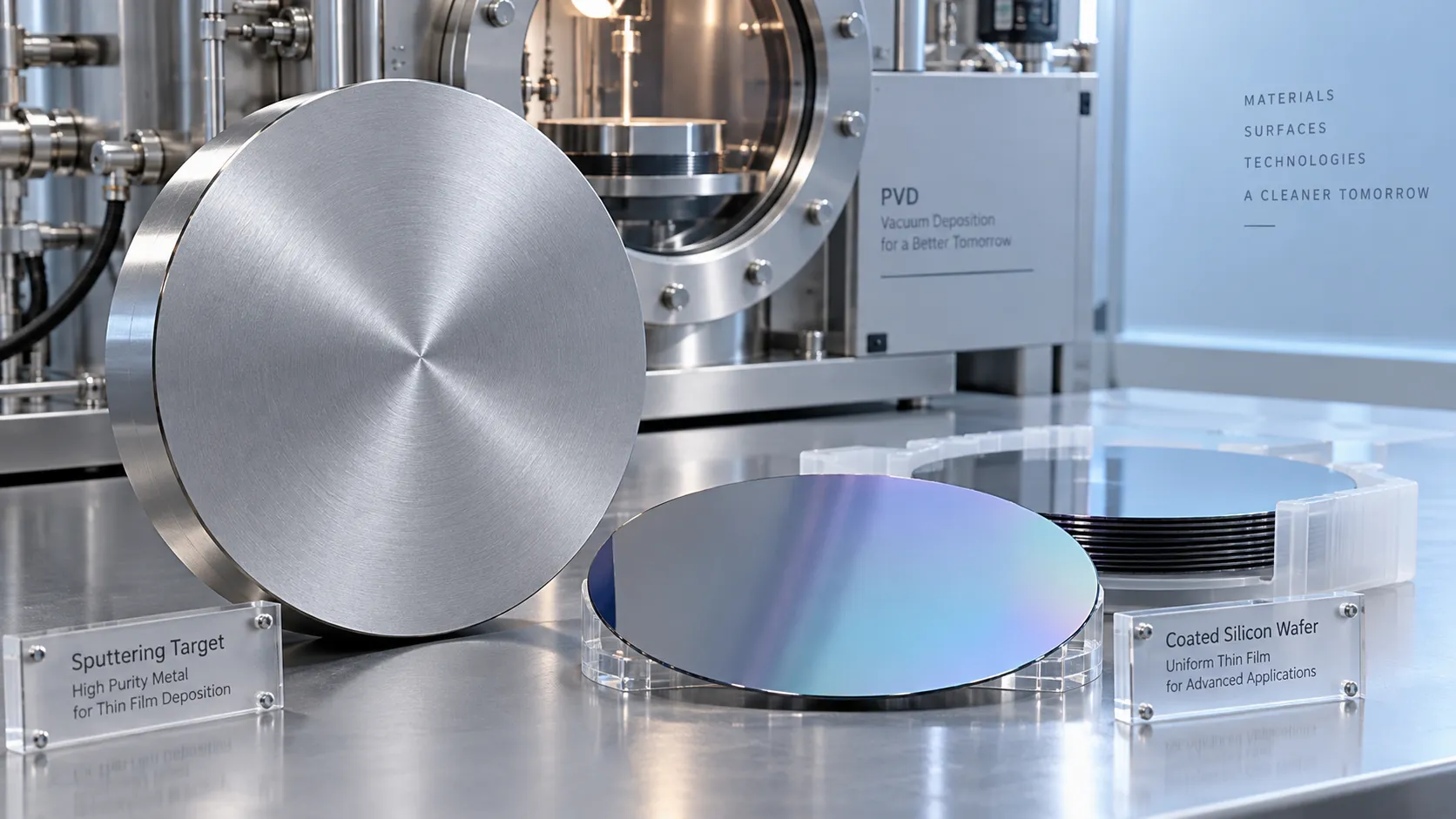
How does the purity of sputtering targets affect thin-film quality?
Discover how sputtering targets affect thin-film quality. Learn to assess purity, identify harmful impurities, and choose specifications that improve coating performance.

How high power laser cladding systems control substrate dilution
Discover how high power laser cladding systems control substrate dilution through beam shaping, material feed, and thermal management to deliver reliable bonds and coating performance.

How to check HS codes for customs compliance in international logistics
Strengthen international logistics customs compliance: learn how to verify HS codes, check official tariffs, and document classifications to reduce costly shipment delays.
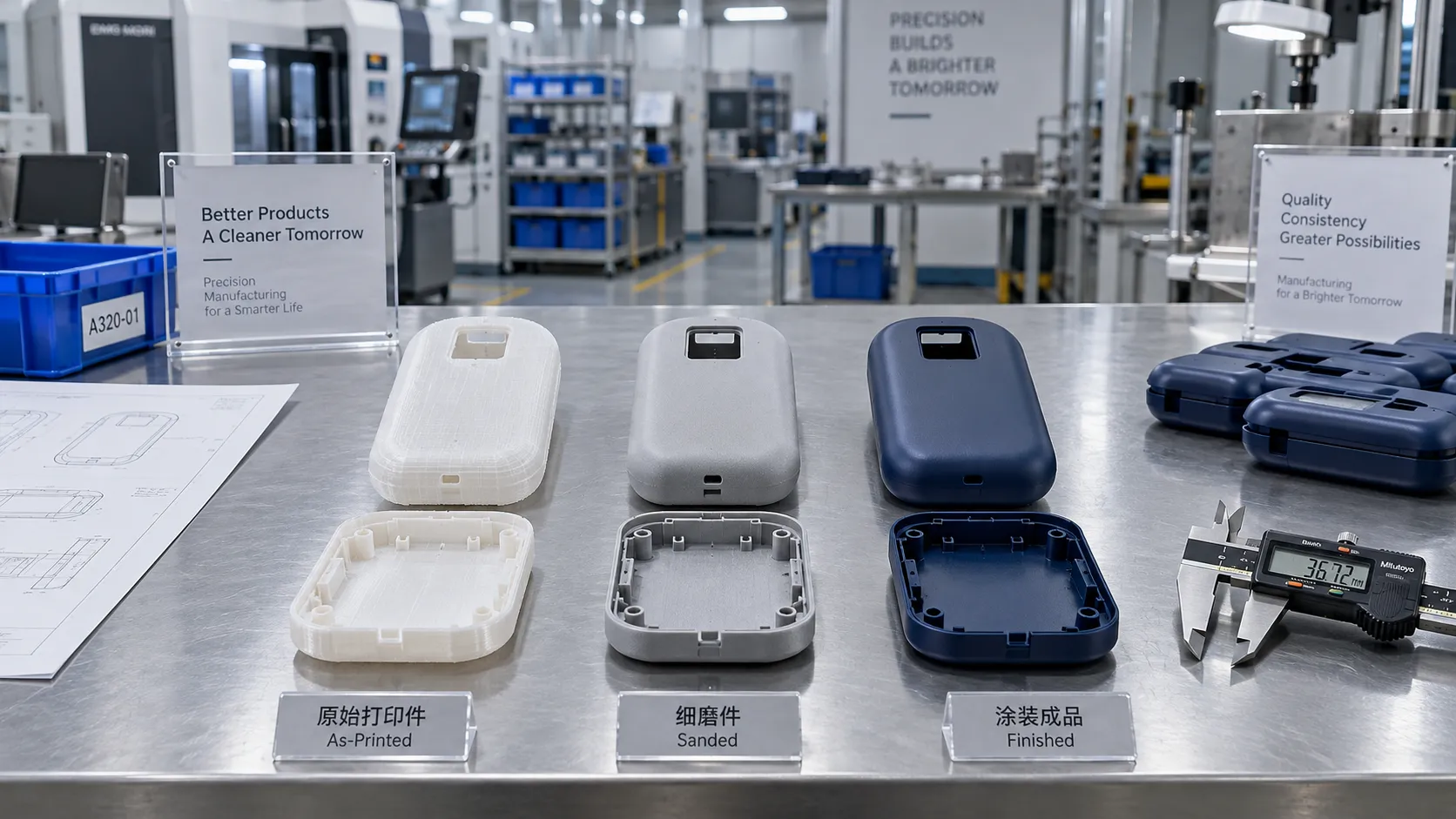
Choosing a 3D Printing Service for Consumer Products: Finish, Fit, and Cost
Compare 3d printing consumer good services by finish, fit, materials, and total cost. Learn how to choose a reliable supplier and avoid costly defects before ordering.
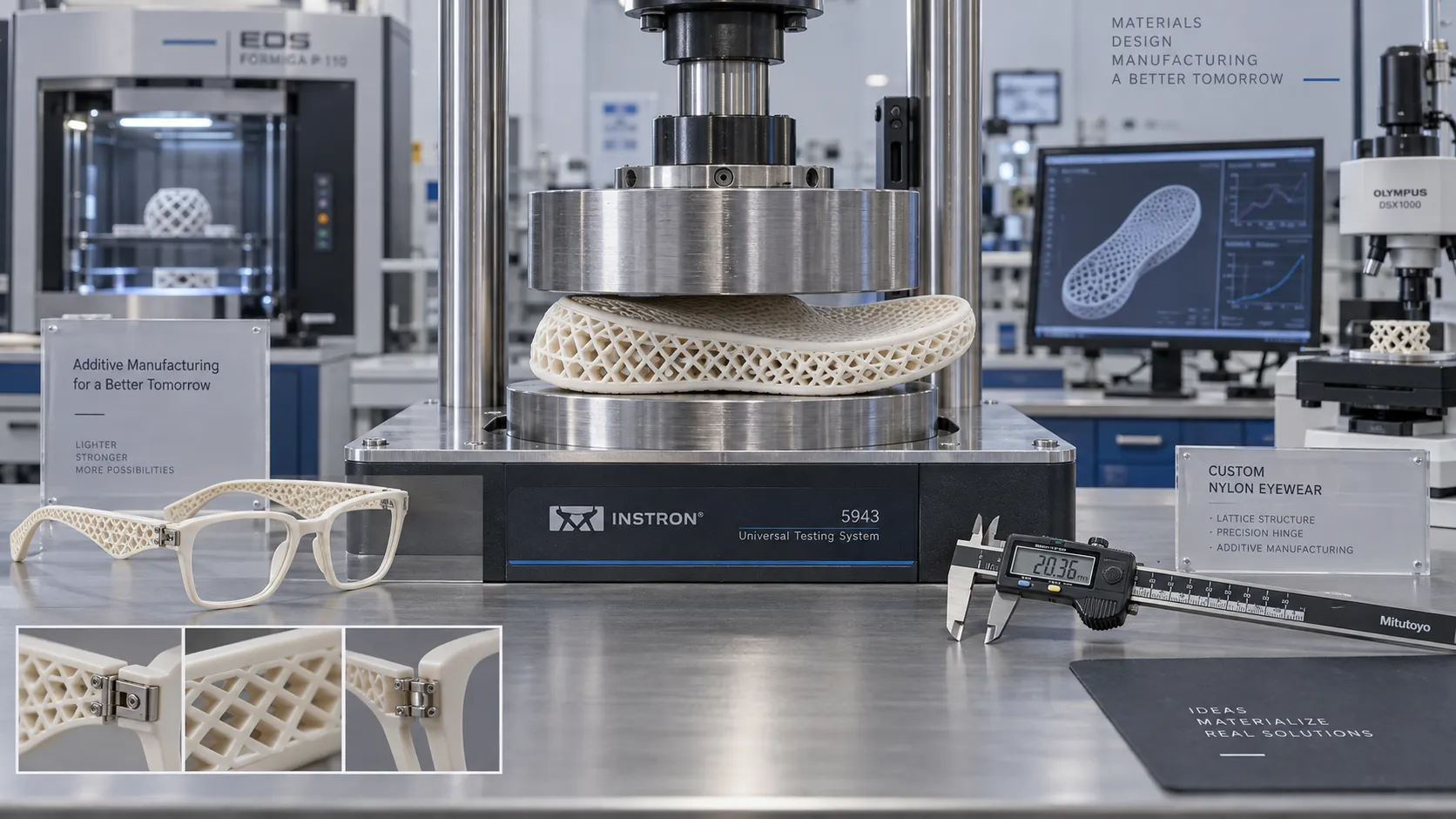
Which Consumer Goods Can Be 3D Printed, and What Are the Practical Limits?
Explore 3d printing consumer goods, from custom eyewear to replacement parts. Discover practical limits on materials, safety, and costs to make smarter production decisions.
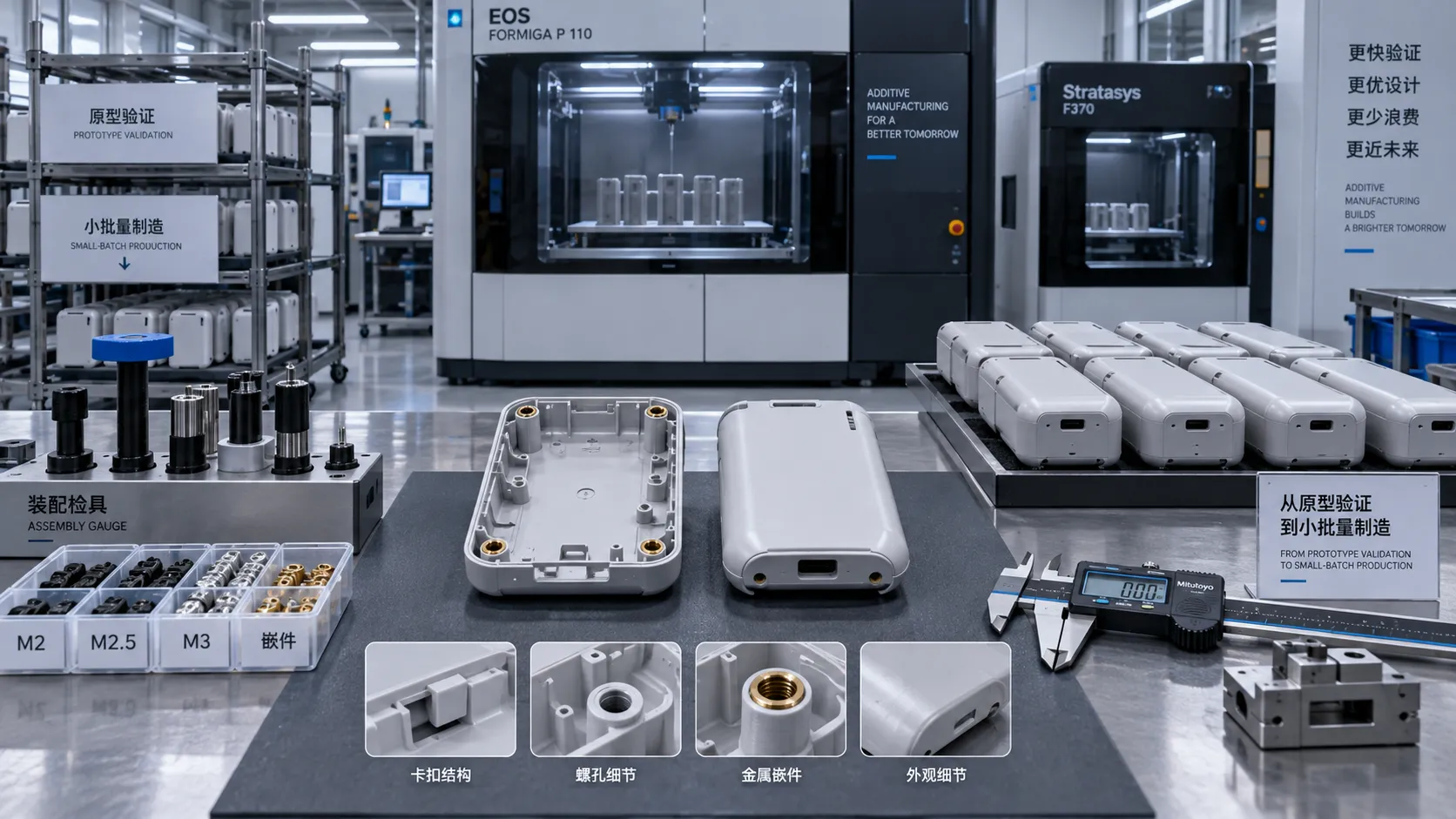
From Prototype to Small Batch: Applying 3D Printing to Consumer Goods
Explore 3d printing in consumer goods: learn how to move from prototype to small-batch production with practical guidance on materials, quality validation, and cost control.
Related News
- 00
0000-00
How to verify part consistency before choosing a 3D printing OEM - 00
0000-00
How does a rigid cryogenic transfer line handle thermal contraction? - 00
0000-00
How much does edge vision deployment cost beyond the hardware? - 00
0000-00
How does the purity of sputtering targets affect thin-film quality? - 00
0000-00
How high power laser cladding systems control substrate dilution
Dr. Victor Gear
Weekly Insights
Stay ahead with our curated technology reports delivered every Monday.