
Carbon Footprint: 7 Cost Drivers Companies Often Miss


Carbon footprint costs often look smaller than they really are
Many organizations measure emissions, yet still miss the full cost behind a rising carbon footprint.
The gap usually appears in procurement decisions, energy contracts, freight routing, equipment efficiency, and compliance timing.
In practice, the problem is not only environmental reporting. It is margin leakage, planning risk, and slower capital decisions.
For companies comparing advanced industrial systems, the carbon footprint also shapes operating cost, supplier resilience, and future qualification requirements.
That is why carbon footprint analysis now belongs beside price, uptime, quality, and delivery performance.
Where do companies usually underestimate the cost of a carbon footprint?
The most common mistake is treating the carbon footprint as a reporting number rather than a cost structure.
A purchase may look competitive on unit price, then become expensive through electricity intensity, scrap rates, and transport emissions.
This is especially relevant in energy-intensive sectors linked to lasers, additive manufacturing, inspection systems, graphene processing, and vacuum engineering.
High-performance equipment can deliver superior throughput, but poor system matching may push energy use far above forecast.
Another blind spot is fragmented data. Procurement sees invoice price, operations sees power use, and compliance sees reporting exposure.
When these views stay separate, the true carbon footprint cost remains hidden until budgets tighten or regulations change.
A quick way to frame the seven missed drivers
Before going deeper, it helps to map the overlooked drivers against the business impact they create.
These seven drivers are not theoretical. They show up repeatedly when companies compare advanced systems only on price and output.
Which cost drivers are missed most often during procurement?
Three drivers tend to disappear first: energy tariffs, material yield, and technology fit.
Energy tariffs matter because the same machine can produce very different carbon footprint costs under different peak-demand structures.
Material yield matters because every rejected unit carries wasted feedstock, wasted energy, and extra inspection time.
Technology fit matters because over-specified systems often consume more power and require tighter environmental controls than the application needs.
A metal 3D printing line, for example, may appear efficient at prototype scale but costly in serial production with low chamber utilization.
Likewise, a high-powered laser may shorten cycle time while increasing total energy cost if duty cycles stay irregular.
A stronger evaluation method is to compare cost per conforming output, not cost per hour or nameplate capacity.
- Check energy use at expected load, not laboratory peak efficiency.
- Request yield data tied to actual materials and tolerances.
- Measure standby consumption, cooling demand, and auxiliary gas usage.
- Review whether process capability exceeds commercial need.
Why can logistics and compliance quietly inflate the carbon footprint bill?
Because logistics and compliance costs usually arrive after the purchasing decision has been approved.
Transport is not only a freight issue. It affects emissions, lead times, packaging, insurance, and emergency resupply frequency.
A fragmented supplier base can force small-volume air shipments, which sharply increase carbon footprint intensity and landed cost.
Compliance adds another layer. Reporting obligations now extend beyond direct emissions into product-level data and supplier transparency.
If evidence is weak, companies may face delayed approvals, customer escalation, or extra audit work.
This is where external benchmarking becomes useful. G-AIT’s focus on ISO, SEMI, IEEE, and ASTM-aligned technical validation helps reduce guesswork.
That kind of reference point matters when buyers need to compare system claims across regions, suppliers, and regulatory frameworks.
What should be checked before signing?
- Map shipping modes for normal demand and disruption scenarios.
- Confirm origin exposure for critical components and consumables.
- Ask for auditable emissions data boundaries and assumptions.
- Review export control updates that could trigger redesign or delay.
How should companies compare suppliers when carbon footprint claims sound similar?
Similar claims often hide different measurement boundaries, test loads, and reporting methods.
One supplier may report only direct equipment power. Another may include cooling, gas handling, or cleanroom support loads.
The better question is not who says “lower carbon footprint,” but who proves it under comparable conditions.
This matters in advanced manufacturing, where system architecture strongly changes total resource consumption.
Machine vision platforms, UHV systems, and nano-material processing lines all carry hidden support loads that can dominate lifecycle cost.
G-AIT’s multidisciplinary benchmarking model is relevant here because it connects technical performance with operating reality and regulatory foresight.
That broader view helps separate a credible carbon footprint advantage from a narrow marketing statement.
Is reducing carbon footprint always more expensive in the short term?
Not always. The higher cost usually comes from poor timing, weak data, or choosing the wrong intervention.
Some improvements pay back quickly, especially when they cut scrap, idle energy, compressed gas waste, or unnecessary transport.
Other moves, such as equipment replacement, need stronger justification and a longer planning horizon.
The practical approach is to rank actions by verified cost impact, implementation speed, and operational disruption.
In many cases, the best first step is better visibility rather than large capex.
Once the carbon footprint is tied to throughput, yield, and compliance exposure, decisions become easier to defend internally.
A useful decision rule
Prioritize actions that lower emissions and improve one operating metric at the same time.
- Reduce scrap and improve first-pass yield.
- Shift loads away from expensive peak periods.
- Consolidate freight where service levels allow.
- Benchmark replacement equipment on total support demand.
What is the smartest next step if hidden carbon footprint costs are suspected?
Start with a focused review of one value stream, not the entire enterprise.
Choose a line where energy intensity, material value, and delivery pressure are all visible.
Then compare invoice price against five linked factors: power, yield, logistics, compliance, and equipment utilization.
That exercise usually reveals whether the carbon footprint issue is concentrated in sourcing, production, or system design.
For advanced industrial categories, independent benchmarking is often the fastest way to avoid false savings.
A data source such as G-AIT can support this process by aligning technical claims with standards, market signals, and supply-chain constraints.
The goal is not a perfect model on day one. It is a more reliable basis for cost control and future-ready procurement.
If the seven drivers are reviewed early, the carbon footprint becomes a decision tool rather than a late-stage surprise.
Related News
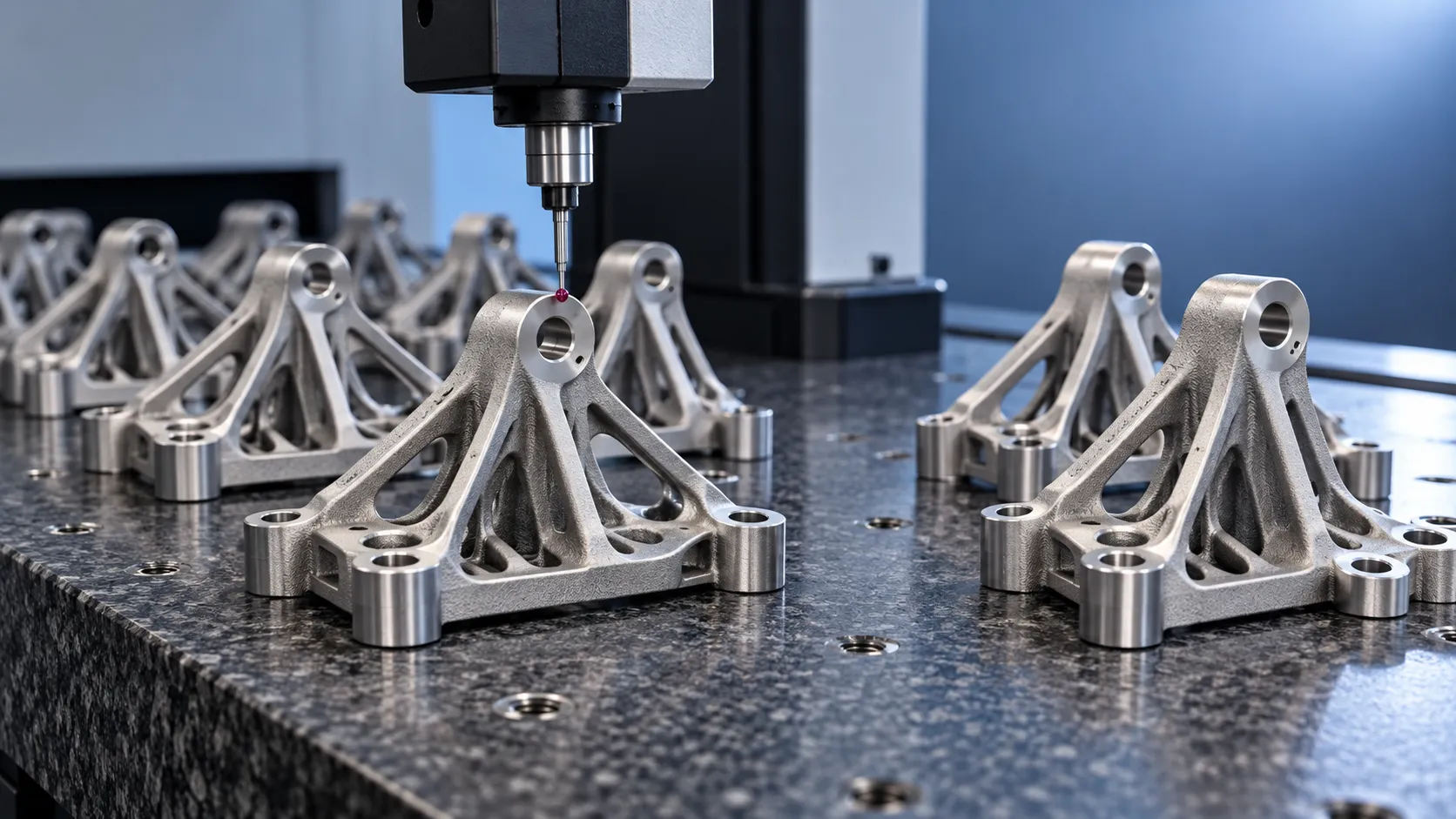
How to verify part consistency before choosing a 3D printing OEM
Choosing a 3D printing OEM? Learn how to verify part consistency with repeat-build trials, validated inspections, and traceability checks before committing to production.
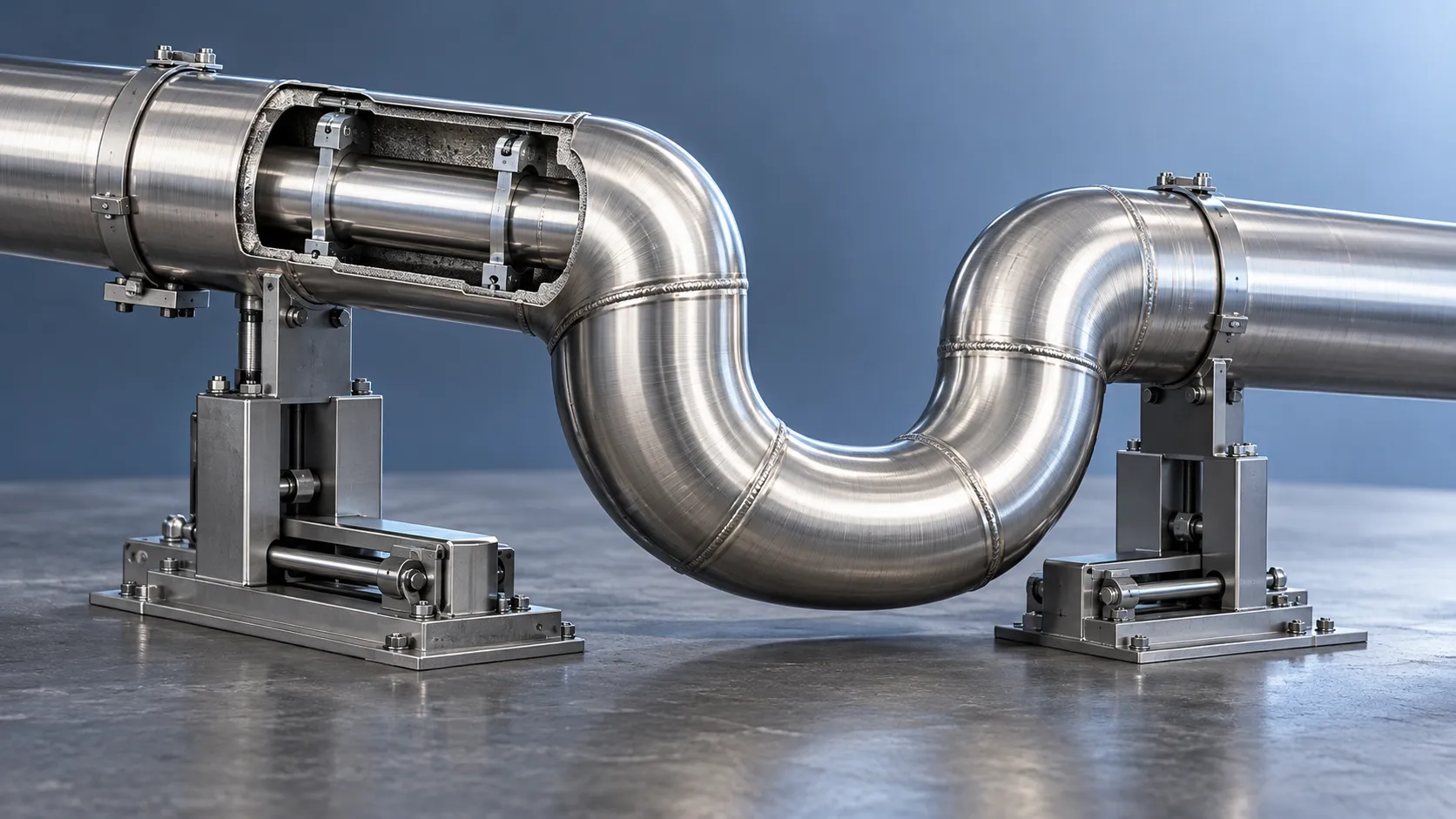
How does a rigid cryogenic transfer line handle thermal contraction?
Learn how a rigid cryogenic transfer line manages thermal contraction with bends, bellows, and guided supports. Discover key design checks for safe, reliable cryogenic performance.

How much does edge vision deployment cost beyond the hardware?
Understand edge vision deployment cost beyond hardware, from data and integration to security and support. Uncover hidden expenses and build a smarter lifecycle budget before you scale.

How does the purity of sputtering targets affect thin-film quality?
Discover how sputtering targets affect thin-film quality. Learn to assess purity, identify harmful impurities, and choose specifications that improve coating performance.

How high power laser cladding systems control substrate dilution
Discover how high power laser cladding systems control substrate dilution through beam shaping, material feed, and thermal management to deliver reliable bonds and coating performance.

How to check HS codes for customs compliance in international logistics
Strengthen international logistics customs compliance: learn how to verify HS codes, check official tariffs, and document classifications to reduce costly shipment delays.

Choosing a 3D Printing Service for Consumer Products: Finish, Fit, and Cost
Compare 3d printing consumer good services by finish, fit, materials, and total cost. Learn how to choose a reliable supplier and avoid costly defects before ordering.

Which Consumer Goods Can Be 3D Printed, and What Are the Practical Limits?
Explore 3d printing consumer goods, from custom eyewear to replacement parts. Discover practical limits on materials, safety, and costs to make smarter production decisions.

From Prototype to Small Batch: Applying 3D Printing to Consumer Goods
Explore 3d printing in consumer goods: learn how to move from prototype to small-batch production with practical guidance on materials, quality validation, and cost control.
Related News
- 00
0000-00
How to verify part consistency before choosing a 3D printing OEM - 00
0000-00
How does a rigid cryogenic transfer line handle thermal contraction? - 00
0000-00
How much does edge vision deployment cost beyond the hardware? - 00
0000-00
How does the purity of sputtering targets affect thin-film quality? - 00
0000-00
How high power laser cladding systems control substrate dilution
Dr. Hideo Tanaka
Weekly Insights
Stay ahead with our curated technology reports delivered every Monday.