
Energy Efficiency Solutions That Cut Operating Costs


Energy Efficiency Solutions That Cut Operating Costs
For industrial firms under margin pressure, energy efficiency solutions are no longer optional upgrades. They are practical levers for protecting profit, reducing exposure to utility volatility, and improving operational resilience.
That matters even more in complex facilities. Energy waste often hides inside compressed air systems, thermal processes, legacy motors, lighting networks, and underused monitoring platforms.
The good news is simple. Well-chosen energy efficiency solutions can cut operating costs without reducing output, product quality, or compliance confidence.
In procurement terms, the decision is not just about buying efficient equipment. It is about selecting measurable savings, reliable performance, and implementation risk that fits the business.
Why energy efficiency solutions are rising on the procurement agenda
Recent market shifts make the case stronger. Power prices remain unpredictable, while sustainability reporting expectations keep expanding across global supply chains.
A more important signal is operational risk. Older systems consume more energy, fail more often, and create hidden maintenance costs that rarely appear in first-pass quotations.
This is where energy efficiency solutions create value beyond utility savings. They support uptime, improve process stability, and help standardize performance across multi-site operations.
For organizations benchmarking suppliers, technical transparency becomes critical. Verified efficiency data, testing standards, and lifecycle cost projections matter far more than headline claims.
Where operating cost reductions usually come from
The biggest savings rarely come from one purchase. They usually come from several coordinated energy efficiency solutions applied to the highest-consumption assets first.
1. Motor and drive upgrades
High-efficiency motors and variable frequency drives often deliver fast returns. They reduce energy use during partial loads, ramp-up periods, and demand fluctuations.
In actual operations, fans, pumps, and conveyors are common targets. These systems often run longer than expected and waste power through oversizing.
2. Compressed air optimization
Compressed air is one of the most expensive utilities in manufacturing. Leakage, poor pressure control, and mismatched compressor capacity quietly erode margins.
Effective energy efficiency solutions here include leak audits, smart controls, storage balancing, and heat recovery from compressors.
3. Thermal system improvement
Boilers, furnaces, dryers, chillers, and vacuum systems can be major energy users. Poor insulation, heat loss, and outdated controls increase operating costs quickly.
Targeted upgrades may include heat exchangers, burner tuning, insulation renewal, intelligent temperature control, and better load matching.
4. Monitoring and analytics
Many sites already have data, but not usable insight. Energy efficiency solutions become more effective when meters, software, and alarms connect consumption to production behavior.
This also supports procurement reviews. Buyers can verify whether savings come from real process gains or from unrealistic assumptions.
How to evaluate suppliers beyond the purchase price
A low quote can become an expensive decision. The better approach is to compare suppliers using total cost of ownership, measurable efficiency, and technical fit.
For high-value equipment, energy efficiency solutions should be assessed against five procurement checkpoints.
- Request verified performance data under realistic load conditions.
- Compare expected annual energy savings against maintenance impact.
- Check compliance alignment with ISO, ASTM, IEEE, SEMI, or local energy rules.
- Review integration needs with existing controls, utilities, and digital systems.
- Confirm commissioning support, training scope, and post-installation monitoring.
This is especially relevant in advanced sectors. Industrial laser processing, additive manufacturing, optical inspection, graphene production, and cryogenic systems all have different load profiles.
That means energy efficiency solutions cannot be treated as generic product categories. The right choice depends on process sensitivity, tolerance requirements, duty cycles, and environmental controls.
A practical framework for selecting energy efficiency solutions
A structured buying process reduces guesswork. It also helps separate attractive marketing from solutions that will actually cut operating costs.
- Map the top energy-consuming assets by line, shift, and product type.
- Identify quick wins and strategic upgrades separately.
- Set clear decision metrics such as payback, uptime, and emissions impact.
- Shortlist vendors with proven references in comparable industrial settings.
- Run a pilot or phased rollout where process risk is high.
- Track post-installation performance against a baseline for at least one cycle.
This framework works because it balances speed with evidence. Some energy efficiency solutions pay back in months, while others justify investment through reliability and future capacity gains.
Common mistakes that reduce savings
Several avoidable mistakes weaken returns. The most common one is buying efficient equipment without fixing the surrounding process conditions.
Another issue is relying on nameplate efficiency alone. Real savings depend on operating hours, load stability, maintenance practices, and user behavior.
Some firms also overlook interoperability. Energy efficiency solutions should connect with plant controls, reporting tools, and service workflows from day one.
The last mistake is treating energy projects as isolated engineering tasks. Cross-functional reviews usually improve both savings accuracy and implementation speed.
Why verified industrial intelligence improves buying outcomes
In advanced manufacturing, technical complexity can blur purchasing decisions. That is why independent benchmarking and application-specific intelligence have growing value.
G-AIT supports this need by connecting engineering verification, regulatory foresight, and commercial intelligence across five industrial pillars. That context helps buyers evaluate energy efficiency solutions with more confidence.
Instead of comparing vendor claims in isolation, procurement teams can benchmark system performance, standards alignment, upgrade feasibility, and risk exposure in one decision flow.
This is increasingly useful where capital equipment decisions intersect with export controls, patent activity, and long qualification cycles.
Turning energy efficiency solutions into measurable cost control
The strongest energy strategy is practical, phased, and evidence-based. Start with the systems that consume the most, leak the most, or drift the most.
Then prioritize energy efficiency solutions that combine savings with operational stability. Fast payback matters, but durable process improvement matters more.
In real business terms, better procurement decisions come from verified data, lifecycle thinking, and post-installation accountability. That is how operating costs go down and performance stays reliable.
When the next sourcing cycle begins, review where energy is lost, where standards matter, and which energy efficiency solutions can deliver measurable value with the least operational disruption.
Related News

How to verify part consistency before choosing a 3D printing OEM
Choosing a 3D printing OEM? Learn how to verify part consistency with repeat-build trials, validated inspections, and traceability checks before committing to production.
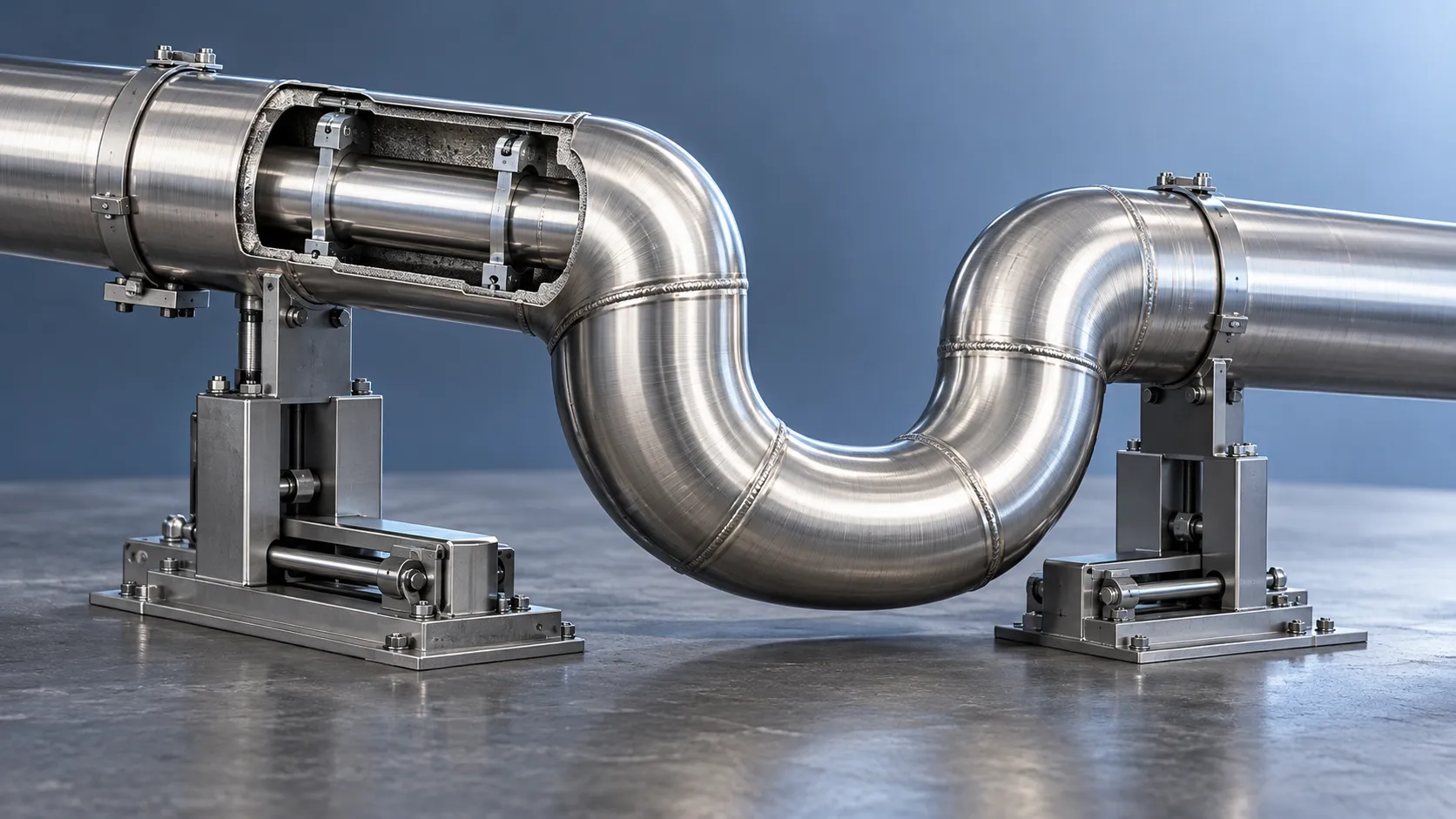
How does a rigid cryogenic transfer line handle thermal contraction?
Learn how a rigid cryogenic transfer line manages thermal contraction with bends, bellows, and guided supports. Discover key design checks for safe, reliable cryogenic performance.

How much does edge vision deployment cost beyond the hardware?
Understand edge vision deployment cost beyond hardware, from data and integration to security and support. Uncover hidden expenses and build a smarter lifecycle budget before you scale.

How does the purity of sputtering targets affect thin-film quality?
Discover how sputtering targets affect thin-film quality. Learn to assess purity, identify harmful impurities, and choose specifications that improve coating performance.

How high power laser cladding systems control substrate dilution
Discover how high power laser cladding systems control substrate dilution through beam shaping, material feed, and thermal management to deliver reliable bonds and coating performance.

How to check HS codes for customs compliance in international logistics
Strengthen international logistics customs compliance: learn how to verify HS codes, check official tariffs, and document classifications to reduce costly shipment delays.

Choosing a 3D Printing Service for Consumer Products: Finish, Fit, and Cost
Compare 3d printing consumer good services by finish, fit, materials, and total cost. Learn how to choose a reliable supplier and avoid costly defects before ordering.

Which Consumer Goods Can Be 3D Printed, and What Are the Practical Limits?
Explore 3d printing consumer goods, from custom eyewear to replacement parts. Discover practical limits on materials, safety, and costs to make smarter production decisions.

From Prototype to Small Batch: Applying 3D Printing to Consumer Goods
Explore 3d printing in consumer goods: learn how to move from prototype to small-batch production with practical guidance on materials, quality validation, and cost control.
Related News
- 00
0000-00
How to verify part consistency before choosing a 3D printing OEM - 00
0000-00
How does a rigid cryogenic transfer line handle thermal contraction? - 00
0000-00
How much does edge vision deployment cost beyond the hardware? - 00
0000-00
How does the purity of sputtering targets affect thin-film quality? - 00
0000-00
How high power laser cladding systems control substrate dilution
Dr. Hideo Tanaka
Weekly Insights
Stay ahead with our curated technology reports delivered every Monday.