
Energy Industry Supply Chain Management: Key Risk Control Points


Why energy industry supply chain management now depends on scenario judgment
In volatile energy markets, supply chain choices shape delivery speed, asset uptime, and long-term risk exposure.
That is why energy industry supply chain management is no longer a back-office coordination task.
It has become a technical control discipline that touches sourcing, logistics, regulatory review, and supplier resilience.
The challenge is that energy projects rarely share identical conditions, even when equipment categories look similar.
A gas compression upgrade, a battery storage buildout, and a hydrogen pilot can all require different control logic.
In actual deployment, the strongest energy industry supply chain management frameworks start with use conditions, not vendor brochures.
That is also where technical benchmarking matters.
G-AIT’s cross-sector view is useful here because energy programs increasingly depend on advanced manufacturing capability.
Laser processing affects precision fabrication, machine vision supports inspection traceability, and vacuum engineering influences high-spec process stability.
When standards, export controls, and performance verification move together, risk control becomes more realistic.
Different project settings create different risk control priorities
The first mistake in energy industry supply chain management is treating all critical materials as equally urgent.
Some items are schedule-critical, while others are compliance-critical or performance-critical.
A high-value component with a short lead time may still be easier to control than a low-volume certified part.
That difference becomes obvious across common project settings.
Brownfield upgrades usually fail at interface control
Brownfield energy projects often look simpler because infrastructure already exists.
In practice, they create hidden supply chain pressure.
Legacy dimensions, undocumented changes, and mixed supplier histories make replacement accuracy more important than basic availability.
Here, energy industry supply chain management should focus on drawing verification, material equivalency, and shutdown window alignment.
Greenfield builds usually struggle with sequencing and qualification
New facilities face a different pattern.
The issue is not only procurement volume, but also installation order and test dependencies.
A late inspection system, control module, or vacuum assembly can delay multiple disciplines at once.
In this setting, energy industry supply chain management should rank packages by commissioning impact, not unit price.
Pilot lines and new-energy programs need tighter change control
Hydrogen, advanced storage, carbon capture, and digitalized grid projects usually involve evolving technical assumptions.
Specifications shift as testing reveals process limitations.
That means energy industry supply chain management must absorb engineering changes without losing traceability.
A supplier that meets today’s drawing may still become unsuitable after standards or export rules change.
Where the key risk control points usually appear
Across these settings, several control points repeatedly decide whether a project remains stable or drifts into reactive recovery.
This is where better industrial intelligence changes outcomes.
If a project involves precision components, optical inspection, additive manufacturing parts, or UHV assemblies, generic qualification is rarely enough.
Benchmark data linked to ISO, SEMI, IEEE, and ASTM can reduce guesswork before disruption appears on site.
High-frequency situations where risk looks similar but is not
Some supply problems seem interchangeable because they surface as delays.
The underlying causes are often very different.
Long lead time does not always mean high supply risk
A long lead item from a mature source may be manageable if forecast discipline is strong.
A shorter lead item with unstable process yield may be more dangerous.
Effective energy industry supply chain management separates time risk from manufacturing risk.
Approved supplier lists can create false confidence
An approved supplier may still be weak in a new application.
This is common when moving from standard mechanical packages to highly controlled assemblies.
For example, components linked to cryogenic handling, nanoscale coatings, or machine-vision calibration need process-specific proof.
Energy industry supply chain management should therefore review capability by use case, not vendor status alone.
Low purchase price can hide expensive recovery paths
This is one of the most persistent misjudgments.
A cheaper component may trigger requalification, extra freight, field modification, or delayed startup testing.
In energy industry supply chain management, total disruption cost is often the better metric than purchase savings.
How to adapt control methods to different supply chain conditions
The most useful approach is to match control intensity with technical and operational exposure.
- For standardized balance-of-plant items, use dual-source mapping and lead-time buffers.
- For custom fabricated systems, freeze interfaces early and verify revision control before release.
- For digitally integrated packages, confirm software, sensors, and inspection protocols together.
- For export-sensitive equipment, screen licensing constraints before commercial commitment.
- For advanced materials or precision assemblies, require process evidence, not only dimensional reports.
In actual applications, this also means connecting engineering review with procurement timing.
Projects that separate those decisions too sharply usually discover risk after the schedule has already tightened.
That is why energy industry supply chain management works best when technical benchmarking, compliance foresight, and supplier coordination are treated as one workflow.
The issues most often overlooked before execution
Several blind spots appear repeatedly, especially in fast-moving projects.
- Assuming similar operating environments create identical material and certification needs.
- Accepting substitutions without checking downstream inspection, maintenance, and warranty impact.
- Reviewing standards at award stage, but not after design or trade policy changes.
- Tracking shipment milestones without confirming installation readiness and site handling limits.
- Focusing on component data sheets while ignoring production repeatability and field service support.
These gaps matter more as energy assets become more digitized, more distributed, and more dependent on specialized subsystems.
The practical lesson is simple.
Energy industry supply chain management should be designed around failure modes, not just purchasing categories.
A practical next step for stronger energy industry supply chain management
A workable next step is to segment current projects by technical complexity, compliance sensitivity, and commissioning dependency.
That quickly shows where control depth should increase.
After that, compare supplier capability against actual application conditions, not generic category labels.
Where advanced fabrication, optical inspection, additive processes, graphene-based materials, or vacuum engineering are involved, independent benchmark evidence becomes especially valuable.
The strongest energy industry supply chain management programs do not try to remove every uncertainty.
They identify which uncertainties matter in each project setting, then control them before they reach the site.
That is usually the difference between a manageable delay and a structural project setback.
Related News
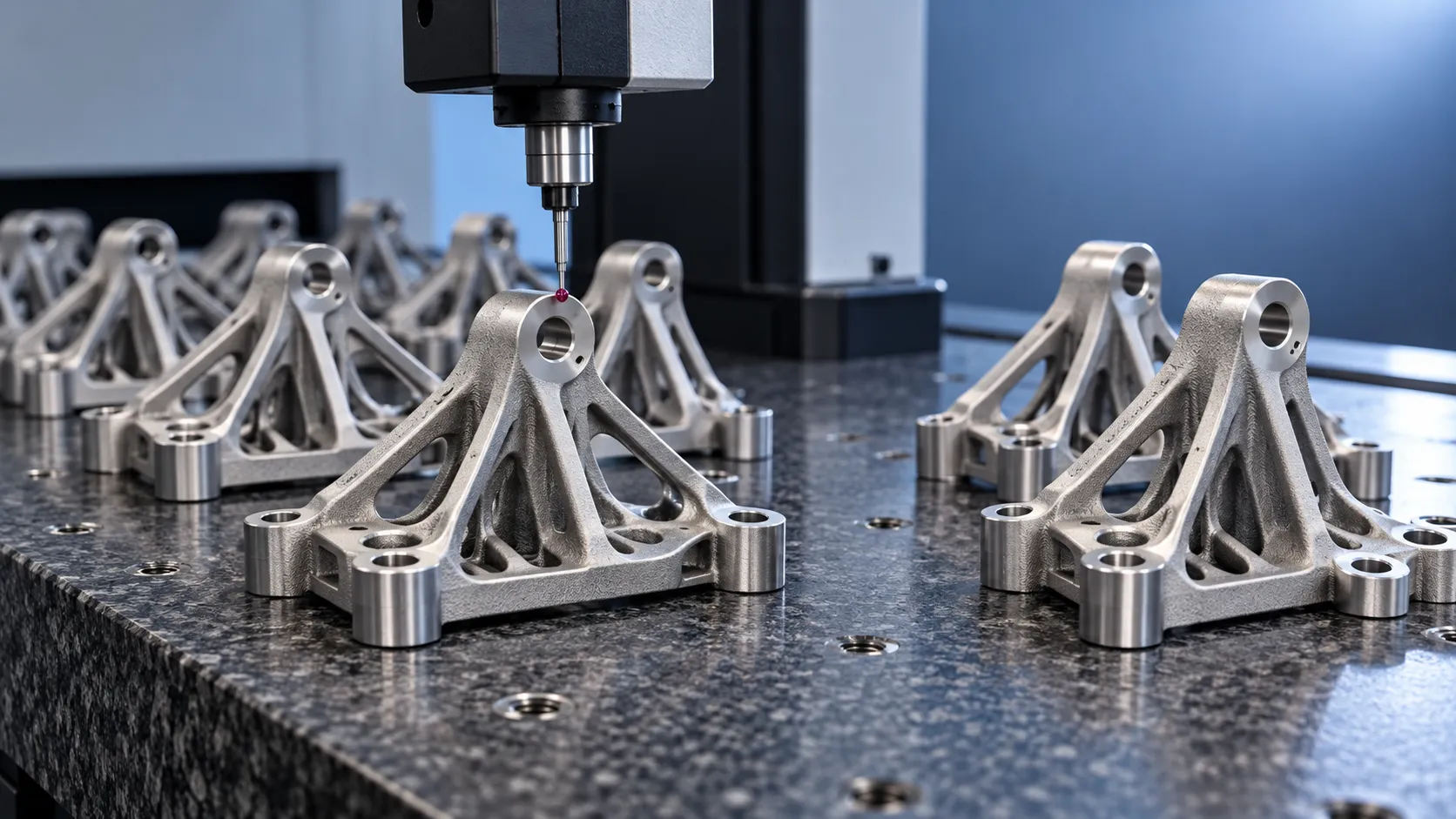
How to verify part consistency before choosing a 3D printing OEM
Choosing a 3D printing OEM? Learn how to verify part consistency with repeat-build trials, validated inspections, and traceability checks before committing to production.
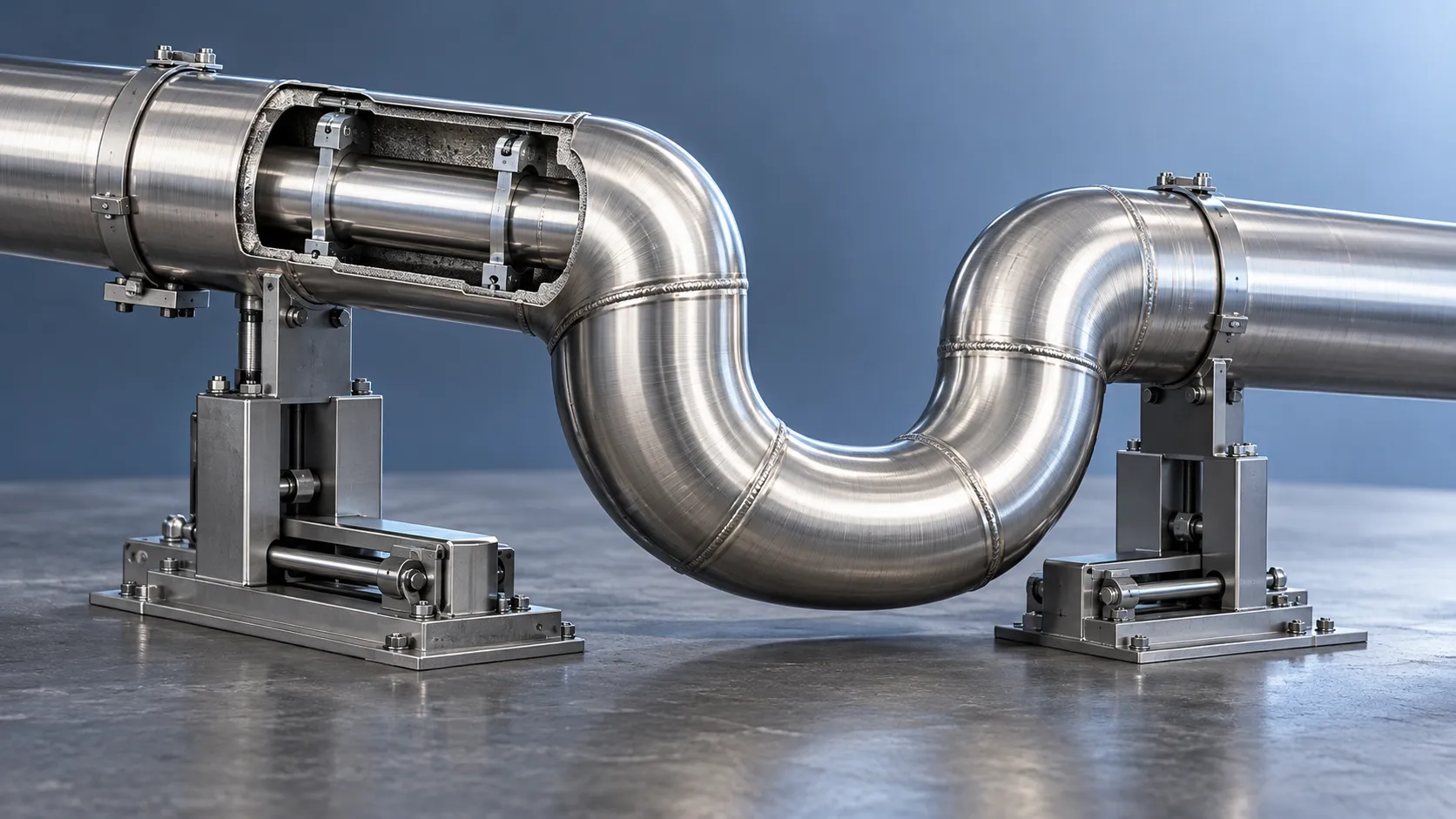
How does a rigid cryogenic transfer line handle thermal contraction?
Learn how a rigid cryogenic transfer line manages thermal contraction with bends, bellows, and guided supports. Discover key design checks for safe, reliable cryogenic performance.
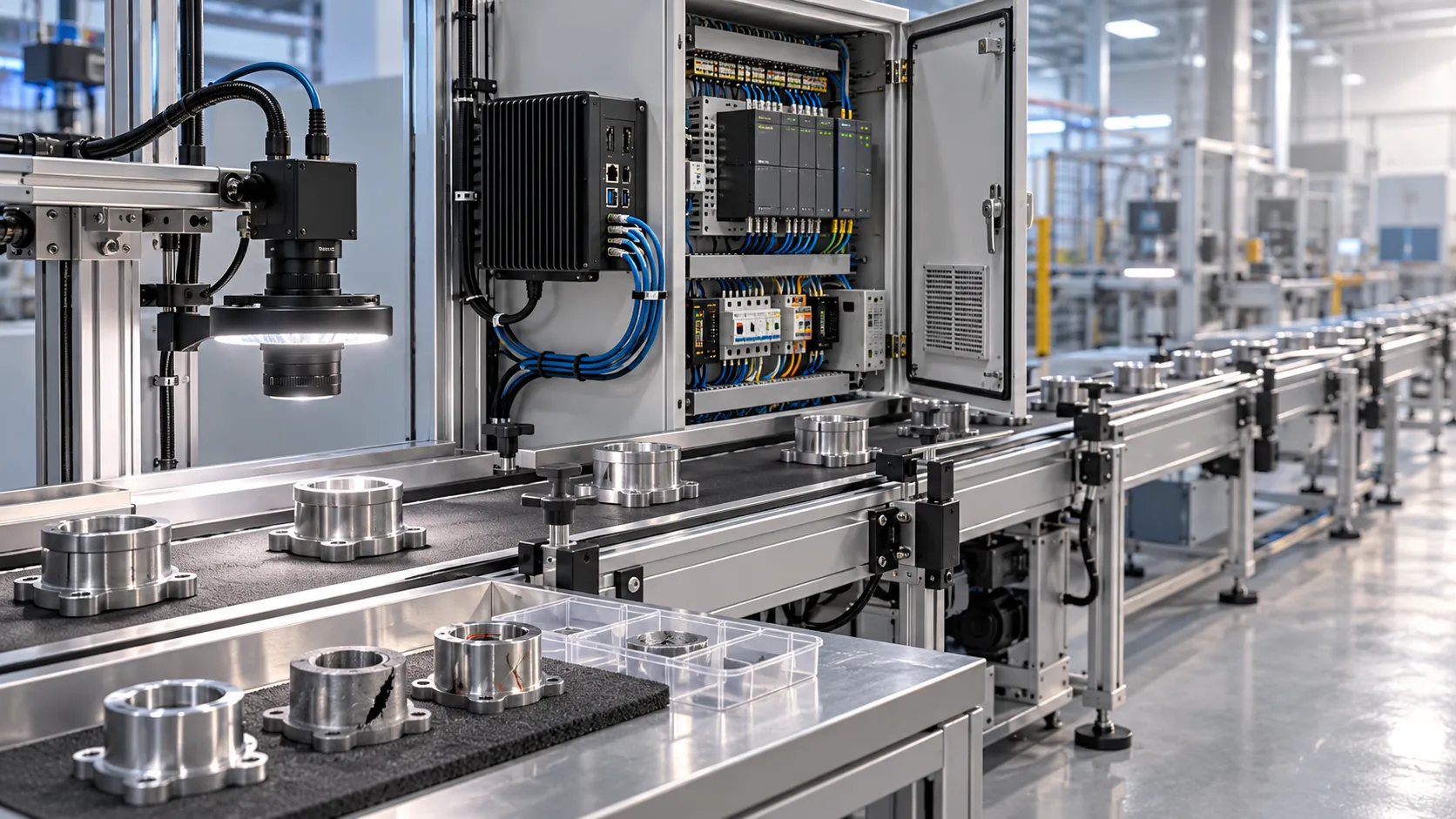
How much does edge vision deployment cost beyond the hardware?
Understand edge vision deployment cost beyond hardware, from data and integration to security and support. Uncover hidden expenses and build a smarter lifecycle budget before you scale.
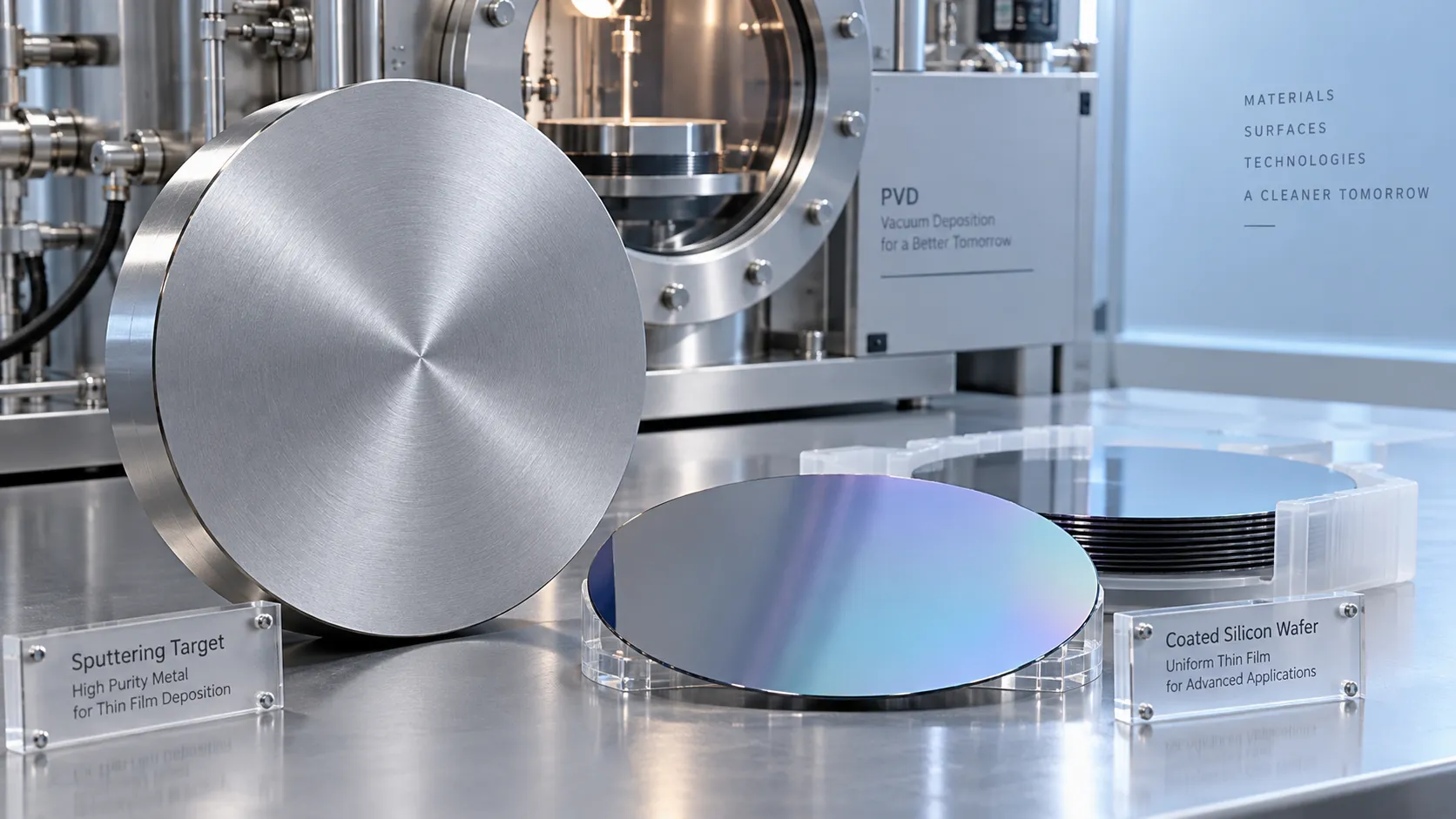
How does the purity of sputtering targets affect thin-film quality?
Discover how sputtering targets affect thin-film quality. Learn to assess purity, identify harmful impurities, and choose specifications that improve coating performance.
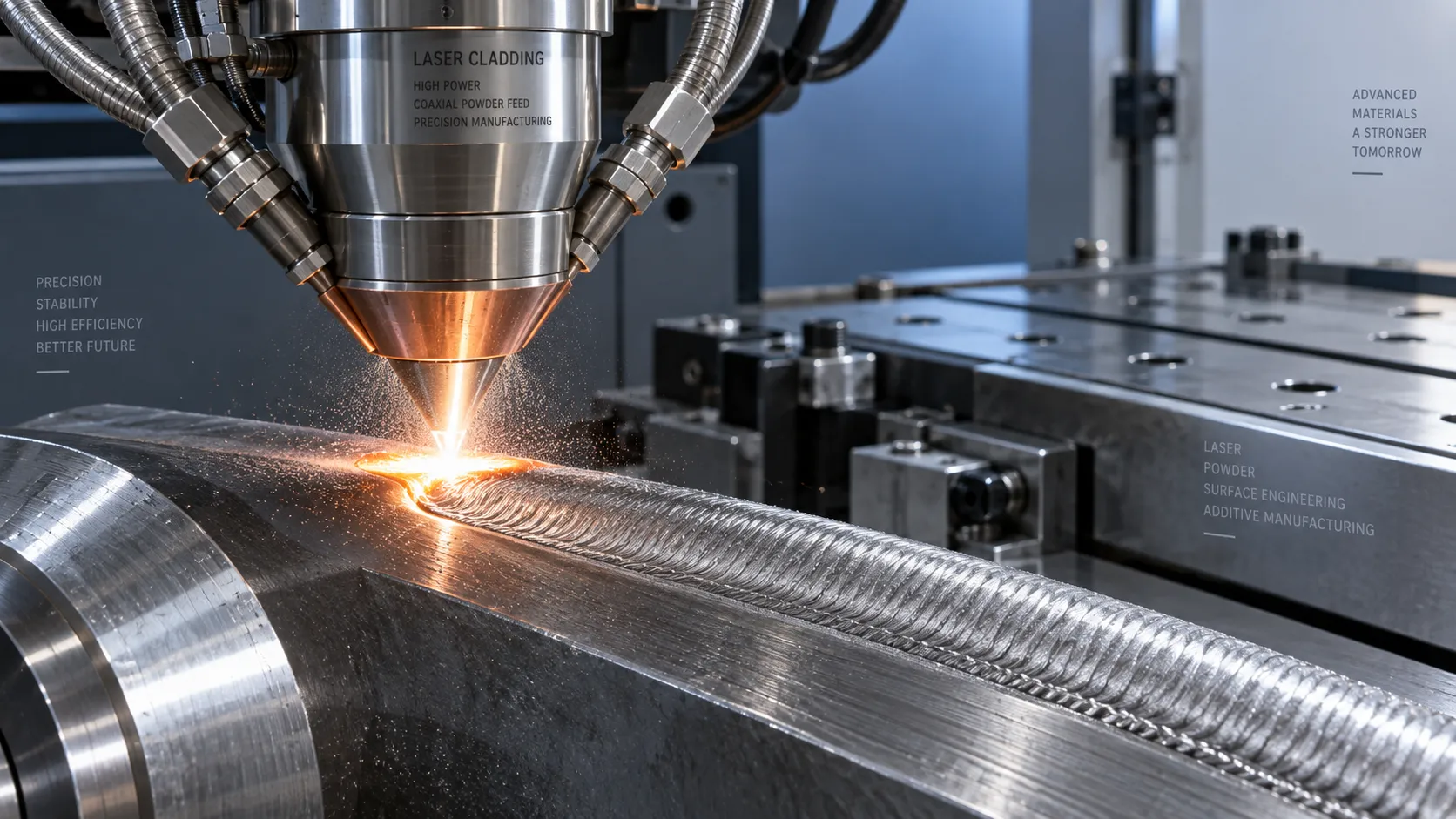
How high power laser cladding systems control substrate dilution
Discover how high power laser cladding systems control substrate dilution through beam shaping, material feed, and thermal management to deliver reliable bonds and coating performance.

How to check HS codes for customs compliance in international logistics
Strengthen international logistics customs compliance: learn how to verify HS codes, check official tariffs, and document classifications to reduce costly shipment delays.
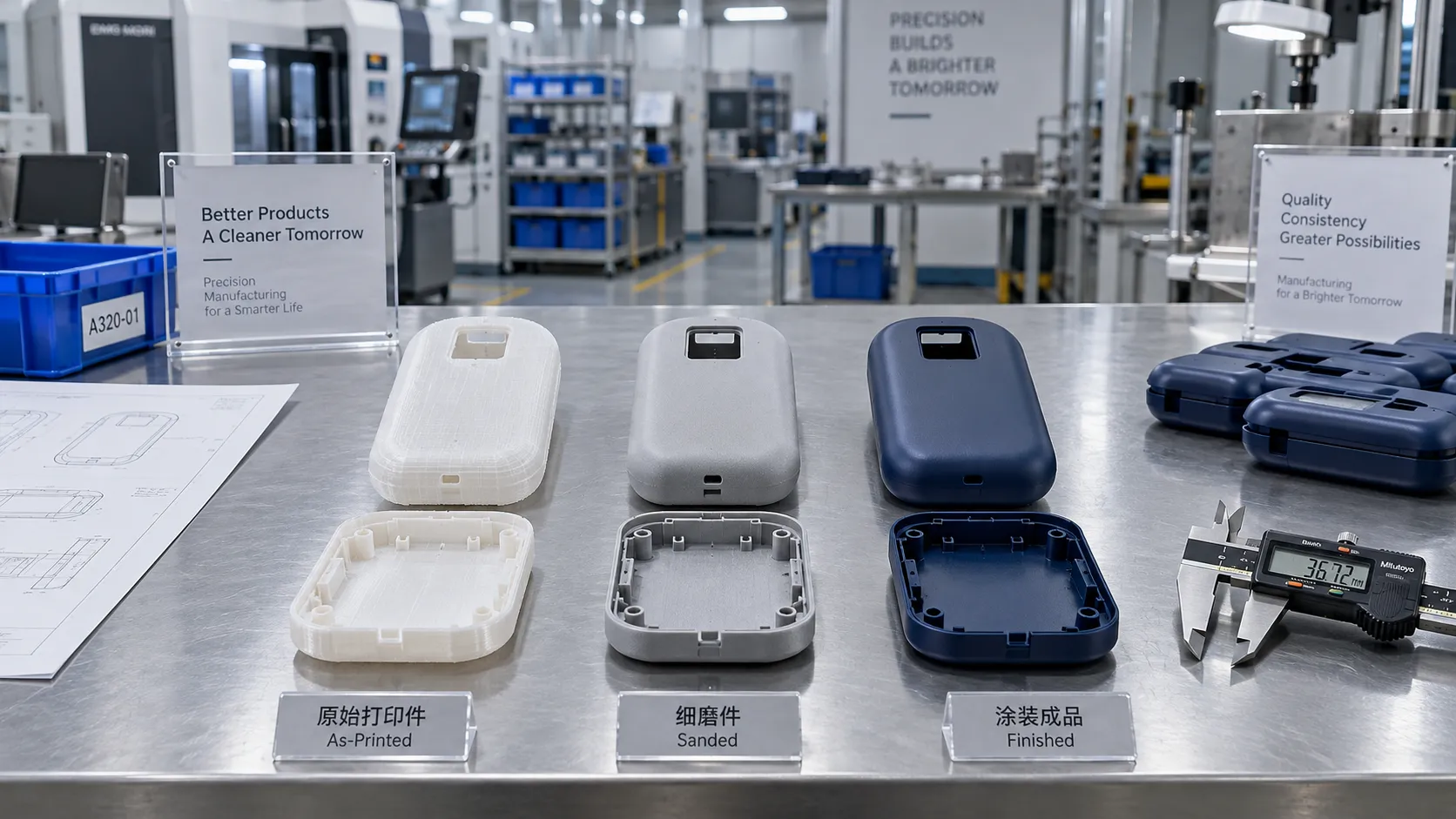
Choosing a 3D Printing Service for Consumer Products: Finish, Fit, and Cost
Compare 3d printing consumer good services by finish, fit, materials, and total cost. Learn how to choose a reliable supplier and avoid costly defects before ordering.
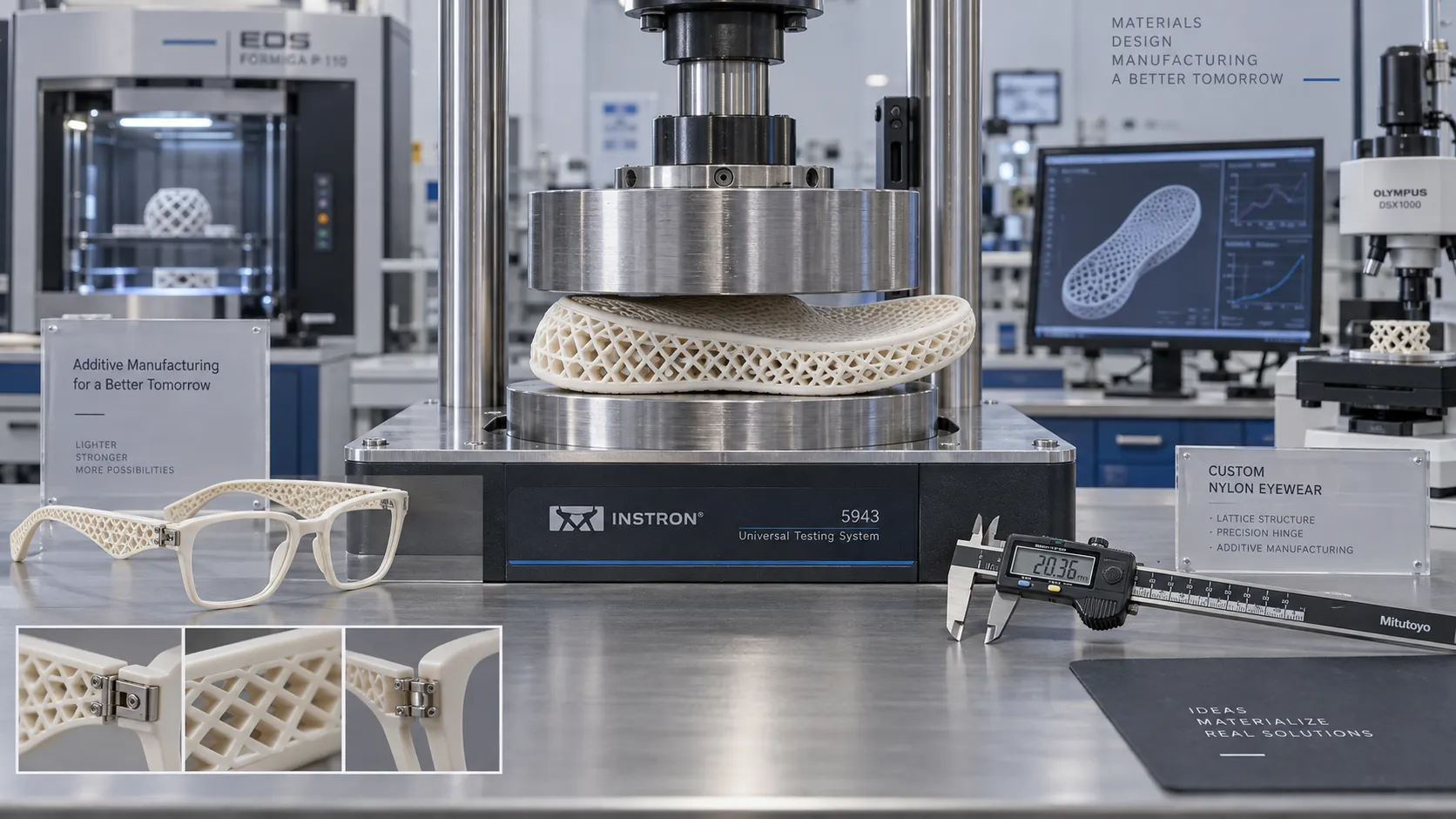
Which Consumer Goods Can Be 3D Printed, and What Are the Practical Limits?
Explore 3d printing consumer goods, from custom eyewear to replacement parts. Discover practical limits on materials, safety, and costs to make smarter production decisions.
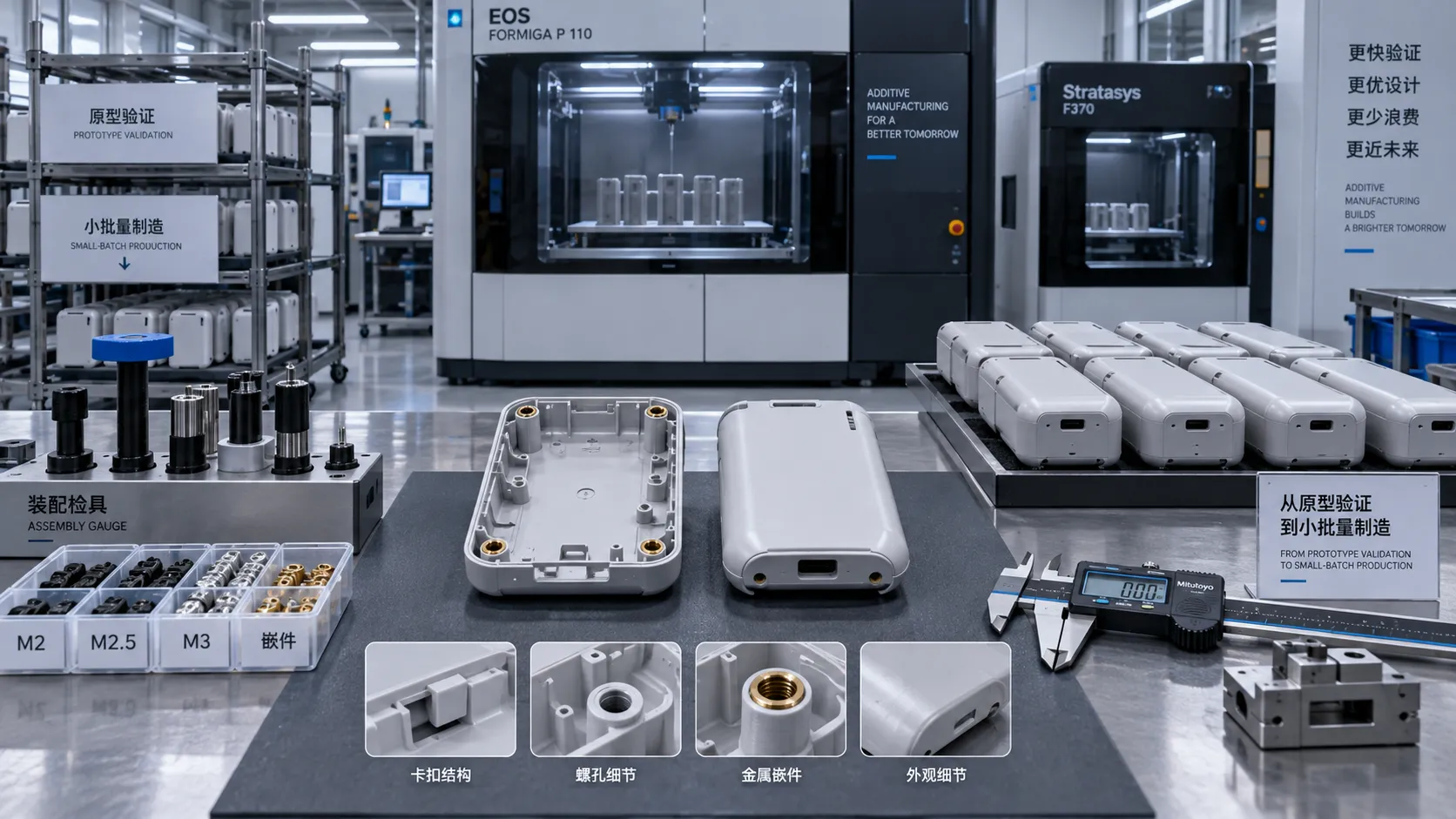
From Prototype to Small Batch: Applying 3D Printing to Consumer Goods
Explore 3d printing in consumer goods: learn how to move from prototype to small-batch production with practical guidance on materials, quality validation, and cost control.
Related News
- 00
0000-00
How to verify part consistency before choosing a 3D printing OEM - 00
0000-00
How does a rigid cryogenic transfer line handle thermal contraction? - 00
0000-00
How much does edge vision deployment cost beyond the hardware? - 00
0000-00
How does the purity of sputtering targets affect thin-film quality? - 00
0000-00
How high power laser cladding systems control substrate dilution
Dr. Hideo Tanaka
Weekly Insights
Stay ahead with our curated technology reports delivered every Monday.