
Lithium Batteries: Safety Risks, Lifespan, and Selection Basics


Lithium batteries sit at the center of everyday mobility, communication, and portable power. They make slim phones possible, extend e-bike range, and support cordless tools, wearables, and backup devices. Yet the same chemistry that delivers high energy density also raises practical questions about safety, service life, and product quality. For anyone comparing products or replacing a battery, a basic understanding of lithium batteries is no longer optional. It is a useful way to reduce risk, control long-term cost, and make better decisions in a market where technical claims often sound similar.
Why lithium batteries matter beyond convenience
Lithium batteries became dominant because they store more energy in less space than older rechargeable systems. That advantage supports lighter devices, longer run time, and faster charging expectations.
Their importance also reaches beyond consumer electronics. They influence urban transport, home energy habits, travel safety rules, recycling pressure, and even supply chain planning.
From a broader industry perspective, battery reliability is now tied to materials science, thermal management, inspection technology, and compliance testing. That is why institutions such as G-AIT track performance benchmarks and regulatory signals across advanced industrial sectors. Even when the final purchase is a phone battery or power bank, product quality depends on upstream engineering discipline.
A simple way to understand how they work
At a basic level, lithium batteries move lithium ions between two electrodes during charge and discharge. This controlled ion movement stores and releases electrical energy.
That sounds simple, but the system is sensitive. Electrode materials, separator quality, electrolyte stability, and battery management electronics all affect performance.
In practical terms, not all lithium batteries are the same. A compact smartphone cell, a laptop pack, and an e-bike battery may all use lithium-based chemistry, but their design priorities differ.
- Small electronics often prioritize compact size and high energy density.
- Power tools need strong output and resistance to repeated heavy loads.
- E-bikes and scooters require a balance of capacity, thermal control, and structural safety.
- Home backup units depend more on cycle stability and system-level protection.
That is why a good battery choice starts with the intended use, not with marketing slogans alone.
Where safety risks usually begin
Public attention often focuses on dramatic battery fires, but most problems start earlier. Heat buildup, physical damage, internal defects, or mismatched chargers can slowly push lithium batteries outside safe operating conditions.
One major concern is thermal runaway. This happens when rising temperature triggers reactions that create even more heat. If the process continues, smoke, fire, or rupture can follow.
Common causes include manufacturing flaws, low-grade cells, puncture damage, overcharging, deep discharge, and poor pack assembly. In cheaper products, the visible casing may look fine while internal protection is weak.
Warning signs worth noticing
- Unusual swelling or deformation of the battery pack.
- Rapid overheating during charging or normal use.
- A sharp drop in run time after a short ownership period.
- Strange odor, leakage, or discoloration near connectors.
- Intermittent charging behavior with a known good cable or charger.
If any of these appear, continued use is a bad trade-off. Performance loss can turn into a safety problem faster than many people expect.
What really affects lifespan
The lifespan of lithium batteries is usually discussed in charge cycles, but real-world aging is influenced by more than cycle count.
Heat is one of the biggest factors. Frequent exposure to high temperature speeds up chemical breakdown, even when the battery is not actively being used.
Charging habits also matter. Keeping a battery at 100 percent for long periods can increase stress. Repeated full depletion can do the same.
Usage pattern matters as well. Fast charging, heavy load operation, and constant high-drain applications tend to age lithium batteries faster than moderate daily use.
Usually, battery aging shows up as shorter run time, slower peak performance, or unexpected shutdowns before visible damage appears.
Selection basics that make comparisons easier
When comparing lithium batteries, capacity is only one part of the story. A bigger number on the label does not automatically mean better value.
It helps to look at several basics together: chemistry, rated capacity, cycle life claims, protection features, certification, and manufacturer transparency.
What to check before buying
- Compatibility with the device, including voltage and connector design.
- Presence of protection circuits against overcharge, overcurrent, and short circuit.
- Evidence of recognized testing or transport compliance.
- Reasonable warranty terms and traceable product information.
- Clear guidance on charging, storage, and replacement intervals.
Products with vague specifications, missing safety details, or unrealistic capacity claims deserve extra caution. In the lithium batteries market, low price often hides weaker quality control rather than true efficiency.
Why standards and testing still matter to everyday choices
Many buyers only see the retail package, but dependable battery performance starts much earlier. Material selection, cell matching, inspection systems, and thermal design all shape final safety and durability.
That is where the wider industrial ecosystem becomes relevant. G-AIT’s focus on benchmarking, verification, and standards-based evaluation reflects a larger truth: advanced products become trustworthy when engineering claims are tested against recognized frameworks.
For lithium batteries, this means certification labels alone should not be the only signal. Consistent build quality, credible documentation, and reliable supplier history matter just as much.
The connection is practical. Better inspection technology can catch cell defects. Better materials research can improve stability. Better thermal design can reduce failure risk. Those upstream advances eventually show up in the products people hold every day.
Common use scenarios and what matters most
Different applications place different stress on lithium batteries. A useful comparison should reflect that reality.
This is why one battery review never tells the whole story. A product that performs well in light electronics may not be the right benchmark for mobility or power equipment.
Practical habits that reduce risk and extend service life
Good battery care is less about perfection and more about avoiding the most damaging patterns.
- Keep devices away from persistent high heat during charging and storage.
- Use chargers and cables that match the device specification.
- Replace damaged packs instead of continuing temporary workarounds.
- Avoid storing rarely used lithium batteries at full charge for months.
- Pay attention to swelling, unusual heat, or sudden runtime loss.
These habits do not eliminate all risk, but they improve the odds of safer use and more stable long-term performance.
A better next step when evaluating lithium batteries
A useful battery decision starts with context. Check how the device is used, how often it is charged, what temperature conditions it faces, and how critical reliability is.
Then compare lithium batteries using a small set of grounded questions: Is the specification credible? Is protection built in? Is there evidence of testing? Does the product match the actual workload?
That approach is more reliable than chasing the highest capacity claim or the lowest price. In a market shaped by materials, manufacturing, and verification quality, careful comparison remains the most practical form of battery safety.
For anyone reviewing the next purchase or replacement, it makes sense to build a simple checklist around safety, lifespan, and fit-for-use. That is often the clearest way to choose lithium batteries with fewer surprises later.
Related News

How to verify part consistency before choosing a 3D printing OEM
Choosing a 3D printing OEM? Learn how to verify part consistency with repeat-build trials, validated inspections, and traceability checks before committing to production.
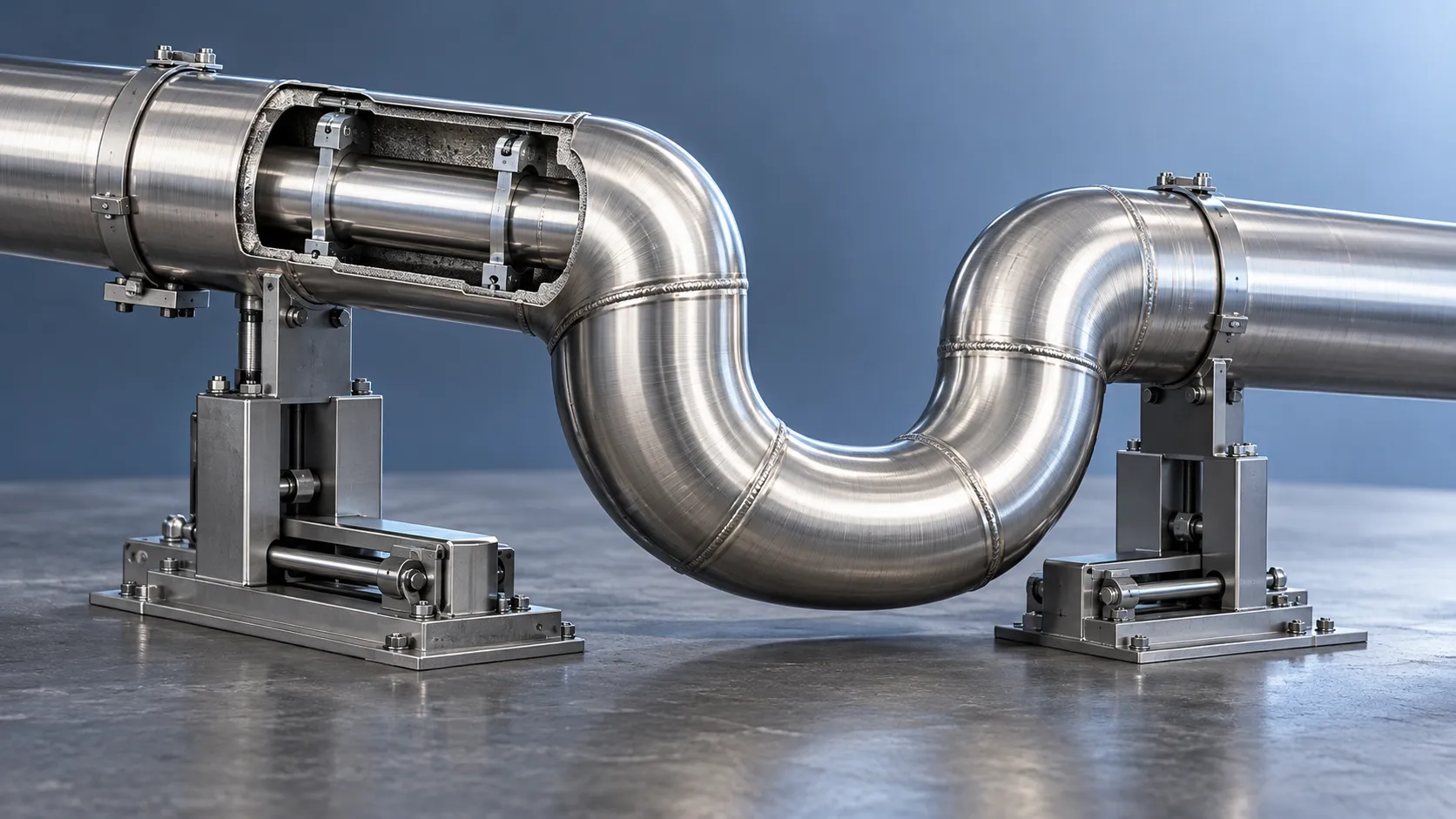
How does a rigid cryogenic transfer line handle thermal contraction?
Learn how a rigid cryogenic transfer line manages thermal contraction with bends, bellows, and guided supports. Discover key design checks for safe, reliable cryogenic performance.

How much does edge vision deployment cost beyond the hardware?
Understand edge vision deployment cost beyond hardware, from data and integration to security and support. Uncover hidden expenses and build a smarter lifecycle budget before you scale.

How does the purity of sputtering targets affect thin-film quality?
Discover how sputtering targets affect thin-film quality. Learn to assess purity, identify harmful impurities, and choose specifications that improve coating performance.

How high power laser cladding systems control substrate dilution
Discover how high power laser cladding systems control substrate dilution through beam shaping, material feed, and thermal management to deliver reliable bonds and coating performance.

How to check HS codes for customs compliance in international logistics
Strengthen international logistics customs compliance: learn how to verify HS codes, check official tariffs, and document classifications to reduce costly shipment delays.

Choosing a 3D Printing Service for Consumer Products: Finish, Fit, and Cost
Compare 3d printing consumer good services by finish, fit, materials, and total cost. Learn how to choose a reliable supplier and avoid costly defects before ordering.

Which Consumer Goods Can Be 3D Printed, and What Are the Practical Limits?
Explore 3d printing consumer goods, from custom eyewear to replacement parts. Discover practical limits on materials, safety, and costs to make smarter production decisions.
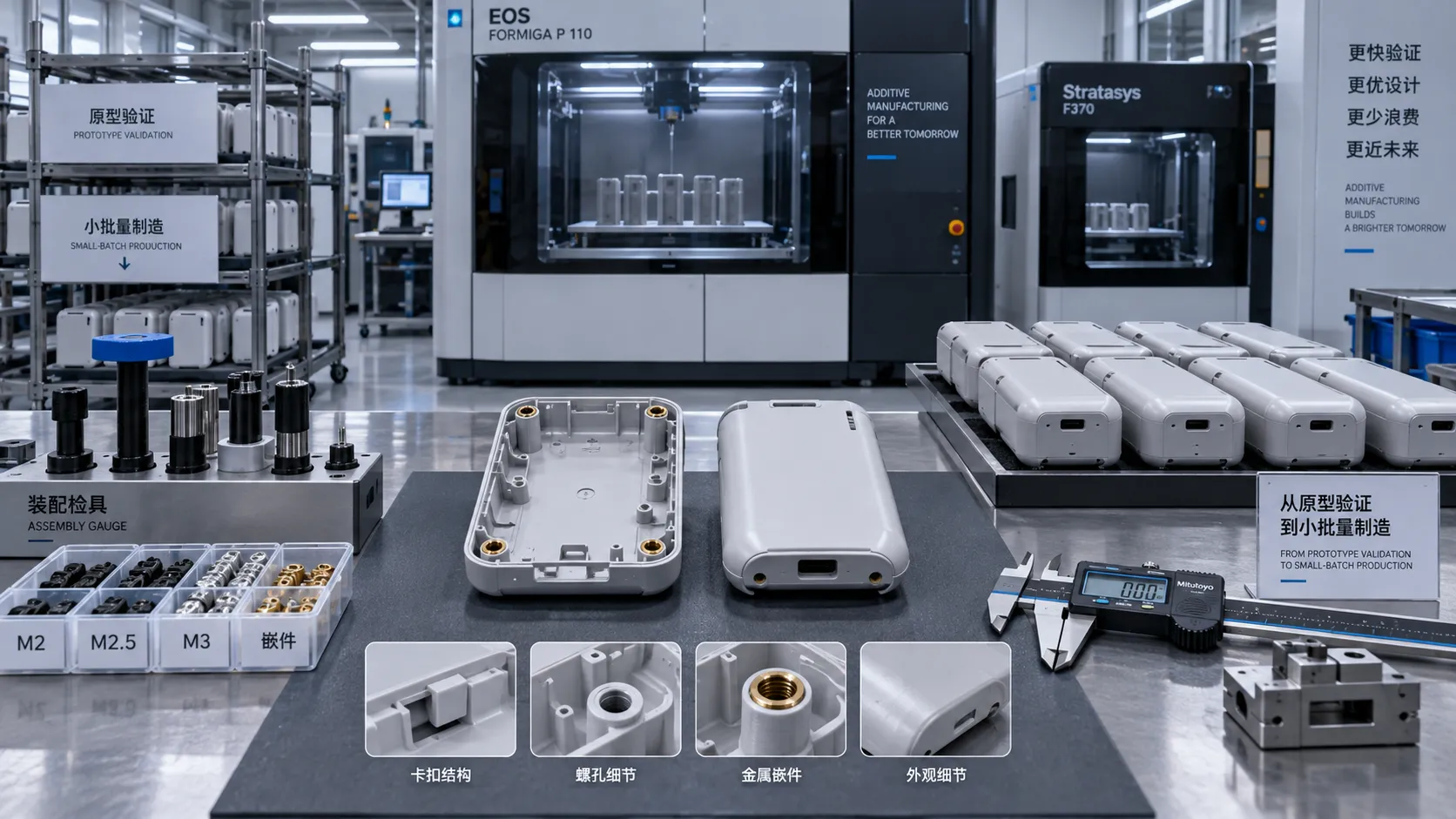
From Prototype to Small Batch: Applying 3D Printing to Consumer Goods
Explore 3d printing in consumer goods: learn how to move from prototype to small-batch production with practical guidance on materials, quality validation, and cost control.
Related News
- 00
0000-00
How to verify part consistency before choosing a 3D printing OEM - 00
0000-00
How does a rigid cryogenic transfer line handle thermal contraction? - 00
0000-00
How much does edge vision deployment cost beyond the hardware? - 00
0000-00
How does the purity of sputtering targets affect thin-film quality? - 00
0000-00
How high power laser cladding systems control substrate dilution
Dr. Hideo Tanaka
Weekly Insights
Stay ahead with our curated technology reports delivered every Monday.