
Supplier Sourcing Strategies That Reduce Cost and Delivery Risk

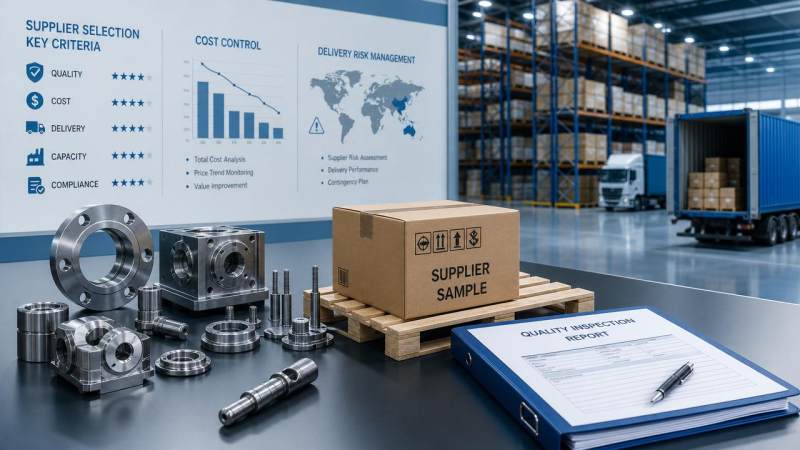
Supplier Sourcing Strategies That Reduce Cost and Delivery Risk
For procurement teams, effective supplier sourcing strategies now shape far more than purchase price.
They directly influence lead times, supply continuity, quality stability, and contract flexibility.
That shift matters most in industrial markets with long qualification cycles and strict technical standards.
A low quote can look attractive early, then become expensive through delays, rework, or compliance gaps.
This is why better supplier sourcing strategies balance cost control with delivery confidence.
In practice, the strongest sourcing decisions combine market intelligence, technical validation, and structured supplier risk review.
Why Traditional Sourcing Models No Longer Work
Many sourcing models still focus on unit price, annual volume, and basic vendor comparison.
That approach misses hidden cost drivers across logistics, engineering change, and supplier responsiveness.
From recent market changes, the clearer signal is volatility rather than stability.
Raw material swings, export controls, and production bottlenecks now affect sourcing outcomes much faster.
This also means supplier sourcing strategies must account for disruption before a purchase order is released.
The goal is not to avoid risk completely. It is to make risk visible, measurable, and manageable.
Build Cost Visibility Before Supplier Selection
Strong supplier sourcing strategies begin with cost transparency, not just quote collection.
A supplier with a lower ex-works price may create higher landed cost and larger delivery exposure.
In real purchasing work, total cost is the more useful decision baseline.
Review cost through these layers:
- Tooling, setup, and non-recurring engineering cost
- Freight, customs, insurance, and packaging requirements
- Inspection, validation, and certification expense
- Inventory holding cost caused by long lead times
- Failure cost from scrap, returns, or field quality issues
- Administrative cost linked to poor communication or order changes
This kind of breakdown helps separate a cheap supplier from a truly competitive one.
It also makes supplier sourcing strategies easier to defend internally during budget and risk discussions.
Use Technical Validation to Avoid Expensive Surprises
Cost reduction fails quickly when technical fit is weak.
That is especially true in sectors shaped by lasers, additive manufacturing, vision systems, graphene, or vacuum engineering.
Here, supplier sourcing strategies need deeper engineering checks before commercial negotiation is finalized.
Focus on validation points such as:
- Conformance to ISO, ASTM, IEEE, SEMI, or application-specific standards
- Repeatability data under real operating conditions
- Process capability, traceability, and batch consistency
- Material origin, test reports, and regulatory declarations
- After-sales engineering support and failure response time
This is where benchmarking intelligence adds real value.
G-AIT supports this step by connecting technical performance data with commercial decision criteria.
That makes supplier sourcing strategies more grounded in verifiable capability, not only supplier claims.
Evaluate Delivery Risk as Early as Price Risk
Delivery risk often hides behind acceptable lead time promises.
The bigger issue is whether the supplier can maintain that lead time during demand spikes.
More importantly, procurement should test how the supplier handles disruption, not only normal production.
Useful delivery risk indicators include:
- Capacity utilization and backup production options
- Dependence on single-source raw materials or critical subcomponents
- Average on-time delivery performance across similar orders
- Exposure to export restrictions or regional logistics instability
- Speed of escalation when quality or shipping issues appear
These checks strengthen supplier sourcing strategies because they reveal operational resilience early.
They also reduce the chance of paying premium freight later to recover lost production time.
Choose the Right Sourcing Model for the Category
Not every category needs the same supplier sourcing strategies.
A standard commodity should not be managed like a custom high-performance subsystem.
The sourcing model should reflect technical complexity, switching cost, and supply risk.
When the model matches the category, supplier sourcing strategies become more efficient and easier to scale.
Strengthen Supplier Selection with Better Intelligence
Good sourcing depends on better information, not just more information.
That includes market pricing trends, patent signals, export updates, and benchmarked performance data.
For advanced industrial procurement, fragmented data slows decisions and increases selection risk.
G-AIT addresses this gap by aligning technical benchmarking with global commercial intelligence.
That support is especially useful when supplier sourcing strategies involve emerging technologies or cross-border sourcing.
Better intelligence makes negotiations sharper and qualification decisions more reliable.
Practical Steps to Improve Supplier Sourcing Strategies
In day-to-day operations, improvement comes from process discipline more than dramatic policy changes.
A practical roadmap can look like this:
- Segment suppliers by business criticality, technical complexity, and switching difficulty.
- Build a total cost model before requesting final commercial approval.
- Use technical scorecards alongside price comparisons during supplier review.
- Check delivery resilience through capacity, backup planning, and logistics exposure.
- Set dual-source options where failure impact is high.
- Review supplier performance quarterly using cost, quality, and lead time metrics.
These actions keep supplier sourcing strategies practical, measurable, and aligned with operational goals.
They also help teams move from reactive purchasing to structured procurement control.
Final Takeaway
The best supplier sourcing strategies do not chase the lowest visible price.
They reduce total cost by improving technical fit, delivery stability, and supplier accountability.
That matters even more in advanced industrial markets where reliability failures become expensive very quickly.
With stronger data, clearer validation, and smarter category planning, supplier sourcing strategies become a genuine competitive tool.
The next step is simple: review current suppliers through total cost, technical capability, and delivery resilience at the same time.
That single shift usually reveals the fastest path to lower cost and lower delivery risk.
Related News

How to verify part consistency before choosing a 3D printing OEM
Choosing a 3D printing OEM? Learn how to verify part consistency with repeat-build trials, validated inspections, and traceability checks before committing to production.

How does a rigid cryogenic transfer line handle thermal contraction?
Learn how a rigid cryogenic transfer line manages thermal contraction with bends, bellows, and guided supports. Discover key design checks for safe, reliable cryogenic performance.

How much does edge vision deployment cost beyond the hardware?
Understand edge vision deployment cost beyond hardware, from data and integration to security and support. Uncover hidden expenses and build a smarter lifecycle budget before you scale.

How does the purity of sputtering targets affect thin-film quality?
Discover how sputtering targets affect thin-film quality. Learn to assess purity, identify harmful impurities, and choose specifications that improve coating performance.

How high power laser cladding systems control substrate dilution
Discover how high power laser cladding systems control substrate dilution through beam shaping, material feed, and thermal management to deliver reliable bonds and coating performance.
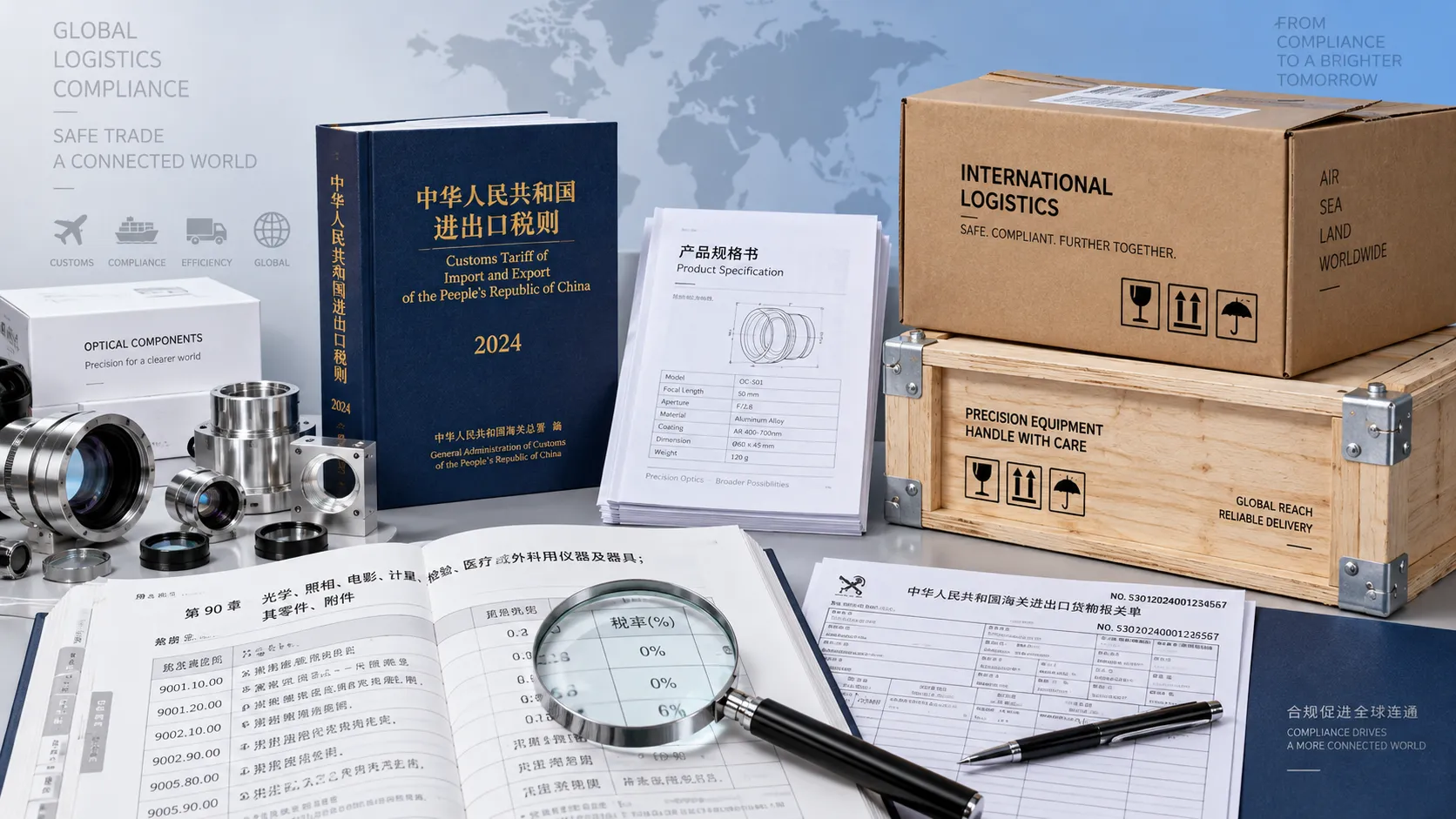
How to check HS codes for customs compliance in international logistics
Strengthen international logistics customs compliance: learn how to verify HS codes, check official tariffs, and document classifications to reduce costly shipment delays.
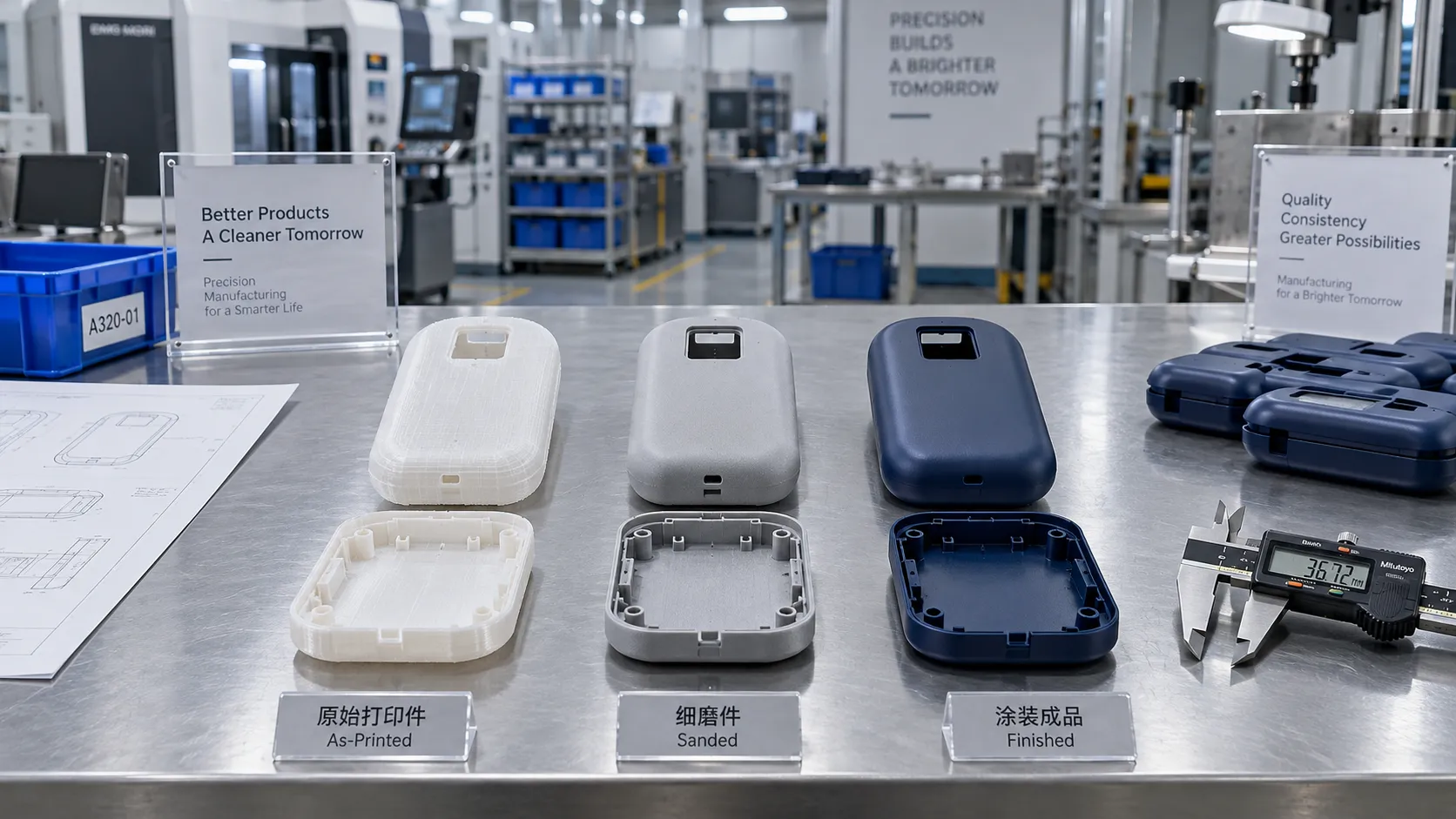
Choosing a 3D Printing Service for Consumer Products: Finish, Fit, and Cost
Compare 3d printing consumer good services by finish, fit, materials, and total cost. Learn how to choose a reliable supplier and avoid costly defects before ordering.

Which Consumer Goods Can Be 3D Printed, and What Are the Practical Limits?
Explore 3d printing consumer goods, from custom eyewear to replacement parts. Discover practical limits on materials, safety, and costs to make smarter production decisions.

From Prototype to Small Batch: Applying 3D Printing to Consumer Goods
Explore 3d printing in consumer goods: learn how to move from prototype to small-batch production with practical guidance on materials, quality validation, and cost control.
Related News
- 00
0000-00
How to verify part consistency before choosing a 3D printing OEM - 00
0000-00
How does a rigid cryogenic transfer line handle thermal contraction? - 00
0000-00
How much does edge vision deployment cost beyond the hardware? - 00
0000-00
How does the purity of sputtering targets affect thin-film quality? - 00
0000-00
How high power laser cladding systems control substrate dilution
Dr. Hideo Tanaka
Weekly Insights
Stay ahead with our curated technology reports delivered every Monday.