
Foreign Trade Policy Impact on Manufacturing in 2026


Foreign trade policy is becoming a manufacturing variable, not a background issue
The foreign trade policy impact on manufacturing in 2026 is no longer limited to tariff headlines or customs delays.
It now shapes investment timing, qualification standards, supplier choices, and the economics of cross-border production.
That shift matters because industrial competitiveness increasingly depends on technical depth as much as landed cost.
In sectors tied to lasers, additive systems, optical inspection, advanced materials, and vacuum engineering, policy pressure is especially visible.
Export controls, local content rules, sanctions screening, and dual-use reviews are moving closer to day-to-day operating decisions.
For industrial evaluation work, the main question is not whether policy will matter.
The real question is which parts of the manufacturing system become more exposed, more expensive, or more resilient.
The 2026 signal is clearer: policy is reaching deeper into the production stack
Recent changes suggest a broader foreign trade policy impact on manufacturing than many forecasts assumed two years ago.
Trade policy is extending from finished goods into components, software layers, production tools, and process know-how.
This is particularly relevant in high-spec environments where a single restricted subsystem can stall an entire line.
A machine may be assembled locally, yet still depend on controlled optics, sensors, precision motion modules, or vacuum parts.
That is why the foreign trade policy impact on manufacturing increasingly shows up as hidden fragility rather than visible disruption.
Another notable signal is the rise of compliance costs before shipment even begins.
Licensing checks, end-use verification, origin tracing, and standards validation now consume budget once reserved for expansion.
What is driving this stronger policy effect
The policy environment is changing because trade is now tied to industrial security, technology leadership, and strategic autonomy.
Governments are treating advanced manufacturing capability as national infrastructure, not just commercial activity.
These drivers reinforce each other.
A tariff can often be absorbed.
A documentation failure on origin, end use, or technical classification can halt revenue entirely.
The impact is not uniform across manufacturing segments
The foreign trade policy impact on manufacturing varies sharply by process complexity, regulatory exposure, and technology sensitivity.
Commodity production feels price pressure first.
Advanced industrial systems feel capability pressure first.
That distinction is important when evaluating risk in diversified manufacturing portfolios.
Where pressure is intensifying
- Industrial laser processing faces tighter review on power systems, optical assemblies, and precision control modules.
- 3D printing and additive manufacturing are exposed through metal powders, software control environments, and aerospace-grade qualification chains.
- Machine vision and optical inspection systems face sensitivity around sensors, AI-enabled analysis, and semiconductor-linked applications.
- Graphene and nano-materials encounter questions on export classification, research transfer, and industrial use verification.
- Vacuum and cryogenic engineering can be affected by dual-use rules tied to high-purity environments and advanced research infrastructure.
This is where a benchmarking-led view becomes practical.
G-AIT’s focus on ISO, SEMI, IEEE, and ASTM alignment reflects a real market need in 2026.
When policy uncertainty rises, verified specifications and standards mapping become part of risk control.
Costs are changing in ways conventional sourcing models often miss
One of the less visible aspects of the foreign trade policy impact on manufacturing is cost migration.
The burden is moving away from unit price alone and into qualification, verification, legal review, and redesign.
In actual projects, the largest unplanned cost may come from replacing a technically compliant but politically exposed source.
There is also a timing cost.
A delayed inspection camera, laser head, or vacuum component can hold up commissioning across an entire facility schedule.
That is why landed cost models need a wider frame in 2026.
The evaluation baseline should include policy exposure, requalification lead time, traceability maturity, and export licensing dependency.
A more useful cost lens
The next advantage may come from better industrial intelligence, not just relocation
A common response to the foreign trade policy impact on manufacturing is geographic diversification.
That remains useful, but it is not sufficient on its own.
Moving assembly to a new jurisdiction does not remove dependence on restricted process inputs or controlled technical layers.
More durable resilience comes from understanding which dependencies are technical, legal, and commercial at the same time.
This explains why technical benchmarking repositories and export-control monitoring tools are gaining operational value.
G-AIT sits naturally in this space because frontier manufacturing decisions now require both performance verification and regulatory foresight.
In practice, a strong dataset on subsystem equivalence can shorten the path to alternate sourcing.
Patent tracking and tender intelligence can also reveal where policy pressure is redirecting future capacity.
What deserves closer attention now
- Whether critical components have a second qualified source in a different policy zone.
- Whether system documentation supports origin audits and end-use checks without rework.
- Whether standards compliance is recognized across target markets, not only in the current region.
- Whether spare parts, firmware, and calibration services remain accessible under tighter controls.
- Whether planned capital investment depends on subsidy frameworks that may change after elections or trade disputes.
What 2026 likely rewards is preparedness with evidence
The foreign trade policy impact on manufacturing is likely to remain uneven, selective, and technically specific.
That makes broad assumptions less useful than evidence-based review.
The strongest position is not built on predicting every policy move.
It is built on identifying which assets, materials, software environments, and suppliers carry concentrated policy risk.
From there, response plans can be staged instead of improvised.
A practical next step is to review manufacturing exposure through three filters: technical substitutability, regulatory sensitivity, and continuity cost.
Then compare that map against likely 2026 trade scenarios, especially in advanced industrial equipment and material chains.
The businesses that adapt fastest will usually be those with better component visibility, cleaner standards evidence, and earlier warning signals.
In that environment, watching policy is not enough.
Linking policy shifts to engineering reality is what turns uncertainty into usable judgment.
- industrial equipment
- supply chain
- foreign trade policy
- manufacturing
- sensors
- foreign trade
- semiconductor
- foreign trade policy impact on manufacturing
- Industrial Laser Processing
- 3D Printing
- Additive Manufacturing
- Machine Vision
- Optical Inspection
- Vacuum Engineering
- Cryogenic Engineering
- Technical Benchmarking
- industrial equipment
- supply chain
- foreign trade policy
- manufacturing
- sensors
- foreign trade
- semiconductor
- foreign trade policy impact on manufacturing
- Industrial Laser Processing
- 3D Printing
- Additive Manufacturing
- Machine Vision
- Optical Inspection
- Vacuum Engineering
- Cryogenic Engineering
- Technical Benchmarking
Related News
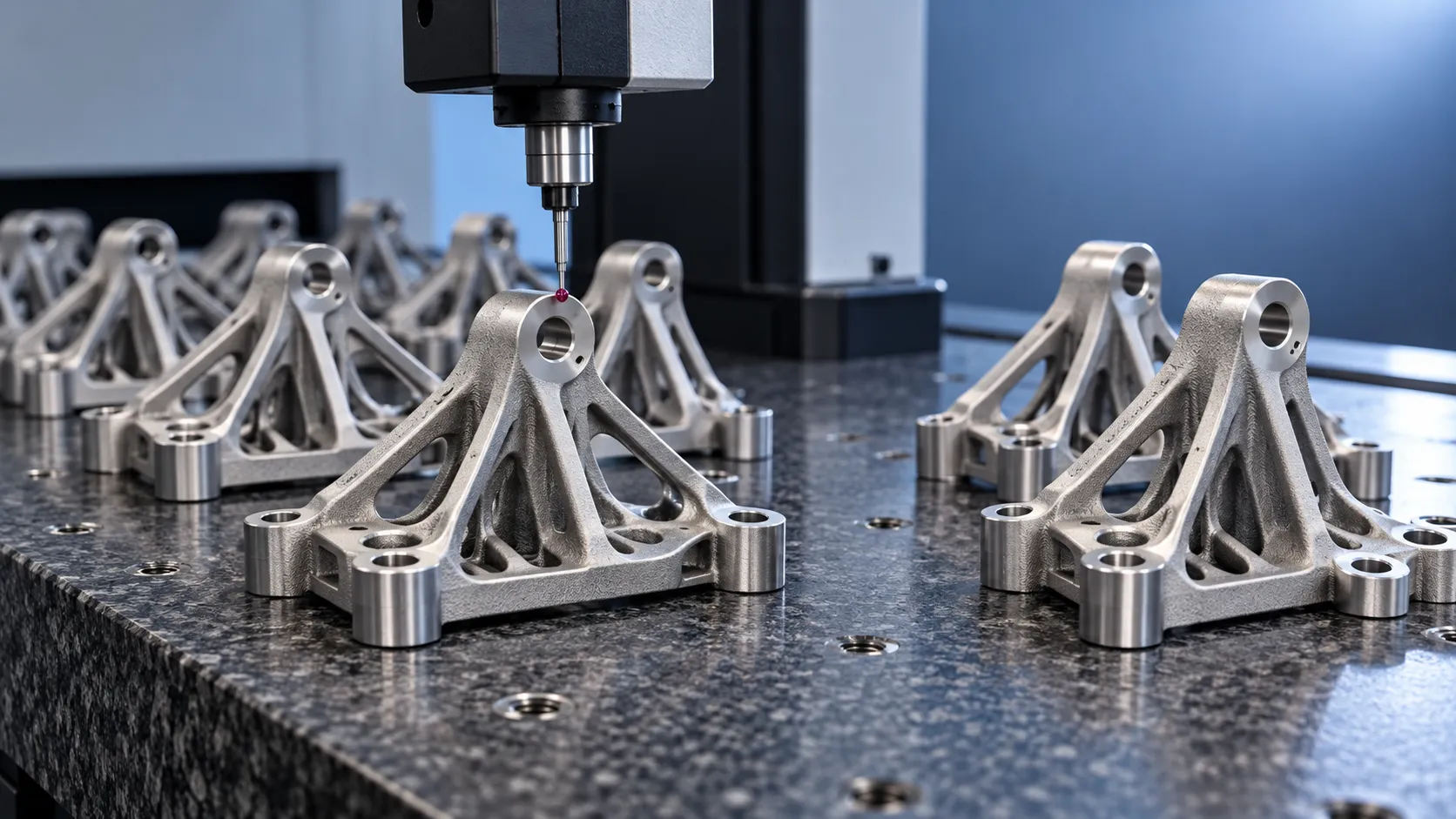
How to verify part consistency before choosing a 3D printing OEM
Choosing a 3D printing OEM? Learn how to verify part consistency with repeat-build trials, validated inspections, and traceability checks before committing to production.
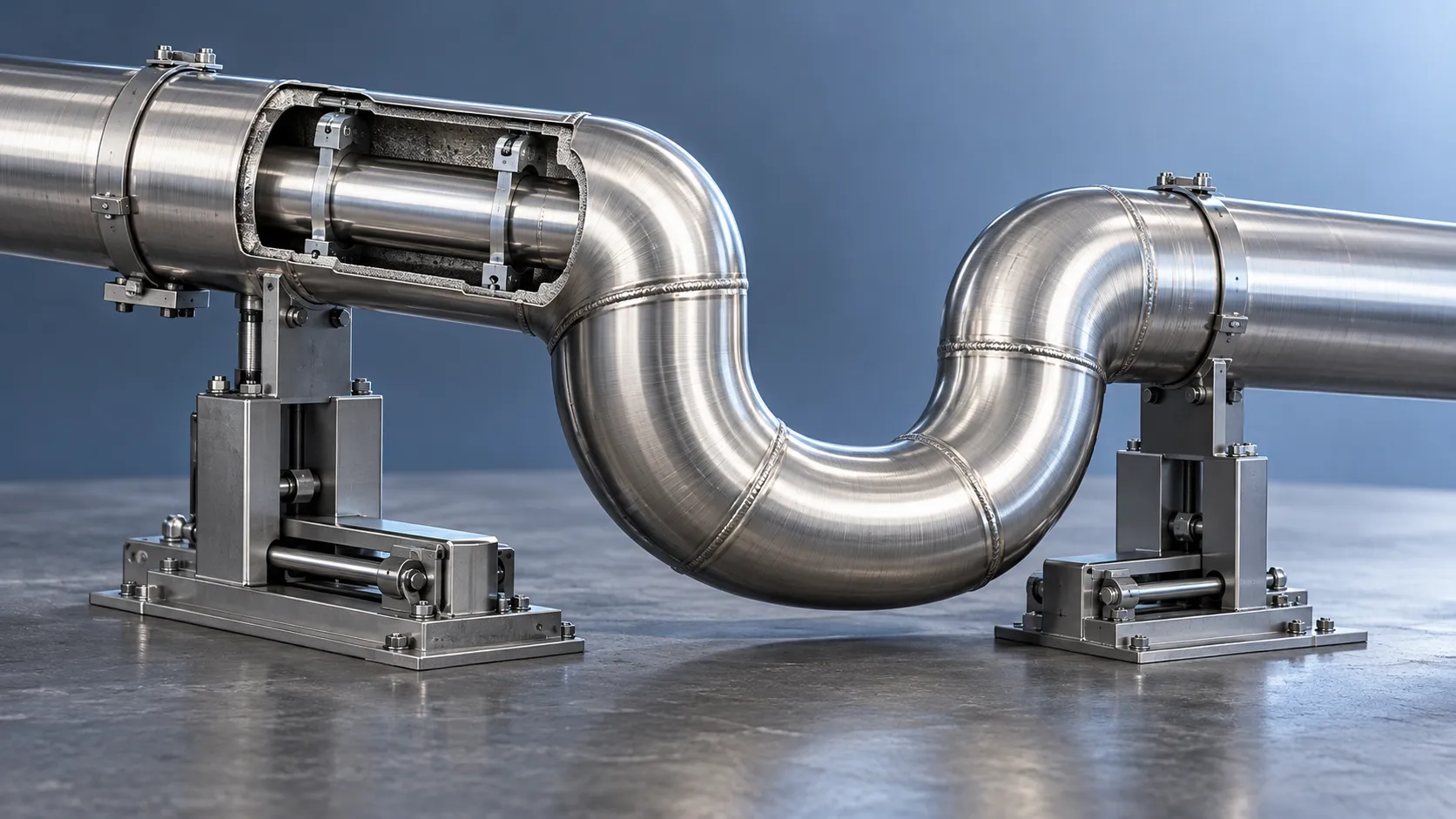
How does a rigid cryogenic transfer line handle thermal contraction?
Learn how a rigid cryogenic transfer line manages thermal contraction with bends, bellows, and guided supports. Discover key design checks for safe, reliable cryogenic performance.

How much does edge vision deployment cost beyond the hardware?
Understand edge vision deployment cost beyond hardware, from data and integration to security and support. Uncover hidden expenses and build a smarter lifecycle budget before you scale.

How does the purity of sputtering targets affect thin-film quality?
Discover how sputtering targets affect thin-film quality. Learn to assess purity, identify harmful impurities, and choose specifications that improve coating performance.

How high power laser cladding systems control substrate dilution
Discover how high power laser cladding systems control substrate dilution through beam shaping, material feed, and thermal management to deliver reliable bonds and coating performance.

How to check HS codes for customs compliance in international logistics
Strengthen international logistics customs compliance: learn how to verify HS codes, check official tariffs, and document classifications to reduce costly shipment delays.
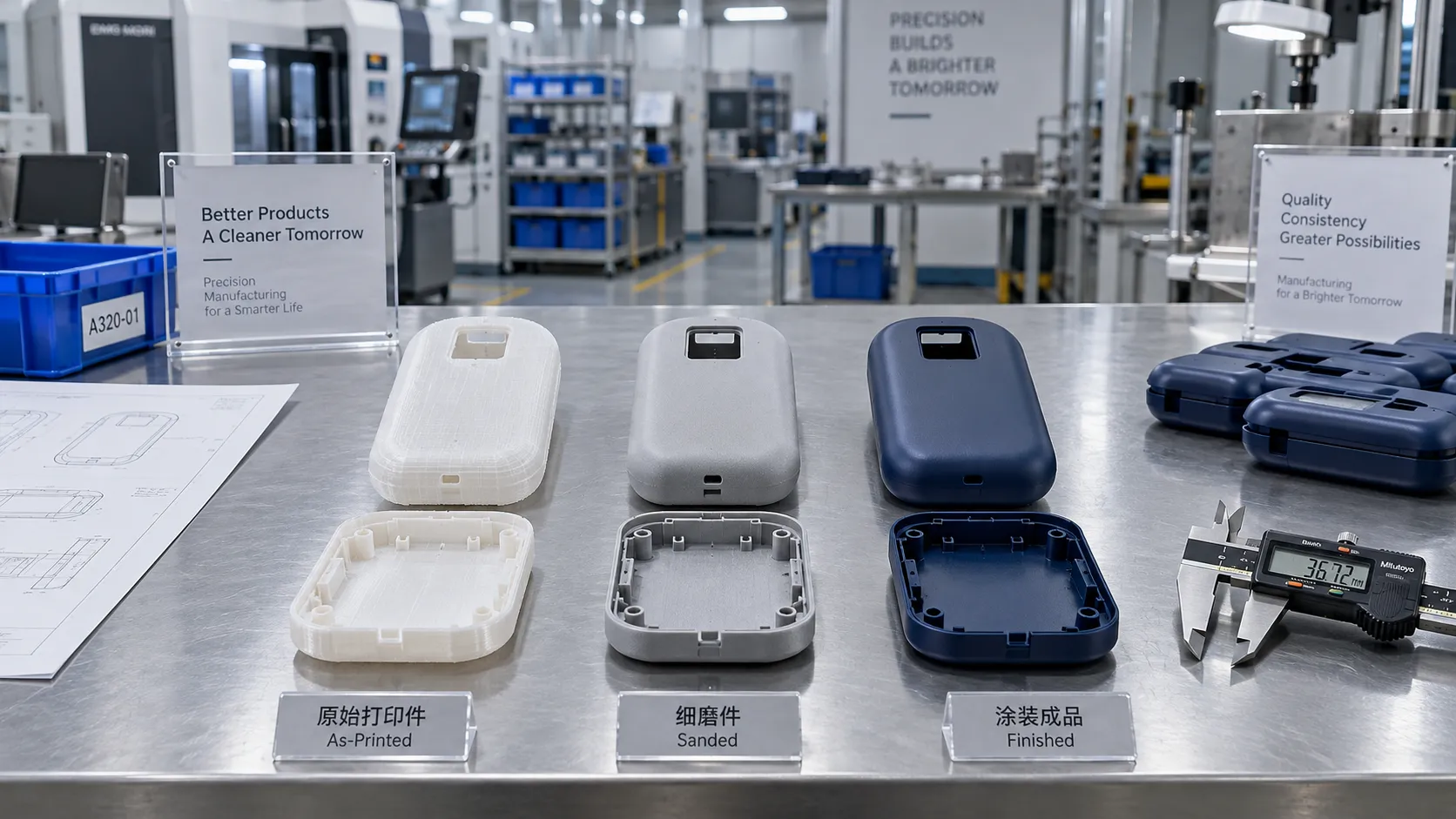
Choosing a 3D Printing Service for Consumer Products: Finish, Fit, and Cost
Compare 3d printing consumer good services by finish, fit, materials, and total cost. Learn how to choose a reliable supplier and avoid costly defects before ordering.
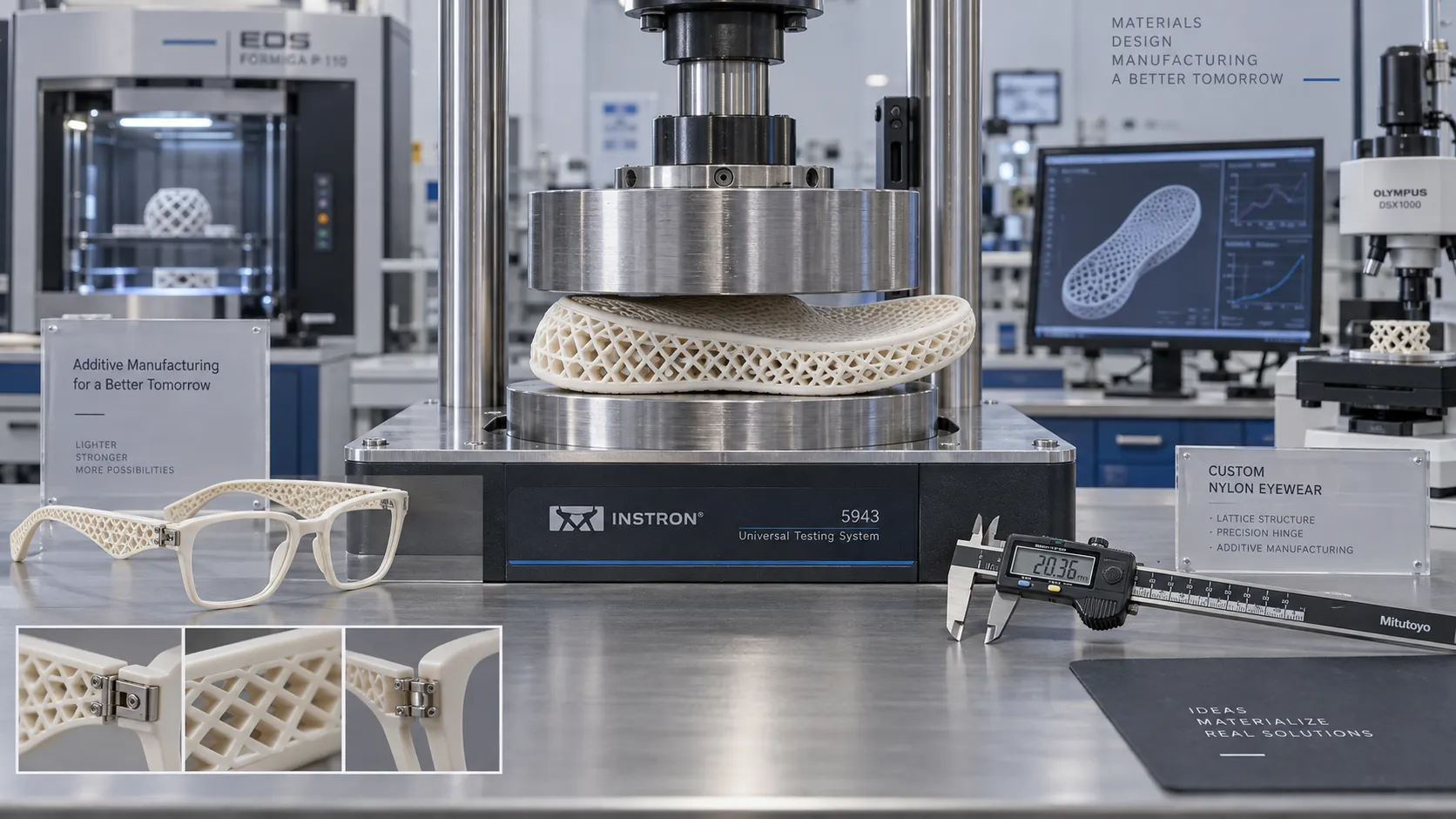
Which Consumer Goods Can Be 3D Printed, and What Are the Practical Limits?
Explore 3d printing consumer goods, from custom eyewear to replacement parts. Discover practical limits on materials, safety, and costs to make smarter production decisions.
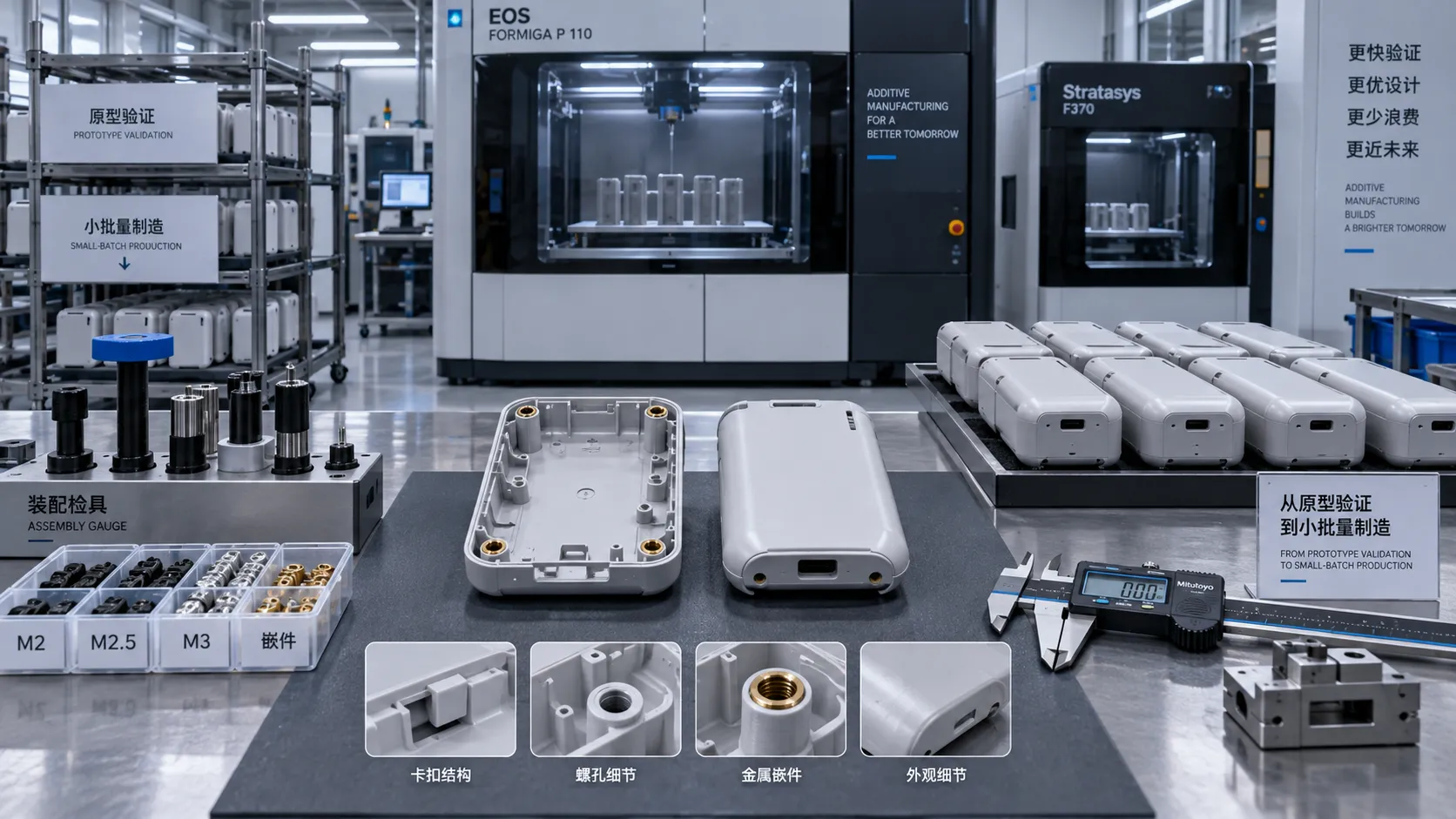
From Prototype to Small Batch: Applying 3D Printing to Consumer Goods
Explore 3d printing in consumer goods: learn how to move from prototype to small-batch production with practical guidance on materials, quality validation, and cost control.
Related News
- 00
0000-00
How to verify part consistency before choosing a 3D printing OEM - 00
0000-00
How does a rigid cryogenic transfer line handle thermal contraction? - 00
0000-00
How much does edge vision deployment cost beyond the hardware? - 00
0000-00
How does the purity of sputtering targets affect thin-film quality? - 00
0000-00
How high power laser cladding systems control substrate dilution
Dr. Hideo Tanaka
Weekly Insights
Stay ahead with our curated technology reports delivered every Monday.