
Needle Roller Bearings: When They Outperform Ball Bearings

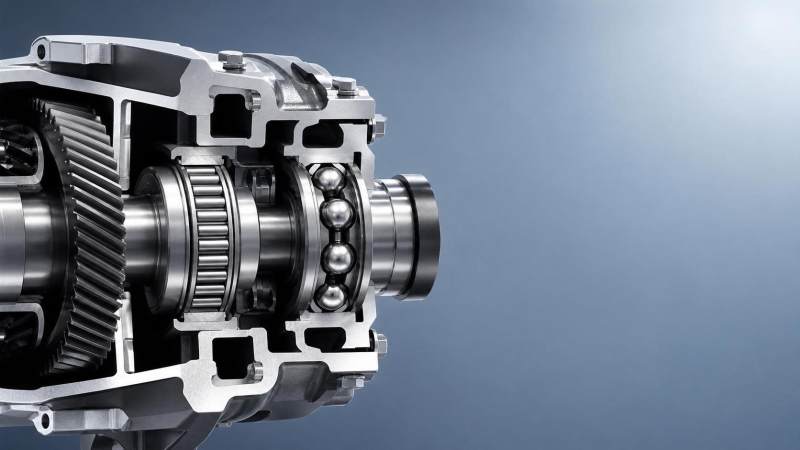
Needle Roller Bearings: When They Outperform Ball Bearings
For project managers and engineering leads, bearing choice is rarely a minor detail.
It affects packaging, load margin, maintenance cycles, and overall project risk.
In many compact machines, needle roller bearings deliver clear advantages over ball bearings.
That advantage becomes stronger when radial load is high and available space is tight.
This article explains where needle roller bearings outperform ball bearings and how to evaluate that choice with less uncertainty.
Why the Comparison Matters
Ball bearings are common because they are versatile, available, and easy to specify.
They handle moderate radial and axial loads with relatively low friction.
Still, they are not always the best answer for dense, high-load assemblies.
Needle roller bearings use long, slender rollers instead of balls.
That geometry creates a larger contact area between rolling elements and raceways.
The result is higher radial load capacity within a smaller cross section.
In practical terms, that means designers can keep shafts compact without giving up strength.
This is especially useful in robotics, transmissions, pumps, machine tools, and automated handling systems.
Where Needle Roller Bearings Outperform Ball Bearings
1. High Radial Loads in Limited Space
This is the strongest case for needle roller bearings.
When the housing envelope is constrained, ball bearings may need a larger outside diameter.
Needle roller bearings often carry more radial load with a slimmer profile.
That matters in gearboxes, satellite drives, compact actuators, and auxiliary drive modules.
2. Oscillating or Reciprocating Motion
Some applications never run at steady high speed.
They move back and forth, index in short arcs, or cycle under changing loads.
In these cases, needle roller bearings can distribute contact stress more effectively.
That can improve fatigue resistance when alignment and lubrication are well controlled.
3. Stiffness Requirements
Assembly stiffness influences precision, vibration behavior, and tool path accuracy.
Compared with ball bearings, needle roller bearings usually offer higher radial rigidity.
That makes them attractive in support rollers, guidance systems, and compact industrial motion platforms.
4. Weight and Material Efficiency
A larger ball bearing can solve a load problem, but it may also increase weight.
It can force changes to housing thickness, shaft diameter, and sealing layout.
Needle roller bearings can reduce those knock-on effects in tightly engineered assemblies.
When Ball Bearings Still Make More Sense
A good selection process also needs clear limits.
Needle roller bearings are not automatically better in every operating condition.
Ball bearings usually remain the better option in four common situations:
- High axial loads are present and no separate thrust solution is planned.
- Rotational speed is very high and friction must stay minimal.
- Misalignment is expected and the surrounding structure lacks tight tolerances.
- The application needs broad availability with simplified maintenance replacement.
This is where many selection mistakes begin.
A team may focus on load capacity, then overlook speed, contamination, or assembly variation.
From a project perspective, that can turn a smart component choice into a warranty issue.
Key Evaluation Criteria Before Choosing Needle Roller Bearings
A reliable decision should move beyond catalog ratings.
The better question is whether needle roller bearings fit the full operating system.
Load Profile
Check actual radial load, peak load, shock load, and duty cycle.
Needle roller bearings perform best when radial demand is the main design challenge.
Space Envelope
Measure not just diameter, but total packaging consequences.
That includes seals, shafts, shoulders, lubrication channels, and service access.
Raceway Hardness and Surface Quality
Many needle roller bearing arrangements depend heavily on raceway quality.
If the shaft or housing acts as a raceway, hardness and finish become critical.
Ignoring this point can erase the expected performance advantage.
Lubrication Strategy
Lubrication determines heat, wear, and service life.
Grease may work in sealed, moderate-speed systems.
Oil circulation may be necessary in higher-speed or heavily loaded environments.
Tolerance Stack and Alignment
Needle roller bearings can be less forgiving than ball bearings.
Small alignment errors may concentrate stress and shorten operating life.
This also means machining capability should be part of the sourcing discussion.
A Practical Selection Framework
For faster decisions, use a structured screen before comparing suppliers.
- Define whether radial load, axial load, or combined load dominates the application.
- Confirm the allowable envelope for shaft size and housing thickness.
- Check speed, duty cycle, shock exposure, and thermal operating range.
- Review lubrication access, contamination risk, and sealing constraints.
- Verify machining tolerances and raceway hardness assumptions.
- Compare total system cost, not only the unit price of the bearing.
This framework helps prevent a common procurement trap.
A cheaper bearing can create higher cost through redesign, field failure, or reduced uptime.
Common Industrial Scenarios
In compact robotic joints, needle roller bearings often help manage high radial loads.
They preserve tight packaging while supporting repeatable motion under cyclic stress.
In gearbox carriers and transmission elements, needle roller bearings can improve load density.
That benefit becomes more obvious as torque rises and installation space shrinks.
In machine vision stages or optical handling modules, stiffness can matter as much as speed.
Here, needle roller bearings may support more stable motion when radial loads are concentrated.
In vacuum-compatible subsystems, the decision becomes more specialized.
Material selection, lubricant behavior, and cleanliness standards may outweigh pure load advantages.
That is why system context matters more than a simple bearing-versus-bearing comparison.
Final Decision Guidance
Needle roller bearings outperform ball bearings when radial load is high and space is limited.
They also stand out when stiffness and compact packaging directly affect machine performance.
But the advantage only holds when alignment, raceway quality, and lubrication are handled properly.
A sound evaluation should connect bearing type to the full operating environment.
That includes load path, tolerance control, maintenance strategy, and lifecycle cost.
When those factors align, needle roller bearings can deliver a better technical and commercial result.
The most effective next step is to validate the selection against real duty data before final release.
Related News
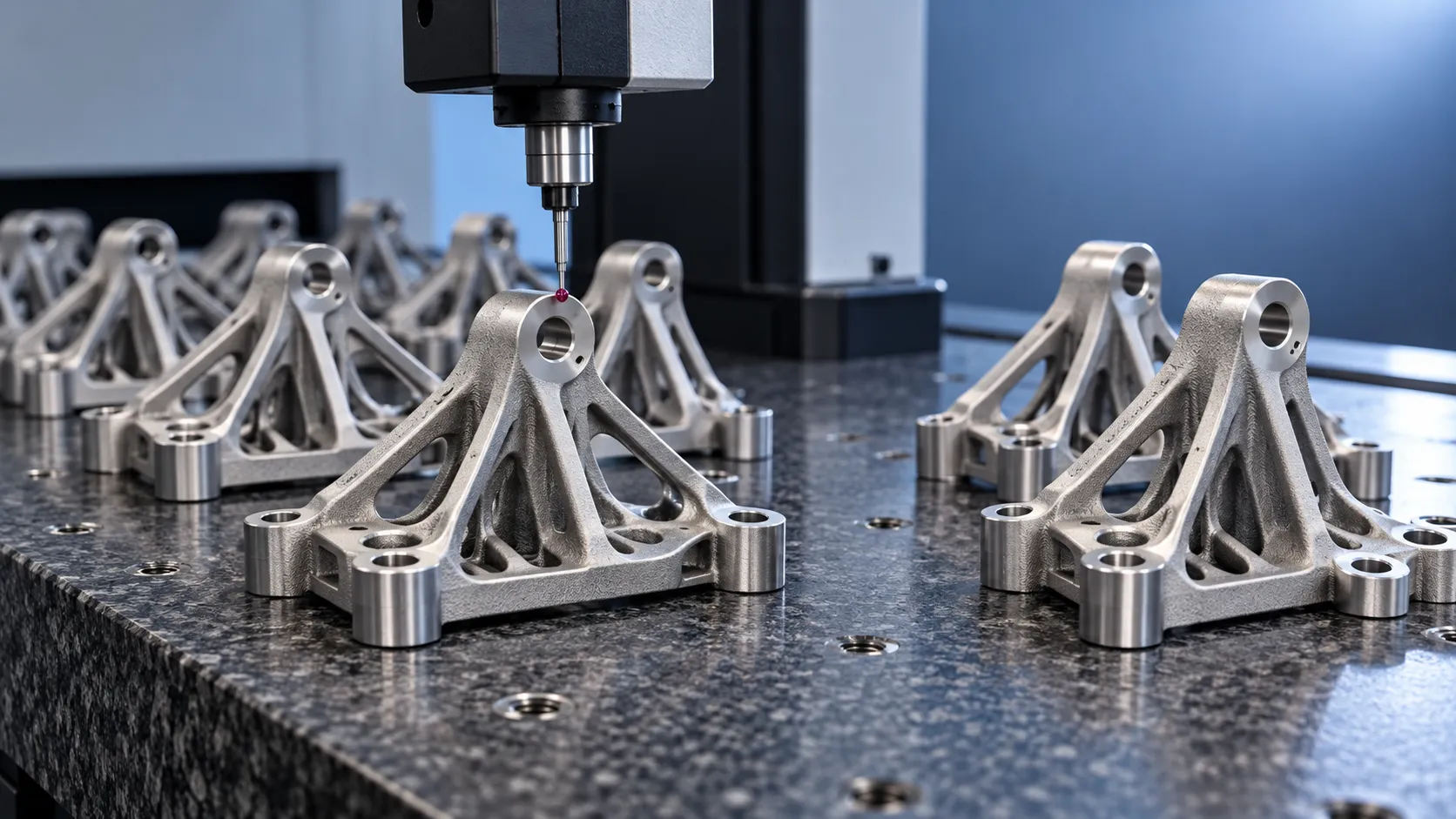
How to verify part consistency before choosing a 3D printing OEM
Choosing a 3D printing OEM? Learn how to verify part consistency with repeat-build trials, validated inspections, and traceability checks before committing to production.
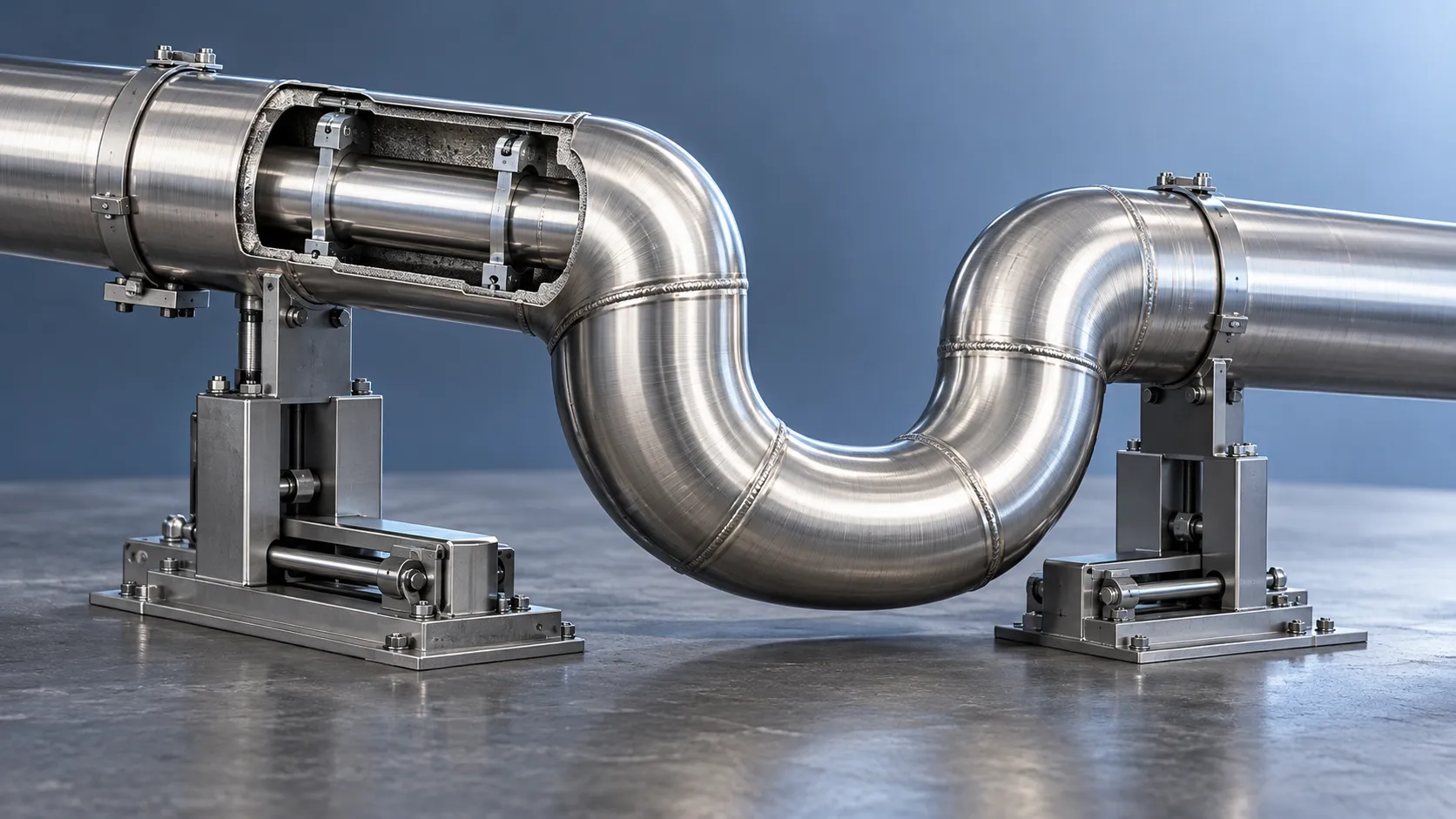
How does a rigid cryogenic transfer line handle thermal contraction?
Learn how a rigid cryogenic transfer line manages thermal contraction with bends, bellows, and guided supports. Discover key design checks for safe, reliable cryogenic performance.
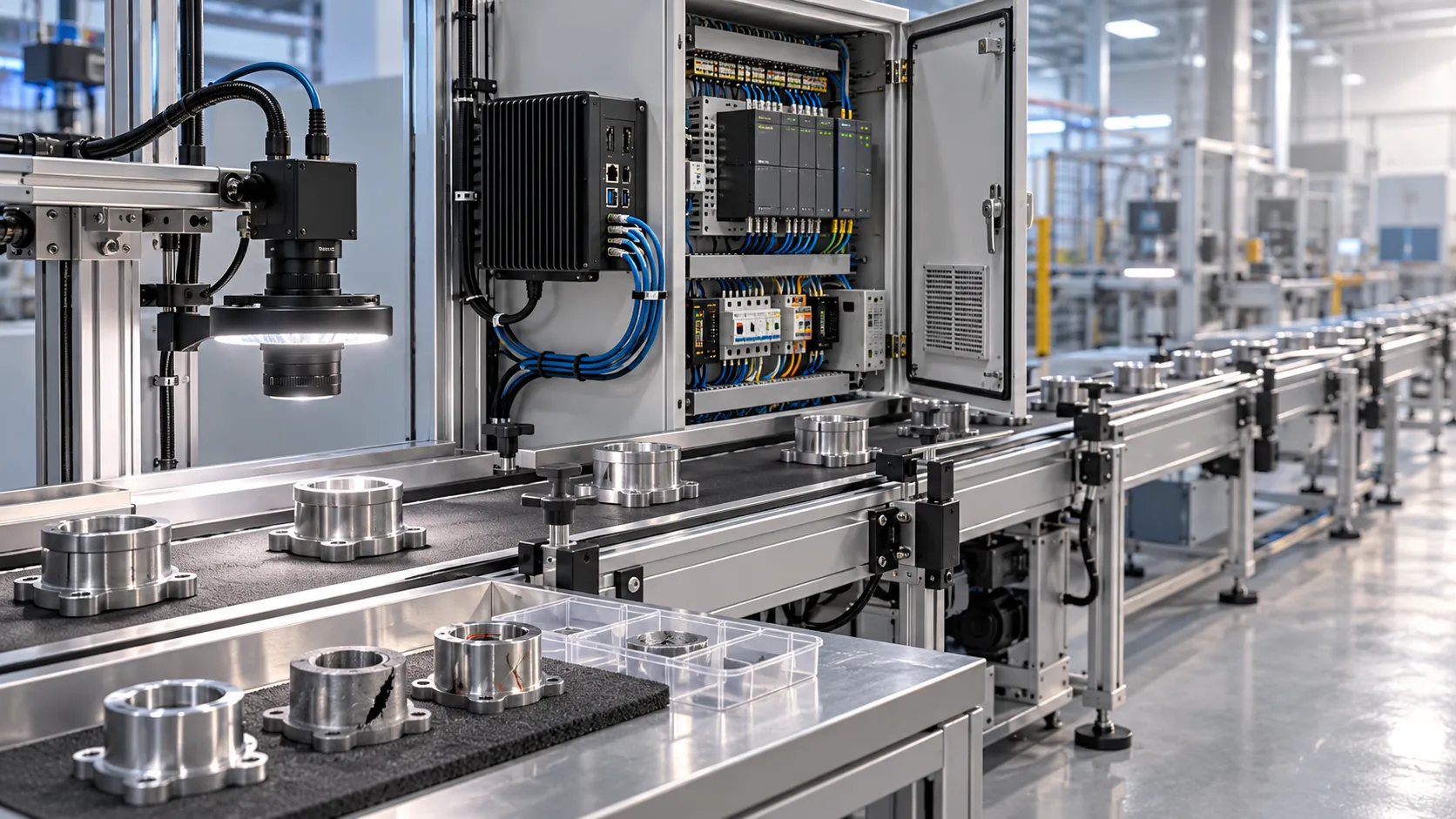
How much does edge vision deployment cost beyond the hardware?
Understand edge vision deployment cost beyond hardware, from data and integration to security and support. Uncover hidden expenses and build a smarter lifecycle budget before you scale.
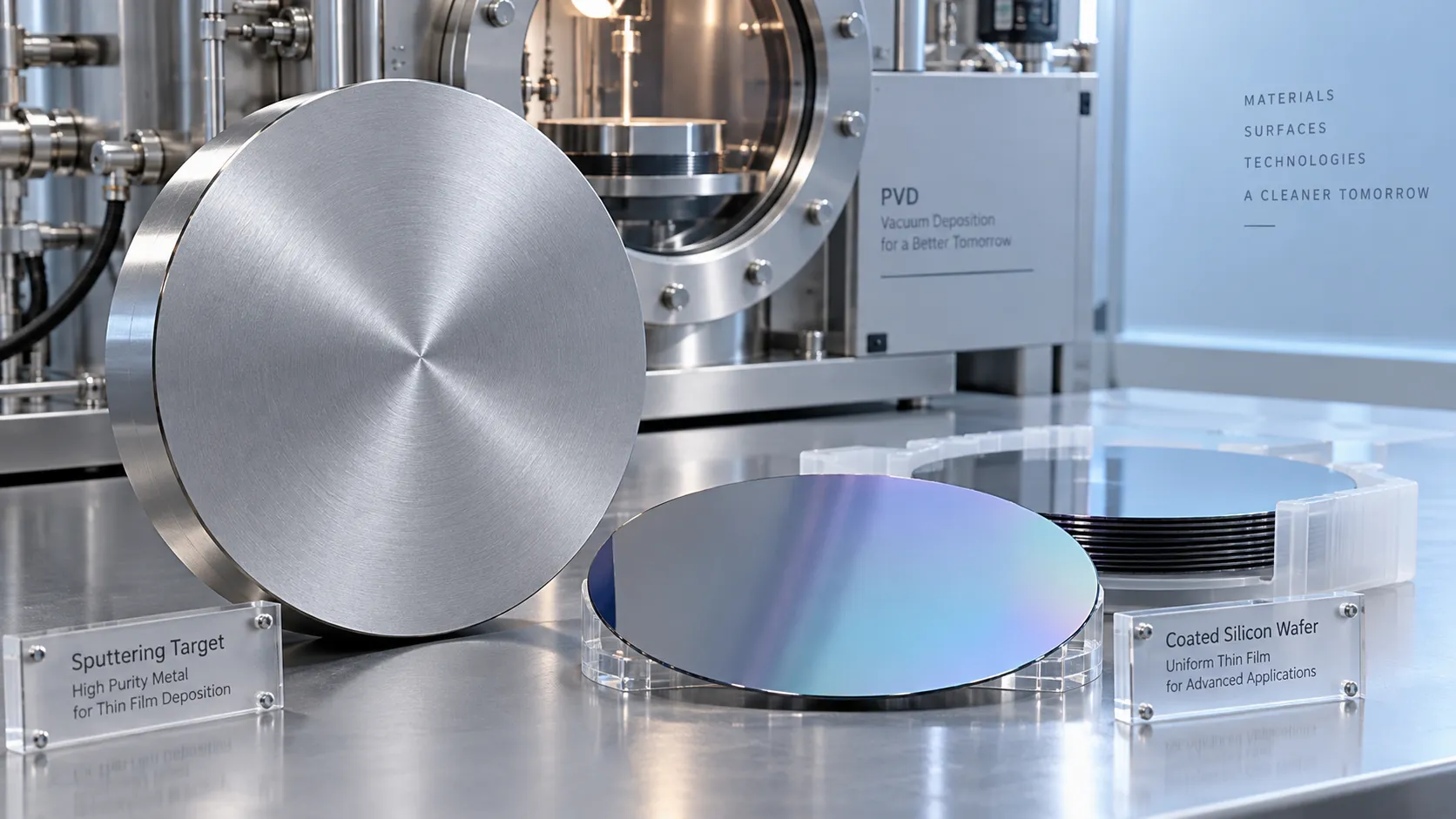
How does the purity of sputtering targets affect thin-film quality?
Discover how sputtering targets affect thin-film quality. Learn to assess purity, identify harmful impurities, and choose specifications that improve coating performance.
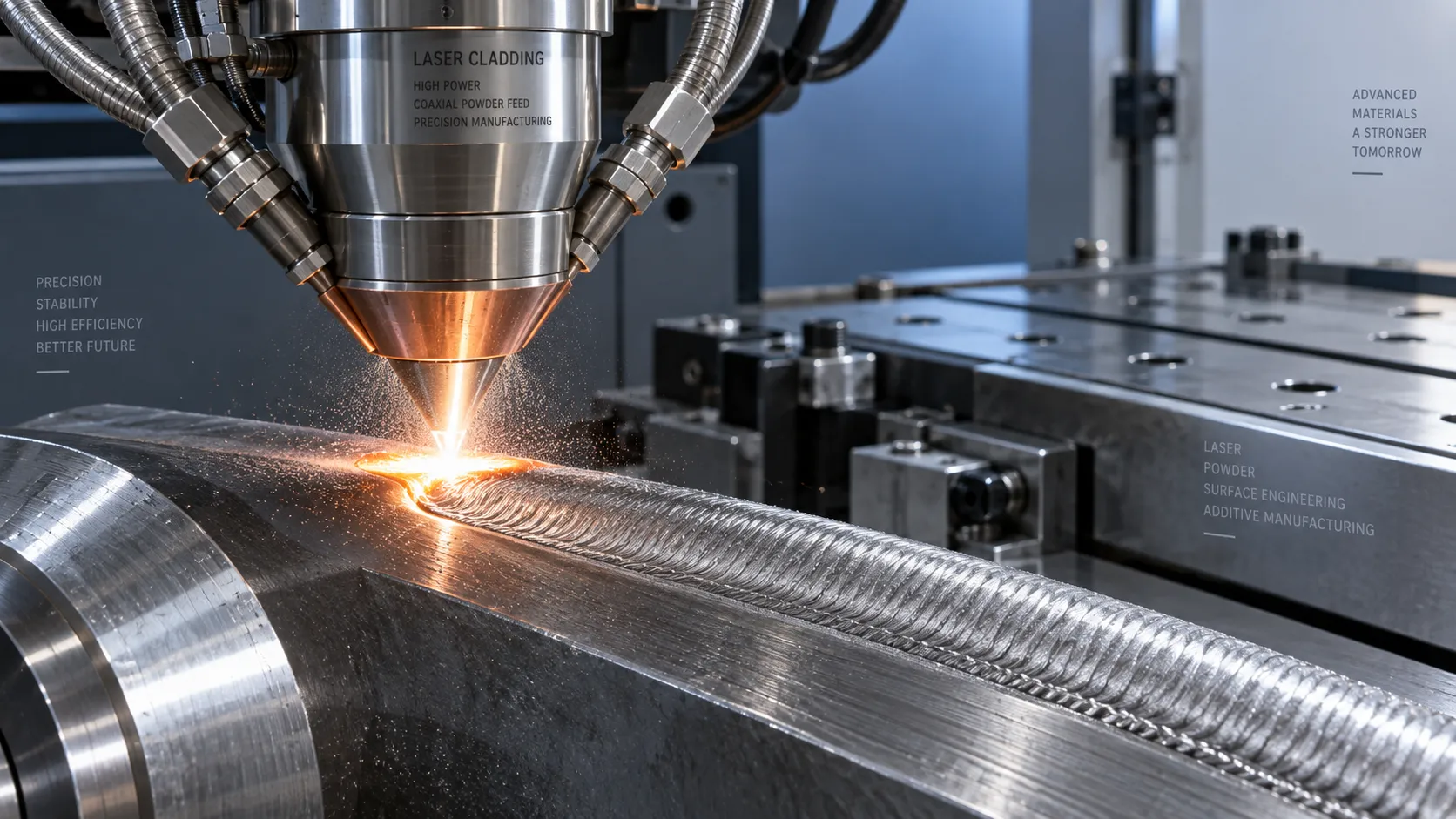
How high power laser cladding systems control substrate dilution
Discover how high power laser cladding systems control substrate dilution through beam shaping, material feed, and thermal management to deliver reliable bonds and coating performance.
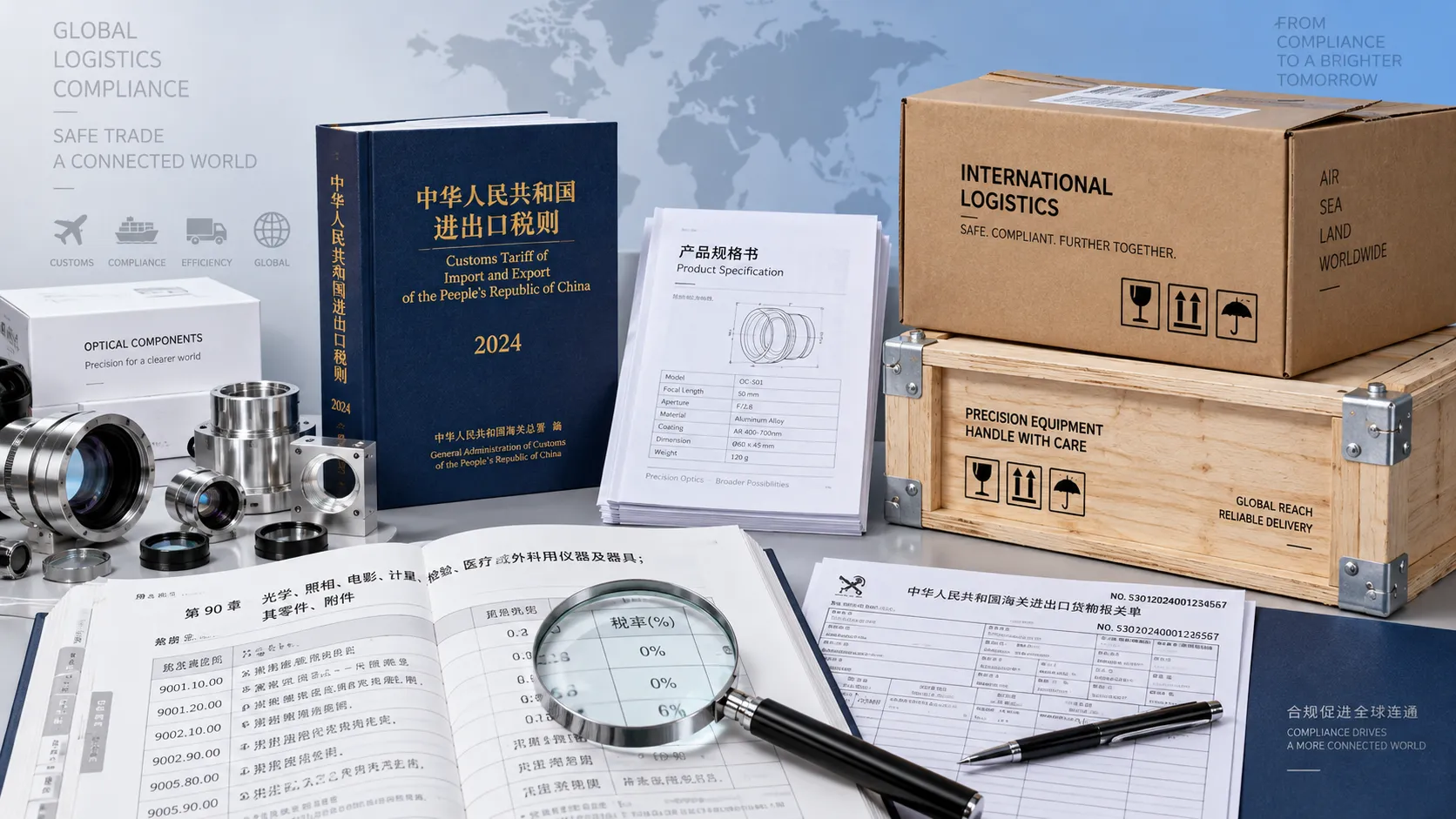
How to check HS codes for customs compliance in international logistics
Strengthen international logistics customs compliance: learn how to verify HS codes, check official tariffs, and document classifications to reduce costly shipment delays.
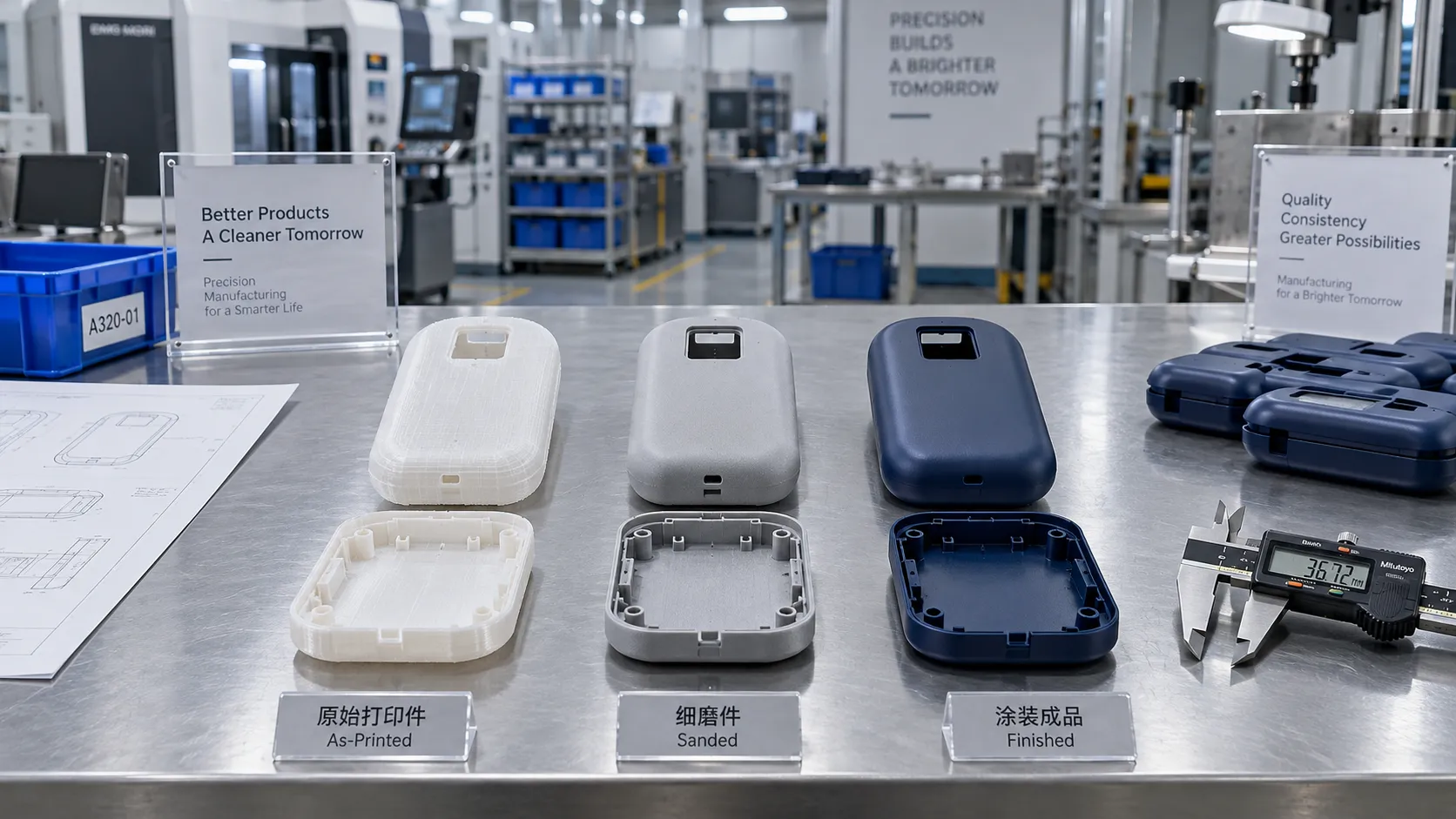
Choosing a 3D Printing Service for Consumer Products: Finish, Fit, and Cost
Compare 3d printing consumer good services by finish, fit, materials, and total cost. Learn how to choose a reliable supplier and avoid costly defects before ordering.
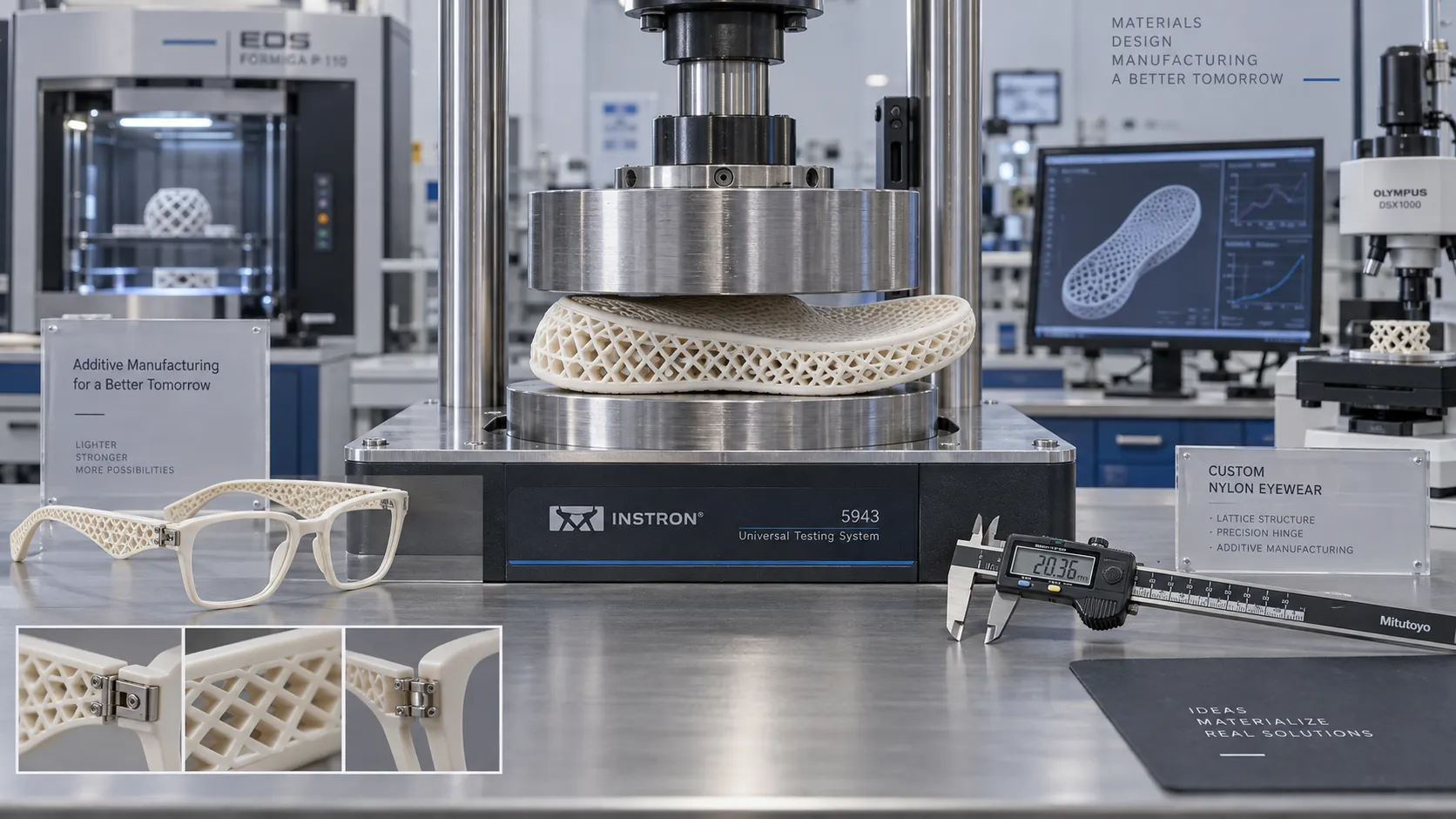
Which Consumer Goods Can Be 3D Printed, and What Are the Practical Limits?
Explore 3d printing consumer goods, from custom eyewear to replacement parts. Discover practical limits on materials, safety, and costs to make smarter production decisions.
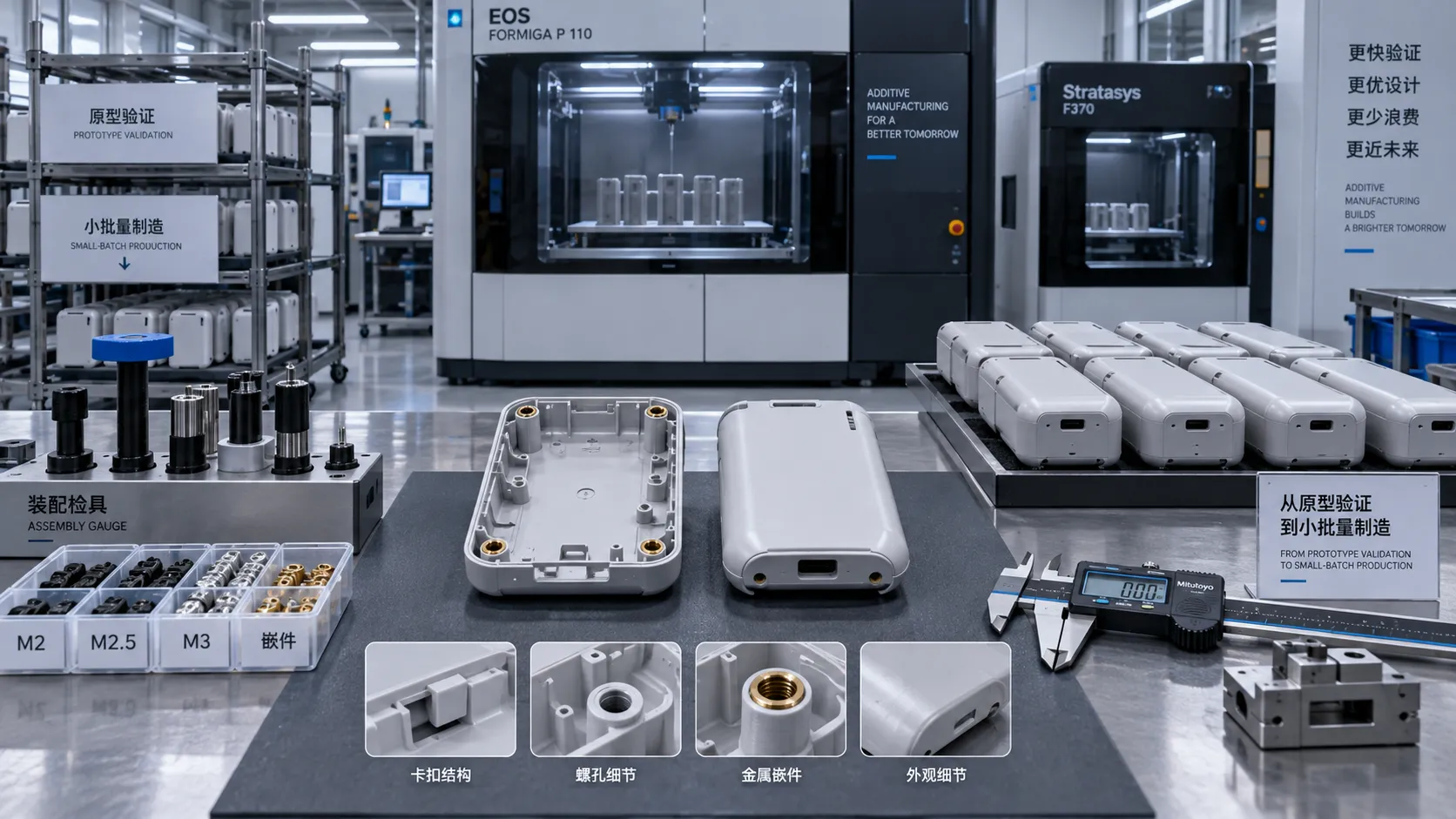
From Prototype to Small Batch: Applying 3D Printing to Consumer Goods
Explore 3d printing in consumer goods: learn how to move from prototype to small-batch production with practical guidance on materials, quality validation, and cost control.
Related News
- 00
0000-00
How to verify part consistency before choosing a 3D printing OEM - 00
0000-00
How does a rigid cryogenic transfer line handle thermal contraction? - 00
0000-00
How much does edge vision deployment cost beyond the hardware? - 00
0000-00
How does the purity of sputtering targets affect thin-film quality? - 00
0000-00
How high power laser cladding systems control substrate dilution
Dr. Hideo Tanaka
Weekly Insights
Stay ahead with our curated technology reports delivered every Monday.