
Wholesale Price Electronic Components: Cost Gaps by Order Volume

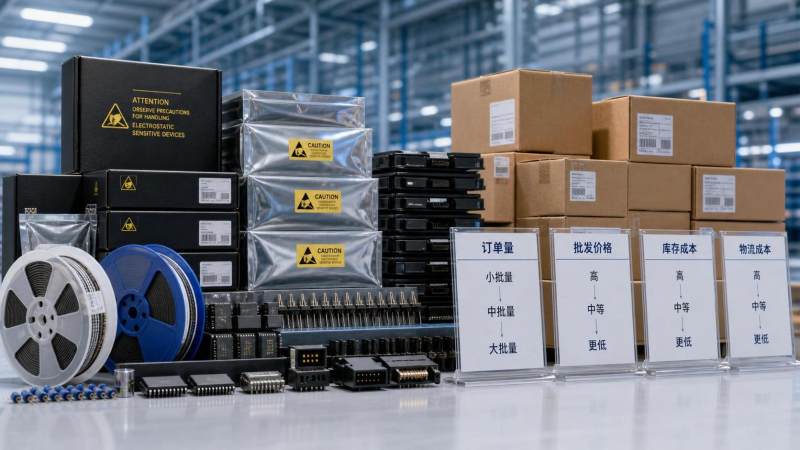
Wholesale Price Electronic Components: Cost Gaps by Order Volume
For finance approvals, wholesale price electronic components is rarely a simple unit-price question.
Order volume changes pricing, freight structure, inventory exposure, and supplier leverage.
That is why two quotes for the same part can create very different total landed costs.
In practice, the biggest savings often come from pricing tiers, not from aggressive last-minute negotiation.
This article explains how wholesale price electronic components shifts across order bands and what that means for budget approval.
Why Order Volume Changes Component Economics
Suppliers do not calculate quotes from raw material cost alone.
They also price setup time, testing batches, handling labor, packaging, and demand uncertainty.
At low volume, those fixed costs are spread across fewer units.
At higher volume, the same supplier can dilute overhead and offer a better wholesale price electronic components structure.
More importantly, larger orders give vendors clearer production signals.
That reduces planning risk, which often translates into stronger discounts for committed demand.
The Main Drivers Behind Price Gaps
- Minimum order quantity thresholds
- Allocation priority during supply shortages
- Freight mode differences between urgent and planned shipments
- Supplier willingness to lock pricing for repeat purchases
- Traceability, testing, and compliance document workload
- Inventory carry cost transferred between buyer and seller
These factors explain why wholesale price electronic components becomes more favorable as purchase planning becomes more predictable.
Typical Cost Gaps by Order Volume
The exact discount depends on part category, brand, lifecycle stage, and regional supply conditions.
Still, most electronic component buying follows a recognizable pattern.
A common mistake is treating the lowest quoted unit cost as the best financial option.
That view ignores storage, obsolescence, and demand volatility, which can erase the savings quickly.
What Finance Should Compare Beyond Unit Price
A solid approval decision looks at total procurement value, not just the quote line.
This matters even more when wholesale price electronic components appears attractive at larger tiers.
Key Metrics Worth Reviewing
- Landed cost per approved build, including freight and duties
- Days of inventory created by each order tier
- Expected price erosion during the holding period
- Exposure to end-of-life or revision changes
- Cash conversion impact versus projected production turnover
- Supplier replacement difficulty if disruption occurs
In real procurement environments, the best wholesale price electronic components deal is often the one with the strongest cost-to-risk ratio.
That usually sits between underbuying and overcommitting.
Where Larger Orders Create Hidden Risk
Bulk buying can reduce the wholesale price electronic components figure on paper.
However, large commitments can introduce costs that are less visible during initial review.
The Most Common Hidden Costs
- Excess stock from demand forecast errors
- Higher insurance and warehouse handling cost
- Write-down risk if design changes occur
- Quality disputes across a large received lot
- Concentration risk with a single supplier or region
- Reduced flexibility when market pricing softens later
This is especially relevant for semiconductors, sensors, connectors, and power devices with volatile lead times.
A low quote does not protect margin if the material cannot be consumed on schedule.
How Smarter Sourcing Improves Wholesale Price Electronic Components
There are practical ways to capture lower pricing without taking full inventory risk upfront.
The goal is to preserve the benefit of wholesale price electronic components while keeping approval logic disciplined.
Approaches That Usually Work
- Negotiate scheduled releases against an annual volume commitment.
- Ask for price locks with staggered delivery windows.
- Split awards across qualified suppliers for resilience.
- Bundle related components to improve total quote leverage.
- Use demand bands instead of a single fixed forecast.
- Request compliance and traceability terms before approval, not after purchase.
These methods matter in advanced industries where reliability standards and documentation are not optional.
For organizations operating across regulated manufacturing environments, technical verification and commercial discipline need to move together.
A Simple Approval Framework for Volume Decisions
A practical approval framework helps compare sourcing options without slowing the purchasing cycle.
It also keeps wholesale price electronic components analysis consistent across teams.
When these questions are answered early, approval becomes faster and less exposed to surprise cost leakage.
Final Takeaway
Wholesale price electronic components should be judged by total value created per order tier.
The cheapest unit cost can still be the weakest approval decision.
A stronger decision weighs pricing breaks against turnover speed, compliance needs, and supply continuity.
From that perspective, the right wholesale price electronic components strategy is usually a structured volume plan, not a one-time bulk gamble.
Before approving the next component order, compare volume discounts against real consumption, carrying cost, and sourcing resilience. That is where procurement savings become measurable financial performance.
Related News

How to verify part consistency before choosing a 3D printing OEM
Choosing a 3D printing OEM? Learn how to verify part consistency with repeat-build trials, validated inspections, and traceability checks before committing to production.

How does a rigid cryogenic transfer line handle thermal contraction?
Learn how a rigid cryogenic transfer line manages thermal contraction with bends, bellows, and guided supports. Discover key design checks for safe, reliable cryogenic performance.

How much does edge vision deployment cost beyond the hardware?
Understand edge vision deployment cost beyond hardware, from data and integration to security and support. Uncover hidden expenses and build a smarter lifecycle budget before you scale.

How does the purity of sputtering targets affect thin-film quality?
Discover how sputtering targets affect thin-film quality. Learn to assess purity, identify harmful impurities, and choose specifications that improve coating performance.

How high power laser cladding systems control substrate dilution
Discover how high power laser cladding systems control substrate dilution through beam shaping, material feed, and thermal management to deliver reliable bonds and coating performance.

How to check HS codes for customs compliance in international logistics
Strengthen international logistics customs compliance: learn how to verify HS codes, check official tariffs, and document classifications to reduce costly shipment delays.
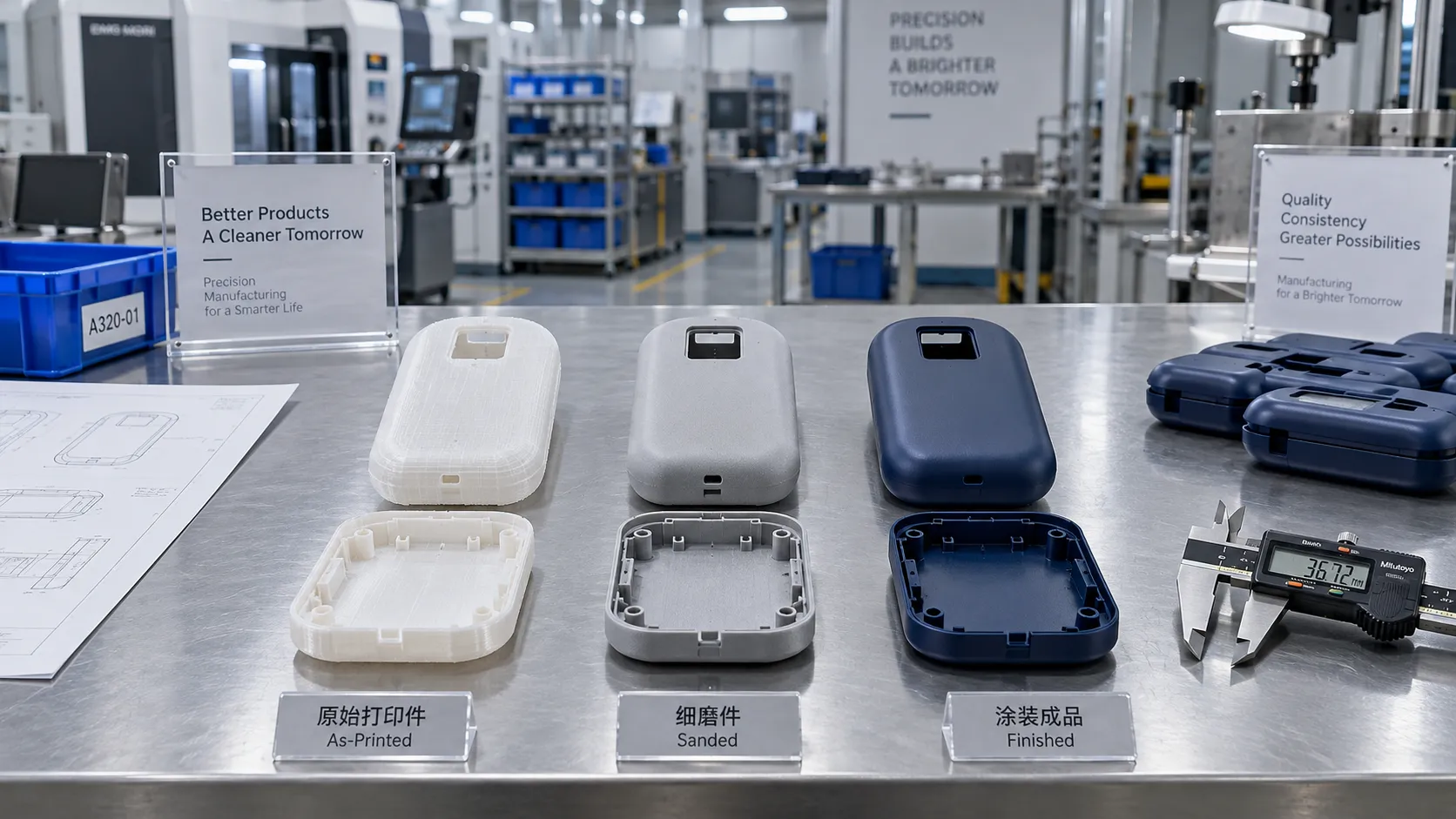
Choosing a 3D Printing Service for Consumer Products: Finish, Fit, and Cost
Compare 3d printing consumer good services by finish, fit, materials, and total cost. Learn how to choose a reliable supplier and avoid costly defects before ordering.

Which Consumer Goods Can Be 3D Printed, and What Are the Practical Limits?
Explore 3d printing consumer goods, from custom eyewear to replacement parts. Discover practical limits on materials, safety, and costs to make smarter production decisions.
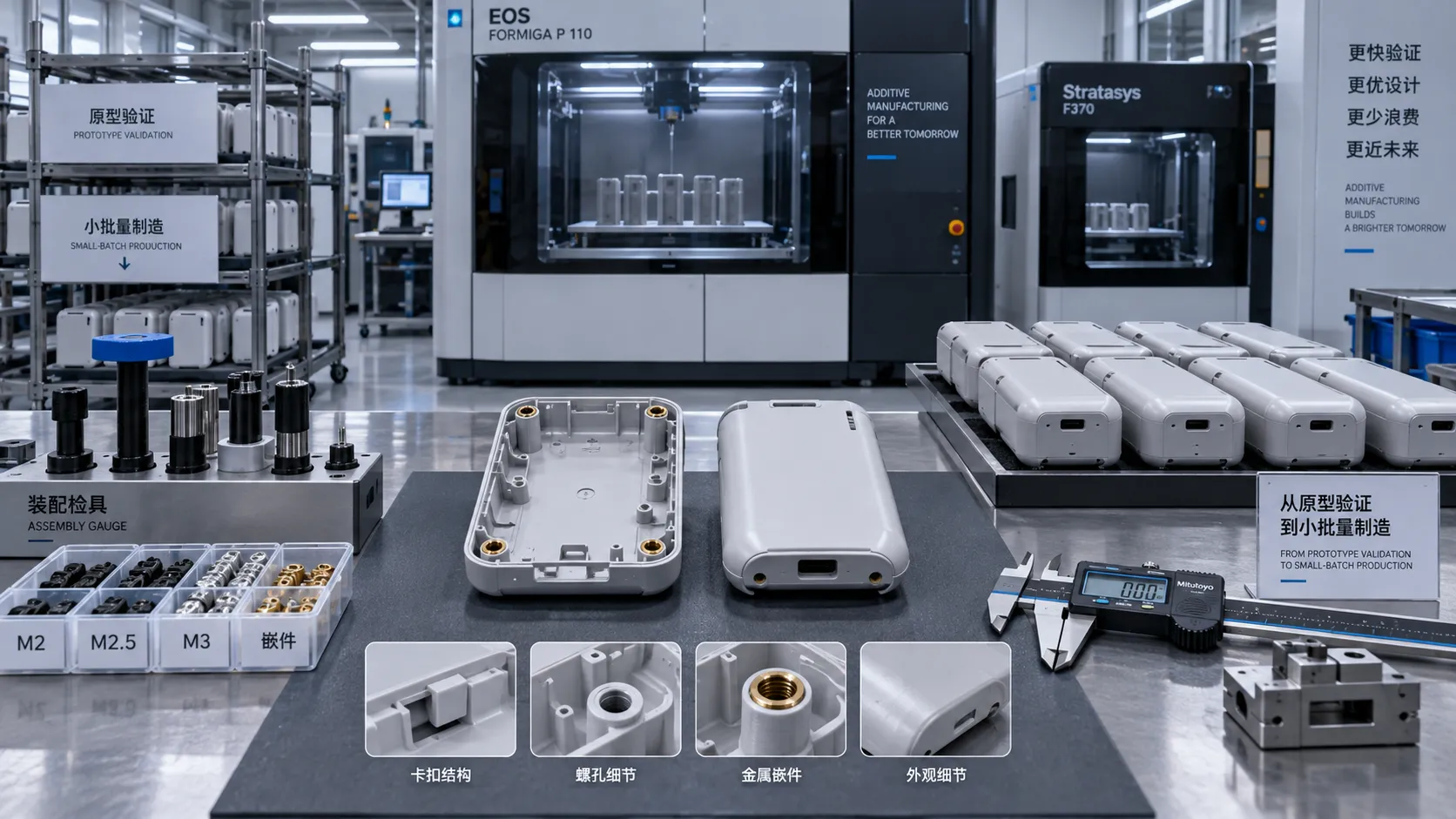
From Prototype to Small Batch: Applying 3D Printing to Consumer Goods
Explore 3d printing in consumer goods: learn how to move from prototype to small-batch production with practical guidance on materials, quality validation, and cost control.
Related News
- 00
0000-00
How to verify part consistency before choosing a 3D printing OEM - 00
0000-00
How does a rigid cryogenic transfer line handle thermal contraction? - 00
0000-00
How much does edge vision deployment cost beyond the hardware? - 00
0000-00
How does the purity of sputtering targets affect thin-film quality? - 00
0000-00
How high power laser cladding systems control substrate dilution
Dr. Hideo Tanaka
Weekly Insights
Stay ahead with our curated technology reports delivered every Monday.