
Electronics Industry Trends 2023 Shaping Vision Inspection


Why electronics industry trends 2023 pushed vision inspection into the strategic core
Electronics industry trends 2023 did not just raise production volumes. They raised the cost of every hidden defect, every delayed release, and every compliance gap.
Across advanced manufacturing, the pressure now comes from three directions at once: tighter tolerances, shorter product cycles, and more visible supply chain risk.
That combination is changing how vision inspection is evaluated. It is no longer treated as a narrow quality tool placed at the end of a line.
Instead, it is becoming part of process intelligence. Inspection data now shapes yield decisions, line balancing, traceability, and even supplier qualification.
A broader signal is also visible. Electronics industry trends 2023 are connecting optical inspection more closely with AI, automation, materials engineering, and regulatory scrutiny.
In practical terms, this means vision inspection is being judged by business resilience as much as by image resolution or cycle time.
That shift matters across the wider industrial landscape, where electronics sit inside medical devices, automotive systems, energy equipment, robotics, and aerospace assemblies.
The change became visible when complexity outpaced manual control
From recent market behavior, the most important change is not higher output alone. It is the surge in complexity packed into smaller, faster, and more customized electronics.
Boards carry denser layouts. Packages shrink. Thermal constraints tighten. New materials and coatings create additional inspection variables that are difficult to manage manually.
At the same time, defect tolerance has narrowed. A minor solder inconsistency or surface contamination can now trigger serious downstream failures.
This is where electronics industry trends 2023 have changed the economics. The cost of missing one defect often exceeds the cost of upgrading inspection architecture.
Another clear signal comes from traceability. Industrial environments now expect more than pass or fail records. They want image-linked evidence, process history, and comparable benchmarking.
That requirement aligns with how G-AIT frames industrial intelligence: technical verification must support both operational reliability and cross-border compliance expectations.
What is driving the acceleration
The momentum behind electronics industry trends 2023 is coming from several forces that reinforce one another rather than acting separately.
- Miniaturization increases the difficulty of detecting micro-defects with stable repeatability.
- Product diversification reduces the usefulness of rigid inspection setups built for a single design.
- Automation investment favors closed-loop feedback, where inspection data adjusts upstream processes.
- Compliance pressure strengthens the need for evidence-based validation under ISO, SEMI, IEEE, and ASTM-related frameworks.
- Supply chain volatility makes incoming quality verification more important than in stable sourcing periods.
What is more notable is how these drivers now cross industry boundaries. Electronics inspection standards influence reliability expectations in sectors far beyond consumer devices.
Vision inspection is moving upstream, not staying at the line end
One of the strongest implications of electronics industry trends 2023 is the relocation of inspection value. The critical point is moving closer to process formation.
In older setups, inspection often confirmed defects after value had already been added. That created expensive rework loops and limited learning.
Current deployments increasingly place optical systems near printing, placement, bonding, laser processing, and final assembly transitions.
This matters because earlier visibility changes the response window. It allows process correction before yield loss spreads across batches.
The broader industrial context supports this move. G-AIT’s five-pillar model reflects how machine vision intersects with laser processing, additive manufacturing, advanced materials, and vacuum engineering.
Inspection is therefore becoming a connective layer. It helps translate physical process variation into measurable operational decisions.
The impact is spreading across applications, not just electronics assembly
Electronics industry trends 2023 are shaping vision inspection in ways that affect multiple industrial applications at the same time.
In automotive electronics, the concern is functional safety. Inspection must support long-life performance, not only cosmetic acceptance.
In medical and diagnostic equipment, traceable image evidence becomes more important because reliability expectations are stricter and documentation burdens are higher.
In energy storage and power control systems, thermal behavior and material consistency make subtle defects more consequential over time.
In precision manufacturing environments linked to lasers or vacuum processes, contamination, alignment variation, and micro-surface irregularities demand more sophisticated optical methods.
This wider relevance explains why electronics industry trends 2023 should not be read as a narrow electronics story. They are shaping inspection logic across the industrial chain.
Where decision quality improves fastest
- Supplier assessment becomes more evidence-based when incoming defects are tied to image libraries and repeatable criteria.
- Process tuning becomes faster when defect categories are linked to upstream variables rather than isolated manually.
- Capital planning becomes clearer when inspection performance is benchmarked against throughput, false-call rates, and standards exposure.
- Risk management improves when inspection data reveals recurring weakness before field failures surface.
A more demanding investment question is emerging
A useful way to read electronics industry trends 2023 is to ask a harder question: what kind of inspection capability remains valuable as product and regulatory conditions keep shifting?
That question usually leads away from single-spec comparisons and toward system adaptability.
For example, resolution alone does not guarantee better control. Lighting architecture, algorithm training, defect library quality, and integration depth often determine real inspection value.
The same is true for AI-enabled tools. Their usefulness depends on explainability, retraining discipline, and consistency under production variation.
This is why benchmarking matters. G-AIT’s role as a technical repository is especially relevant when organizations need verifiable comparisons rather than vendor language.
In the current environment, electronics industry trends 2023 reward disciplined evaluation more than fast procurement.
Signals worth monitoring over the next cycle
The next wave of change will likely be visible through a few operational indicators before it appears in broad market headlines.
- Growth in hybrid inspection, combining 2D, 3D, and AI-assisted classification.
- Higher demand for inspection systems that connect directly with MES, SPC, and digital traceability stacks.
- More scrutiny of export controls, component origin visibility, and standards-linked validation records.
- Rising interest in inspection for advanced materials, including graphene-related surfaces, coatings, and nano-scale uniformity challenges.
What deserves attention now
The strongest response to electronics industry trends 2023 is usually not a broad technology refresh. It is a focused review of where defects create the highest strategic exposure.
Start by identifying which failure modes now carry outsized cost, whether through recalls, qualification delays, warranty exposure, or audit friction.
Then compare current inspection coverage against actual process risk, not against legacy line layouts.
A second priority is standards alignment. As electronics become more embedded in critical systems, documentation quality matters almost as much as defect detection itself.
It also helps to review whether current image data is usable for root-cause learning. Many systems capture defects but do not convert them into process insight.
That gap is where the next performance difference will appear.
The next practical move is disciplined observation, then staged action
Electronics industry trends 2023 suggest that vision inspection is becoming a business-critical decision layer across advanced industry, not just a quality checkpoint.
The more lasting advantage will come from linking inspection capability with materials behavior, process variability, standards exposure, and supply chain verification.
A sensible next step is to map where inspection data already exists, where blind spots remain, and which technical benchmarks should guide the next upgrade cycle.
From there, compare technologies by defect relevance, integration readiness, and evidence quality rather than by headline specifications alone.
In a market shaped by electronics industry trends 2023, the better decision is usually the one supported by verifiable data, staged implementation, and a clearer view of future compliance demands.
Related News
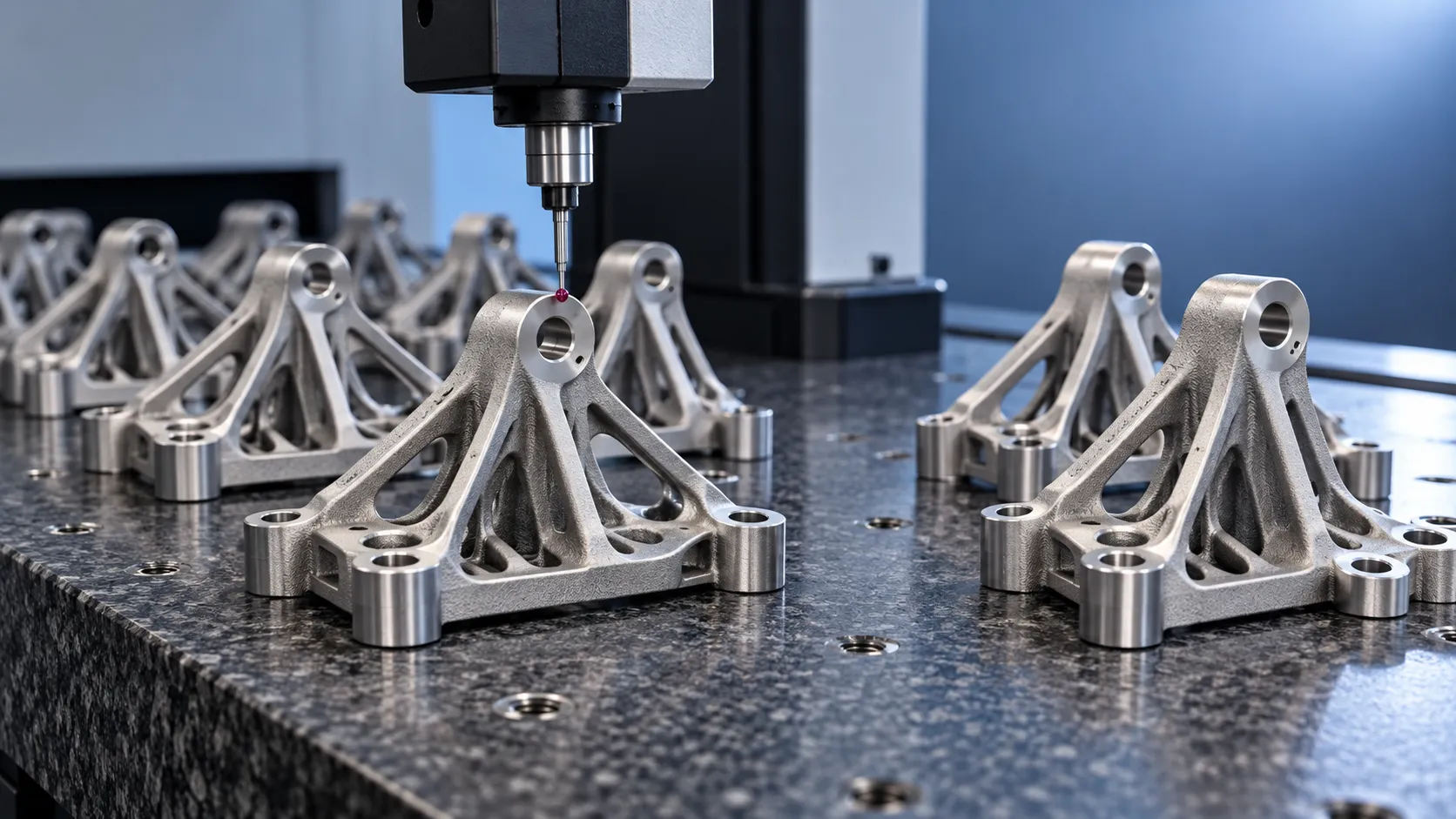
How to verify part consistency before choosing a 3D printing OEM
Choosing a 3D printing OEM? Learn how to verify part consistency with repeat-build trials, validated inspections, and traceability checks before committing to production.

How does a rigid cryogenic transfer line handle thermal contraction?
Learn how a rigid cryogenic transfer line manages thermal contraction with bends, bellows, and guided supports. Discover key design checks for safe, reliable cryogenic performance.

How much does edge vision deployment cost beyond the hardware?
Understand edge vision deployment cost beyond hardware, from data and integration to security and support. Uncover hidden expenses and build a smarter lifecycle budget before you scale.
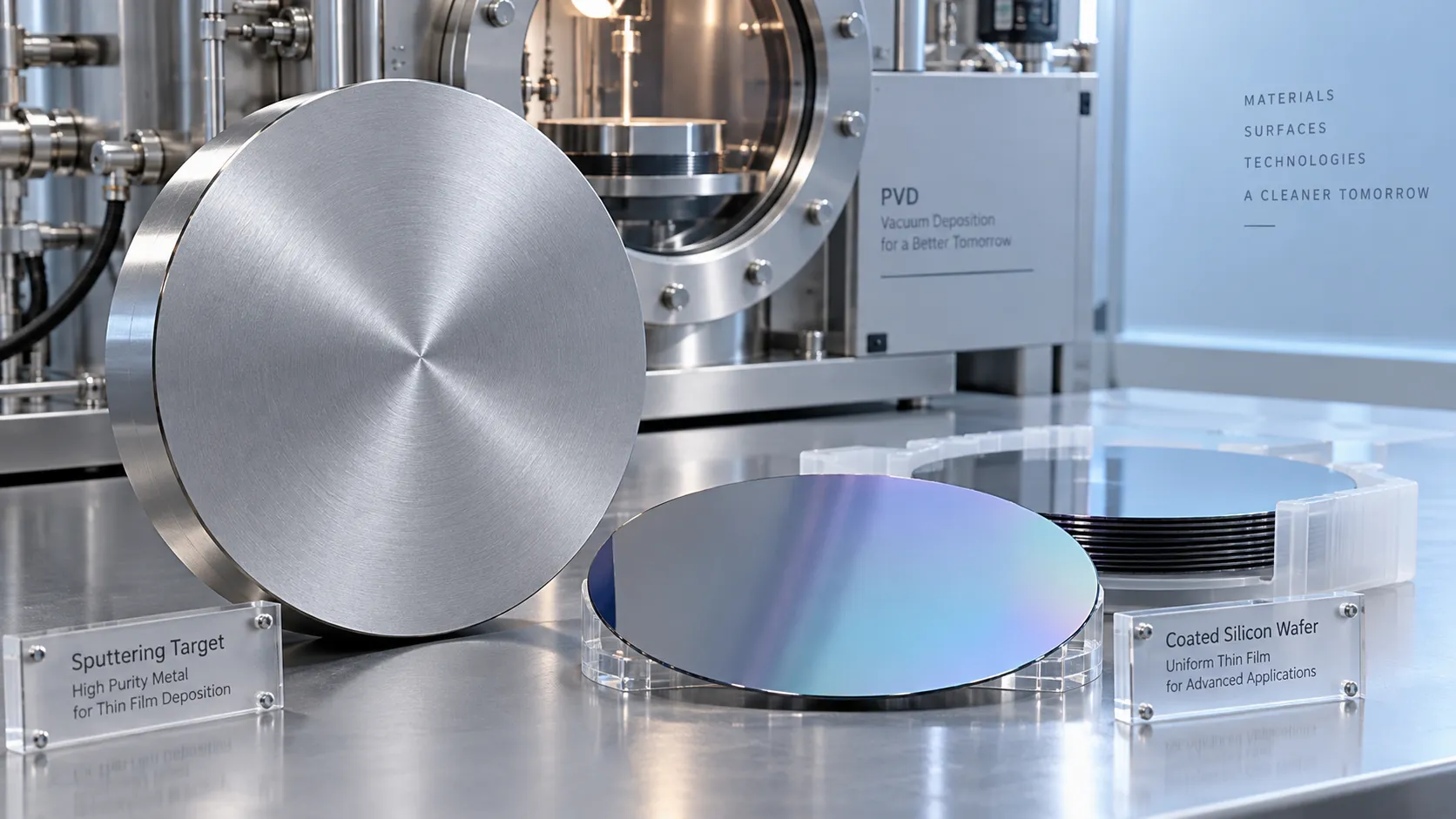
How does the purity of sputtering targets affect thin-film quality?
Discover how sputtering targets affect thin-film quality. Learn to assess purity, identify harmful impurities, and choose specifications that improve coating performance.

How high power laser cladding systems control substrate dilution
Discover how high power laser cladding systems control substrate dilution through beam shaping, material feed, and thermal management to deliver reliable bonds and coating performance.

How to check HS codes for customs compliance in international logistics
Strengthen international logistics customs compliance: learn how to verify HS codes, check official tariffs, and document classifications to reduce costly shipment delays.
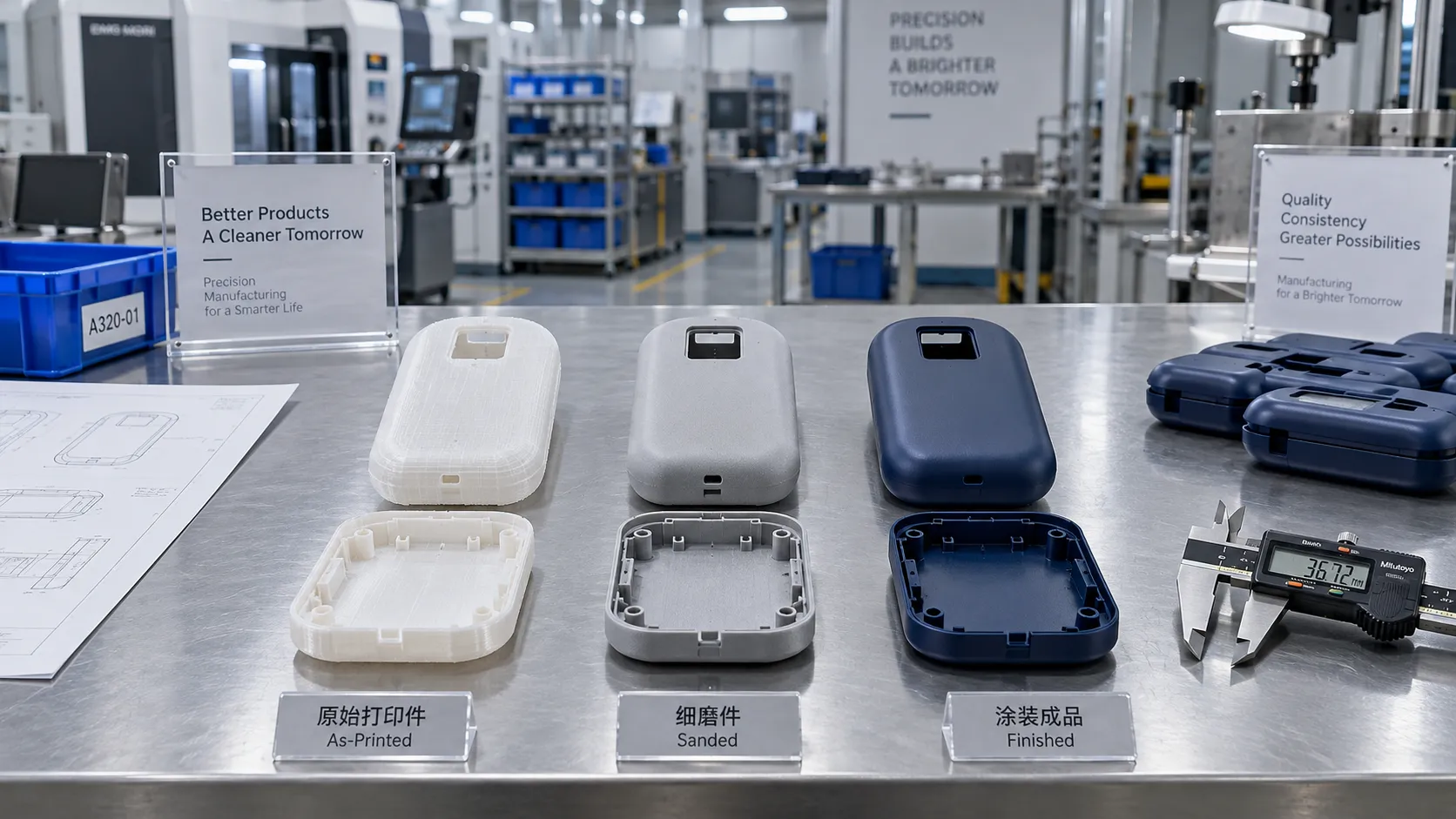
Choosing a 3D Printing Service for Consumer Products: Finish, Fit, and Cost
Compare 3d printing consumer good services by finish, fit, materials, and total cost. Learn how to choose a reliable supplier and avoid costly defects before ordering.
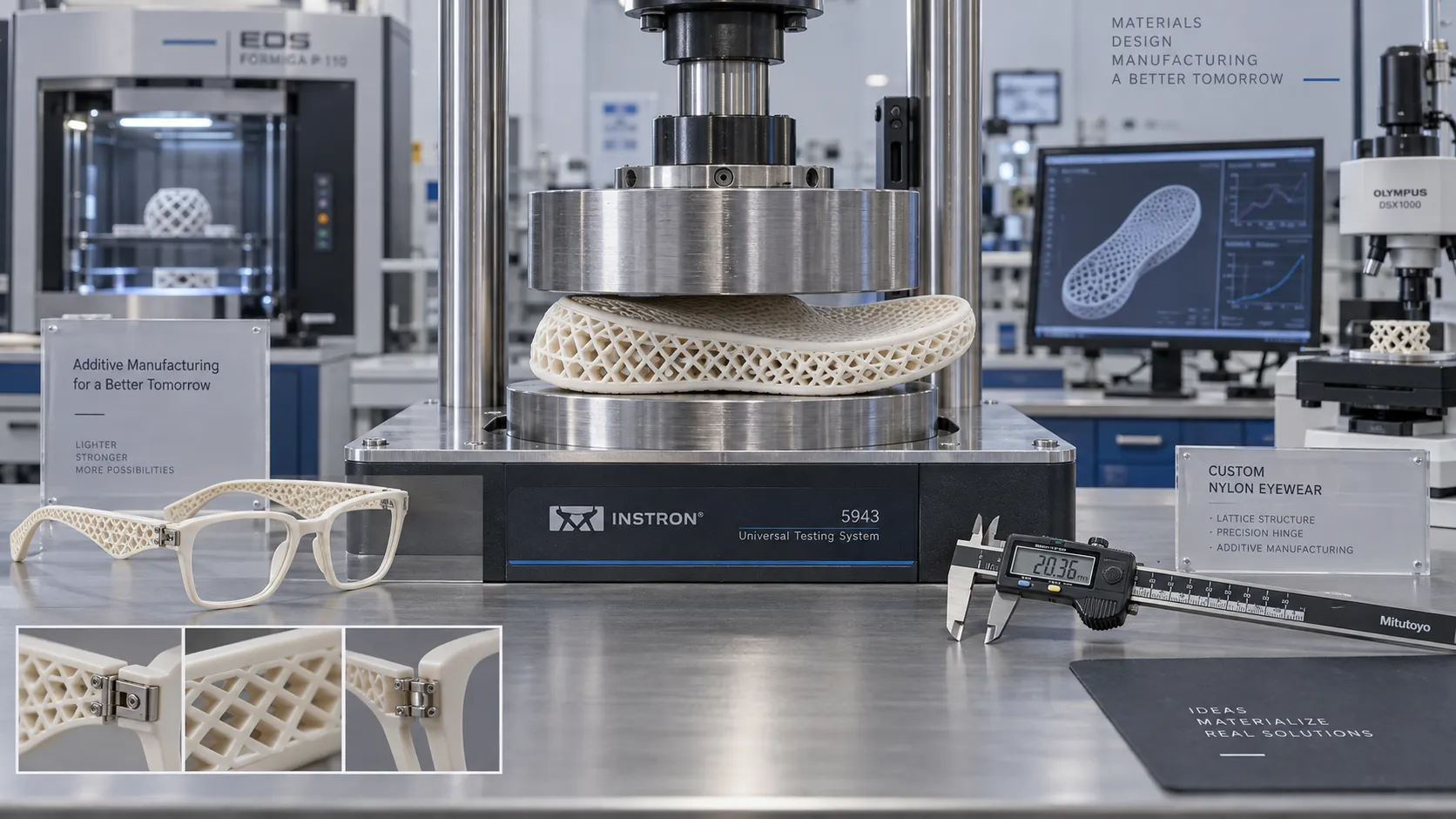
Which Consumer Goods Can Be 3D Printed, and What Are the Practical Limits?
Explore 3d printing consumer goods, from custom eyewear to replacement parts. Discover practical limits on materials, safety, and costs to make smarter production decisions.
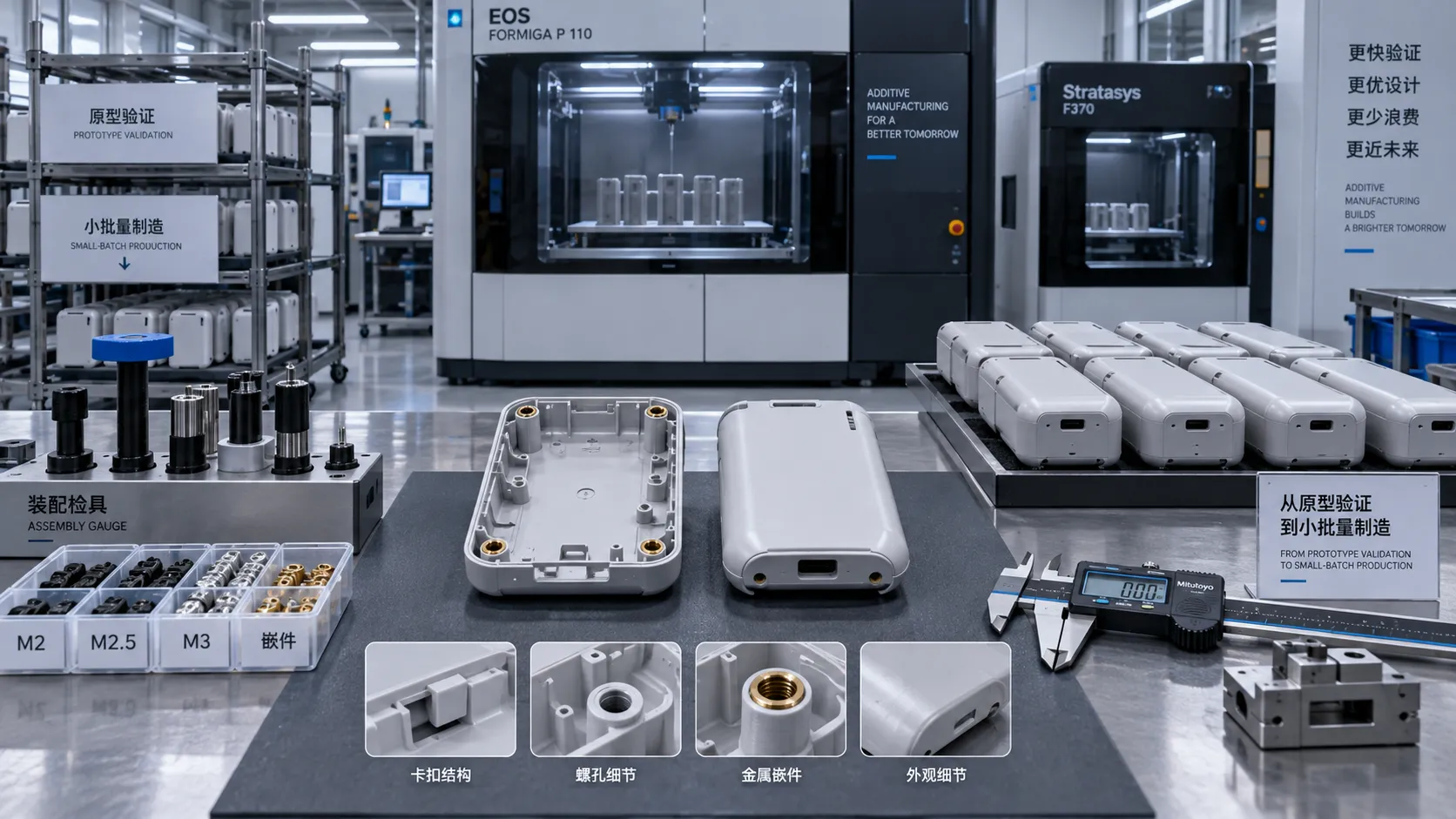
From Prototype to Small Batch: Applying 3D Printing to Consumer Goods
Explore 3d printing in consumer goods: learn how to move from prototype to small-batch production with practical guidance on materials, quality validation, and cost control.
Related News
- 00
0000-00
How to verify part consistency before choosing a 3D printing OEM - 00
0000-00
How does a rigid cryogenic transfer line handle thermal contraction? - 00
0000-00
How much does edge vision deployment cost beyond the hardware? - 00
0000-00
How does the purity of sputtering targets affect thin-film quality? - 00
0000-00
How high power laser cladding systems control substrate dilution
Dr. Victor Gear
Weekly Insights
Stay ahead with our curated technology reports delivered every Monday.