
Semiconductor Inspection Trends Shaping 2026 Quality Control

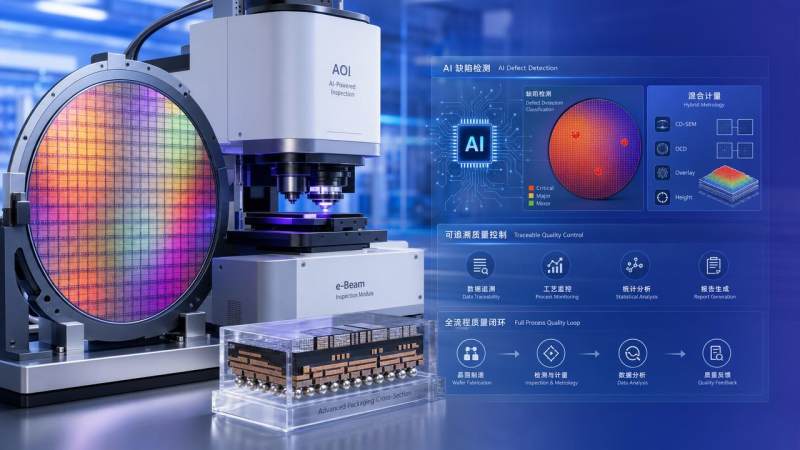
Semiconductor inspection is moving from line control to strategic risk control
Semiconductor production in 2026 is no longer judged by throughput alone. Quality control now shapes capacity planning, compliance readiness, and customer trust across the wider industrial chain.
That shift is making semiconductor inspection a strategic topic. It sits closer to yield protection, traceability, export control awareness, and equipment investment decisions than it did only a few years ago.
As nodes tighten and packaging grows more complex, hidden defects become more expensive. A missed particle, overlay drift, or subsurface crack can now affect multiple downstream stages.
The stronger signal is not just technical. Inspection data is becoming part of how organizations defend margins, validate suppliers, and maintain resilience under regulatory pressure.
This is where multidisciplinary intelligence matters. Platforms such as G-AIT reflect a broader market need for benchmarked engineering data, standards alignment, and cross-sector visibility.
In semiconductor environments, that means inspection can no longer operate as an isolated metrology function. It must connect with machine vision, materials behavior, vacuum performance, and process qualification.
Why the inspection conversation is changing so quickly
Several forces are converging at once. Each one raises the value of faster, smarter, and more traceable semiconductor inspection.
- Advanced nodes reduce defect tolerance and magnify the cost of late-stage escapes.
- Heterogeneous integration adds new interfaces, materials, and failure modes.
- Automotive, AI, and power electronics markets demand stronger lifetime reliability evidence.
- Capacity expansion requires inspection tools that scale without creating new bottlenecks.
- Global compliance expectations make data lineage and auditability more important.
From recent market behavior, the most visible change is the rising cost of uncertainty. Fabrication lines can absorb many pressures, but they struggle with unclear defect origins.
That is why semiconductor inspection is shifting toward earlier detection and richer context. The goal is not only to find defects, but to understand why they appear and where they spread.
This also explains growing interest in benchmark repositories and technical intelligence ecosystems. Buyers increasingly compare inspection capability against ISO, SEMI, IEEE, and ASTM-linked reliability expectations.
AI-driven defect detection is becoming useful because data quality is improving
AI in semiconductor inspection is no longer judged by demo accuracy alone. What matters in 2026 is whether models perform reliably across changing wafers, tools, recipes, and fab conditions.
The earlier wave of enthusiasm often stalled on inconsistent labeling and poor process context. That is changing as inspection systems collect cleaner datasets and stronger image-to-process correlations.
More useful deployments now focus on narrow, high-value problems. Examples include nuisance defect filtering, edge anomaly classification, and early excursion alerts tied to specific process windows.
This matters because semiconductor inspection volumes are rising faster than human review capacity. AI is becoming practical not by replacing expertise, but by directing it toward the exceptions that matter most.
What separates scalable AI inspection from pilot-stage experimentation
- Stable reference datasets tied to verified defect taxonomies.
- Model governance that records version changes and decision thresholds.
- Integration with review stations, metrology outputs, and yield dashboards.
- Feedback loops that retrain models when materials or process recipes shift.
In practical terms, semiconductor inspection leaders are treating AI as part of quality infrastructure. That is a more durable approach than treating it as a standalone software add-on.
Hybrid metrology is gaining ground because one sensor no longer tells the whole story
A clearer trend for 2026 is the rise of hybrid metrology in semiconductor inspection. Optical, e-beam, X-ray, and 3D measurement tools are increasingly combined rather than evaluated in isolation.
The reason is straightforward. Device structures, advanced packaging, and new materials produce defects that vary by depth, reflectivity, and geometry.
A single inspection modality may identify a signal, yet still miss the root mechanism. Hybrid approaches reduce that blind spot and shorten the path from anomaly to corrective action.
For broader industrial ecosystems, this trend links semiconductor inspection with machine vision, nanomaterials, and vacuum engineering. That cross-domain overlap is becoming commercially important, not just technically interesting.
Traceable data integration is becoming a quality control requirement
Inspection tools once generated data mainly for local process teams. In 2026, semiconductor inspection data is increasingly expected to support enterprise-level decisions and external verification.
That includes genealogy mapping, supplier qualification, warranty risk review, and response to changing export or regulatory conditions. Traceability is no longer a documentation exercise after production.
It is now part of daily quality control architecture. The strongest systems connect inspection records with lot history, equipment conditions, recipe versions, and downstream test outcomes.
This is also where semiconductor inspection begins to influence board-level confidence. When disruption occurs, organizations need evidence that defects can be isolated quickly and quality assumptions can be defended.
Signals worth tracking over the next planning cycle
- Whether inspection data can travel across fabs, packaging sites, and outsourced partners.
- Whether data models align with SEMI reporting structures and internal audit needs.
- Whether anomaly records support both engineering review and commercial risk assessment.
- Whether system upgrades preserve historical comparability for long-cycle products.
The impact is spreading beyond the fab floor
The effect of semiconductor inspection trends is wider than many planning models assume. It touches capital allocation, supplier governance, qualification speed, and even partnership strategy.
For internal operations, better inspection reduces yield surprises and compresses root-cause cycles. That makes expansion decisions less speculative, especially where packaging and wafer processes are tightly coupled.
For ecosystem relationships, inspection maturity is becoming a trust signal. Shared standards, benchmarked performance, and traceable evidence make technical claims easier to verify across borders and business units.
This is one reason intelligence hubs like G-AIT are relevant in a semiconductor context. Cross-sector benchmarking helps translate isolated tool data into wider judgments about reliability, compliance, and supply continuity.
More importantly, the winners will not be those with the most inspection tools. They will be those that connect inspection outcomes to faster decisions and clearer accountability.
What deserves attention before 2026 budgets and roadmaps are locked
A useful response starts with a sharper definition of inspection value. Semiconductor inspection should be assessed by defect relevance, response speed, data portability, and confidence under audit.
It also helps to compare current tools against future product mix. Inspection coverage that works for planar flows may not hold up for chiplets, advanced substrates, or mixed-material packages.
- Map where defect escapes create the highest downstream financial exposure.
- Review whether AI models are trained on current, not legacy, process conditions.
- Check if hybrid metrology plans match future packaging and materials complexity.
- Audit traceability from inspection event to final product disposition.
- Benchmark tool capability against evolving ISO, SEMI, IEEE, and ASTM expectations.
From there, the next step is not blanket expansion. It is staged modernization, focused on the inspection points where uncertainty is rising faster than current controls.
Semiconductor inspection in 2026 will reward precision, but also coordination. The strongest position comes from combining machine vision, metrology, materials insight, and traceable intelligence into one operating model.
That is the practical takeaway for the next planning cycle: track the signals, compare technical options carefully, and build a phased response before quality risk becomes a growth constraint.
Related News
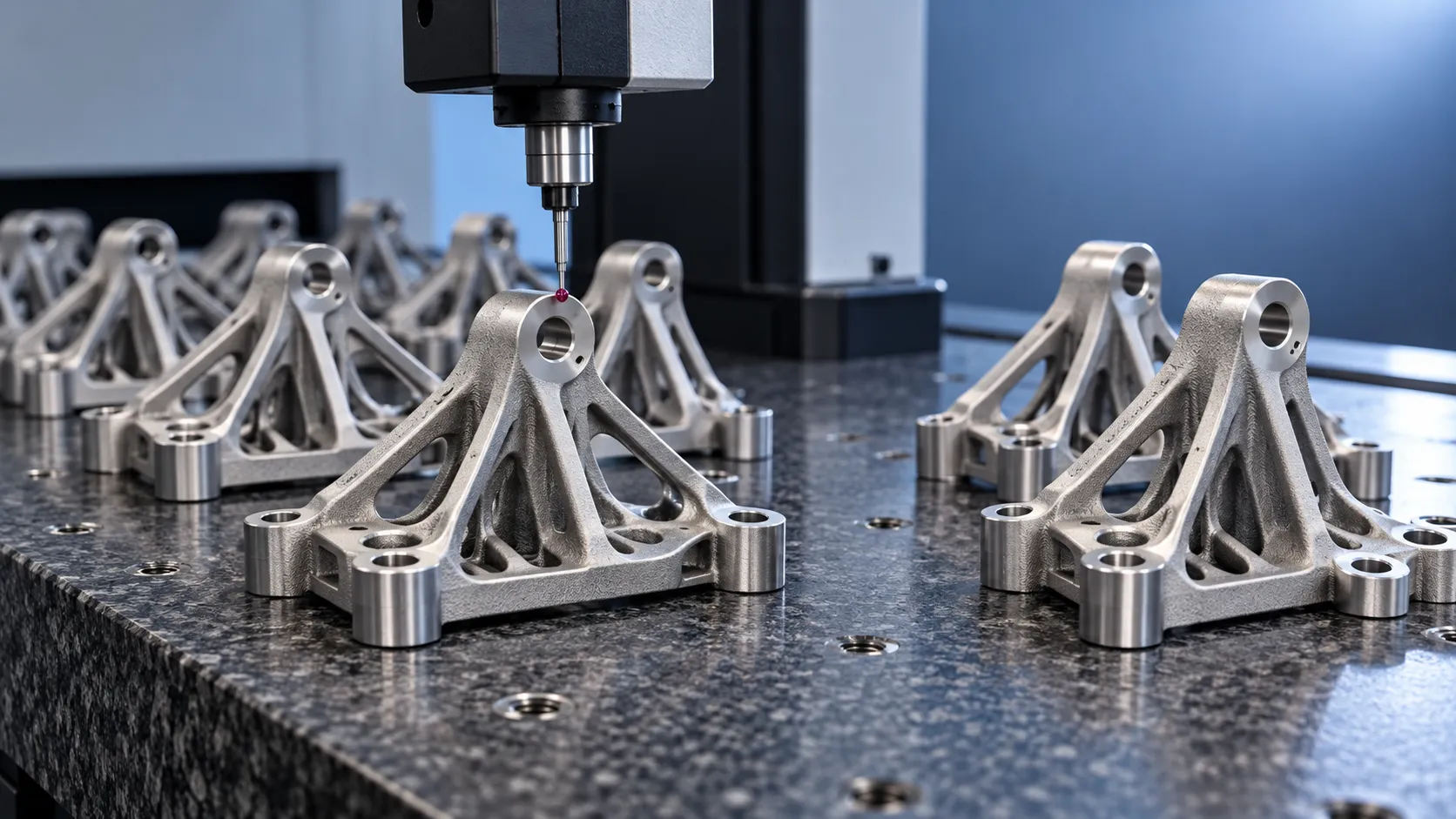
How to verify part consistency before choosing a 3D printing OEM
Choosing a 3D printing OEM? Learn how to verify part consistency with repeat-build trials, validated inspections, and traceability checks before committing to production.
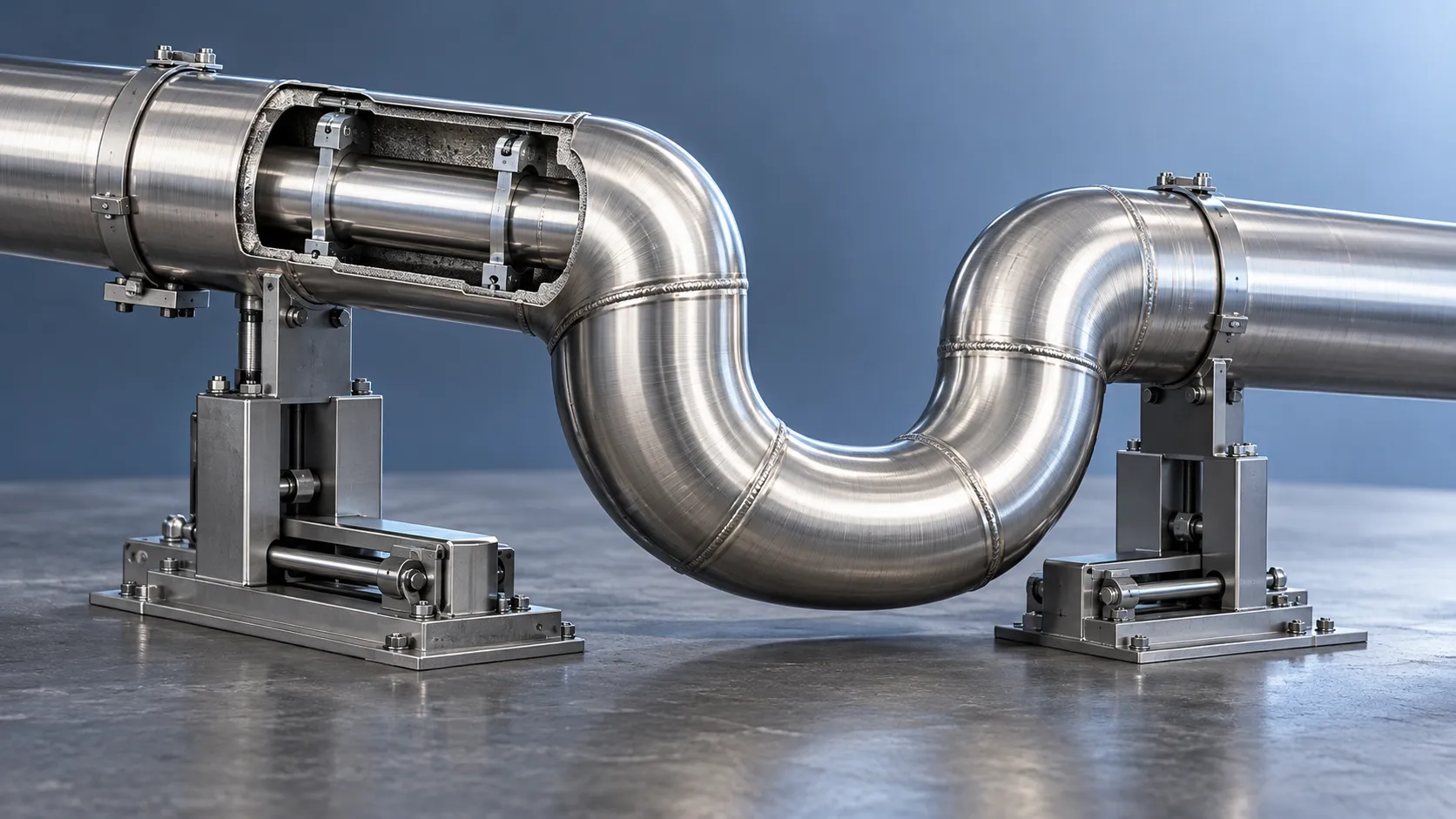
How does a rigid cryogenic transfer line handle thermal contraction?
Learn how a rigid cryogenic transfer line manages thermal contraction with bends, bellows, and guided supports. Discover key design checks for safe, reliable cryogenic performance.
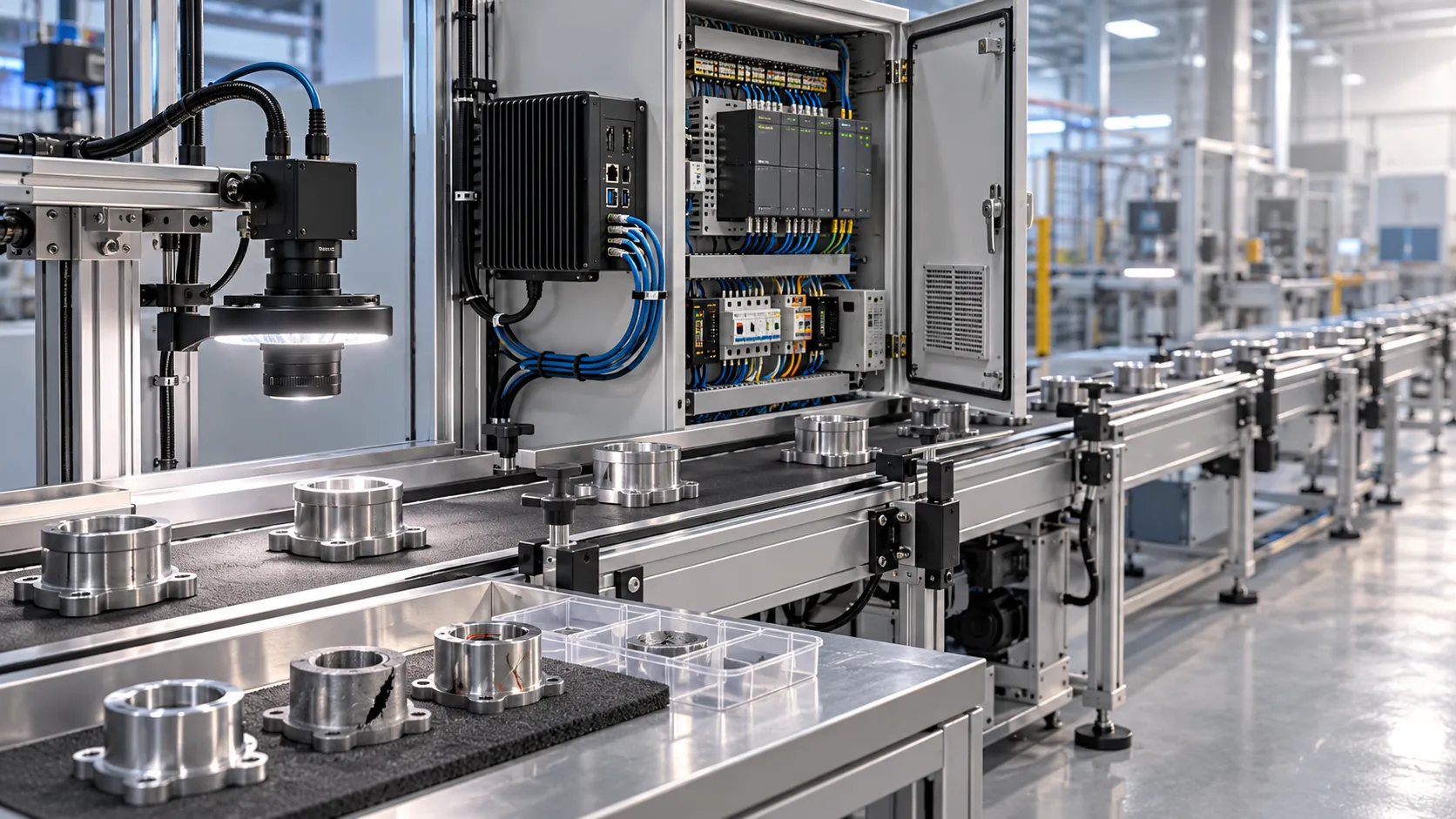
How much does edge vision deployment cost beyond the hardware?
Understand edge vision deployment cost beyond hardware, from data and integration to security and support. Uncover hidden expenses and build a smarter lifecycle budget before you scale.
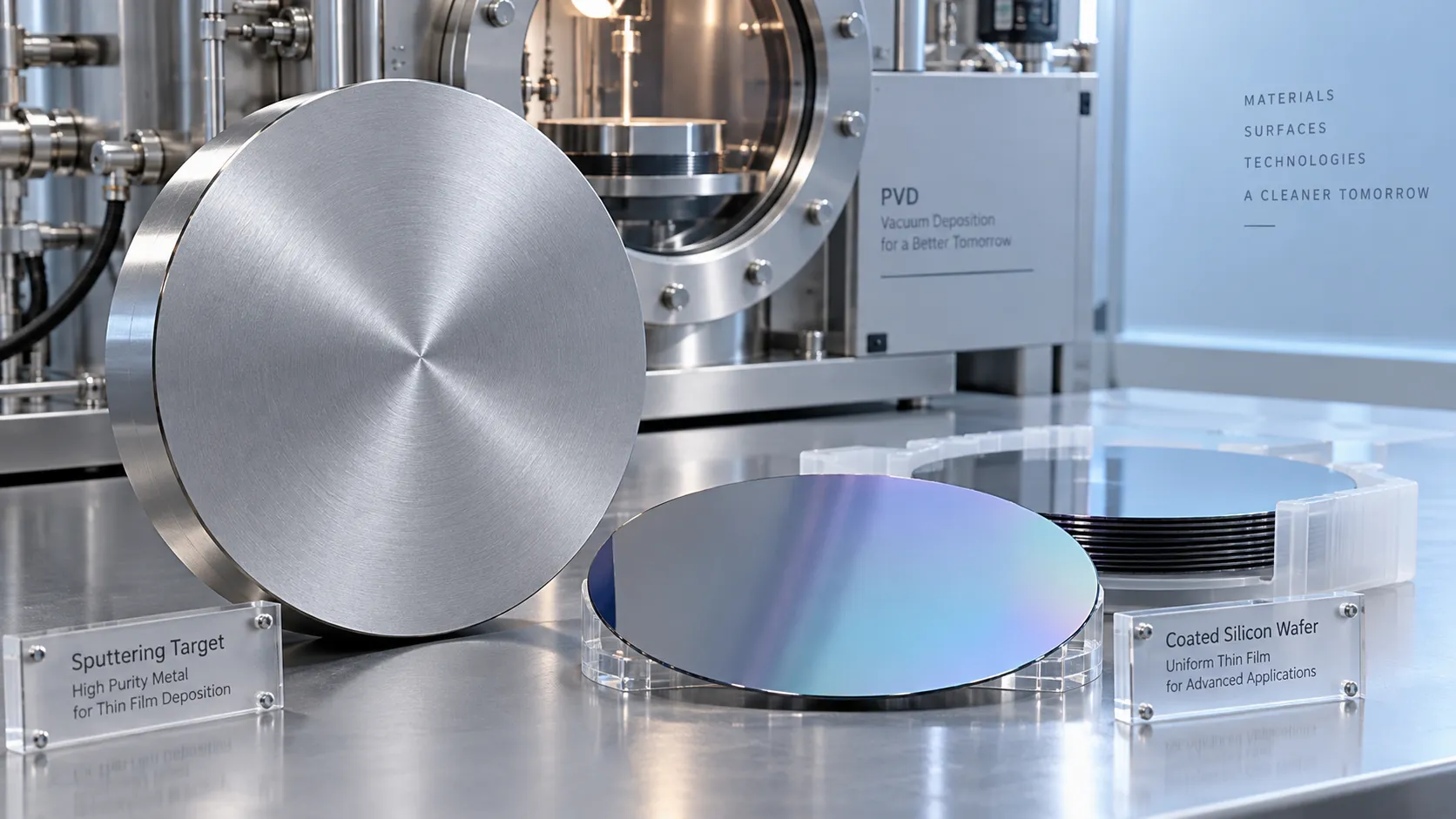
How does the purity of sputtering targets affect thin-film quality?
Discover how sputtering targets affect thin-film quality. Learn to assess purity, identify harmful impurities, and choose specifications that improve coating performance.
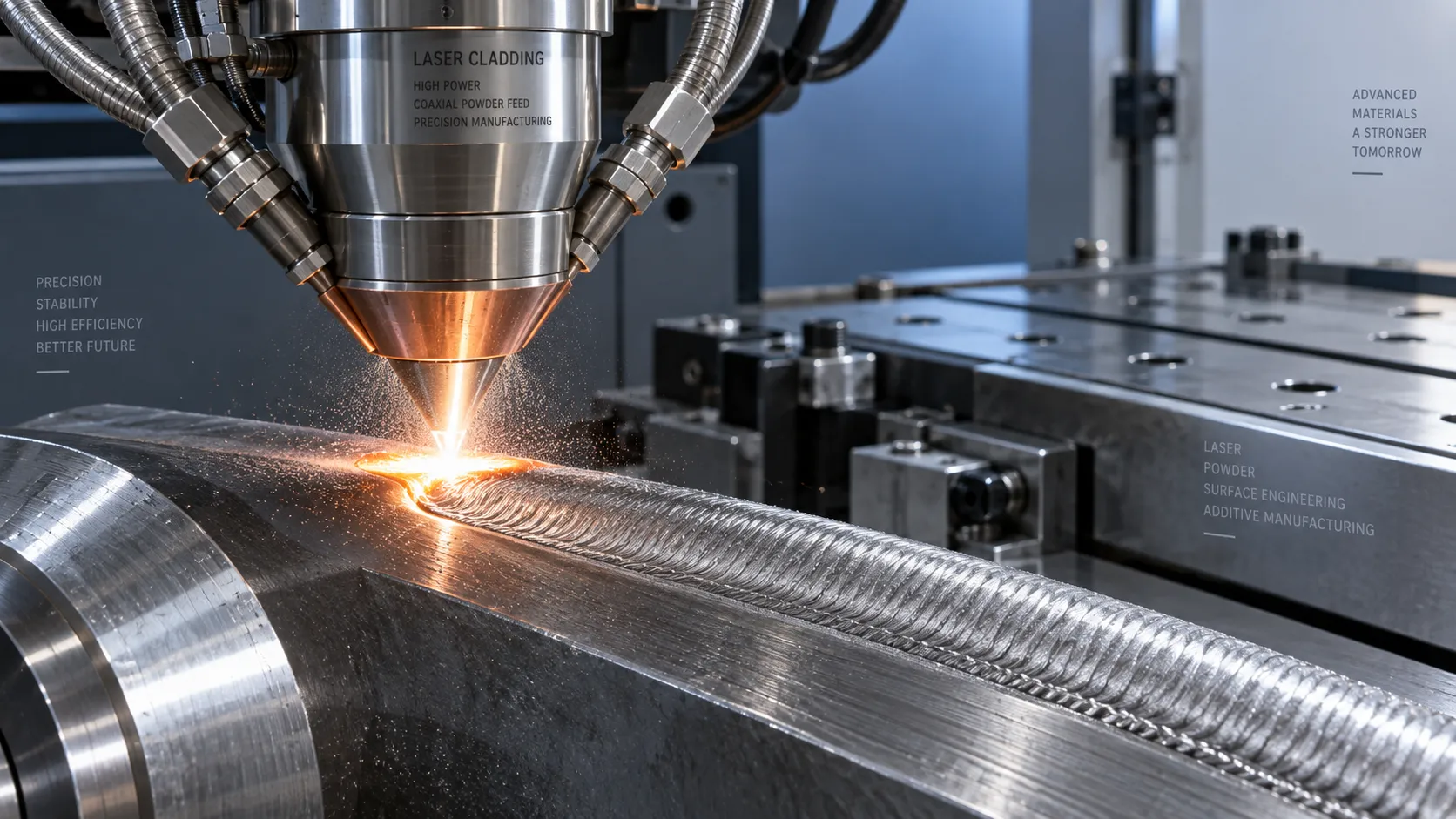
How high power laser cladding systems control substrate dilution
Discover how high power laser cladding systems control substrate dilution through beam shaping, material feed, and thermal management to deliver reliable bonds and coating performance.

How to check HS codes for customs compliance in international logistics
Strengthen international logistics customs compliance: learn how to verify HS codes, check official tariffs, and document classifications to reduce costly shipment delays.
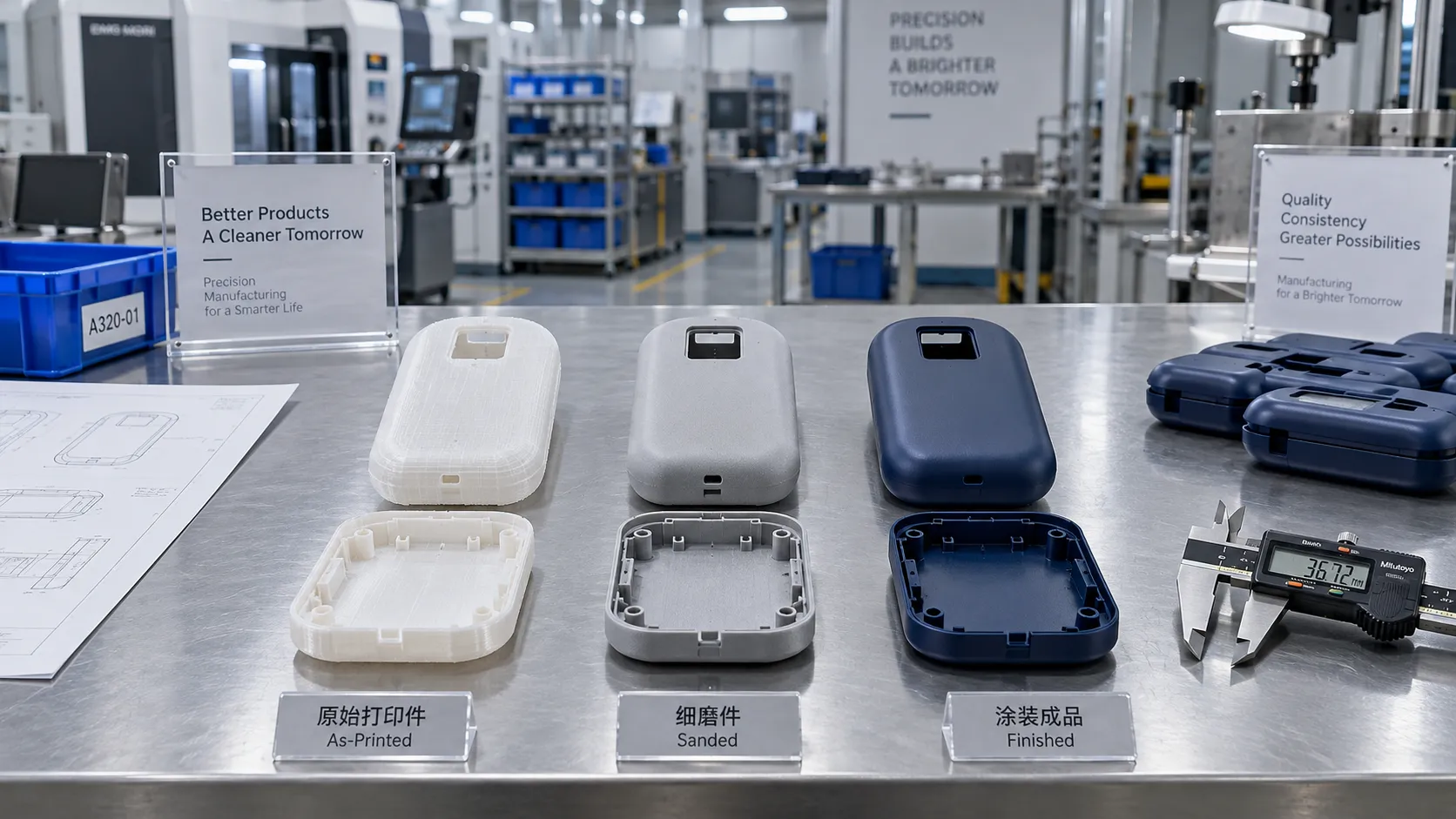
Choosing a 3D Printing Service for Consumer Products: Finish, Fit, and Cost
Compare 3d printing consumer good services by finish, fit, materials, and total cost. Learn how to choose a reliable supplier and avoid costly defects before ordering.
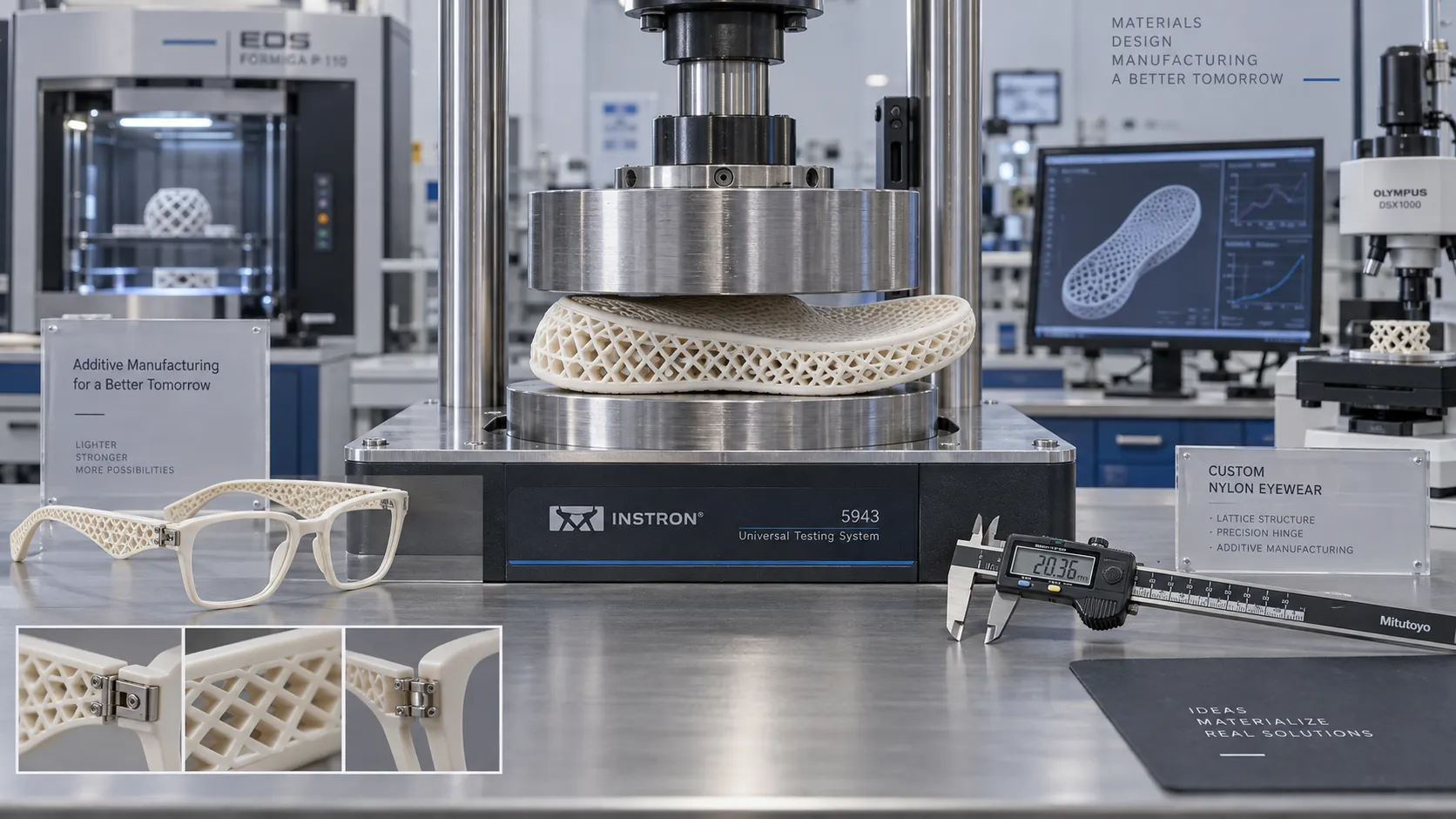
Which Consumer Goods Can Be 3D Printed, and What Are the Practical Limits?
Explore 3d printing consumer goods, from custom eyewear to replacement parts. Discover practical limits on materials, safety, and costs to make smarter production decisions.
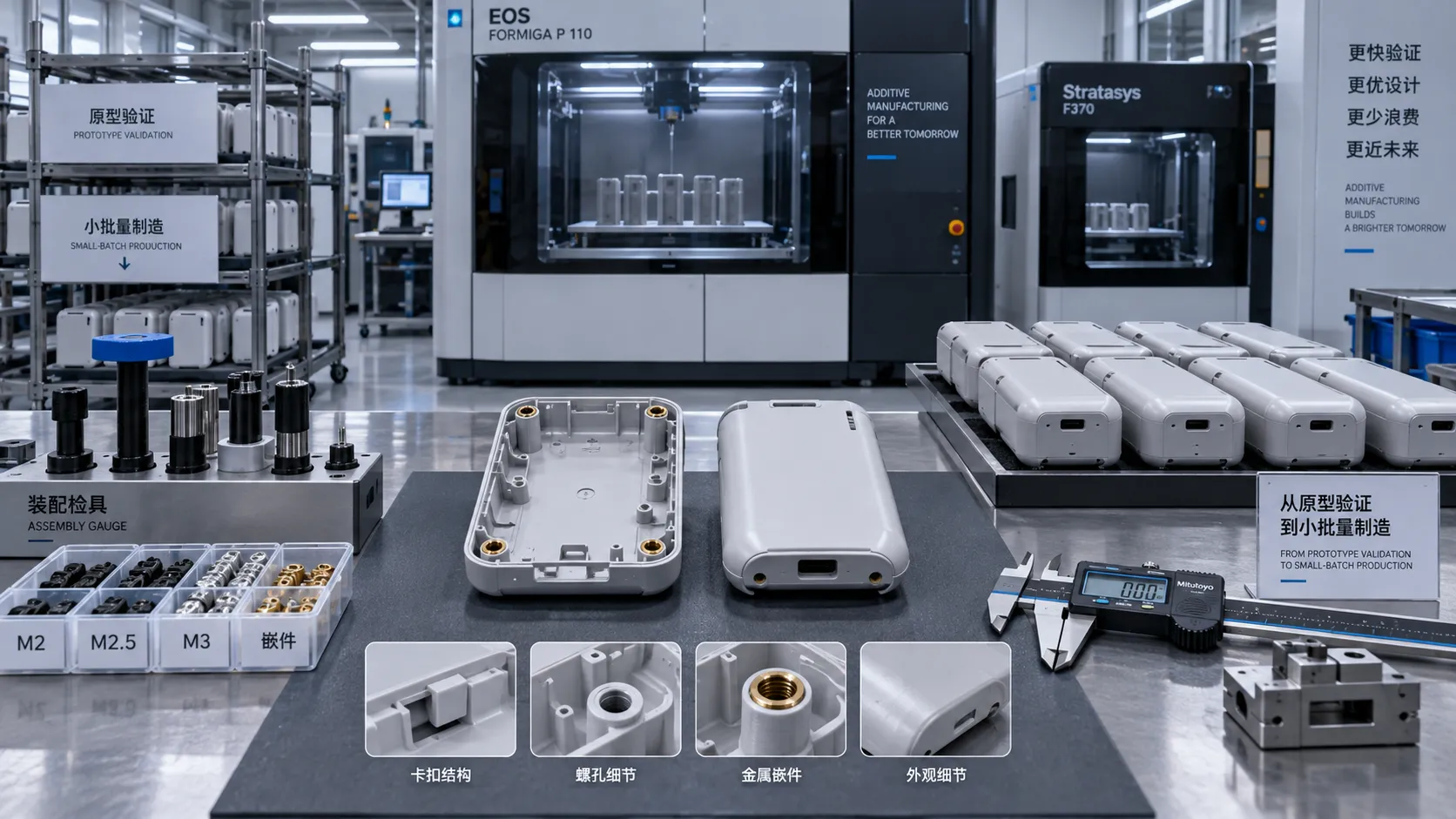
From Prototype to Small Batch: Applying 3D Printing to Consumer Goods
Explore 3d printing in consumer goods: learn how to move from prototype to small-batch production with practical guidance on materials, quality validation, and cost control.
Related News
- 00
0000-00
How to verify part consistency before choosing a 3D printing OEM - 00
0000-00
How does a rigid cryogenic transfer line handle thermal contraction? - 00
0000-00
How much does edge vision deployment cost beyond the hardware? - 00
0000-00
How does the purity of sputtering targets affect thin-film quality? - 00
0000-00
How high power laser cladding systems control substrate dilution
Dr. Victor Gear
Weekly Insights
Stay ahead with our curated technology reports delivered every Monday.