
Machine Vision Processing Latency Benchmarks


Machine vision processing latency benchmarks matter because inspection speed alone says very little about real line performance. In production, latency shapes when an image becomes a decision, how reliably a defect is flagged, and how smoothly a vision node fits into a broader automation architecture. For organizations comparing platforms across sectors, benchmark data turns vendor claims into measurable engineering evidence.
Why latency has become a frontline benchmark
Machine vision systems no longer operate as isolated cameras with simple pass or fail logic. They now sit inside tightly synchronized environments involving robots, PLCs, conveyors, AI inference engines, and traceability databases.
That shift raises the importance of machine vision processing latency. A few milliseconds may look negligible in a datasheet. On a high-throughput line, the same delay can create reject timing errors, robot misalignment, or missed inspection windows.
This is especially relevant in advanced manufacturing sectors tracked by G-AIT, where benchmark credibility matters as much as raw performance. Across machine vision, additive manufacturing, laser processing, nanomaterials, and vacuum engineering, process timing influences quality assurance and system interoperability.
Latency is also now a procurement risk factor. Integrators increasingly need proof that a platform performs under realistic load, not only under ideal laboratory conditions.
What machine vision processing latency actually includes
In practice, machine vision processing latency is the elapsed time between image capture and usable output. That output may be a defect classification, dimensional result, coordinate set, or control signal.
The number often presented in marketing material is only one part of the story. End-to-end latency is usually composed of several stages.
- Sensor exposure and readout time
- Frame transfer over GigE, USB3, CoaXPress, or Camera Link
- Image buffering and pre-processing
- Inference or rule-based inspection execution
- Result packaging, communication, and controller response
A platform may advertise fast inference while hiding delays in transfer, synchronization, or communication overhead. That is why machine vision processing latency benchmarks should separate component latency from total operational latency.
Latency, throughput, and jitter are not the same
Average latency is useful, but not sufficient. Throughput describes how many inspections can be completed over time. Jitter describes variation between cycles.
Low average latency with high jitter can still destabilize a production line. In many industrial settings, timing consistency matters more than the single fastest cycle ever achieved.
Where benchmark results diverge in real industrial use
Machine vision processing latency behaves very differently across applications. A barcode reader at moderate speed does not stress a system like a multi-camera weld inspection cell or an AI-driven surface analysis station.
This variability explains why benchmark reports should always include the application context. A useful result is tied to frame size, illumination conditions, algorithm type, hardware stack, and control interface.
The metrics behind a credible benchmark
Not all benchmarks deserve equal trust. The strongest machine vision processing latency evaluations are transparent about method, load condition, and repeatability.
What should be measured
- Average latency across a meaningful sample size
- Worst-case latency, not only best-case timing
- Cycle-to-cycle jitter
- Latency under peak throughput conditions
- Performance changes with higher resolution or model complexity
- Latency impact from network traffic, storage, and external I/O
A benchmark should also state whether the result reflects edge processing, host PC processing, FPGA acceleration, or GPU-based inference. These architectures behave differently when the workload scales.
Why standards alignment matters
In global supply chains, benchmark value increases when testing aligns with recognized industrial standards and reporting discipline. G-AIT’s cross-sector approach reflects this requirement.
When machine vision data is interpreted alongside ISO, SEMI, IEEE, or ASTM contexts, latency becomes easier to compare across regulated and technically demanding programs.
Common causes of hidden latency
Many disappointing deployments come from delays outside the advertised processing core. The image algorithm may not be the true bottleneck.
- Oversized image streams that saturate transport bandwidth
- Excessive buffering introduced for reliability or logging
- AI models optimized for accuracy but not for real-time execution
- CPU and GPU resource contention with other applications
- Poor trigger synchronization between camera, encoder, and PLC
- Protocol conversion delays between vision software and plant controls
In actual validation work, machine vision processing latency should be traced across the whole chain. Otherwise, the benchmark may identify a fast engine inside a slow system.
How to interpret vendor claims without oversimplifying
A common claim is sub-10 ms latency. That may be true for one image size, one classifier, and one hardware profile. It may not hold for multi-camera inspection with segmentation models and archived image output.
The practical question is not whether a number is technically possible. The better question is whether that number survives realistic production conditions.
Useful comparison questions
- Was machine vision processing latency measured end to end or only during inference?
- How many cameras and triggers were active during the benchmark?
- What was the input resolution and exposure setting?
- Did the test include result transfer to downstream control hardware?
- What happened to latency after eight hours of continuous operation?
- Was the benchmark repeated with defect-heavy and defect-light samples?
These questions often reveal whether a benchmark is operationally relevant or mainly promotional.
Where latency has direct business impact
The business effect of machine vision processing latency appears in several places at once. It affects line speed, false reject cost, integration effort, and expansion planning.
In sectors such as electronics, battery production, advanced materials, and precision fabrication, delayed inspection decisions can cause rework accumulation or expensive downstream contamination.
For cross-border projects, the issue extends further. Global deployments often involve compliance review, mixed hardware ecosystems, and export-control sensitivities around AI and imaging components. That makes benchmark transparency more valuable than isolated speed claims.
A practical path for evaluation
A useful benchmark process begins with the line requirement, not the vendor brochure. Define the maximum tolerable latency from process timing backward.
Then test the platform under production-like conditions, including realistic image quality, defect mix, network load, and result communication.
It is also worth recording both median and worst-case machine vision processing latency. Outliers often explain the integration failures that averages hide.
Where possible, compare benchmark evidence across multiple industrial domains. G-AIT’s broader repository model is useful here because machine vision performance often intersects with laser systems, additive workflows, and controlled-environment production equipment.
The next step is not simply choosing the lowest latency figure. It is building a shortlist based on deterministic timing, reporting clarity, standards alignment, and behavior under sustained load.
When those factors are documented early, machine vision processing latency becomes a decision tool rather than a late-stage integration surprise.
Related News
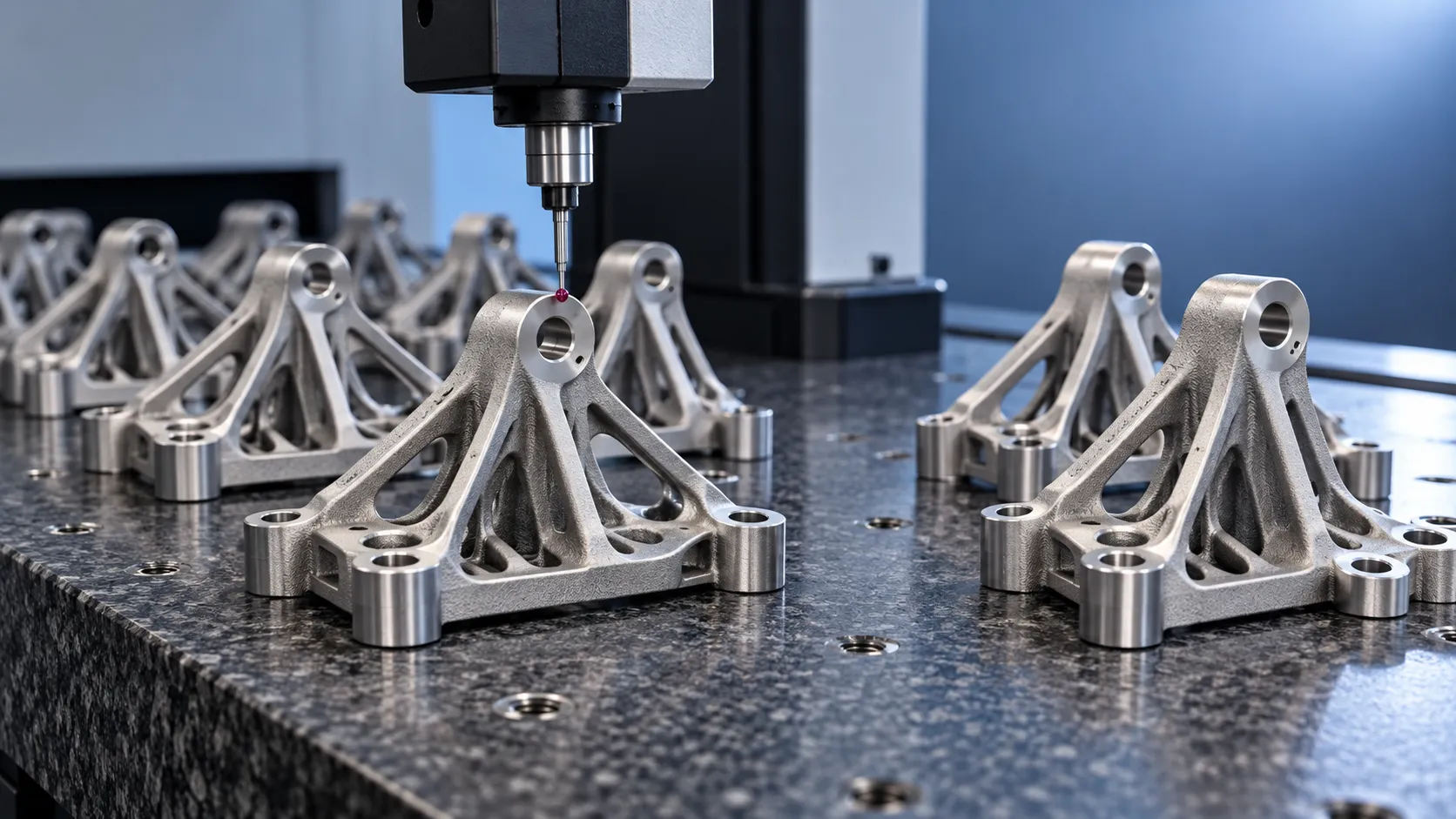
How to verify part consistency before choosing a 3D printing OEM
Choosing a 3D printing OEM? Learn how to verify part consistency with repeat-build trials, validated inspections, and traceability checks before committing to production.
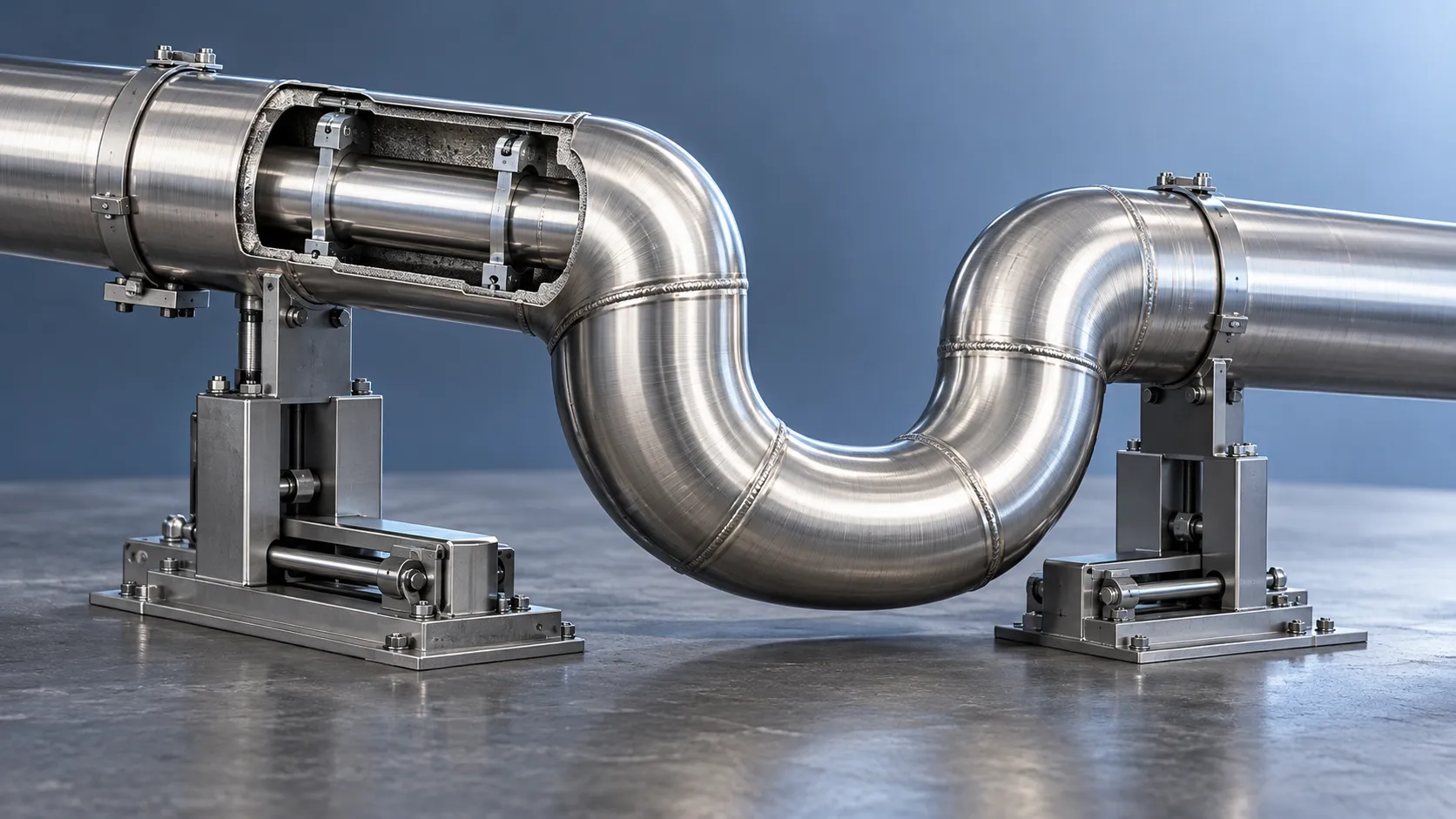
How does a rigid cryogenic transfer line handle thermal contraction?
Learn how a rigid cryogenic transfer line manages thermal contraction with bends, bellows, and guided supports. Discover key design checks for safe, reliable cryogenic performance.
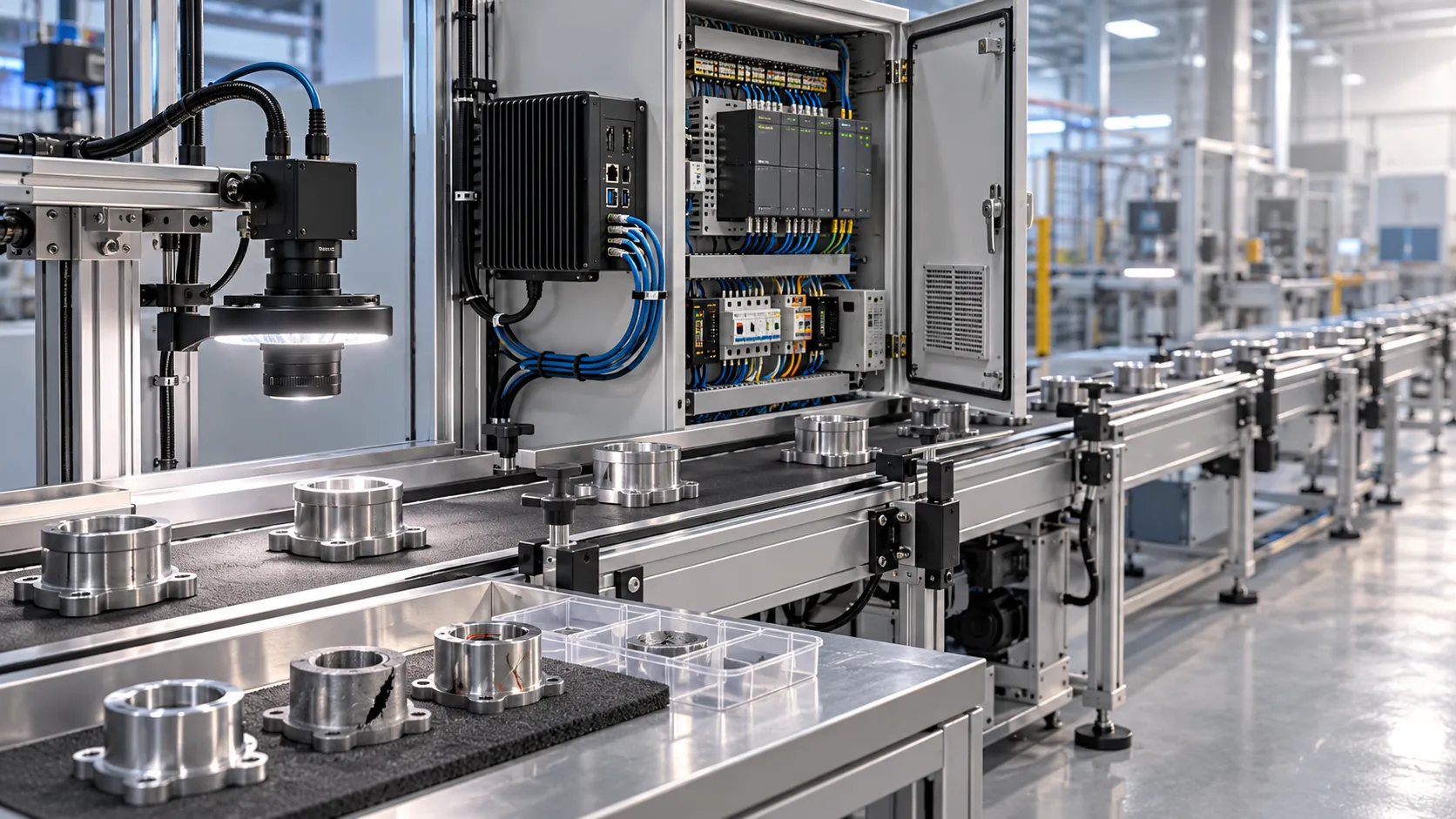
How much does edge vision deployment cost beyond the hardware?
Understand edge vision deployment cost beyond hardware, from data and integration to security and support. Uncover hidden expenses and build a smarter lifecycle budget before you scale.

How does the purity of sputtering targets affect thin-film quality?
Discover how sputtering targets affect thin-film quality. Learn to assess purity, identify harmful impurities, and choose specifications that improve coating performance.

How high power laser cladding systems control substrate dilution
Discover how high power laser cladding systems control substrate dilution through beam shaping, material feed, and thermal management to deliver reliable bonds and coating performance.

How to check HS codes for customs compliance in international logistics
Strengthen international logistics customs compliance: learn how to verify HS codes, check official tariffs, and document classifications to reduce costly shipment delays.
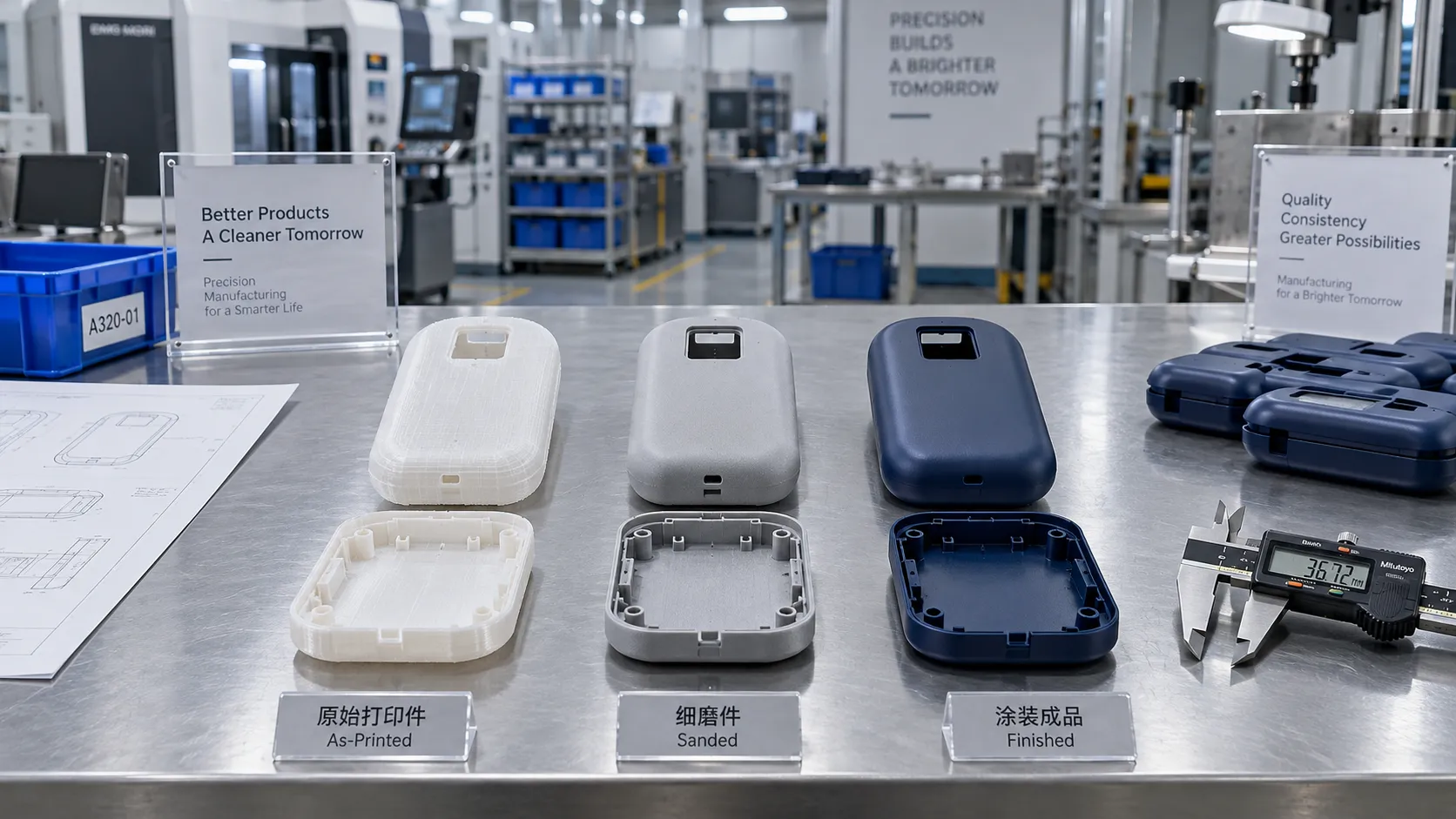
Choosing a 3D Printing Service for Consumer Products: Finish, Fit, and Cost
Compare 3d printing consumer good services by finish, fit, materials, and total cost. Learn how to choose a reliable supplier and avoid costly defects before ordering.
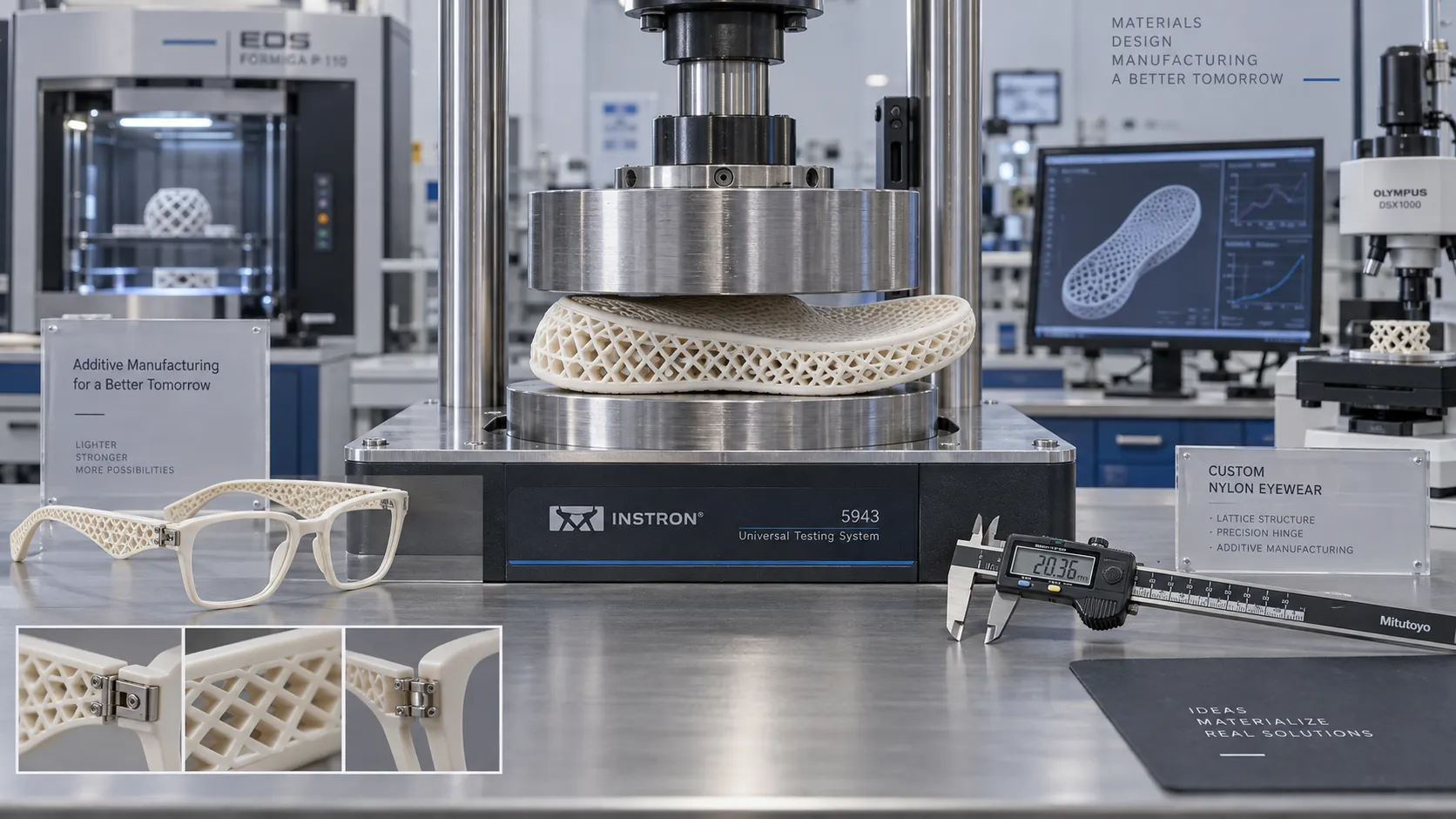
Which Consumer Goods Can Be 3D Printed, and What Are the Practical Limits?
Explore 3d printing consumer goods, from custom eyewear to replacement parts. Discover practical limits on materials, safety, and costs to make smarter production decisions.
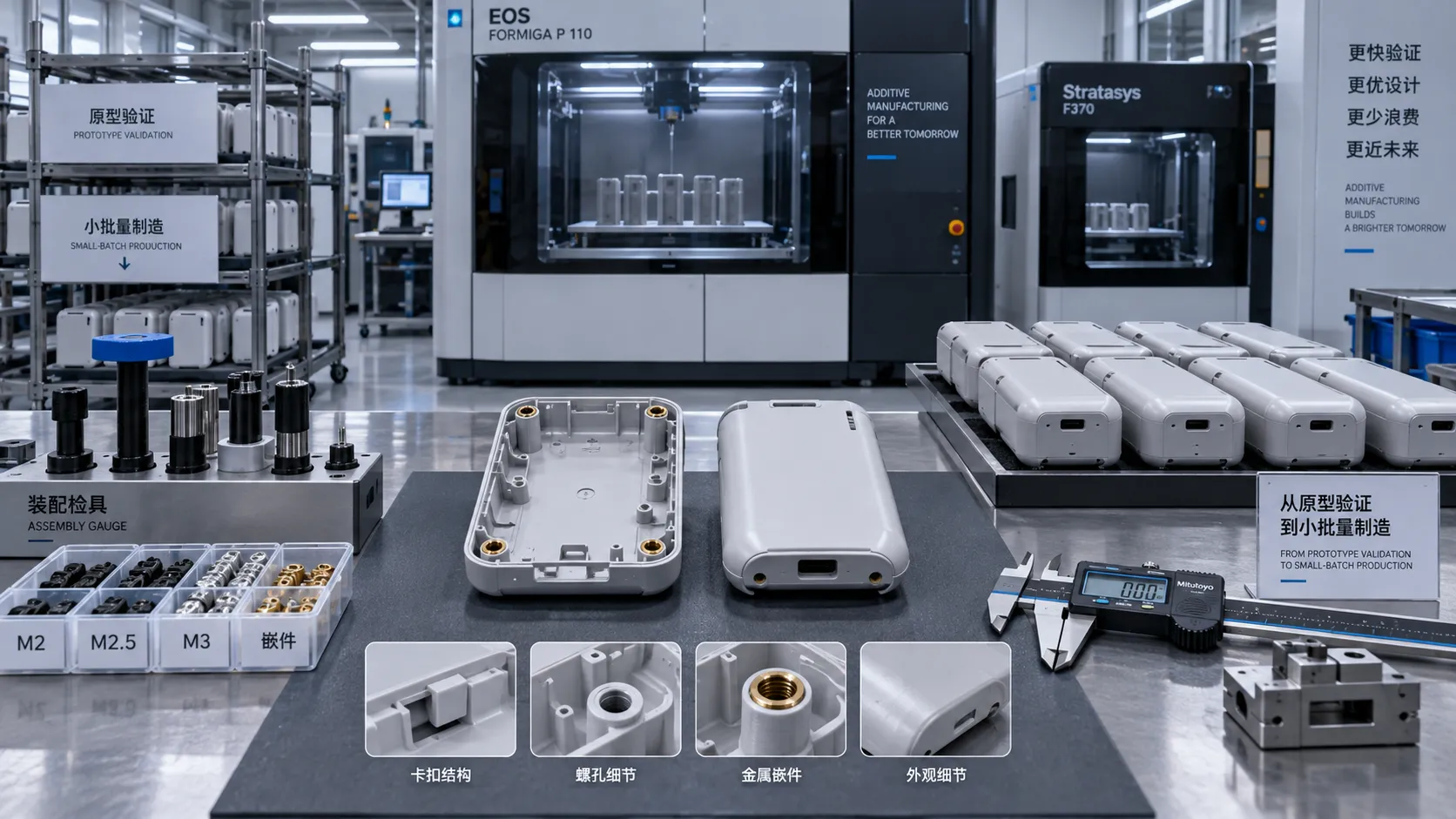
From Prototype to Small Batch: Applying 3D Printing to Consumer Goods
Explore 3d printing in consumer goods: learn how to move from prototype to small-batch production with practical guidance on materials, quality validation, and cost control.
Related News
- 00
0000-00
How to verify part consistency before choosing a 3D printing OEM - 00
0000-00
How does a rigid cryogenic transfer line handle thermal contraction? - 00
0000-00
How much does edge vision deployment cost beyond the hardware? - 00
0000-00
How does the purity of sputtering targets affect thin-film quality? - 00
0000-00
How high power laser cladding systems control substrate dilution
Dr. Victor Gear
Weekly Insights
Stay ahead with our curated technology reports delivered every Monday.