
Line Scan Camera Manufacturer: Key Specs to Compare

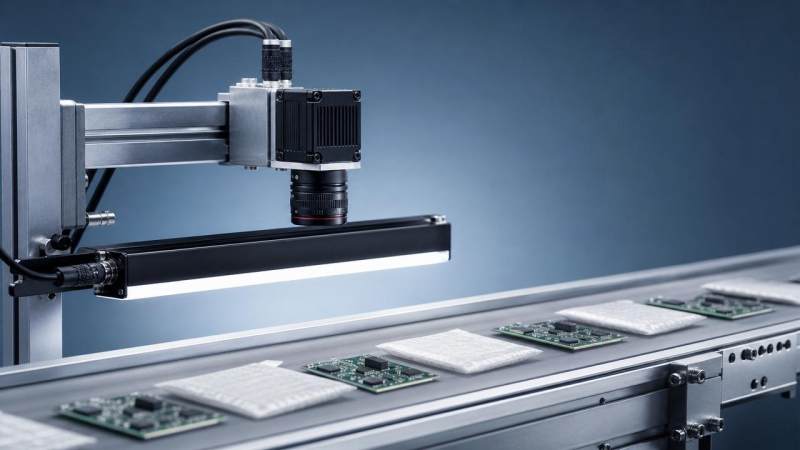
Line Scan Camera Manufacturer: Key Specs to Compare
Selecting the right line scan camera manufacturer is a technical decision that directly affects inspection accuracy, throughput, integration complexity, and long-term system reliability.
For industrial machine vision projects, camera specifications must be assessed against real production requirements, not only catalog numbers or headline resolution.
A qualified line scan camera manufacturer should provide verifiable sensor data, stable interface performance, clear synchronization options, and reliable environmental design.
This guide explains the key comparison points used in high-speed inspection, web inspection, electronics, printing, packaging, logistics, and precision manufacturing.
What Defines a Reliable Line Scan Camera Manufacturer?
A reliable line scan camera manufacturer is defined by repeatable imaging performance, transparent specifications, industrial compliance, and consistent supply capability.
Line scan cameras capture one image line at a time. Motion from a conveyor, stage, roller, or object creates the final two-dimensional image.
This architecture differs from area scan cameras, where the complete frame is captured in one exposure.
The method suits continuous materials, fast-moving products, cylindrical surfaces, long objects, and applications requiring uniform resolution across large lengths.
A strong line scan camera manufacturer should document sensor type, pixel size, line rate, dynamic range, interface bandwidth, trigger modes, and thermal behavior.
The documentation should also include test conditions. Without exposure settings, illumination level, and temperature, performance claims may be misleading.
Core technical signals to verify
- Sensor architecture, including CMOS, CCD, TDI, color, monochrome, or multispectral design.
- Line rate under full resolution, real interface load, and selected bit depth.
- Mechanical stability, lens mount precision, and vibration tolerance.
- Software development kit quality, driver maturity, and operating system support.
- Compliance with standards such as GigE Vision, USB3 Vision, CoaXPress, and Camera Link.
The best comparison starts with application physics, then checks whether the line scan camera manufacturer can support those conditions repeatedly.
Which Sensor Specifications Matter Most?
Sensor specifications are the foundation of image quality. Resolution alone does not determine defect visibility or measurement confidence.
A line scan camera manufacturer should clarify pixel size, sensor length, quantum efficiency, full-well capacity, read noise, and spectral sensitivity.
Small pixels support fine spatial detail, but they may collect less light. Larger pixels improve sensitivity but reduce pixel density.
For dark materials, reflective metals, fast lines, or limited lighting space, sensitivity can matter more than maximum resolution.
Resolution and field of view
Resolution should be calculated from object width and required defect size. Overspecification increases cost, bandwidth demand, and processing load.
For example, detecting a 0.1 mm defect usually requires multiple pixels across that feature, not only one theoretical pixel.
A competent line scan camera manufacturer can help match sensor length with lens selection, working distance, illumination geometry, and motion speed.
Dynamic range and noise
Dynamic range affects inspection of materials with bright highlights and dark regions in the same scene.
Low read noise supports stable thresholding, edge detection, OCR, code reading, and surface defect segmentation.
When comparing a line scan camera manufacturer, request sample images or test data from conditions similar to the target production line.
Color, monochrome, TDI, and spectral options
Monochrome cameras provide higher sensitivity and are widely used for dimensional inspection, surface defects, and web inspection.
Color line scan cameras help classify print defects, food appearance, textile patterns, and packaging variations.
TDI sensors increase effective exposure by accumulating signal across multiple stages, improving imaging on fast or low-light lines.
Some applications require near-infrared, ultraviolet, or short-wave infrared capability. The line scan camera manufacturer should provide spectral response curves.
How Should Line Rate and Interface Bandwidth Be Compared?
Line rate determines how many image lines the camera can capture per second. It must match conveyor speed and required vertical resolution.
If line rate is too low, objects appear stretched, compressed, or blurred in the motion direction.
A line scan camera manufacturer should publish line rate at specific resolution, bit depth, interface type, and operating mode.
Peak numbers may not represent continuous acquisition when processing, storage, cabling, and host controllers are included.
Common industrial interfaces
The right interface depends on image data volume, system layout, latency tolerance, cable length, and maintenance strategy.
A line scan camera manufacturer with mature interface support can reduce integration risk and simplify future system upgrades.
A practical bandwidth check
Bandwidth can be estimated from pixel count, line rate, bit depth, and color channels.
Add overhead for transmission, buffering, metadata, and processing bursts. Continuous production rarely operates under ideal laboratory conditions.
Before selecting a line scan camera manufacturer, validate sustained acquisition using the intended host hardware and inspection software.
What Synchronization and Integration Features Are Essential?
Synchronization is critical because line scan imaging depends on the relationship between object motion and image acquisition.
A line scan camera manufacturer should support encoder input, external trigger, strobe control, programmable exposure, and deterministic timing.
Encoder synchronization links line capture to actual movement. This helps compensate for conveyor speed changes, vibration, or mechanical drift.
Without proper synchronization, even a high-resolution sensor may generate distorted images and unstable measurement results.
Integration items to confirm
- Trigger modes for free-run, line trigger, frame trigger, and encoder-based acquisition.
- I/O voltage levels compatible with controllers, lighting drivers, and encoders.
- Software APIs for C++, C#, Python, and industrial vision platforms.
- Timestamping, event logging, and diagnostics for troubleshooting production faults.
- Firmware update procedures and rollback options for controlled maintenance.
A capable line scan camera manufacturer should provide SDK examples, GenICam compatibility, stable drivers, and clear register documentation.
Integration quality often determines project schedule more than image quality alone.
How Do Application Scenarios Change Camera Selection?
Different industries impose different imaging priorities. The same line scan camera manufacturer may offer several platforms for separate requirements.
For web inspection, continuous materials require high line rate, wide field of view, uniform lighting, and stable image stitching.
For electronics inspection, small defects demand high resolution, low noise, accurate triggering, and precise optical alignment.
For printing and packaging, color accuracy, registration control, code verification, and reflective surface handling can dominate selection.
For logistics and sorting, rugged design, wide imaging width, fast decoding, and simple maintenance are often more important.
Application comparison table
The best line scan camera manufacturer is not always the one with the highest specification sheet.
The better choice is the platform that delivers measurable performance under the intended inspection environment.
What Risks Appear When Specifications Are Misread?
Misreading specifications can lead to inaccurate inspection, unstable yield data, unexpected integration cost, and production downtime.
One common mistake is comparing maximum line rate without checking bit depth, region settings, or data transmission limitations.
Another mistake is choosing resolution before defining defect size, object speed, lighting intensity, and acceptable false reject rate.
A line scan camera manufacturer should help quantify these trade-offs instead of promoting a single impressive number.
Frequent pitfalls
- Ignoring lens resolution, distortion, and illumination uniformity.
- Using laboratory images to predict harsh production performance.
- Underestimating host computer, storage, and image processing requirements.
- Selecting an interface without considering cable route and electromagnetic noise.
- Skipping thermal testing during continuous high-speed acquisition.
Environmental robustness should include temperature range, housing design, connector quality, shock resistance, and electromagnetic compatibility.
A line scan camera manufacturer with industrial experience will provide derating guidance and application notes for demanding installations.
FAQ: How to Compare a Line Scan Camera Manufacturer?
These questions help filter a line scan camera manufacturer by engineering fit rather than brand visibility alone.
They also create a structured checklist for technical benchmarking and supplier comparison.
Final Selection Checklist and Next Step
A strong line scan camera manufacturer should be compared through application-based validation, not only a specification table.
Start with defect size, object speed, material behavior, working distance, illumination limits, and required inspection confidence.
Then compare sensor architecture, line rate, bandwidth, trigger control, software support, thermal stability, and long-term availability.
Request complete datasheets, sample images, integration manuals, compliance information, and test reports under realistic operating conditions.
The right line scan camera manufacturer will support repeatable inspection performance, predictable integration, and scalable industrial machine vision deployment.
For the next step, create a comparison matrix and test shortlisted cameras using real samples before final system design.
Related News
How to verify part consistency before choosing a 3D printing OEM
Choosing a 3D printing OEM? Learn how to verify part consistency with repeat-build trials, validated inspections, and traceability checks before committing to production.
How does a rigid cryogenic transfer line handle thermal contraction?
Learn how a rigid cryogenic transfer line manages thermal contraction with bends, bellows, and guided supports. Discover key design checks for safe, reliable cryogenic performance.
How much does edge vision deployment cost beyond the hardware?
Understand edge vision deployment cost beyond hardware, from data and integration to security and support. Uncover hidden expenses and build a smarter lifecycle budget before you scale.
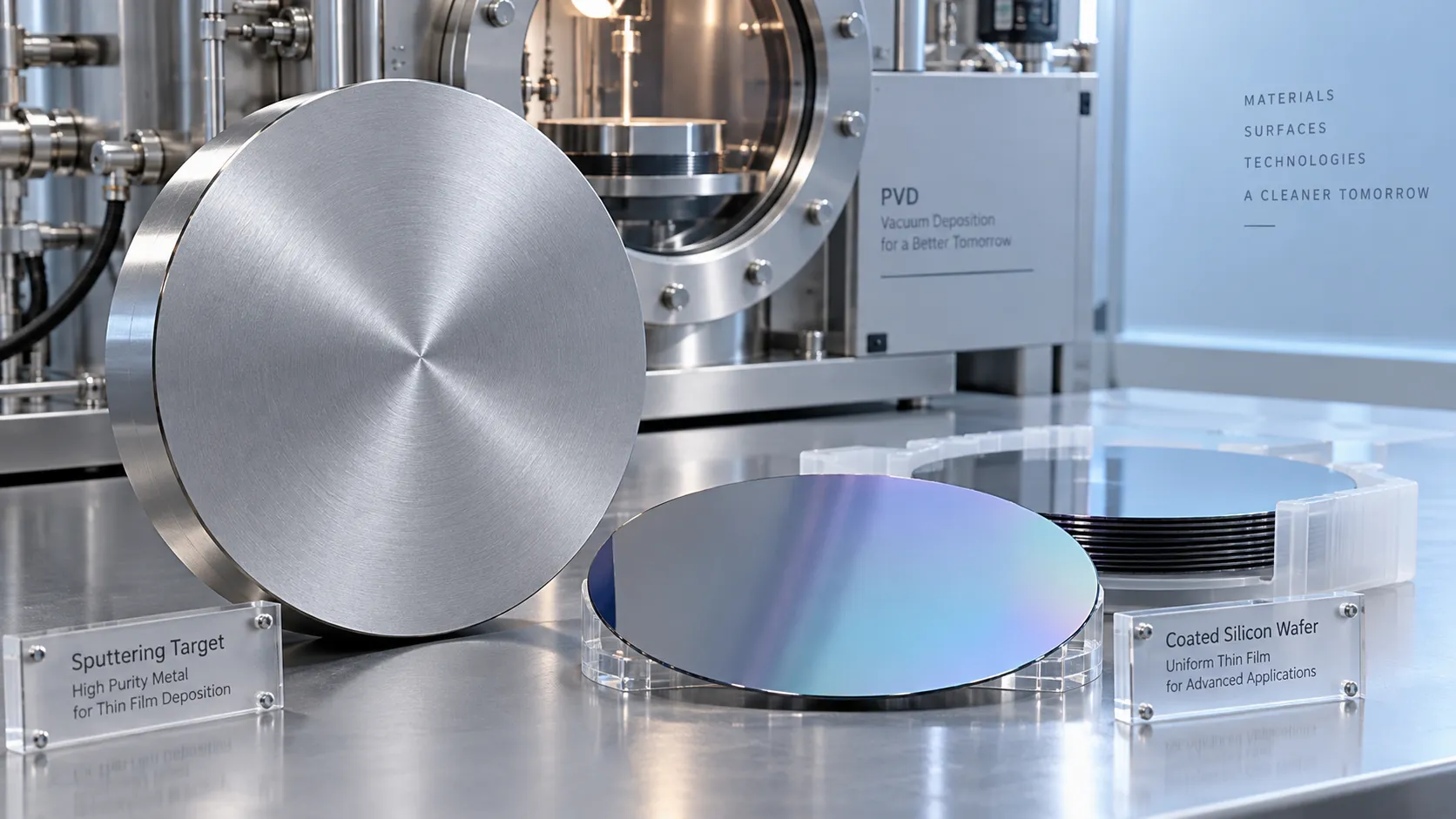
How does the purity of sputtering targets affect thin-film quality?
Discover how sputtering targets affect thin-film quality. Learn to assess purity, identify harmful impurities, and choose specifications that improve coating performance.
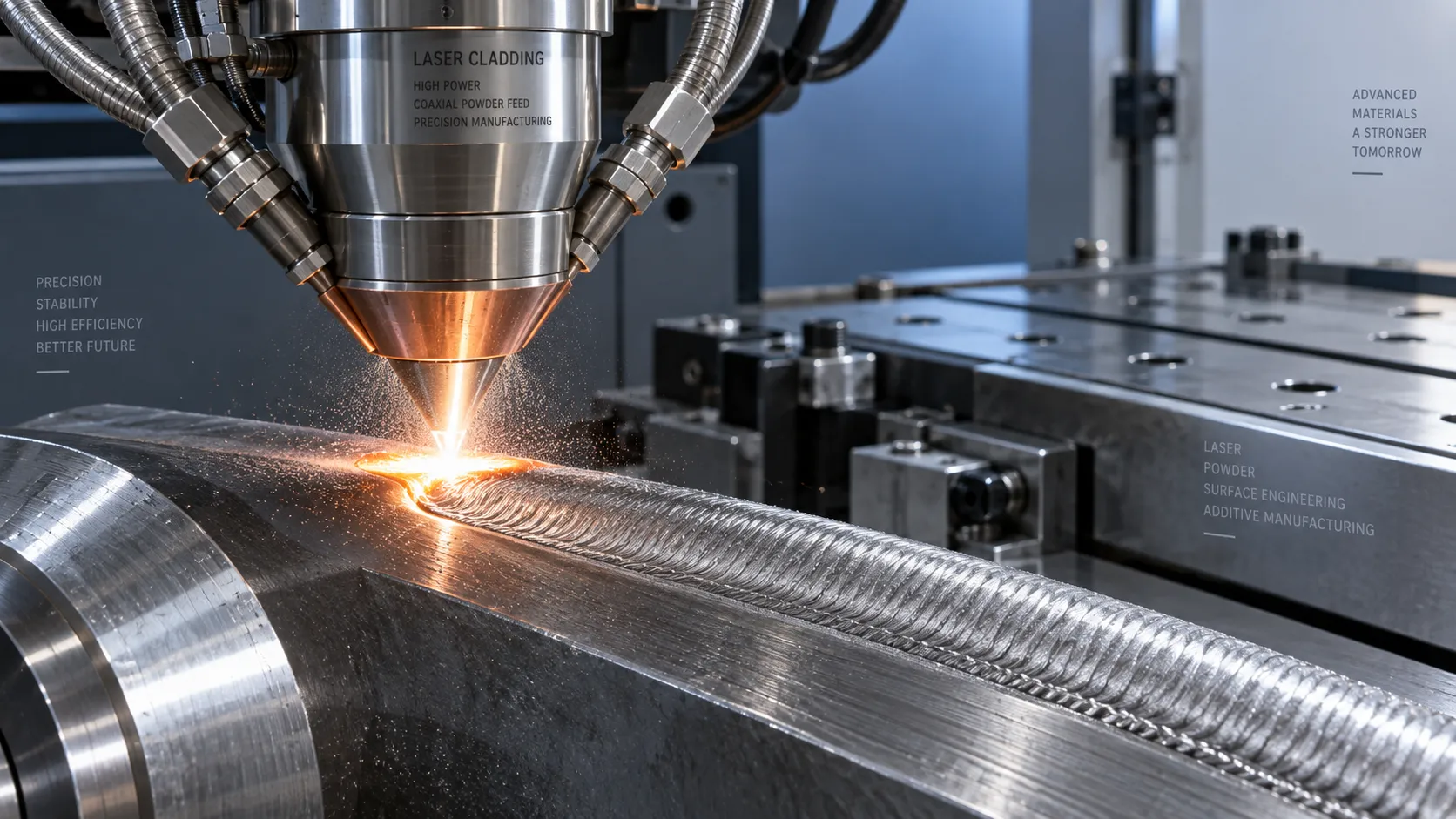
How high power laser cladding systems control substrate dilution
Discover how high power laser cladding systems control substrate dilution through beam shaping, material feed, and thermal management to deliver reliable bonds and coating performance.
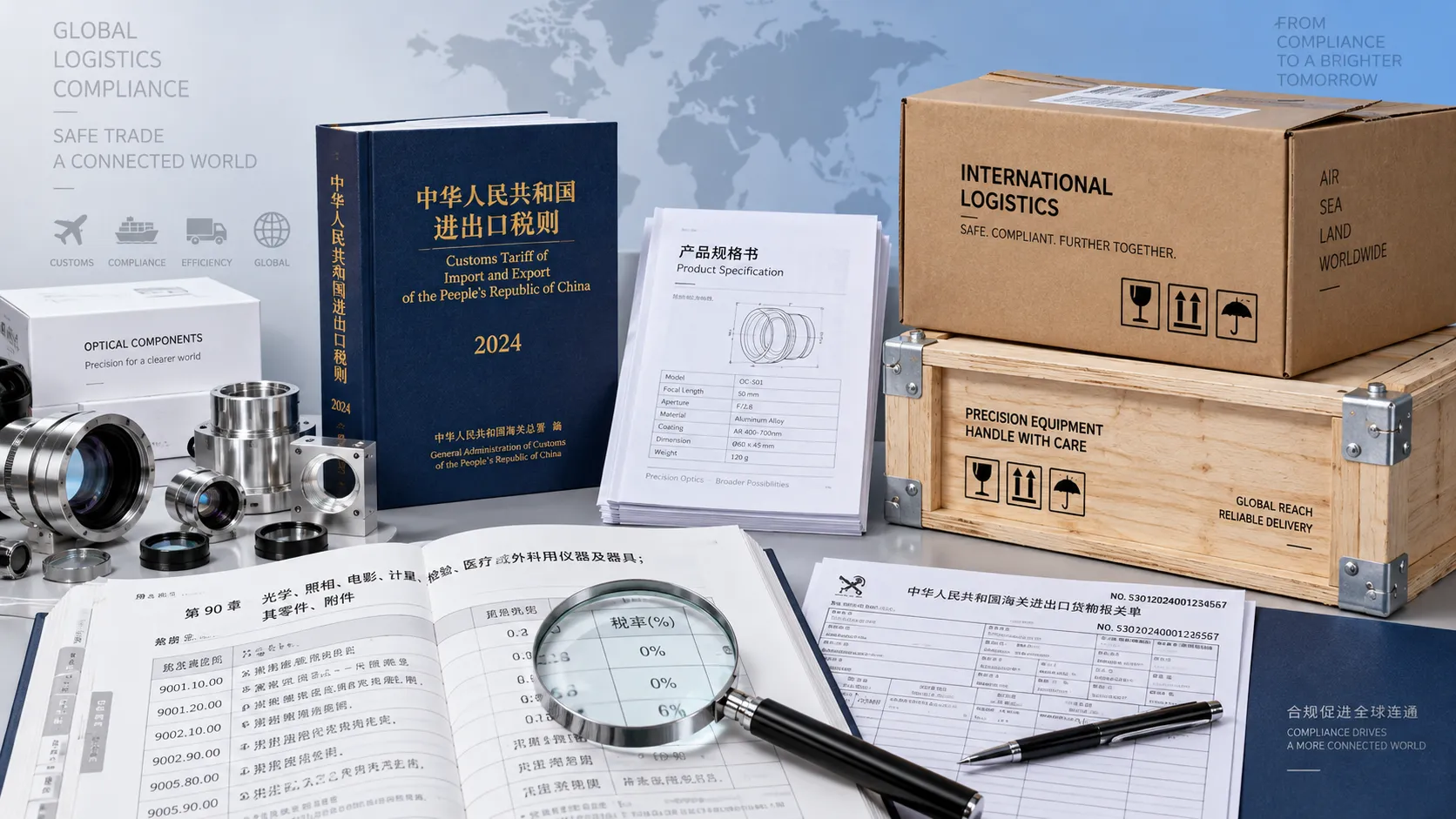
How to check HS codes for customs compliance in international logistics
Strengthen international logistics customs compliance: learn how to verify HS codes, check official tariffs, and document classifications to reduce costly shipment delays.
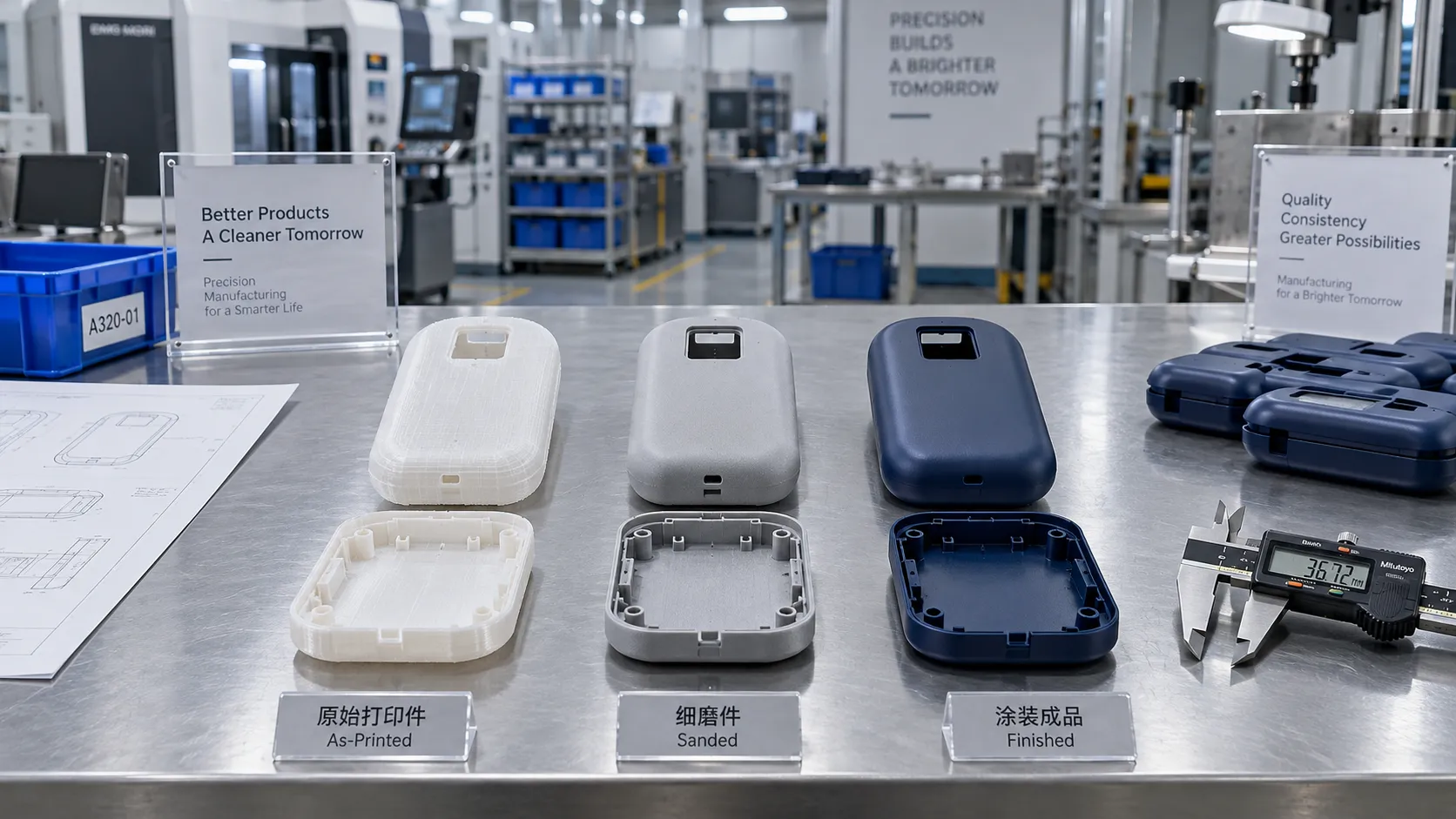
Choosing a 3D Printing Service for Consumer Products: Finish, Fit, and Cost
Compare 3d printing consumer good services by finish, fit, materials, and total cost. Learn how to choose a reliable supplier and avoid costly defects before ordering.
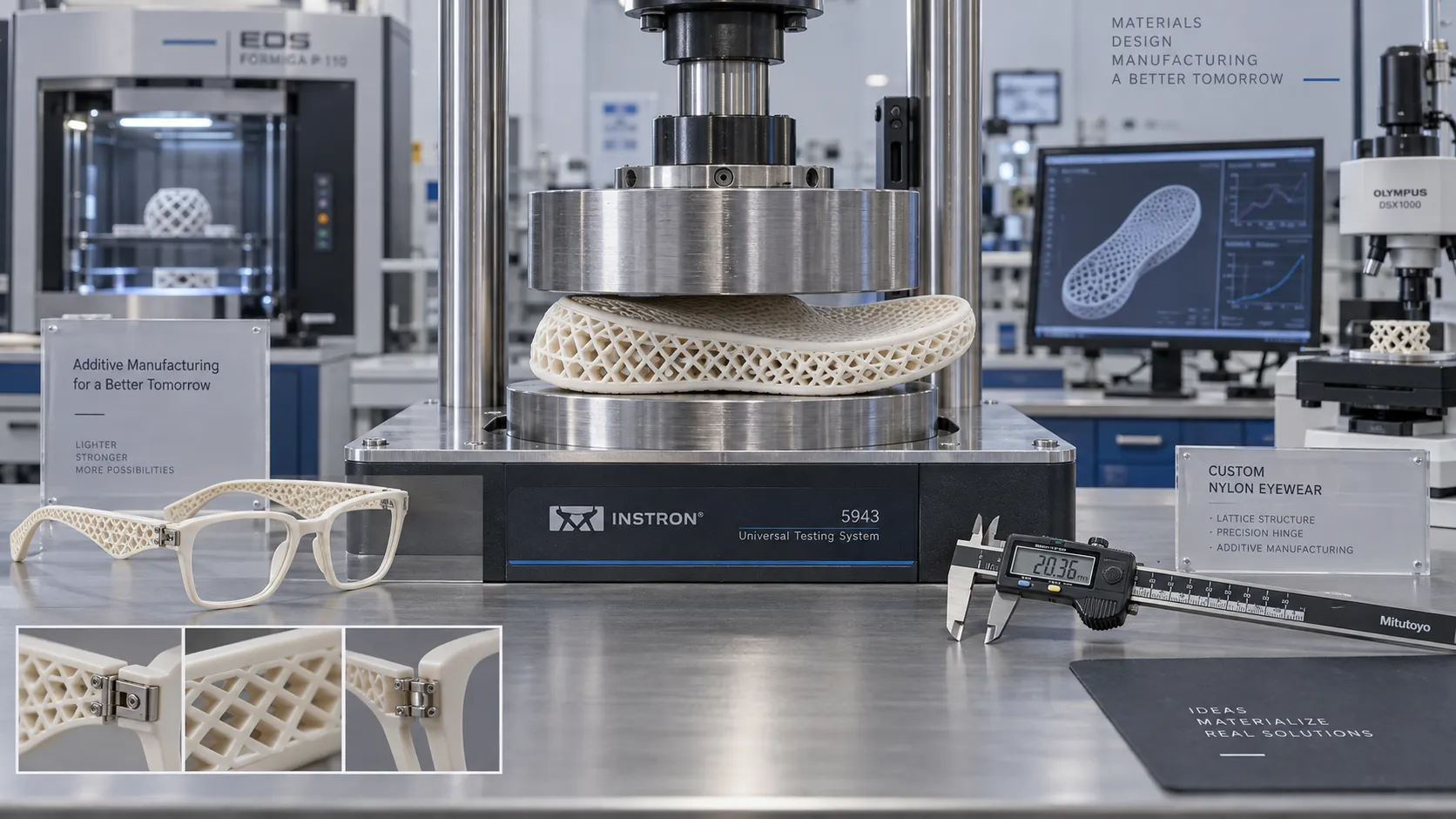
Which Consumer Goods Can Be 3D Printed, and What Are the Practical Limits?
Explore 3d printing consumer goods, from custom eyewear to replacement parts. Discover practical limits on materials, safety, and costs to make smarter production decisions.
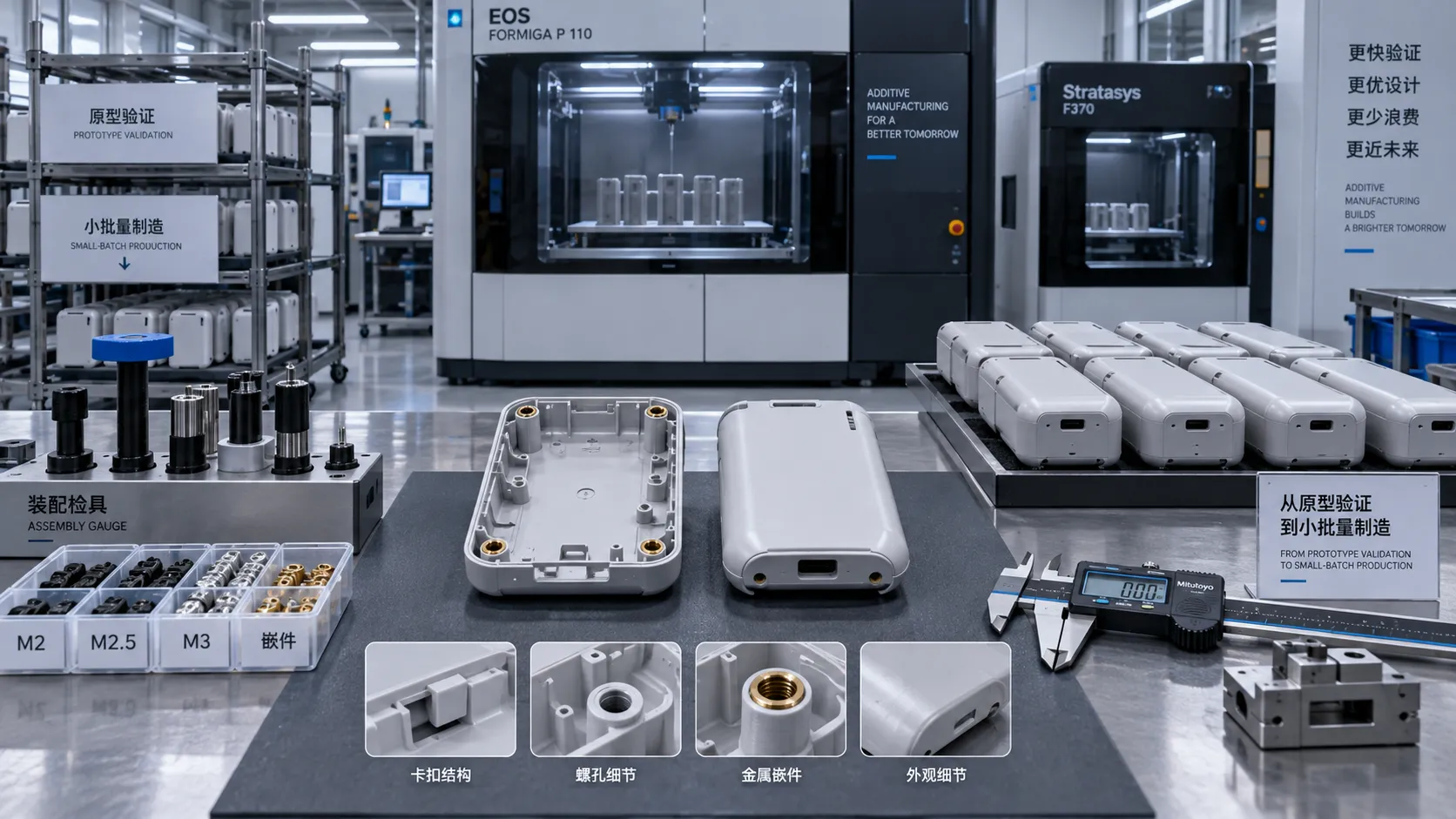
From Prototype to Small Batch: Applying 3D Printing to Consumer Goods
Explore 3d printing in consumer goods: learn how to move from prototype to small-batch production with practical guidance on materials, quality validation, and cost control.
Related News
- 00
0000-00
How to verify part consistency before choosing a 3D printing OEM - 00
0000-00
How does a rigid cryogenic transfer line handle thermal contraction? - 00
0000-00
How much does edge vision deployment cost beyond the hardware? - 00
0000-00
How does the purity of sputtering targets affect thin-film quality? - 00
0000-00
How high power laser cladding systems control substrate dilution
Dr. Victor Gear
Weekly Insights
Stay ahead with our curated technology reports delivered every Monday.