
Machine Vision Controller OEM: Key Specs That Affect Uptime

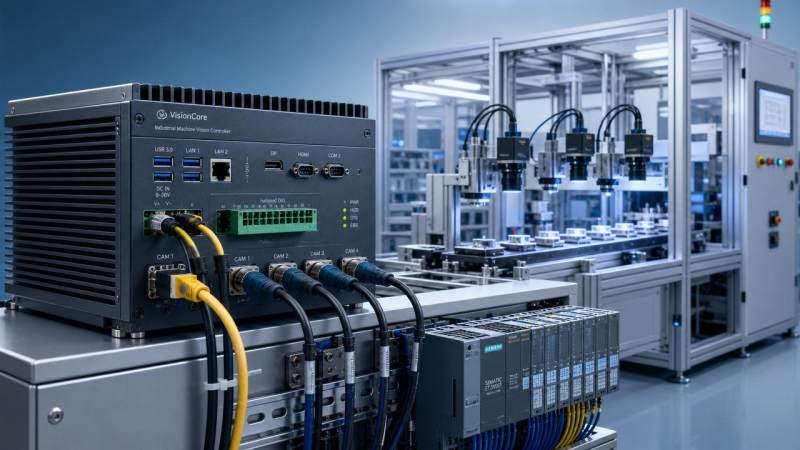
Choosing the right machine vision controller OEM is less about peak benchmark speed and more about how consistently the platform performs in real production conditions. For technical evaluators, the controller specifications that most affect uptime are deterministic processing, stable I/O behavior, thermal resilience, software maintainability, and long-term component availability. If a controller fits the imaging workload but creates integration friction, overheating risk, or support gaps, downtime costs will usually outweigh any initial performance advantage.
In practical procurement terms, the core search intent behind this topic is clear: evaluators want to know which controller specifications actually reduce unplanned stoppages, simplify validation, and protect lifecycle reliability. They are not only comparing hardware data sheets. They are assessing whether an OEM partner can support repeatable inspection performance across shifts, sites, and product generations.
Why uptime-focused evaluation changes how you compare a machine vision controller OEM
Many controller comparisons begin with CPU type, GPU capability, camera count, or nominal throughput. Those numbers matter, but they rarely predict field uptime on their own. In industrial machine vision, failures often come from timing instability, thermal throttling, driver conflicts, poor cable resilience, storage wear, and unmanaged software updates rather than from insufficient raw computing power.
That is why technical evaluators should frame vendor assessment around failure prevention. A strong machine vision controller OEM should demonstrate not just image processing capacity, but also deterministic operation under vibration, electrical noise, ambient heat, and continuous duty cycles. The best supplier is often the one with fewer operational surprises over several years of production use.
This shifts the evaluation model from “Can it run the application in the lab?” to “Can it maintain inspection integrity and recover cleanly from faults in the plant?” That distinction is critical in electronics, packaging, automotive, semiconductor, and battery manufacturing, where one unstable node can interrupt an entire line.
Start with processing determinism, not headline performance
For uptime-sensitive systems, deterministic processing behavior matters more than occasional top-end speed. A controller that processes images at high average rates but exhibits timing jitter can trigger missed triggers, queue overflows, false rejects, and synchronization errors with PLCs or robots. Those issues are especially costly in high-speed inspection cells.
Ask the OEM how the controller handles peak image bursts, multi-camera concurrency, and variable algorithm loads. Deep learning inference, 3D reconstruction, OCR, code reading, and defect classification all create different compute profiles. A controller should sustain the required workload without frame loss, latency spikes, or unpredictable task scheduling.
Useful validation questions include whether the system supports real-time operating behavior where needed, how it prioritizes acquisition versus analysis threads, and what happens when image traffic exceeds the expected baseline. If the vendor only provides benchmark screenshots without long-duration stress data, uptime risk remains unclear.
Technical teams should also review memory architecture, buffer management, and storage write behavior. Stable inspection pipelines depend on enough RAM and well-designed buffering to absorb temporary load spikes. Otherwise, the controller may appear suitable in pilot tests but become unstable when production complexity increases.
Industrial I/O and communication compatibility often decide real-world reliability
A machine vision controller OEM may advertise broad connectivity, but uptime depends on how reliably those interfaces behave in the actual automation stack. Trigger inputs, encoder feedback, strobe control, reject signals, PLC handshakes, and robot communication all need predictable timing and robust fault handling.
Technical evaluators should verify support for the fieldbus and industrial Ethernet protocols already used in the plant, such as EtherNet/IP, PROFINET, EtherCAT, Modbus TCP, or OPC UA. Native, mature implementation is preferable to improvised gateways when reliability is critical. Every additional protocol bridge introduces another possible point of failure.
Camera-side compatibility is equally important. Confirm support for GigE Vision, USB3 Vision, Camera Link, CoaXPress, or 10GigE based on the imaging architecture. The right controller should maintain bandwidth stability across full camera count, cable length, and trigger frequency. Data-sheet compatibility does not guarantee stable multi-camera operation under industrial EMI conditions.
It is also worth examining isolated I/O design, surge protection, and connector retention. In harsh environments, uptime is often lost through loose connections, electrical noise, or intermittent signal integrity problems. Small physical design details can have an outsized effect on maintenance frequency.
Thermal design is one of the most underestimated uptime specifications
Thermal resilience directly affects controller stability, processing consistency, and component lifespan. In many enclosures, especially near lines with limited airflow, internal temperatures rise far above room conditions. A controller that passes a bench test may throttle, reboot, or age prematurely once deployed inside a sealed cabinet.
When assessing a machine vision controller OEM, ask for thermal performance data at realistic ambient temperatures and continuous utilization levels. Useful evidence includes derating curves, enclosure recommendations, fan life expectations, heat dissipation strategy, and logged performance under sustained workloads. Passive cooling can be attractive for reliability, but only if the thermal envelope fits the use case.
Cooling architecture should also match contamination risk. In dusty, oily, or washdown-adjacent environments, active fans may become maintenance liabilities unless filtration and service access are well designed. Conversely, fanless systems may require strict spacing, heat sinking, or lower power budgets to avoid thermal saturation.
For uptime planning, thermal alarms and health monitoring are valuable. Controllers that expose CPU temperature, storage temperature, fan status, and thermal event logs allow predictive maintenance before a shutdown occurs. Without that visibility, failures can seem random and become harder to root-cause.
Software integration quality has a larger uptime impact than many hardware specs
Even powerful hardware becomes operationally risky when software integration is fragile. Technical evaluators should pay close attention to the OEM’s software stack, SDK maturity, version control discipline, driver management, and compatibility with existing vision tools. Integration stability often determines whether service teams can maintain the system efficiently over time.
Questions to ask include whether the controller supports containerized deployment, rollback after failed updates, offline validation environments, and long-term support software releases. In plants where qualification cycles are strict, uncontrolled software changes can create avoidable downtime and revalidation burdens.
It is also important to understand how the controller integrates with third-party machine vision frameworks, AI runtimes, and HMI or MES systems. If the OEM uses a highly proprietary environment, future expansion may become difficult. A more open architecture can reduce dependency risk, provided the integration is well documented and stable.
Diagnostic tooling matters as much as deployment flexibility. Good platforms provide timestamped logs, event traces, watchdog behavior records, camera connection history, and remote service access. These features shorten mean time to repair because engineering teams can isolate whether a fault came from compute overload, network issues, I/O timing, or application logic.
Lifecycle support and component longevity are central to OEM selection
For many industrial buyers, uptime risk emerges not during commissioning but several years later, when key components become obsolete or software support changes. A credible machine vision controller OEM should present a clear lifecycle management strategy covering processor availability, storage devices, interface cards, firmware branches, and replacement pathways.
Technical evaluators should ask about product revision control, last-time-buy policies, backward compatibility, and requalification support when hardware changes occur. In regulated or highly validated environments, even minor component substitutions can trigger engineering effort and line disruption if not managed transparently.
Spare parts strategy is another practical factor. Determine whether the OEM can guarantee stocked replacement units, advance exchange options, regional service coverage, and expected repair turnaround. A controller with excellent specifications but poor field support can still become a major uptime risk.
Look for evidence of disciplined documentation, including PCN processes, firmware release notes, known issue tracking, and validated migration guidance. These are strong indicators that the OEM understands industrial continuity requirements rather than only product launch performance.
Storage, operating system resilience, and recovery behavior deserve deeper review
Controllers used in continuous inspection systems generate logs, images, and application data that can wear storage media over time. Evaluators should examine storage type, write endurance, power-loss protection, RAID or mirrored options where applicable, and recovery mechanisms after abrupt shutdowns. Industrial uptime depends heavily on how gracefully the system handles imperfect conditions.
Operating system hardening is equally important. Whether the controller runs Windows, Linux, or a specialized real-time environment, the OEM should explain patch management, user privilege controls, startup behavior, watchdog recovery, and cybersecurity maintenance. A stable platform is one that can be secured and updated without destabilizing production.
Ask how quickly the controller can recover after a power interruption and whether application state restores automatically. In high-availability settings, reboot time and restart sequencing matter. Long recovery windows can magnify the cost of even short utility or cabinet-level disturbances.
Validation methods that technical evaluators should request from suppliers
Instead of relying on generic brochures, ask each OEM for evidence tied to uptime outcomes. The most useful materials include 72-hour or longer stress test results, thermal load tests, multi-camera sustained throughput logs, I/O timing characterization, EMC compliance records, and failure mode documentation. Hard data makes vendor comparison more objective.
Factory acceptance testing criteria should reflect the real inspection workload. That means using the intended camera configuration, actual trigger rates, representative algorithms, and realistic ambient conditions. If deep learning is involved, testing should include worst-case inference demand rather than average-case samples.
It is also helpful to request maintenance workflow demonstrations. Ask the OEM to show firmware update procedures, backup and restore steps, fault log extraction, storage replacement methods, and remote troubleshooting tools. Uptime is not only about avoiding failure; it is also about minimizing service time when issues occur.
Where possible, score vendors against a weighted matrix. Typical categories include deterministic throughput, protocol fit, thermal margin, software maintainability, lifecycle assurance, diagnostics, regional support, and total recovery time after faults. This approach aligns technical evaluation with operational risk rather than isolated specifications.
Common selection mistakes when comparing machine vision controller OEM options
One frequent mistake is overvaluing benchmark performance while underestimating environmental and integration constraints. A controller chosen for maximum compute density may later require extra cooling, custom networking changes, or frequent maintenance, reducing the practical benefit of its higher speed.
Another mistake is accepting broad compatibility claims without scenario-based validation. Support for a protocol or camera standard on paper does not prove stable operation in a synchronized, high-throughput, multi-device production cell. Technical evaluators should insist on configuration-specific evidence.
Some teams also overlook support structure because they assume internal engineering can solve most issues. In reality, uptime often depends on how quickly the OEM can provide replacement hardware, root-cause data, and version-controlled fixes. Service responsiveness becomes especially important in globally distributed manufacturing operations.
What a strong OEM shortlist should look like
A good shortlist usually includes suppliers that combine sufficient processing headroom with disciplined industrial engineering practices. The ideal machine vision controller OEM will have proven thermal design, deterministic I/O behavior, mature software tooling, documented lifecycle planning, and a support model that matches the buyer’s deployment footprint.
Just as importantly, the supplier should be transparent about limitations. Vendors that clearly define supported workloads, environmental boundaries, and update policies are often more reliable partners than those promising universal flexibility. Honest constraints are easier to engineer around than hidden instability.
For technical evaluators, the best decision framework is simple: prioritize the specifications that prevent line interruptions, not just the ones that look strongest in marketing comparison tables. Uptime is built from stable design margins, maintainable architecture, and dependable OEM support.
Conclusion
When uptime is non-negotiable, selecting a machine vision controller OEM should center on deterministic performance, robust industrial connectivity, thermal stability, software maintainability, and lifecycle assurance. These factors have more practical impact on production continuity than raw compute figures alone.
Technical evaluators who ask for stress data, integration evidence, recovery procedures, and long-term support commitments will make better choices than those comparing only processor class or interface count. The right controller is not simply the fastest option. It is the one that keeps inspection systems running accurately, recoverably, and supportably across the full life of the line.
Related News
How to verify part consistency before choosing a 3D printing OEM
Choosing a 3D printing OEM? Learn how to verify part consistency with repeat-build trials, validated inspections, and traceability checks before committing to production.
How does a rigid cryogenic transfer line handle thermal contraction?
Learn how a rigid cryogenic transfer line manages thermal contraction with bends, bellows, and guided supports. Discover key design checks for safe, reliable cryogenic performance.
How much does edge vision deployment cost beyond the hardware?
Understand edge vision deployment cost beyond hardware, from data and integration to security and support. Uncover hidden expenses and build a smarter lifecycle budget before you scale.
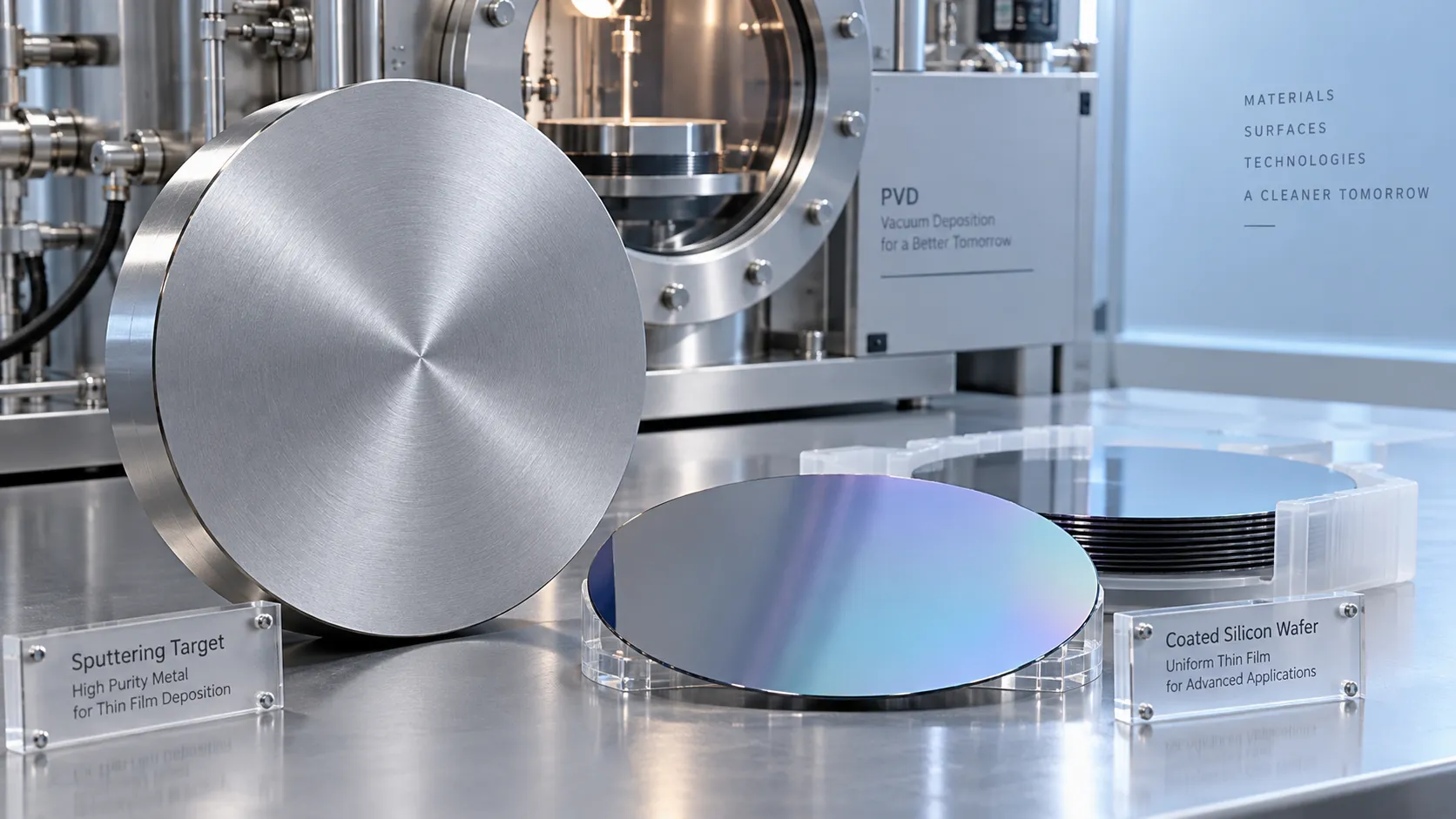
How does the purity of sputtering targets affect thin-film quality?
Discover how sputtering targets affect thin-film quality. Learn to assess purity, identify harmful impurities, and choose specifications that improve coating performance.
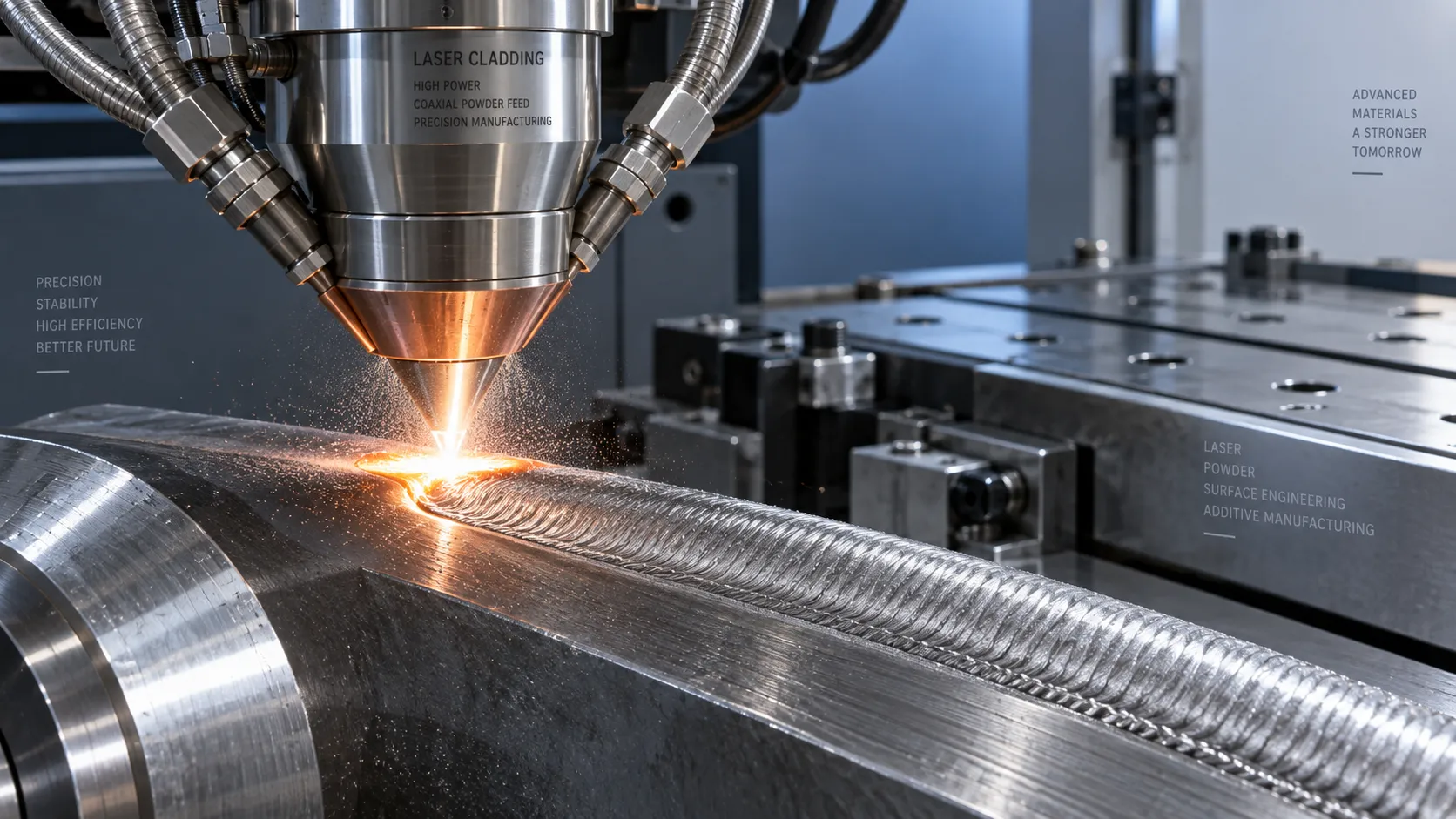
How high power laser cladding systems control substrate dilution
Discover how high power laser cladding systems control substrate dilution through beam shaping, material feed, and thermal management to deliver reliable bonds and coating performance.
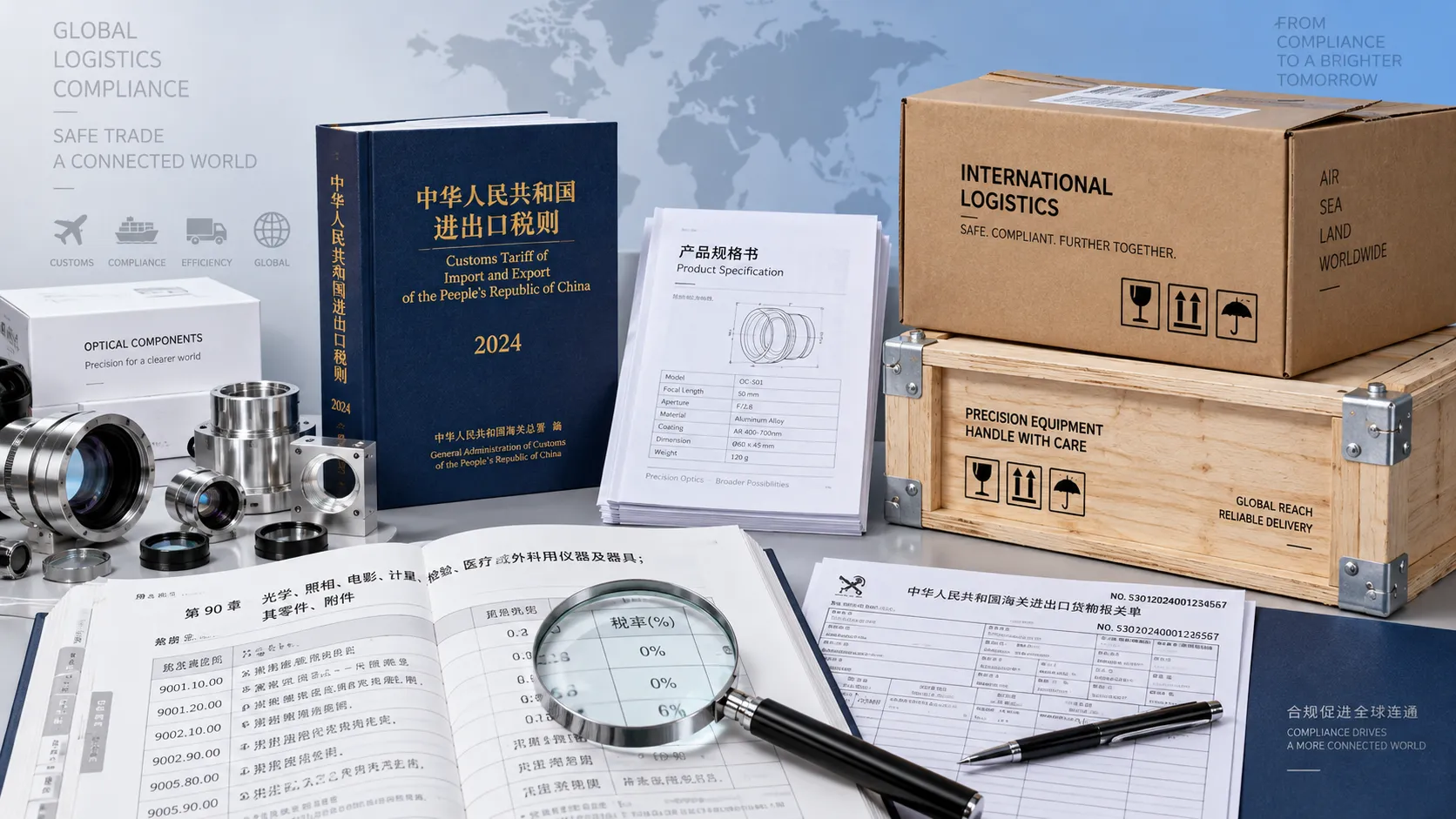
How to check HS codes for customs compliance in international logistics
Strengthen international logistics customs compliance: learn how to verify HS codes, check official tariffs, and document classifications to reduce costly shipment delays.
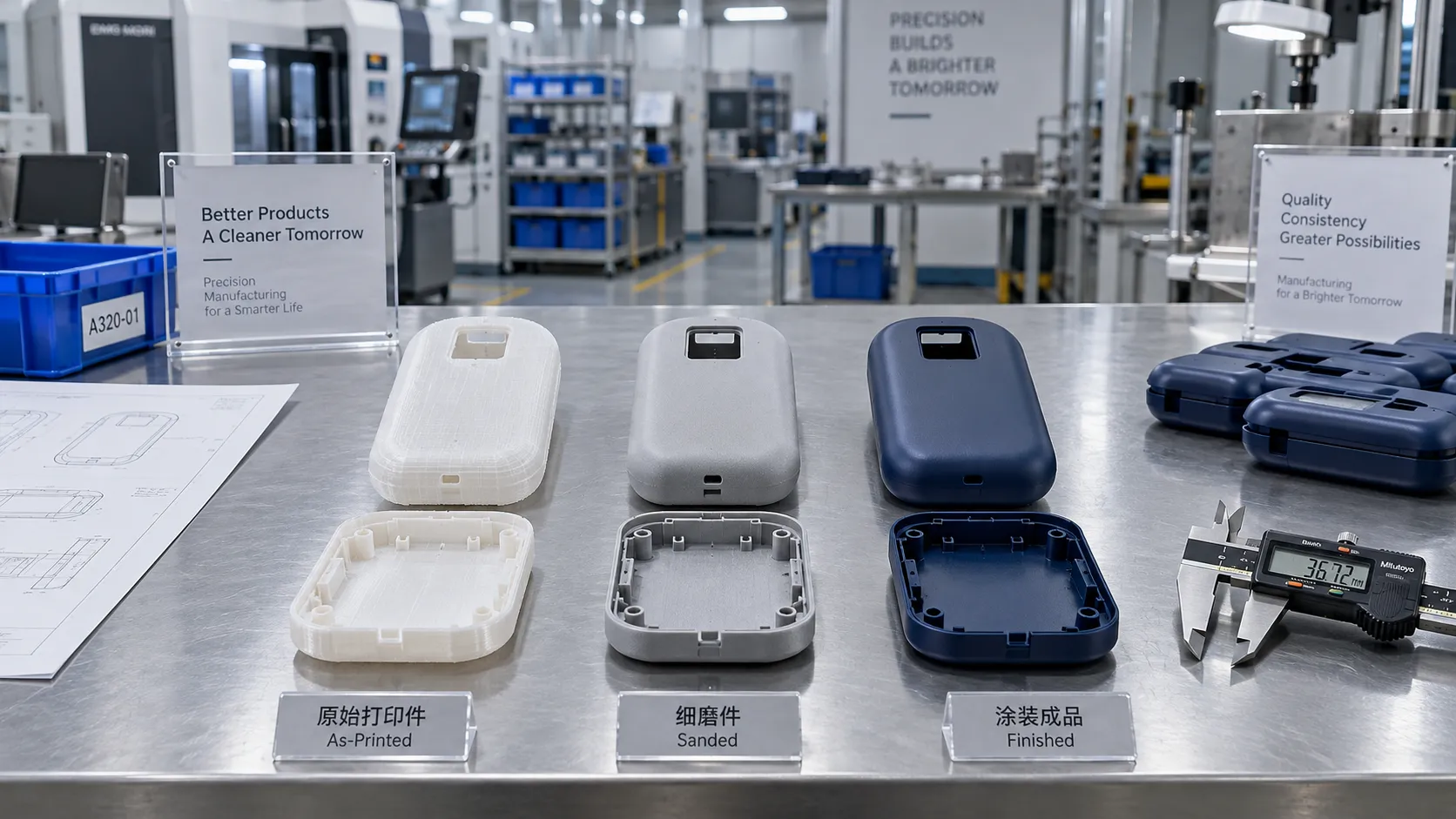
Choosing a 3D Printing Service for Consumer Products: Finish, Fit, and Cost
Compare 3d printing consumer good services by finish, fit, materials, and total cost. Learn how to choose a reliable supplier and avoid costly defects before ordering.
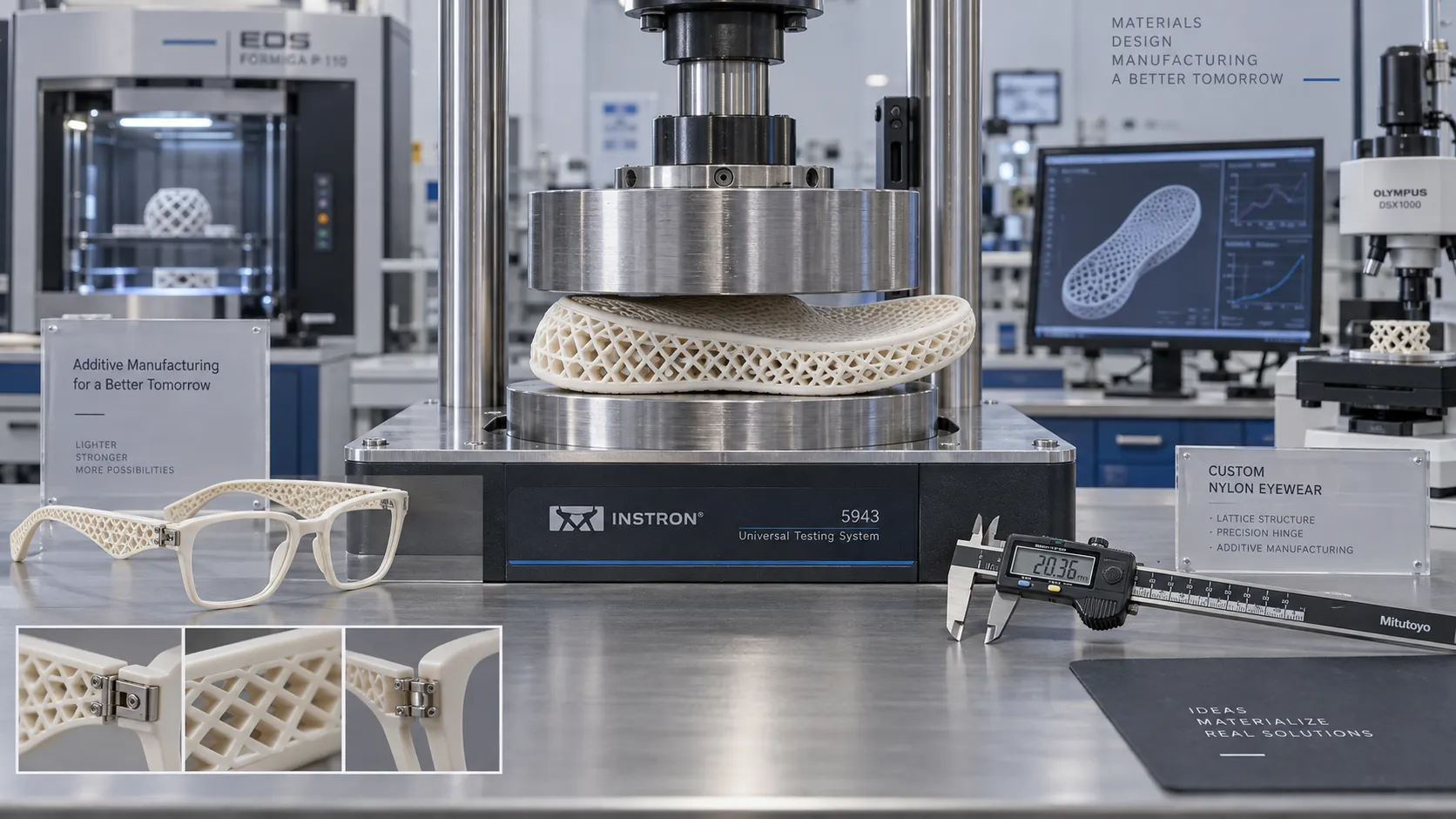
Which Consumer Goods Can Be 3D Printed, and What Are the Practical Limits?
Explore 3d printing consumer goods, from custom eyewear to replacement parts. Discover practical limits on materials, safety, and costs to make smarter production decisions.
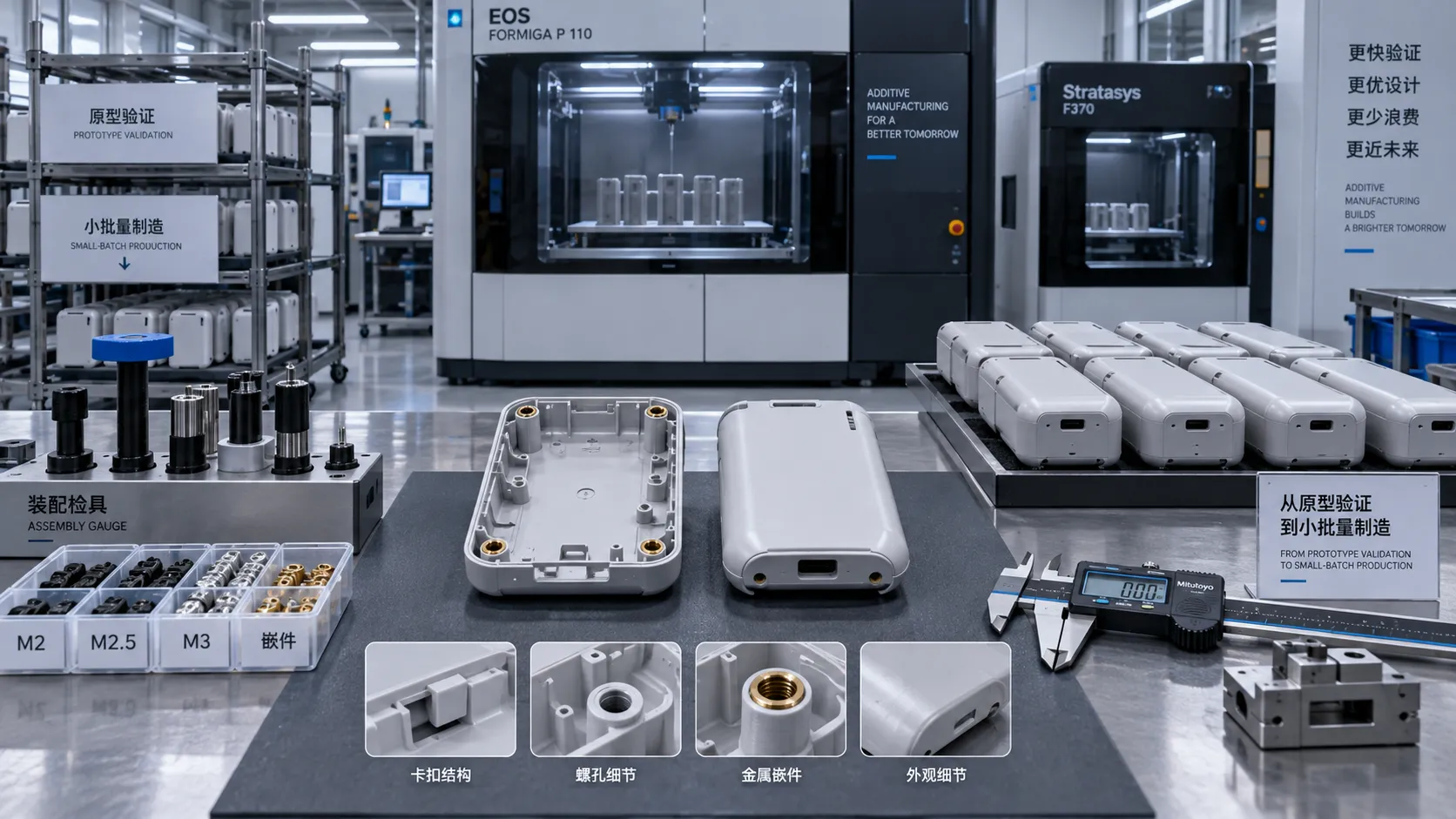
From Prototype to Small Batch: Applying 3D Printing to Consumer Goods
Explore 3d printing in consumer goods: learn how to move from prototype to small-batch production with practical guidance on materials, quality validation, and cost control.
Related News
- 00
0000-00
How to verify part consistency before choosing a 3D printing OEM - 00
0000-00
How does a rigid cryogenic transfer line handle thermal contraction? - 00
0000-00
How much does edge vision deployment cost beyond the hardware? - 00
0000-00
How does the purity of sputtering targets affect thin-film quality? - 00
0000-00
How high power laser cladding systems control substrate dilution
Dr. Victor Gear
Weekly Insights
Stay ahead with our curated technology reports delivered every Monday.