
When industrial machinery maintenance solutions reduce unplanned downtime


Unplanned downtime can disrupt production schedules, increase maintenance costs, and weaken equipment reliability. For after-sales maintenance teams, industrial machinery maintenance solutions offer a practical way to improve fault response, extend asset life, and keep operations stable. By combining preventive service, condition monitoring, and data-driven diagnostics, these solutions help maintenance professionals reduce risk and support more efficient industrial performance.
In complex industrial environments, maintenance is no longer limited to replacing worn parts after failure. It now includes inspection planning, vibration and temperature tracking, spare parts readiness, software-based diagnostics, and compliance checks across equipment categories such as laser systems, additive manufacturing platforms, machine vision stations, graphene-related processing lines, and vacuum or cryogenic assemblies.
For after-sales maintenance personnel, the main challenge is balancing response speed with technical accuracy. A delayed intervention of even 2–6 hours can affect upstream and downstream processes, while incomplete root-cause analysis often leads to repeated stoppages within 7–30 days. This is why industrial machinery maintenance solutions are increasingly evaluated not only by repair capability, but also by their ability to reduce recurrence, standardize service, and support long-term asset reliability.
Why downtime reduction depends on structured maintenance solutions
In most industrial settings, unplanned downtime is not caused by a single dramatic fault. More often, it starts with small deviations: abnormal bearing temperature, unstable current draw, sensor contamination, vacuum leakage, optical misalignment, or gradual wear in motion components. If these signals are missed for 1–3 maintenance cycles, a minor issue can become a full production interruption.
Well-designed industrial machinery maintenance solutions create a repeatable framework for early detection and controlled intervention. For after-sales teams, that means fewer emergency callouts, better preparation before site arrival, and clearer service records that can be shared with plant managers, procurement teams, and reliability engineers.
Common causes of unplanned stoppages
Although each equipment type has its own failure modes, many shutdown events fall into 4 practical categories: mechanical wear, electrical instability, control-system faults, and process contamination. In high-precision sectors, a tolerance drift of only ±0.1 mm to ±0.5 mm may be enough to trigger rejects or force a line stop for recalibration.
- Mechanical issues: bearing fatigue, belt tension loss, spindle vibration, seal degradation
- Electrical issues: unstable power input, connector loosening, motor overheating, inverter faults
- Control issues: PLC communication errors, sensor failure, software parameter mismatch
- Process issues: dust buildup, oil contamination, vacuum leakage, optical surface fouling
What after-sales teams need from a workable service model
An effective service model should help teams answer 3 questions quickly: what failed, how urgently it must be addressed, and whether the issue is isolated or systemic. Industrial machinery maintenance solutions are most valuable when they reduce diagnostic uncertainty before parts are ordered or labor is assigned.
The table below shows how a structured maintenance approach differs from a purely reactive model in day-to-day after-sales work.
The main takeaway is that industrial machinery maintenance solutions become more effective as they move from isolated repairs toward a system of monitoring, planning, and evidence-based decision-making. For facilities running critical equipment across 2 or more shifts, that shift in service structure can make a measurable difference in fault recurrence and response efficiency.
The cost of repeated failure
A repair that restores operation for only a few days is rarely a successful intervention. If the same fault returns within 72 hours, the maintenance team faces added labor time, extra travel, additional consumables, and reduced confidence from the customer. Repeated failure also increases pressure on procurement teams, who may need to expedite components at premium cost.
Core components of industrial machinery maintenance solutions
Not all maintenance programs deliver the same value. The most reliable industrial machinery maintenance solutions usually combine at least 5 service layers: baseline inspection, preventive scheduling, condition monitoring, root-cause diagnostics, and spare parts strategy. When one of these layers is missing, downtime risk tends to rise, especially in technically demanding manufacturing environments.
1. Baseline technical assessment
A baseline assessment documents the machine’s current operating condition. This often includes alignment checks, thermal readings, vibration levels, pressure stability, cycle counts, and control log review. For high-value equipment, a baseline should be updated every 6–12 months or after any major overhaul.
2. Preventive maintenance scheduling
Preventive service should be matched to actual operating load rather than calendar date alone. A machine running 20 hours per day may require inspection at half the interval of a lightly used backup unit. Common scheduling windows include weekly operator checks, monthly technical inspection, quarterly calibration, and annual shutdown servicing.
3. Condition monitoring and alert thresholds
Monitoring tools help detect degradation before failure. Depending on the asset, useful indicators may include motor temperature, pressure decay, optical power drift, vibration amplitude, chamber leak rate, or imaging accuracy. Maintenance teams should define alert levels such as normal, caution, and critical, with response windows of 24 hours, 8 hours, and immediate shutdown where appropriate.
4. Root-cause diagnostics
Fast repair is important, but durable repair requires diagnosis. Root-cause work may involve failure history review, parameter comparison, contamination analysis, electrical testing, and verification under load. In advanced systems such as laser processing equipment or vacuum assemblies, symptoms can overlap, so replacing a failed part without tracing the trigger event may create another stoppage later.
5. Spare parts and service readiness
Many delays come from logistics rather than technical complexity. A practical maintenance plan should classify spare parts into 3 levels: critical stock for immediate replacement, medium-priority items with 7–15 day replenishment, and long-lead components that need forecast-based procurement. This is especially relevant for imported sensors, vacuum seals, optical modules, and precision motion parts.
The following table outlines a typical component framework that after-sales teams can use when evaluating industrial machinery maintenance solutions across different industrial assets.
For high-performance industrial systems, these components work best as a coordinated package rather than a menu of isolated services. Teams that maintain digital records across all 4 areas usually gain clearer trend visibility and stronger evidence when recommending upgrades, redesigns, or contract-based maintenance programs.
How to select the right solution for different industrial assets
The right industrial machinery maintenance solutions depend on machine criticality, process sensitivity, part lead time, and the skill level available on site. A standard motor-driven conveyor does not require the same service depth as a fiber laser workstation, a large-format metal additive system, or an ultra-high vacuum chamber. Selection should start with operational consequences, not just service price.
Evaluate machine criticality in 3 tiers
A practical method is to classify equipment into Tier 1, Tier 2, and Tier 3. Tier 1 assets stop production immediately or affect safety and compliance. Tier 2 assets create process bottlenecks or quality loss. Tier 3 assets are support systems with manageable short-term workaround options. This 3-tier model helps maintenance personnel allocate inspection frequency and spare inventory with more discipline.
Match service depth to technical complexity
Advanced equipment often requires multi-domain service knowledge. For example, laser systems may involve optics, cooling, motion control, and electrical safety. Machine vision stations may require calibration, lighting stability checks, software validation, and lens cleaning. Vacuum and cryogenic systems can add leak detection, sealing integrity, gas handling, and thermal cycling review. A narrow maintenance package may not be enough for these assets.
Five selection criteria for buyers and service managers
- Response time commitment, such as remote support within 2 hours or on-site attendance within 24–48 hours
- Diagnostic capability across mechanical, electrical, software, and process domains
- Availability of structured records, service reports, and trend tracking
- Spare part planning for critical components with long replenishment cycles
- Ability to align with ISO, ASTM, SEMI, IEEE, or internal plant maintenance procedures where relevant
The table below can support internal evaluation when comparing industrial machinery maintenance solutions from different providers or internal service frameworks.
This comparison highlights a simple principle: maintenance solutions should be judged by lifecycle support capability, not by labor rate alone. A lower-cost contract can become expensive if it extends outages, misses hidden faults, or lacks the records needed for long-term reliability improvement.
Implementation steps for after-sales maintenance teams
Even strong maintenance tools fail if implementation is inconsistent. After-sales teams typically get better results when industrial machinery maintenance solutions are deployed through a phased process instead of a one-time service package. A practical rollout can be completed in 4 steps over 2–8 weeks, depending on site complexity and asset count.
Step 1: Build the asset register
List all critical machines, their operating hours, previous failure history, service intervals, and available spare parts. Include subsystems such as chillers, pumps, optics, inspection sensors, gas lines, and vacuum pumps where relevant. Without this register, maintenance plans usually remain too generic to reduce actual downtime.
Step 2: Define inspection points and alarm rules
For each asset, identify 5–10 measurable checkpoints. Examples include motor surface temperature, pressure stability, optical cleanliness, chamber leakage trend, positioning accuracy, or image inspection repeatability. Then define who checks them, how often, and what threshold triggers escalation.
Step 3: Standardize response workflow
A response workflow should define remote triage, on-site diagnosis, repair approval, parts request, verification, and final reporting. When these 6 stages are standardized, teams can reduce ambiguity during high-pressure breakdown events. This also helps shift-based technicians maintain continuity across handovers.
Step 4: Review recurrence and optimize
Every 30, 60, or 90 days, review repeat failures, average repair duration, parts shortages, and unresolved alarm trends. If the same issue appears more than twice in one quarter, the team should reassess the root cause, service interval, or machine operating condition rather than continuing the same repair pattern.
Common implementation mistakes
- Treating all machines with the same maintenance frequency regardless of load
- Recording repairs but not documenting fault triggers or parameter changes
- Keeping consumables in stock but ignoring long-lead critical components
- Focusing on immediate restart without post-repair verification under real operating conditions
For organizations working with technically advanced equipment, implementation quality often determines whether industrial machinery maintenance solutions remain a reporting exercise or become a real uptime improvement tool.
Maintenance trends shaping future service decisions
Industrial maintenance is moving toward higher visibility and stronger integration with procurement, compliance, and engineering review. This is especially important in global supply chains where buyers expect documented reliability, traceable service records, and alignment with recognized technical standards. After-sales teams are no longer seen only as repair responders; they are becoming part of operational risk control.
Data-driven maintenance is becoming standard practice
Machines with logging capability can provide actionable maintenance data even without full predictive analytics. Trend comparison across 3–6 months can reveal thermal drift, pressure decay, vibration increase, or cycle-related wear before these conditions become production failures. Teams that review these trends regularly often make better service decisions than teams relying only on operator feedback.
Cross-disciplinary service knowledge is more valuable
As industrial systems combine mechanics, controls, sensors, optics, materials, and vacuum technologies, maintenance solutions must support broader diagnostic capability. This is one reason technical benchmarking and engineering reference platforms such as G-AIT are increasingly useful: they help maintenance and procurement teams compare system requirements, service risks, and standards-based expectations across multiple industrial domains.
Documentation quality affects purchasing and renewal decisions
Service records now influence more than maintenance planning. They also support spare part forecasting, supplier evaluation, contract renewal, and capital replacement decisions. A maintenance provider that can show fault history, trend evidence, service intervals, and risk points in a structured way usually brings more value to procurement and operations leaders.
Practical questions after-sales teams should ask
How often should critical machinery be inspected?
There is no single interval for all assets. Critical machines may need operator-level checks every shift, technical review every month, and deeper service every quarter. The right frequency depends on runtime, process sensitivity, failure history, and whether abnormal trends can be monitored continuously.
When is condition-based maintenance better than calendar-based service?
Condition-based service is especially useful when load fluctuates, parts wear rates vary, or failure signals can be measured clearly. If a pump, motor, laser source, or vacuum line shows trendable behavior, condition-based intervention can reduce unnecessary part replacement and lower the risk of late response.
What makes a maintenance report truly useful?
A useful report should record symptoms, findings, measured values, replaced components, temporary actions, root-cause judgment, verification results, and next-step recommendations. Reports that only say “repaired and tested” provide little support for future downtime reduction.
Industrial machinery maintenance solutions deliver the strongest results when they combine preventive discipline, measurable condition tracking, accurate diagnosis, and practical spare readiness. For after-sales maintenance personnel, that means fewer recurring faults, better control of response time, and more confidence when supporting complex industrial equipment across changing operating conditions.
If your team is reviewing maintenance frameworks for advanced manufacturing assets, G-AIT can help you assess technical benchmarks, service priorities, and decision factors across high-value industrial systems. Contact us to get a tailored solution, discuss equipment-specific maintenance needs, or learn more about practical strategies for reducing unplanned downtime.
Related News
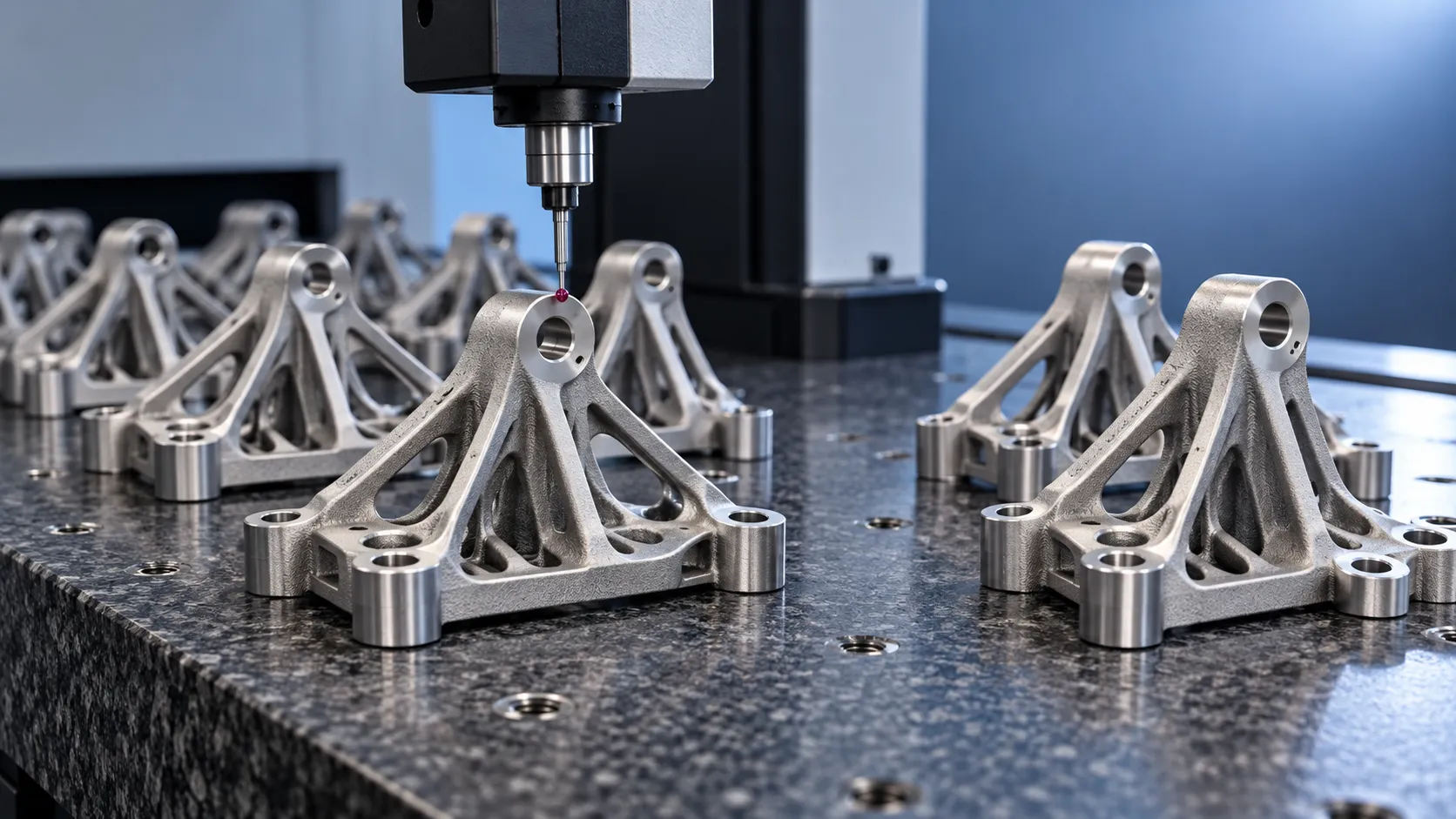
How to verify part consistency before choosing a 3D printing OEM
Choosing a 3D printing OEM? Learn how to verify part consistency with repeat-build trials, validated inspections, and traceability checks before committing to production.
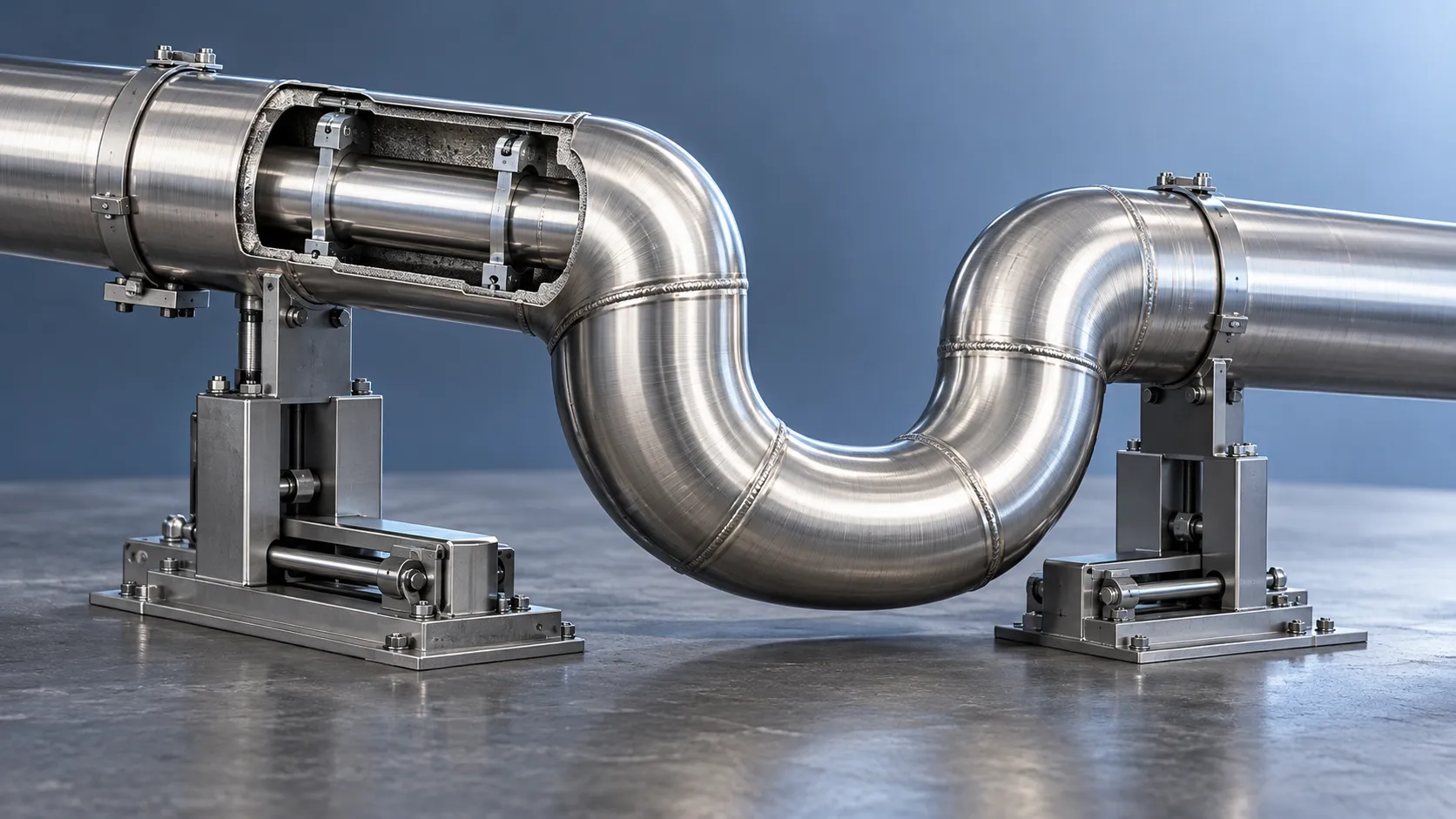
How does a rigid cryogenic transfer line handle thermal contraction?
Learn how a rigid cryogenic transfer line manages thermal contraction with bends, bellows, and guided supports. Discover key design checks for safe, reliable cryogenic performance.

How much does edge vision deployment cost beyond the hardware?
Understand edge vision deployment cost beyond hardware, from data and integration to security and support. Uncover hidden expenses and build a smarter lifecycle budget before you scale.

How does the purity of sputtering targets affect thin-film quality?
Discover how sputtering targets affect thin-film quality. Learn to assess purity, identify harmful impurities, and choose specifications that improve coating performance.

How high power laser cladding systems control substrate dilution
Discover how high power laser cladding systems control substrate dilution through beam shaping, material feed, and thermal management to deliver reliable bonds and coating performance.

How to check HS codes for customs compliance in international logistics
Strengthen international logistics customs compliance: learn how to verify HS codes, check official tariffs, and document classifications to reduce costly shipment delays.
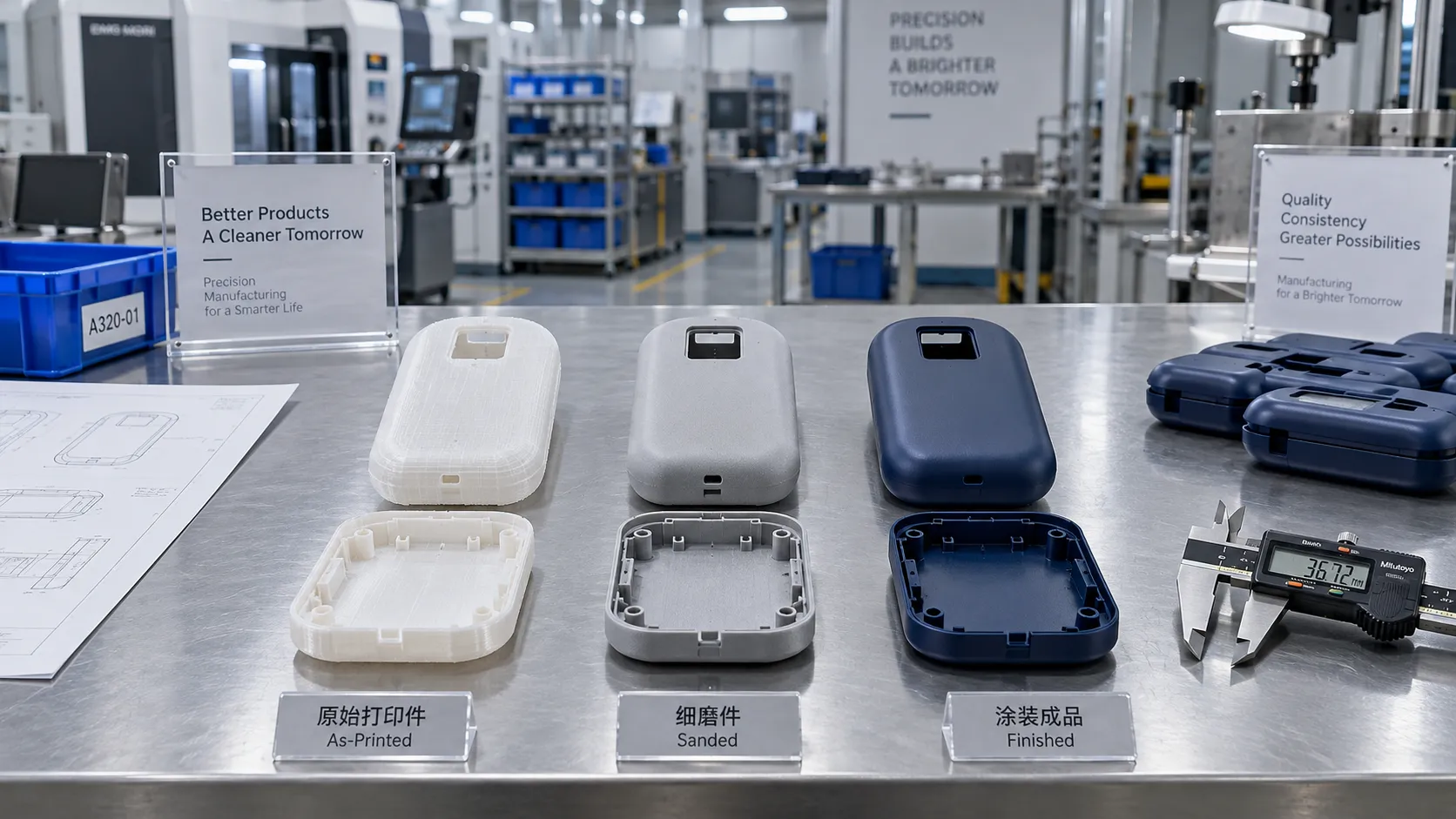
Choosing a 3D Printing Service for Consumer Products: Finish, Fit, and Cost
Compare 3d printing consumer good services by finish, fit, materials, and total cost. Learn how to choose a reliable supplier and avoid costly defects before ordering.

Which Consumer Goods Can Be 3D Printed, and What Are the Practical Limits?
Explore 3d printing consumer goods, from custom eyewear to replacement parts. Discover practical limits on materials, safety, and costs to make smarter production decisions.

From Prototype to Small Batch: Applying 3D Printing to Consumer Goods
Explore 3d printing in consumer goods: learn how to move from prototype to small-batch production with practical guidance on materials, quality validation, and cost control.
Related News
- 00
0000-00
How to verify part consistency before choosing a 3D printing OEM - 00
0000-00
How does a rigid cryogenic transfer line handle thermal contraction? - 00
0000-00
How much does edge vision deployment cost beyond the hardware? - 00
0000-00
How does the purity of sputtering targets affect thin-film quality? - 00
0000-00
How high power laser cladding systems control substrate dilution
Dr. Victor Gear
Weekly Insights
Stay ahead with our curated technology reports delivered every Monday.