
Chemical industry safety standards that often fail audits


Chemical industry safety standards are not failing because the standards are weak. They fail audits because execution is fragmented. In most chemical operations, the gap appears in how procedures are translated into day-to-day controls, how changes are documented, how contractors are governed, and how accountability moves across engineering, operations, maintenance, EHS, and project teams.
For project managers and engineering leaders, the core search intent behind chemical industry safety standards is practical: which standards most often trigger findings, why those failures keep recurring, and what can be done before an internal, customer, or regulatory audit turns small weaknesses into schedule delays, CAPEX overruns, or operating risk.
The most useful answer is not a generic list of regulations. It is a decision-oriented view of where audits actually break down, what evidence auditors expect, and how project owners can build compliance into design, commissioning, handover, and routine operations. In chemical environments, safety compliance is not only an EHS issue. It is a project delivery discipline and a business continuity control.
Why chemical safety audits fail even when sites believe they are compliant
Many organizations assume compliance exists because policies exist. Auditors test something different: whether the site can prove that critical safety requirements are embedded in real workflows, current documents, trained personnel, and controlled assets. A well-written procedure that is outdated, bypassed, or not linked to field execution is usually treated as a control failure.
In chemical operations, audits also expose a structural problem. Safety obligations are distributed across multiple systems: process safety management, occupational safety, environmental controls, equipment integrity, training, emergency response, and contractor oversight. When no single project or plant leader owns the integration of those systems, gaps appear at the interfaces.
That is why audit findings often cluster around transitions: design to construction, construction to commissioning, commissioning to operations, and normal operations to change management. Standards may be known, but ownership of evidence is unclear. Teams assume another function has closed the loop, and the audit reveals that nobody has.
The chemical industry safety standards areas that most often fail audits
Not every audit failure carries the same operational weight. For project managers, the priority is to focus on standards and control areas that repeatedly create regulatory exposure, startup delays, insurance issues, or heightened incident potential. The following categories account for a large share of recurring findings across chemical facilities.
1. Process safety management and hazard analysis controls
One of the most common failures is incomplete or outdated process hazard analysis. Sites may have performed a HAZOP, What-If review, or layer of protection analysis at one point, but they cannot demonstrate timely revalidation, closure of recommendations, or alignment with current process conditions.
Auditors frequently find that hazard studies are treated as one-time project milestones rather than living risk controls. Equipment capacities change, control logic is modified, raw materials vary, or batching sequences evolve, yet the underlying hazard documentation does not. This creates a direct mismatch between actual plant risk and recorded risk assumptions.
For engineering leaders, the critical question is simple: can the organization show that design intent, process hazards, safeguards, and action closures are still synchronized? If not, even a technically advanced facility may appear weak in core chemical safety governance.
2. Management of change that exists on paper but not in practice
Management of change, or MOC, is one of the most cited weaknesses in chemical industry safety standards compliance. The failure is rarely the absence of an MOC procedure. The failure is inconsistent triggering. Teams often process formal changes for large equipment modifications but ignore software updates, alarm changes, valve substitutions, temporary bypasses, utility changes, or operating window adjustments.
Auditors look for evidence that every safety-relevant change was screened, assessed, approved, communicated, implemented, and closed. They also test whether training, drawings, SOPs, spare parts, and hazard analyses were updated after the change. If any one of these steps is missing, the organization appears to have an uncontrolled modification culture.
For project teams, this is especially important during commissioning and ramp-up, when temporary fixes and schedule pressure encourage shortcuts. Many serious findings originate in that period because the plant that is being audited no longer matches the plant that was originally approved.
3. Mechanical integrity and inspection records with weak traceability
Chemical facilities depend on pressure systems, relief devices, piping networks, rotating equipment, storage tanks, instruments, and safety interlocks that must remain reliable under demanding process conditions. Audit failures happen when inspection intervals are not risk-based, records are incomplete, overdue items remain open, or equipment criticality is not clearly defined.
A common pattern is that maintenance teams hold data in one platform, engineering retains design basis elsewhere, and inspection records sit in spreadsheets or contractor reports. The site may be performing work, but it cannot demonstrate a single, defensible line of traceability from equipment inventory to inspection plan to repair decision to return-to-service authorization.
From a project perspective, the problem often begins before handover. If asset registers, tag structures, material certificates, inspection baselines, and test packages are poorly organized at turnover, the operating site inherits documentation debt that later becomes an audit nonconformity.
4. Inadequate permit-to-work and isolation control
Permit-to-work systems are often mature in theory and inconsistent in field practice. Auditors commonly identify weak lockout-tagout verification, unclear energy isolation points, permits signed without field validation, conflicting simultaneous operations, or hot work controls that do not reflect actual atmospheric or ignition hazards.
This matters because permit-to-work is where written safety standards meet the physical plant. When permit quality is poor, auditors interpret it as evidence that frontline execution is not under control. In chemical settings, that can quickly escalate concern around confined space entry, line breaking, maintenance in hazardous areas, or startup after outage work.
Project managers should view permit quality as both a safety metric and a readiness metric. A site that cannot control work authorization consistently is unlikely to control broader commissioning, contractor, and startup risk reliably.
5. Training matrices that do not prove competence
Another recurring issue is the difference between attendance and competence. Many sites can show that personnel completed training sessions, but they cannot prove that operators, technicians, supervisors, or contractors are qualified for the specific hazards and tasks they perform.
Auditors often ask practical questions: who is authorized to override an interlock, approve a confined space permit, respond to a toxic release, or restart equipment after maintenance? If training records are generic, expired, or disconnected from role-specific responsibilities, the finding usually points to systemic weakness rather than simple admin error.
For engineering projects, training failures are common at startup because the pace of change outstrips workforce preparation. New equipment, revised procedures, and temporary staffing create a risk that operational readiness is declared before functional competence is in place.
6. Contractor safety management with blurred accountability
Chemical companies increasingly rely on EPC firms, specialist integrators, maintenance providers, and temporary labor. Audit failures emerge when sites assume contractor prequalification alone is enough. In reality, auditors expect evidence that contractors were inducted properly, supervised effectively, evaluated against site-specific hazards, and controlled under the same critical safety rules as direct employees.
Weaknesses often include poor role definition, incomplete toolbox talks, inconsistent permit enforcement, and no formal review of contractor incidents or near misses. During shutdowns and expansion projects, these gaps multiply because work density increases and multiple employers operate in shared risk spaces.
For project leaders, contractor safety is one of the clearest indicators of governance quality. If contractors are not fully integrated into the plant’s safety system, then the compliance model is not truly operational.
7. Emergency preparedness that is documented but not demonstrated
Many sites maintain emergency plans, spill response procedures, and evacuation maps, yet fail audits because drills are infrequent, scenarios are unrealistic, communication chains are unclear, or lessons learned are not tracked to closure. Chemical operations require more than a generic response plan. They require scenario-specific readiness linked to credible release, fire, explosion, utility loss, and exposure events.
Auditors want to see whether the organization has tested the plan under operationally relevant conditions. They also look for coordination with local responders, availability of emergency equipment, accountability for muster verification, and post-drill improvement actions. Where these are weak, the site may be judged as compliant in form but vulnerable in reality.
What these failures mean for project managers and engineering leads
For the target reader, the real issue is not simply passing an audit. It is understanding how audit findings affect project economics, commissioning certainty, insurance confidence, customer qualification, and long-term plant reliability. In chemical environments, safety findings often expose broader execution weaknesses that affect far more than compliance.
A recurring MOC issue, for example, suggests uncontrolled technical scope. Weak mechanical integrity records may indicate poor turnover quality or hidden maintenance backlog. Incomplete training may delay operational acceptance. Contractor control failures may point to governance problems that can affect schedule, quality, and incident frequency at the same time.
In other words, chemical industry safety standards should be treated as operating disciplines that protect project outcomes. Leaders who manage them only as audit obligations often discover the cost later in rework, startup instability, customer scrutiny, or avoidable shutdowns.
How to diagnose whether your site is vulnerable before the audit does it for you
A practical self-check starts with evidence, not assumptions. Ask whether each critical safety control can be demonstrated through current records, named owners, defined review cycles, and field verification. If a control depends on tribal knowledge, personal spreadsheets, or informal workarounds, it is already fragile.
Next, examine interfaces. Most serious findings occur where one team hands responsibility to another. Review how engineering changes flow into SOP updates, how inspection results trigger risk decisions, how contractor work connects to permit systems, and how training links to authorization. If those links are manual or inconsistent, audit exposure is high.
Finally, test field reality. Walk the process area. Compare the P&IDs, line labels, interlock descriptions, permit practices, and emergency equipment placement against documents. Audits are frequently failed not because the site lacks data, but because the physical plant and the official record are no longer aligned.
How stronger compliance programs are built into projects, not added afterward
The most effective organizations do not wait until operations to stabilize chemical safety standards compliance. They build it from the project phase forward. That means defining safety-critical documentation deliverables at design, setting MOC boundaries during commissioning, structuring asset data for long-term integrity management, and making training and procedure readiness part of startup criteria.
It also means assigning accountable owners across functions. EHS can advise, but engineering, operations, maintenance, procurement, and project controls all hold pieces of the compliance architecture. If ownership is not explicit, documentation quality and field discipline will degrade as soon as schedule pressure increases.
Digital systems can help, but only if governance is clear. A platform cannot solve missing decisions, inconsistent taxonomy, or weak review discipline. The real maturity marker is whether a site can move from requirement to execution to evidence without losing traceability.
A practical priority list for reducing repeat findings
If resources are limited, project and plant leaders should prioritize actions that reduce both audit risk and operating risk at the same time. First, tighten MOC screening and ensure temporary changes are captured. Second, reconcile hazard studies with actual plant configuration and close overdue recommendations. Third, strengthen asset integrity traceability from design basis through inspection history.
Fourth, test permit-to-work quality in the field rather than only reviewing forms. Fifth, rebuild training matrices around demonstrated competence and role authorization. Sixth, integrate contractor governance into the same safety controls used for internal teams. Seventh, run realistic emergency drills and track corrective actions to verified closure.
These actions are more valuable than launching broad awareness campaigns with little operational follow-through. Audits reward evidence of controlled execution, not the existence of slogans, slide decks, or policy statements.
Conclusion
The chemical industry safety standards that most often fail audits are rarely obscure. They are the foundational controls that every facility claims to have: hazard analysis, management of change, mechanical integrity, permit-to-work, competence, contractor management, and emergency preparedness. The reason they fail is not lack of awareness. It is weak integration between documentation, field execution, and accountable ownership.
For project managers and engineering leaders, the best response is to stop treating safety compliance as a parallel administrative track. In chemical operations, it is inseparable from project readiness, operational reliability, and commercial resilience. When compliance systems are built into project delivery and maintained through disciplined evidence, audits become easier to pass because the plant is genuinely better controlled.
That is the real value behind strong chemical industry safety standards: not only fewer findings, but fewer surprises, safer startups, better reliability, and more confidence from regulators, customers, and internal stakeholders alike.
Related News
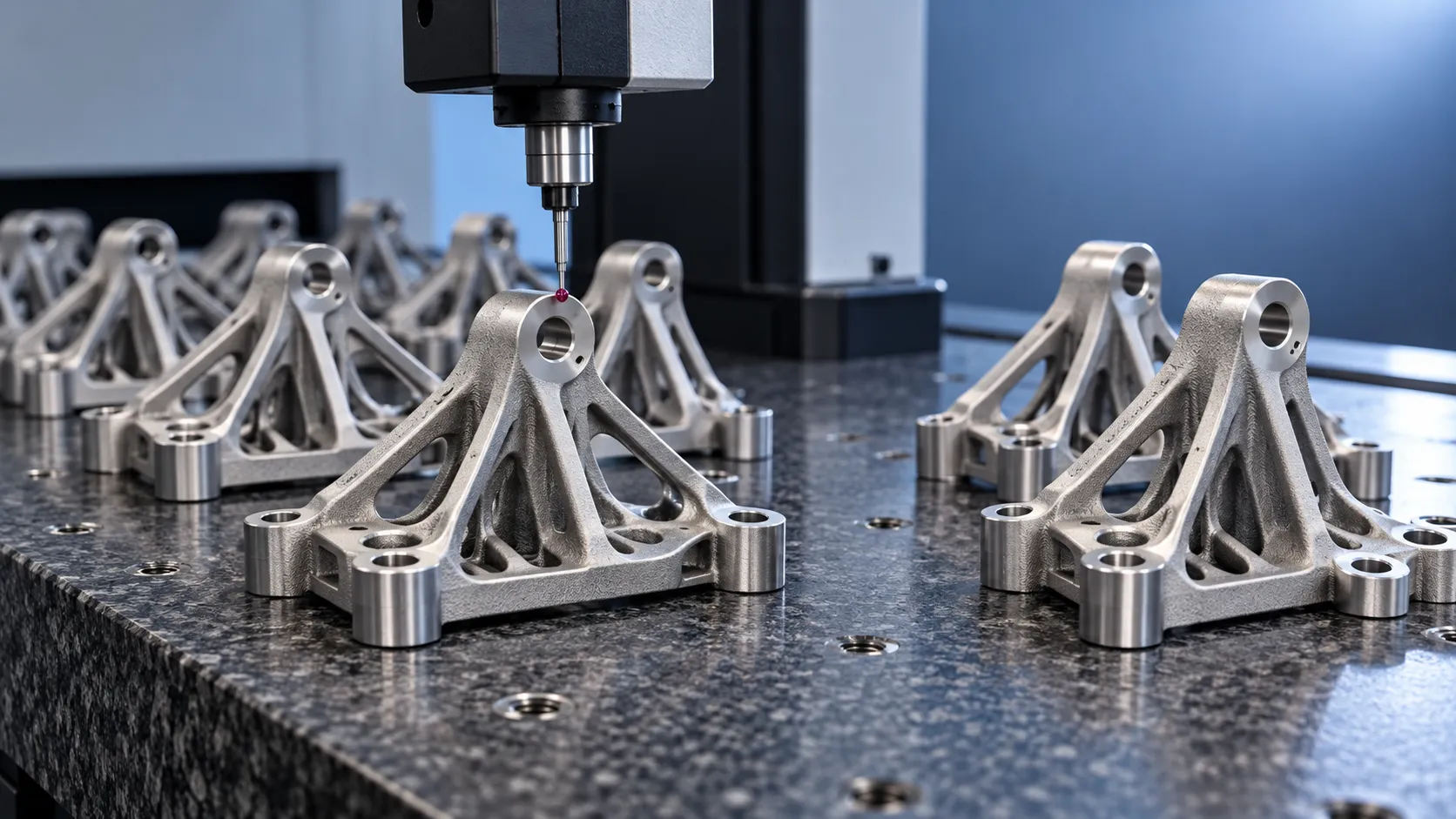
How to verify part consistency before choosing a 3D printing OEM
Choosing a 3D printing OEM? Learn how to verify part consistency with repeat-build trials, validated inspections, and traceability checks before committing to production.
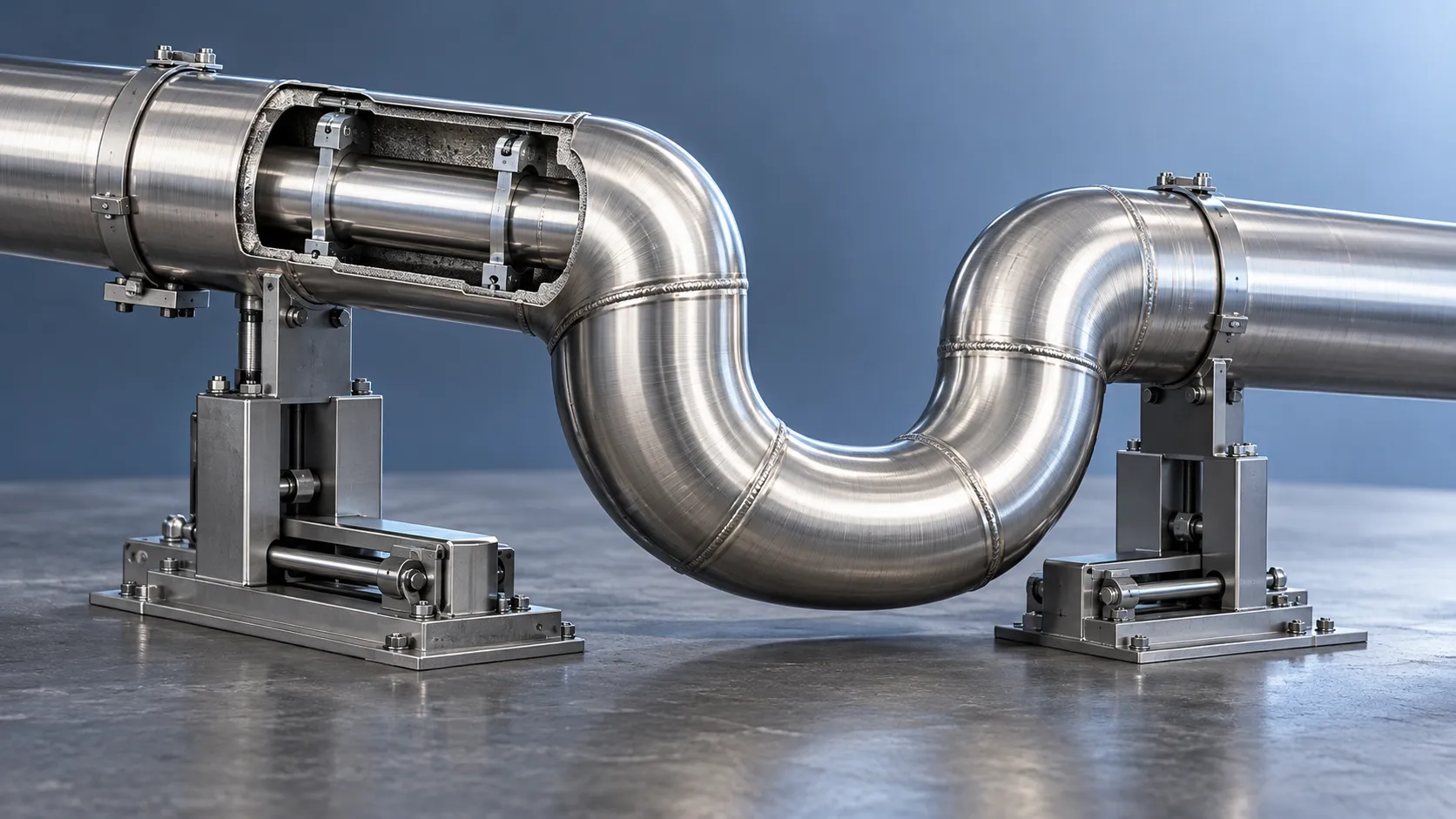
How does a rigid cryogenic transfer line handle thermal contraction?
Learn how a rigid cryogenic transfer line manages thermal contraction with bends, bellows, and guided supports. Discover key design checks for safe, reliable cryogenic performance.

How much does edge vision deployment cost beyond the hardware?
Understand edge vision deployment cost beyond hardware, from data and integration to security and support. Uncover hidden expenses and build a smarter lifecycle budget before you scale.

How does the purity of sputtering targets affect thin-film quality?
Discover how sputtering targets affect thin-film quality. Learn to assess purity, identify harmful impurities, and choose specifications that improve coating performance.
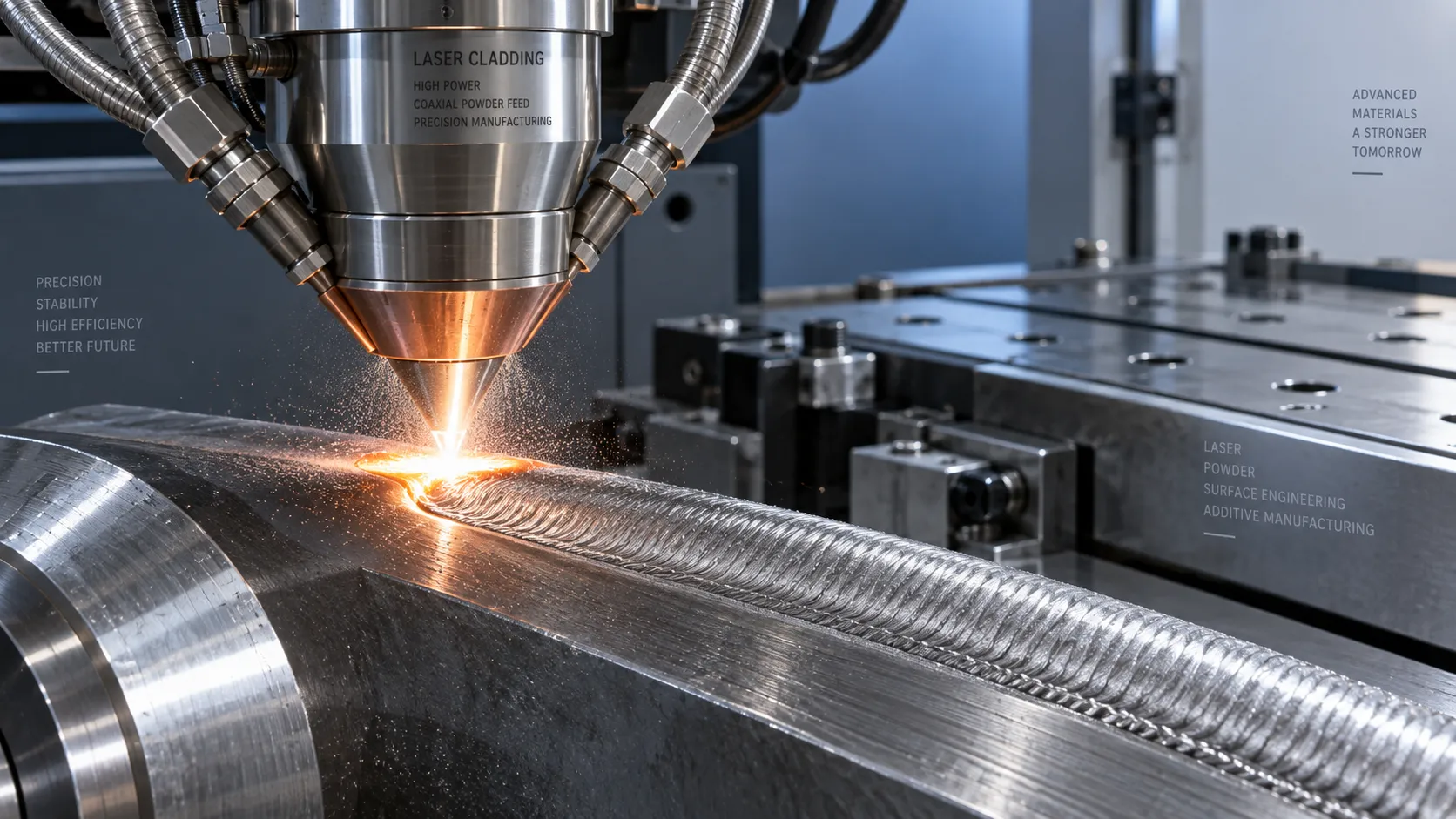
How high power laser cladding systems control substrate dilution
Discover how high power laser cladding systems control substrate dilution through beam shaping, material feed, and thermal management to deliver reliable bonds and coating performance.
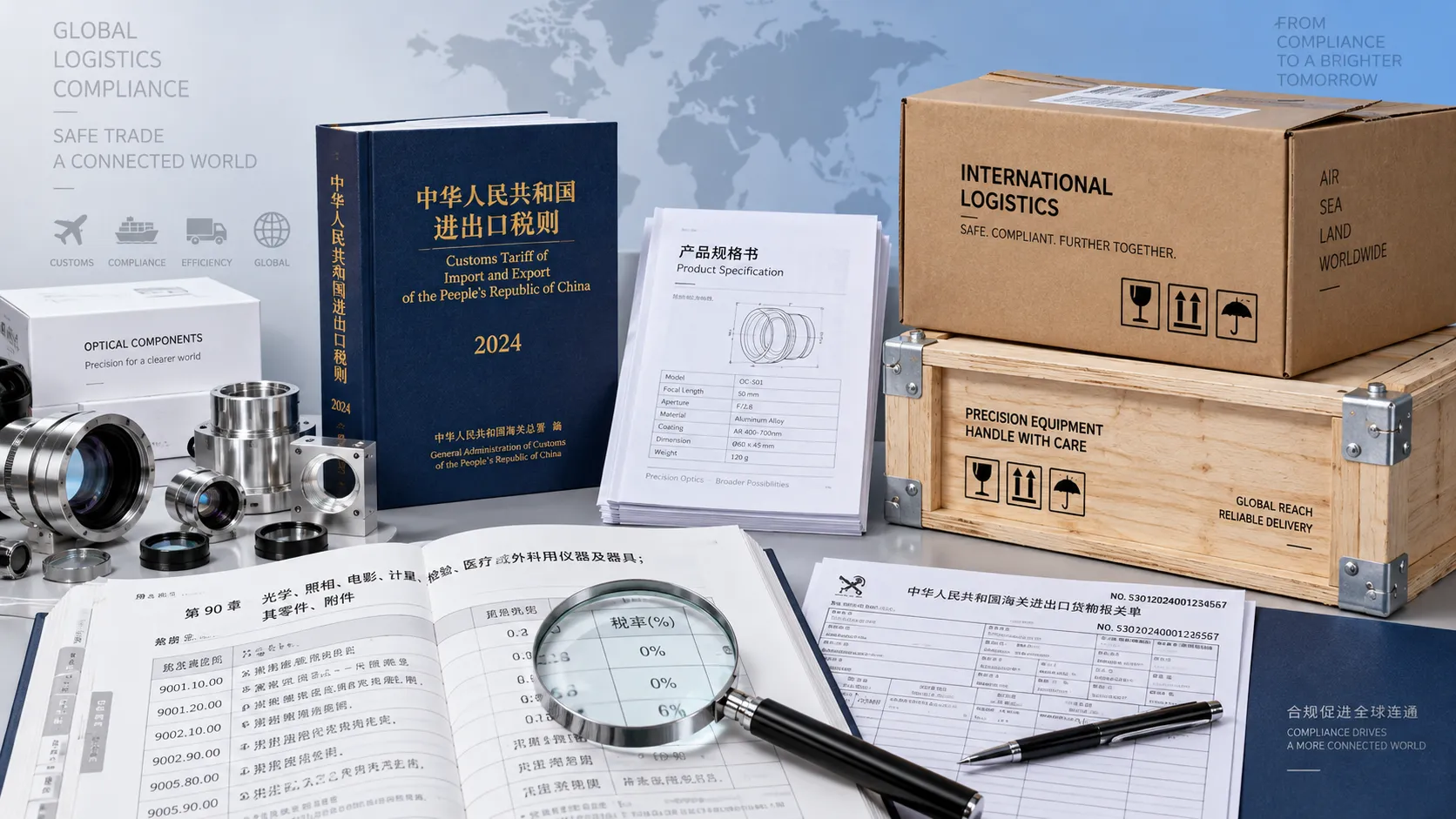
How to check HS codes for customs compliance in international logistics
Strengthen international logistics customs compliance: learn how to verify HS codes, check official tariffs, and document classifications to reduce costly shipment delays.
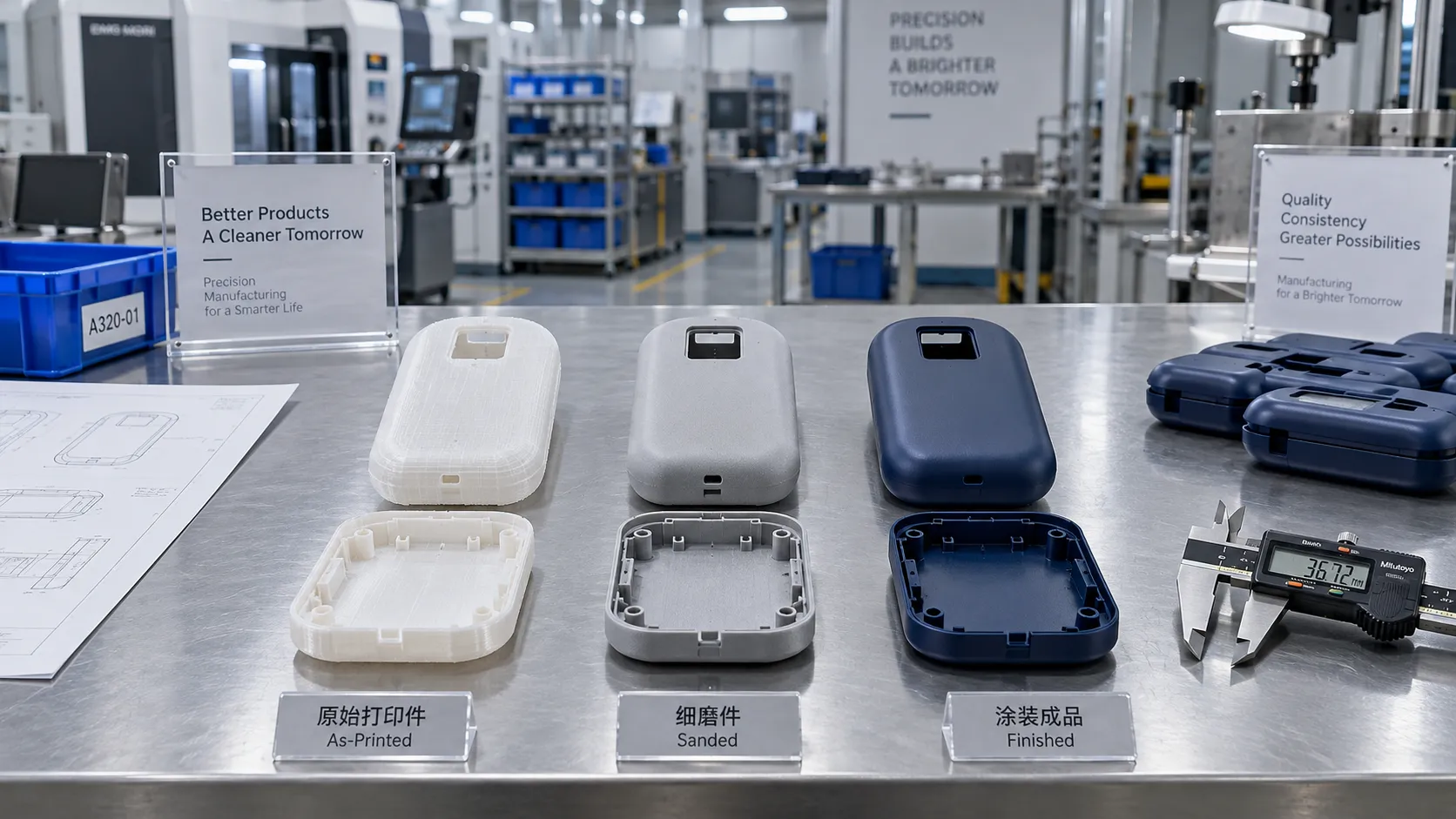
Choosing a 3D Printing Service for Consumer Products: Finish, Fit, and Cost
Compare 3d printing consumer good services by finish, fit, materials, and total cost. Learn how to choose a reliable supplier and avoid costly defects before ordering.
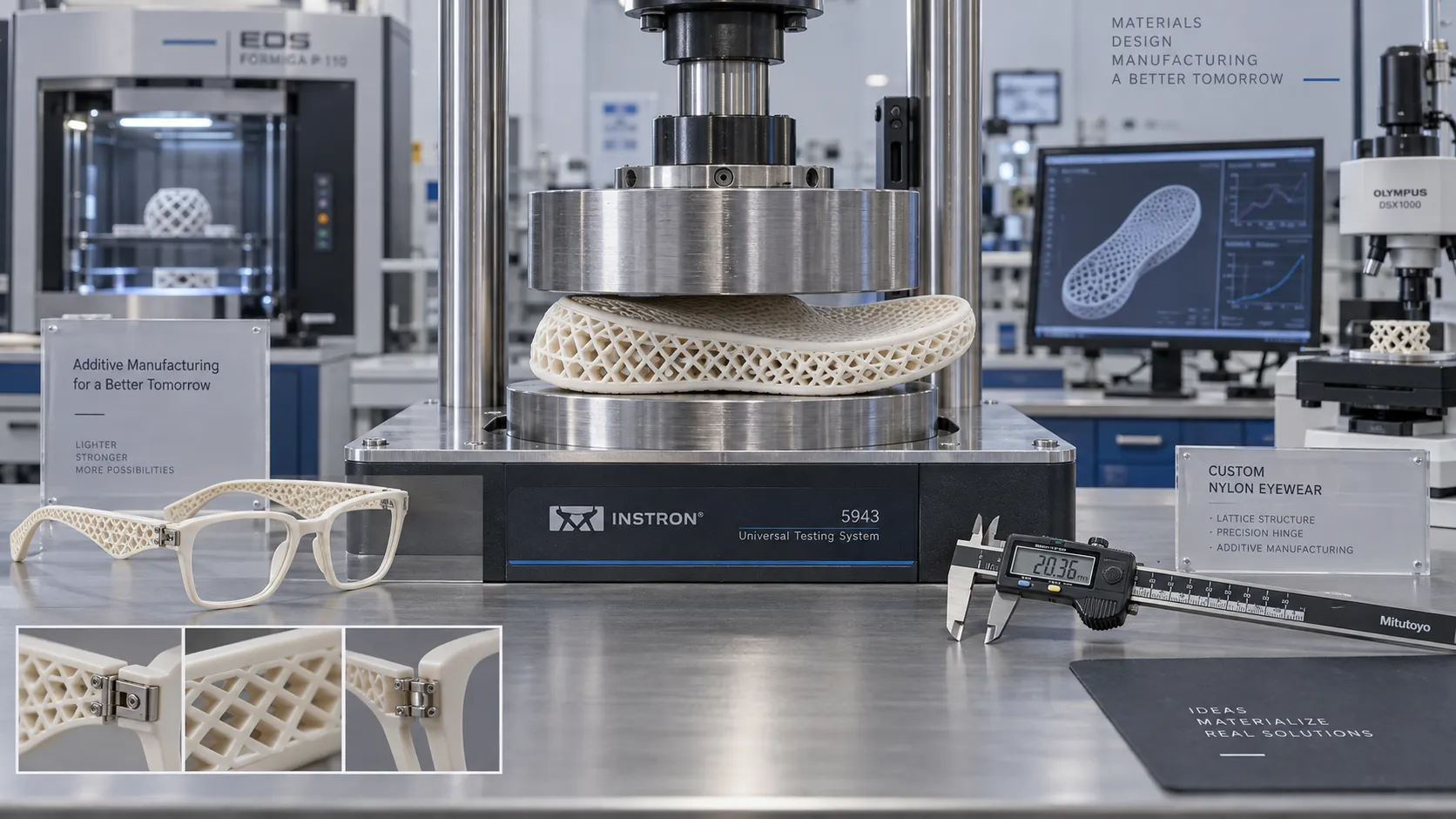
Which Consumer Goods Can Be 3D Printed, and What Are the Practical Limits?
Explore 3d printing consumer goods, from custom eyewear to replacement parts. Discover practical limits on materials, safety, and costs to make smarter production decisions.

From Prototype to Small Batch: Applying 3D Printing to Consumer Goods
Explore 3d printing in consumer goods: learn how to move from prototype to small-batch production with practical guidance on materials, quality validation, and cost control.
Related News
- 00
0000-00
How to verify part consistency before choosing a 3D printing OEM - 00
0000-00
How does a rigid cryogenic transfer line handle thermal contraction? - 00
0000-00
How much does edge vision deployment cost beyond the hardware? - 00
0000-00
How does the purity of sputtering targets affect thin-film quality? - 00
0000-00
How high power laser cladding systems control substrate dilution
Dr. Elena Carbon
Weekly Insights
Stay ahead with our curated technology reports delivered every Monday.