
Nanoparticle Zeta Metrics: Stability Red Flags


For technical evaluation, dispersion stability is rarely proven by one reading. Nanoparticle zeta力 metrics must be interpreted with size, pH, ionic strength, and process history.
When used correctly, nanoparticle zeta力 metrics reveal early warnings before agglomeration, sedimentation, viscosity drift, or batch failure becomes visible.
This guide explains practical red flags for nano-material systems across coatings, inks, catalysts, batteries, biomedical carriers, polishing slurries, and advanced industrial formulations.
What do nanoparticle zeta力 metrics actually indicate?
Zeta potential estimates the electrical potential near the slipping plane of particles moving through liquid under an applied field.
In practical terms, it describes electrostatic repulsion between particles. Strong repulsion usually supports better colloidal stability.
Nanoparticle zeta力 metrics do not measure particle charge directly. They reflect how the particle, surface chemistry, solvent, and ions behave together.
A common rule says values above +30 mV or below -30 mV suggest reasonable electrostatic stability.
However, that rule is only a screening reference. Steric stabilizers, high salinity, polymers, and proteins can change interpretation.
- High absolute zeta values may suggest strong repulsion.
- Near-zero values often indicate aggregation risk.
- Rapid zeta drift can reveal formulation instability.
- Different pH points can expose sensitive operating windows.
For industrial assessment, nanoparticle zeta力 metrics are most useful when treated as a stability map, not a single pass-fail number.
Which red flags appear first in nanoparticle zeta力 metrics?
The first red flag is a zeta value close to zero under the intended use condition.
Particles near their isoelectric point lose electrostatic repulsion. Agglomeration can accelerate during storage, pumping, coating, or dilution.
The second red flag is poor repeatability. If repeated measurements scatter widely, the sample may be changing during analysis.
Unstable readings can indicate flocculation, gas bubbles, contamination, broad conductivity shifts, or inconsistent sample preparation.
The third red flag is opposite behavior after scale-up. A lab batch may show stable values, while pilot material drifts sharply.
This often points to changed mixing energy, milling time, temperature history, dispersant sequence, or raw material variation.
The fourth red flag is stability only at unrealistic dilution. Some samples look acceptable after heavy dilution but fail at working concentration.
Always compare nanoparticle zeta力 metrics at analytical dilution and near-use concentration when the measurement method permits reliable detection.
Practical warning pattern
A dispersion showing -38 mV after preparation may look stable. If it reaches -12 mV after heat aging, risk is rising.
If particle size also increases, the evidence becomes stronger. Nanoparticle zeta力 metrics and size distribution should confirm each other.
How should zeta data be compared with particle size and pH?
Zeta potential alone cannot confirm complete stability. It must be interpreted beside hydrodynamic diameter, polydispersity, pH, and conductivity.
Particle size distribution shows what has already happened. Nanoparticle zeta力 metrics suggest what may happen next.
A stable-looking size curve with weak zeta may indicate delayed aggregation. The formulation may fail after transport or temperature cycling.
A strong zeta value with growing size may indicate bridging flocculation, contamination, insufficient wetting, or non-electrostatic instability.
pH is especially important for oxides, graphene derivatives, silica, alumina, titania, and many functionalized nano-materials.
A pH sweep can reveal the isoelectric region. Operating near that region is usually a stability red flag.
This combined view helps distinguish a robust dispersion from one temporarily stabilized by sample handling.
When can nanoparticle zeta力 metrics be misleading?
Misinterpretation is common when sample preparation changes the original dispersion environment.
Dilution can reduce ionic strength, shift pH, desorb additives, or break weak flocs. The measured result may look better than reality.
High conductivity can also complicate electrophoretic measurement. Joule heating and electrode effects may distort readings.
Viscous media create another challenge. Mobility conversion requires assumptions that may not match the real process fluid.
Complex media, such as biological buffers or electrolyte-rich slurries, may screen charge and reduce measured zeta potential.
That does not always mean the product is unusable. Steric or structural stabilization may still prevent aggregation.
For polymer-coated particles, nanoparticle zeta力 metrics should be paired with adsorption data, rheology, and accelerated storage studies.
Common mistakes to avoid
- Using one zeta reading as final proof of stability.
- Ignoring pH and conductivity reporting.
- Comparing data from different instruments without method alignment.
- Testing only freshly prepared samples.
- Assuming all materials follow the ±30 mV rule.
Reliable interpretation requires method discipline. Nanoparticle zeta力 metrics become valuable when measurement context is fully documented.
How can zeta testing support supplier and process decisions?
Zeta testing supports qualification when the same material is produced across different lots, sites, or process scales.
A useful specification should define sample concentration, dispersant level, pH range, temperature, conductivity, dilution protocol, and measurement model.
Without those details, nanoparticle zeta力 metrics become difficult to compare and easy to misuse.
For graphene dispersions, carbon black slurries, metal oxides, and quantum dots, process history strongly influences surface state.
Milling energy, sonication time, filtration, drying, and redispersion can all change measurable interfacial behavior.
A strong qualification plan includes initial testing, aging points, stress conditions, and comparison against functional performance.
- Define the real application environment.
- Measure zeta, size, pH, and conductivity together.
- Repeat after thermal, mechanical, and storage stress.
- Compare results with coating, conductivity, catalytic, or optical performance.
- Set acceptance bands based on validated outcomes.
This approach turns nanoparticle zeta力 metrics into a decision tool, not just a laboratory report value.
What should a practical FAQ checklist include?
A concise FAQ checklist helps standardize discussions around dispersion risk, supplier comparison, and production readiness.
The checklist should be attached to test requests, quality reviews, and technical comparison files.
It also improves communication when nanoparticle zeta力 metrics are used across research, production, and application testing.
How can stability red flags be converted into action?
When zeta red flags appear, the next step is not automatic rejection. The correct response is structured investigation.
Start by confirming measurement repeatability. Then verify pH, conductivity, dilution ratio, temperature, and sample age.
If instability remains, adjust surface chemistry, dispersant concentration, mixing order, ionic strength, or final pH.
For process control, trend nanoparticle zeta力 metrics over time instead of relying only on release testing.
Trend charts can reveal slow drift caused by raw material change, contamination, microbial activity, or additive degradation.
In high-value nano-material programs, link zeta thresholds to real outcomes such as shelf life, coating uniformity, or conductivity retention.
This reduces false confidence and supports defensible specifications for advanced industrial supply chains.
Summary: using nanoparticle zeta力 metrics without false certainty
Nanoparticle zeta力 metrics are powerful because they expose interfacial behavior before visible failure occurs.
They are also easy to overinterpret when pH, conductivity, dilution, concentration, and process history are missing.
The best practice is to read zeta data with size distribution, aging response, application performance, and documented test conditions.
For a robust evaluation, build a stability profile rather than accepting a single attractive number.
Use nanoparticle zeta力 metrics to identify red flags early, confirm risks through complementary tests, and refine formulations before scale-up.
A disciplined method turns dispersion testing into practical risk control for nano-material selection, production monitoring, and long-term reliability.
Related News
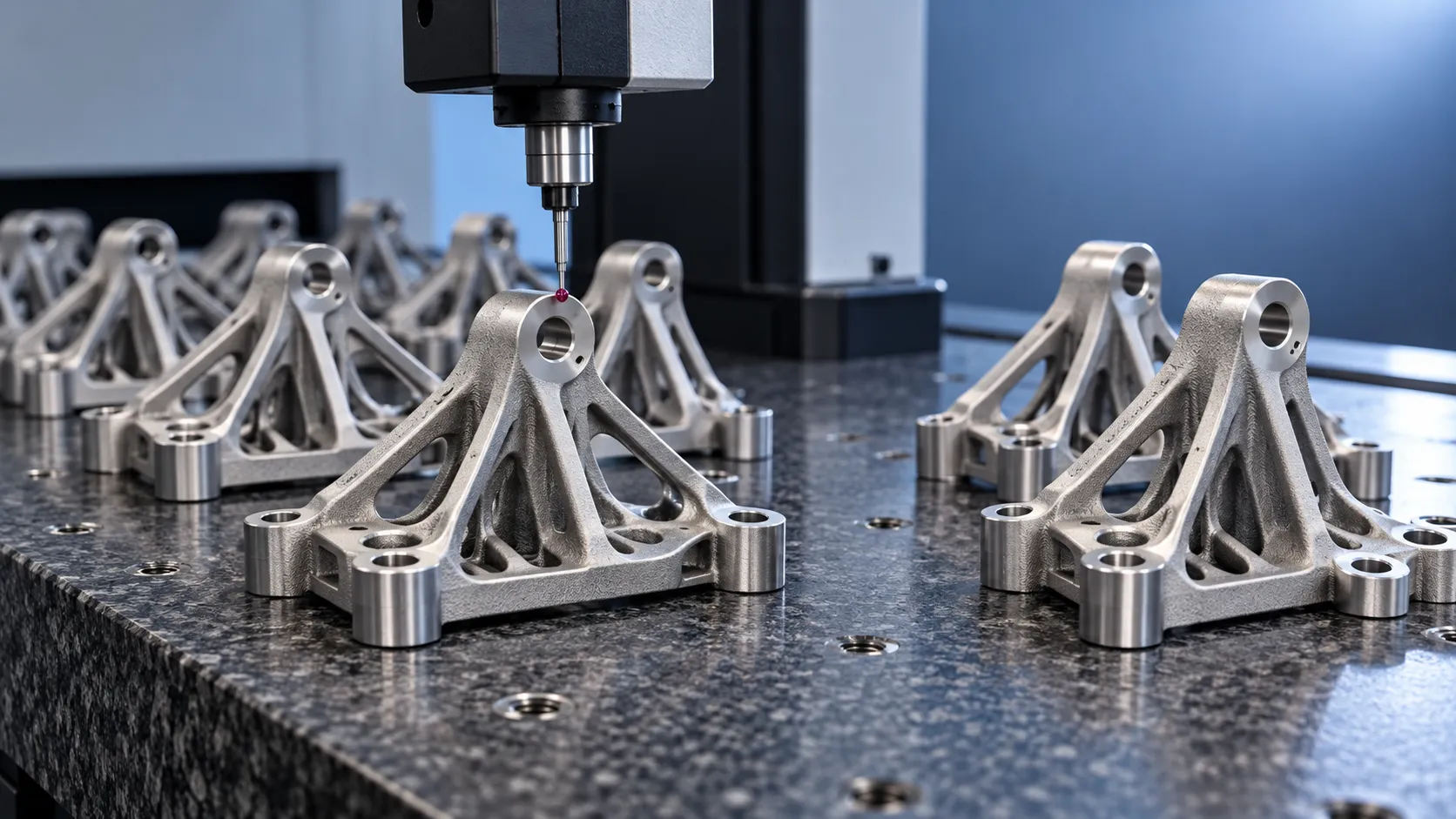
How to verify part consistency before choosing a 3D printing OEM
Choosing a 3D printing OEM? Learn how to verify part consistency with repeat-build trials, validated inspections, and traceability checks before committing to production.

How does a rigid cryogenic transfer line handle thermal contraction?
Learn how a rigid cryogenic transfer line manages thermal contraction with bends, bellows, and guided supports. Discover key design checks for safe, reliable cryogenic performance.

How much does edge vision deployment cost beyond the hardware?
Understand edge vision deployment cost beyond hardware, from data and integration to security and support. Uncover hidden expenses and build a smarter lifecycle budget before you scale.
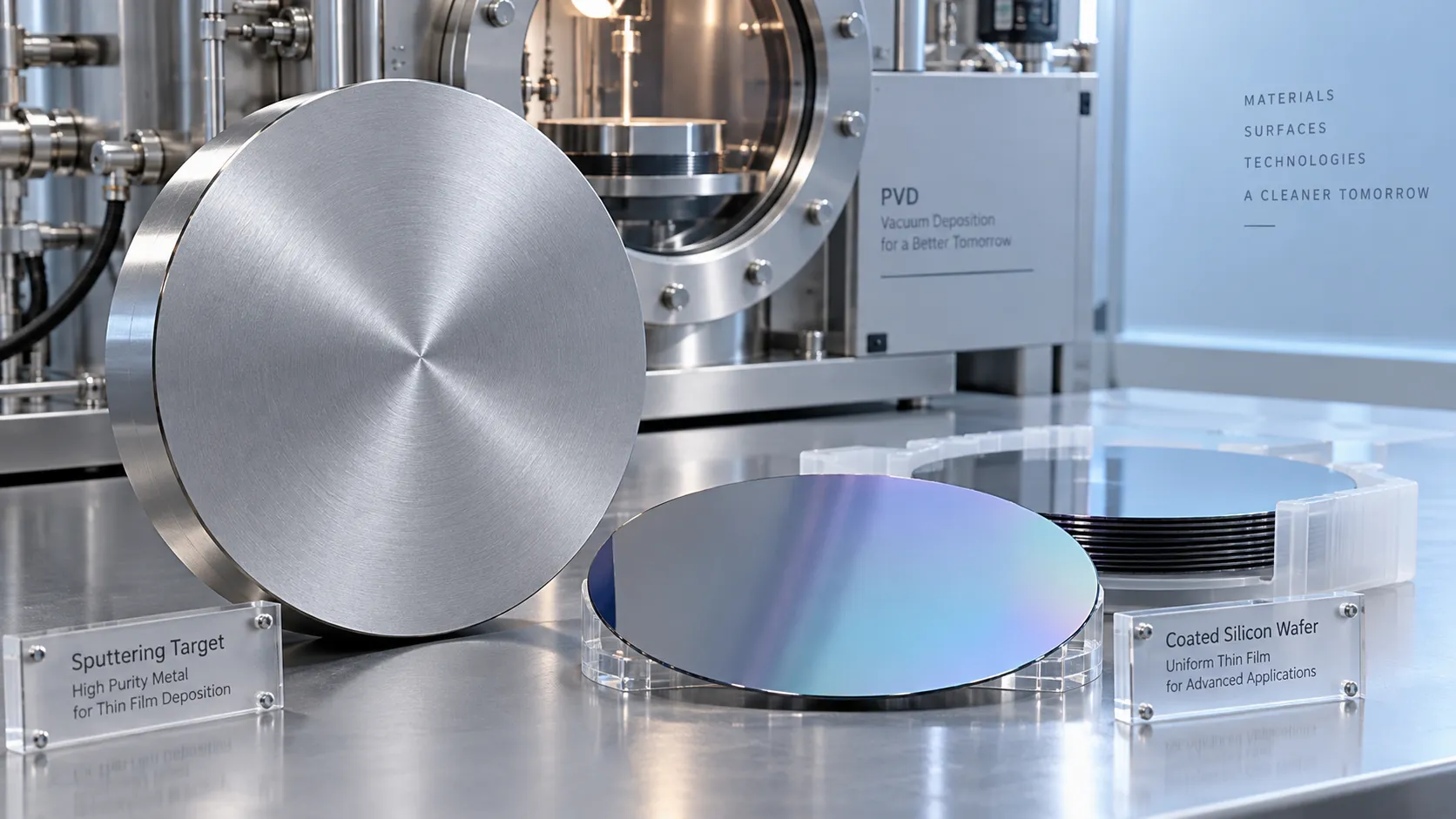
How does the purity of sputtering targets affect thin-film quality?
Discover how sputtering targets affect thin-film quality. Learn to assess purity, identify harmful impurities, and choose specifications that improve coating performance.

How high power laser cladding systems control substrate dilution
Discover how high power laser cladding systems control substrate dilution through beam shaping, material feed, and thermal management to deliver reliable bonds and coating performance.

How to check HS codes for customs compliance in international logistics
Strengthen international logistics customs compliance: learn how to verify HS codes, check official tariffs, and document classifications to reduce costly shipment delays.
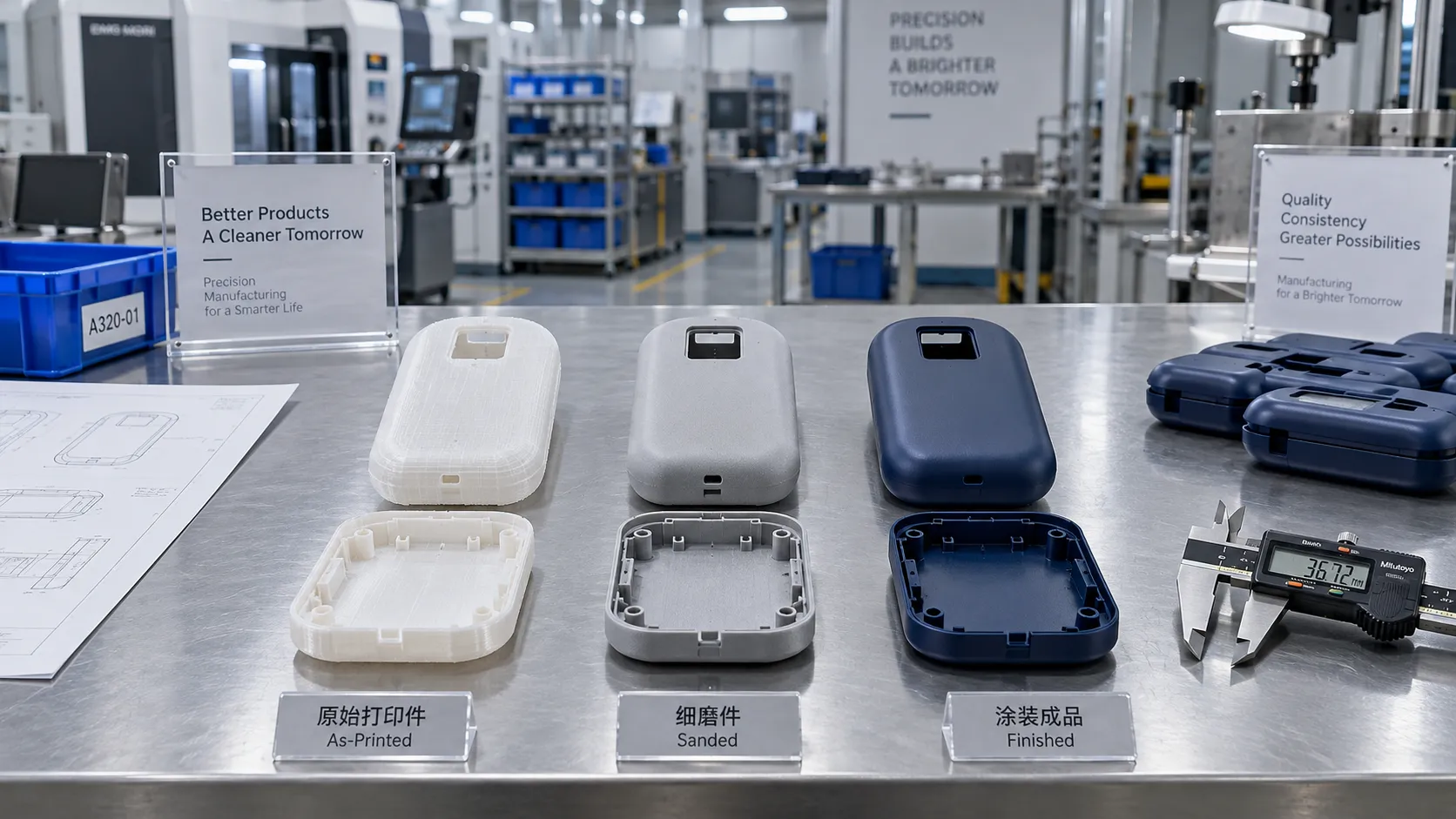
Choosing a 3D Printing Service for Consumer Products: Finish, Fit, and Cost
Compare 3d printing consumer good services by finish, fit, materials, and total cost. Learn how to choose a reliable supplier and avoid costly defects before ordering.

Which Consumer Goods Can Be 3D Printed, and What Are the Practical Limits?
Explore 3d printing consumer goods, from custom eyewear to replacement parts. Discover practical limits on materials, safety, and costs to make smarter production decisions.
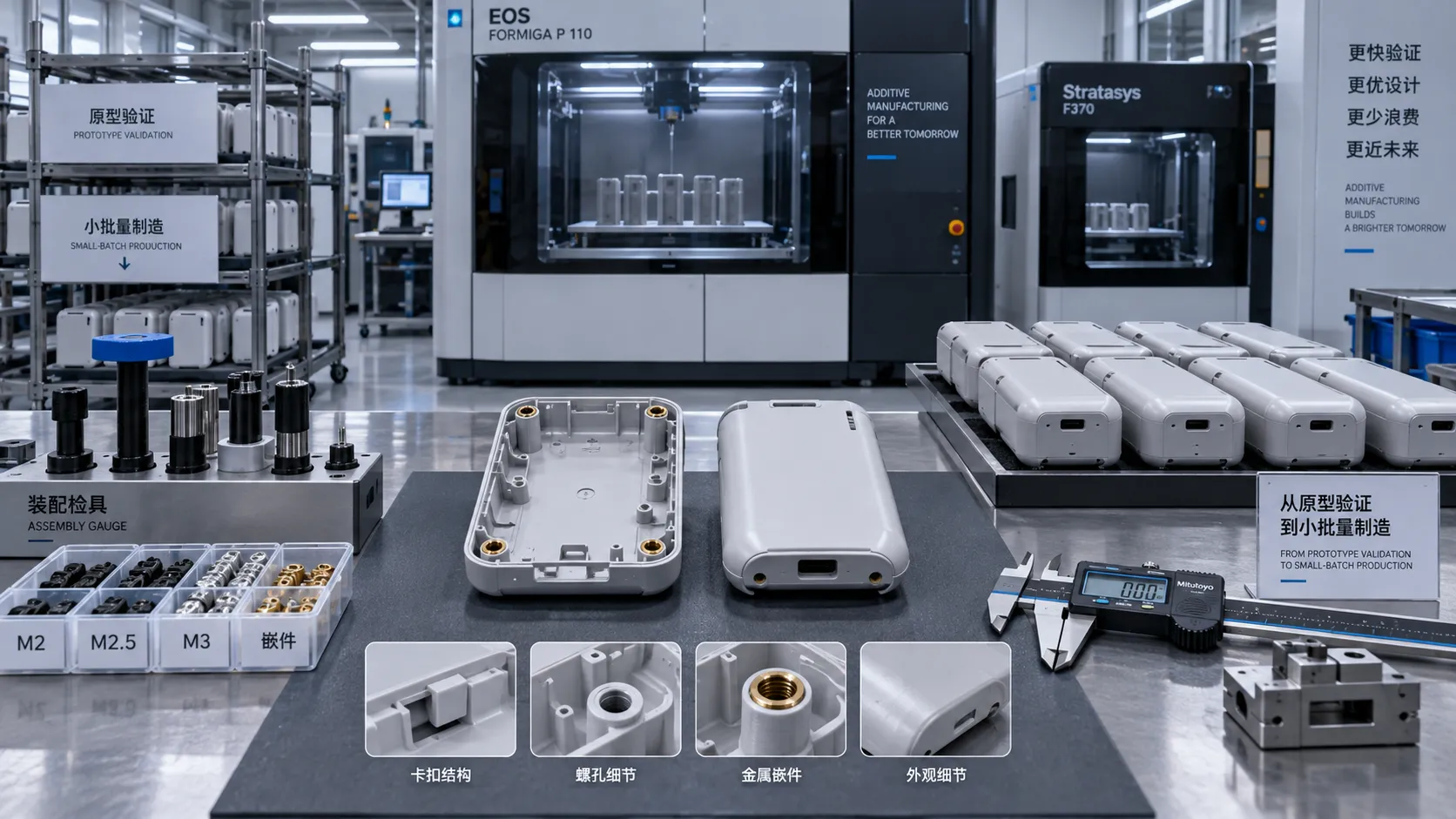
From Prototype to Small Batch: Applying 3D Printing to Consumer Goods
Explore 3d printing in consumer goods: learn how to move from prototype to small-batch production with practical guidance on materials, quality validation, and cost control.
Related News
- 00
0000-00
How to verify part consistency before choosing a 3D printing OEM - 00
0000-00
How does a rigid cryogenic transfer line handle thermal contraction? - 00
0000-00
How much does edge vision deployment cost beyond the hardware? - 00
0000-00
How does the purity of sputtering targets affect thin-film quality? - 00
0000-00
How high power laser cladding systems control substrate dilution
Dr. Elena Carbon
Weekly Insights
Stay ahead with our curated technology reports delivered every Monday.