
Additive Manufacturing Density Testing Methods Compared

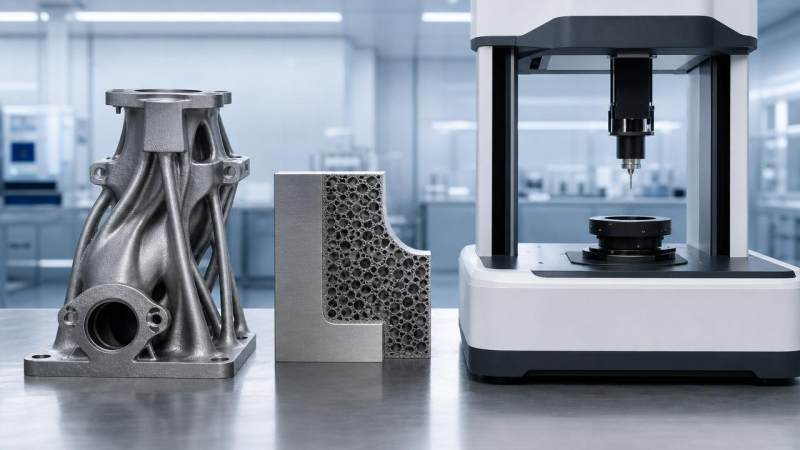
For quality and safety teams, additive manufacturing density testing is more than a lab metric—it is a frontline control for part integrity, repeatability, and compliance. This comparison of additive manufacturing density testing methods explains how different approaches measure porosity, detect hidden defects, and support risk-based inspection decisions, helping manufacturers choose the most reliable path to consistent performance in demanding industrial applications.
In metal and polymer AM production, density variation often signals deeper process instability: insufficient fusion, trapped gas, powder contamination, or parameter drift across 3 to 5 build variables. For procurement, QA, and EHS managers, the right inspection route must balance detection capability, turnaround time, destructive versus non-destructive access, and compliance documentation.
Within complex supply chains, especially for aerospace, medical, energy, and precision industrial parts, additive manufacturing density testing supports incoming qualification, first-article approval, in-process control, and failure investigation. The challenge is not whether to test density, but which method offers the best signal for the part, the material, and the risk level.
Why Density Testing Matters in Additive Manufacturing Quality Control
Density is closely tied to porosity, mechanical strength, fatigue life, and leak tightness. In many critical components, a density gap of even 0.5% to 2.0% from the expected material benchmark can trigger additional review, rework, or rejection depending on geometry and service conditions.
For safety teams, the risk is not only visible scrap. Subsurface voids, lack-of-fusion defects, and localized low-density zones may pass basic dimensional inspection while still creating crack initiation points. That is why additive manufacturing density testing is frequently integrated with CT scanning, metallography, and process parameter verification.
Typical Failure Modes Linked to Low or Inconsistent Density
- Gas porosity caused by powder moisture, shielding gas issues, or unstable melt pools
- Lack of fusion from insufficient laser energy density or poor hatch overlap
- Keyhole porosity from excessive energy input in metal powder bed fusion
- Layer-to-layer inconsistency caused by recoating defects, powder aging, or thermal distortion
Where Inspection Decisions Usually Happen
Most industrial programs evaluate density at 4 checkpoints: feedstock qualification, process validation, first-article release, and routine batch surveillance. High-risk sectors may also add witness coupon testing every build or every 1 to 3 lots, depending on contractual requirements and defect criticality.
The table below compares the most common additive manufacturing density testing methods used by quality and safety teams when they need different levels of speed, resolution, and defect visibility.
The key takeaway is that no single method answers every quality question. Bulk methods are efficient for screening, while imaging methods are stronger for defect localization and risk qualification. A mature inspection plan usually combines at least 2 methods rather than relying on one metric.
Additive Manufacturing Density Testing Methods Compared in Practice
When teams compare additive manufacturing density testing methods, the real issue is operational fit. A laboratory method may be accurate but too slow for production release. Another may be fast but blind to internal discontinuities that matter in pressure, fatigue, or thermal cycling applications.
Archimedes Density Testing
Archimedes testing is widely used because it is simple, relatively low cost, and often completed within 10 to 30 minutes per sample after cleaning and weighing. It calculates apparent density from mass in air and immersed mass in liquid, typically water or ethanol depending on material compatibility.
This method works well for dense metal coupons and repeat production checks. However, open porosity, rough surfaces, trapped bubbles, and sealed internal cavities can distort results. For lattice parts or components with intricate channels, Archimedes data alone may create false confidence.
Metallographic Cross-Section Analysis
Metallography remains a core validation tool because it lets inspectors see pore shape, distribution, and melt track quality directly. Typical preparation includes sectioning, mounting, grinding, polishing, and image analysis at magnifications from 50x to 500x depending on pore scale and alloy system.
The weakness is sampling bias. A polished plane represents only a fraction of the part volume, so the method may miss isolated defect clusters away from the chosen cut. It is best used with witness coupons, first articles, or suspected parameter excursions rather than as the only release criterion.
What Metallography Reveals Better Than Bulk Density
- Pore morphology, such as spherical gas pores versus irregular lack-of-fusion voids
- Defect orientation relative to build direction and scan strategy
- Local microstructural anomalies that often accompany density loss
X-ray Computed Tomography
CT is the strongest non-destructive route for internal defect mapping. It can identify pore size distribution, defect clustering, wall thinning, and unfused regions in 3D. Depending on part size and resolution target, scan cycles may range from 20 minutes to over 2 hours.
For quality and safety teams managing critical components, CT is especially valuable when internal channels, sealed cavities, or complex geometries make sectioning impractical. Its main constraints are equipment cost, image reconstruction expertise, and throughput limitations for high-volume production.
Helium Pycnometry and Related Volume Methods
Helium pycnometry measures true volume using gas displacement, making it useful for material research, calibration, and comparison of porous or irregular samples. Because helium penetrates fine accessible pores better than liquid methods, it can improve volume accuracy in some structures.
Still, pycnometry does not show where the pores are, whether they are clustered, or how they align with stress paths. In production settings, it is more often a supplementary method than a stand-alone acceptance test.
How to Select the Right Method by Risk, Material, and Throughput
Selection should start with 3 questions: what failure mode matters most, what part geometry limits access, and how fast must a release decision be made. A low-risk bracket and a mission-critical fluid manifold should not follow the same additive manufacturing density testing plan.
Decision Criteria for QA and Safety Managers
A practical review matrix should cover at least 6 factors: material type, geometry complexity, expected defect size, acceptable false-negative risk, sample destruction tolerance, and reporting lead time. For many plants, turnaround expectations fall into 3 bands: same shift, 24 hours, or 2 to 5 days.
The following table helps compare inspection choices against common industrial decision factors rather than lab theory alone.
The pattern is clear: as geometry complexity and safety consequence increase, the inspection mix shifts from fast average-density methods toward localized and volumetric defect detection. This is where procurement teams should align testing scope with part criticality instead of applying a one-size-fits-all rule.
Material-Specific Considerations
Titanium, nickel alloys, stainless steels, and aluminum respond differently to energy input and gas entrapment. Polymer AM also introduces separate issues such as infill variation, interlayer bonding loss, and moisture effects. A 99% relative density target may be acceptable in one application and inadequate in another.
Teams should define acceptance windows by application, not by generic industry habit. For example, a decorative cover and a structural heat-exposed bracket can require different pore thresholds, coupon frequency, and escalation actions even when built on the same machine.
Implementation Tips, Common Mistakes, and Supplier Evaluation
Strong additive manufacturing density testing programs succeed because they connect measurement to process control. Density data becomes more valuable when traced to powder lot, machine ID, parameter version, orientation, heat treatment, and post-processing route across each build record.
A 5-Step Inspection Workflow
- Define critical-to-quality features and expected failure modes for each part family
- Select screening and confirmation methods based on geometry, risk, and throughput
- Set sampling frequency, such as every build, every lot, or every parameter change
- Link density results to corrective action thresholds and hold-release decisions
- Review data quarterly to tighten process windows and reduce repeated escapes
Common Mistakes That Reduce Confidence
- Using only one density method for all part classes
- Accepting average density without reviewing defect morphology
- Ignoring surface-connected porosity in rough or unfinished AM parts
- Skipping revalidation after powder recycling rate or scan strategy changes
- Treating witness coupons as fully representative of every geometry on the plate
Questions to Ask a Testing Partner or Equipment Supplier
Before selecting an external lab or in-house solution, ask about resolution limits, sample preparation needs, repeatability controls, reporting format, and lead time. Useful procurement questions include whether the provider can support ASTM or ISO-aligned workflows, deliver raw image data, and separate routine screening from failure analysis.
For organizations operating across multiple advanced manufacturing pillars, such as those benchmarked by G-AIT, the strongest supplier relationships are built on traceable methods, clear acceptance logic, and cross-functional reporting that engineering, quality, procurement, and safety teams can all use.
Frequently Asked Practical Questions
Is one density value enough to release a critical part?
Usually no. A single bulk density result may not detect local clusters, channel blockages, or planar lack-of-fusion defects. Critical parts often need at least one complementary imaging or sectioning method during validation or periodic surveillance.
How often should density be tested?
Frequency depends on risk and process maturity. New launches may require every build for the first 5 to 10 runs, while stable production may shift to lot-based surveillance with escalation after any machine alarm, powder change, or parameter deviation.
Can CT replace metallography completely?
Not always. CT is excellent for 3D defect mapping, but metallography still provides direct microstructural evidence and can better classify some defect mechanisms. Many high-reliability workflows use both during qualification, then optimize based on recurring evidence.
For quality control and safety leaders, additive manufacturing density testing should be treated as a decision system, not a single test. The best method depends on defect risk, geometry complexity, reporting speed, and whether the inspection must remain non-destructive. Archimedes testing offers fast screening, metallography reveals defect morphology, CT exposes hidden internal structure, and pycnometry supports specialized volume analysis.
By aligning inspection methods with part criticality and process maturity, manufacturers can reduce false acceptance, strengthen compliance records, and improve production repeatability across advanced industrial programs. If you are evaluating inspection capability, supplier benchmarking, or a risk-based testing strategy for AM parts, contact G-AIT to get a tailored solution, review technical options, and explore more reliable additive manufacturing quality pathways.
Related News
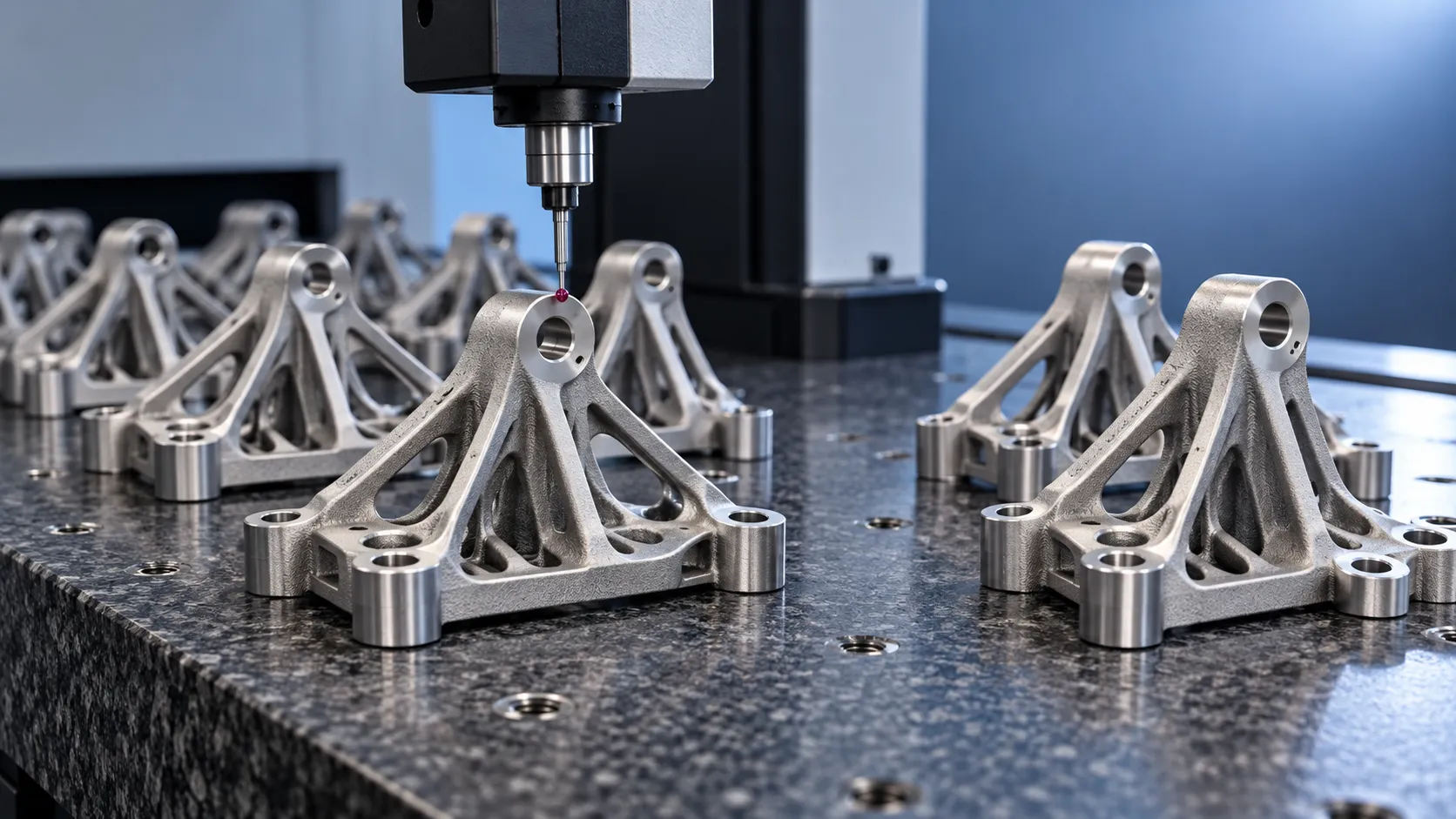
How to verify part consistency before choosing a 3D printing OEM
Choosing a 3D printing OEM? Learn how to verify part consistency with repeat-build trials, validated inspections, and traceability checks before committing to production.
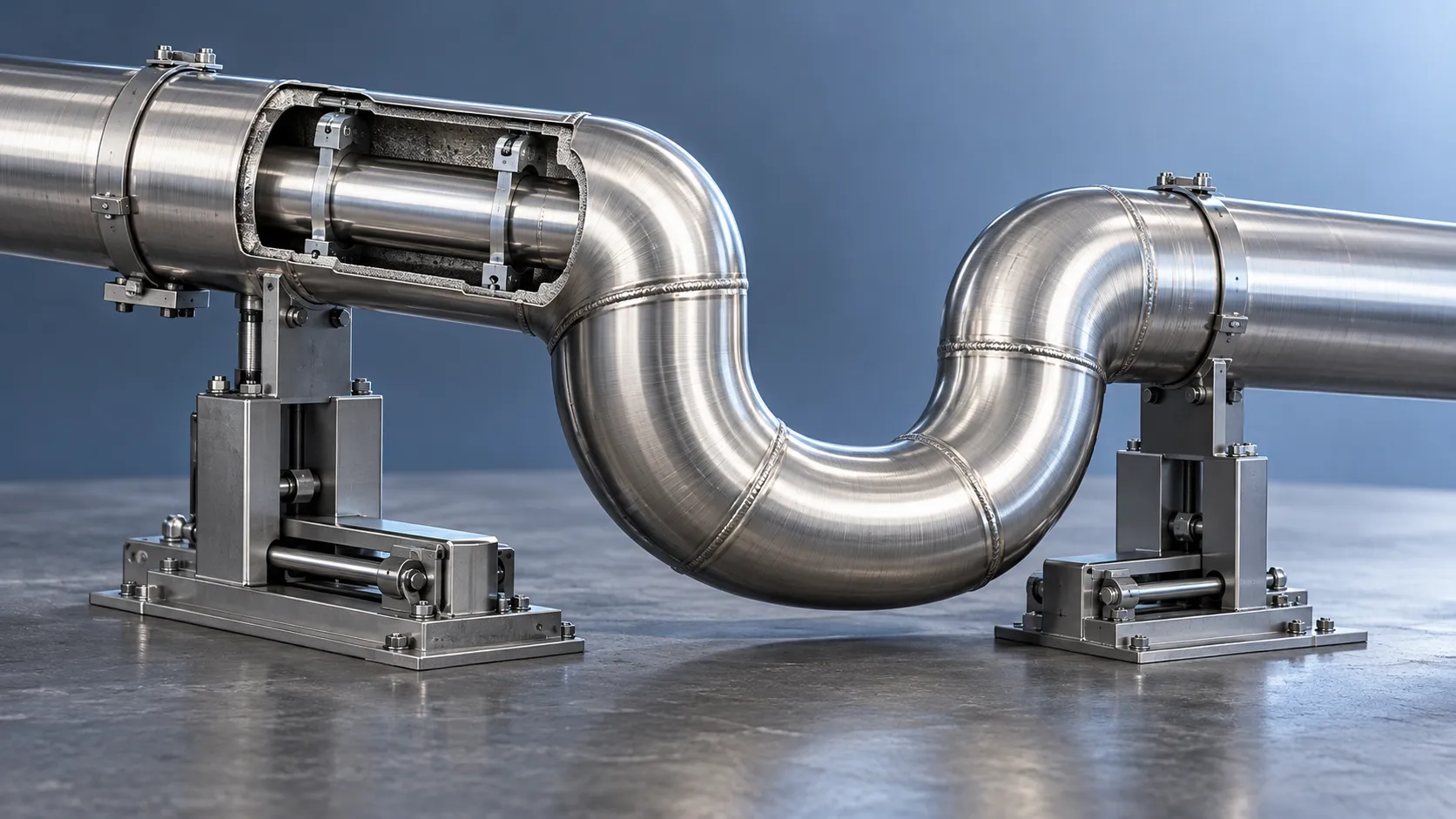
How does a rigid cryogenic transfer line handle thermal contraction?
Learn how a rigid cryogenic transfer line manages thermal contraction with bends, bellows, and guided supports. Discover key design checks for safe, reliable cryogenic performance.
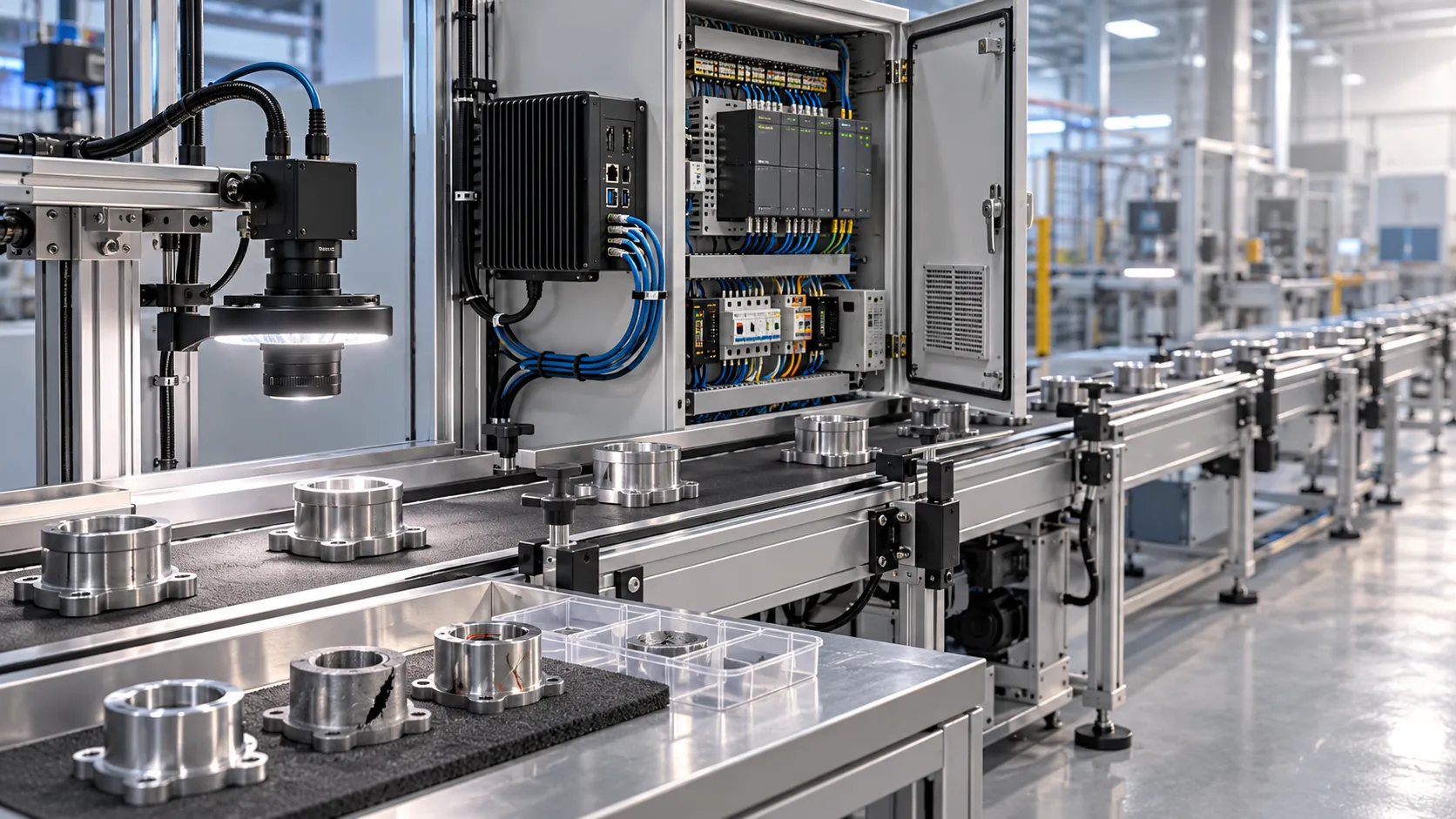
How much does edge vision deployment cost beyond the hardware?
Understand edge vision deployment cost beyond hardware, from data and integration to security and support. Uncover hidden expenses and build a smarter lifecycle budget before you scale.
How does the purity of sputtering targets affect thin-film quality?
Discover how sputtering targets affect thin-film quality. Learn to assess purity, identify harmful impurities, and choose specifications that improve coating performance.
How high power laser cladding systems control substrate dilution
Discover how high power laser cladding systems control substrate dilution through beam shaping, material feed, and thermal management to deliver reliable bonds and coating performance.

How to check HS codes for customs compliance in international logistics
Strengthen international logistics customs compliance: learn how to verify HS codes, check official tariffs, and document classifications to reduce costly shipment delays.
Choosing a 3D Printing Service for Consumer Products: Finish, Fit, and Cost
Compare 3d printing consumer good services by finish, fit, materials, and total cost. Learn how to choose a reliable supplier and avoid costly defects before ordering.
Which Consumer Goods Can Be 3D Printed, and What Are the Practical Limits?
Explore 3d printing consumer goods, from custom eyewear to replacement parts. Discover practical limits on materials, safety, and costs to make smarter production decisions.
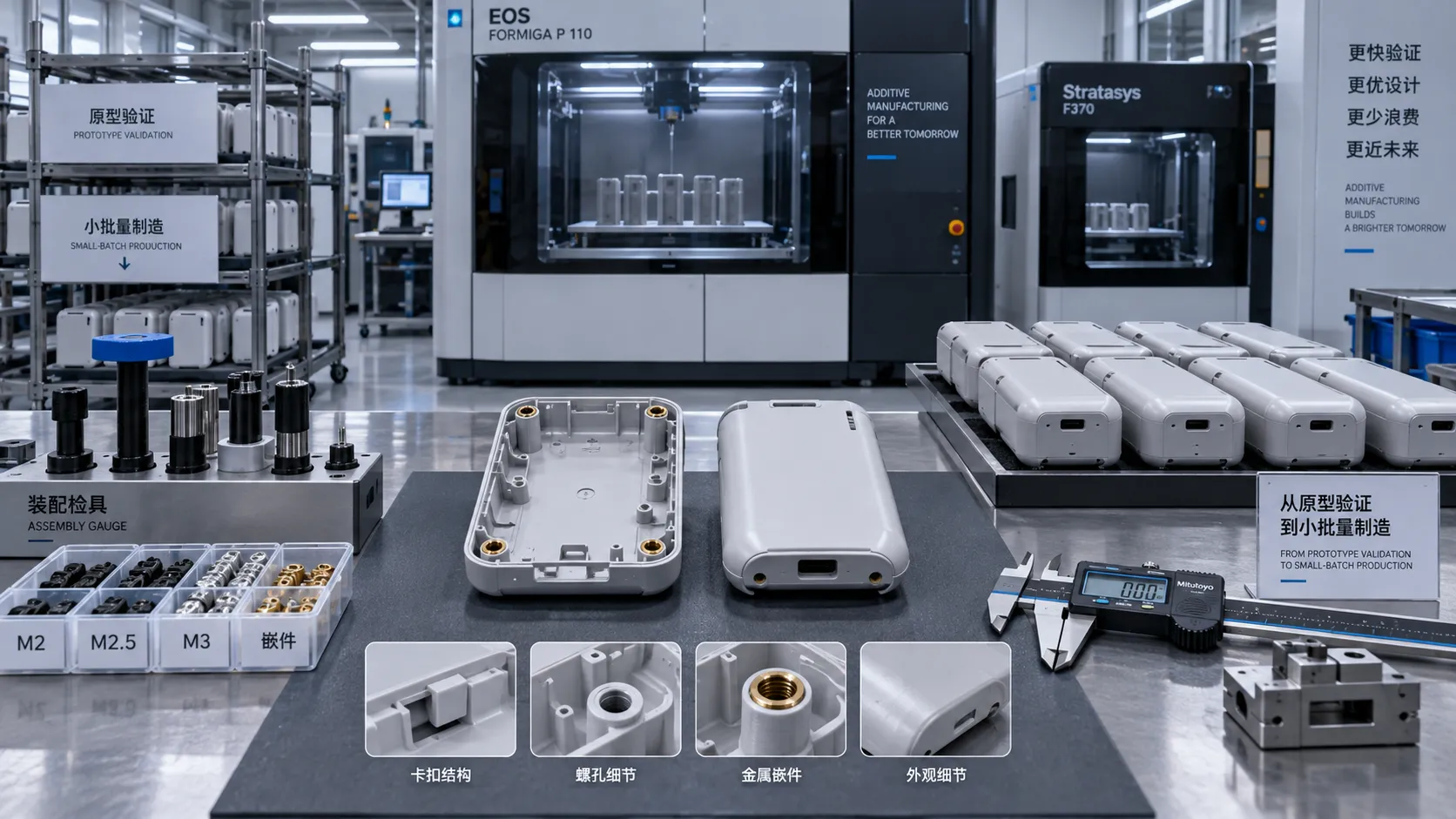
From Prototype to Small Batch: Applying 3D Printing to Consumer Goods
Explore 3d printing in consumer goods: learn how to move from prototype to small-batch production with practical guidance on materials, quality validation, and cost control.
Related News
- 00
0000-00
How to verify part consistency before choosing a 3D printing OEM - 00
0000-00
How does a rigid cryogenic transfer line handle thermal contraction? - 00
0000-00
How much does edge vision deployment cost beyond the hardware? - 00
0000-00
How does the purity of sputtering targets affect thin-film quality? - 00
0000-00
How high power laser cladding systems control substrate dilution
Dr. Elena Carbon
Weekly Insights
Stay ahead with our curated technology reports delivered every Monday.