
Nanomaterials in Manufacturing: What Works Now?


Nanomaterials are moving from lab promise to factory-floor value, especially where precision manufacturing, 3D Printing, and Additive Manufacturing demand tighter tolerances and better performance. From Metal 3D Printers and Fiber Lasers to Machine Vision systems, what works now depends on verified Technical Specifications, Industrial Standards, and evolving Export Control requirements. This article examines the practical applications, limits, and buying signals that matter most today.
For procurement teams, plant operators, quality managers, engineering leads, and commercial evaluators, the key question is no longer whether nanomaterials matter. The practical question is which nanomaterial classes already deliver measurable gains in throughput, wear resistance, thermal management, conductivity, or inspection stability under real production conditions.
In industrial settings, “what works now” usually means a material system that survives qualification, fits existing process windows, aligns with ISO, ASTM, SEMI, or IEEE expectations, and can be sourced with manageable regulatory risk. That definition is far narrower than laboratory claims, but it is also much more valuable for decision-makers.
Across sectors such as aerospace, electronics, energy, medical devices, tooling, and advanced automation, nanomaterials are most credible when they improve a known process by 5%–30%, reduce defect rates within an auditable range, or extend maintenance intervals by a predictable number of cycles. Those are the signals that move projects from evaluation to budget approval.
Where Nanomaterials Already Deliver Industrial Value
The most commercially mature uses of nanomaterials in manufacturing are not universal replacements for traditional materials. They are targeted enhancements. In current production environments, the strongest adoption is found in nanocomposites, graphene-enhanced coatings, nano-ceramic surface layers, nano-additive metal powders, conductive inks, and nanoparticle-assisted thermal interface materials.
In 3D Printing and Additive Manufacturing, nano-scale reinforcement is often used to improve powder flow, densification behavior, or post-build mechanical performance. For example, adding small fractions below 1% by weight can influence grain refinement or thermal conductivity, but only if the feedstock remains stable during storage, recoating, and laser exposure. A laboratory benefit disappears quickly if powder handling becomes inconsistent.
In Industrial Laser Processing, nano-engineered coatings already help improve absorptivity, wear performance, or thermal resistance in high-cycle tooling. In some laser-based repair and cladding scenarios, the return is visible within 6–12 months because harder, more stable surfaces reduce rework and extend service life under abrasive or high-temperature conditions.
Machine Vision and Optical Inspection also benefit from nanomaterials, though less visibly. Anti-reflective nano-coatings, durable lens coatings, and nano-structured sensing layers can stabilize contrast and reduce contamination effects. On lines that inspect micro-features below 100 microns, even minor optical instability can create a false reject rate that affects throughput and traceability.
Current high-confidence application clusters
The most reliable clusters today are process-specific rather than sector-specific. Buyers should map nanomaterial value to a measurable failure mode, such as excessive heat, premature wear, poor conductivity, unstable surface finish, or contamination sensitivity. If the failure mode is not clear, nanomaterial adoption often turns into an expensive trial rather than a procurement success.
- Protective coatings for molds, dies, optics, and cutting tools exposed to high friction or elevated temperatures.
- Graphene or carbon-based conductive additives for sensors, EMI shielding, and flexible electronics assemblies.
- Nano-modified powders and binders for additive manufacturing where density, surface integrity, or crack control is critical.
- Thermal interface materials for electronics packaging, power modules, and battery-related assemblies.
- Barrier and anti-corrosion layers for chemical processing, vacuum systems, and precision enclosures.
What separates successful deployment from stalled pilot programs is not novelty. It is process compatibility, repeatability across 3–5 production batches, and evidence that the nanomaterial can be integrated without creating new contamination, handling, or safety burdens.
Technical Selection: Matching Material Type to Process Reality
A practical nanomaterial selection process starts with the manufacturing step, not with the material brochure. The same graphene-enhanced formulation that performs well in a low-shear coating line may fail in a powder bed fusion environment or in a vacuum application where outgassing limits are strict. Process temperature, shear forces, humidity tolerance, particle dispersion, and cleaning chemistry all matter.
For procurement and engineering teams, one useful rule is to assess nanomaterials across four layers: material intrinsic property, process compatibility, inspection method, and lifecycle impact. If one layer is missing, the total business case is incomplete. A conductivity gain of 15% means little if requalification adds 8 weeks and raises scrap risk during transition.
Another common mistake is overvaluing peak performance and undervaluing variance. Industrial buyers should ask for process capability evidence, not only headline properties. A coating hardness increase or tensile improvement is meaningful only when batch-to-batch variation stays within acceptable limits and when the supplier can define test conditions clearly.
What operators and quality teams should verify first
The table below summarizes a practical selection view used in cross-functional reviews involving R&D, operations, purchasing, and quality control.
The key takeaway is that technical fit depends on a narrow operating window. In many production lines, acceptable viscosity drift may be below 10%, particle size consistency must stay within supplier-defined bands, and process requalification often requires 2–4 weeks of controlled trials before scale-up.
A four-step technical screening method
- Define the targeted improvement, such as reducing wear by 20%, lowering thermal resistance, or improving print density.
- Confirm compatibility with existing equipment, including lasers, powder handling, curing units, inspection tools, and cleaning chemistry.
- Require measurable incoming and outgoing test criteria, typically 3–6 quality checkpoints.
- Run pilot validation over multiple batches rather than a single successful sample.
This method helps distributors, project leaders, and purchasing teams avoid a common trap: approving a material because the data sheet is impressive, while ignoring whether the production line can hold the same result at normal cycle times.
Standards, Qualification, and Export Control: The Hidden Filters
In advanced manufacturing, nanomaterial adoption is often filtered less by performance than by qualification and compliance. For high-spec buyers, especially in aerospace, semiconductor, defense-adjacent, medical, and energy sectors, supplier claims must be traceable to test methods, documentation discipline, and cross-border shipping feasibility.
That is why standards alignment matters. Depending on the application, evaluation may involve ISO quality frameworks, ASTM material and additive manufacturing methods, SEMI criteria for electronics and semiconductor environments, or IEEE-related electrical performance expectations. The point is not to cite standards for appearance. The point is to make quality assurance, repeatability, and acceptance measurable.
Export control is another practical filter. Some nano-enabled materials, coatings, powders, or processing know-how may fall into restricted categories depending on end use, destination, or technical threshold. Commercial teams should therefore review not only the material itself, but also application context, supporting documentation, and any transfer of process parameters.
For global sourcing, the approval timeline can easily extend from a normal 2–3 week material review to 6–10 weeks when compliance review, safety documentation, and dual-use screening are added. This is especially relevant for projects involving vacuum systems, high-power lasers, microelectronics, or high-temperature structural applications.
Qualification checkpoints before commercial rollout
The following matrix is useful for project managers and quality teams when preparing a gated approval process.
The main conclusion is simple: nanomaterials in manufacturing are qualified systems, not just purchased substances. Teams that combine technical benchmarking with documentation discipline move faster and with fewer surprises during supplier onboarding.
Common compliance oversights
- Assuming a nano-enabled coating can be exported like a standard industrial consumable without end-use review.
- Approving pilot material without clear acceptance criteria for particle dispersion, outgassing, or residual contamination.
- Neglecting operator safety measures for airborne particulates, especially during mixing, recoating, or post-processing.
- Using supplier test results that do not match the buyer’s actual process conditions or test geometry.
These oversights may appear administrative, but they have direct commercial cost. One delayed qualification cycle can push a tooling, electronics, or additive manufacturing project back by an entire quarter.
Buying Signals: How to Distinguish Real Industrial Readiness from Hype
Because nanomaterials still carry a strong innovation narrative, buyers need a disciplined way to detect readiness. A credible industrial offer should show evidence across performance, consistency, supportability, and supply continuity. If a vendor cannot explain process limits, storage conditions, or inspection methods, the material may still be at demonstration stage rather than procurement stage.
For B2B sourcing, the strongest buying signals are often operational. Can the supplier deliver stable lots over 3 consecutive shipments? Is there a recommended storage range such as 15°C–25°C? Is there a defined requalification trigger if particle distribution or viscosity shifts? Can the supplier support pilot runs on the customer’s actual line rather than only in-house tests?
Commercial readiness also includes after-sales capability. Distributors, agents, and system integrators should look for onboarding materials, failure analysis support, and escalation paths. In advanced manufacturing, technical support responsiveness within 24–72 hours can matter more than a small unit-price difference if downtime or scrap is at stake.
A practical procurement checklist
The list below helps purchasers and business evaluators compare nano-enabled offers without relying on marketing language alone.
- Request a controlled specification sheet with measurable property ranges, not only typical values.
- Verify at least 4 critical process variables, such as temperature, humidity, laser energy input, mixing time, or cure profile.
- Ask for recommended inspection methods and reject criteria tied to the intended application.
- Review packaging, shelf life, and transport conditions for sensitivity to moisture, oxidation, or aggregation.
- Confirm whether pilot support, failure analysis, and replacement procedures are defined in the supply agreement.
When these elements are present, the probability of a controlled implementation rises significantly. When they are absent, even high-potential nanomaterials can become expensive sources of variation.
What “works now” usually looks like in contracts
In commercial terms, proven nanomaterial programs often start with a phased rollout: 1 pilot lot, followed by 2–3 validated production lots, then a formal sourcing decision. This structure allows engineering, QA, and procurement teams to verify not only material performance, but also supplier discipline, lead time consistency, and documentation quality.
For projects involving Metal 3D Printers, Fiber Lasers, optical inspection systems, or vacuum environments, buyers should also assess whether the nanomaterial changes maintenance schedules, calibration intervals, filtration load, or cleaning protocol. A strong material improvement can lose value if it adds hidden operating complexity.
Implementation, Risk Control, and FAQs for Manufacturing Teams
Successful implementation depends on structured rollout rather than isolated trials. Most manufacturers gain better results when nanomaterials are introduced in a 3-stage plan: lab confirmation, pilot production, and controlled line integration. Each stage should have pre-agreed KPIs such as defect rate, adhesion level, print density, thermal response, or optical repeatability.
Risk control starts with handling and environment management. Depending on the formulation, operators may need enclosed transfer, defined PPE, humidity control, or revised cleaning procedures. In additive and coating processes, even low-level agglomeration or contamination can alter performance more than the advertised nano-property gain.
Maintenance planning is equally important. If nano-enhanced feedstock increases filter loading, changes wear patterns in nozzles, or affects sensor cleaning frequency, those effects must be tracked over at least several production cycles. Good programs monitor both primary output and secondary operational burden.
Implementation risk controls that should be documented
- Incoming inspection criteria for every lot, including visible aggregation, particle handling condition, or viscosity check where relevant.
- Operator instructions covering storage, mixing, loading, and waste handling.
- Quality checkpoints after each critical process step, usually 3 or more per batch in high-spec production.
- Deviation procedures for rework, quarantine, root-cause review, and supplier notification.
This structure helps manufacturers protect both product quality and internal acceptance. It also gives procurement and project management teams the documentation needed for broader rollout or supplier comparison.
How should buyers evaluate nanomaterials for additive manufacturing?
Focus on powder or feedstock stability, energy absorption behavior, porosity outcome, and repeatability over multiple builds. A useful minimum is to compare 3 build runs under the same machine settings and inspect density, surface finish, and post-process behavior before approving scale-up.
Which applications are usually the safest first step?
Protective coatings, thermal management layers, conductive formulations, and selected composite fillers are often lower-risk starting points than highly reactive bulk substitutions. These uses typically target one measurable function and can be validated faster within 2–6 weeks.
What are the most common misconceptions?
The first misconception is that nano-scale automatically means better industrial performance. The second is that small additive percentages are easy to control. The third is that laboratory conductivity, hardness, or thermal data will transfer directly to real production environments without changes in dispersion, cleanliness, or inspection method.
How long does industrial qualification usually take?
For non-critical applications, a focused review plus pilot may take 2–4 weeks. For regulated or export-sensitive sectors, including electronics, vacuum systems, defense-adjacent manufacturing, and medical supply chains, qualification can extend to 6–10 weeks or longer depending on documentation depth and test scope.
Nanomaterials in manufacturing already create real value, but only in the zones where performance claims are matched by process compatibility, qualification discipline, and supply-chain visibility. The most successful buyers treat nano-enabled materials as engineered production inputs, not innovation symbols.
For organizations evaluating Industrial Laser Processing, 3D Printing & Additive Manufacturing, Machine Vision, graphene and nano-materials, or vacuum-related applications, verified technical benchmarking and regulatory foresight are now essential to good decisions. To review suitable material pathways, compare technical specifications, or discuss implementation risks in your application, contact G-AIT for a tailored evaluation and deeper solution guidance.
- supply chain
- energy sector
- manufacturing
- precision manufacturing
- sensors
- cement
- distributors
- packaging
- electronics
- semiconductor
- energy
- Industrial Laser Processing
- 3D Printing
- Additive Manufacturing
- Machine Vision
- Optical Inspection
- Nanomaterials
- Fiber Lasers
- Metal 3D Printers
- Technical Specifications
- Export Control
- Industrial Standards
- Technical Benchmarking
- supply chain
- energy sector
- manufacturing
- precision manufacturing
- sensors
- cement
- distributors
- packaging
- electronics
- semiconductor
- energy
- Industrial Laser Processing
- 3D Printing
- Additive Manufacturing
- Machine Vision
- Optical Inspection
- Nanomaterials
- Fiber Lasers
- Metal 3D Printers
- Technical Specifications
- Export Control
- Industrial Standards
- Technical Benchmarking
Related News
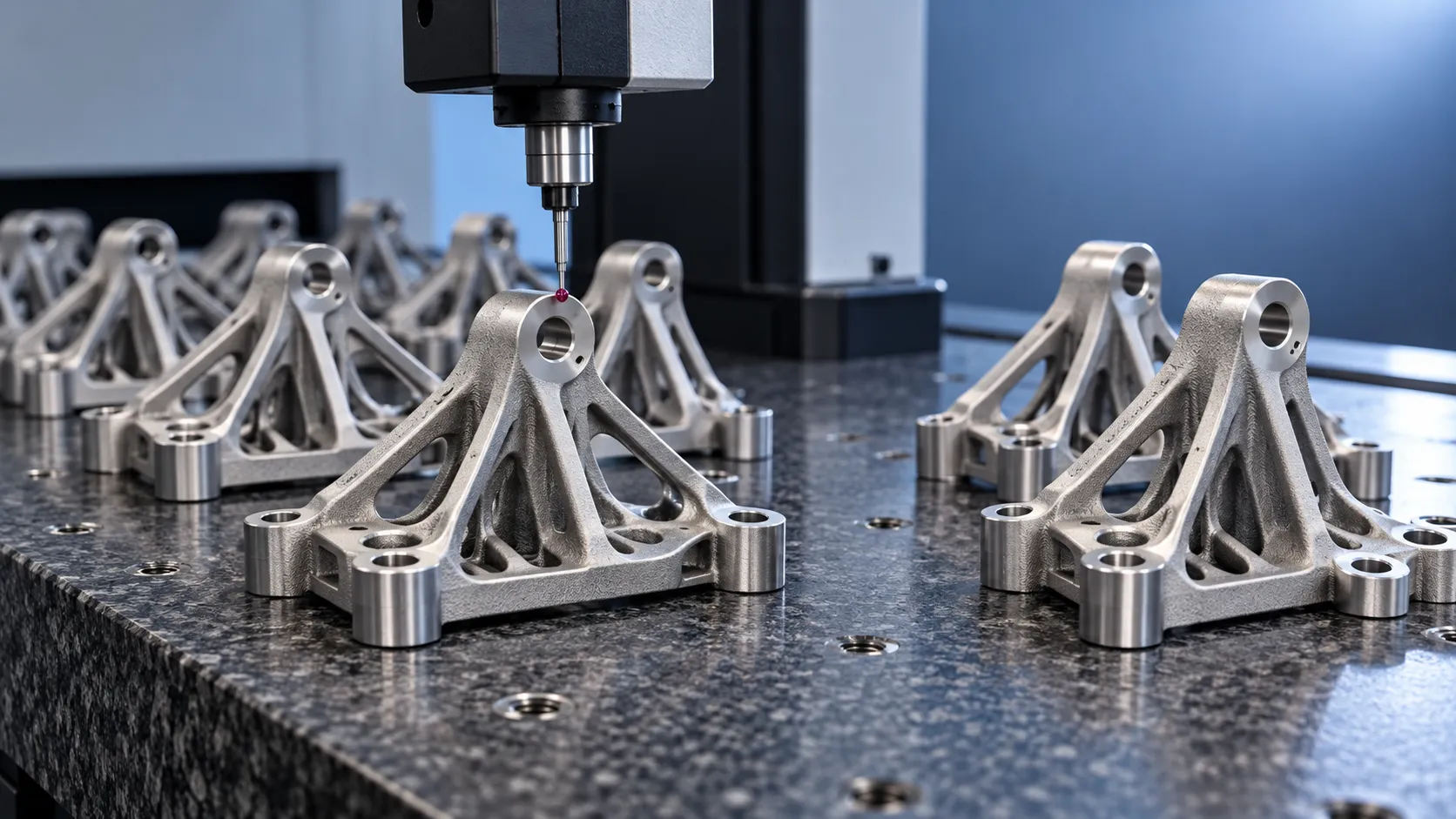
How to verify part consistency before choosing a 3D printing OEM
Choosing a 3D printing OEM? Learn how to verify part consistency with repeat-build trials, validated inspections, and traceability checks before committing to production.
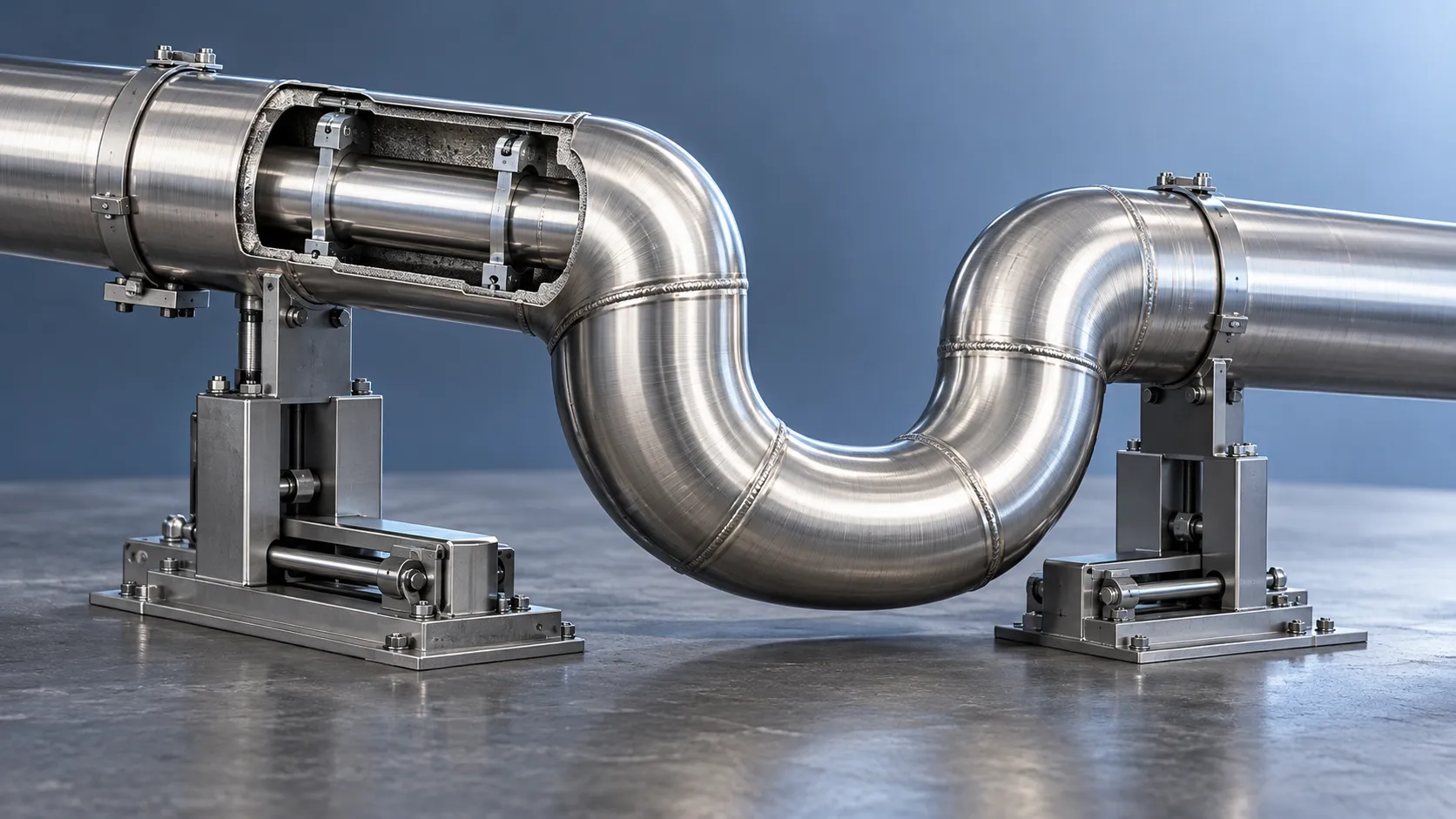
How does a rigid cryogenic transfer line handle thermal contraction?
Learn how a rigid cryogenic transfer line manages thermal contraction with bends, bellows, and guided supports. Discover key design checks for safe, reliable cryogenic performance.

How much does edge vision deployment cost beyond the hardware?
Understand edge vision deployment cost beyond hardware, from data and integration to security and support. Uncover hidden expenses and build a smarter lifecycle budget before you scale.
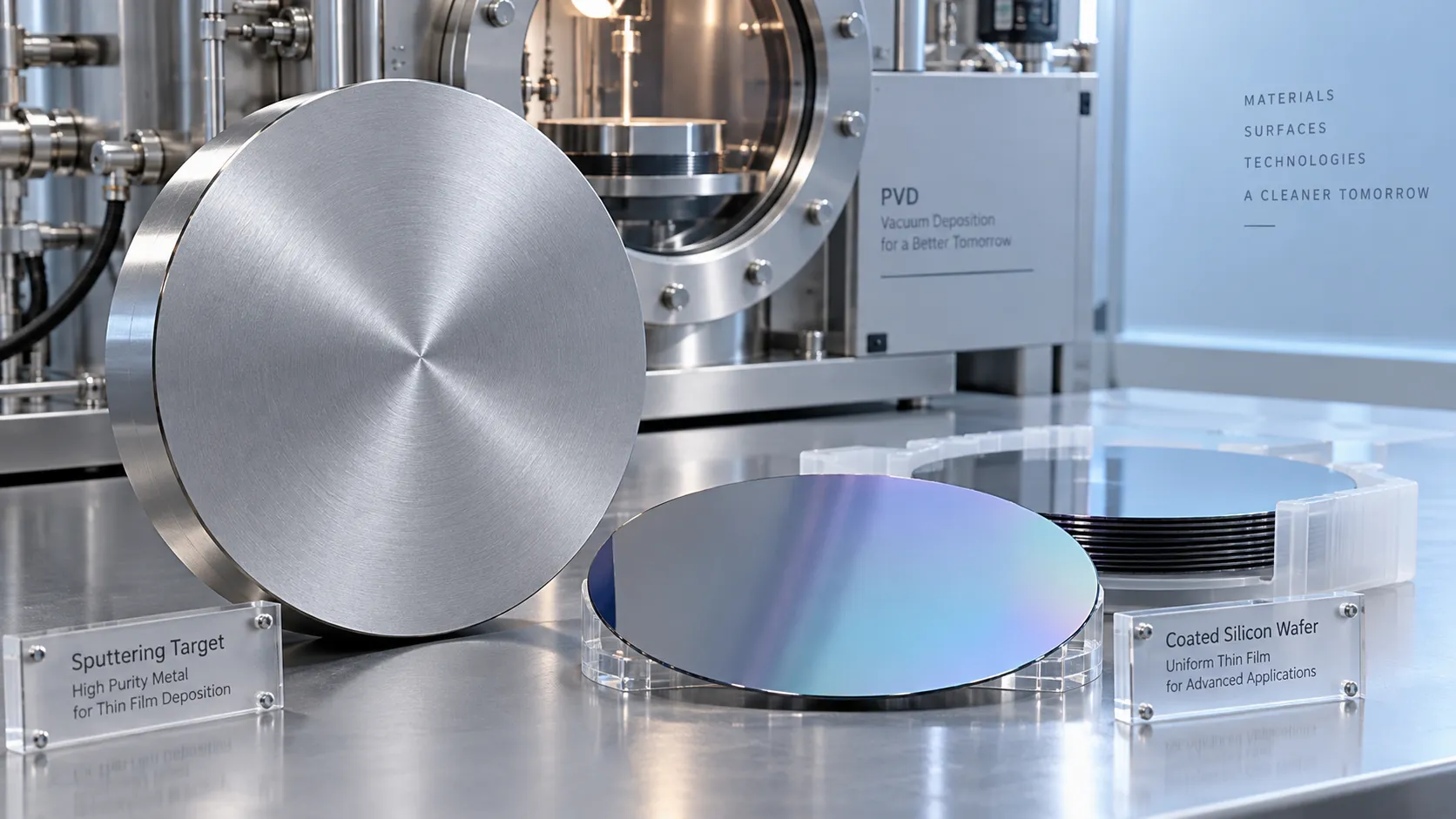
How does the purity of sputtering targets affect thin-film quality?
Discover how sputtering targets affect thin-film quality. Learn to assess purity, identify harmful impurities, and choose specifications that improve coating performance.

How high power laser cladding systems control substrate dilution
Discover how high power laser cladding systems control substrate dilution through beam shaping, material feed, and thermal management to deliver reliable bonds and coating performance.

How to check HS codes for customs compliance in international logistics
Strengthen international logistics customs compliance: learn how to verify HS codes, check official tariffs, and document classifications to reduce costly shipment delays.

Choosing a 3D Printing Service for Consumer Products: Finish, Fit, and Cost
Compare 3d printing consumer good services by finish, fit, materials, and total cost. Learn how to choose a reliable supplier and avoid costly defects before ordering.

Which Consumer Goods Can Be 3D Printed, and What Are the Practical Limits?
Explore 3d printing consumer goods, from custom eyewear to replacement parts. Discover practical limits on materials, safety, and costs to make smarter production decisions.

From Prototype to Small Batch: Applying 3D Printing to Consumer Goods
Explore 3d printing in consumer goods: learn how to move from prototype to small-batch production with practical guidance on materials, quality validation, and cost control.
Related News
- 00
0000-00
How to verify part consistency before choosing a 3D printing OEM - 00
0000-00
How does a rigid cryogenic transfer line handle thermal contraction? - 00
0000-00
How much does edge vision deployment cost beyond the hardware? - 00
0000-00
How does the purity of sputtering targets affect thin-film quality? - 00
0000-00
How high power laser cladding systems control substrate dilution
Dr. Elena Carbon
Weekly Insights
Stay ahead with our curated technology reports delivered every Monday.