
Semiconductor Vacuum Compliance: Key Standards and Audit Risks


Why semiconductor vacuum compliance now sits at the center of audit readiness
Semiconductor vacuum compliance has moved beyond a narrow engineering concern. It now affects release decisions, supplier approval, contamination control, and incident prevention across advanced manufacturing environments.
That shift is easy to understand. Vacuum systems influence particle behavior, outgassing, thermal stability, leak integrity, and process repeatability. When any of those drift, audits rarely treat them as isolated defects.
More often, auditors read vacuum failures as signals of weak system control. A missed material certificate, an incomplete bake-out record, or an unverified gauge calibration can open wider questions.
In practice, semiconductor vacuum compliance matters because vacuum performance is tied to product yield, equipment safety, and traceable quality evidence. The technical layer and the compliance layer are no longer separate.
Across the broader industrial landscape, this is where benchmarking platforms such as G-AIT add value. They connect vacuum and cryogenic engineering data with ISO, SEMI, IEEE, and ASTM expectations.
The result is a more useful question than “Does the chamber reach target pressure?” Audits increasingly ask whether the entire vacuum control chain is documented, verified, and repeatable.
Which standards usually define semiconductor vacuum compliance?
There is no single master rulebook. Semiconductor vacuum compliance usually comes from a stack of standards, customer specifications, internal procedures, and equipment qualification protocols.
The most common framework starts with SEMI requirements for semiconductor equipment. Those are then supported by ISO quality systems, safety standards, and material or test method references.
A practical way to view the standards landscape is to group it by control objective rather than by document title alone.
The main point is this: semiconductor vacuum compliance is usually proven through a connected evidence chain. One test result alone will not satisfy a serious audit.
What does an auditor actually expect to see in a vacuum compliance review?
Auditors usually start with documented intent, then move to physical proof. They want to see that requirements were defined before the system was built, installed, or released.
That means pressure targets, leak rate limits, acceptable materials, cleaning methods, and qualification criteria should already exist in controlled documents. Verbal practice is not enough.
From there, the review often moves into records that connect the design to the actual hardware. Typical focus areas include the following:
- Material certifications for seals, metals, coatings, and lubricants used in vacuum zones
- Leak test records, including method, acceptance criteria, and instrument status
- Cleaning, assembly, and packaging controls for contamination-sensitive parts
- Calibration status for gauges, residual gas analyzers, and test fixtures
- Deviation handling, rework authorization, and documented engineering approval
A useful detail is that auditors often compare records across departments. If production logs, maintenance logs, and inspection reports tell different stories, semiconductor vacuum compliance quickly looks unstable.
This is why advanced benchmarking matters. G-AIT’s cross-disciplinary lens is relevant here, because vacuum performance often intersects with optics, thermal loading, additive components, and inspection systems.
Where do nonconformities appear most often?
The most common failures are rarely dramatic. In many audits, semiconductor vacuum compliance breaks down through routine control gaps that accumulated over time.
One recurring issue is incomplete material traceability. A chamber may perform well, yet the audit still fails because an elastomer lot, weld filler, or coating source cannot be verified.
Another frequent problem is testing without a stable method. Teams sometimes record final pressure values but omit dwell time, ambient conditions, instrument range, or leak test configuration.
Contamination control is also a persistent risk. A clean assembly area means little if handling gloves, storage bags, or transport fixtures are not controlled to the same cleanliness expectation.
Documentation lag creates its own exposure. When engineering changes are implemented first and paperwork is updated later, semiconductor vacuum compliance becomes difficult to defend under review.
The table below summarizes audit trouble spots and the evidence that usually closes them.
How should teams judge whether their compliance evidence is strong enough?
A useful test is to ask whether an independent reviewer could reconstruct the full vacuum story without informal explanations. If not, the evidence chain is still weak.
Strong semiconductor vacuum compliance usually has three qualities. It is specific, traceable, and repeatable. Those terms sound simple, but each one filters out common audit weaknesses.
Specific means the requirement is measurable
“Low leak rate” is not specific. A helium leak threshold, test duration, pressure range, and pass condition are specific. Audits favor measurable language every time.
Traceable means every result points back to a source
That includes raw materials, test instruments, operator authorization, and revision status. Traceability is where quality control and safety management usually meet.
Repeatable means the same method delivers stable outcomes
If another shift, another site, or another supplier cannot reproduce the method, semiconductor vacuum compliance is exposed. Reproducibility matters as much as the original result.
In practical terms, evidence is usually strong enough when design requirements, test methods, calibration records, and nonconformance actions all point to the same controlled baseline.
Can semiconductor vacuum compliance be improved without slowing operations?
Yes, but only if the focus stays on control points that reduce both audit exposure and process variation. Extra paperwork alone rarely improves compliance.
A better approach is to tighten the moments where vacuum risk actually enters the system. In many facilities, that happens during material substitution, maintenance activity, and late-stage engineering changes.
- Create approved material families for vacuum-contact parts before sourcing begins
- Link every leak test template to a fixed revision and calibration check
- Treat chamber opening, seal replacement, and pump service as requalification triggers
- Separate cosmetic deviations from vacuum-critical deviations in NCR workflows
- Review customer specifications against SEMI and ISO references before release
This is also where external technical intelligence becomes useful. G-AIT’s model of combining standards tracking, benchmarking, and industrial change signals supports earlier compliance decisions, not just audit response.
The broader lesson is straightforward. Semiconductor vacuum compliance improves fastest when documentation follows process discipline, instead of trying to repair missing discipline after the fact.
What should be reviewed next if an audit is approaching?
Start with the evidence most likely to be cross-checked. Review material traceability, leak test method control, gauge calibration, cleaning verification, and engineering change history.
Then sample a few completed builds. Check whether the documentation reflects the actual hardware, service events, and qualification status. Small mismatches often reveal larger system weakness.
If records are fragmented, build a single review sheet around the vacuum compliance path. Include requirement source, component lineage, test evidence, exception handling, and approval ownership.
Semiconductor vacuum compliance is best managed as a living control framework, not a final inspection exercise. The strongest preparation is usually a short, disciplined review of the records that prove consistency.
The next step is practical: map the highest-risk vacuum controls, compare them with current standards and customer demands, and close gaps before they become formal findings.
Related News
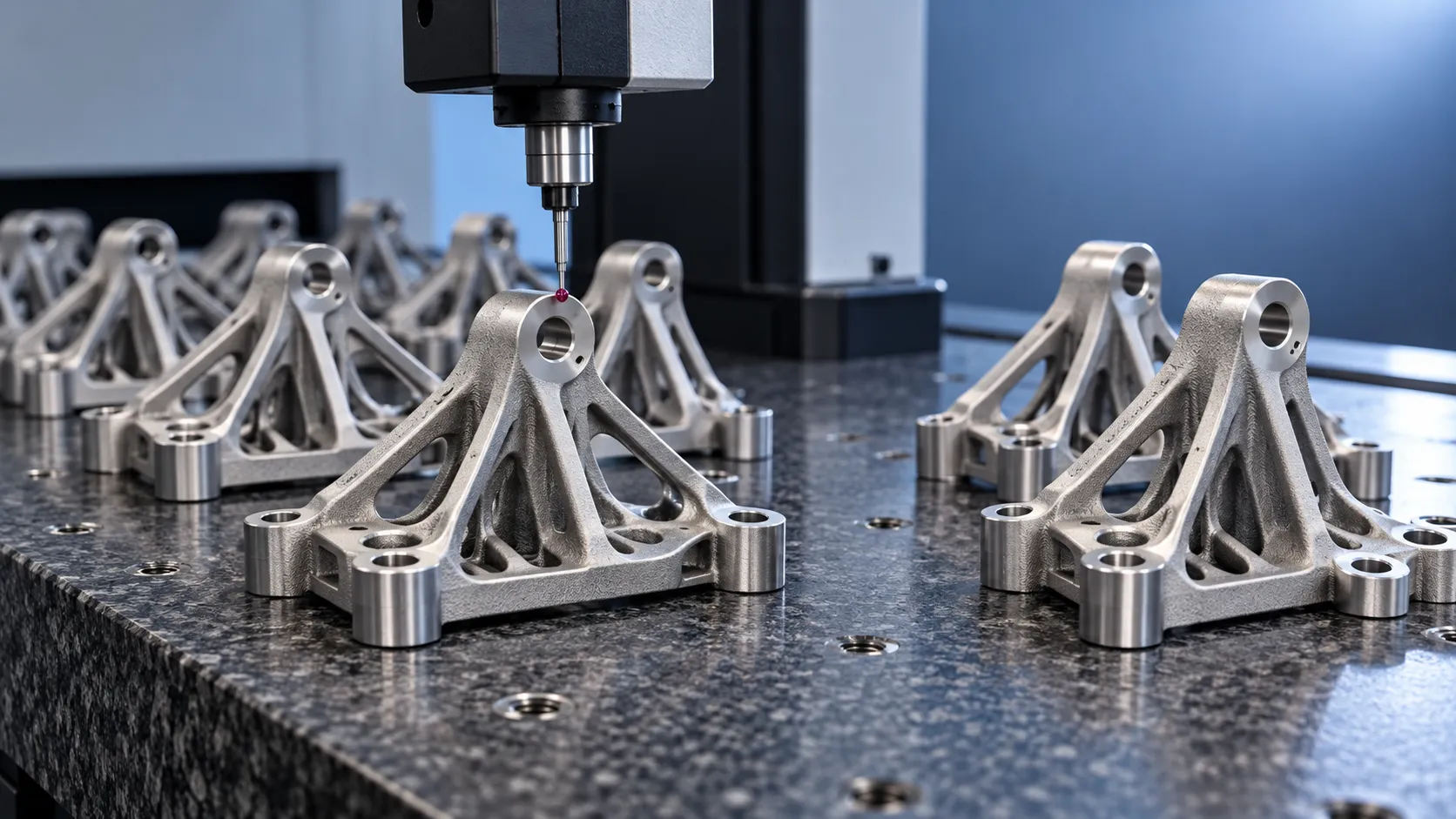
How to verify part consistency before choosing a 3D printing OEM
Choosing a 3D printing OEM? Learn how to verify part consistency with repeat-build trials, validated inspections, and traceability checks before committing to production.
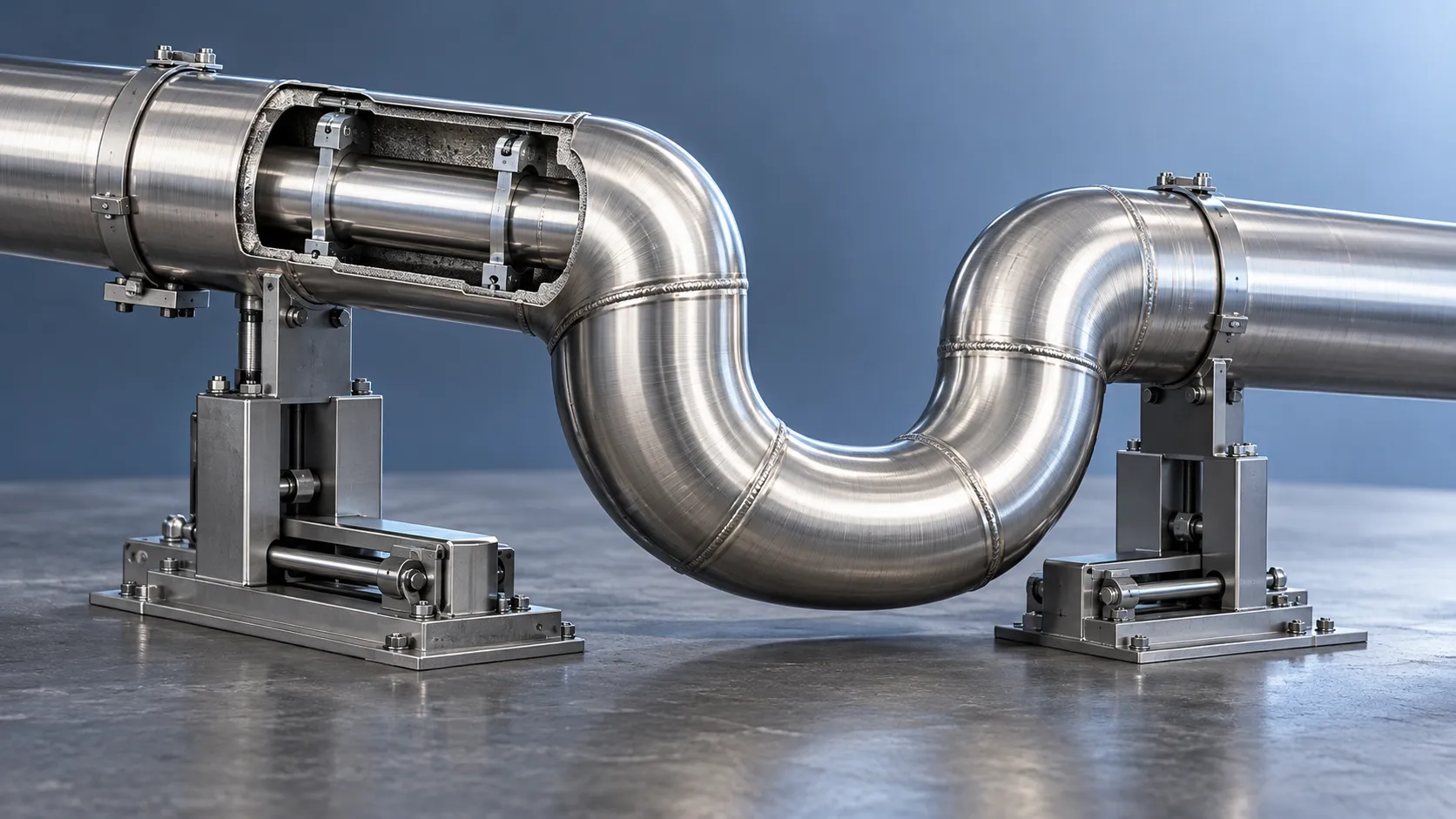
How does a rigid cryogenic transfer line handle thermal contraction?
Learn how a rigid cryogenic transfer line manages thermal contraction with bends, bellows, and guided supports. Discover key design checks for safe, reliable cryogenic performance.

How much does edge vision deployment cost beyond the hardware?
Understand edge vision deployment cost beyond hardware, from data and integration to security and support. Uncover hidden expenses and build a smarter lifecycle budget before you scale.
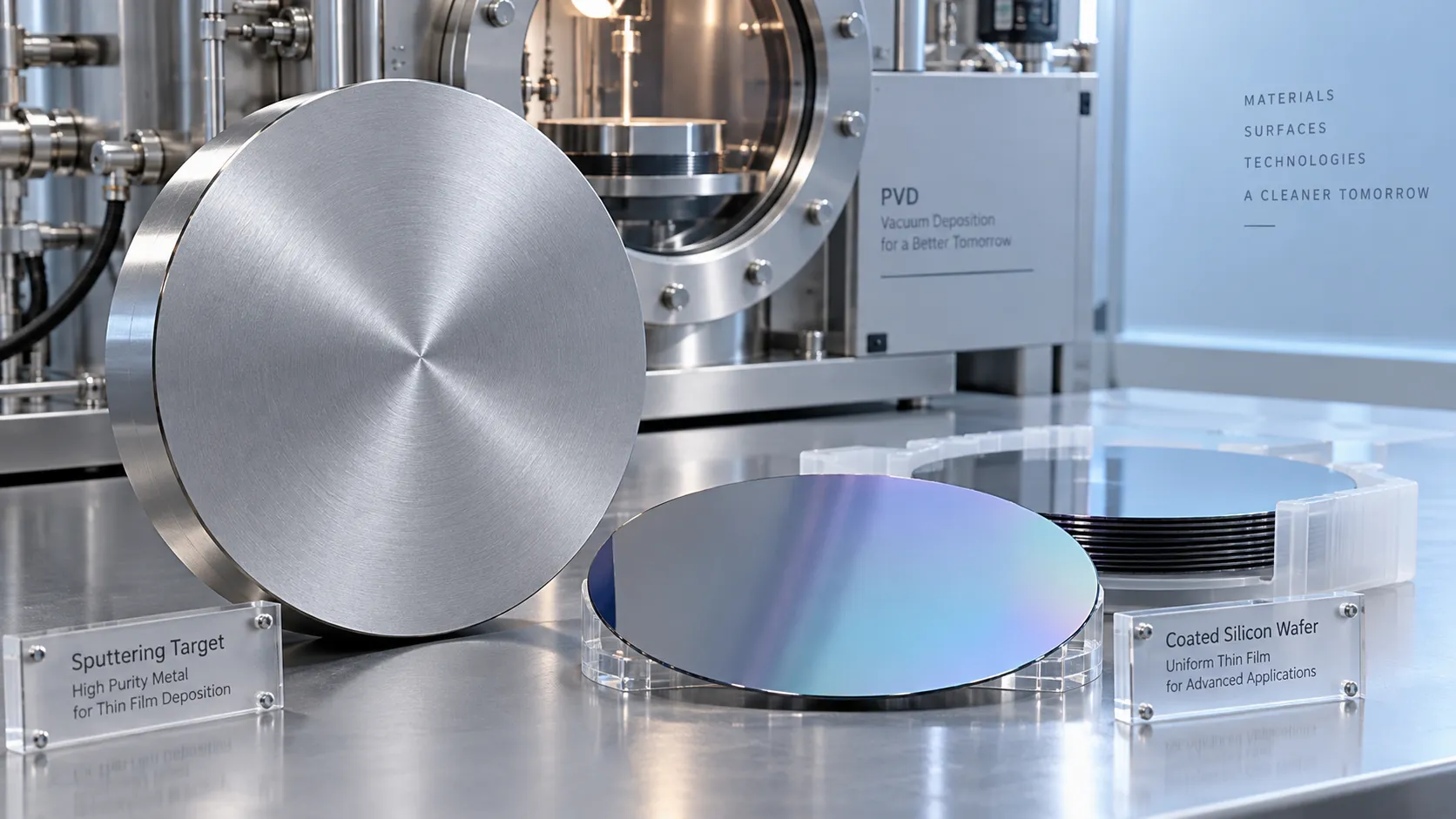
How does the purity of sputtering targets affect thin-film quality?
Discover how sputtering targets affect thin-film quality. Learn to assess purity, identify harmful impurities, and choose specifications that improve coating performance.
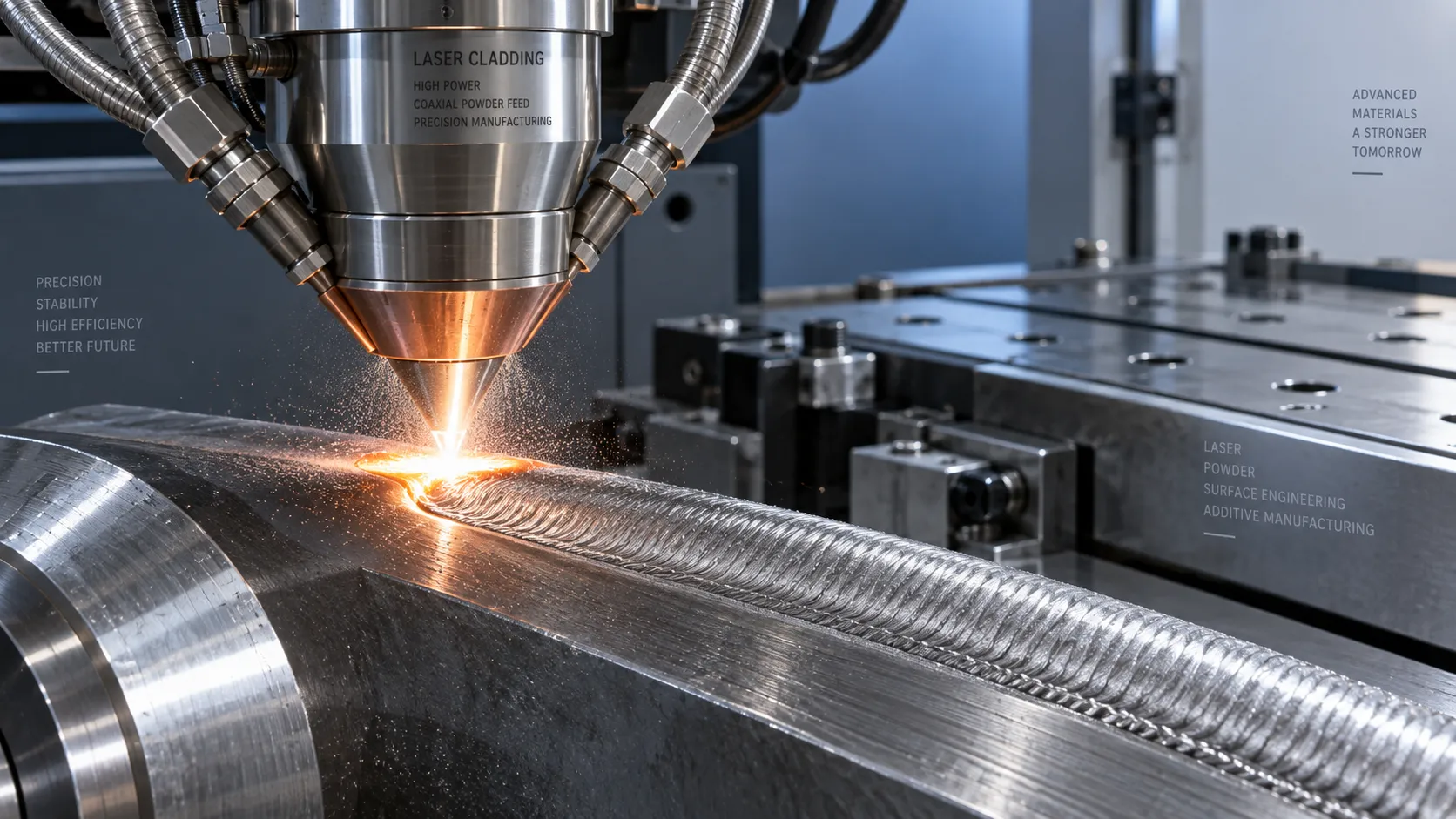
How high power laser cladding systems control substrate dilution
Discover how high power laser cladding systems control substrate dilution through beam shaping, material feed, and thermal management to deliver reliable bonds and coating performance.

How to check HS codes for customs compliance in international logistics
Strengthen international logistics customs compliance: learn how to verify HS codes, check official tariffs, and document classifications to reduce costly shipment delays.
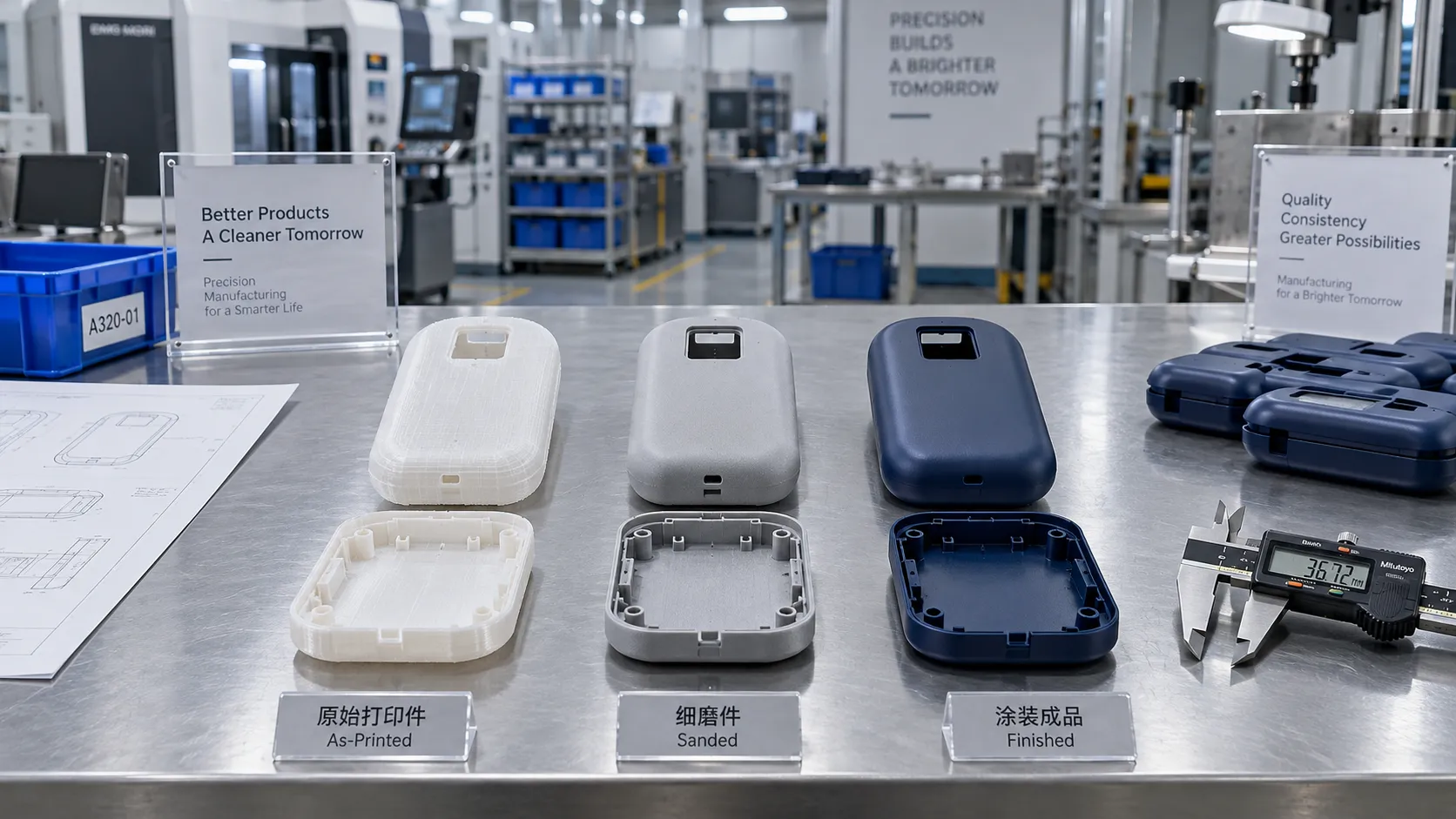
Choosing a 3D Printing Service for Consumer Products: Finish, Fit, and Cost
Compare 3d printing consumer good services by finish, fit, materials, and total cost. Learn how to choose a reliable supplier and avoid costly defects before ordering.
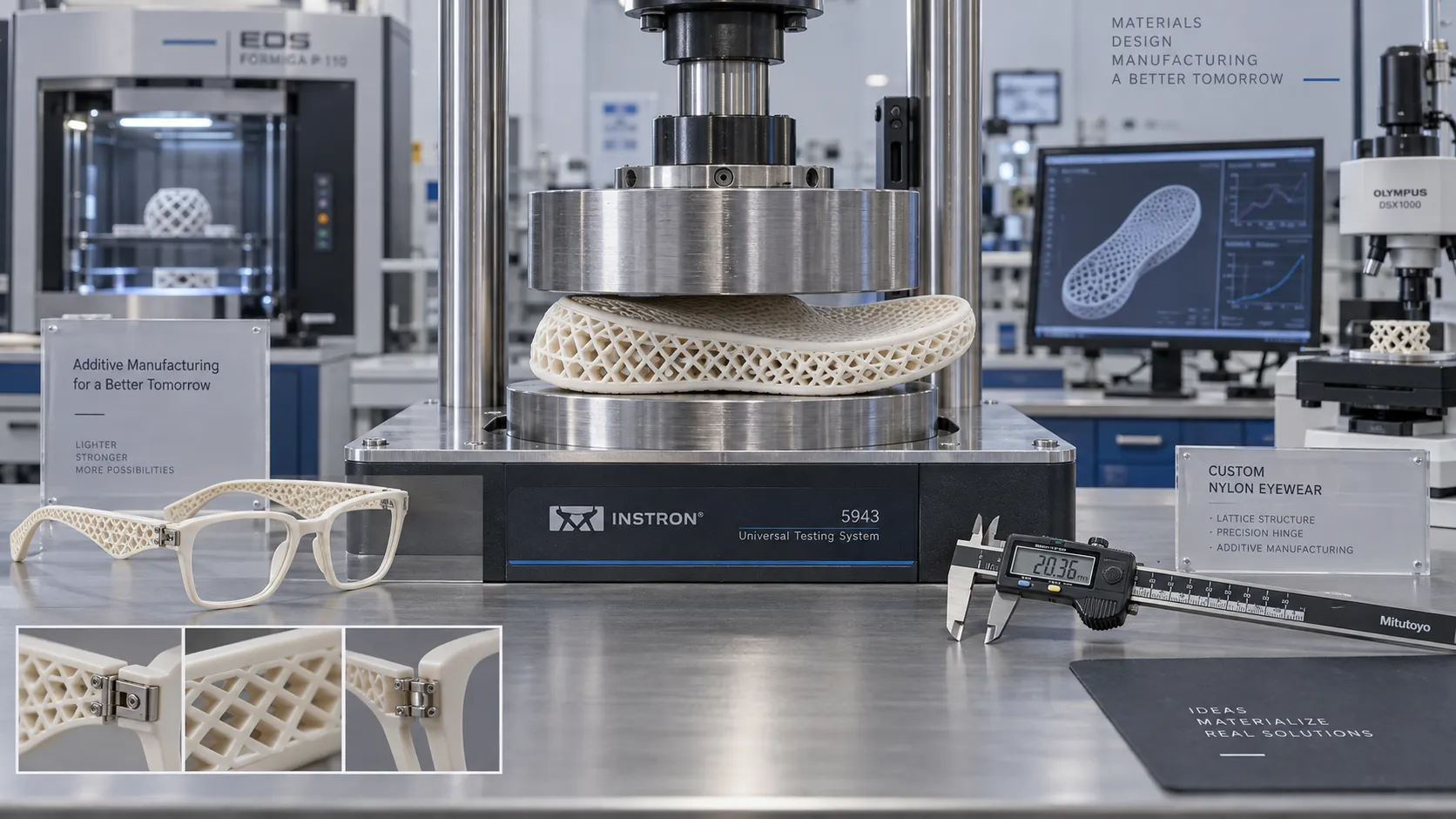
Which Consumer Goods Can Be 3D Printed, and What Are the Practical Limits?
Explore 3d printing consumer goods, from custom eyewear to replacement parts. Discover practical limits on materials, safety, and costs to make smarter production decisions.
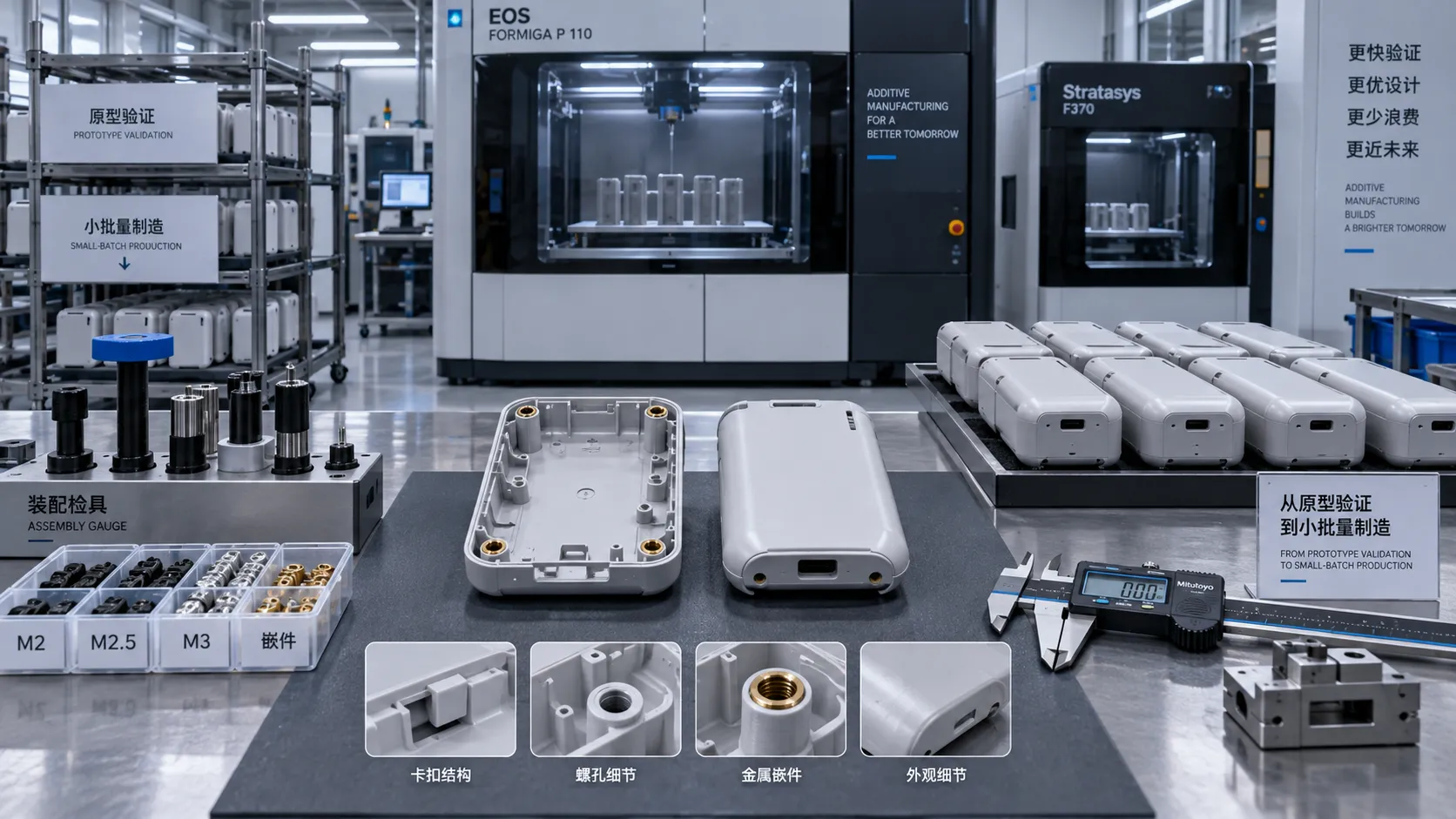
From Prototype to Small Batch: Applying 3D Printing to Consumer Goods
Explore 3d printing in consumer goods: learn how to move from prototype to small-batch production with practical guidance on materials, quality validation, and cost control.
Related News
- 00
0000-00
How to verify part consistency before choosing a 3D printing OEM - 00
0000-00
How does a rigid cryogenic transfer line handle thermal contraction? - 00
0000-00
How much does edge vision deployment cost beyond the hardware? - 00
0000-00
How does the purity of sputtering targets affect thin-film quality? - 00
0000-00
How high power laser cladding systems control substrate dilution
Dr. Julian Volt
Weekly Insights
Stay ahead with our curated technology reports delivered every Monday.